Following publication of the original article [1], the authors reported an error in the spelling of one of the author names. In this Correction the incorrect and correct author names are indicated and the author name has been updated in the original publication. The authors also reported an error in the Methods section of the original article. In this Correction the incorrect and correct versions of the affected sentence are indicated. The original article has not been updated with regards to the error in the Methods section.
Ezh2(enhancer of zeste homolog 2) is a member of the Polycomb-group (PcG) family. PcG family members form multimeric protein complexes that act as suppressors of the transcriptional state of genes over successive cell generations. Ezh2 acts mainly as a gene expression suppressor as it performs this role by the addition of three methyl groups to Lysine 27 of histone 3, a modification leading to chromatin condensation. Ezh2 is overexpressed in a number of human malignancies and its overproduction causes cancer due to silencing the expression of tumor suppressor genes. Overexpression of Ezh2 in medulloblastomas (MDB) has been shown in a number of studies while inhibition of its expression results in loss of viability cancer cells. Therefore targeting Ezh2+ MDB cells has the potential to result in a significant tumor regression. We have developed the first prototype of a mutated Herpes Simplex Virus-1, which is programmed to specifically replicate in cells that overexpress Ezh2 such as MDB cells resulting in their destruction. This oncolytic virus is called as “Signal-Smart 3 or SS3” virus. Normal tissues are not affected by this virus because of low or minimal expression of Ezh2. Oncolytic viruses are a novel family of anti-cancer agents capable of targeting cancer cells in a specific manner with different mechanisms. Many older members of this family are now in advanced phases of clinical trials. In this presentation, we explain our data about the effects of SS3 virus on the viability and tumorigenesis of MDB cells in-vitro and in-vivo.
Author(s): Bota, Daniela A; Newell, Kathy L; Danley, Marsha; Davis, Marilyn; Dubinsky, Richard; Taylor, Sarah A
 Kathy L. Newell合作论文数4
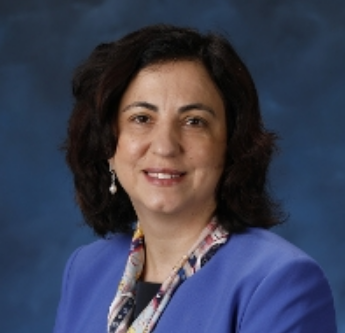 Daniela A Bota合作论文数Department of Neurology, School of Medicine, University of California, Irvine4
 Michael Salacz合作论文数3Reid C. Thompson合作论文数2Ania Pollack合作论文数2Anthony E. Maida合作论文数2Hans-Jörg Meisel合作论文数2Marsha Danley合作论文数2J Paul Duic合作论文数2Francois J. Geoffroy合作论文数2
 Karen Fink合作论文数2Raphael P Davis合作论文数2Jai Grewal合作论文数2Michel Lacroix合作论文数2Steven R Abram合作论文数2Clement Pillainayagam合作论文数2Simon Khagi合作论文数2Rekha T. Chaudhary合作论文数2Heinrich Elinzano合作论文数2John E. Trusheim合作论文数2Samuel Goldlust合作论文数2Michael Pearlman合作论文数2Yaron A. Moshel合作论文数2
 Christopher Duma合作论文数2Pamela New合作论文数2Julian Wu合作论文数2
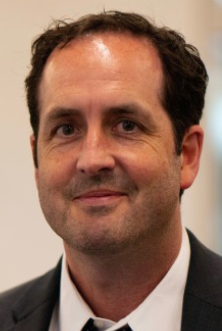 Robert M. Prins合作论文数Department of Neurosurgery, David Geffen School of Medicine, University of California, Los Angeles;Brain Research Institute, University of California, Los Angeles2
 Linda Liau合作论文数Jonsson Comprehensive Cancer Center, University of California, Los Angeles;Department of Neurosurgery, University of California, Los Angeles2
 Kevin Petrecca合作论文数Department of Neurology and Neurosurgery, McGill University;Montreal Neurological Institute and Hospital, McGill University Health Centre2
 Jason A. Heth合作论文数Department of Neurosurgery, Medical School, University of Michigan2
 Steven Brem合作论文数Department of Neurosurgery, Perelman School of Medicine, University of Pennsylvania2
 Keyoumars Ashkan合作论文数Department of Basic & Clinical Neuroscience, School of Neuroscience, Institute of Psychiatry, Psychology & Neuroscience, King’s College London2
 Paul Mulholland合作论文数Department of Oncology, Cancer Institute, Faculty of Medical Sciences, University College London2Etame Arnold B合作论文数2Stacy D. D'Andre合作论文数2
 Timothy Pluard合作论文数2
 David Tran合作论文数Department of Neurosurgery, University of Florida2Green Richard M合作论文数2
 Taylor Lynne P合作论文数Virginia Mason Medical Center2David Piccioni合作论文数2
 Andrew Brenner合作论文数Division of Hematology and Oncology, The University of Texas Health Science Center at San Antonio;NanoTx Therapeutics2
 Scott M. Lindhorst合作论文数Department of Neurology and Neurosurgery &Brain &, MUSC;Spine Tumor Program, Medical University of South Carolina2
 Tom Mikkelsen合作论文数Hermelin Brain Center, Henry Ford Hospital;Department of Neurology, Henry Ford Hospital;Ontario Brain Institute2Portnow Jana合作论文数2
 Robert Aiken合作论文数2
 Gabriele Schackert合作论文数Carl Gustav Carus University Hospital2Manfred Westphal合作论文数2
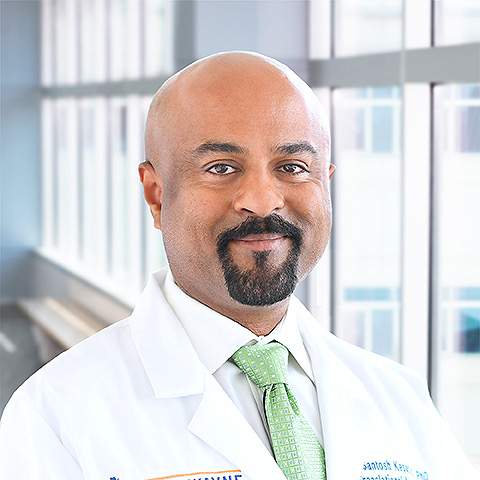 Santosh Kesari合作论文数Department of Translational Neurosciences, Saint John's Health Center, Saint John’s Cancer Institute;Providence Southern California;Praesidia Biotherapeutics Inc2
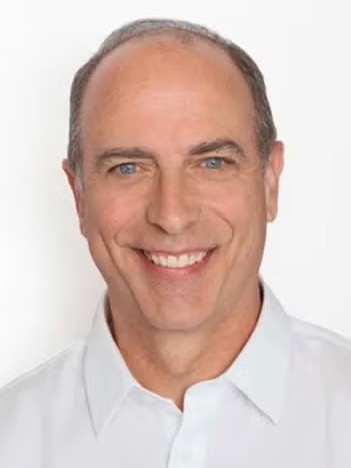 Timothy Cloughesy合作论文数Department of Molecular and Medical Pharmacology, David Geffen School of Medicine, University of California, Los Angeles;Brain Research Institute, University of California, Los Angeles2




