Environmental stressors such as heat shock (HS) and microplastics (MPs) can markedly influence seed germination and early seedling development. This study investigated the isolated and combined effects of HS and polyethylene microplastics (PE-MPs) on the germination of wheat (Triticum aestivum) and maize (Zea mays). Seeds were exposed to HS at 40 degrees C, 60 degrees C, 80 degrees C, and 120 degrees C for 1, 5, 10, and 15 min, in the presence of PE-MPs at 0.01, 0.1, and 1% (w/w). Moderate HS significantly enhanced germination (p < 0.05): wheat showed a 16.32% increase at 40 degrees C for 15 min, while maize increased by 9.80% at 60 degrees C for 10 min relative to the control. In contrast, the combined HS + MPS exposure significantly reduced germination by 8.8%, 15.78%, and 17.54% in wheat, and by 7.10%, 16.04%, and 24.97% in maize. MPs alone produced the strongest inhibitory effect (p < 0.05), decreasing germination by 17.54%, 26.31%, and 40.42% in wheat, and by 17.89%, 27.11%, and 35.69% in maize at 0.01, 0.1, and 1% (w/w), respectively. Both stressors also delayed germination, as reflected by increased mean germination time (MGT). These results highlight the importance of evaluating multi-stress interactions in agroecosystems and contribute to improving crop management strategies and food security under climate-driven environmental change.
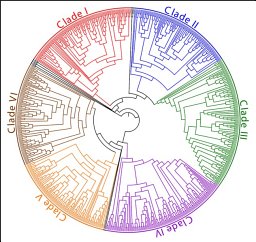
RNA recognition motif (RRM)-containing proteins are important regulators involved in diverse cellular processes, including splicing, stability, transport, and translation of transcripts. However, their comprehensive characterization remains limited in perennial tropical crops like Cocos nucifera. In this study, we performed a genome-wide analysis of RRM genes in coconut, identifying a total of 326 CnRRM genes. Phylogenetic classification based on complete RRM domain sequences grouped these proteins into eleven clades (I-XI), each exhibiting distinct variations in motif length and domain architecture. Transcriptome profiling revealed diverse expression patterns across coconut tissues, ranging from constitutive to highly tissue-specific. The CnHRLP1 gene, encoding an hnRNP-like multi-RRM protein, was selected for further functional analysis. Subcellular localization showed that the CnHRLP1 protein is predominantly nuclear, and its constitutive overexpression in Arabidopsis led to a severe dwarf phenotype. RNA-seq analysis demonstrated that CnHRLP1 overexpression broadly reshaped the transcriptome. KEGG pathway enrichment highlighted a significant impact on plant hormone signaling, particularly the gibberellin (GA) pathway. CnHRLP1 overexpression induced the coordinated downregulation of key GA biosynthetic genes (KO, KAO1/2, GA20ox, GA3ox) and the upregulation of GA catabolic genes (GA2ox2/6), suggesting its role in modulating GA homeostasis. In conclusion, this study provides a genomic and functional overview of the coconut RRM protein family and establishes that the hnRNP-like protein CnHRLP1 functions as a transcriptional regulator that inhibits vegetative growth, potentially through the suppression of gibberellin biosynthesis.
Soil degradation in alpine wetlands reduces ecosystem functioning and carbon turnover, while restoration strategies are critical for enhancing carbon storage and microbial nutrient dynamics. However, the effects of restoration on microbial resource limitations and enzymatic stoichiometry remain poorly understood. In this study, we applied ecoenzymatic stoichiometry modelling to quantify depth-dependent microbial resource limitations across degraded (WD), passively restored (WPR), and 10-year actively restored (WAR) wetlands. Vector-based analysis revealed that microbial carbon (C) limitation was strongest in WD but was progressively alleviated with restoration. The lowest vector lengths in both topsoil (0.53 ± 0.04) and subsoil (0.50 ± 0.02) were measured in WAR, and both were below the updated C-limitation threshold (0.61). Concurrently, microbial nitrogen (N) limitation increased, as indicated by decreasing vector angles in topsoil (from ∼54° in WD to 42° in WAR) and subsoil, suggesting a shift in microbial nutrient acquisition toward N. Stoichiometric ratios (EC:N, EC:P, EN:P) and threshold-based indices (MCL, MNL, MPL) supported these patterns. Restoration reduced soil bulk density, increased subsoil SOC from 8.5% in WD to 10.1% in WAR, and lowered topsoil pH in WAR, indicating improved soil physical and chemical conditions. C-/N-acquiring enzymes was correlated positively (r > 0.75) with microbial biomass but negatively with bulk density, indicating that soil structure promotes enzymatic activity. Exploratory principal component analysis separated wetland states, with WAR associated with higher enzyme activity and microbial biomass than the other two wetland states. Overall, WAR alleviates microbial C limitation, increases relative N limitation, and strengthens the functional link between enzymatic activity and nutrient availability, providing mechanistic insights for long-term alpine wetland recovery.
Nano-engineered amendments, such as nano zero-valent iron-modified biochar (nZVI-BC), offer promising potential for restoring degraded soils; however, their role in regulating soil carbon cycling, particularly under climate warming conditions, remains insufficiently understood. This study evaluates the effects of nZVI-BC and yak dung biochar (BC), applied at 1
Soil salinity is represent a significant environmental stressor that profoundly impairs crop productivity by disrupting plant physiological functions. To mitigate this issue, the combined application of biochar and nanoparticles has emerged as a promising strategy to enhance plant salt tolerance. However, the long-term residual effects of this approach on cereal crops remain unclear. In a controlled pot experiment, rice straw biochar (BC) was applied in an earlier experiment at a rate of 20 t/ha, in conjunction with ZnO and Fe2O3 nanoparticles at concentrations of 10 mg L- 1 and 20 mg L- 1. Two rice genotypes, Jing Liang You-534 (salt-sensitive) and Xiang Liang You-900 (salt-tolerant), were utilized under 0% NaCl (S1) and 0.6% NaCl (S2) conditions. Results showed that, application of residual ZnOBC-20 significantly enhanced rice biomass, photosynthetic assimilation, relative chlorophyll content, SPAD index, enzyme activities, K+/Na+ ratio, hydrogen peroxide (H2O2) levels, and overall plant growth. Specifically, ZnOBC-20 increased the tolerance index by 142.8% and 146.1%, reduced H2O2 levels by 27.11% and 35.8%, and decreased malondialdehyde (MDA) levels by 33% and 57.9% in V1 and V2, respectively, compared to their respective controls. Residual of ZnOBC-20 mitigated oxidative damage caused by salinity-induced over-accumulation of reactive oxygen species (ROS) by enhancing the activities of antioxidant enzymes (SOD, POD, CAT, and APX) and increasing total soluble protein (TSP) content. Xiang Liang You-900 exhibited a less severe response to salinity compared to Jing Liang You-534. Additionally, residual of ZnOBC20 significantly enhanced the anatomical architecture of both root and leaf tissues and regulated the expression levels of salt-related genes. Residual of ZnOBC-20 also improved salt tolerance in rice plants by reducing sodium (Na+) accumulation and enhancing potassium (K+) retention, thereby increasing the K+/Na+ ratio under saline conditions. The overall results of this experiment demonstrate that, residual effects of ZnOBC-20 not only improved the growth and physiological traits of rice plants under salt stress but also provided insights into the mechanisms behind the innovative combination of biochar and nanoparticles residual impacts for enhancing plant salt tolerance.
Plant-to-plant interactions are essential for structuring plant communities and supporting adaptation in nutrient-poor, seasonally dry environments. This study examined the interactions between moss Leucobryum aduncum Dozy & Molk and Oreocharis hainanensis by analyzing microbial communities and physicochemical parameters across various sample types. These included soil [bare (B), O. hainanensis (O), moss (M), and moss + O. hainanensis (MO)], rhizosphere soil [O. hainanensis (ORS), moss (MRS), and moss + O. hainanensis (MORS)], and root [O. hainanensis (OHR), moss (MR), and moss + O. hainanensis (MOR)] using metagenomics sequencing across dry and wet seasons in limestone habitats on Hainan Island. During the dry season, combined plant samples MOR, MO, and MORS showed higher nutrients, supported by microbes that enhance nutrient turnover, which may indicate facilitation. Conversely, during the wet season, increased moisture leads to decreased nutrient levels and microbial communities shift, associated with slower nutrient turnover in combined plant samples, which may reflect competition. According to KEGG analysis, an increase in oxidative phosphorylation and ABC transporters in the dry season supported the facilitative interaction, while quorum sensing and two-component systems supported the competitive interaction in the wet season. These findings show how shifts between facilitation and competition arise from seasonal conditions and microbes in the limestone ecosystem.
The increasing global temperatures, driven largely by anthropogenic activities, pose a significant threat to crops worldwide, with heat stress (HS) emerging as one of the most severe challenges to agricultural productivity. Among the numerous human-induced pressures threatening terrestrial ecosystems globally, microplastics (MPs) represent one of the most persistent and urgent concerns. This study investigated the effects of heat stress (HS) at 35 °C and 40 °C (12 h exposure) on wheat (Triticum aestivum) and maize (Zea mays) grown in soil contaminated with polyethylene microplastics (PE-MPs; 0.01
This study presented the pollen micromorphology of some Caesalpinioideae species sampled from different geographical regions of Hainan Island south China and Pakistan and observed under scanning electron microscope (SEM). The multivariate principal component analysis (PCA) was performed by using five variables to show the relationship among the species. The results showed that heteromorphy in pollen features; i.e., small and large size pollen, outline (circular, triangular, elliptical), shape (spheroidal, sub-spheroidal, oblate, prolate), detail of the apocolpium region (small, large), type of endoapertures and exine sculpturing (reticulate, finely reticulate, macro-reticulate, perforate, psilate) can help significantly in the discrimination of taxa. The PC-1 showed significant variation (60.06
RNA-binding proteins (RBPs) are essential for cellular functions by attaching to RNAs, creating dynamic ribonucleoprotein complexes (RNPs) essential for managing RNA throughout its life cycle. These proteins are critical to all post-transcriptional processes, impacting vital cellular functions during development and adaptation to environmental changes. Notably, in plants, RBPs are critical for adjusting to inconsistent environmental conditions, with recent studies revealing that plants possess, more prominent, and both novel and conserved RBP families compared to other eukaryotes. This comprehensive review delves into the varied RBPs covering their structural attributes, domain base function, and their interactions with RNA in metabolism, spotlighting their role in regulating post-transcription and splicing and their reaction to internal and external stimuli. It highlights the complex regulatory roles of RBPs, focusing on plant trait regulation and the unique functions they facilitate, establishing a foundation for appreciating RBPs' significance in plant growth and environmental response strategies.
The pollen and foliar epidermal morphological features are mostly used in resolving the taxonomic issue of flowering plant families. This study aimed to investigate, the comparative foliar epidermal anatomy and pollen features of Plantaginaceae through scanning electron microscopy (SEM) and light microscopy (LM) to evaluate its taxonomic significance. Pollen characteristics were measured from each specimen under LM. Details of the exine sculpture were also analyzed under SEM. Generally, the pollen grains are small to medium-sized, radially symmetrical, circular amb with the prolate shape of pollen grains in equatorial axis, tricolpate and pantoporate. The exine sculpture is reticulate, micro-reticulate, scabrate, verrucate, striate and rugulate. The genus Plantago shows diverse pollen morphology, with variations in shape, size, aperture type, and exine ornamentation across the species. Likewise, the genus Veronica has generally trizonocolpate pollen grains, with rare differences in aperture type and exine ornamentation. Foliar epidermal characters were observed using a light microscope and found variations in epidermal cell shape, pattern of anticlinal wall, type and shape of stomata, and types of trichomes. In addition, some quantitative characters were also studied and data were statistically analyzed such as epidermal cell size, stomatal size, stomatal pore size and stomatal index. The results indicated that the shape of the epidermal cell in most species was irregular, isodiametric and polygonal on both abaxial and adaxial surfaces. The anticlinal wall pattern was mostly undulate but some species have straight and smooth walls. Leaves were mostly amphistomatic while the type of stomata were found as anisocytic and anomocytic. Unicellular and multicellular non-glandular trichomes were also observed. Thus, foliar epidermal together with pollen morphological features strengthen and give additional support to the taxonomy of Plantaginaceae.
Pollen grains have long fascinated biologists who used their significant intra and inter-specific diversity as a marker to infer profiles of past and present vegetation and environment. Our study addresses the question of the diversity in pollen morphology at the intra and inter-specific level: how different are pollen grains of the same species sampled from the tropical and subtropical regions of China and Pakistan. Such differences are expected and are well known to palynologists, but at the same time technically challenging to quantify. We used both light microscopy (LM) and scanning electron microscopy (SEM), to explore the intra and inter-specific pollen variability and its taxonomic relevance in selected Fabaceae taxa. Pollen features were described in terms of size, shape, apertures and exine sculpturing and were then subjected to correlation and principal component analysis (PCA). A high morphological disparity and phenotypic plasticity were found in Leguminaceae species. A weak intra-specific variation was found in the exine sculpturing while it was high when considering the polar axis and equatorial diameter, colpus length and width, shape and P/E ratio. Variation in environmental factors explained a significant portion of the naturally occurring variation in pollen size. Relatively large size pollen was found in the warmer subtropical region, which leads to the conclusion that most of the pollen traits of Fabaceae species are plastic in nature. This intra-specific variability in pollen futures could indicate that plants are trying to adapt their pollen morphology to environmental conditions such as maximum temperature, and humidity.
Identifying soil characteristics associated with the plant’s resource use and acquisition strategy at different scales could be a crucial step to understanding community assembly and plant strategy. There is an increasing trend that plant functional properties can be an important driver of ecosystem functioning. However, major knowledge gaps exist about how soil abiotic properties, shape species diversity, above-ground biomass (AGB) and plant functional diversity in the Bawangling tropical forest (TCF) of Hainan island. Hence we hypothesized that plant functional traits and above-ground biomass would be strongly associated with soil abiotic factors given their direct relationship to soil resource acquisition and use. Here, we used 12 plant functional traits (FTs), above-ground biomass (AGB), and five soil nutrients in the Bawangling tropical cloud forest of Hainan Island by using a polynomial regression model and multivariate correlations to show relationship and identify how plants allocate their limited resources to adapt to their surroundings. Various phytosociological attributes were assessed and an Importance Value Index (IVI) value was calculated for each species to determine the dominant species. More than half of the total variations could be attributed to interspecific variations in H, DBH, LA, LMA, and LDW. From a taxonomic perspective; we found that species-level variance was more significant for plant functional traits and soil nutrients like TN, AP, TP, and OM. On the other hand, variation in specific stem density (SSD), leaf thickness (LT), leaf phosphorus (LP) and leaf soluble sugar (LS) was an exception for these tendencies. Among soil nutrients, soil nitrogen and phosphorus significantly impact the species and functional traits. Furthermore, the soil AN and TP we also found to have a comparatively strong positive relationship with above-ground biomass (AGB) as compared with other soil nutrients. The morpho-physiological functional traits showed a trade-off between conservative and acquisitive resource usage. These variations suggested that the relationships of functional traits, AGB, and species with soil nutrients mainly AN and TP in tropical cloud forests can directly affect the growth, reproduction, and survival of the species and are beneficial for the species co-existence and maintenance of biodiversity.
The WRKY transcription factor family is a key player in the regulatory mechanisms of flowering plants, significantly influencing both their biotic and abiotic response systems as well as being vital to numerous physiological and biological functions. Over the past two decades, the functionality of WRKY proteins has been the subject of extensive research in over 50 plant species, with a strong focus on their roles in responding to various stresses. Despite this extensive research, there remains a notable gap in comprehensive studies aimed at understanding how specific WRKY genes directly influence the timing of flowering and fruit development. This review offers an up-to-date look at WRKY family genes and provides insights into the key genes of WRKY to control flowering, enhance fruit ripening and secondary metabolism synthesis, and maintain fruit quality of various plants, including annuals, perennials, medicinal, and crop plants. The WRKY transcription factors serve as critical regulators within the transcriptional regulatory network, playing a crucial role in the precise enhancement of flowering processes. It is also involved in the up-regulation of fruit ripening was strongly demonstrated by combined transcriptomics and metabolomic investigation. Therefore, we speculated that the WRKY family is known to be a key regulator of flowering and fruiting in plants. This detailed insight will enable the identification of the series of molecular occurrences featuring WRKY proteins throughout the stages of flowering and fruiting.
Increasing soil and water salinity threatens global agriculture, particularly affecting rice. This study investigated the residual effects of microbial biochar and nitrogen fertilizer in mitigating salt stress in paddy soil and regulating the biochemical characteristics of rice plants. Two rice varieties, Shuang Liang You 138 (SLY138), a salt-tolerant, and Jing Liang You 534 (JLY534), a salt-sensitive, were grown under 0.4 ds/m EC (S0) and 6.84 ds/m EC (S1) in a glass house under controlled conditions. Three types of biochar—rice straw biochar (BC), fungal biochar (BF), and bacterial biochar (BB)—were applied alongside two nitrogen (N) fertilizer rates (60 kg ha−1 and 120 kg ha−1) in a previous study. The required salinity levels were maintained in respective pots through the application of saline irrigation water. Results showed that residual effects of microbial biochars (BF and BB) had higher salt mitigation efficiency than sole BC. The combination of BB and N fertilizer (BB + N120) significantly decreased soil pH by 23.45% and Na+ levels by 46.85%, creating a more conducive environment for rice growth by enhancing beneficial microbial abundance and decreasing pathogenic fungi in saline soil. Microbial biochars (BF and BB) positively improved soil properties (physicochemical) and biochemical and physiological properties of plants, ultimately rice growth. SLY138 significantly had a less severe response to salt stress compared to JLY534. The mitigation effects of BB + N120 kg ha−1 were particularly favorable for SLY138. In summary, the combined residual effect of BF and BB with N120 kg ha−1, especially bacterial biochar (BB), played a positive role in alleviating salt stress on rice growth, suggesting its potential utility for enhancing rice yield in paddy fields.
This study investigated the total and bioaccessible concentrations of cadmium (Cd) and lead (Pb) in urban soils and their associated human health and ecological risk. Total and bioaccessible metal concentrations were found within the safe limits except for Cd, surpassing the State Environmental Protection Administration (SEPA) China limit in 9.5% of parks. Bioaccessible concentrations were higher in the gastric (G) phase than the intestinal (I) phase, while Cd showed more bioaccessibility compared to Pb. Bioaccessible concentrations reduced Hazard Quotient (HQing) values by 2–22 times and 0–2 times for children and adults, respectively, while hazard index (HI) declined by 1.7 times, and the mean total bioaccessible risk of Pb decreased by 20.8 times. Further, the study revealed a low level of contamination factor (CF < 1) and a low degree of contamination (CD < 6), and Potential Ecological Risk Index (PERI) values for all the cities were less than 150, indicating low ecological risk.
The Papilionoideae is one taxonomically complex subfamily with high economic and medicinal potential. The pollen micro-morphology and taxonomic relevance of this subfamily are still poorly known in the island. Therefore, this study aims to provide new palynological information to correctly identify and define species boundaries within the subfamily. The species were collected from different geographical regions of Hainan Island. Both light and scanning electron microscopic techniques were used to observe pollen traits. Additionally, principal component analysis was performed to elucidate the variation among the taxa. A significant variation was found in exine sculpturing i.e. most of the taxa have reticulate type pollen while Desmodium triflorum has a psilate exine pattern. Variations were found on the surface of the reticula that can help to delimit the species from one another. Pollen type was observed as tricolporate and rarely tricolpate. Similarly, the colpus surface membrane morphology may also vary significantly from species to species i.e. scabrate, verrucate, gemmate, rugulate patterns. Besides, the mergo having various sculpturing found in Canavalia rosea, Desmodium triflorum, D. microphyllum Glycine max, Macroptilium atropurpureum, Erythrina crista-galli and Zornia gibbosa should be considered as a potential taxonomic trait for the subfamily. The maximum P/E ratio was found in Zornia gibbosa (2.24). Similarly, the maximum pollen size was found in Alysicarpus vaginalis (34.64 x 33.99 mu m). Our study explored the pollen morphological traits and can be helpful to correctly identify the species and define species boundaries within Papilionoideae at various taxonomic levels. This study strengthens and supports the taxonomic position of the subfamily and will provide bases for further phylogenetic and molecular studies of Papilionoideae.
The Asteraceae is one of the most taxonomically complex, medicinally and economically important family among the angiosperms. Therefore, this study aims to evaluate the leaf anatomical features to correctly identify the Asteraceae species of Hainan Island. Scanning electron microscopy was used to investigate various micro epidermal traits. Leaf micromorphology of all the species was characterized, visualized and compared using UPGMA Cluster analysis (CA), chord diagram and ridgeline plot. Generally, the trichomes were divided into two main categories, glandular trichomes (GTs) and non-glandular trichomes (NGTs). The GTs was further classified into capitate, subsessile and sessile capitate. The NGTs were classified into long falcate, short conical, lipidote and filiform. The stomata were mostly anomocytic and anisocytic sometimes mixed with tetracytic type. However, there are varied assortments of trichomes and stomata with transitions among them especially in their type, frequency and number of cells. The trichomes and stomata can be successfully used for the delimitation of the genera within the family. The statistical analysis can help in better understanding of the results that characterized, visualized and compared the leaf anatomical traits of the Asteraceae taxa. Overall, these traits collectively have a significant taxonomic potential to identify and define species boundaries at the tribe and generic levels and can be used as an additional tool for regrouping taxa within Asteraceae.
Background: Medicinal plants occupy an important place in the lives of people around the world. This study covers an area where medicinal plants are widely used for various health-related problems due to easily available sources. Objective: The current study aimed to document the quantities of data about the most commonly used medicinal plants in the district Bannu and two common species' biological activities. Methods: Ethno-pharmacological data were collected from different locations of district Bannu in the period from 2018 to 2019.The information about biological activities was concentrated on two species: Withania coagulans (Stocks) Dunal and Mentha viridis L. The data was compiled randomly by semi-structured interviews from having different groups, ages consist of both genders, male and female. Results: The ethno-pharmacological data were collected from 115 native people, including 14 traditional healers. The most frequently cited families were: Solanaceae and Moraceae with 5 species (5.88%) followed by Apiaceae, Cucurbitaceae, Euphorbiaceae, Fabaceae with 4 species each (4.7%). The highest use-value was reported for Withania coagulans (0.47), followed by M. viridis (0.44), Tamarix aphylla (0.43), Curcuma longa (0.42), Plantago ovata (0.41), Linum usitatissimum (0.40). Least use value was reported for Ziziphus nummularia (0.04).The highest RFC value was reported for W. coagulans (47.82), followed by M. viridis (44.34), and T. aphylla (43.47). Conclusion: The study will result in further pharmacological and clinical research to discover new medicines to improve the health system. It is the first step in unraveling natural products' potential and requires careful study and investigation to enrich the system worldwide. The study will also contribute to the conservation of medicinal plants in the area of Bannu.
In the context of tropical monsoonal dwarf forest restoration, it is well known that the interaction between soil properties and plant functional traits influences the dynamics and forest composition of plant communities. The main aim of this study was to determine the relationships and variations between the plant functional traits and environmental variables in tropical coastal secondary forests. However, it is undisputed whether trait variation is coordinated and whether there is a relationship between the community-weighted mean (CWM) traits and soil variables. TNNR conducted a ground survey to collect actual ground data on the biophysical characteristics of individual trees and shrubs, along with soil sample data. All soil samples and plant materials were collected at the end of June, in the 2020 growing season (July and August), in each quadrat with a 400-m(2) area. To gain insight into these questions, a total of 4 plant functional traits of 167 species and 5 soil nutrients from 128 soil samples were analyzed from 128 plots in a tropical evergreen monsoon forest on Hainan Island. Using SMA (standardized major axis), wood density (WD), and leaf thickness (LT), as well as specific leaf area (SLA) and relative leaf water content (RLWC), were significantly positively correlated. Using Pearson correlation analysis, leaf thickness (LT) was significantly positively correlated with soil organic matter (OM). Using principal component analysis (PCA), we also found that soil TN and OM were the strongest predictors for functional traits, i.e., WD and LT. Moreover, using path analysis, OM and TN have a major impact on plant CWM traits, e.g., SLA and RLWC. Our results show a significant relationship between functional traits and soil pH and soil nutrients in tropical coastal secondary forests. Our results highlight that plant traits can be used to predict specific soil nutrients and ecosystem functioning in tropical secondary forests, but we are concerned about how variation in the physical structure of plant affect ecosystem function in forest communities. This research can help us to better understand the restoration of habitats and green infrastructure design, suggesting that selecting different species across multiple trait axes can help ensure functionality at the maximum level.
 Muhammad Shuaib合作论文数Sch Ecol & Environm Sci, Yunnan Univ37
 Mushtaq Ahmad合作论文数Department of Plant Sciences, Quaid-i- Azam University Islamabad33
 Muhammad Zeeshan Zafar合作论文数Department of Plant Sciences;Quaid-i-Azam University;Department of Plant Sciences, Quaid-i-Azam University26
 Fazal Ullah合作论文数19
 Wajid Zaman合作论文数Department of Life Sciences, Yeungnam University18
 Shazia Sultana合作论文数16
 Uzma Hanif合作论文数Department of Botany, Government College University14
 Asma Ayaz合作论文数Hubei University13
 Muhammad Romman合作论文数Dept Bot, Univ Chitral12
 Shomaila Ashfaq合作论文数Dept Plant Sci, Quaid I am Univ12
 Wenxing Long (龙文兴)合作论文数School of Ecology, Hainan University12
 Saddam Saqib合作论文数Chinese Academy of Sciences11Saba Gul合作论文数10Najla Begum合作论文数8
 Sehrish Taj合作论文数Hainan University8
 Fida Hussain合作论文数8
 Asad Ali Shah合作论文数Department of Biological and Biomedical Sciences, Aga Khan University8Naila Azam合作论文数7Saima Rubab合作论文数7
 Maryam Butt合作论文数Department of Plant Sciences, Quaid-i-Azam University7Rainaz Parvez合作论文数6
 Mir Muhammad Nizamani合作论文数Inst Trop Agr & Forestry, Hainan Univ6Shazia Rehman合作论文数6Hazrat Ali合作论文数6
 Iram Liaqat合作论文数University of the Punjab Department of Microbiology and Molecular Genetics, Quaid-e-Azam Campus6
 Syed Nasar Shah合作论文数5Zara Urooj合作论文数5
 Yaseen Muhammad合作论文数Inst Soil & Environm Sci, Univ Agr Faisalabad5Muhammad Ishaq合作论文数4Rizwana Bilqees合作论文数4
 Zakir Ullah合作论文数4
 Muhammad Ikram合作论文数4
 Mian Muzammil Shah合作论文数4Shazia Dilbar合作论文数4
 Noor Muhammad合作论文数4
 Nesar Uddin合作论文数Res Ctr Chinese Jujube, Hebei Agr Univ4
 Faiz Ul Haq合作论文数Microbiology University of Health Sciences4
 Hameed Alsamadany合作论文数4
 Atif Ali Khan Khalil合作论文数Lahore Coll, Women Univ4
 Farooq Jan合作论文数Dept Bot, Abdul Wali Khan Univ4
 Wei Xia (夏薇)合作论文数School of Breeding and Multiplication, Hainan University4
 Muhammad Adnan合作论文数Department of Botany, Kohat University of Science and Technology4
 Wali Khan合作论文数Vertebrate Pest Control Institute (VPCI),, Pakistan Agricultural Research Council (PARC),;Karachi University;Vertebrate Pest Control Institute (VPCI),, Karachi University4Bashir Ahmad合作论文数4
 Firasat Hussain合作论文数School of Chemistry, University of Melbourne4Farwa Batool合作论文数3
 Shabnum Shaheen合作论文数3
 Hafiza Amina合作论文数3
 Syed Abidullah合作论文数3




