The C(sp3)-C(sp3) desaturation catalyzed by iron(II)- and 2-(oxo)glutarate-dependent(Fe/2OG) oxygenase is a key step in the biosynthesis and modification of natural products. Similar to other C-H functionalization processes, the reaction is initiated by the active Fe(IV)-oxo species, which abstracts a hydrogen atom from the C-H bond. However, Fe/2OG desaturase suppresses the thermodynamically favored OH-rebound process. This is enigmatic since the substrate-cofactor disposition appears to be a favorable process which involves C-H activation followed by OH rebound. To decipher the mechanism, we studied here the biosynthesis of dehydrofosmidomycin by DfmD, an Fe/2OG enzyme that catalyzes the biosynthesis of the natural product through desaturation, rearrangement, and demethylation reactions. This study employed biochemical, crystallographic, and computational analysis of the reaction. Unlike the sequential hydrogen-atom transfer (HAT) mechanism and cation-dependent mechanism, our study reveals an alternative mechanism for C-C desaturation. This mechanism involves the formation of a three-member ring intermediate oxaphosphiran. We found that the thermodynamically favored formation of oxaphosphiran reduced the barrier for the desaturation reaction. Additionally, the H-bonding network disfavors the OH-rebound pathway. As such, this dual action of the enzyme enables the selective desaturation reaction while bypassing the hydroxylation process. This mechanism highlights the importance of protein machinery as a means of controlling the reactivity and selectivity of radical species.
ConspectusThis Account outlines principles of electric-field-mediated chemistry, whereby oriented-external electric fields (OEEFs) function as universal "reagents" that control reactivity/selectivity and structures of molecules/clusters. The TOC graphics illustrate the rate-enhancing OEEFs for two different reactions. For the Diels-Alder reaction, we also mark the corresponding reaction-axis (RA). The RA arrow specifies the directional-flow, of the electron density and bond-coupling, from reactants to products (RC→PC). Determining the RA direction, for a given process, involves curly arrow-pushing in the charge-transfer direction. By convention, the arrowhead of the RA signifies the direction of the negative charge flow (Scheme 2). The arrowhead of the FZ (OEEF) vector is marked as positive, hence corroborating the direction of negative charge flow, which will be induced by FZ.Thus, as the Account demonstrates, the impact of OEEFs on reactions and structural transformations is unique. Energy-barriers-lowering generally occurs along a single direction in space, specified by the RA. Furthermore, the OEEF also catalyzes reactions in the presence of solvents! For example, the computed OEEF lowers the barrier of the Menshutkin reaction (pyridine/CH3-I) by 10.6-12.6 kcal/mol in the three polar solvents. Thus, solvent screening of the OEEF is imperfect (see Fsolvent-induced in the conspectus art), and hence, chemical reactions are not limited to gas- or solid-phases. As the main text elaborates, this imperfect screening-effect in solution is fundamental, and applicable to reactions and to OEEF-induced structural changes. As such, the OEEF is a universal enhancer of chemical change.The Account starts with conceptual principles for understanding and predicting the theoretically computed and/or experimentally observed OEEF effects on chemical reactions as well as structural transformations. These principles highlight the role of OEEFs as tweezers that orient molecular species along the respective RAs, and accelerate their transformation to products.Subsequently, the paper describes experimental support of the theoretical results and guidelines. Some of the applications also use continuous-flow setups, which will eventually scale-up product yields to Molar concentrations, and render OEEFs as practical tools in chemistry. Evidence is presented for the potential existence of OEEF/thermal dichotomy, wherein the OEEF-induced products differ from those which are produced corresponding thermal-only reactions (see later work by Matile et al.).The paper addresses also an important structural process; on the type of EEF (oscillating vs static), which carries out most effectively the decomposition of peptide-plaques (e.g., as those which are found in brains during Alzheimer's disease). We show that in accord with experimental results, the most efficient decomposition is incurred with oscillating EEFs in the frequency range that is smaller than or equal to 1 GHz.The article concludes with a vision that in the near future, OEEF usage will change chemical education, chemical practice, and the art of making molecules.
Cytochrome P450 enzymes (P450s) and their functionally analogous TauD enzyme (taurine D α-KG-dependent dioxygenase) oxidize alkanes by an initial hydrogen atom abstraction. We use molecular dynamics (MD) simulations and hybrid quantum mechanics/molecular-mechanics (QM/MM) calculations to comprehend the origins of the counterintuitive kinetic isotope effects (KIEs), which are exhibited by these two enzyme families. Thus, P450s exhibit low KIE values, which indicate the absence of quantum mechanical tunneling (QMT) contributions, whereas TauD exhibits high KIEs, which apparently include QMT. Furthermore, the calculations show that the P450 protein-folds compensate for the lack of QMT, by reactivity enhancement due to the favorable interactions of the substrate(s) with the corresponding local electric field (LEF) of these enzymes. By contrast, TauD exhibits higher hydrogen abstraction barriers as well as a significant QMT. Thus, the relative reactivities of the two enzyme-types, toward a given substrate, are determined by the larger LEF in P450s vis-à-vis the higher QMT in TauD. The present manuscript provides a comprehensive understanding of the root-causes of the LEF effects of the protein-folds vs the QMT factors, in modulating hydrogen-atom abstraction reactivity, in two distinct mechanistic strategies, for the functionally analogous P450 and TauD enzymes.
Our recent molecular dynamics simulations of decomposing Alzheimer's disease plaques, under oscillating- and static external electric fields (Os-EEFs and St-EEFs), revealed the superiority of Os-EEF for decomposing plaques consisting of the 7-residue peptide segment. This conclusion is now reinforced by studying the dimers of the short peptides and trimers of the full-length Aβ-42 peptide. Thus, the dispersed peptides obtained following St-EEF applications reformed the plaques once the St-EEF subsided. In contrast, plaques originating from the application of Os-EEF remained dispersed for long time scales. The present study provides insights into these results by modeling the decomposition modes that transpire under both field types. Additionally, this study provides insights into the frequency effects on the decomposition processes within the THz-MHz regions. The simulation shows that the Os-EEF in the lower frequency range (≤GHz) decomposes the plaque on a time scale of ∼50 ns, whereas the higher frequency Os-EEFs (≥THz) are less effective. As such, Os-EEFs with moderate-to-low frequencies (≤GHz) lead to an "explosion," whereby the peptides fly distantly apart and inhibit plaque reformation. By contrast, St-EEFs form parallel peptide pairs, which are stabilized by the EEF due to the large dipole moment of the ensemble. Thus, St-EEF applications lead to sluggish and reversible plaque decomposition processes. We further conclude that the Os-EEF impact is maximal for short pulses, which prevents the EEF propensity to arrange the peptides in parallel pairs. The superiority of the Os-EEF over the St-EEF is maintained irrespective of the peptides' length. A model is formulated that predicts the dependence of the decomposition time scale on the EEF.
Widespread diheme enzymes MauG and BthA of the bacterial cytochrome c peroxidase (bCCP) superfamily produce an unusually stable bis-Fe(IV) intermediate upon 2e¯-oxidation. Herein, we report, for the first time, the synthesis and characterization of the unusually stable bis-Fe(IV)═O intermediate, as a synthetic mimic of the bis-Fe(IV) species generated in the catalytic cycle of the native diheme enzymes that display similar stability at room temperature. Various spectroscopic techniques, including UV-vis, ESI-MS, EPR, resonance Raman, and Mössbauer, were utilized to thoroughly characterize this fairly stable intermediate. The reaction of a diiron(III) porphyrin dimer with soluble iodosylbenzene (sPhIO) at -80 °C produces a red-colored solution of a hitherto unknown six-coordinate bis-Fe(III)porphyrin-sPhIO adduct which quickly undergoes O-I bond cleavage to yield the green bis-Fe(IV)═O intermediate. The reactivities of such a bis-Fe(IV)═O intermediate have also been demonstrated in the oxygen atom transfer (OAT) and C-H bond activation reactions. Computational studies revealed that the local electric field (LEF) of one heme exerted on the other heme unit is most likely the root cause of the unusual stability of the bis-Fe(IV)═O complex reported here. Indeed, the bis-Fe(IV)═O intermediate has been found to be stabilized significantly relative to its monomeric unit, and the stability of the dimeric system is maximized when the two porphyrin planes are relatively oriented by 20°, at which the LEF reaches its maximum value. The present work provides an excellent opportunity for the mechanistic investigation of the highly challenging and unexplored diheme enzymatic processes and will therefore have widespread practical applicability.
Cytochrome P450 enzymes catalyze numerous biosynthetic and metabolic transformations. While the high-valent oxo-iron(IV) porphyrin pi-radical cation (so-called Compound I) species has generally been accepted to be the principal oxidant of P450s, the ferric peroxo species has been invoked as an alternative oxidant, particularly for P450-catalyzed C-C cleavage reactions during steroid metabolism. However, the active species and the mechanisms for these P450-mediated C-C bond cleavages have been highly controversial according to previous experimental and computational studies. To address these yet unsettled issues, we report here comparative MD simulation and QM/MM studies on reactivities of both the Fe(III)-peroxo and Compound I (Cpd I) species in P450 17A1 vs P450 51A1. For P450 17A1, our study demonstrates that the Fe(III)-peroxo species is incapable of mediating the C17-C20 cleavage of 17 alpha-hydroxy pregnenolone (17-OH PREG). Instead, a water channel facilitates the conversion of Fe(III)-peroxo to the active oxo-iron species (Cpd I), which can trigger the C-C cleavage via the H-abstraction from the C17-OH of 17-OH PREG. For P450 51A1, we found that the oxidant choice is controlled by the aldehyde vs gem-diol forms of the substrate bound in the active site. The aldehyde substrate disrupts the subsequent protonation of peroxo species, but enables an efficient nucleophilic attack by the Fe(III)-peroxo species. By contrast, the gem-diol substrate maintains the proton channel, promoting the efficient generation of Cpd I, which in turn triggers the C-C bond cleavage. This study reveals the critical role of proton channels in determining the reactivity and fate of peroxo species in P450s.
Flavoenzymes can mediate a large variety of oxidation reactions through the activation of oxygen. However, the O 2 activation chemistry of flavin enzymes is not yet fully exploited. Normally, the O 2 activation occurs at the C4a site of the flavin cofactor, yielding the flavin C4a-(hydro)hydroperoxyl species in monooxygenases or oxidases. Using extensive MD simulations, QM/MM calculations and QM calculations, our studies reveal the formation of the common nucleophilic species, Flavin-N5OOH, in two distinct flavoenzymes (RutA and EncM). Our studies show that Flavin-N5OOH acts as a powerful nucleophile that promotes C−N cleavage of uracil in RutA, and a powerful base in the deprotonation of substrates in EncM. We reason that Flavin-N5OOH can be a common reactive species in the superfamily of flavoenzymes, which accomplish generally selective general base catalysis and C−X (X=N, S, Cl, O) cleavage reactions that are otherwise challenging with solvated hydroxide ion base. These results expand our understanding of the chemistry and catalysis of flavoenzymes.
This study investigates pi-delocalization, pi-bonding situations, and aromaticity of the pentazolate anion ([cyclo-N5 -], (a)), which was detected by Christe et al. in 2002. To gain a broader perspective, we investigated the iso-pi-electronic species [cyclo-P5 -] (b) and [cyclo-(CH)5 -] (c). VB analyses reveal that the three studied molecules display significant resonance stabilization, as indicated by their high resonance energy values. A comprehensive analysis of aromaticity was conducted using electronic and magnetic aromaticity indices, revealing that all three anions exhibit strong pi-aromaticity and relatively weak sigma-aromaticity.
This manuscript outlines my outlook on the development of electric-field (EF)-mediated-chemistry and the vision of its state by 2050. I discuss applications of oriented-external electric-fields (OEEFs) on chemical reactions and proceed with relevant experimental verifications. Subsequently, the Perspective outlines other ways of generating EFs, e.g., by use of pH-switchable charges, ionic additives, water droplets, and so on. A special section summarizes conceptual principles for understanding and predicting OEEF effects, e.g., the "reaction-axis rule", the capability of OEEFs to act as tweezers that orient reactants and accelerate their reaction, etc. Finally, I discuss applications of OEEFs in continuous-flow setups, which may, in principle, scale-up to molar concentrations. The Perspective ends with the vision that by 2050, OEEF usage will change chemical education, if not also the art of making new molecules.
In enzymes, protein residues themselves carry charges and produce a preorganized local electric field (LEF). Such LEFs can be modified by strategically mutating the charged and polar residues to create a designed LEF (D-LEF) to project on the reaction axis to modulate the reactivity of the enzyme. We investigated the enzymatic degradation of polyethylene terephthalate (PET) using in silico engineering of CYP450 enzymes, which possess D-LEFs. We show that PET degradation can, in principle, be catalyzed using a CYP450 scaffold through oxidative cleavage of the ester bond. The PET degradation occurs in two crucial steps; the first step is the usual hydroxylation reaction initiated by compound I (Cpd I), while the second step is the dealkylation of the gem-hydroxy moiety, which is driven by the preorganized LEF of the CYP450 enzyme. Using molecular-level analyses for three different enzymes, we found that each of the three can efficiently catalyze the HAT reaction. However, only CYP450GcoA performs an efficient dealkylation reaction since it possesses the only scaffold among the three enzymes that has preorganized LEF properly oriented for dealkylation. We show that a strategic mutation based on the designed LEF along the reaction axis and the binding site architecture can evolve the enzyme for the PET degradation reaction. Our study further provides a key lesson that intuiting the LEF of the enzyme in the direction of the reaction axis could be crucial in selecting the most suitable scaffold for the desired reaction.
Recent bioengineering of CYP450OleT shows that peroxide-based CYP450OleT can be converted to a reductase-based self-sufficient enzyme, which is capable of showing efficient hydroxylation and decarboxylation activity for a wide range of substrates.
This study uses computational means to explore the feasibility of N2 cleavage by frustrated Lewis pair (FLPs) species. The employed FLP systems are phosphane/borane (1) and carbene/borane (2). Previous studies show that 1 and 2 react with H2 and CO2 but do not activate N2. The present study demonstrates that N2 is indeed inert, and its activation requires augmentation of the FLPs by an external tool. As we demonstrate here, FLP-mediated N2 activation can be achieved by an external electric field oriented along the reaction axis of the FLP. Additionally, the study demonstrates that FLP -N2 activation generates useful nitrogen compound, e.g., hydrazine (H2N-NH2). In summary, we conclude that FLP effectively activates N2 in tandem with oriented external electric fields (OEEFs), which play a crucial role. This FLP/OEEF combination may serve as a general activator of inert molecules.
We present computational results of many-body dispersion (MBD) interactions for 40 pairs of molecular and atomic species: hydrocarbons, silanes, corresponding fluorinated derivatives, pairs which have multiple H---H contacts between the molecules, as well as pairs having π-π interactions, and pairs of noble gases. The calculations reveal that the MBD stabilization energy (EDISP,MBD) obeys a global relationship, which is gravitational-like. It is proportional to the product of the masses of the two molecules (M1M2) and inversely proportional to the corresponding distances between the molecular centers-of-mass (RCOM-COM) or the H---H distances of the atoms mediating the interactions of the two molecules (RH-H). This relationship reflects the interactions of instantaneous dipoles, which are formed by the ensemble of bonds/atoms in the interacting molecules. Using the D4-corrected dispersion energy (EDISP,D4), which accounts for three-body interactions, we find that the EDISP,MBD and EDISP,D4 data sets are strongly correlated. Based on valence-bond modeling, the dispersion interactions occur primarily due to the increased contributions of the oscillating-ionic VB structures which maintain favorable electrostatic interactions; the [Sub─C+:H-+H:C-─Sub] and [Sub─C:-+H -H:C+─Sub] structures; Sub symbolizes general residues. This augmented contribution is complemented by simultaneously diminished-weights of the destabilizing pair of structures, [Sub─C+:H--H:C+─Sub] and [Sub─:C- H++H:C-─Sub]. The local charges are propagated to the entire ensemble of bonds/atoms by partially charging the Sub residues, thus bringing about the "gravitational-like" dependence of dispersion.
The present work outlines a general methodology for designing efficient catalytic machineries that can easily be tweaked to meet the demands of the target reactions. This work utilizes a principle of the designed local electric field (LEF) as the driver for an efficient catalyst. It is demonstrated that by tweaking the LEF, we can catalyze the desired hydroxylation products with enantioselectivity that can be changed at will. Using computation tools, we caged a synthetic analog of heme porphyrin (HM1) and investigated the pharmaceutically relevant conversion of Tetralin to Tetralol, inside the modified supramolecular cage. The QM/MM calculations demonstrate a resulting catalytic efficiency with virtually absolute Pro-R selectivity for the tetralin hydroxylation. Our calculations show that the LEF of the supramolecular cage and HM1 exerts a strong electric field along the Fe—O reaction axis, which is the main driving force for enhanced reactivity. At the same time, the supramolecular cage applies a lateral LEF that regulates the enantioselectivity. We further demonstrate that swapping the charged/polar substitution in the supramolecular cage switches the lateral LEF which changes the enantioselectivity of hydroxylation from R to S.
This work reports that the octahedral hydrated Al3+ and Mg2+ ions operate within electrolytic cells as kosmotropic (long-range order-making) "ice makers" of supercooled water (SCW). 10–5 M solutions of hydrated Al3+ and Mg2+ ions each trigger, near the cathode (−20 ± 5 V), electro-freezing of SCW at −4 °C. The hydrated Al3+ ions do so with 100% efficiency, whereas the Mg2+ ions induce icing with 40% efficiency. In contrast, hydrated Na+ ions, under the same experimental conditions, do not induce icing differently than pure water. As such, our study shows that the role played by Al3+ and Mg2+ ions in water electro-freezing is impacted by two synchronous effects: (1) a geometric effect due to the octahedral packing of the coordinated water molecules around the metallic ions, and (2) the degree of polarization which these two ions induce and thereby acidify the coordinated water molecules, which in turn imparts them with an ice-like structure. Long-duration molecular dynamics (MD) simulations of the Al3+ and Mg2+ indeed reveal the formation of "ice-like" hexagons in the vicinity of these ions. Furthermore, the MD shows that these hexagons and the electric fields of the coordinate water molecules give rise to ultimate icing. As such, the MD simulations provide a rational explanation for the order-making properties of these ions during electro-freezing.
Helmut Schwarz is a great scientist and a statesman who has made important fundamental contributions to chemistry as a science, and to the globalization of chemistry when he served as the Vice President of the German Research Foundation and subsequently as the President of the Alexander von Humboldt (AvH) Foundation.
The copper-dependent formylglycine-generating enzyme (FGE) catalyzes the oxygen-dependent oxidation of specific peptidyl-cysteine residues to formylglycine. Our QM/MM calculations provide a very likely mechanism for this transformation. The reaction starts with dioxygen binding to the tris-thiolate CuI center to form a triplet CuII -superoxide complex. The rate-determining hydrogen atom abstraction involves a triplet-singlet crossing to form a CuII -OOH species that couples with the substrate radical, leading to a CuI -alkylperoxo intermediate. This is accompanied by proton transfer from the hydroperoxide to the S atom of the substrate via a nearby water molecule. The subsequent O-O bond cleavage is coupled with the C-S bond breaking that generates the formylglycine and a CuII -oxyl complex. Moreover, our results suggest that the aldehyde oxygen of the final product originates from O2 , which will be useful for future experimental work.
Designing efficient catalysts is one of the ultimate goals of chemists. In this Perspective, we discuss how local electric fields (LEFs) can be exploited to improve the catalytic performance of supramolecular catalysts, such as enzymes. More specifically, this Perspective starts by laying out the fundamentals of how local electric fields affect chemical reactivity and review the computational tools available to study electric fields in various settings. Subsequently, the advances made so far in optimizing enzymatic electric fields through targeted mutations are discussed critically and concisely. The Perspective ends with an outlook on some anticipated evolutions of the field in the near future. Among others, we offer some pointers on how the recent data science/machine learning revolution, engulfing all science disciplines, could potentially provide robust and principled tools to facilitate rapid inference of electric field effects, as well as the translation between optimal electrostatic environments and corresponding chemical modifications.
Oriented external electric fields (EEFs) act as catalysts that can induce selectivity in chemical reactions. The responses of the Diels-Alder (DA) reaction between butadiene and ethylene (BDE-DA) as well as cyclopentadiene and ethylene (CPDE-DA) towards EEF stimuli are investigated here using density functional theory (B3LYP) calculations. EEF is a vector that catalyzes the reaction in one direction while inhibiting it in the opposite direction. Here we report that the inhibitive direction becomes rate-enhancing after some increase in the EEF. The EEF value that brings about the maximum possible inhibition for the reaction is defined as the electrostatic resistance point (ERP). The possibility of both normal and inverse electron-demand DA reactions causes catalytic activity in both directions of the EEF starting at a unique ERP value. The C5 substituents of cyclopentadiene control the ERP values depending upon the resistance power that the functional group provides against the EEF. The endo and exo diastereomeric transition states of the DA reaction have distinct ERP values and the difference (ΔERP) provides the through-space electrostatic contribution to the stereoselectivity on a relative scale. Thus, the ERP values can be used as a gauge for the electrostatic interactions between substituent groups and external stimuli.
 David Danovich合作论文数The Institute of Chemistry, The Hebrew University116
 Philippe C. Hiberty合作论文数Institute de Chimie Physique, Université de Paris-Sud99
 Wei Wu (吴玮)合作论文数College of Chemistry and Chemical Engineering, Xiamen University61Samuel De Visser合作论文数Department of Chemical Engineering and Analytical Science, School of Engineering, Faculty of Science and Engineering, The University of Manchester47
 Hui Chen (陈辉)合作论文数Institute of Chemistry, Chinese Academy of Sciences45
 Devesh Kumar合作论文数Department of Applied Physics, Babasaheb Bhimrao Ambedkar University42
 Binju Wang (王斌举)合作论文数College of Chemistry and Chemical Engineering, Xiamen University/State Key Laboratory of Physical Chemistry of Solid Surfaces, Xiamen University34
 Wenzhen Lai (赖文珍)合作论文数School of Chemistry and Life Resources, Renmin University of China28
 Hajime Hirao合作论文数Faculty of Medicine, The Chinese University of Hong Kong, Shenzhen28François Ogliaro合作论文数27Kyung-Bin Cho合作论文数The Lise Meitner-Minerva Center for Computational Quantum Chemistry, The Hebrew University of Jerusalem26
 Kshatresh Dutta Dubey合作论文数Department of Physics, DDU Gorakhpur University26
 Thijs Stuyver合作论文数ALGC, Vrije Universiteit Brussel24Shimrit Cohen合作论文数23
 Helmut Schwarz合作论文数Technische Universität Berlin21
 Wonwoo Nam合作论文数Department of Chemistry and Nanoscience, Ewha Womans University;Center for Biomimetic Systems, Ewha Womans University;Korean Academy of Science and Technology;University of Hong Kong;Nanjing University21Michael Filatov合作论文数Department of Chemistry, Kyungpook National University20
 Etienne Derat合作论文数Université de Reims, Université de Reims Champagne Ardenne18
 Usharani Dandamudi合作论文数Hebrew University, The Hebrew University of Jerusalem18
 A. Shurki合作论文数Hebrew University, The Hebrew University of Jerusalem17
 Walter Thiel合作论文数University of Düsseldorf16Lingchun Song合作论文数This report is available electronically16
 Sebastian Kozuch合作论文数Department of Chemistry, Ben-Gurion University of the Negev16
 Chunsen Li (李春森)合作论文数中国科学院福建物质结构研究所15
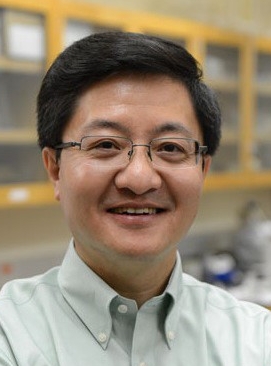 Yong Wang合作论文数Institute for Integrated Catalysis, Pacific Northwest National Laboratory;Gene and Linda Voiland School of Chemical Engineering and Bioengineering, Voiland College of Engineering and Architecture, Washington State University15
 Addy Pross合作论文数Department of Chemistry, Ben-Gurion University of the Negev15Nd Epiotis合作论文数14
 Debasish Mandal合作论文数14
 Joel Bernstein合作论文数Department of Chemistry, Ben-Gurion University of the Negev14
 Benoit Braida合作论文数Chim Theor Lab, Univ Paris 0613
 Pankaz K. Sharma合作论文数University of Southern California13
 Detlef Schröder合作论文数Institute of Organic Chemistry and Biochemistry, Czech Academy of Sciences12
 Gilles Ohanessian合作论文数12Shmuel Bittner合作论文数12James Y. Becker合作论文数11
 Lawrence (Larry) Que Jr.合作论文数Department of Chemistry, College of Science and Engineering, University of Minnesota11
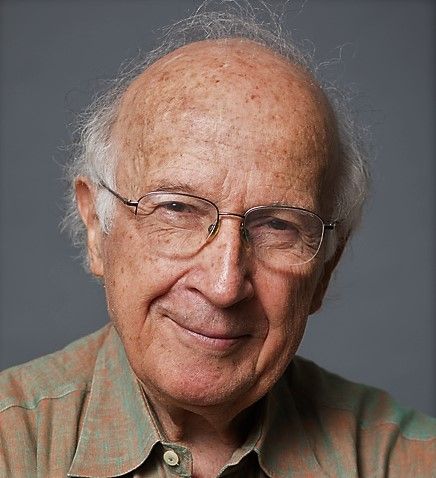 Roald Hoffmann合作论文数Department of Chemistry & Chemical Biology, The College of Arts & Sciences, Cornell University10
 G. Narahari Sastry合作论文数Molecular Modelling Group, Organic Chemical Sciences, Indian Institute of Chemical Technology10
 Yitzhak Apeloig合作论文数Technion - Israel Institute of Technology10J.-M. Lefour合作论文数9
 Surajit Kalita合作论文数Sch Nat Sci, Shiv Nadar Univ Delhi NCR9
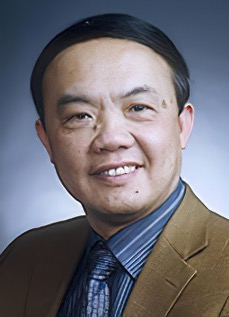 Jiannian Yao (姚建年)合作论文数Institute of Chemistry, Chinese Academy of Sciences;University of Chinese Academy of Sciences9
 Peifeng Su (苏培峰)合作论文数College of Chemistry and Chemical Engineering, Xiamen University/https://pcss.xmu.edu.cn/info/1017/1902.htm9
 Jilai Li合作论文数9
 Deepa Janardanan合作论文数Dept Chem, Indian Inst Technol9N Harris合作论文数8
 Ramanan Rajeev合作论文数8Fernando Bernardi合作论文数8
 Ronny Neumann合作论文数Catalysis, Green Chemistry and Renewable Energy Lab, Department of Molecular Chemistry and Materials Science, Weizmann Institute of Science;Department of Organic Chemistry, Weizmann Institute of Science8




