Adverse weather conditions, particularly heavy snowfall, pose significant challenges to both human drivers and autonomous vehicles. Traditional image-based de-snowing methods often introduce hallucination artifacts as they rely solely on spatial information, while video-based approaches require high frame rates and suffer from alignment artifacts at lower frame rates. Camera parameters, such as exposure time, also influence the appearance of snowflakes, making the problem difficult to solve and heavily dependent on network generalization. In this paper, we propose to address the challenge of desnowing by using event cameras, which offer compressed visual information with submillisecond latency, making them ideal for de-snowing images, even in the presence of ego-motion. Our method leverages the fact that snowflake occlusions appear with a very distinctive streak signature in the spatio-temporal representation of event data. We design an attention-based module that focuses on events along these streaks to determine when a background point was occluded and use this information to recover its original intensity. We benchmark our method on DSEC-Snow, a new dataset created using a green-screen technique that overlays pre-recorded snowfall data onto the existing DSEC driving dataset, resulting in precise ground truth and synchronized image and event streams. Our approach outperforms state-of-the-art de-snowing methods by 3 dB in PSNR for image reconstruction. Moreover, we show that off-the-shelf computer vision algorithms can be applied to our reconstructions for tasks such as depth estimation and optical flow, achieving a 20% performance improvement over other de-snowing methods. Our work represents a crucial step towards enhancing the reliability and safety of vision systems in challenging winter conditions, paving the way for more robust, all-weather-capable applications.
Autonomous quadrotor flight in confined spaces such as pipes and tunnels presents significant challenges due to unsteady, self-induced aerodynamic disturbances. Very recent advances have enabled flight in such conditions, but they either rely on constant motion through the pipe to mitigate airflow recirculation effects or suffer from limited stability during hovering. In this work, we present the first closed-loop control system for quadrotors for hovering in narrow pipes that leverages real-time flow field measurements. We develop a low-latency, event-based smoke velocimetry method that estimates local airflow at high temporal resolution. This flow information is used to by a disturbance estimator based on a recurrent convolutional neural network, which infers force and torque disturbances in real time. The estimated disturbances are integrated into a learning-based controller trained via reinforcement learning. To the best of our knowledge, this work represents the first demonstration of an aerial robot with closed-loop control informed by real-time flow field measurements.
Learning control policies in simulation enables rapid, safe, and cost-effective development of advanced robotic capabilities. However, transferring these policies to the real world remains difficult due to the sim-to-real gap, where unmodeled dynamics and environmental disturbances can degrade policy performance. Existing approaches, such as domain randomization and Real2Sim2Real pipelines, can improve policy robustness, but either struggle under out-of-distribution conditions or require costly offline retraining. In this work, we approach these problems from a different perspective. Instead of relying on diverse training conditions before deployment, we focus on rapidly adapting the learned policy in the real world in an online fashion. To achieve this, we propose a novel online adaptive learning framework that unifies residual dynamics learning with real-time policy adaptation inside a differentiable simulation. Starting from a simple dynamics model, our framework continuously refines the model using real-world data to capture unmodeled effects and disturbances, such as payload changes and wind. The refined dynamics model is embedded in a differentiable simulation framework, enabling gradient back-propagation through the dynamics and thus rapid, sample-efficient policy updates. All components of our system are designed for rapid adaptation, enabling the policy to adjust to unseen disturbances within 5 seconds of training. We validate the approach on agile quadrotor control under various disturbances in both simulation and the real world. Our framework reduces hovering error by up to 81% compared to L-1-MPC and 55% compared to DATT, while also demonstrating robustness in vision-based control without explicit state estimation.
Autonomous inspection is a central problem in robotics, with applications ranging from industrial monitoring to search-and-rescue. Traditionally, inspection has often been reduced to navigation tasks, where the objective is to reach a predefined location while avoiding obstacles. However, this formulation captures only part of the real inspection problem. In real-world environments, the inspection targets may become visible well before their exact coordinates are reached, making further movement both redundant and inefficient. What matters more for inspection is not simply arriving at the targets position, but positioning the robot at a viewpoint from which the target becomes observable. In this work, we revisit inspection from a perception-aware perspective. We propose an end-to-end reinforcement learning framework that explicitly incorporates target visibility as the primary objective, enabling the robot to find the shortest trajectory that guarantees visual contact with the target without relying on a map. The learned policy leverages both perceptual and proprioceptive sensing and is trained entirely in simulation, before being deployed to a real-world robot. We further develop an algorithm to compute ground-truth shortest inspection paths, which provides a reference for evaluation. Through extensive experiments, we show that our method outperforms existing classical and learning-based navigation approaches, yielding more efficient inspection trajectories in both simulated and real-world settings.
Event cameras provide robust visual signals under fast motion and challenging illumination conditions thanks to their microsecond latency and high dynamic range. However, their unique sensing characteristics and limited labeled data make it challenging to train event-based visual foundation models (VFMs), which are crucial for learning visual features transferable across tasks. To tackle this problem, we propose GEP (Generative Event Pretraining), a two-stage framework that transfers semantic knowledge learned from internet-scale image datasets to event data while learning event-specific temporal dynamics. First, an event encoder is aligned to a frozen VFM through a joint regression-contrastive objective, grounding event features in image semantics. Second, a transformer backbone is autoregressively pretrained on mixed event-image sequences to capture the temporal structure unique to events. Our approach outperforms state-of-the-art event pretraining methods on a diverse range of downstream tasks, including object recognition, segmentation, and depth estimation. Together, VFM-guided alignment and generative sequence modeling yield a semantically rich, temporally aware event model that generalizes robustly across domains.
Resource-constrained autonomous robots rely on sparse direct and semi-direct visual-(inertial)-odometry (VO) pipelines, as they provide a favorable tradeoff between accuracy, robustness, and computational cost. However, the performance of most systems depends critically on hand-tuned hyperparameters governing feature detection, tracking, and outlier rejection. These parameters are typically fixed during deployment, even though their optimal values vary with scene characteristics such as texture density, illumination, motion blur, and sensor noise, leading to brittle performance in real-world environments. We propose the first image-conditioned reinforcement learning framework for online tuning of VO frontend parameters, effectively embedding the expert into the system. Our key idea is to formulate the frontend configuration as a sequential decision-making problem and learn a policy that directly maps visual input to feature detection and tracking parameters. The policy uses a lightweight texture-aware CNN encoder and a privileged critic during training. Unlike prior RL-based approaches that rely solely on internal VO statistics, our method observes the image content and proactively adapts parameters before tracking degrades. Experiments on TartanAirV2 and TUM RGB-D show 3x longer feature tracks and 3x lower computational cost, despite training entirely in simulation.
We study the expressive power and limitations of multi-layer state-space models (SSMs). First, we show that multi-layer SSMs face fundamental limitations in compositional tasks, revealing an inherent gap between SSMs and streaming models. Then, we examine the role of chain-of-thought (CoT), showing that offline CoT does not fundamentally increase the expressiveness, while online CoT can substantially increase its power. Indeed, with online CoT, multi-layer SSMs become equivalent in power to streaming algorithms. Finally, we investigate the tradeoff between width and precision, showing that these resources are not interchangeable in the base model, but admit a clean equivalence once online CoT is allowed. Overall, our results offer a unified perspective on how depth, finite precision, and CoT shape the power and limits of SSMs.
Differentiable simulators represent an environment’s dynamics as a differentiable function. Within robotics and autonomous driving, this property is used in Analytic Policy Gradients (APG), which relies on backpropagating through the dynamics to train accurate policies for diverse tasks. Here we show that differentiable simulation also has an important role in world modeling, where it can impart predictive, prescriptive, and counterfactual capabilities to an agent. Specifically, we design three novel task setups in which the differentiable dynamics are combined within an end-to-end computation graph not with a policy, but a state predictor. This allows us to learn relative odometry, optimal planners, and optimal inverse states. We collectively call these predictors Analytic World Models (AWMs) and demonstrate how differentiable simulation enables their efficient, end-to-end learning. In autonomous driving scenarios, they have broad applicability and can augment an agent’s decision-making beyond reactive control.
Battery-powered multirotor unmanned aerial vehicles (UAVs) can rapidly map unknown environments, but mission performance is often limited by energy rather than geometry alone. Standard exploration policies that optimise for coverage or time can therefore waste energy through manoeuvre-heavy trajectories. In this paper, we address energy-aware autonomous 3D exploration for multirotor UAVs in initially unknown environments. We propose Energy-Aware Autonomous Exploration (EAAE), a modular frontier-based framework that makes energy an explicit decision variable during frontier selection. EAAE clusters frontiers into view-consistent regions, plans dynamically feasible candidate trajectories to the most informative clusters, and predicts their execution energy using an offline power estimation loop. The next target is then selected by minimising predicted trajectory energy while preserving exploration progress through a dual-layer planning architecture for safe execution. We evaluate EAAE in a full exploration pipeline with a rotor-speed-based power model across simulated 3D environments of increasing complexity. Compared to representative distance-based and information gain-based frontier baselines, EAAE consistently reduces total energy consumption while maintaining competitive exploration time and comparable map quality, providing a practical drop-in energy-aware layer for frontier exploration.
Event frame hybrid sensors integrate an Active Pixel Sensor (APS) and an Event Vision Sensor (EVS) within a single chip, combining the high dynamic range and low latency of the EVS with the rich spatial intensity information from the APS. While this tight integration offers compact, temporally precise imaging, the complex circuit architecture introduces non-trivial noise patterns that remain poorly understood and unmodeled. In this work, we present the first unified, statistics-based imaging noise model that jointly describes the noise behavior of APS and EVS pixels. Our formulation explicitly incorporates photon shot noise, dark current noise, fixed-pattern noise, and quantization noise, and links EVS noise to illumination level and dark current. Based on this formulation, we further develop a calibration pipeline to estimate noise parameters from real data and offer a detailed analysis of both APS and EVS noise behaviors. Finally, we propose HESIM, a statistically grounded simulator that generates RAW frames and events under realistic, jointly calibrated noise statistics. Experiments on two hybrid sensors validate our model across multiple imaging tasks (e.g., video frame interpolation and deblurring), demonstrating strong transfer from simulation to real data.
Autonomous systems have achieved superhuman performance in isolation or simulation, yet they remain brittle in shared, dynamic real-world spaces. This failure stems from the dominant single-agent paradigm for physical applications, where other actors are ignored or treated as environmental noise, preventing effective coordination. Here we show that multi-agent reinforcement learning provides the essential safety scaffolding required for real-world interaction. Using high-speed quadrotor racing as a high-stakes testbed, we train agents to navigate complex aerodynamic interactions and strategic maneuvering with a variable number of racers. Through league-based self-play, agents evolve sophisticated anticipatory behaviors, including proactive collision avoidance, overtaking, and handling multi-agent physical interactions, including aerodynamic downwash. Our agents outperform a champion-level human pilot in multi-player races at speeds exceeding 22 m/s, while simultaneously reducing collision rates by 50
Uncrewed aerial vehicles (UAVs) are increasingly deployed in forest environments for tasks such as environmental monitoring and search and rescue, which require safe navigation through dense foliage and precise data collection. Traditional sensing approaches, including passive multispectral and RGB imaging, suffer from latency, poor depth resolution, and strong dependence on ambient light—especially under forest canopies. In this work, we present a novel event spectroscopy system that simultaneously enables high-resolution, low-latency depth reconstruction with integrated multispectral imaging using a single sensor. Depth is reconstructed using structured light, and by modulating the wavelength of the projected structured light, our system captures spectral information in controlled bands between 650 nm and 850 nm. We demonstrate up to 60% improvement in RMSE over commercial depth sensors and validate the spectral accuracy against a reference spectrometer and commercial multispectral cameras, demonstrating comparable performance. A portable version limited to RGB is used to collect real-world depth and spectral data from a Masoala Rainforest. We demonstrate color image reconstruction and material differentiation between leaves and branches using this spectral and depth data. Our results show that adding depth (available at no extra effort with our setup) to material differentiation improves the accuracy by over 30% compared to color-only method. Our system, tested in both lab and real-world rainforest environments, shows strong performance in depth estimation, RGB reconstruction, and material differentiation-paving the way for lightweight, integrated, and robust UAV perception and data collection in complex natural environments.
Autonomous drone racing has risen as a challenging robotic benchmark for testing the limits of learning, perception, planning, and control. Expert human pilots are able to fly a drone through a race track by mapping pixels from a single camera directly to control commands. Recent works in autonomous drone racing attempting direct pixel-to-commands control policies have relied on either intermediate representations that simplify the observation space or performed extensive bootstrapping using Imitation Learning (IL). This paper leverages DreamerV3 to train visuomotor policies capable of agile flight through a racetrack using only pixels as observations. In contrast to model-free methods like PPO or SAC, which are sample-inefficient and struggle in this setting, our approach acquires drone racing skills from pixels. Notably, a perception-aware behaviour of actively steering the camera toward texture-rich gate regions emerges without the need of handcrafted reward terms for the viewing direction. Our experiments show in both, simulation and real-world flight using a hardware-in-the-loop setup with rendered image observations, how the proposed approach can be deployed on real quadrotors at speeds of up to 9 m/s. These results advance the state of pixel-based autonomous flight and demonstrate that MBRL offers a promising path for real-world robotics research.
Modern sequence models are increasingly deployed as agents that interleave token generation with calls to external tools. We give an exact, architecture-level account of when such tool access increases computational expressivity. We model any fixed finite-precision recurrent sequence model, including finite-precision state-space models (SSMs) with B bits of internal state, as a deterministic finite-state controller interacting with an oracle through a finite command/observation interface. Our results form a sharp dichotomy. First, tools that are themselves finite-state add essentially nothing: a product-state simulation internalizes any finite-state bounded-interface oracle with finite memory set M at a cost of only log_2 |M| + O(1) additional bits, so the augmented system remains finite-state. Second, a single minimal infinite-state tool, namely a tape supporting only local 𝚛𝚎𝚊𝚍, 𝚠𝚛𝚒𝚝𝚎, and 𝚖𝚘𝚟𝚎 commands, makes the system Turing complete: for every single-tape Turing machine with state set Q and tape alphabet Γ, a controller with O(log |Q| + log |Γ|) bits of internal memory simulates it, and we exhibit a concrete exponential separation: EQ_n requires 2^n states without tools but a single constant-size controller with the tape tool. Third, we show that this construction is realized exactly by a natural one-layer finite-precision selective affine SSM controller with binary one-hot hidden states, {0,1} transition matrices, and zero biases. Selectivity is essential to the construction. In the supplementary material, we make all constants explicit, prove a logarithmic oracle-assisted universal simulation, where O(log B) recurrent bits suffice to simulate any B-state Turing machine, and prove a matching impossibility result.
Event cameras offer high temporal resolution and low latency, making them ideal sensors for high-speed robotic applications where conventional cameras suffer from image degradations such as motion blur. In addition, their low power consumption can enhance endurance, which is critical for resource-constrained platforms. Motivated by these properties, we present a novel approach that enables a quadrotor to fly through cluttered environments at high speed by perceiving the environment with a single event camera. Our proposed method employs an end-to-end neural network trained to map event data directly to control commands, eliminating the reliance on standard cameras. To enable efficient training in simulation, where rendering synthetic event data is computationally expensive, we propose Approximate Imitation Learning, a novel imitation learning framework. Our approach leverages a large-scale offline dataset to learn a task-specific representation space. Subsequently, the policy is trained through online interactions that rely solely on lightweight, simulated state information, eliminating the need to render events during training. This enables the efficient training of event-based control policies for fast quadrotor flight, highlighting the potential of our framework for other modalities where data simulation is costly or impractical. Our approach outperforms standard imitation learning baselines in simulation and demonstrates robust performance in real-world flight tests, achieving speeds up to 9.8 ms-1 in cluttered environments.
Visual SLAM is a well-established technology utilized in a wide range of real-world applications. However, its performance still degrades under challenging visual conditions, such as low texture, severe motion blur, and poor illumination. Systems based on deep learning outperform classical geometry-based ones and achieve state-of-the-art results by combining learned 2D data association and uncertainty with differentiable geometric optimization in recurrent architectures. Still, it remains unclear exactly which components are fundamentally responsible for this success. In this paper, we ask: Is the superior performance of deep learning-based systems driven primarily by learned 2D data association, the combination of learned 2D data association and uncertainty, or the recurrent architecture itself? We investigate this question empirically by conducting a controlled study. Our findings reveal that the success of DL-based V-SLAM systems hinges on learned 2D data association and uncertainty rather than their recurrent architecture, underscoring the necessity of learning-based paradigms for the design of these components. Upon acceptance, the code will be released as open source.
Accurate blood flow mapping over mesoscale fields of view is essential for understanding physiological and pathological processes, yet conventional optical methods often rely on bulky high-speed cameras that generate massive datasets with excessive computation burden. Here, we introduce Event2Flow, a compact and data-efficient framework leveraging event-based vision sensors, which asynchronously capture brightness changes with sub-millisecond latency and minimal data redundancy. Event2Flow supports multiple contrast mechanisms for flow measurement, including speckle fluctuation and particle tracking. By correlating the event count with flow velocity through simulations and experiments, we first demonstrate its application in laser speckle imaging for noninvasive mapping of mouse ear vasculature and ethanol-induced hemodynamic changes. When integrated with widefield fluorescence localization microscopy and point spread function engineering, Event2Flow further enables kilohertz-rate particle tracking for rapid 3D velocity quantification in transcranial brain imaging and snapshot flow direction estimations using event polarity. Overall, Event2Flow offers a scalable alternative to conventional high-speed imaging systems for vascular and neuroimaging applications.
Dynamic vision sensors (DVS) are enticing candidates to reach the low-latency, sub-ms target of edge-vision applications, as they generate events with a μs-level time resolution. However, using DVS front ends also calls for novel algorithm/hardware back ends capable of efficiently handling streams of sparse spatiotemporal events. While event-driven graph neural networks (EV-GNNs) have emerged as a solution on the algorithmic side that is both accurate and efficient, there is no dedicated hardware to date capable of efficiently supporting their mixed requirements of dense-regular compute operations and sparse-irregular memory accesses. We therefore introduce ETHEREAL, the first EV-GNN processor chip, capable of bridging this gap by means of a neighbor-parallel spline-convolution engine combined with a split-2D/3D memory hierarchy that introduces a novel spatiotemporal event-caching mechanism. Measurement results demonstrate a 25.6μs latency and a 1.6μJ energy per end-to-end event-wise inference on the state-of-the art DAGr-GNN workload and VGA-resolution (640x480 pixels) DSEC dataset.
The demand for dynamic 3D assets in AR/VR has recently popularized Deformable Gaussian Splatting. However, traditional RGB cameras are limited in their ability to reconstruct high-speed scenes due to motion blur and low temporal resolution. While event cameras offer a promising alternative, reconstructing a complete scene from their sparse and noisy output is a significant challenge. Existing event-based methods rely on an auxiliary sensor, such as a frame camera, thereby inducing tedious hardware and calibration challenges.We introduce FastEventDGS, a novel Deformable Gaussian Splatting-based framework that leverages a single event camera for high-fidelity 4D reconstruction. Our method utilizes a continuous camera trajectory parametrization and integrates two event generation models to provide both photometric and geometric constraints. We further propose a local patch event motion loss to constrain object motion, effectively mitigating overfitting. To ensure robust reconstruction, we employ an off-the-shelf model for depth correction and apply noise regularization terms in the final stage. We demonstrate robust results on both new synthetic and real-world datasets, highlighting our framework's ability to provide a simplified, event-only solution for high-fidelity 4D reconstruction in dynamic scenes.
A key open challenge in agile quadrotor flight is how to combine the flexibility and task-level generality of model-free reinforcement learning (RL) with the structure and online replanning capabilities of model predictive control (MPC), aiming to leverage their complementary strengths in dynamic and uncertain environments. This paper provides an answer by introducing a new framework called Actor-Critic Model Predictive Control. The key idea is to embed a differentiable MPC within an actor-critic RL framework. This integration allows for short-term predictive optimization of control actions through MPC, while leveraging RL for end-to-end learning and exploration over longer horizons. Through various ablation studies, conducted in the context of agile quadrotor racing, we expose the benefits of the proposed approach: it achieves better out-of-distribution behaviour, better robustness to changes in the quadrotor's dynamics and improved sample efficiency. Additionally, we conduct an empirical analysis using a quadrotor platform that reveals a relationship between the critic's learned value function and the cost function of the differentiable MPC, providing a deeper understanding of the interplay between the critic's value and the MPC cost functions. Finally, we validate our method in a drone racing task on different tracks, in both simulation and the real world. Our method achieves the same superhuman performance as state-of-the-art model-free RL, showcasing speeds of up to 21 m/s. We show that the proposed architecture can achieve real-time control performance, learn complex behaviors via trial and error, and retain the predictive properties of the MPC to better handle out-of-distribution behavior.
 Roland Siegwart合作论文数Autonomous Systems Lab, ETH Zurich;Department of Mechanical and Process Engineering, ETH Zurich49
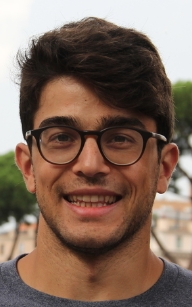 Antonio Loquercio合作论文数Departments of Electrical and Systems Engineering, School of Engineering and Applied Science, University of Pennsylvania34
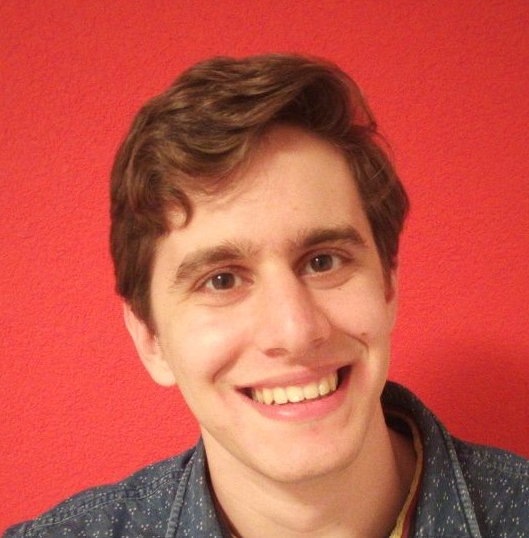 Daniel Gehrig合作论文数General Robotics, Automation, Sensing and Perception Laboratory, School of Engineering and Applied Sciences, University of Pennsylvania32
 Elia Kaufmann合作论文数Skydio27
 Guillermo Gallego合作论文数Technische Universitat Berlin27
 Yunlong Song合作论文数University of Zurich,Robotics and Perception Group,Dep. of Informatics25
 Giovanni Cioffi合作论文数Robotics and Perception Group, Institute of Neuroinformatics, Department of Informatics, University of Zurich23
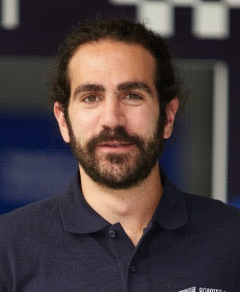 Angel Romero合作论文数23
 Christian Forster合作论文数Meta23
 Nico Messikommer合作论文数University of Zurich22
 Elias Mueggler合作论文数Meta22
 Mathias Gehrig合作论文数Skydio22
 Henri Rebecq合作论文数Google21
 Zichao Zhang (张子潮)合作论文数Huixi Technology19
 Leonard Bauersfeld合作论文数Univ Zurich, Dept Informat, Robot & Percept Grp, Zurich, Switzerland18
 Agostino Martinelli合作论文数INRIA Rhone Alpes18
 Titus Cieslewski合作论文数Verity17
 Philipp Foehn合作论文数Skydio16
 Marco Cannici合作论文数Politecnico di Milano16
 Davide Falanga合作论文数University of Zurich14
 Manasi Muglikar合作论文数Department of Informatics, University of Zurich14
 Nikola Zubić合作论文数Department of Informatics, University of Zurich;Institute of Neuroinformatics, University of Zurich;ETH AI Center, Eidgenössische Technische Hochschule Zürich13
 Jeffrey Delmerico合作论文数Spatial AI Lab, Microsoft13
 Stephan Michael Weiss合作论文数Department of Smart System Technologies, University of Klagenfurt;Control of Networked Systems;Jet Propulsion Laboratory13
 Marc Pollefeys合作论文数Computer Vision and Geometry Lab, Institute of Visual Computing, Department of Computer Science, ETH Zurich;Mixed Reality and AI Lab, Microsoft12
 Laurent Kneip合作论文数Mobile Perception Lab, School of Information Science and Techonology, ShanghaiTech University12
 Friedrich Fraundorfer合作论文数Institute of Computer Graphics and Vision, Graz University of Technology12
 Vladlen Koltun合作论文数Apple11
 Matthias Faessler合作论文数Verity Studios Zurich10
 Rene Ranftl合作论文数Epic Games10
 Sihao Sun合作论文数Faculty of Aerospace Engineering, Delft University of Technology HS Delft8
 Luca Carlone合作论文数Laboratory for Information and Decision Systems, Department of Aeronautics and Astronautics, Massachusetts Institute of Technology;SPARK Lab, Massachusetts Institute of Technology8
 Robert Penicka合作论文数Fac Elect Engn Dept Cybernet, Czech Tech Univ7
 Javier Hidalgo-Carrió合作论文数Magic Leap7Flavio Fontana合作论文数6
 Matia Pizzoli合作论文数Oculus VR6Chiara Troiani合作论文数6
 Tobi Delbrück合作论文数Institute for Neuroinformatics, ETH Zurich;Department of Information Technology and Electrical Engineering, ETH Zurich6
 Cesar Cadena合作论文数Department of Mechanical and Process Engineering, ETH Zurich;Robotics Systems Lab, Institute of Robotics and Intelligent Systems, ETH Zurich6
 Reza Sabzevari合作论文数School of Engineering, Islamic Azad University of Qazvin6
 Alexey Dosovitskiy合作论文数Recursive6
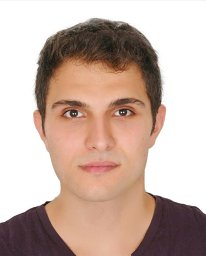 Elie Aljalbout合作论文数5
 Elias B. Kosmatopoulos合作论文数Department of Electrical & Computer Engineering, Democritus University of Thrace5
 Matthias Müller合作论文数Apple5
 Dario Floreano合作论文数Laboratory of Intelligent Systems, Swiss Federal Institute of Technology Lausanne5
 Illah R. Nourbakhsh合作论文数The Robotics Institute, Carnegie Mellon University;Center for Shared Prosperity, Carnegie Mellon University5
 Marco Hutter合作论文数Robotic Systems Lab, Eidgenössische Technische Hochschule Zürich;RAI Institute5
 Andras Majdik合作论文数Technical University of Cluj-Napoca5
 Alessandro Renzaglia合作论文数Rome U. & INFN, Rome5