The Prostate Biomarker (ProBio) trial is an international biomarker-driven, randomized, outcome-adaptive platform trial in men with metastatic castrate resistant prostate cancer (mCRPC) evaluating multiple agents. We used outcome-adaptive randomization to compare biomarker-driven treatment selection (experimental arms) against physician’s choice standard-of-care (SOC; control arm), and to compare agents against each other within the experimental treatment arms. Men with mCRPC were randomized based on genomic alterations in circulating tumor DNA in five biomarker signatures: (1) AR wt and TP53 wt; (2) TP53 mut; (3) DRD; (4) TMPRSS2:ERG fusion; (5) all biomarkers signatures combined. Androgen receptor pathway inhibitors (ARPi; abiraterone and enzalutamide) and taxanes (docetaxel and cabazitaxel) were evaluated, using progression-free survival, by no longer clinically benefiting per PCWG3 criteria (PFS), as primary endpoint. Enrollment in the experimental group was stopped when the Bayesian probability of superiority reached prespecified thresholds (“graduation”). In total, 219 men were randomized: 92 to SOC, vs. 76 and 51 to taxanes and ARPi, respectively, in the biomarker-driven arms. ARPi graduated in the “signature all”, i.e. a signature encompassing all biomarkers. The median estimated PFS was 11.3 months (90% Bayesian credible interval [CI], 9.8 to 13.1) for ARPi compared with 7.2 months (90% CI, 6.5 to 8.1) in the SOC arm, for a hazard ratio (HR) of 0.52 (90% CI 0.37 to 0.72). ARPi demonstrated superiority to taxanes within the experimental arms (HR 0.54; 90% CI 0.38 to 0.76). We observed suggestive differential treatment effects for patients with TP53 mut and TMPRSS2:ERG fusion disease. The median estimated overall survival (OS) was 37.3 months (CI, 27.7 to NA) for ARPi compared with 20.2 months (90% CI, 18.4 to 23.0) taxanes within the experimental arms. ARPi increases PFS and OS both compared to SOC and taxanes in patients with mCRPC. These are directly randomized data for ARPi and taxanes, showing the first evidence of a difference in PFS and OS for these agents in the mCRPC setting.
ABSTRACT INTRODUCTION Abiraterone acetate + prednisone (AAP) and docetaxel have proven their efficacy in the treatment of patients with newly diagnosed metastatic hormone-sensitive prostate cancer (mHSPC) in clinical trials. However, real-world data are scarce. The goal of this study is to evaluate real-world data on the efficacy and safety of these therapies in mHSPC patients. PATIENTS AND METHODS Records of 93 patients from 21 different centres were retrospectively reviewed. Primary and secondary endpoints were radiographic and PSA progression-free survival (RPFS – PSA-PFS) and cancer specific and overall survival (CSS – OS), respectively. Adverse events (AEs) were evaluated according to the Common Terminology Criteria for Adverse Events version 5.0. Differences in oncological outcome and AEs were evaluated between three treatment groups: ADT only (N=26) – ADT + AAP (N=48) – ADT + docetaxel (N=19). Survival analysis was performed using Kaplan–Meier statistics. RESULTS Median RPFS was 13 months (95% confidence interval [CI]: 9–17) for ADT only, 21 months (95% CI: 19–23) for ADT + AAP and 12 months (95% CI: 11–14) for ADT + docetaxel (p = 0.004). The 1-year PSA-PFS, CSS and OS were 73.5%, 90.7% and 88.7%, respectively, with no significant differences between the three groups. Adverse events of grade 3 or higher were not observed more frequently. CONCLUSION Retrospective real-world data show a significantly longer RPFS for mHSPC patients treated with ADT + AAP compared to ADT only or ADT + docetaxel at short-term follow-up. This can aid in counselling of mHSPC patients in daily clinical practice.
Background: The feasibility and safety of robot-assisted radical cystectomy (RARC) may be undermined by unfavorable preoperative surgical characteristics such as previous prostate surgery (PPS). Objective: To compare perioperative outcomes for patients undergoing RARC with versus without a history of PPS. Design, setting, and participants: The study included 220 consecutive patients treated with RARC and pelvic lymph node dissection for bladder cancer at a single European tertiary centre. Of these, 43 had previously undergone PPS, defined as transurethral resection of the prostate/holmium laser enucleation of the prostate (n = 21) or robot assisted radical prostatectomy (n = 22). Surgical procedure: RARC in patients with a history of PPS. Measurements: Data on postoperative complications were collected according to the quality criteria for accurate and comprehensive reporting of surgical outcomes recommended by the European Association of Urology guidelines. Multivariable logistic, linear, and Poisson regression analyses were performed to test the effect of PPS on surgical outcomes. Results and limitations: Overall, 43 patients (20%) were treated with RARC after PPS. Operative time (OT) was longer in the PPS group (360 vs 330 min; p < 0.001). Patients with PPS experienced higher rates of intraoperative complications (19% vs 6.8%) and higher rates of 30-d (67% vs 39%), and Clavien-Dindo >3 (33% vs 16%) postoperative complications (all p < 0.05). Moreover, the positive surgical margin (PSM) rate after RARC was higher in the PPS group (14% vs 4%; p = 0.03). On multivariable analyses, PPS at RARC independently predicted higher risk of intraoperative (odds ratio [OR] 2.10, 95% confidence interval [CI] 1.04-6.21; p = 0.01) and 30-d complications (OR 2.26, 95% CI 1.05-5.22; p = 0.02), as well as longer OT (relative risk [RR] 1.03, 95% CI 1.00-1.05; p = 0.02) and length of stay (RR 1.13, 95% CI 1.02-1.26; p = 0.02). Lack of randomization represents the main limitation. Conclusions: RARC in patients with a history of PPS is feasible, but it is associated with a higher risk of complications and longer OT and length of stay. Moreover, higher PSM rates have been reported for these patients. Thus, measures aimed at improving surgical outcomes appear to be warranted. Patient summary: We investigated the effect of previous prostate surgery (PPS) on surgical outcomes after robot-assisted removal of the bladder. We found that patients with PPS have a higher risk of complications and longer hospitalization after bladder removal. These patients deserve closer evaluation before this type of bladder operation. (c) 2021 European Association of Urology. Published by Elsevier B.V. All rights reserved.
PURPOSE:After Endoscopic Enucleation of the Prostate (EEP) for benign prostatic obstruction (BPO), men remain at risk for prostate cancer (PCa). Significant PSA changes occur after enucleation, which interfere with later screening for PCa. It remains unclear which patients need further diagnostic investigations for PCa after EEP. The goal of this study was to identify an independent predictor for PCa diagnosis after Holmium Laser Enucleation of the Prostate (HoLEP) in patients whose HoLEP resection specimen did not show PCa. METHODS:Data of 773 patients who underwent HoLEP for BPO between 2010 and 2018 in a referral center were analyzed. Exclusion criteria were PCa detection in the HoLEP specimen or absence of post-operative PSA values. Patients were divided in a PCa group and Control group depending on whether or not PCa was detected during follow-up after HoLEP. The predictive value for future diagnosis of PCa of different forms of PSA-change after HoLEP was analyzed by multivariate Cox regression and ROC analysis. RESULTS:Overall, 24 (4.2%) patients developed PCa after HoLEP. At 5 year follow-up, the PCa-free survival rate was 85%. First post-operative PSA was an independent predictor of PCa diagnosis after HoLEP (HR 1.106, 95% CI 1.074-1.139, p < 0.001, ROC AUC 0.903) with an optimal cut-off value of 1.73 ng/ml (sensitivity 83.3%, specificity 82.3%). CONCLUSIONS:For patients who underwent HoLEP for BPO, post-operative PSA after HoLEP is an independent predictor for future PCa diagnosis. When PSA is > 1.73 ng/ml within the first year after HoLEP, rigorous follow-up and diagnostic investigations for PCa are indicated.
Abstract An inflammatory myofibroblastic tumor (IMT) can arise anywhere in the body. IMT is a spindle-cell neoplasm not prone to metastasize although it has an important potential of local expansio...
 G. De Naeyer合作论文数51
 Alexandre Mottrie合作论文数OLV Ziekenhuis;Urological Department, University Hospital of Homburg-Saar;Department of Urology, OLV Hospital Aalst51P. Carpentier合作论文数26D’Hondt F.合作论文数20
 R. De Groote合作论文数20Etienne Fonteyne合作论文数18P. Dell’Oglio合作论文数9
 Gandaglia Giorgio合作论文数Vita-Salute San Raffaele University;Department of Urology, San Raffaele Hospital9P. De Wil合作论文数8Mazzone E.合作论文数8
 P Willemsen合作论文数Department of General and Abdominal Surgery, ZNA Middelheim8N. Fossati合作论文数7
 Edward Lambert合作论文数ERN eUROGEN Accredited Centre, Ghent University Hospital7Erika Palagonia合作论文数7Marijn Goossens合作论文数7A. Larcher合作论文数6
 Paolo Umari合作论文数St George's University Hospitals NHS Foundation Trust6Pawel Wisz合作论文数5Ghysel C合作论文数5Vincenzo Ficarra合作论文数Department of Urology, University of Messina;Dipartimento di Medicina Clinica e Sperimentale, Università degli Studi di Messina5P. Van Migem合作论文数5S. Puliatti合作论文数4
 Jonathan Vollemaere合作论文数4
 Camille Berquin合作论文数4Dries Develtere合作论文数4V. De Coninck合作论文数4
 Rui Farinha合作论文数ORSI Acad4
 Hussam Dababneh合作论文数4
 Crippa Alessio合作论文数4
 Discacciati Andrea合作论文数4
 Giacomo Novara合作论文数Dipartimento di Scienze Chirurgiche Oncologiche e Gastroenterologiche, Università di Padova4E. Pauwels合作论文数4
 Henrik Grönberg合作论文数Department of Medical Epidemiology and Biostatistics, Karolinska Institutet4
 Johan Lindberg合作论文数Royal Institute of Technology, AlbaNova University Center4
 Anders Ullén合作论文数Department of Oncology-Pathology, Karolinska Institutet;Department of Pelvic Cancer, Theme Cancer, Karolinska University Hospital4
 Ashkan Mortezavi合作论文数Department of Urology, University Hospital Zürich, Zürich, Switzerland4Gunilla Enblad合作论文数4
 Piet Ost合作论文数Cancer Research Institute Ghent, Ghent University;Faculty of Medicine and Health Sciences, Ghent University;Iridium Network4
 Jan Oldenburg合作论文数Faculty of Medicine, University of Oslo4
 Martin Eklund合作论文数Department of Pharmaceutical Biosciences, Uppsala University4Mattia Nicola Sangalli合作论文数4
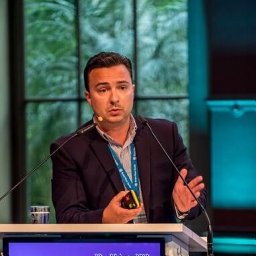 Bram De Laere合作论文数4G. Denaeyer合作论文数3Bianchi L.合作论文数3Rosiello G.合作论文数3Marco Amato合作论文数Department of Urology, University of Modena and Reggio Emilia3
 Alexander Heinze合作论文数3Brieuc Sautois合作论文数3




