Recently, we found adults who received digital bibliotherapy featuring lived-experience narratives related to suicidal thoughts and behaviors reported lower suicidal thoughts, mediated by increased social connectedness and optimism. This study aimed to identify characteristics of narratives associated with decreased suicidal thinking and increased social connectedness and optimism. 1532 users of a social media platform responded to surveys before and after reading narratives. Mixed-methods content analysis and clustered multidimensional scaling tested whether clusters that shared narrative characteristics were related to suicidal thoughts, social connectedness and optimism. We identified three narrative clusters: Cluster 1: “Encouraging Readers to Live,” Cluster 2: “Sharing Personal Stories,” and Cluster 3: “Detailed Accounts.” Clusters 2 and 3 were associated with greatest reduction in suicidal thoughts, Cluster 2 with the greatest increase in social connectedness, and Cluster 3 with the greatest increase in optimism. Results suggest the optimal narratives for reducing suicidal thoughts are personal, detailed accounts.
The effects of word frequency and predictability are informative with respect to bottom-up and top-down mechanisms during reading. Word frequency is assumed to index bottom-up, whereas word predictability top-down information. Findings regarding potential interactive effects, however, are inconclusive. An interactive effect would suggest an early lexical impact of contextual top-down mechanisms where both variables are processed concurrently in early stages of word recognition. An additive effect, to the contrary, would suggest that contextual top-down processing only occurs post-lexically. We evaluated potential interactions between word frequency and predictability during silent reading by means of functional magnetic resonance imaging and simultaneous eye-tracking (i.e., fixation-related fMRI). Our data revealed exclusively additive effects. Specifically, we observed effects of word frequency and word predictability in left inferior frontal regions, whereas word frequency additionally exhibited an effect in the left occipito-temporal cortex. We interpret our findings in terms of contextual top-down processing facilitation.
Catcalling is a type of street harassment which occurs almost daily for most women since their teenage years. The present study aimed to investigate the developmental mechanisms of street harassment in perpetrators. We tested a mediation model in which negative parental attachment experiences are linked to the manifestation of callous-unemotional (CU) Traits which may relate to catcalling. Our model revealed that positive maternal attachment experience is negatively associated with the manifestation of CU Traits, that are further associated with catcalling. Negative paternal attachment experience was directly associated with catcalling. This effect, however, was not modulated via CU Traits. Our findings suggest an inclined position of the maternal relationship quality in the developmental aspects of CU Traits and, in further consequence, street harassment.
EEG-based neurofeedback is a prominent method to modulate one’s own brain activity in a desired direction. However, the EEG signal can be disturbed by artifacts, e.g., eye movements, which can consequently confound the neurofeedback performance. Involuntary miniature eye movements can be hardly detected by conventional EEG correction methods such as recording the electro-oculogram (EOG) and subtracting EOG activity from the EEG signal. However, such miniature eye movements can influence EEG activity, especially in the Gamma frequency range, enormously. In the present study, we investigated whether power in different EEG frequencies can be effectively modulated by self-control of brain signals during neurofeedback training and/or whether changes in EEG power are provoked by miniature eye movements during the training. To this end, 24 participants performed one session of SMR and one session of Gamma neurofeedback training. Additionally, in each training session sham feedback was performed. An eye tracker was used to detect miniature eye movements (< 1°) during neurofeedback training. About two thirds of the participants were able to increase their SMR power over the course of NF training, while one third was able to increase Gamma power. Generally, miniature eye movements induced a strong Gamma power increase. The number of eye movements also increased numerically over the course of the NF training. However, we did not find a significant relationship with the NF training performance. This is a first indication that miniature saccades do not affect NF training performance, but should not be neglected during NF training. Our results have to be confirmed in future studies.
Sexual prejudice negatively impacts our society and commonly manifests itself in hostile attitudes and aggressive behavior toward people who identify with the LGBTQIA+ community. Adolescents in particular are vulnerable to such negative world views. The present study investigated the impact of the parent-adolescent relationship quality, the potentially associated manifestation of psychopathic personality traits—so-called callous-unemotional (CU) traits—and their relation to sexual prejudice in adolescence. We observed that poor maternal relationship quality in terms of poor communication, lack of trust, and alienation is associated with selfish, cold-hearted personality traits. Moreover, we observed an indirect effect of CU-traits mediating the link between maternal relationship quality and antigay hostile attitudes and behavior. Our findings emphasize the crucial role of attachment in the development of a child's affective personality.
The effect of word predictability is well-documented in terms of local brain activation, but less is known about the functional connectivity among those regions associated with processing predictable words. Evidence from eye movement studies showed that the effect is much more pronounced in slow than in fast readers, suggesting that speed-impaired readers rely more on sentence context to compensate for their difficulties with visual word recognition. The present study aimed to investigate differences in functional connectivity of fast and slow readers within core regions associated with processing predictable words. We hypothesize a stronger synchronization between higher-order language areas, such as the left middle temporal (MTG) and inferior frontal gyrus (IFG), and the left occipito-temporal cortex (OTC) in slow readers. Our results show that slow readers exhibit more functional correlations among these connections; especially between the left IFG and OTC. We interpret our results in terms of the lexical quality hypothesis which postulates a stronger involvement of semantics on orthographic processing in (speed-)impaired readers.
OBJECTIVE:Suicide is a major public health concern in the United States, but few effective and scalable interventions exist to help those with suicidal thoughts. We hypothesized that reading first-person narratives about working through suicidal thoughts would reduce the desire to die among adults and that this effect would be mediated by increased perceived shared experience and optimism.METHOD:Using a randomized waitlist-controlled trial, we tested the effect of digital narrative-based bibliotherapy among 528 adults visiting a social media platform dedicated to providing mental health support. Participants were randomized to either a treatment condition (n = 266), in which they read one suicide narrative per day for 14 days or to a waitlist control condition (n = 262). The primary outcome was a measure of desire to die assessed daily for the 14-day trial period and at 2-week follow-up.RESULTS:Participants in the treatment condition reported lower desire to die than participants in the control condition during the 14-day trial period (β = -0.26, p = .001) and at 2-week follow-up (t = -2.82, p = .005). Increased perceived shared experience (indirect effect b = -0.55, p < .001) and optimism (indirect effect b = -0.85, p < .001) mediated the effect of treatment on desire to die.CONCLUSIONS:Digital narrative-based bibliotherapy may be an effective intervention for those at risk for suicide, and may work in part by increasing feelings of perceived shared experience and optimism. Future research is needed to test the generalizability of these results to other platforms, groups, and conditions. (PsycInfo Database Record (c) 2022 APA, all rights reserved).
Mouth-to-nose face masks became ubiquitous due to the COVID-19 pandemic. This ignited studies on the perception of emotions in masked faces. Most of these studies presented still images of an emotional face with a face mask digitally superimposed upon the nose-mouth region. A common finding of these studies is that smiles become less perceivable. The present study investigated the recognition of basic emotions in video sequences of faces. We replicated much of the evidence gathered from presenting still images with digitally superimposed masks. We also unearthed fundamental differences in comparison to existing studies with regard to the perception of smile which is less impeded than previous studies implied.
OBJECTIVE:Several studies report evidence for training-related neuroplasticity in the visual cortex, while other studies suggest that improvements simply reflect inadequate eye fixation control during perimetric prediagnostics and postdiagnostics.METHODS AND ANALYSIS:To improve diagnostics, a new eye-tracking-based methodology for visual field analysis (eye-tracking-based visual field analysis (EFA)) was developed. The EFA is based on static automated perimetry and additionally takes individual eye movements in real time into account and compensates for them. In the present study, an evaluation of the EFA with the help of blind spots of 58 healthy participants and the individual visual field defects of 23 clinical patients is provided. With the help of the EFA, optical coherence tomography, Goldmann perimetry and a Humphrey field analyser, these natural and acquired scotomas were diagnosed and the results were compared accordingly.RESULTS:The EFA provides a SE of measurement of 0.38° for the right eye (OD) and 0.50° for the left eye (OS), leading to 0.44° of visual angle for both eyes (OU). Based on participants' individual results, the EFA provides disattenuated correlation (validity) of 1.00 for both OD and OS. Results from patients suffering from cortical lesions and glaucoma further indicate that the EFA is capable of diagnosing acquired scotoma validly and is applicable for clinical use.CONCLUSION:Outcomes indicate that the EFA is highly reliable and precise in diagnosing individual shape and location of scotoma and capable of recording changes of visual field defects (after intervention) with unprecedented precision. Test duration is comparable to established instruments and due to the high customisability of the EFA, assessment duration can be shortened by adapting the diagnostic procedure to the patients' individual visual field characteristics. Therefore, the saccade-compensating methodology enables researchers and healthcare professionals to rule out eye movements as a source of inaccuracies in pre-, post-, and follow-up assessments.
Humans grossly underestimate exponential growth, but are at the same time overconfident in their (poor) judgement. The so-called ‘exponential growth bias' is of new relevance in the context of COVID-19, because it explains why humans have fundamental difficulties to grasp the magnitude of a spreading epidemic. Here, we addressed the question, whether logarithmic scaling and contextual framing of epidemiological data affect the anticipation of exponential growth. Our findings show that underestimations were most pronounced when growth curves were linearly scaled and framed in the context of a more advanced epidemic progression. For logarithmic scaling, estimates were much more accurate, on target for growth rates around 31%, and not affected by contextual framing. We conclude that the logarithmic depiction is conducive for detecting exponential growth during an early phase as well as resurgences of exponential growth.
Evidence accrues that readers form multiple hypotheses about upcoming words. The present study investigated the hemodynamic effects of predictive processing during natural reading by means of combining fMRI and eye movement recordings. In particular, we investigated the neural and behavioral correlates of precision-weighted prediction errors, which are thought to be indicative of subsequent belief updating. Participants silently read sentences in which we manipulated the cloze probability and the semantic congruency of the final word that served as an index for precision and prediction error respectively. With respect to the neural correlates, our findings indicate an enhanced activation within the left inferior frontal and middle temporal gyrus suggesting an effect of precision on prediction update in higher (lexico-)semantic levels. Despite being evident at the neural level, we did not observe any evidence that this mechanism resulted in disproportionate reading times on participants' eye movements. The results speak against discrete predictions, but favor the notion that multiple words are activated in parallel during reading.
Children until the age of five are only able to reverse an ambiguous figure when they are informed about the second interpretation. In two experiments, we examined whether children’s difficulties would extend to a continuous version of the ambiguous figures task. Children (Experiment 1: 66 3- to 5-year olds; Experiment 2: 54 4- to 9-year olds) and adult controls saw line drawings of animals gradually morph—through well-known ambiguous figures—into other animals. Results show a relatively late developing ability to recognize the target animal, with difficulties extending beyond preschool-age. This delay can neither be explained with improvements in theory of mind, inhibitory control, nor individual differences in eye movements. Even the best achieving children only started to approach adult level performance at the age of 9, suggesting a fundamentally different processing style in children and adults.
Sixteen years ago, Sereno and Rayner (2003. Measuring word recognition in reading: eye movements and event-related potentials. Trends in Cognitive Sciences, 7(11), 489-493) illustrated how "by means of review and comparison" eye movement (EM) and event-related potential (ERP) studies may advance our understanding of visual word recognition. Attempts to simultaneously record EMs and ERPs soon followed. Recently, this co-registration approach has also been transferred to fMRI and oscillatory EEG. With experimental settings close to natural reading, co-registration enables us to directly integrate insights from EM and neuroimaging studies. This should extend current experimental paradigms by moving the field towards studying sentence-level processing including effects of context and parafoveal preview. This article will introduce the basic principles and applications of co-registration and selectively review how this approach may shed light on one of the most controversially discussed issues in reading research, contextual predictions in online language processing.
ABSTRACT By means of combining eye-tracking and fMRI, the present study aimed to investigate aspects of higher linguistic processing during natural reading which were formerly hard to assess with traditional paradigms. Specifically, we investigated the haemodynamic effects of incremental sentence comprehension – as operationalised by word position – and its relation to context-based word-level effects of lexical predictability. We observed that an increasing amount of words being processed was associated with an increase in activation in the left posterior middle temporal and angular gyri. At the same time, left occipito-temporal regions showed a decrease in activation with increasing word position. Region of interest (ROI) analyses revealed differential effects of word position and predictability within dissociable parts of the semantic network – showing that it is expedient to consider these effects conjointly.
Most of what we know about parafoveal preprocessing during reading is based on the boundary paradigm in combination with parafoveal masks as a presumably neutral baseline condition. Recent evidence questions the neutrality of the baseline condition by showing that parafoveal masks inflict preview costs. Using a novel, incremental boundary paradigm we studied the effect of parafoveal masks. Manipulating the salience of parafoveal previews, we found that increasing salience of the masks resulted in increasingly longer fixation times on target words, but also on pretarget words-suggesting preview costs. We conclude that the hidden preview costs of parafoveal masks in the classical boundary paradigm inflate the processing times for the baseline condition and hence lead to an overestimation of the preview benefit. Thus, the present study questions the validity of some of the conclusions drawn on the basis of the classical boundary paradigm.
Recent evidence suggested that parafoveal preprocessing develops early during reading acquisition, that is, young readers profit from valid parafoveal information and exhibit a resultant preview benefit. For young readers, however, it is unknown whether the processing demands of the currently fixated word modulate the extent to which the upcoming word is parafoveally preprocessed - as it has been postulated (for adult readers) by the foveal load hypothesis. The present study used the novel incremental boundary technique to assess whether 4th and 6th Graders exhibit an effect of foveal load. Furthermore, we attempted to distinguish the foveal load effect from the spillover effect. These effects are hard to differentiate with respect to the expected pattern of results, but are conceptually different. The foveal load effect is supposed to reflect modulations of the extent of parafoveal preprocessing, whereas the spillover effect reflects the ongoing processing of the previous word whilst the reader's fixation is already on the next word. The findings revealed that the young readers did not exhibit an effect of foveal load, but a substantial spillover effect. The implications for previous studies with adult readers and for models of eye movement control in reading are discussed.
AbstractIn this theoretical paper, we would like to pave the ground for future empirical studies in Neurocognitive Poetics by describing relevant properties ofShakespeare’s 154 sonnetsextracted via Quantitative Narrative Analysis. In the first two parts, we quantify aspects of the sonnets’ cognitive and affective-aesthetic features, as well as indices of their thematic richness, symbolic imagery, and semantic association potential. In the final part, we first demonstrate how the results of these quantitative narrative analyses can be used for generating testable predictions for empirical studies of literature. Second, we feed the quantitative narrative analysis data into a machine learning algorithm which successfully classifies the 154 sonnets into two main categories, i.e. theyoung mananddark ladypoems. This shows how quantitative narrative analysis data can be combined with computational modeling for identifying those of the many quantifiable sonnet features that may play a key role in their reception.
 Florian Hutzler合作论文数Department of Psychology;University of Salzburg;Department of Psychology, University of Salzburg28
 Stefan Hawelka合作论文数Department of Psychology and Center of Neurocognitive Research, University of Salzburg28
 Fabio Richlan合作论文数Center for Neurocognitive Research, University of Salzburg12
 Benjamin Gagl合作论文数Centre for Neurocognitive Research, University of Salzburg Salzburg8
 Christina Marx合作论文数6
 Martin Kronbichler合作论文数5
 Nicole A. Himmelstoss合作论文数3
 Michael Christian Leitner合作论文数Centre for Cognitive Neuroscience, Paris-Lodron-University3Mario Braun合作论文数Fachbereich Erziehungswissenschaft und Psychologie, Freie Universität Berlin3
 Jessica Stubbing合作论文数Department of Psychology, Harvard University2
 Matthew K. Nock合作论文数Department of Psychology, Harvard University;Massachusetts General Hospital;Franciscan Children's Hospital2
 Mou David合作论文数Harvard Medical School, Boston, USA.2
 Arthur Matthias Jacobs合作论文数Arbeitsbereich Allgemeine und Neurokognitive Psychologie, Freie Universität Berlin2
 Daniel Allan Kessler合作论文数2
 Adam C. Jaroszewski合作论文数2
 Jana Ludtke合作论文数2Shuwei Xue合作论文数1Josef Humenberger合作论文数1Monique Denissen合作论文数1
 Isabella Fuchs-Leitner合作论文数Dept Psychol, Univ Vienna1
 Lorenzo Vignali合作论文数Center for Mind/Brain Sciences (CIMeC),, University of Trento1Anna Ravenschlag合作论文数1
 Eva Rafetseder合作论文数1
 Philipp Ludersdorfer合作论文数Centre for Cognitive Neuroscience, University of Salzburg1
 Peter J. Franz合作论文数Department of Psychology, Columbia University1
 Peter de Lissa合作论文数ARC Centre for Cognition and its Disorders, Macquarie University1
 Jonathan E. Alpert合作论文数Department of Psychiatry, Massachusetts General Hospital1
 James Danckert合作论文数Department of Psychology, University of Waterloo1
 Patrick Mair合作论文数Department of Psychology, Harvard University1
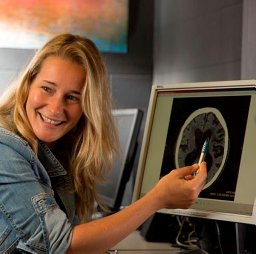 Elisabeth Stöttinger合作论文数Department of Psychology, University of Salzburg1
 Silvia Erika Kober合作论文数Department of Psychology, University of Graz1
 Rosalyn Moran合作论文数Department of Neuroimaging, School of Neuroscience, Institute of Psychiatry, Psychology & Neuroscience, King's College London;King’s Institute for Artificial Intelligence, King's College London1
 Britt Anderson合作论文数Virginia Institute of Marine Science;School of Marine Science;College of William and Mary;College of William and Mary, Virginia Institute of Marine Science1
 Guilherme M de O. Wood合作论文数Department of Psychology and Center of Neurocognitive Research, Paris-Lodron University of Salzburg1Christof Körner合作论文数1
 Matthias Schurz合作论文数Center for Neurocognitive Research, University of Salzburg1Martin J. Doherty合作论文数University of Stirling1




