Objectives We aimed to translate and cross-culturally adapt the Supportive and Palliative Care Indicators Tool-4ALL (SPICT-4ALL) for use in the Tamil healthcare context.Methods The translation and cross-cultural adaptation of the SPICT-4ALL (2023 version) were conducted using the TRAPD model (Translation, Review, Adjudication, Pretesting, and Documentation). Cross-cultural adaptation used a modified Delphi-technique. Twelve participants, including mid-level healthcare workers from primary care and palliative care settings and lay people from India and Sri Lanka, scored the items on the tool. Agreement on scores was assessed, and focus group discussion (FGD) was used to reach consensus.Results Delphi panel agreement was 34% initially but reached 100% with minor changes to items in the translated version after the FGD. Thematic analysis found SPICT-4ALL in Tamil is user-friendly and accessible for proactive identification of palliative care needs, facilitates person-centered care planning, and enhances interdisciplinary coordination.Significance of results SPICT-4ALL-Tamil 2023 is the translated and cross-culturally adapted version for use in the Tamil healthcare context. This will enable and empower mid-level health workers within the primary and secondary care settings and people not in the healthcare field to identify individuals with palliative care needs. Further research to validate and study acceptability of the tool and its impact on patient outcomes is warranted.
Annually, more than 70 million people worldwide have health-related suffering amenable to palliative care. However, this need remains unmet for more than 85% of cases, predominantly in low-income and middle-income countries. Because most people with serious illness live in community settings and wish to remain there through the end of life, integration of palliative care into primary health care (PHC) is crucial. Primary care teams are well positioned to deliver generalist palliative care but often face insufficient training, weak PHC infrastructure, and poor policy support, among other barriers. In this Viewpoint, we provide an evidence-based rationale for improved integration of palliative care into PHC and share best practice exemplars that show feasible pathways to strengthen integration through training, mentorship, service development, international collaboration, and system adaptation. Informed by lessons learned and recommendations, our international and interprofessional team emphasises that successful integration of palliative care into PHC will require evidence-based advocacy, community partnerships, context-specific implementation, sustainable resourcing, and coordination between generalist and specialist teams to strengthen community-based, person-centred services across the life course.
Tania Pastrana, Scott A. Murray; on behalf of the European Association of Palliative Care (EAPC) Reference Group in Primary Palliative Care
Background: The Supportive and Palliative Care Indicators Tool (SPICT) was developed for identifying, in a timely manner, patients who may benefit from supportive and palliative care for better treatment review, care-plan discussion, and end-of-life care. Although the SPICT has been validated in different languages and for patients living in different settings, it has not been validated for patients receiving home-based medical care (HBMC), or in the context of using traditional Chinese characters. Objectives: The present study aimed to validate the Taiwanese version of the SPICT (SPICT-TW) and to measure its ability to predict six-month mortality in patients who received HBMC in Taiwan. Methods: Seven HBMC agents (five clinics and two hospitals) participated in this validation study. We recruited 129 patients aged ≥ 50 years who had been consistently receiving HBMC for >two months. Results: The results revealed that the SPICT-TW demonstrated similar reliability and validity compared to other language versions of the SPICT. It may be an appropriate tool for healthcare professionals to detect, in a timely manner, the needs for palliative care in older people who receive home healthcare. Furthermore, we found that a combination of four general indicators and one clinical indicator in the SPCIT-TW has the best prediction ability at predicting six-month mortality in these HBMC recipients. This multi-center study validated the SPICT-TW among HBMC recipients in Taiwan. Conclusions: The SPICT-TW demonstrated high reliability and validity through the Kuder–Richardson 20, an intraclass correlation coefficient, Cohen’s kappa, and receiver operating characteristic analysis, supporting its potential as a practical tool for identifying older adults at risk of dying within six months who have not yet received palliative care but may benefit from it.
The authors are general practitioners from France and Australia, a geriatrician from Catalonia, a social scientist, a patient representative, a palliative medicine specialist and medical educator, and a professor of primary palliative care from the UK.We drew on extensive qualitative research with patients and families and extended the concepts of physical, social, psychological and spiritual dimensions described in 2005 and 2017 as well as proposing a distinctive multimorbidity trajectory.We also reviewed broader patient experience research internationally, and interventions in many countries that provides guidance on palliative care throughout Europe, Australia, and America to inform this educational resource. Information and resources for patients, carers and the general publicUK public information websites about care planning, serious illness, death, dying and bereavement: NHS Inform -thinking and planning ahead (NHS Scotland) Dying Matters (England) Good Life, Good Death, Good Grief (Scotland) Marie Curie -care and support through terminal illness (UK) Macmillan Cancer Support -cancer information and support (UK) Age UK -information and advice (UK) How to live and die well: understand what might happen and plan.This short video is for everyone, explaining illness trajectories.It's for people who are well just now to think ahead.It is also for people who currently live with progressive illness.It's also for family members and carers of those who are ill, and who want to learn what can happen in the future so they can plan ahead
Objectives The COVID-19 pandemic challenged palliative care (PC) services globally. We studied the ways healthcare professionals (HCPs) working in faith-based hospitals (FBHs) experienced and adapted care through the pandemic, and how this impacted patients with PC needs.Methods In-depth interviews were conducted with HCPs from FBHs serving rural and urban population across India. Thematic analysis was conducted.Results A total of 10 in-depth interviews were conducted during the COVID-19 pandemic, first wave (4), second wave (4) and between them (2). HCPs described fear and stigma in the community early in the pandemic. Migrant workers struggled, many local health services closed and cancer care was severely affected. Access and availability of healthcare services was better during the second wave. During both waves, FBHs provided care for non-COVID patients, earning community appreciation. For HCPs, the first wave entailed preparation and training; the second wave was frightening with scarcity of hospital beds, oxygen and many deaths. Eight of the 10 FBHs provided COVID-19 care. PC teams adapted services providing teleconsultations, triaging home visits, delivering medications, food at home, doing online teaching for adolescents, raising funds. Strengths of FBHs were dedicated teamwork, staff care, quick response and adaptations to community needs, building on established community relationship.Conclusion FBHs remained open and continued providing consistent, good quality, person-centred care during the pandemic. Challenges were overcome innovatively using novel approaches, often achieving good outcomes despite limited resources. By defining and redefining quality using a PC lens, FBHs strengthened patient care services.
Background:There is a need for tools in primary care to support clinicians to identify patients with unmet palliative care needs. The Supportive and Palliative Care Indicators Tool (SPICT) is concise and covers most conditions in primary care settings. However, the SPICT was not available in Japanese.Methods:The translation and cultural adaptation of the SPICT was conducted in four stages: forward translation (Stage I), synthesis (Stage II), back translation (Stage III), and expert committee review (Stage IV).Results:During the translation process, any content challenging to translate was addressed in Stage II and through discussion among the researchers. The expert committee review provided valuable insights on palliative care in Japan in addition to the translation.Conclusion:The Japanese version of the SPICT and its user guide are ready to be tested in clinical settings. They have the potential to help Japanese family physicians integrate palliative care in their care of patients with all life-limiting illnesses.
In palliative care, as in many areas of medicine, there is a considerable amount of research conducted that makes sound recommendations but does not result consistently in improved care. For instance, though palliative care has been shown to benefit all people with a life-threatening illness, its main reach continues to be for those with cancer. Drawing on relational models of research use, we set out to engage policy-makers, educators, clinicians, commissioners and service providers in a knowledge exchange process to identify implications of research for Scottish palliative care priorities. First, we mapped the existing palliative care research evidence in Scotland. We then organised evidence review meetings and a wider stakeholder event where research producers and users came together to coproduce implications of the evidence for policy, education and practice. We used questionnaires and key stakeholder feedback meetings to explore impacts of this process on research uptake and use immediately after the events and over time. In this paper, we reflect on this knowledge exchange process and the broader context in which it was set. We found that participation fostered relationships and led to a rich and enthusiastic exploration of research evidence from multiple perspectives. Potential impacts relating to earlier identification for palliative care, education and need-based commissioning ensued. We make suggestions to guide replication.
In the majority of high-income settings, palliative care (PC) still relies on hospital care and palliative care specialists, while the involvement of other healthcare professionals, notably general practitioners (GPs), is undefined and incomplete. Moreover, to develop the full potential of palliative care, the participation of the public is needed, from patients’ associations and caregivers to health advocacy associations and to national health systems. For this to occur, the silent palliative care revolution must spread a palliative care culture among all stakeholders and participants in the care process. Fear of death, stigmatization of patients and their relatives when facing a complex disease like cancer or organ failure, or dementia, leads to palliative care being similarly stigmatized, neglected, or unacceptable. Early identification of patients for discussions of goals of care based on their needs and wishes is fundamental, keeping in mind that dying is a multidimensional process. GPs can play a pivotal role here, leading to improved quality of care and quality of life and in due course dying for both patients and caregivers.
The story of dying in the 21st century is a story of paradox. While many people are overtreated in hospitals with families and communities relegated to the margins, still more remain undertreated, dying of preventable conditions and without access to basic pain relief. The unbalanced and contradictory picture of death and dying is the basis for this Commission. How people die has changed radically over recent generations. Death comes later in life for many and dying is often prolonged. Death and dying have moved from a family and community setting to primarily the domain of health systems. Futile or potentially inappropriate treatment can continue into the last hours of life. The roles of families and communities have receded as death and dying have become unfamiliar and skills, traditions, and knowledge are lost. Death and dying have become unbalanced in high-income countries, and increasingly in low-and-middle-income countries; there is an excessive focus on clinical interventions at the end of life, to the detriment of broader inputs and contributions. The COVID-19 pandemic has meant that death is prominent in daily media reports and health systems have been overwhelmed. People have died the ultimate medicalised deaths, often alone but for masked staff in hospitals and intensive care units, unable to communicate with family except electronically. This situation has further fuelled the fear of death, reinforcing the idea of health-care services as the custodian of death. Climate change, the COVID-19 pandemic, environmental destruction, and attitudes to death in high-income countries have similar roots—our delusion that we are in control of, and not part of, nature. Large sums are being invested to dramatically extend life, even achieve immortality, for a small minority in a world that struggles to support its current population. Health care and individuals appear to struggle to accept the inevitability of death. Philosophers and theologians from around the globe have recognised the value that death holds for human life. Death and life are bound together: without death there would be no life. Death allows new ideas and new ways. Death also reminds us of our fragility and sameness: we all die. Caring for the dying is a gift, as some philosophers and many carers, both lay and professional, have recognised. Much of the value of death is no longer recognised in the modern world, but rediscovering this value can help care at the end of life and enhance living. Treatment in the last months of life is costly and a cause of families falling into poverty in countries without universal health coverage. In high-income countries between 8% and 11·2% of annual health expenditure for the entire population is spent on the less than 1% who die in that year. Some of this high expenditure is justified, but there is evidence that patients and health professionals hope for better outcomes than are likely, meaning treatment that is intended to be curative often continues for too long. Conversations about death and dying can be difficult. Doctors, patients, or family members may find it easier to avoid them altogether and continue treatment, leading to inappropriate treatment at the end of life. Palliative care can provide better outcomes for patients and carers at the end of life, leading to improved quality of life, often at a lower cost, but attempts to influence mainstream health-care services have had limited success and palliative care broadly remains a service-based response to this social concern. Rebalancing death and dying will depend on changes across death systems—the many inter-related social, cultural, economic, religious, and political factors that determine how death, dying, and bereavement are understood, experienced, and managed. A reductionist, linear approach that fails to recognise the complexity of the death system will not achieve the rebalancing needed. Just as they have during the COVID-19 pandemic, the disadvantaged and powerless suffer most from the imbalance in care when dying and grieving. Income, education, gender, race, ethnicity, sexual orientation, and other factors influence how much people suffer in death systems and the capacity they possess to change them. Radically reimagining a better system for death and dying, the Lancet Commission on the Value of Death has set out the five principles of a realistic utopia: a new vision of how death and dying could be. The five principles are: the social determinants of death, dying, and grieving are tackled; dying is understood to be a relational and spiritual process rather than simply a physiological event; networks of care lead support for people dying, caring, and grieving; conversations and stories about everyday death, dying, and grief become common; and death is recognised as having value. Systems are constantly changing, and many programmes are underway that encourage the rebalancing of our relationship with death, dying, and grieving. Communities from varied geographies are challenging norms and rules about caring for dying people, and models of citizen and community action, such as compassionate communities, are emerging. Policy and legislation changes are recognising the impact of bereavement and supporting the availability of medication to manage pain when dying. Hospitals are changing their culture to openly acknowledge death and dying; health-care systems are beginning to work in partnership with patients, families, and the public on these issues and to integrate holistic care of the dying throughout health services. Key messages•Dying in the 21st century is a story of paradox. Although many people are overtreated in hospitals, still more remain undertreated, dying of preventable conditions and without access to basic pain relief.•Death, dying, and grieving today have become unbalanced. Health care is now the context in which many encounter death and as families and communities have been pushed to the margins, their familiarity and confidence in supporting death, dying, and grieving has diminished. Relationships and networks are being replaced by professionals and protocols.•Climate change, the COVID-19 pandemic, and our wish to defeat death all have their origins in the delusion that we in control of, not part of, nature.•Rebalancing death and dying will depend on changes across death systems—the many inter-related social, cultural, economic, religious, and political factors that determine how death, dying, and bereavement are understood, experienced, and managed.•The disadvantaged and powerless suffer most from the imbalance in care for those dying and grieving.•The Lancet Commission on the Value of Death sets out five principles of a realistic utopia, a new vision of how death and dying could be. The five principles are: the social determinants of death, dying, and grieving are tackled; dying is understood to be a relational and spiritual process rather than simply a physiological event; networks of care lead support for people dying, caring, and grieving; conversations and stories about everyday death, dying, and grief become common; and death is recognised as having value.•The challenge of transforming how people die and grieve today has been recognised and responded to by many around the world. Communities are reclaiming death, dying and grief as social concerns, restrictive policies on opioid availability are being transformed and health-care professionals are working in partnership with people and families, but more is needed.•To achieve our ambition to rebalance death, dying and grieving, radical changes across all death systems are needed. It is a responsibility for us all, including global bodies and governments, to take up this challenge. The Commission will continue its work in this area. •Dying in the 21st century is a story of paradox. Although many people are overtreated in hospitals, still more remain undertreated, dying of preventable conditions and without access to basic pain relief.•Death, dying, and grieving today have become unbalanced. Health care is now the context in which many encounter death and as families and communities have been pushed to the margins, their familiarity and confidence in supporting death, dying, and grieving has diminished. Relationships and networks are being replaced by professionals and protocols.•Climate change, the COVID-19 pandemic, and our wish to defeat death all have their origins in the delusion that we in control of, not part of, nature.•Rebalancing death and dying will depend on changes across death systems—the many inter-related social, cultural, economic, religious, and political factors that determine how death, dying, and bereavement are understood, experienced, and managed.•The disadvantaged and powerless suffer most from the imbalance in care for those dying and grieving.•The Lancet Commission on the Value of Death sets out five principles of a realistic utopia, a new vision of how death and dying could be. The five principles are: the social determinants of death, dying, and grieving are tackled; dying is understood to be a relational and spiritual process rather than simply a physiological event; networks of care lead support for people dying, caring, and grieving; conversations and stories about everyday death, dying, and grief become common; and death is recognised as having value.•The challenge of transforming how people die and grieve today has been recognised and responded to by many around the world. Communities are reclaiming death, dying and grief as social concerns, restrictive policies on opioid availability are being transformed and health-care professionals are working in partnership with people and families, but more is needed.•To achieve our ambition to rebalance death, dying and grieving, radical changes across all death systems are needed. It is a responsibility for us all, including global bodies and governments, to take up this challenge. The Commission will continue its work in this area. These innovations do not yet amount to a whole system change, but something very close to the Commission's realistic utopia has been achieved in Kerala, India, over the past three decades. Death and dying have been reclaimed as a social concern and responsibility through a broad social movement comprised of tens of thousands of volunteers complemented by changes to political, legal, and health systems. To achieve the ambition of radical change across death systems we present a series of recommendations, outlining the next steps that we urge policy makers, health and social care systems, civil society, and communities to take. Death and dying must be recognised as not only normal, but valuable. Care of the dying and grieving must be rebalanced, and we call on people throughout society to respond to this challenge.
Introduction Death and dying are not 9-5 activities. When a crisis starts out-of-hours (OOH) patients may not be identified as having palliative care needs and are disadvantaged in a frantic system. Whether they die today or another day, they must navigate a complex and confusing process to seek help. Aims To analyse the NHS out-of-hours care system for patients in their last year of life and to understand the consumer perspective. Method Systems approach. We analysed 5 routine national datasets: 24-hour telephone advice service, primary care OOH, ambulance service, A&E, and emergency admissions for everyone who died in Scotland in 2016. We also integrated interviews and focus groups with 58 patients and bereaved carers from three contrasting regions in 2018. Results All 5 services had an exponential monthly increase in usage during the last 12 months of life. People with different illness trajectories, deprivation categories, places of care, and those with care plans used significantly different volumes and patterns of services. Patients were sometimes admitted because timely safe care was unavailable in the community. OOH care in the community costed only 4% of hospital based care Conclusion For many, the last year of life can feel like a car chase from James Bond with the end always uncertain. Opportunities for a palliative care approach were lost for most patients. More care planning started in-hours and shared with urgent and emergency services would decrease A&E usage and emergency admissions. Better resourcing of unscheduled community services would provide safer, more responsive, high-value low-cost care. Routine OOH clinical datasets lack a variable identifying people with a terminal illness which might allow them to come to rest before they die. Impact This systems approach has generated research interest in defining the volume and quality of services for people with advanced illnesses. Patients who are terminally ill need urgent and emergency services fit for purpose for dying so that they can live, and let die well.
Background: Unscheduled care is used increasingly during the last year of life by people known to have significant palliative care needs. Aim: To document the frequency and patterns of use of unscheduled healthcare by people in their last year of life and understand the experiences and perspectives of patients, families and professionals about accessing unscheduled care out-of-hours. Design: A mixed methods, multi-stage study integrating a retrospective cohort analysis of unscheduled healthcare service use in the last year of life for all people dying in Scotland in 2016 with qualitative data from three regions involving service users, bereaved carers and general practitioners. Setting: Three contrasting Scottish Health Board regions and national datasets for the whole of Scotland. Results: People who died in Scotland in 2016 (n = 56,407) had 472,360 unscheduled contacts with one of five services: telephone advice, primary care, ambulance service, emergency department and emergency hospital admission. These formed 206,841 individual continuous unscheduled care pathways: 65% starting out-of-hours. When accessing healthcare out-of-hours, patients and carers prioritised safety and a timely response. Their choice of which service to contact was informed by perceptions and previous experiences of potential delays and whether the outcome might be hospital admission. Professionals found it difficult to practice palliative care in a crisis unless the patient had previously been identified. Conclusion: Strengthening unscheduled care in the community, together with patient and public information about how to access these services could prevent hospital admissions of low benefit and enhance community support for people living with advanced illness.
Background Stroke is the second largest cause of death worldwide. Perceived poor communication is a major cause of healthcare complaint, yet information-sharing following stroke is little-researched. Aim To describe and explore: a) carers' experiences of professional truth-telling in the 6 months following severe stroke b) how carers process uncertainty Methods Secondary analysis of semi-structured serial interviews with carers at 6 weeks and 6 months post-stroke, using Framework approach. Population: Informal carers of severely-dependent adult patients with Total Anterior Circulation Stroke in Lothian (Scotland), including carers of patients who died during the study. Sampling: Purposive sampling for maximal variation; secondary analysis sampled geographically. Rigor: Analysis of deductive and inductive themes; discussion of emergent themes with primary data collectors; examination of deviant, negative and extreme cases. Results 20 transcripts from 15 carers were analysed, including 6 bereavement interviews. All interviews referenced truth-telling by healthcare professionals, most frequently 'construction of truth as a process' and 'value of honesty/frankness'. Some carers described professionals intending to deceive. Most carers described uncertainty as something negative, using behaviours to reduce uncertainty. A minority described uncertainty as a positive or 'window for hope', using behaviours to increase uncertainty. Carer, professional, patient and environmental factors influenced carers' experiences. What carers said was complex and views changed over time. Discussion and conclusions We present a new visual model of truth-telling between healthcare professionals and carers. Truth-telling is a complex, two-way process. Carers and professionals view 'the truth' through 'lenses' of their own worldviews, experiences and knowledge. Carers' views of uncertainty affect engagement with truth-telling. The truth-telling system is open, asymmetrical and dynamic: with access of external information and a gradient of knowledge and power within each professional-carer dyad, which changes over time. Poor communication has important fall-out. Our visual model could help professionals approach information-sharing following severe stroke more confidently.
BACKGROUND Due to the uncertain disease trajectory and variable rate of progression in chronic obstructive pulmonary disease (COPD), health care professionals (HCPs) are challenged in explaining what the future may hold for patients compared to those with lung cancer (LC). Support and communication of timely information can significantly improve health outcomes. OBJECTIVE This study sought to identify factors that impact communication and support and recommend ways to improve patients' understanding of living with life-threatening illness. METHODS Semi-structured interviews with patients with LC (n = 22) and advanced COPD (n = 18), their informal carers (21 LC and 18 COPD) and HCPs (n = 51). Patients were recruited from primary and secondary care in the East of England, UK, during 2010-12. RESULTS Directness and clarity characterized communication in LC, whereas uncertainty and limited explanations predominated in COPD. Discussions on how the disease might impact on decisions and preferences to be made in the future were less common in COPD. Information for LC patients was mainly from hospital clinicians and any information for COPD patients mainly from primary care clinicians. CONCLUSIONS The experience of COPD patients could be improved by professionals soon after diagnosis explaining to them the typical pattern of decline in COPD, highlighting the inherent uncertainties about when exacerbations and death may occur. This conversation should lead to planning for the different challenges that the patient and informal carer recognize as most important to them. This contrasts with the 'breaking bad news' conversation that oncologists are highly trained to deliver.
 Kirsty Boyd合作论文数100
 Marilyn Kendall合作论文数82
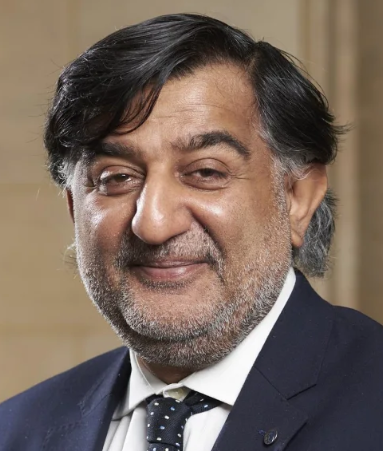 Aziz Sheikh合作论文数Nuffield Department of Primary Care Health Sciences, Medical Sciences Division, University of Oxford37
 Liz Grant合作论文数Usher Institute, Edinburgh Medical School,The University of Edinburgh27
 Bruce Mason合作论文数Usher Institute, Edinburgh Medical School,The University of Edinburgh25
 Finucane Anne M合作论文数School of Philosophy, Psychology and Language Sciences, University of Edinburgh, Edinburgh, UK. anne_finucane@yahoo.ie24
 Irene Higginson合作论文数Cicely Saunders Institute of Palliative Care, Policy & Rehabilitation, Florence Nightingale Faculty of Nursing, Midwifery & Palliative Care, King's College London24
 Emma Carduff合作论文数23
 Allison Worth合作论文数22
 Stephen Barclay合作论文数Department of Public Health and Primary Care, University of Cambridge21
 Sebastien Moine合作论文数20
 Martin A Denvir合作论文数17
 Richard Harding合作论文数King’s College London16
 Geoff Mitchell合作论文数General Practice Clinical Unit, Medical School, The University of Queensland15Leng Mhoira合作论文数14Cathy Shipman合作论文数14
 Barbara Kimbell合作论文数Usher Institute, Edinburgh Medical School,The University of Edinburgh13
 Marie Fallon合作论文数Institute of Genetics and Cancer, College of Medicine & Veterinary Medicine, University of Edinburgh13G. Highet合作论文数13Jeremy Dale合作论文数Warwick Medical School, University of Warwick13
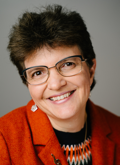 Julia Downing合作论文数Makerere University12
 Hilary Pinnock合作论文数Usher Institute, Edinburgh Medical School,The University of Edinburgh12Eleni Epiphaniou合作论文数11Elizabeth Namukwaya合作论文数10
 Debbie Cavers合作论文数Usher Institute, Edinburgh Medical School,The University of Edinburgh10
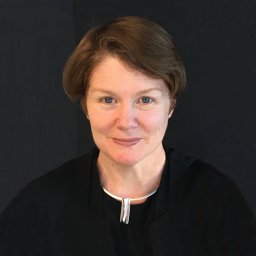 Daveson Barbara A合作论文数Kings Coll London, Cicely Saunders Inst10
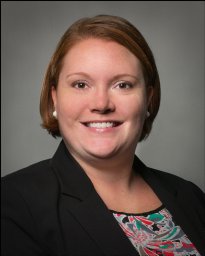 Campbell Christine合作论文数10
 Daniel Munday合作论文数9Buckingham Susan合作论文数8
 Lloyd Anna合作论文数Medical School, The University of Edinburgh8Nanton Veronica合作论文数8
 David Weller合作论文数Usher Institute, Edinburgh Medical School,The University of Edinburgh7
 Jo Hockley合作论文数Usher Institute, Edinburgh Medical School,The University of Edinburgh7Patrick White合作论文数Slade School of Fine Art, Faculty of Arts & Humanities, University College London7Thomas Keri合作论文数7
 Michael I Bennett合作论文数Leeds Institute of Health Sciences, University of Leeds7Sarah Cudmore合作论文数6Anne Donaldson合作论文数6Richard Meade合作论文数6Elizabeth Grant合作论文数6jen reid合作论文数6A Worth合作论文数6
 Javeid Iqbal合作论文数Dept Cardiol, Sheffield Teaching Hosp NHS Trust6Jenifer Jeba合作论文数6
 Juliet Spiller合作论文数6
 William MacNee合作论文数University of Edinburgh;Lothian Health6Robertson Shirley合作论文数6Paul Cormie合作论文数6katharine thompson合作论文数5




