This study evaluated State of California alcohol license records as a measure of businesses selling alcohol for consumption on premise. In 2008, researchers attempted to visit all 799 licensed restaurants, bars, and pubs in six medium-sized cities near San Francisco. Surveys collected detailed business characteristics for a subsample of 151 bars or restaurants that included a separate bar area. Results suggest inaccuracies of official records regarding license locations and types (bar/pub vs. restaurant). Analyses also indicate that establishment characteristics are related to local alcohol outlet densities. Study implications and limitations are discussed.
The presence of Listeria monocytogenes in food processing environment is a risk of food contamination by persistent cells due to their ability to attach to stainless steel and other surfaces. We aimed to study biofilms formation of lux-tagged L. monocytogenes EGDe on stainless steel surfaces and their control using neutral electrolyzed water (NEW), where biofilms development was monitored using destructive and non-destructive microscopy techniques. The development of biofilms was monitored for 5 days on stainless steel chips. We used two sources of NEW, commercial (NEW-1) and from a prototype (NEW-2) for treatments of free and biofilm L. monocytogenes EGDe cells. Complete inhibition of L. monocytogenes EGDe free cells was observed after 1 min contact time for both NEW sources, but NEW-1 concentration used (9 mg/L total available chlorine, TAC) was 1.8 times higher. Cells within biofilms were more resistant to NEW compared to planktonic cells. Same concentration of both NEW sources (70 mg/L TAC) exhibited complete inhibition of biofilm cells after 3 min contact time. However, using a sub-lethal dose of 40 mg/L TAC, NEW-2 reduced about 2 log CFU/cm(2) biofilm cells while NEW-1 inhibited 03 log CFU/cm(2) only. Biofilms formation and antagonistic effect of NEW could be visualized by epifluorescence and scanning electron microscopy, revealing significant biofilms structure. The disinfectant effect of NEW may be attributed to the combined antimicrobial effect of available chlorine and high ORP exhibited by its oxidizing compounds. NEW does not promote metal equipment corrosion due to its neutral pH, and is also environmentally friendly. (C) 2013 Elsevier Ltd. All rights reserved.
All food processing surfaces are potential sites for biofilm formation of foodborne pathogens, which may result in increased virulence and better adaptation to survival in foods. This study was aimed to evaluate the effect of two antimicrobials, neutral electrolyzed water (NEW) and nisin, and their combination, on Listeria monocytogenes Scott A biofilms formed on glass and stainless steel surfaces. We also examined the effects of sub-lethal doses of NEW on listeriolysin O (LLO) activity from free and biofilm listerial cells. Coupons inoculated with L. monocytogenes cells were used to produce biofilms by incubation for four days at 37 degrees C. An orthogonal experimental design with two replicates was used to test the effect of four factors on biofilm population. The factors were antimicrobial agents: NEW (65 ppm), nisin (6976 IU/per coupon), and their combination; temperature: 20 degrees C and 37 degrees C; contact time: 5, 10, 20 and 45 min: and type of material: glass or stainless steel. Antimicrobial compounds and exposure time significantly affected L. monocytogenes populations in biofilms from both surfaces. A bactericidal effect was shown by NEW on free listerial cells at 30 ppm for 0.5 min of exposure, regardless treatment temperature. Same effect was observed on listerial biofilms at 65 ppm or higher concentrations, after 10 min contact time. A sub-lethal concentration of NEW acting on listerial biofilms resulted in an increased LLO activity, while non-treated biofilms exhibited a reduced activity, but higher than that found for free cells. The use of NEW as a sanitizer may be effective in reducing bacterial contamination. In addition because of its safety, which would benefit the food industry and its environmental friendliness, NEW may be of significant use in the food industry. (C) 2011 Elsevier Ltd. All rights reserved.
The objective of this study was to determine the efficacy of power ultrasound and ozonation used individually, and in tandem, for the removal of Listeria monocytogenes biofilms from stainless steel chips. Stainless steel chips were inoculated with L. monocytogenes. Power ultrasound (20 kHz, 100% amplitude, 120 W) was applied for 30 or 60 s at a distance of 2.54 cm from a biofilm chip while it was submerged in 250 ml of sterile potassium phosphate buffer (pH 7.0). Ozone was cycled through the 250 ml of potassium phosphate buffer containing the biofilm chip also for 30 or 60 s at concentrations of 0.25, 0.5, or 1.0 ppm. Power ultrasound and ozonation were also used in tandem for testing of their combined effect. Each of the treatments alone resulted in a significant reduction in recoverable cells, with power ultrasound being the most effective (3.8-log CFU/ml reduction after 60 s). For the ozone in combination with power ultrasound treatment, reductions were significantly (P < 0.05) higher than by either treatment alone. There were no recoverable cells after 60 s of this combined treatment when an ozone concentration of 0.5 ppm was used (7.31-log CFU/ml reduction). These results indicated that the combination of power ultrasound and ozonation may be an effective treatment for biofilm removal from stainless steel food contact surfaces.
This study's goal was to characterize physical and social environments of stand-alone bars associated with indoor smoking despite California's smokefree workplace law. In a random sample of 121 stand-alone bars in San Francisco, trained observers collected data on patrons, staff, neighborhood, indoor settings and smoking behaviors. Using bivariate (chi-square) and hierarchical linear modeling analyses, we identified four correlates of patrons' indoor smoking: 1) bars serving predominantly Asian or Irish patrons, 2) ashtrays, 3) bartender smoking, and 4) female bartenders. Public health officials charged with enforcement of smokefree bar policies may need to attend to social practices within bars, and heighten perceptions of consistent enforcement of smokefree workplace laws.
The responses of Escherichia coli K12 to sonication, manosonication (MS), thermosonication (TS), and manothermosonication (MTS) treatments were investigated at 40, 47, 54, and 61°C and 100, 300, 400, and 500kPa, in comparison with heat only treatments at the same temperatures. The inactivation kinetics were evaluated with five selected models and two statistical indices. Within the time frame (4min) and temperature range used in this study, inactivation of E. coli K12 with a single lethal factor (heat or sonication) can be described by a first-order kinetic equation. For treatments with more than one lethal factor, non-linear inactivation curves were observed, which included a fast initial inactivation followed by a slow reduction in microbial survival counts. The biphasic model produced the best fit of the inactivation data compared to other non-linear models. Environmental scanning electron microscopy images showed extensive cell damage and breakage on E. coli K12 cells treated by MS, TS, and MTS.
This work was conducted to identify indigenous LAB capable of antimicrobial activity, present in traditional Mexican-foods with potential as natural preservatives. A total of 27 artisan unlabeled Mexican products were evaluated, from which 94 LAB strains were isolated, and only 25 strains showed antimicrobial activity against at least one pathogen indicator microorganism. Most of the inhibitory activity showed by the isolated LAB strains was attributed to pH reduction by organic acids. Lactobacillus and Lactococcus strains were good acid producers, depending on the substrate, and may enhance the safety of food products. Cell free cultures of Leuconostoc mesenteroides CH210, and PT8 (from chorizo and pulque, respectively) reduced the number of viable cells of enteropathogenic E. coli in broth system. Lb. plantarum CC10 (from "madre" of vinegar) showed significant inhibitory effect against S. aureus 8943. E. faecium QPII (from panela cheese) produced a bacteriocin with wide anti-L. monocytogenes activity. Selected LAB from traditional Mexican foods showed good potential as bio-preservatives.
Listeria monocytogenes is a foodborne pathogen of major concern in food processing due to its wide environmental distribution and ability to form biofilms. Lactococcus lactis UQ2 is a bacteriocinogenic strain isolated from Mexican-style cheese, genetically identified as nisin A. It was grown on supplemented whey medium, representing an alternative, and probably more economical way to obtain this bacteriocin. A spray-dried crude bacteriocin fermentate (CBF) of L. lactis UQ2, or L. lactis UQ2 cells were used to test their antimicrobial activity against planktonic and sessile cells of L. monocytogenes Scott A on stainless steel chips. L. lactis UQ2 reduced >5 log cycles of this pathogen biofilms per chip, in competitive-exclusion tests at 37°C. A new approach was developed to evaluate the antagonic effect of L. lactis UQ2 which outnumbered Listeria cells, by using fluorescent in situ hybridization utilizing labeled specific probes. An in vitro study showed that the combination of the two main antimicrobials produced by L. lactis UQ2 (lactic acid and nisin A) can be more efficient to suppress L. monocytogenes growth than each one on its own. This study may provide information to develop strategies to suppress or control L. monocytogenes biofilms on stainless steel surfaces, one of the most common materials used for food processing equipment.
The effect of acoustic energy density (AED) on inactivation of Shigella boydii 18 IDPH and Listeria monocytogenes Scott A in a cell suspension was studied at sublethal temperatures and at AEDs of 0.49, 0.85, and 1.43 W/mL. The effect of temperature on ultrasonic inactivation of L. monocytogenes Scott A at 35, 50, and 65 degrees C was examined at an AED of 1.43 W/mL. Increasing AED increased the rate of inactivation for both S. boydii and L. monocytogenes. The destruction of S. boydii and L. monocytogenes followed 1st order kinetics in a 20-min treatment, except for S. boydii inactivation at 1.43 W/mL where a tailing effect was observed after 15 min. At sublethal temperatures, the D-values of S. boydii were 8.8, 4.3, and 2.5 min for AEDs of 0.49, 0.85, and 1.43 W/mL, whereas those for L. monocytogenes at the 3 AED levels were 31.5, 13.5, and 7.3 min, respectively. Ultrasonic treatment of L. monocytogenes at 35 and 50 degrees C enhanced inactivation. However, at 65 degrees C, application of ultrasound did not result in additional inactivation compared to thermal treatment alone at the same temperature. With the experimental conditions and the ultrasound system used in this study, an upper temperature limit for thermosonication was evident above which no added killing due to ultrasound was observed.
Study objective: Multiple studies have found that, compared with employees in other settings, workers in bars and restaurants have been exposed to high levels of secondhand smoke, putting them at increased risk for health complications. Among these bar employees are many women of low socioeconomic status (SES). Smoke free workplace ordinances have been extended to bars and restaurants in cities and states throughout the USA; some bars, however, continue to be out of compliance with these laws. The objective of this study is to assess the relation between bartender gender and smoke free workplace compliance in bars.Design: This paper reports on analyses of observational data on compliance with smoke free workplace policy in 121 randomly selected bars together with qualitative data from semi-structured interviews with bartenders and patrons in bars.Setting: San Francisco County bars.Main results: Findings from this research showed that smoke free policy non-compliance was associated with bars in which women were bartenders, increasing their tobacco exposure compared with male bartenders. In interviews, although some female bartenders expressed ambivalence toward the smoke free ordinance, many others described experiencing positive health and social consequences when the bars in which they worked could eliminate interior smoking.Conclusions: The analyses presented here shed light on the benefits of improving the workplace environment for low SES female bartenders through the extension of strong smoke free workplace policies to all workplaces, including bars.
Binding of ligands to macromolecular receptors on the surface of mammalian cells often results in ligand uptake through receptor-mediated endocytosis. Certain human leukocytes and epithelial cells express Fc receptors (FcRs) that bind and internalize antibodies through this mechanism. To mimic this process, we synthesized an artificial FcR comprising the membrane anchor N-alkyl-3beta-amino-5alpha-cholestane linked to a disulfide-constrained cyclic peptide, termed FcIII, known to exhibit high affinity and specificity for the Fc region of human IgG. Treatment of human Jurkat lymphocytes that lack natural FcRs with the synthetic FcR (1 microM, 1 h) installed an average of approximately 6.2 x 10(5) synthetic receptor molecules per cell surface. These treated cells gained the capacity to internalize human IgG at levels greater than human THP-1 cells that express the natural receptors FcgammaRI and FcgammaRII. By linking binding motifs for circulating ligands to membrane anchors that cycle between the cell surface and intracellular endosomes, minimalistic cell surface receptors can be used to destroy targeted ligands by endocytosis. These small mimics of macromolecular receptors may be useful for controlling the extracellular abundance of ligands involved in disease.
Artisan fresh Mexican-style cheeses are commonly made from raw milk that provides not only rich flavors, but also a diversity of associated lactic acid bacteria (LAB) strains. Enterococcus faecium UQ31 was isolated from panela cheese and produced bacteriocin-like inhibitory substances (BLIS) with a strong anti-Listeria activity. A modified pH-mediated adsorption-desorption purification process resulted in (after SDS-PAGE) two bands showing antimicrobial activities, where most of the activity corresponded to the band with an estimated molecular weight of 7.5 kDa. The BLIS produced by E. faecium UQ31 were heat resistant, stable at ambient storage conditions, and active in the pH range 5--9. The BLIS antimicrobial activities were detected during logarithmic growth phase and remained constant until the end of incubation time (19 h). These BLIS showed a wide anti-Listeria monocytogenes spectra. The E. faecium UQ31 strain or their BLIS represent a promising potential as antimicrobial food preservatives.
A strain of Shigella boydii 18 involved in a bean salad outbreak and S. boydii 18 ATCC 35966 were used to inoculate bean salad. Bean salad samples were stored at 4 or 23 degrees C. At 4 degrees C, the S. boydii survived for the duration of the shelf life of the salad but did not grow. At 23 degrees C, both strains increased by two orders of magnitude by day 2 and decreased rapidly thereafter. This demonstrates the importance of proper storage in preventing the outgrowth of foodborne pathogens.
Protein toxins such as shiga toxin and cholera toxin penetrate into cells by binding small molecule-based cell surface receptors localized to cholesterol and sphingolipid-rich lipid raft subdomains of cellular plasma membranes. Molecular recognition between these toxins and their receptors triggers endocytic protein uptake through endogenous membrane trafficking pathways. We report herein the synthesis of functionally related non-natural cell surface receptors comprising peptides capped with N-cholesterylglycine as the plasma membrane anchor. The peptide moieties of these receptors were based on high-affinity epitopes of anti-hemaglutinin antibodies (anti-HA), anti-Flag antibodies, and a moderate-affinity Strep Tag II peptide ligand of the streptavidin protein from Streptomyces avidini. These non-natural receptors were directly loaded into plasma membranes of Jurkat lymphocytes to display peptides from lipid rafts on the cell surface. Molecular recognition between these receptors and added cognate anti-HA, anti-Flag, or streptavidin proteins resulted in rapid clathrin-mediated endocytosis; fluorescent target proteins were completely internalized within 4-12 h of protein addition. Analysis of protein uptake by epifluorescence microscopy and flow cytometry revealed intracellular fluorescence enhancements of 100-fold to 200-fold (10 muM non-natural receptor) with typically >99% efficiency. This method enabled intracellular delivery of a functional Escherichia coli beta-galactosidase enzyme conjugated to Protein A from Staphylococcus aureus. We termed this novel delivery strategy "synthetic receptor targeting", which is an efficient method to enhance macromolecular uptake by decorating mammalian cells with chemically defined synthetic receptors that access the molecular machinery controlling the organization of cellular plasma membranes.
The spectral reflectance characteristics of 11 rainfall simulator plots were measured with a hand-held radiometer on semiarid rangeland surfaces, of the U.S. Department of Agriculture, Agricultural Research Service, Walnut Gulch Experimental Rangel- and Watershed, Tombstone, Arizona. Rainfall simulations were made in Map and June 1984 for plots characterized by natural vegetation, natural vegetation clipped and removed, and natural vegetation clipped and rock fragments >5 mm removed. In 1994, reflectance and cover data were collected on the same plots to evaluate changes over time. Measurements were taken at 38-40 degrees and 74-77 degrees sun elevation angles with a four-band hand-held radiometer (blue 0.45-0.52 mu m, green 0.52-0.60 mu m, led 0.63-0.69 mu m, and near-infrared 0.76-090 mu m). Correlation and regression relationships were computed between spectral reflectance and percent soil, rock, and vegetative cover; percent runoff; and eroded sediments. Highly significant correlations were measured between vegetative cover and percent runoff; relationships with soil-rock cover and eroded sediment were poorly correlated. The normalized difference vegetation index (NDVI) was the best predictor of percent vegetative cover, with shrubs-forbs being most strongly correlated to reflectance. The regression relationships between 1984 and 1994 spectral reflectance and vegetative cover were very different, even though cover percentages were similar. The amount of standing live and dead biomass and the proportion of green biomass strongly affect spectral reflectance, and the 1984 and 1994 conditions were quite different. Spectral reflectance data can be used to predict rangeland cover characteristics, which in turn, can be used to determine parameters needed for models that predict hydrologic processes on rangeland surfaces.
Virulence, as determined in a mouse model, and virulence factor activities of catalase (CA), superoxide dismutase (SOD) and listeriolysin 0 (LLO), was examined in Listeria monocytogenes 10403S. Cells were propagated in media containing various concentrations of sodium chloride (NaCl) at 4, 25 and 37-degrees-C. Strain 10403S exhibited significant increases in CA activity and LLO when grown in media containing 428 mM of NaCl at 37-degrees-C. The CA activities at 4 and 25-degrees-C were significantly less, and the cells exhibited similar increases and decreases as cells grown at 37-degrees-C. When comparing the growth temperatures, the CA activity decreased as the growth temperature decreased. The SOD activity was significantly increased only when cells were propagated in media containing either 428 or 1,112 mM of NaCl. The SOD activity increased as the growth temperature decreased. No LLO activity was detected when cells were grown at 4 and 25-degrees-C. The production of these enzymes appeared to be thermoregulated. In addition, approximate lethal dose (AL50) values were determined after intragastric (i.g.) and intraperitoneal (i.p.) infection. Each method of infection indicated that LLO was required for virulence, while growth in salt containing media, growth at 4-degrees-C, or the production of higher levels of CA, SOD and LLO did not appear to influence the virulence of L. monocytogenes.
Catalase (EC 1.11.1.6) fromStaphylococcus aureus MF-31 was isolated. The purification procedure included ethanol-chloroform precipitation, ammonium sulfate fractionation, ultrafiltration and Sephadex G-200 column chromatography. The apparent native molecular weight was 235000 ± 5000. The enzyme was composed of four subunits, each having a molecular weight of 64 000 ± 1000. The purified enzyme had an apparent isoelectric point of 5·3 ± 0·1 pH units. The effects of salt, salt concentration, pH and temperature were examined for their influence on catalase stability. The enzyme was stable over the pH range of 4–9, and was inactivated at temperatures above 60°C. The inhibitory effects of salt were: NaCl > MgCl2 > KCI. The combination of NaCl and low pH was the most inhibitory.
 B E García Almendárez合作论文数5
 Hao Feng合作论文数Department of Family and Consumer Sciences, College of Agriculture and Environmental Sciences, North Carolina Agricultural and Technical State University;Department of Food Science and Human Nutrition, College of Agricultural, Consumer and Environmental Sciences, University of Illinois at Urbana-Champaign3Claudia Alvarado合作论文数2Ja Milner合作论文数2
 Blake Robert Peterson合作论文数Penn State Univ, University Pk2
 Roland S. Moore合作论文数2
 Juliet Lee合作论文数Prevention Research Center2
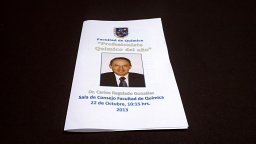 Carlos Regalado合作论文数C.U., Universidad Autónoma de Querétaro2E. E. Sano合作论文数1Df Post合作论文数1J. R. Simanton合作论文数1Qi Sun合作论文数1
 Hans-Peter M Blaschek合作论文数Food Science & Human Nutrition, College of Agricultural, Consumer and Environmental Sciences, University of Illinois at Urbana-Champaign1Chu Bong-Chul合作论文数1
 Isabel Guerrero Legarreta合作论文数1Domínguez-Domínguez J合作论文数1
 Tamar M J Antin合作论文数Prevention Research Center, 1995 University Ave., Suite 450, Berkeley, CA 94704, USA. tantin@prev.org1Isaac Cann合作论文数Center for East Asian & Pacific Studies, Illinois Global Institute, College of Liberal Arts and Sciences, University of Illinois at Urbana-Champaign1Agle Meredith E合作论文数1Lee Hyoungill合作论文数1Baumann Adam R合作论文数1
 Wei Liang (梁伟)合作论文数太原理工大学材料科学与工程学院1
 Paul J. Gruenewald合作论文数1
 Michael M. Todd合作论文数University of Iowa Department of Anesthesia1Edgar Ugarte-Romero合作论文数1Andrew J. Treno合作论文数1Michael Schillaci合作论文数1
 Lillian G Remer合作论文数1
 William Ponicki合作论文数1
 Yunny Meas合作论文数Depto. de Química, Universidad Autónoma Metropolitana- Unidad Iztapalapa1Anthony W. Dallmier合作论文数1
 Siwarutt Boonyarattanakalin合作论文数Department of Chemistry;PennsylVania State UniVersity1Fred J. Genthner合作论文数1
 Blanca Garcia-Almendarez合作论文数C.U., Universidad Autónoma de Querétaro1




