Background Heatstroke is a life-threatening condition representing the most severe manifestation of heat-related illnesses. Increasing global average temperatures are likely to increase the incidence of heatstroke. Methods We conducted a retrospective, repeated cross-sectional study, using the National Inpatient Sample (NIS) database. We assessed adults hospitalized in the Northeast and South regions of the United States with ICD-10 codes relating to heatstroke. The primary outcome was the number of monthly regional admissions for heatstroke. Multiple logistic and linear regression techniques were used to evaluate secondary outcomes, specifically in-hospital clinical and resource utilization outcomes. Findings Over the five years studied (2016-2020), more heatstroke admissions occurred in the South (n=3,880) than in the Northeast (n=960). Patients admitted with heatstroke in the South and Northeast regions had similar odds for in-hospital mortality (aOR=0.84, p=0.79). The length of stay in the South was nearly one day longer than in the Northeast (aMD=0.95 days, p=0.02). There was a trend towards higher charges per heatstroke admission in the South compared to the Northeast (aMD=$16,514, p=0.07). Admission rates were positively associated with increasing average monthly temperatures - even after controlling for region and season (p<0.05). Interpretation Heatstroke is a serious condition, and admissions to our nation’s hospitals are likely to increase as our planet gets warmer. Many physiologic, societal, and geographic variables impact vulnerability to heat-related illness. Our society and healthcare systems must actively work towards improving care for those with heat-related illnesses. Funding Not applicable.
The medical education system is not designed to recognize and support the nuanced needs of medical trainees from historically marginalized groups. Consequently, many from this cohort must persevere through their medical training with various unmet needs. Within the medical education system, there have long been systemic barriers, or structural inequities, that make training more difficult for trainees from historically marginalized groups; the situation is unfair and can translate into unequal educational outcomes. Regrettably, the convention of ignoring the impact of structural barriers and resultant inequities for trainees from historically marginalized groups may lead to assumptions of innate deficiencies. This deficiency discourse obscures the impact of structural barriers on these individuals' learning, well-being, and academic outcomes. In this paper, we present a novel framework to bring attention to these challenges. This framework emerges from Maslow's 'Hierarchy of Needs' theory to emphasize the importance of comprehensively considering trainee needs that ultimately support their learning and flourishing. Practically, this modified framework may be used directly by trainees themselves to reflect on their needs, and by educators charged with supporting them to more fully bear in mind the lived experiences of trainees. At the programmatic level, the framework may reveal inequities that may be differentially influential within a cohort - thereby informing efforts to support all trainees.
Clinical documentation is a cornerstone of physician training, not only as a record of care but as a catalyst for clinical reasoning. For medical trainees, writing notes compels them to prioritize information, justify decisions, and synthesize fragmented data into coherent narratives. With the emergence of artificial intelligence (AI) scribes that auto-generate clinical notes from ambient audio, the task of composing notes is increasingly outsourced, raising questions about its impact on education. At our internal medicine residency program, we piloted a 6-month implementation of an AI scribe tool with 48 residents, generating nearly 1000 notes. We propose seven best practices—mapped to the Accreditation Council for Graduate Medical Education (ACGME) Core Competencies—with the goal that AI scribes support, rather than erode, the development of reflective practice and diagnostic thinking. These include establishing baseline documentation skills, structured AI training, critical review of AI-generated notes, and new opportunities for feedback. In this formative moment, educators must guide learners to use AI as a scaffold for reasoning, not a substitute for it.
Since 2015, the global health community, through the Sustainable Development Goals (SDGs), has committed to promoting equitable early childhood care and development that fosters inclusive education and lifelong learning for all children under the age of 5. Whereas several global policies on disability-inclusion recommend a twin-track approach to support people with disabilities, the application of this approach for children with disabilities in early childhood is unclear. In this article, we examine the concept of inclusion for children with disabilities in early childhood and how to address the inequalities they face through the globally recommended twin-track approach. We highlight key components of this approach for optimizing school readiness for children with varying severities of disability. We offer recommendations for addressing potential barriers to disability inclusion, based on evidence from multiple sources, and emphasize the need for a globally coordinated strategy to advance the global vision and commitments for children with disabilities.
Background: Progress notes written about hospitalized patients are suboptimal. Notes are bloated and awash with inaccuracies. Poor notes negatively impact patient care. Objective: To design and assess a progress note scoring rubric and educational intervention aimed at improving the quality of progress notes. Design: Randomized control educational trial. Participants: Hospitalist physicians at a large academic medical center. Intervention: Hospitalists were randomized to either a multi-pronged educational intervention or the control group. Main Outcome Measure: A scoring rubric was developed to measure the quality of progress notes; validity evidence was established for the measure. This rubric was used by assessors (blinded to both group and pre/post periods) to evaluate progress notes. Notes were pulled from 6 months before and after the intervention period (n = 156 notes). Key Results: Of the 26 participating hospitalists, 14 were randomized to the intervention. The two groups of hospitalists were similar in terms of age, gender, and clinical experience (all p > 0.05). Both groups had comparable notes at baseline (total score, 0.32 vs. 0.30, p = 0.59). After participating in the educational session, all 14 of the rubric items were higher in the intervention group-both compared to the control group and to their baseline/PRE notes-many changes reaching statistical significance. Total scores for the intervention group improved significantly (all p < 0.05). The instruments' total score and global rating of "how well the note would prepare the next provider to take over the care of the patient" were highly correlated-0.72. Note length was not extended by the intervention (p > 0.05). Conclusions: This work established both an objective scoring rubric to assess the quality of progress notes and an efficient, impactful method for coaching hospitalists. For other groups striving to improve progress note quality, this study provides a blueprint for how they might proceed.
OBJECTIVE:To systematically define humanizing health care to guide systems improvements that better meet patient and health care workers' needs. PARTICIPANTS AND METHODS:We conducted group concept mapping at Johns Hopkins Medicine, a large academic health system with five hospitals in Maryland and Washington, DC, outpatient practices, telemedicine, and homecare services. From October 2023 to May 2024, we recruited participants who brainstormed to the focus prompt: "One thing that can be done to more fully humanize healthcare experiences is:" The study team synthesized ideas for participants to sort them. Group concept mapping software generated cluster maps, which were interpreted by the study team to generate the concept map. RESULTS:In brainstorming, 63 individuals participated, including those with the perspectives of patients (n=40, 63%), caregivers (n=25, 40%), physicians (n=23, 37%), other types of health care professionals (n=14, 22%), health professions educators (n=28, 44%), and health care researchers (n=25, 40%). The 395 statements from brainstorming were synthesized into 207 ideas for sorting, which was completed by 13 participants. The final concept map included eight domains and 32 subdomains. Domains addressed: (1) effective communication, (2) health care worker attitudes, (3) health care culture, (4) health care worker community, (5) institutional policies and health care value, (6) physical and digital systems and access to care, (7) time and attention for patients, and (8) embedding patient perspectives throughout health care. CONCLUSION:Health care is fundamentally about human experiences. This concept map, generated by individuals representing the perspectives of a variety of individuals involved in health care, offers guidance for interventions and measures to make health care more humanizing.
For over half of a century, there have been calls for greater patient and community involvement in U.S. medical education. Accrediting agencies, as the regulatory authorities for medical education, develop policies that impact every program in the U.S.; they have the ability to support patient involvement across the medical education system. In this article, we first review the requirements of U.S. accrediting agencies for undergraduate and graduate medical education to involve patients in educational programs. While agencies have patient members on their committees, they do little to encourage patient involvement through their standards or procedures. We then describe opportunities for accreditation to support patient involvement across teaching and learning activities, curriculum design and evaluation, policymaking and governance, and scholarly endeavors. We link these opportunities to specific standards that could be revised or have their data reporting requirements adjusted. U.S. agencies could also follow the examples of their counterparts outside the U.S., which have created new standards to encourage patient involvement. Ensuring patient representation on educational programs' governing and policymaking bodies is one among many immediate actions that could be taken by accrediting authorities to encourage system-level reforms. As medical school and residency training represent the beginnings of decades of practice for physicians, properly involving patients would maximize benefits for learners, educators, and society.
While explicit conceptual models help to inform research, they are left out of much of the health professions education (HPE) literature. One reason may be the limited understanding about how to develop conceptual models with intention and rigor. Group concept mapping (GCM) is a mixed methods conceptualization approach that has been used to develop frameworks for planning and evaluation, but GCM has not been common in HPE. The purpose of this article is to describe GCM in order to make it more accessible for HPE scholars. We recount the origins and evolution of GCM and summarize its core features: GCM can combine multiple stakeholder perspectives in a systematic and inclusive manner to generate explicit conceptual models. Based on the literature and prior experience using GCM, we detail seven steps in GCM: (1) brainstorming ideas to a specific “focus prompt,” (2) preparing ideas by removing duplicates and editing for consistency, (3) sorting ideas according to conceptual similarity, (4) generating the point map through quantitative analysis, (5) interpreting cluster map options, (6) summarizing the final concept map, and (7) reporting and using the map. We provide illustrative examples from HPE studies and compare GCM to other conceptualization methods. GCM has great potential to add to the myriad of methodologies open to HPE researchers. Its alignment with principles of diversity and inclusivity, as well as the need to be systematic in applying theoretical and conceptual frameworks to practice, make it a method well suited for the complexities of contemporary HPE scholarship.
Objectives: Dizziness is a common medical symptom that is frequently misdiagnosed. While virtual patient (VP) education has been shown to improve diagnostic accuracy for dizziness as assessed by VPs, trainee performance has not been assessed on human subjects. The study aimed to assess whether internal medicine (IM) interns after training on a VP-based dizziness curriculum using a deliberate practice framework would demonstrate improved clinical reasoning when assessed in an objective structured clinical examination (OSCE).Methods: All available interns volunteered and were randomized 2:1 to intervention (VP education) vs. control (standard clinical teaching) groups. This quasi-experimental study was conducted at one academic medical center from January to May 2021. Both groups completed pre-posttest VP case assessments (scored as correct diagnosis across six VP cases) and participated in an OSCE done 6 weeks later. The OSCEs were recorded and assessed using a rubric that was systematically developed and validated.Results: Out of 21 available interns, 20 participated. Between intervention (n=13) and control (n=7), mean pretest VP diagnostic accuracy scores did not differ; the posttest VP scores improved for the intervention group (3.5 [SD 1.3] vs. 1.6 [SD 0.8], p=0.007). On the OSCE, the means scores were higher in the intervention (n=11) compared to control group (n=4) for physical exam (8.4 [SD 4.6] vs. 3.9 [SD 4.0], p=0.003) and total rubric score (43.4 [SD 12.2] vs. 32.6 [SD 11.3], p=0.04).Conclusions: The VP-based dizziness curriculum resulted in improved diagnostic accuracy among IM interns with enhanced physical exam skills retained at 6 weeks post-intervention.
Diagnostic errors cause significant patient harm. The clinician’s ultimate goal is to achieve diagnostic excellence in order to serve patients safely. This can be accomplished by learning from both errors and successes in patient care. However, the extent to which clinicians grow and navigate diagnostic errors and successes in patient care is poorly understood. Clinically experienced hospitalists, who have cared for numerous acutely ill patients, should have great insights from their successes and mistakes to inform others striving for excellence in patient care. To identify and characterize clinical lessons learned by experienced hospitalists from diagnostic errors and successes. A semi-structured interview guide was used to collect qualitative data from hospitalists at five independently administered hospitals in the Mid-Atlantic area from February to June 2022. 12 academic and 12 community-based hospitalists with ≥ 5 years of clinical experience. A constructivist qualitative approach was used and “reflexive thematic analysis” of interview transcripts was conducted to identify themes and patterns of meaning across the dataset. Five themes were generated from the data based on clinical lessons learned by hospitalists from diagnostic errors and successes. The ideas included appreciating excellence in clinical reasoning as a core skill, connecting with patients and other members of the health care team to be able to tap into their insights, reflecting on the diagnostic process, committing to growth, and prioritizing self-care. The study identifies key lessons learned from the errors and successes encountered in patient care by clinically experienced hospitalists. These findings may prove helpful for individuals and groups that are authentically committed to moving along the continuum from diagnostic competence towards excellence.
Early childhood is foundational for optimal and inclusive lifelong learning, health and well-being. Young children with disabilities face substantial risks of sub-optimal early childhood development (ECD), requiring targeted support to ensure equitable access to lifelong learning opportunities, especially in low- and middle-income countries. Although the Sustainable Development Goals, 2015–2030 (SDGs) emphasise inclusive education for children under 5 years with disabilities, there is no global strategy for achieving this goal since the launch of the SDGs. This paper explores a global ECD framework for children with disabilities based on a review of national ECD programmes from different world regions and relevant global ECD reports published since 2015. Available evidence suggests that any ECD strategy for young children with disabilities should consists of a twin-track approach, strong legislative support, guidelines for early intervention, family involvement, designated coordinating agencies, performance indicators, workforce recruitment and training, as well as explicit funding mechanisms and monitoring systems. This approach reinforces parental rights and liberty to choose appropriate support pathway for their children. We conclude that without a global disability-focussed ECD strategy that incorporates these key features under a dedicated global leadership, the SDGs vision and commitment for the world’s children with disabilities are unlikely to be realised.
BackgroundAlthough medical education is affected by numerous blind spots, there is limited evidence to determine which blind spots to prioritize.MethodsIn summer 2022, we surveyed stakeholders from U.S. medical education who had identified 9 domains and 72 subdomains of blind spots. Respondents used 4-point Likert-type scales to rate the extent and magnitude of problems caused for each domain and subdomain. Respondents also provided comments for which we did content analysis.ResultsA total of 23/27 (85%) stakeholders responded. The majority of respondents rated each blind spot domain as moderate-major in both extent and problems they cause. Patient perspectives and voices that are not heard, valued, or understood was the domain with the most stakeholders rating extent (n = 20, 87%) and problems caused (n = 23, 100%) as moderate or major. Admitting and selecting learners likely to practice in settings of highest need was the subdomain with the most stakeholders rating extent (n = 21, 91%) and problems caused (n = 22, 96%) as moderate or major. Respondents' comments suggested blind spots may depend on context and persist because of hierarchies and tradition.DiscussionWe found blind spots differed in relative importance. These data may inform further research and direct interventions to improve medical education.
BackgroundAll individuals and groups have blind spots that can create problems if unaddressed. The goal of this study was to examine blind spots in medical education from international perspectives.MethodsFrom December 2022 to March 2023, we distributed an electronic survey through international networks of medical students, postgraduate trainees, and medical educators. Respondents named blind spots affecting their medical education system and then rated nine blind spot domains from a study of U.S. medical education along five-point Likert-type scales (1 = much less attention needed; 5 = much more attention needed). We tested for differences between blind spot ratings by respondent groups. We also analyzed the blind spots that respondents identified to determine those not previously described and performed content analysis on open-ended responses about blind spot domains.ResultsThere were 356 respondents from 88 countries, including 127 (44%) educators, 80 (28%) medical students, and 33 (11%) postgraduate trainees. At least 80% of respondents rated each blind spot domain as needing 'more' or 'much more' attention; the highest was 88% for 'Patient perspectives and voices that are not heard, valued, or understood.' In analyses by gender, role in medical education, World Bank country income level, and region, a mean difference of 0.5 was seen in only five of the possible 279 statistical comparisons. Of 885 blind spots documented, new blind spot areas related to issues that crossed national boundaries (e.g. international standards) and the sufficiency of resources to support medical education. Comments about the nine blind spot domains illustrated that cultural, health system, and governmental elements influenced how blind spots are manifested across different settings.DiscussionThere may be general agreement throughout the world about blind spots in medical education that deserve more attention. This could establish a basis for coordinated international effort to allocate resources and tailor interventions that advance medical education.
Abstract Background The dissemination of published scholarship is intended to bring new evidence and ideas to a wide audience. However, the increasing number of articles makes it challenging to determine where to focus one’s attention. This study describes factors that may influence decisions to read and recommend a medical education article. Methods Authors analyzed data collected from March 2021 through September 2022 during a monthly process to identify “Must Read” articles in medical education. An international team of health sciences educators, learners, and researchers voted on titles and abstracts to advance articles to full text review. Full texts were rated using five criteria: relevance, methodology, readability, originality, and whether it addressed a critical issue in medical education. At an end-of-month meeting, 3–4 articles were chosen by consensus as “Must Read” articles. Analyses were used to explore the associations of article characteristics and ratings with Must Read selection. Results Over a period of 19 months, 7487 articles from 856 journals were screened, 207 (2.8%) full texts were evaluated, and 62 (0.8%) were chosen as Must Reads. During screening, 3976 articles (53.1%) received no votes. BMC Medical Education had the largest number of articles at screening (n = 1181, 15.8%). Academic Medicine had the largest number as Must Reads (n = 22, 35.5%). In logistic regressions adjusting for the effect of individual reviewers, all rating criteria were independently associated with selection as a Must Read (p < 0.05), with methodology (OR 1.44 (95%CI = 1.23–1.69) and relevance (OR 1.43 (95%CI = 1.20–1.70)) having the highest odds ratios. Conclusions Over half of the published medical education articles did not appeal to a diverse group of potential readers; this represents a missed opportunity to make an impact and potentially wasted effort. Our findings suggest opportunities to enhance value in the production and dissemination of medical education scholarship.
BackgroundFeedback on the diagnostic process has been proposed as a method of improving clinical reasoning and reducing diagnostic errors. Barriers to the delivery and receipt of feedback include time constraints and negative reactions. Given the shift toward asynchronous, digital communication, it is possible that electronic feedback ("e-feedback") could overcome these barriers.ObjectivesWe developed an e-feedback system for hospitalists around episodes of care escalation (transfers to ICU and rapid responses). The intervention was evaluated by measuring hospitalists' satisfaction with e-feedback and commitment to change.DesignA qualitative survey study conducted at one academic medical center from February to June 2023.ParticipantsHospitalists - physicians and advanced practice providers.ApproachTwo hospitalists, one internal medicine resident, and a nurse reviewed escalations of care on the hospitalist service each week using the Revised Safer Dx framework. Confidential feedback was emailed to the hospitalists involved in the patient's care. Hospitalists were asked to rate and explain their satisfaction with the e-feedback and whether they might modify their clinical practice based on the e-feedback. The open-ended text comments from the hospitalists were analyzed using a thematic analysis framework.ResultsForty-nine out of fifty-eight hospitalists agreed to participate. One hundred five out of one hundred twenty-four (85%) e-feedback surveys that were sent were returned by the hospitalists. Hospitalists were highly satisfied with 67% (n = 70) of the e-feedback reports, moderately satisfied with 23% (n = 24), and not satisfied with 10% (n = 11). Six themes were identified based on analysis of the comments. Themes related to satisfaction with the intervention included appreciation for learning about patient outcomes, general appreciation of feedback on clinical care, and importance of detailed and specific feedback. Themes related to changing clinical practice included reflection on clinical decision-making, value of new insights, and anticipated future behavior change.ConclusionsE-feedback was well received by hospitalists. Their perspectives offer useful insights for enhancing electronic feedback interventions.
On Nov 20, 2022, we celebrate World Children's Day and the theme this year is inclusion, for every child. However, children with disabilities have received little attention from global health and development stakeholders.
Purpose To describe gender differences in experienced types of bullying, and resulting personal consequences, among internal medicine (IM) residents.Methods Participants in this cross-sectional study included 21 212 IM trainees who completed a voluntary survey with their 2016 in-training exam that assessed bullying during residency training. The 2875 (13.6% of) trainees who reported experiencing bullying on a screening question were asked for additional details about types of bullying experienced and resulting personal consequences.Results Female and male trainees experienced bullying at similar rates (47% versus 53%, P = .08). Gender differences were seen in both the type of bullying experienced and the resulting personal consequences. Female trainees were more likely than their male counterparts to report bullying characterized as verbal (83% versus 77%, P < .001) and sexual (5% versus 2%, P < .001), whereas male trainees were more likely to experience physical (6% versus 4%, P = .03) and "other" bullying types (27% versus 22%, P < .001). Female trainees were more likely to report negative personal consequences than male trainees, and the most common resultant sequela reported was feeling burned out (63% versus 51%, P < .001).Conclusion Gender differences exist in both the types and consequences of bullying experienced among this national sample of IM residents. These results should be considered by programs and institutions that are hoping to optimize the culture of their workplace and enhance safety in the learning environment.
In September, 2023, the second global summit on the Sustainable Development Goals (SDGs) will be held during the annual UN General Assembly for the midpoint appraisal of the 2015–30 Agenda for Sustainable Development.1 The summit will review the global progress in implementing the SDGs, consider new challenges that arose since 2015, provide updated policy guidance, and mobilise action to accelerate progress towards achieving the SDGs. This occasion provides a rare and timely opportunity to review the global commitment on early childhood development (ECD) for children younger than 5 years, and to leave no one behind (SDG 4.2).
 Rachel Beth Levine合作论文数Bayview Division of General Internal Medicine, Johns Hopkins School of Medicine24
 Eric Howell合作论文数Johns Hopkins University15
 Kravet Steven J合作论文数15
 Sean Tackett合作论文数Bayview Division of General Internal Medicine, Department of Medicine, Johns Hopkins University13
 Robert B Shochet合作论文数13
 Joseph Carrese合作论文数Bayview Division of General Internal Medicine, Johns Hopkins School of Medicine12Darcy A. Reed合作论文数12
 David E. Kern合作论文数Bayview Division of General Internal Medicine, Johns Hopkins School of Medicine11
 Waseem Khaliq合作论文数Department of Otolaryngology-Head and Neck Surgery, School of Medicine, Johns Hopkins University9Mijna Hadders-Algra合作论文数9
 Bolajoko O. Olusanya合作论文数Centre for Healthy Start Initiative;Phonics Hearing Centre8
 Jorie M Colbert-Getz合作论文数Johns Hopkins University School of Medicine, Johns Hopkins University School of Medicine8
 Daniel Morgan合作论文数8Davis Adrian合作论文数8Landis Regina合作论文数8Amy M. Knight合作论文数8M K C Nair合作论文数7
 Leah Wolfe合作论文数Bayview Division of General Internal Medicine, Department of Medicine, Johns Hopkins University7Neda Ratanawongsa合作论文数7Deborah Korenstein合作论文数7Sanket S Dhruva合作论文数6Susan C. Mirabal合作论文数6
 Jacob Olusegun Olusanya合作论文数Centre for Healthy Start Initiative6
 David Shih Wu合作论文数Department of Otolaryngology-Head and Neck Surgery, School of Medicine, Johns Hopkins University6
 Yvonne Steinert合作论文数Department of Family Medicine, Faculty of Medicine and Health Sciences, McGill University/Institute of Health Sciences Education, Faculty of Medicine and Health Sciences, McGill University6Donald Wertlieb合作论文数6
 Brent W. Beasley合作论文数Division of General Internal Medicine, Kansas University School of Medicine6
 Andrew N Williams合作论文数Institute of Applied Health Research, College of Medical and Dental Sciences, University of Birmingham6
 Nihad A. Almasri合作论文数5
 Tracey Smythe合作论文数Div Physiotherapy, Stellenbosch Univ5
 Eric B. Bass合作论文数School of Medicine, Johns Hopkins University;Evidence-based Practice Center, Johns Hopkins University5
 Flora Kisuule合作论文数Department of Otolaryngology-Head and Neck Surgery, School of Medicine, Johns Hopkins University5
 Che Matthew Harris合作论文数School of Medicine, Johns Hopkins University5Stewart Rosalyn W合作论文数From the Department of Medicine, Johns Hopkins University5
 Margaret S Chisolm合作论文数Dept Psychiat & Behav Sci, Johns Hopkins Univ5
 Nem-Yun Boo合作论文数Department of Paediatric, Faculty of Medicine and Health Sciences, Universiti Tunku Abdul Rahman5
 Christine Soong合作论文数Department of Medicine, Temerty Faculty of Medicine, University of Toronto5
 Melissa Gladstone合作论文数5
 Aysegul Gozu合作论文数5Cecilia Breinbauer合作论文数4
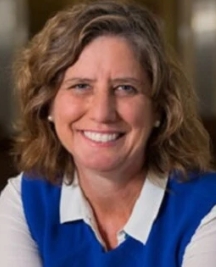 Cynthia Whitehead合作论文数Department of Family and Community Medicine, Temerty Faculty of Medicine, University of Toronto;Faculty of Health, Medicine, and Life Sciences, Maastricht University;University Health Network;Women’s College Hospital4
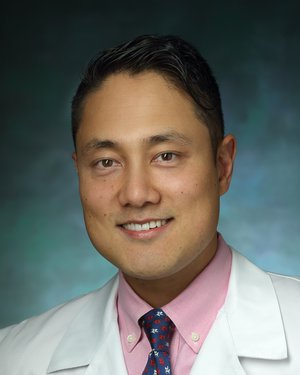 Susrutha Kotwal合作论文数Department of Otolaryngology-Head and Neck Surgery, School of Medicine, Johns Hopkins University4
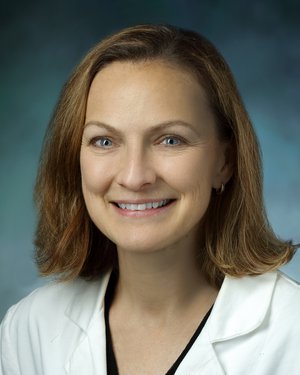 Colleen Christmas合作论文数Department of Otolaryngology-Head and Neck Surgery, School of Medicine, Johns Hopkins University4
 Donna Windish合作论文数General Internal Medicine, Internal Medicine, Yale School of Medicine, Yale University4Cayea Danelle合作论文数Department of Medicine, Johns Hopkins University School of Medicine4
 Kakooza-Mwesige Angelina合作论文数Mulago National Referral Hospital, 1Makerere University4Coon Eric合作论文数Primary Children's Hospital, University of Utah School of Medicine;and.4Samuel C. Durso合作论文数4
 Ricardo Halpern合作论文数Emergência do Hospital;Santo Antônio de Porto Alegre;Santo Antônio de Porto Alegre, Emergência do Hospital4




