INTRODUCTION:The conflict in Ukraine highlights the significant challenges posed by antimicrobial resistance (AMR) in resource-limited and combat settings. Alarming rates of multidrug-resistant organisms, including carbapenem-resistant organisms causing up to 60% of healthcare-associated infections, have been reported from Ukrainian hospitals during the conflict. This narrative review examines the current landscape and potential application of diagnostic testing and antimicrobial treatments for high-priority MDROs relevant to these settings, specifically carbapenem-resistant Enterobacterales (CRE), carbapenem-resistant Acinetobacter baumannii complex, and carbapenem-resistant Pseudomonas aeruginosa. MATERIALS AND METHODS:This narrative review synthesized information from relevant scientific literature and expert knowledge concerning AMR diagnostics and therapeutics. The focus was on evaluating the application and limitations of current and novel strategies for managing CRE, carbapenem-resistant A. baumannii complex, and carbapenem-resistant P. aeruginosa in resource-limited and combat environments, using the ongoing conflict in Ukraine as a key contextual example. We did not employ a systematic literature search protocol. RESULTS:Diagnostic capabilities in resource-limited settings are often constrained, limiting effective AMR surveillance and targeted therapy. Traditional culture and basic antimicrobial susceptibility testing (AST) face challenges; adaptations like direct disk diffusion and deployable molecular tests offer enhanced capability closer to the field. Newer diagnostics like MALDI-TOF and NGS show promise, but face implementation hurdles related to cost, infrastructure, and interpretation. Treatment in resource-limited and combat settings, such as during the conflict in Ukraine, is severely constrained by a complex intersection of logistical and clinical barriers. These obstacles include a lack of regional epidemiology data, as well as significant supply chain issues involving cold chain requirements, drug instability, and the need for sterile compounding. Furthermore, the administration of novel agents against carbapenem-resistant pathogens is often impractical in austere environments due to the necessity for frequent dosing, prolonged infusion times, and reliable intravenous access. The ongoing development of ultra-broad-spectrum oral agents represents a vital advancement that may facilitate rapid treatment initiation far-forward without the burden of cold-chain logistics or complex IV equipment. CONCLUSIONS:AMR presents a critical threat in conflict and resource-limited settings, exacerbated by challenges in diagnostics and treatment logistics. Although novel diagnostic technologies and antimicrobial agents provide potential solutions for managing infections caused by resistant organisms, significant barriers to their effective implementation exist. Addressing these obstacles requires targeted research and adaptation of strategies to ensure optimal deployment of diagnostics and therapeutics in austere environments.
Over the past five decades, advances in acute burn care have markedly improved early survival following severe thermal injury. However, long-term epidemiologic studies demonstrate that burn survivors remain at increased risk for metabolic disease, cardiovascular pathology, malignancy, cognitive impairment, and accelerated aging, well beyond wound closure. These observations suggest that severe burn injury can initiate a chronic disease state characterized by persistent physiologic dysregulation in a subset of patients. Emerging evidence indicates that this phenotype is driven by sustained immunometabolic dysfunction, in which immune and metabolic pathways are tightly coupled and mutually reinforcing. Severe burn injury induces durable reprogramming of innate and adaptive immune cells alongside prolonged hypermetabolism, mitochondrial dysfunction, and neuroendocrine stress signaling. This results in a persistent inflammatory, immunosuppressed, catabolic syndrome (PIICS), where chronic inflammation coexists with impaired adaptive immunity and ongoing amino acid depletion. In this review, we synthesize population-based, clinical, and experimental data supporting burn injury as a chronic immunometabolic disease. We highlight key mechanisms linking immune dysfunction with altered substrate utilization, mitochondrial bioenergetics, and neuroimmune signaling, and discuss how these pathways contribute to long-term organ dysfunction. Finally, we outline emerging opportunities for risk stratification and therapeutic interventions targeting integrated immunometabolic pathways.
Abstract Introduction A recent literature review revealed a lack of evidence regarding optimal timing for postoperative dressing removal following autograft surgery in burn patients. At our burn center, the decision for postoperative takedown (POTD) timing was left to individual provider preference—some preferring postoperative day 4, while others, day 5. All surgeons agreed to adopt a standardized POTD protocol on day 4. Methods A retrospective study was conducted, comparing outcomes from one year prior to and one year after the implementation of standardized POTD on day 4. Patients were included only if they had undergone autografting as their sole surgical intervention during hospitalization (escharotomies excluded). Patients who underwent autologous dermal autografting were excluded as well. For the pre-implementation cohort, their surgical procedure to discharge had to exceed 4 days, while for the post-implementation cohort; it had to exceed 3 days. Results The pre-implementation cohort included 54 patients; 67% were male, with a median age of 48 years, median total body surface area (TBSA) burned of 3.45%, and median LOS of 12 days. The post-implementation cohort included 67 patients; 68% were male, with a median age of 51 years, median TBSA burned of 3.75%, and median LOS of 11 days. In the pre-implementation group no patients experienced graft loss requiring a repeat procedure, and one patient in the post implementation group did. Wilcoxon rank sum test was run to compare scores between POTD day 4 vs 5 groups. For LOS from surgery to discharge, the results indicated that this intervention trended towards a difference between the groups, but not statistically so, p=.1. Conclusions Though a link between POTD on day 4 to decrease LOS was not shown in this review, given fiscal needs, capacity of units that specialize in burn care and an overall push to decrease LOS, a uniform approach to POTD may help decrease overall LOS without influencing graft take. Applicability of Research to Practice Uniformity in POTD may be a way to help reduce the LOS for patients and help reduce costs. As overnight stays in the hospital approach $20 000 in total, economy of treatment becomes more pressing. These methods could easily be trialed at other burn centers and results shared to help find an optimal time for taking down autograft dressings postoperatively. Funding for the study N/A.
Abstract Introduction There is no consensus between use of fresh frozen plasma (FFP) and albumin (ALB) during acute burn resuscitation. The comparative impact on vascular endotheliopathy (ENDO) is also unknown. Our objective was to determine the efficacy and safety of FFP versus ALB during burn resuscitation. We hypothesize that FFP will reduce 48 hour total fluid volumes and correct burn ENDO better than ALB. Methods This non-blinded prospective randomized controlled trial of acute thermal burn patients occurred at an ABA-verified burn center. Patients with ≥20% TBSA burn admitted within 8 hours (hrs) post injury were eligible. Those with trauma requiring transfusion, stage IV/V kidney disease, or expected death within 48 hrs post burn were excluded. Enrolled patients were resuscitated using a Nurse Driven Resuscitation Protocol with lactated ringers and received either FFP or 5% ALB at 8 hrs post burn at a total volume of 0.5 ml x kg x %TBSA over 8 hrs. Demographics, severity of injury, 48 hr fluids, and complications for 1 week post-burn were recorded. Products of ENDO were collected on admit, 12, 24, and 48 hrs. Data are presented as mean (±standard deviation) or median [interquartile range] depending on normality. A t-test (two-sided α = 0.05) was used to compare the primary outcome, 24 hr total volume of fluids. Results Of 124 patients screened, 59 were enrolled. One was excluded for receiving both colloids during the 8 hour intervention window. Patients were well matched at baseline between FFP and ALB: age 46 (±15) vs 42 (±15), male 25 (86%) vs 19 (65%), %TBSA 28 [24-44] vs 37 [23-45], mechanical ventilation 14 (48%) vs 15 (52%), inhalation injury (4 each), burn injury time to admit 4.4 (±2) vs 3.9 (±2) hrs, and vasopressor use 13 (45%) vs 12 (41%), respectively. Total fluid volume at 24 hrs post burn (ml/kg/%TBSA) was not different between FFP 5.4 (±2.2) and ALB 4.7 (±1.6), p=.14, nor at 25-48 hrs FFP 2.2 (±1.2) and ALB 2.5 (± 1.2), p=.3. Delta lactate (peak - 24 hrs) was similar FFP -2 (±2.4) and ALB -2.1 (±3). Thirteen complications (3 ARDS, 1 renal replacement therapy, 1 acute kidney injury, 8 pulmonary edema) occurred in 9 FFP patients, whereas 20 (3 ARDS, 2 renal replacement therapy, 4 acute kidney injury, 11 pulmonary edema) occurred in 11 ALB patients. There were no abdominal compartment syndromes. Hospital mortality occurred in 4 (14%) FFP and 3 (10%) ALB patients. Conclusions No difference was observed in total fluid volumes administered, complications, or mortality between FFP and ALB in acute burn resuscitation. Further research is needed to address patient specific differences, and optimal colloid dosing and timing for burn resuscitation. ENDO analysis is pending. Applicability of Research to Practice Fresh frozen plasma and albumin appear similar in regards to clinical efficacy and safety for acute burn resuscitation. Funding for the study Military Burn Research Program Clinical Translational Research Award.
Enzymatic debridement with anacaulase-bcdb was approved by the US Food and Drug Administration in 2023. The purpose of this study is to compare outcomes from our first cohort of patients treated with this novel enzymatic agent. We compared patients treated with anacaulase-bcdb at our burn center from November 2023 to August 2024 to a 1:1 matched control group. Demographic, clinical, and photographic data were collected to ensure appropriate matching. Outcomes included: hospital length of stay, number of surgeries, time to first surgery, autograft size, total opioid and benzodiazepines received for wound care over the first 5 days, pain/sedation scores during wound care, time to wound closure, and readmission data. Descriptive statistics were used to assess anacaulase-bcdb treatment practices, while non-parametric tests were used for all comparisons. 13 patients treated with anacaulase-bcdb were identified. Median (interquartile range) cohort age, total body surface area, and mechanism of injury were 46 years (33.5, 59.5), 4.5% (2, 10.2), and flame (46.2%). No baseline differences were identified between groups. Anacaulase-bcdb was used before day 3 with regional anesthesia in all but 2 cases and successful eschar removal in 12 patients (92%). Patients treated with anacaulase-bcdb had a shorter time to first surgery from admission (4 days [3, 5] vs 6 [5, 7], P = .017) and higher average maximum wound care pain scores during the first 5 days (7 [6, 8] vs 5 [3, 7], P = .047). There was no difference in length of stay, area grafted, number of surgeries, total opioids/benzodiazepines received, or sedation scores.
Abstract Introduction Moderate sedation is commonly utilized to alleviate the significant pain and anxiety associated with burn wound care. Variability in practice patterns can lead to safety concerns and inconsistent comfort among providers. To address these issues, a new practice protocol was developed enabling advanced practice providers (APPs) to administer moderate sedation for burn wound care, ensuring regulatory compliance and standardization in the delivery model. We aimed to assess the feasibility of this practice. Methods A 12-month retrospective review was conducted at our ABA-verified burn center, evaluating the first year of APP-administered moderate sedation. APPs underwent comprehensive training in collaboration with the anesthesia assistant program, covering pharmacokinetics, end tidal CO2 monitoring, and airway management. Education on medication administration and documentation was provided, and computer training modules were completed for credentialing in moderate sedation. APPs were monitored in two successful sedations before practicing independently. Patient charts were reviewed for demographics, medications administered prior to and during sedation, duration and depth of sedation, and adverse events. Results APPs performed 105 sedations on 26 burn and soft tissue injury patients with natural airways; 70% were male (median age, 42 years; median %TBSA, 12; median ASA score, 2). Patients received a median of three oral premedications (morphine equivalents 20 mg [15, 22.5], lorazepam 1 mg [1, 1], oral ketamine 100 mg [100, 150], and/or sublingual dexmedetomidine 195mcg [130, 200]) and three IV push medications (fentanyl 150mcg [100, 200], midazolam 1 mg [0.5, 1.5], ketamine 50 mg [30, 72], and/or dexmedetomidine infusion 0.8 mcg/kg/hr [0.8, 1]). A median of three sedations per patient lasted a median of 52 minutes (range 25-165). The median Richmond Agitation Sedation Scale (RASS) achieved was -2. One patient reached deep sedation (RASS -4), managed by decreasing the dexmedetomidine infusion; no airway or cardiovascular compromise occurred, and the patient recovered spontaneously. No reversal agents (naloxone or flumazenil) were required. Hypertension was recorded in 17 sedations (one requiring treatment), and hypotension in six (all managed by reducing the dexmedetomidine infusion). No intubations, cardiopulmonary resuscitation, or other adverse events were reported, including those related to hypoxia or aspiration. Conclusions Specially trained burn APPs can administer moderate sedation for burn wound care, expanding their scope of practice and providing a feasible model for standardized sedation delivery. Applicability of Research to Practice Burn centers should consider implementing APP training programs to support the delivery of moderate sedation within their full scope of practice. Funding for the Study N/A.
Growing evidence supports the addition of fresh frozen plasma (FFP) to a standardized crystalloid-based burn resuscitation. Fresh frozen plasma is thought to mitigate endotheliopathy, decrease total fluids and improve outcomes; however, when and how much FFP to give remains controversial. Here, we assessed the safety and efficacy of adding a non-titratable, 8-hr FFP infusion of 0.5 mL/kg/% total body surface area (TBSA) to a burn resuscitation. We performed an unmatched retrospective cohort review on all patients with burn injuries aged > 18 years old with > 20% TBSA burns who underwent our nursing-driven resuscitation protocol that included this early, standardized FFP infusion, from November 2016 to May 2020. Fifty-three patients received FFP and met inclusion criteria. Patients were primarily male (85%), with a median age of 36 years and a TBSA burn of 39% (range 24.5%-94%). Median time to FFP administration was 7 h from injury with a median of 1517 mL infused. Median input/output (I/O) ratio improved from 0.8 at FFP initiation to 0.4 at 3 h post-FFP, P < .001. Median urine output (UOP) improved from 0.19 mL/kg/h prior to FFP administration to 0.52 mL/kg/h at 3 h post-FFP, P < .001. No complications related to resuscitation such as abdominal compartment syndrome, acute respiratory distress syndrome, or transfusion reactions occurred. Therefore, adding a low-dose, standardized FFP infusion to burn resuscitations significantly improved UOP, normalized I/O ratios, and did not cause any known complications. Standardizing a safe, effective, non-titratable FFP infusion provides the framework to systematically test how colloids can be optimized during burn resuscitations in the future.
Abstract Introduction Burn sepsis guidelines suggest a unit specific antibiogram for empiric antibiotic choices. Despite clinical observations regarding the ecology of burn infections, additional data are needed to justify unit specific antibiograms. Our objective was to create a burn (BICU) specific Gram-negative (GN) antibiogram, compare the relative frequency of pathogens to a surgical trauma ICU (STICU) and the institutional antibiogram. We further assessed extended spectrum beta-lactam (Ex-BL) use mix in BICU vs STICU and the institution overall. Methods Unit specific antibiograms and monthly antibiotic use patterns were collected at an ABA verified burn center over a 21 month period for BICU, STICU, and the institution overall. Escherichia spp, Klebsiella spp, Enterobacter spp, and P. aeruginosa counts were divided by overall GN counts to calculate rates of occurrence. Piperacillin-tazobactam (TZP), cefepime (FEP), and meropenem (MEM) are the primary Ex-BLs used with TZP being institutionally preferred. FEP and MEM were situationally restricted. Ex-BL mix was calculated by monthly antibiotic days / 1000 patient days with TZP as reference to normalize an intent to cover pathogens of interest. Difference in bacteria rate was analyzed by chi-squared and Wilcoxon-rank sum used to assess Ex-BL mix rates between BICU and STICU or institution. Results GN bacteria differed between BICU, STICU, and the institution, respectively: Enterobacter spp 28%, 27%, and 10%; P. aeruginosa 20%, 18%, and 12%; Klebsiella spp 19%, 26%, and 20% and Escherichia spp 16%, 29%, and 52%; p<.01. This was driven by the difference between BICU and the institution (p<.01) as opposed to STICU, p=.08. Median antibiotic use was different between BICU and STICU for TZP (118 vs 200, p<.01), but not FEP (58 vs 37, p=.2) or MEM (40 vs 50, p=.07). FEP:TZP mix was different for BICU (45%) vs STICU (19%), p<.01, not the institution (43%). MEM:TZP mix was not different between BICU, STICU, or institution; 27%, 25%, 30%; respectively, p=.5. The overall probability of empiric susceptibility given a GN result for BICU (FEP = 87%, TZP = 84%, MEM = 94%) closely resembled the overall institution (FEP = 84%, TZP = 88%, MEM = 96%) than STICU (FEP = 75%, TZP = 77%, MEM = 96%) due to resistance patterns despite differences in bacteria mix between BICU vs institution and similarities between BICU vs STICU. Conclusions BICU specific antibiogram confirmed striking differences in GN bacteria mix vs the institution. Yet empiric probabilities for empiric Ex-BL susceptibility in BICU resembled the institution, not STICU. The causal relationship between Ex-BL mix use and resistance requires further study. Applicability of Research to Practice A BICU specific antibiogram revealed the inadequacy of an institutional antibiogram. It is a useful tool that may improve empiric antibiotic choices and allow for surveillance of trends over time. Funding for the study N/A.
BACKGROUND:Osteomyelitis (OM) is a complex inflammatory bone infection typically requiring prolonged antibiotic therapy. Oritavancin (ORI), a long-acting lipoglycopeptide with activity against biofilm-embedded pathogens, has emerged as a potential treatment option despite previous US Food and Drug Administration (FDA) warnings against its use in OM. METHODS:We conducted a systematic review and meta-analysis of observational studies in seven databases through August 8, 2024 (PROSPERO registration: CRD42025635473) to evaluate the available evidence on ORI's efficacy and safety in OM. Clinical success was defined as the improvement or resolution of infection without requiring additional gram-positive antibiotics, surgical debridement, or amputation. Study quality was assessed using the Newcastle-Ottawa Scale. RESULTS:Our systematic review included nine observational studies comprising 316 patients with OM treated with ORI. Quality assessment using the Newcastle-Ottawa Scale revealed scores ranging from 5/9 to 8/9, with most studies demonstrating adequate outcome assessment but limitations in cohort selection and comparability. Meta-analysis demonstrated a pooled clinical success rate of 81% (95% CI: 76%-85%). Comparative analysis of two studies yielded an odds ratio of 2.99 (95% CI: 0.86-10.36) favoring ORI over comparators (daptomycin and dalbavancin), though with substantial heterogeneity (I2 = 80.2%, p = 0.0247). CONCLUSIONS:Despite previous warnings, we found no evidence of ineffectiveness with ORI for OM. ORI's infrequent dosing schedule may provide convenience over daily parenteral therapy, particularly for difficult-to-treat pathogens like MRSA and VRE. Further research is needed to optimize dosing strategies based on pathogen susceptibility and establish appropriate therapeutic drug monitoring protocols.
Burn patients often require frequent moderate sedation for burn wound care procedures. The American Society of Anesthesiology recommends patients be made nil per os prior to moderate sedation. Here, we aimed to assess the risk of moderate sedation in burn patients with uninterrupted nutrition. A 12-month single-center retrospective analysis on nonintubated/nontracheostomy burn patients receiving moderate sedation for wound care was performed. A total of 97 moderate sedations were completed on 24 patients. A median of 3 oral premedications and 3 intravenous analgesic/anxiolysis medications per patient were administered during each periprocedural period and achieved a median Richmond Agitation-Sedation Score of -2 (-3, -1). The median of any kind of nutrition was consumed 38 minutes prior to sedations, with a median of 113 minutes from consumption of a full meal. In 32 sedations (33%), patients had tube feeds continued throughout wound care. No complications related to aspiration were noted in any sedation event (97.5% upper Confidence Interval 3.7%), including no episodes of vomiting, evidence of aspiration, pneumonia, hypoxemia, complete airway obstruction, laryngospasm, or death. Hypertension was noted in 17 sedations. Hypotension was noted in 6 sedations. In conclusion, no harmful adverse events were associated with maintained nutrition throughout the peri- and intrasedative wound care periods, including ongoing gastric tube feeds in this small sample of burn patients. These data suggest that uninterrupted nutrition during burn wound care moderate sedation procedures is a safe practice and warrants further study.
Determining the need for surgery can be difficult during the first few days, often requiring a period of observation as the burn “declares” its true depth. Enzymatic debridement (ED) using anacaulase-bcdb was only recently approved by the United States Food and Drug Administration in 2023. The purpose of this study is to compare real-world use outcomes from our first cohort of patients treated with this novel ED agent to historical control patients. This retrospective cohort study compared patients treated with anacaulase to 1:1 match controls at an ABA verified burn center from November 2023 to August 2024. Control patients were identified from a cohort admitted to the burn unit in 2023 with burns of indeterminate depth prior to availability of ED. Demographic, clinical, and photographic data were collected to ensure appropriate matching. Outcomes of interest included: hospital length of stay (LOS), need for and number of surgeries, time to first surgery, autograft size (cm2), total opioid and benzodiazepines received for wound care over the first 5 days, pain and sedation scores during wound care, time to 95% wound closure, and readmission data. Descriptive statistics were used to assess institutional anacaulase treatment practices while non-parametric tests were used for all comparisons. 13 ED patients were identified with a non-ED match. Median (interquartile range) cohort age, total body surface area (TBSA), and mechanism of injury were 46 years (33.5, 59.5), 4.5% (2, 10.2), and flame (46.2%) followed by flash (42.3%). No baseline differences were identified between groups. ED was used on or before day 2 with regional anesthesia in all but one case and successfully removed eschar in 92.3%. Median fentanyl and IV midazolam equivalents, maximum pain score, and minimal RASS were 150mcg, 2.5mg, 7, and -1, respectively during ED. Patients treated with anacaulase compared to control had a shorter time to first surgery from admission (4 days [3, 5] vs 6 [5, 7], p=0.017) and higher average maximum wound care pain scores during the first 5 days (7 [6, 8] vs 5 [3, 7], p=0.047). There was no difference in length of stay, area grafted, need for surgery, number of surgeries, total opioids/benzodiazepines received, or RASS scores. ED of indeterminate depth burns with anacaulase was effective in removing burn eschar and was associated with increased pain during wound care and a shorter time to surgery. Hospital LOS, need for and number of surgeries were not different between groups. This study demonstrates that ED of indeterminate depth burns with anacaulase can help burn care providers determine a burned patient’s surgical requirements earlier. Providers should have a pain protocol in place to address the increased pain associated with this novel agent. This work was supported by a small investigator-initiated industry grant. Investigator maintains independence over study design analysis and interpretation.
Serum creatine phosphokinase (CPK) levels in injuries involving muscular damage, such as trauma, are used as an indicator of severity of injury. The role of CPK in frostbite injuries is unknown. We hypothesize that there is an association between serum CPK levels and the severity of frostbite injury. This is a single center retrospective chart review of patients admitted to an ABA verified burn center with an ICD-10 diagnosis of frostbite from October 2022 to July 2024. Patients were excluded from the study if they were under the age of 18, had end stage renal disease or dialysis requirements prior to admission, or no recorded CPK during evaluation. Peak CPK levels were compared to commonly known indicators of frostbite severity and interventions, such as Hennepin scores at presentation and on discharge, tissue plasminogen activator (tPA) administration, need for surgery and abnormal technetium-99 bone scan results. Data on the incidence of acute kidney injury (AKI) using the Kidney Disease Improving Global Outcomes guidelines was also collected. Statistical analysis was computed using Wilcoxon-rank sum and least squares linear regression for continuous variable comparison with statistical significance considered at p< 0.05. A total of 95 patient charts were reviewed with 55 patients having recorded a serum CPK during their evaluation for frostbite. Median (interquartile range) of following variables: age 42 years (33.5, 58), initial Hennepin scores 20 (10,30), discharge Hennepin scores 5.5 (1.5, 17), initial CPK 556 U/L (181, 5542), peak CPK 630 (187, 6711), and serum creatinine 0.82 mg/dL (0.68, 1.21). Male sex, bone scan completion, and receipt of tPA were 84%, 84%, and 60%, respectively. Both initial (R=0.51, CI= [0.264, 0.684], p< 0.05) and discharge (R=0.31, CI= [0.037, 0.548], p< 0.05) Hennepin scores demonstrated a weak positive correlation with elevated peak serum CPK levels. Peak serum CPK levels were greater in those who received tPA (2369 [IQR 248-7200] vs. 317 [IQR 112-2063], p< 0.05), but not in those with abnormal perfusion by bone scan (p=0.5) or those that required surgery (2368 [187, 16429] vs 548 [185, 3804], p=0.21). Significantly higher CPK levels were present in those that developed AKI (3511 [IQR 509-14316] vs. 248 [IQR 141-3187], p< 0.05). There was no significant difference in age, unhoused status, alcohol or methamphetamine use between those who were treated with tPA or for those who developed AKI. Our results show that CPK levels are weakly correlated with Hennepin scores. Additionally, tPA administration and the development of AKI were associated with elevated CPK levels. Clinicians should consider checking CPK levels at the time of presentation as part of their overall work-up for frostbite. More research in the diagnostic efficacy of CPK values in frostbite patients is warranted for treatment algorithms. N/A
Burn patients are vulnerable to infections, often requiring antibiotics for treatment. Prolonged antibiotic use increases the risk of multidrug-resistant organisms, secondary infections like Clostridioides difficile, and adverse drug reactions while disrupting the microbiome and delaying healing. Identifying ways to reduce number of antibiotic days in burn patients is essential. This project aimed to reduce the number of antibiotic days by changing the post-operative dressing takedown (POTD) from day 5 to day 3. A prospective evaluation was performed at our ABA-verified burn center from June 1, 2023 to August 13, 2024. Patients were enrolled if burns < 20% total body surface area were autografted and antimicrobial therapy for burn cellulitis at the surgical site was continued post-operatively. Post-operative dressings were removed on post-operative day (POD) 3 rather than our standard POD 5 to evaluate wounds and determine if clinical signs of infection were present. Clinical evidence of infection was defined by erythema, purulence, edema, and wet-appearing grafts. A wound culture was obtained at takedown regardless of wound appearance. Antibiotics were continued if clinical signs of infection were noted and discontinued if signs of infection were absent. There were 17 patients included, and 14 had antibiotics stopped on day of POTD. Of the 14 patients who had antibiotics stopped, none had autograft loss requiring repeat surgery. In the 3 cases in which antibiotics were continued on POTD, 1 patient had operating room tissue culture that grew Staphylococcus species and aerobic wound culture obtained on POD 3 that grew Klebsiella and Citrobacter species; 1 did not have operating room or aerobic cultures on POD 3; and 1 did not have operating room culture, but did have culture on POD 3 that grew moderate yeast. Of the 14 patients who had antibiotics stopped, 3 had growth on aerobic wound swab on POD 3, however none of these patients had autograft failure. The vast majority of patients had antibiotics successfully discontinued on the day of POTD without autograft loss. While few patients demonstrated microbial growth on post-operative takedown, it is unclear if this reflects infection rather than colonization. This study suggests that reducing the number of antibiotic days in burn patients through early removal of post-operative dressings and timely evaluation of the wound may be feasible without compromising patient outcomes. Further research is needed to refine protocols for antibiotic use in burn patients, focusing on understanding the implications of early antibiotic discontinuation. N/A
Abstract Introduction Pain control remains a significant problem in burn patients. To some extent, increased pain can be predicted during the first 24-48 hours following donor site placement and during donor site dressing takedowns. Our objective was to evaluate the utilization of regional anesthesia in the form of single shot nerve blocks (SSNB) on pain in the perioperative setting of a donor site placement and prior to a donor site takedown. Methods We performed a retrospective cohort study with prospective secondary survey examining SSNB effectiveness at our ABA verified burn center. Patients were candidates for SSNB if autograft donor sites were predicted to remain within femoral nerve sensory distribution zones. Opiate requirements 48 hours prior to and following SSNB as well as procedural requirements during the previous major wound care session or surgical case were collected. Procedural and overall opiate requirements were compared with and without a SSNB. Similar data were collected in a cohort of patients who did not receive a SSNB but otherwise would have qualified for one. A matched-pairs analysis compared each patient against themselves (pre-post). Surveys were administered to patients and staff on perceived effectiveness and pain scores. Results A total of 13 blocks were administered, 9 for a donor site take down. Patients were predominantly male (n=8) with a median (interquartile range) age of 44 (28.5, 58.5) and TBSA 3% (1.9, 6.8). SSNB was associated with less intra-patient procedural fentanyl and a trend in less midazolam requirements between matched groups, mean difference of 89.4mcg (p=0.049) and 0.62mg (p=0.055), respectively. Eleven patient and six staff surveys were completed. There were no significant differences in patient reported pain/effectiveness between matched groups (p=0.13). 4 patients reported zero pain, 2 had 50% or greater decrease. However, 4 patients reported increased pain/discomfort: 1 due to SSNB administration and 3 due to “heavy or numb sensation”, but not pain itself. Staff perception of pain control improved from agreed (83.3%) to strongly agreed (66.7%), p=0.04. Overall total opiate exposures were not different pre-post block at 0-24 or 24-48 hours, p=0.2 and p=0.14, respectively. Conclusions Utilization of regional anesthesia in a burn specific population may reduce the need for procedural opiates in anticipation of painful procedures. However, patient perceptions of pain/discomfort/numbness are varied, and education regarding expectations is warranted. Further research is needed to fully assess the effectiveness of SSNB for burn patients. Applicability of Research to Practice In selected patients, SSNB can be a useful adjunct to reduce procedural opiates.
1UCHealth and University of Colorado Skaggs School of Pharmacy 2University of Colorado Skaggs School of Pharmacy 3University of Colorado Skaggs School of Pharmacy, Denver, CO 4University of Colorado
Abstract Introduction Physiologic changes in burn patients create a hypermetabolic state increasing nutrition requirements. The American Society of Anesthesiology recommends patients be made NPO with enough time to allow for gastric emptying prior to procedural sedation. Daily burn wound care needs requiring sedation make this approach untenable. We aimed to assess the risk of moderate sedation in those without interrupted nutrition. Methods A 12-month single centered retrospective analysis at our ABA verified center was performed. Burn patients with natural airways (non-intubated/non-trached) receiving moderate sedation for wound care with a Richmond Agitation-Sedation Score (RASS) goal of -3 were included. Timing of nutritional intake prior to the start of procedural sedation, total amount of drugs administered, lowest RASS score, and all adverse events throughout procedural sedations, including aspiration/pneumonia were recorded. Confidence intervals (CI) were calculated to estimate the risk of adverse events in this cohort. Results A total of 97 moderate sedations were completed on 24 patients (66.7% male) with a mean age 43 years (range 18-79), mean total TBSA 13.3% (range 4.5-38.5), and mean ASA score 1.9 (range 1-3). Patients averaged 2.9 oral premedication agents (opiate 100%, lorazepam 92%, ketamine 75%, dexmedetomidine 18%) and 2.75 IV agents administered, with mean doses of fentanyl 148mcg, midazolam 2mg, ketamine 50mg, and maximum dexmedetomidine infusion of 0.85 mcg/kg/hr. Patients achieved a mean RASS of -1.9 (range 0 to -4). On average, nutrition of any kind was consumed 109 minutes prior to sedations, with an average of 171 minutes from consumption of solids. In 24 sedations (24%), 6 patients had tube feeds continued throughout wound care. Location of feeding tubes during sedations: 21 gastric, 3 post-pyloric. One episode of nausea occurred after premedications were given (95% CI 0.03-5.6%). Ondansetron was given to the patient prior to the start of the moderate sedation without further nausea/complications. No complications related to aspiration were noted in any sedation event (97.5% upper CI 3.7%), including no episodes of vomiting, evidence of aspiration, pneumonia, hypoxia, complete airway obstruction, laryngospasm, or death. Hypertension was noted in 17 sedations, treated in 1 event. Hypotension was noted in 6 sedations, each requiring a decrease in the IV dexmedetomidine infusion. Conclusions No harmful adverse events were associated with maintained nutrition throughout the peri- and intra-sedative wound care periods, despite ongoing gastric tube feeds in this small sample of burn patients. A large prospective study is required to further validate this practice. Applicability of Research to Practice Institutions should consider ongoing nutrition requirements and apply risk-benefit conversations when adopting a burn specific sedation policy.
Abstract Introduction Facial burn injury patients typically receive ophthalmology consultations irrespective of the severity of their peri-ocular or ocular involvement. Minor facial burns without significant eye involvement or ocular complaints often do not require in-patient ophthalmologist assessment. We sought to assess ocular fluorescein dye staining by burn unit Advanced Practice Providers (APP; Physician Assistants and Nurse Practitioners) to decrease unnecessary ophthalmology consults. Methods A prospective evaluation was performed at our ABA-verified burn center for all facial burn injury patients admitted between January 1 through August 31, 2023. Patients who presented with full-thickness injuries to their eyelids or peri-ocular area, those exhibiting tense eyelids raising concern for ocular compartment syndrome, those with severe eye pain and anyone with acute vision loss were excluded from staining and received an immediate ophthalmology consult. For patients with facial burns who did not meet the aforementioned criteria, fluorescein dye stains were administered upon admission by APPs, if available. Ophthalmology consults were only ordered for patients with positive stains. Results 83 patients were admitted with facial burns between January 1 and August 31, 2023. Of these, 42 patients received fluorescein dye stains by APPs. Among those stained, 79% were male and 21% female. The average age was 49 years old (range 19 to 82). The average TBSA affected was 8.46% (range 0.1% to 38.5%). The majority of patients (83%) had flame/flash burns, 7% had scald burns, 2% had chemical burns, 2% had sun burns and the remainder had unclear etiology. 34 patient dye stains (80%) yielded negative results, obviating the need for an ophthalmology consult. The remaining 8 had positive results, necessitating a consult. Among these, 4 were false positives with no ocular injury found by ophthalmology. The remaining 4 exhibited ocular chemosis, trace punctate epithelial erosions, thermal keratopathy and chronic central epithelial defects from prior Lasik surgery. Ophthalmology was consulted in 37 out of 83 patients, with only 8 consults resulting from APP staining. This signifies a 48% overall reduction in consults placed during this 8-month time frame, and an 80% reduction of consults in whom qualified for the pathway. Conclusions Fluorescein dye staining by burn unit APPs minimizes unnecessary ophthalmology consults, likely reducing healthcare costs for patients and healthcare facilities. Applicability of Research to Practice Burn centers should consider fluorescein dye stain screening as part of routine practice for burn patients.
Abstract Introduction Pain management for burn injuries is an essential component of compassionate burn care. Practices may vary by region or socioeconomic status. This study aimed to assess current pain management practices in burn patients globally. Methods An online survey regarding the availability and use of drugs for burn pain management was sent to members of the International Society for Burn Injuries (ISBI) via email and shared in WhatsApp groups comprised of burn professionals. The primary outcome was to provide a cumulative data representation to increase knowledge regarding the state of global burn pain management. Data was analyzed for descriptive statistics by region and socioeconomic status. Results 113 out of 197 surveys were completed (57%) from 44 different countries. 80% of respondents were MD’s, 15% RNs, and 5% other. By region, 38% were from North America, 21% from Asia, 14% from Africa, 12% from Europe, 9% from South America and 5% from Oceania. By socioeconomic status, 50.4% were from high-income countries (HICs), 22% upper middle-income countries (UMICs), 24.8% low middle-income countries (LMICs), and 2.6% low-income countries (LICs). Most respondents treat both adults and pediatric patients (65%) with an equal number caring for adults or pediatrics only (18% each). The most common drug for managing background pain was paracetamol for all patients and for wound care in pediatrics. Oral and IV opioids were unavailable at 29% and 16% respectively in LMIC/LICs, 36 and 8% in UMICs, and 5.3% for both in HICs. For wound care, IV opiates, paracetamol and benzodiazepines were the most common in HICs and UMICs, while paracetamol was the most common in LMICs/LICs. Ketamine and propofol were used more frequently in UMICs for wound care in adult patients. Non-pharmacological methods were rarely used in adults and in a minority of children. Most respondents were aware of a pain guideline (72%) and have a pain management protocol at their facility (65%). HICs reported pain at their facility being managed “well” or “very well” (70%) versus half of respondents from UMICs (52%) or LMICs/LICs (50%). Only 11% of respondents from HICs thought pain was managed “somewhat poorly” or “poorly,” versus 16% of UMICs and LMICs/LICs. Those who reported having a protocol for pain management or who were aware of pain guidelines reported better perceived pain control for their patients compared to those who did not (p < 0.05). Conclusions Practice around pain control for burn injuries and wound care vary mostly by socioeconomic status and drug availability. Perception of adequate pain control is associated with socioeconomic status, availability of drugs and having a pain protocol. Applicability of Research to Practice Burn centers can optimize pain management by establishing standard operating procedures based on existing guidelines. Centers with pain protocols should consider sharing them with other sites to use as a template.
Introduction: Frostbite injury results in significant tissue damage due to extracellular ice crystal formation and micro-emboli leading to tissue ischemia. Beyond rapid rewarming, early alteplase may improve tissue salvage rates. Our institution previously reported the safe and effective use of remote thrombolytic administration prior to transfer. Nevertheless, significant concern remains regarding this practice. The objective of this study was to assess the efficacy and safety of alteplase for the treatment of severe frostbite injuries in a follow-up cohort. Methods: This retrospective cohort included adult patients who received alteplase for second and third degree frostbite within 24 hours of rewarming over a two-year period. Alteplase followed by enoxaparin anticoagulation was driven by an institutional policy. Hennepin scores (baseline and discharge) and triple phase bone scans were completed. The primary outcome was the ratio of digits salvaged vs. at risk. Secondary outcomes included change in Hennepin scores, perfusion outcomes on bone scan, and bleeding events according to GUSTO criteria. Results: A total of 28 patients were included, the majority male (89.3%) with median (IQR) age, Hennepin score, and percent body surface affected of 34 years (25, 30), 14 (3, 20), and 0.75% (0.28, 2.13), respectively. A total of 216 digits were at risk with third degree injuries in 73 digits (33.9%). Following alteplase, 183 (84.7%) total digits and 46 (63%) third degree digits were salvaged. Hennepin scores (n=27) significantly decreased following alteplase to a median (IQR) of 2.5 (0.8, 10.1), P=0.0003. Serial bone scans were completed in 18 patients. The initial scan occurred post-alteplase in 15. Repeat bone scans on day 3 were unchanged, improved, or worsened in 12 (66.7%), 5 (27.8%), and 1 (5.6%), respectively. Moderate bleeding occurred in 1 (3.6%) patient which required transfusion without hemodynamic compromise. Conclusions: Alteplase use was associated with a high rate of digits salvaged and a significant reduction in Hennepin scores without severe adverse events. This remains consistent with previously reported outcomes assessing efficacy and safety of alteplase for frostbite. Larger comparative studies are required to assess the relative risk-benefit ratio of alteplase vs. other treatment options.
Pyoderma gangrenosum is a rare dermatologic disorder that disrupts the skin barrier, requiring immunosuppressive therapy. We successfully used cefiderocol for the treatment of an extensively drug-resistant Pseudomonas aeruginosa bacteremia, and presumed osteomyelitis in a patient with severe pyoderma gangrenosum and associated immunosuppressive therapy while being medically optimized for skin grafting. We obtained bone and skin/subcutaneous tissue while the patient was on cefiderocol under an institutional review board-approved biologic waste recovery protocol. Cefiderocol concentrations in bone and skin/subcutaneous tissue were 13.9 and 35.9 mcg/g, respectively. The patient recovered from bacteremia and underwent autografting without further complications. Cefiderocol at approved dosing of 2 g IV (3-hour infusion) every 8 hours resulted in bone and skin/subcutaneous tissue concentrations adequate to treat extensively drug-resistant Gram-negative bacteria that remain susceptible to cefiderocol.
 Ty Kiser合作论文数Department of Clinical Pharmacy, Skaggs School of Pharmacy and Pharmaceutical Sciences, University of Colorado61
 Douglas N Fish合作论文数Department of Clinical Pharmacy, Skaggs School of Pharmacy and Pharmaceutical Sciences, University of Colorado36
 Arek J. Wiktor合作论文数22Cameron Gibson合作论文数16Robert Neumann合作论文数15
 Edward T Van Matre合作论文数University of Missouri School of Medicine14
 Paul Reynolds合作论文数Department of Thoracic Medicine, Royal Adelaide Hospital;Lung Research Laboratory, Hanson Institute;Department of Medicine, University of Adelaide;Central Adelaide Local Health Network13Kyle C Molina合作论文数11Matthew A Miller合作论文数11Luis Cava合作论文数10
 Martin Krsak合作论文数1Tufts Medical Center, Tufts University10
 Trujillo Toby C合作论文数Boston Medical Center 88 East Newton St.7Shakowski Courtney合作论文数7Deb Sherman合作论文数7Charles J Foster合作论文数6Victoria M Stevens合作论文数6Sylvia S Stefanos合作论文数6Kelly E. Schoeppler合作论文数5Gabrielle Jacknin合作论文数5
 Taylor Morrisette合作论文数Antiinfect Res Lab, Wayne State Univ5Page Robert L合作论文数5
 Robert MacLaren合作论文数Clinical Ophthalmology Research Group, Nuffield Department of Clinical Neurosciences, Medical Sciences Division, University of Oxford;Nuffield Laboratory of Ophthalmology, Nuffield Department of Clinical Neurosciences, Medical Sciences Division, University of Oxford;National Institute for Health and Care Research;Oxford Eye Hospital;Institute of Ophthalmology, University College London;Moorfields Eye Hospital5Blaire Balstad合作论文数4Amber D. Kohler合作论文数4Sonya Kedzior合作论文数4Brittany Blass合作论文数4
 Julie Farrar合作论文数Harrison Sch Pharm, Auburn Univ4Jacob T Beyer合作论文数4Alison Novak合作论文数4Preslaski Candice R合作论文数4Garth Wright合作论文数3
 Julie E. Farrar合作论文数3Lacey Patton合作论文数3
 Reynolds Paul M合作论文数Department of Clinical Pharmacy, University of Colorado Skaggs School of Pharmacy and Pharmaceutical Sciences;University of Colorado Hospital;University of Colorado Skaggs School of Pharmacy and Pharmaceutical Sciences, University of Colorado Hospital3
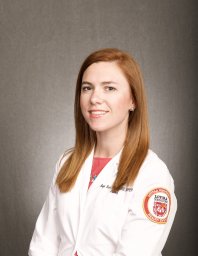 Rech Megan A合作论文数Loyola University Medical Center, John Peter Smith Hospital3Pierre Moine合作论文数Department of Anesthesiology, University of Colorado Health Science Center3Gerard R Barber合作论文数3Benjamin Moses合作论文数2Beatriz Da Silva合作论文数2Sterling Torian合作论文数2
 Laura Damioli合作论文数2
 Debra Stanger合作论文数2Jeffrey D McMurray合作论文数2Kwame Akuamoah-Boateng合作论文数2Craig Furnish合作论文数2Nathan R. Philippi合作论文数2Gordon Lindberg合作论文数2Amanda Morris合作论文数2




