People with moderate to profound disability experience participate in low levels of physical activity (PA), negatively impacting their overall health and well-being. This project aimed to adapt our best practice model for PA promotion among people with disability for use by community Allied Health Professionals (AHPs) to increase PA participation among clients with moderate to profound disabilities. Four people with lived experience of moderate to profound disability and 12 AHPs participated in eight co-design workshops. All workshops were audio recorded and analyzed using a rapid data analysis approach utilizing inductive content analysis. Through the co-design process, several modifications were made to support its implementation with people with moderate to profound disability. Key modifications included (a) greater flexibility with the duration of program and session delivery, (b) a focus on social networks to support PA participation post program, (c) more support for AHPs to effectively implement behavior change strategies, and (d) broader goals beyond leisure-time PA goals. Application of the co-design process resulted in the development of a PA promotion program that can be delivered by community AHPs, tailored to the needs of people with moderate to profound disability. Recommendations are provided to support the implementation of the program within the community.
BACKGROUND:Mild traumatic brain injury (mTBI) and concussion are important healthcare issues, with ongoing and persisting symptoms significantly affecting a person's quality of life. Management is often challenging. OBJECTIVE:Using a case study example, this article outlines key updates and practical guidance for assessment and management of mTBI/concussion, informed by the newly developed Australian and Aotearoa New Zealand (ANZ) mTBI and concussion clinical practice guideline. DISCUSSION:The 'Australian and Aotearoa New Zealand Clinical Practice Guideline for the management of mild traumatic brain injury/concussion and persisting post-concussion symptoms in adults and children' is the first guideline to address the full scope of mTBI/concussion management across diverse ANZ populations. It provides general practitioners and other clinicians with practical, evidence-based recommendations for assessing and managing mTBI and persisting symptoms across all ages. Developed through multidisciplinary and consumer collaboration, it aims to promote consistent, high-quality care and reduce practice variation across healthcare settings.
Objectives Despite the well-documented benefits of sports for individuals with disabilities, participation remains low, and disability-related medical complications are a major barrier. Medical doctors, as trusted sources of health information on physical activity with sustained patient contact, are well-positioned to manage these issues and promote safe participation in sports. However, limited evidence exists regarding their role. This study explored medical doctors’ knowledge, practices and perceptions in promoting and supporting sports participation among people with disabilities.Methods An online survey collected quantitative and qualitative data from registered medical doctors internationally who provided direct general or specialised medical care to people with disabilities.Results A total of 168 medical doctors from 16 countries participated. Most (91.1%) recognised the benefits of sports participation for people with disabilities and acknowledged their role in supporting participation (76.8%), while 69.7% identified medical complications as a barrier to participation. However, many reported low confidence in key areas: awareness of local disability sport organisations (53.6%); guiding patients (49.4%) and identifying relevant medical complications. Only 15.5% (of 58) had experience with pre-participation assessments. Limited awareness of disability sports, identified as a major barrier, and increasing awareness was the most frequently suggested strategy to enhance doctors’ involvement.Conclusion Although medical doctors recognised the benefits of sports for people with disabilities and their role in promoting and supporting participation, many reported low confidence in their knowledge of disability sports and in identifying potential medical complications that may hinder sport participation. Development of methods and materials is required to provide doctors with the knowledge and confidence to effectively promote sport participation among people with disabilities.
In 2020 the World Health Organization (WHO) released the first international public health guideline on physical activity for people with disability. However, the evidence informing the guideline was not specific to people with traumatic brain injury (TBI), nor did it provide guidance for health professionals to promote and deliver physical activity in rehabilitation. We aimed to develop an Australian Physical Activity Clinical Practice Guideline for people with moderate to severe TBI (msTBI). This guideline sought to answer the following question: ‘ Should [physical activity intervention] compared to control be used for [people with] msTBI?’ The question was adapted to five physical activity interventions (structured aerobic exercise, muscle strengthening, gait/balance/functional exercise, sport and physical recreation, and promotion of physical activity) and two populations (children and adolescents; adults and older adults). We used the Grading of Recommendations Assessment, Development and Evaluation (GRADE) ADOLOPMENT approach to determine whether to ‘adapt’ or ‘adopt’ the WHO guideline or develop de novo recommendations. We established guideline steering, leadership and development groups, conducted a rapid review to identify direct evidence in msTBI, and reviewed guidelines in other relevant health conditions (i.e., stroke, cerebral palsy) to identify indirect evidence. To address evidence gaps and inform implementation considerations, we conducted an audit of brain injury services in Australia and qualitative consultations with key interest-holders, including people with msTBI. The guideline incorporates 10 de novo recommendations for people with msTBI for the delivery and promotion of physical activity across the rehabilitation continuum of care. The guideline includes good practice and precautionary points, and subgroup considerations to guide usability and implementation. Data from the clinical audit and interest-holder focus groups indicated feasibility and acceptability of physical activity interventions. The guideline seeks to support health professionals' clinical decision-making and increase uptake of physical activity by people with msTBI.
PURPOSE:This evaluation explored the adoption of sporting programs as an adjunct to the rehabilitation of inpatients with acquired brain (ABI) or spinal cord injuries (SCI). It investigated the characteristics of participating individuals, levels of participation, experiences, and uptake of sport in the community post-discharge. METHODS:Inpatients of three rehabilitation units were invited to engage in sporting sessions. Patient-reported measures of participation and exercise were collected at enrolment, hospital discharge, and 3-months post-discharge. Surveys measured perceptions of the program from participants and coaches. Qualitative interviews were conducted 3-months post-discharge to explore the uptake of sport in the community and were analysed using thematic analysis. RESULTS:30 participants (ABI: 57%; SCI: 43%) consented to participate. The mean age of participants was 43 (SD = 18) and 80% (n = 24) were male. Qualitative interviews produced four themes: Participation enhanced the rehabilitation experience, operational factors impacted experience, Sporting programs were not considered a pathway to competitive sports and, Moving forward with sport in the community. CONCLUSION:Participation in an inpatient sports program helped participants feel a sense of social connection and improved mental-wellbeing. It did not, however, improve links to sport in the community within the short time frame that follow-up was completed.
PurposePeople with moderate-to-severe traumatic brain injury (TBI) are frequently inactive with increased risk of higher rates of chronic health conditions, mortality and economic burden than peers without TBI. Understanding how this population experience physical activity participation may help us develop better pathways and supports to community-based physical activity.Materials and methodsUsing an interpretive description approach, we conducted a secondary analysis of focus group and interview data. Themes were generated in two stages of inductive coding and refined in a workshop by the author team which comprised multidisciplinary researchers, clinicians and people with lived experience of moderate-to-severe TBI.ResultsTwenty-two people with moderate-to-severe TBI took part. They experienced physical activity in diverse and often changing ways, reflecting the numerous, powerful tensions that people with TBI are striving to navigate. Four themes were identified: 1. What is my new normal?, 2. Invisible injuries, hidden needs, 3. The long road back to physical activity, and 4. Expanding horizons.ConclusionsPeople with moderate-to-severe TBI have to work hard to be physically active. Results indicate that physical activity promotion should include person-centred information and support, appropriate community-based options that go beyond rehabilitation, and insurance funding that recognises the value of life-long physical activity.
Autistic children are less likely to participate in sport than non-autistic children, but we know little about how patterns of participation in team and individual sport change across childhood. Drawing on a nationally representative cohort of Australian children, this study analysed trajectories of participation in team and individual sport between the ages of 8 and 15 using a group-based multiple trajectory modelling approach. A five-group solution was found to be the best fit to the data, identifying distinct patterns of sport participation over time. In comparison with non-autistic children, autistic children were more likely to belong to the 'sport avoider' group with low participation in both team and individual sport at all ages. Conversely, autistic children were less likely to be classified in the 'team sportsperson', 'ex-team sportsperson' or 'mixed sportsperson' groups. No difference in the likelihood of belonging to the 'individual sportsperson' group was found. Risk factors for trajectory group membership were similar for autistic and non-autistic children. Our findings indicate that autistic children are particularly likely to experience exclusion from team sport environments, and this exclusion persists over time. Similar rates of participation in individual sport for autistic and non-autistic children indicate that these environments may be more supportive for autistic children.Lay abstractAutistic children are less likely to participate in sport than non-autistic children, but we know little about how patterns of participation in team and individual sport change across childhood. Drawing on data for a group of Australian children whose families were reinterviewed between ages 8 and 15, the present study patterns of participation in team and individual sport over time. Findings from the analysis suggested that children could be grouped into five patterns of participation in team and individual sport between the ages of 8 and 15. In comparison with non-autistic children, autistic children were more likely to belong to the 'sport avoider' group with low participation in both team and individual sport at all ages. Conversely, autistic children were less likely to belong to the 'team sportsperson', 'ex-team sportsperson' or 'mixed sportsperson' groups. Similar numbers of autistic and non-autistic children belonged to the 'individual sportsperson' group. Factors linked to patterns of participation over time were similar for autistic and non-autistic children. Our findings indicate that autistic children are particularly likely to experience exclusion from team sport environments, and this exclusion persists over time. Similar rates of participation in individual sport for autistic and non-autistic children indicate that these environments may be more supportive for autistic children.
Objectives: Australia’s bid for the 2032 Paralympic Games included a commitment to increasing sport participation among people with disabilities by 500,000. Realising this legacy will require an accurate understanding of the composition of the Australian disability population – age, sex, disability type and disability severity – as well as current Para sport participation rates. Design and methods: Collation and synthesis of publicly available data from the Australian Bureau of Statistics, the Australian Institute of Health and Welfare and Para sport master lists. Results: Among 4.37M Australians with disability, 44.5 % were aged ≥65 yrs. Of those aged <65 yrs, the maximum population that could be eligible for Para sport comprise 529,800 with intellectual disability, 85,900 with sight loss, and 802,000 with physical disability. Many high-prevalence disability types are not eligible for Para sport (e.g., hearing loss = 1.07M; psychosocial disability = 1.14M) and sport may not be appropriate for other types (e.g., chronic pain/discomfort = 1.46M). Compared with others with disability, those with severe/profound disabilities are least active (17.4 % meet physical activity guidelines) and underrepresented in sport (3.2 % of Para athletes with physical impairment have high support needs). Conclusions: Increasing participation in any form of physical activity – including Para sports and other sports – by 500,000 would be a more achievable and inclusive legacy goal than increasing sports participation alone. Such an approach would cater for high-prevalence disability groups for whom commencement of competitive sport may not be suitable (e.g., >65 yrs, chronic pain). To permit safe, effective engagement in sport/physical activity for individuals with severe impairments and high support needs, investment in development and implementation of specialised, evidence-based programs is required.
Background: People with disability participate in sport and exercise at lower rates than the general population. Health and fitness professionals’ lack of knowledge regarding the support needs of people with disability has been identified as a major barrier to participation. To address this barrier, we developed a support needs assessment tool for people with disability wanting to participate in sport and exercise. The present study explored the usability and acceptability of the tool from the perspectives of the end-users. Method: An online survey was used to gather data on the usability and acceptability of the tool from the perspectives of people with disability, health professionals, community-based fitness professionals, and relevant researchers. Results: A total of 52 people completed the survey. Participants reported that the SNAT-SE was a useful and acceptable tool to assess the support needs of people with disability wanting to participate in sport and exercise. Participants also provided recommendations on refinements to further enhance the use of the tool. Refinements included increased clarity of the language used throughout the tool, a reduction in the overall length and flexibility in administration to reduce the time burden, and modifications to ensure all disability populations could equally benefit from the tool. Conclusion: Overall, the tool showed good usability and acceptability. Further research is required to evaluate the tool's effectiveness in improving the confidence and quality of service delivery of health and fitness professionals supporting people with disability to participate in sport and exercise.
Impaired thermoregulatory function is a clinical feature of many health conditions that affect triathletes using wheelchairs and consequently, individual athlete performances may fluctuate according to environmental temperature. We aimed to determine the effect of 1) water temperature on wheelchair triathlon swim time and 2) air temperature on handcycle and wheelchair run (push) time. Published race records from 2017 to 2023 (n = 49 events) were extracted from the World Triathlon website. Bayesian negative binomial regression was used to separately model the nonlinear relationships between water temperature and swim time, and air temperature and handcycle and push time. Age, sex, sport class, whether wetsuits were worn (swim model), and swim time (handcycle and push model) were included as fixed effects. Over the observed water temperature range of 15.7-30.5°C, male swim time (mm:ss) improved from 14:13 (95% credible interval [CrI] = 12:27, 16:09) to 12:35 (95% CrI = 11:00, 14:19). Female swim time improved from 15:33 (95% CrI = 13:24, 17:55) to 12:46 (95% CrI = 11:03, 14:38). It was unclear whether handcycle and push time slowed over the observed air temperature range of 14-33°C. Warmer water temperatures, up to 30.5°C, were associated with faster swim times. It was unclear whether combined handcycle and push time slowed with increases in air temperature, up to 33°C. The integration of information on athlete impairment type and severity with performance data is needed to better understand the extent to which individual athlete performances fluctuate across environmental conditions.
Objectives This is a protocol for a Cochrane Review (intervention). The objectives are as follows: This review aims to determine the effects (benefits and harms) of physical exercise training for increasing cardiorespiratory fitness compared with control (i.e. no intervention or placebo intervention) in people with spinal cord injury.
ObjectiveThis study aims to evaluate the effect of a performance-focused swimming programme on motor function in previously untrained adolescents with cerebral palsy and high support needs (CPHSN) and to determine whether the motor decline typical of adolescents with CPHSN occurred in these swimmers.MethodsA Multiple-Baseline, Single-Case Experimental Design (MB-SCED) study comprising five phases and a 30-month follow-up was conducted. Participants were two males and one female, all aged 15 years, untrained and with CPHSN. The intervention was a 46-month swimming training programme, focused exclusively on improving performance. Outcomes were swim performance (velocity); training load (rating of perceived exertion min/week; swim distance/week) and Gross Motor Function Measure-66-Item Set (GMFM-66). MB-SCED data were analysed using interrupted time-series simulation analysis. Motor function over 46 months was modelled (generalised additive model) using GMFM-66 scores and compared with a model of predicted motor decline.ResultsImprovements in GMFM-66 scores in response to training were significant (p<0.001), and two periods of training withdrawal each resulted in significant motor decline (p≤0.001). Participant motor function remained above baseline levels for the study duration, and, importantly, participants did not experience the motor decline typical of other adolescents with CPHSN. Weekly training volumes were also commensurate with WHO recommended physical activity levels.ConclusionsResults suggest that adolescents with CPHSN who meet physical activity guidelines through participation in competitive swimming may prevent motor decline. However, this population is clinically complex, and in order to permit safe, effective participation in competitive sport, priority should be placed on the development of programmes delivered by skilled multiprofessional teams.Trial registration numberACTRN12616000326493.
Aims: Impaired thermoregulatory function is a clinical feature of many health conditions that affect triathletes using wheelchairs and consequently, individual athlete performances may fluctuate according to environmental temperature. We aimed to determine the effect of 1) water temperature on wheelchair triathlon swim time, and 2) air temperature on handcycle and wheelchair run (push) time. Methods: Published race records from 2017 to 2023 (n = 49 events) were extracted from the World Triathlon website. Bayesian negative binomial regression was used to separately model the nonlinear relationships between water temperature and swim time, and air temperature and handcycle and push time. Age, sex, sport class, whether wetsuits were worn (swim model) and swim time (handcycle and push model) were included as fixed effects. The models accounted for differences in race tactics and water conditions or course geography. Results: Over the observed water temperature range of 15.7–30.5 °C, male swim time (mm:ss) improved from 14:13 min (95% credible interval [CrI] = 12:27, 16:09) to 12:35 min (95% CrI = 11:00, 14:19). Female swim time improved from 15:33 min (95% CrI = 13:24, 17:55) to 12:46 min (95% CrI = 11:03, 14:38). It was unclear whether handcycle and push time slowed over the observed air temperature range of 14–33 °C. Conclusion: Given the known negative influence of high environmental temperatures on endurance exercise in able bodied athletes, the effect of heat on wheelchair triathlon performance requires ongoing consideration, including investigating whether subgroups of Para athletes are at increased risk of performance declines and significant heat illness.
Maximum running speed is a performance determinant in para-athletics and cerebral palsy football. Sixty international para-athletes with brain impairments completed five activity-limitation tests (standing broad jump, four bounds for distance, split jumps, 10-m speed skip, and running in place) and two criterion tests (40-m sprint and modified agility test). The same three tests (standing broad jump, four bounds for distance, and 10-m speed skip) that correlated with running performance in nondisabled runners (.67 < r < -.82; p < .05; 75% of variance) also correlated in para-athletes with brain impairments (.41 < r < -.62; p < .01; 55% of variance). Standing broad jump, four bounds for distance, split jumps, and running in place also correlated with change-of-direction speed (.43 < r < -.63; p < .01; 58% of variance). Results indicate that methods of classification for para-athletics with nondisabled runners are also valid with para-athletes with brain impairments, and new sport-specific relationships were found for assessing the performance of rapid and short sprints toward different directions, specific of a team para-sport like cerebral palsy football.
PURPOSE:There are many benefits of sport and exercise however people with disability experience barriers to participation including negative interactions with fitness professionals. To understand this barrier further, this study explored the perceptions of community-based fitness professionals working with people with disability. MATERIALS AND METHODS:Thirteen fitness professionals took part in one semi-structured interview. Data were analysed inductively using an interpretive description approach. RESULTS:Theme 1, "Understanding your client's individual needs" highlighted the requirement for fitness professionals to be flexible to the needs of their clients. Theme 2 "You have to have a little bit of the knack" discussed the importance of maintaining a mutually respectful relationship, and the skills required to achieve this. Theme 3 "It needs to be a team approach" called for greater interprofessional collaboration with health professionals. Theme 4 "The barriers of gym culture" explored the negative stigma placed on people with disability in relation to sport and exercise. Theme 5 "Change is needed" highlighted changes required within the fitness industry to better support people with disability. CONCLUSION:To facilitate inclusive service delivery, changes are required within the supports and resources available to fitness professionals thereby allowing them to cater to their diversifying client population.
Background and ObjectiveThe World Health Organization physical activity guidelines for people living with disability do not consider the needs of people living with moderate-to-severe traumatic brain injury. This paper describes the qualitative co-development of a discrete choice experiment survey to inform the adaption of these guidelines by identifying the physical activity preferences of people living with moderate-to-severe traumatic brain injury in Australia.MethodsThe research team comprised researchers, people with lived experience of traumatic brain injury and health professionals with expertise in traumatic brain injury. We followed a four-stage process: (1) identification of key constructs and initial expression of attributes, (2) critique and refinement of attributes, (3) prioritisation of attributes and refinement of levels and (4) testing and refining language, format and comprehensibility. Data collection included deliberative dialogue, focus groups and think-aloud interviews with 22 purposively sampled people living with moderate-to-severe traumatic brain injury. Strategies were used to support inclusive participation. Analysis employed qualitative description and framework methods.ResultsThis formative process resulted in discarding, merging, renaming and reconceptualising attributes and levels. Attributes were reduced from an initial list of 17 to six: (1) Type of activity, (2) Out-of-pocket cost, (3) Travel time, (4) Who with, (5) Facilitated by and (6) Accessibility of setting. Confusing terminology and cumbersome features of the survey instrument were also revised. Challenges included purposive recruitment, reducing diverse stakeholder views to a few attributes, finding the right language and navigating the complexity of discrete choice experiment scenarios.ConclusionsThis formative co-development process significantly improved the relevance and comprehensibility of the discrete choice experiment survey tool. This process may be applicable in other discrete choice experiment studies.
IntroductionVeterans experience a high incidence of chronic and complex health conditions requiring a holistic approach to health and well-being. The Adapted Physical Activity Program (APAP) is a theory-based programme developed to support the physical activity (PA) participation of community-dwelling people with disabilities. Although available to all people with disabilities, of the 214 clients referred between 2015 and 2019, two hundred and three were veterans. This study aimed to understand this unexpected predominance by describing the characteristics of the veterans referred to APAP, including client goals, as well as describing the characteristics of the rehabilitation consultants who made the referrals. MethodsDescriptive statistics were used to describe specific characteristics of the veterans and the rehabilitation consultants. Content analysis was used to analyse client goals. ResultsClient data highlighted the complexity of this clinical population. All clients had been diagnosed with more than one health condition, with most experiencing both a physical injury and a mental health diagnosis. Content analysis revealed six overarching client goals, including supporting sustainable PA participation, mental health and well-being, participation in meaningful activities, community and social engagement, management of condition and physical health and fitness. Data from the referring organisations showed that each organisation had multiple health professionals that made repeated referrals to APAP. The most common health profession to make a referral to APAP was occupational therapy. ConclusionVeterans have a high incidence of chronic and complex health conditions including physical injury and mental illness. Programmes and services that look beyond addressing the diagnosis and treatment of specific conditions to supporting the overall health and well-being of the individual are required. Person-centred, community-based PA programmes such as APAP might offer this solution. Further research is required to assess the efficacy of such programmes with this population.
Young people with disabilities (PWD) have increasingly become part of complex and important conversations surrounding their experiences and engagement in physical education (PE) and sport. Despite more young voices being heard, scant attention has been given to why we are listening, who we are listening to, and how we are listening. In this scoping review, we focus on the methodologies and methods used when researching the perspectives young PWD hold of PE and sport. Through searching Google Scholar, PE and sport journals, and citations and references of relevant research studies, we retrieved 52 empirical publications and information was extracted on their aims, country of origin, context and participants, research design, data sources, analytical, theoretical and conceptual frameworks, and key findings and recommendations. By reviewing methodologies and methods, we were able to identify that: authors often justified their work as 'filling a gap'; varied, and often minimal, participant information was provided; and finally, data generation methods were at times exclusionary and/or not sensitive to disability research contexts. Moving forward, we first recommend that careful consideration is given to why research is being done beyond contributing knowledge to the field. Second, detailed information must be provided about participants to have a clearer picture about who has and has not been included in research so that findings can be contextualised. Finally, greater attention must be given to alternative and inclusive data generation methods to engage more diverse young people, specifically those with high support needs, in research about PE and youth sport.
 Emma Beckman合作论文数School of Human Movement and Nutrition Sciences, Faculty of Health and Behavioural Sciences, The University of Queensland48
 Mark Connick合作论文数School of Exercise & Nutrition Sciences, The University of Queensland;Centre for Data Science, The University of Queensland29
 Yves Vanlandewijck合作论文数18Kelly Clanchy合作论文数School of Human Movement Studies, The University of Queensland15Stewart G. Trost合作论文数12
 Sjaan Gomersall合作论文数School of Health and Rehabilitation Sciences, Faculty of Health and Behavioural Sciences, The University of Queensland11Iain Mayank Dutia合作论文数10
 Jessica Hill合作论文数School of Health and Rehabilitation Sciences, Faculty of Health and Behavioural Sciences, The University of Queensland6
 Brendan Burkett合作论文数Faculty of Science, University of the Sunshine Coast6j bourke合作论文数5
 Barbara Joschtel合作论文数5Angelo Macaro合作论文数5
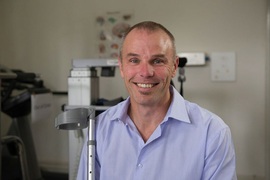 Gavin Williams合作论文数Department of Physiotherapy, Melbourne School of Health Sciences, Faculty of Medicine, Dentistry and Health Sciences, The University of Melbourne5
 Rebecca Deuble合作论文数5Spathis Jemima合作论文数5Connick Mark J合作论文数5
 Anne Chang合作论文数Menzies School of Health Research, Charles Darwin University5
 Laurie A. Malone合作论文数5
 Helen L Petsky合作论文数5Paula J Wilson合作论文数4
 Nick Rushworth合作论文数4
 Jennifer Fleming合作论文数School of Health and Rehabilitation Sciences, Faculty of Health and Behavioural Sciences, The University of Queensland4
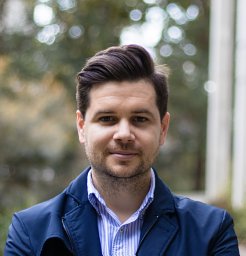 David N Borg合作论文数School of Exercise and Nutrition Sciences, Queensland University of Technology;Menzies Health Institute Queensland, Griffith University;Queensland University of Technology, Griffith University4
 Luke Hogarth合作论文数School of Health and Sport Sciences, University of the Sunshine Coast4Yagesh Bhambhani合作论文数University of Alberta4
 Peter Van de Vliet合作论文数4
 Adam Scheinberg合作论文数Australian Research Council;Discovery Project;Sydney Children ' s Hospital, The Children ' s Hospital at Westmead;Sydney Children ' s Hospital, The Children ' s Hospital at Westmead4Liam G Johnson合作论文数4
 Jennifer Mactavish合作论文数4Elizabeth Bressan合作论文数3Sakina Chagpar合作论文数3
 Kati Karinharju合作论文数3
 Cathie Sherrington合作论文数School of Public Health, Faculty of Medicine and Health, University of Sydney;Institute for Musculoskeletal Health3
 John Cairney合作论文数School of Human Movement and Nutrition Sciences, Faculty of Health and Behavioural Sciences, The University of Queensland;Infant Child Health Research Lab, Department of Family Medicine, McMaster University;CanChild Centre3
 Leanne Johnston合作论文数School of Health and Rehabilitation Sciences, Faculty of Health and Behavioural Sciences, The University of Queensland3
 Haynes Abby S合作论文数Sydney School of Public Health, University of Sydney3
 Sayers M G L合作论文数School of Health and Sport Sciences, University of the Sunshine Coast3Warren Sharon合作论文数3Walter R. Thompson合作论文数3
 David L. Mann合作论文数Australian Institute of Sport3Joeri Verellen合作论文数3
 Michele Foster合作论文数Claremont Graduate University3Timothy Geraghty合作论文数3
 Roslyn Boyd合作论文数Centre for Extracellular Vesicle Nanomedicine, Faculty of Health, Medicine and Behavioural Sciences, University of Queensland;Queensland Cerebral Palsy Rehabilitation and Research Centre, Faculty of Health, Medicine and Behavioural Sciences, University of Queensland;Child Health Research Centre, Faculty of Health, Medicine and Behavioural Sciences, University of Queensland3Johanna B Liljedahl合作论文数2Richard Parnell合作论文数2Leanne Hassett合作论文数2Gabrielle Vassallo合作论文数2Belinda Wang合作论文数2




