The identification of fish species and their physical and chemical characterization play a crucial role in the fishing industry, fish-food research and the management of marine resources. Traditional methods for species identification, such as expert observation, DNA barcoding and meta-barcoding, though effective, require labor-intensive laboratory work. Consequently, there is a pressing need for more objective and efficient methodologies for accurate fish species identification and characterization. This study proposes the use of multivariate analysis and visible-near infrared hyperspectral imaging (HSI) for a rapid characterization of fish, including the evaluation of specific morphological regions of interest (ROIs) in fish images or intrasample spectral variability, species differentiation, and freshness assessment. The study involves three pelagic species: sardine (Strangomera bentincki), silverside (Odontesthes regia) and anchovy (Engraulis ringens). Principal component analysis (PCA), support vector machine regression (SVM-R), partial least squares regression (PLS-R), and partial least squares discriminant analysis (PLS-DA) were applied as multivariate techniques for these purposes. Comparative studies of morphological ROIs revealed significant differences between the spectral characteristics of various fish zones. A decrease in reflectance intensity due to freshness loss was detected, and the prediction of this freshness, quantified as “time after capture,” was achievable using SVM-R, with a 9% relative error of prediction. Overall, VIS-NIR HSI, supported by multivariate analysis, enables differentiation between the studied species, highlighting its potential as a robust fish species identification and characterization tool.
In this study, we designed an automated classification method, inspired by human taxonomic principles, to distinguish visually similar species of pelagic fish in images through the integration of morphological feature analysis with a hierarchical classification technique. By adapting the Keypoint R-CNN model for automated extraction of morphological characteristics, we accurately classified images of anchovies, mackerel, jack mackerel, and sardines, outperforming the results of the direct use of deep learning-based computer vision algorithms. Our method includes taxonomic analysis, exploiting geometric characteristics such as distances and angles between key body parts, segmenting patterned areas, and extracting texture features. Furthermore, we developed hierarchical classification models that employ a dichotomous key based on these key morphological traits to assess specific fish features such as size, shape, mouth orientation, and color patterns, simulating taxonomic classification. We achieved macro-precisions of up to 1.00 for small fish species and 0.98 for larger species, highlighting the pivotal role of keypoint detection combined with hierarchical classification in addressing challenging taxonomic tasks in marine organisms, and providing a scalable and adaptable solution for further applications.
Pelagic fish have evolved specialized biogenic multilayer reflectors composed of stacks of intracellular anhydrous guanine crystals separated by cytoplasm, giving notorious silvery appearance to their skin. While the reflective properties of guanine crystals and their utility for fish camouflage have been shown in other fish species, this is the first evaluation on fish species from the southern hemisphere, and from the Humboldt current system. This is one of the most productive systems on earth, having particular oceanographic conditions such as upwelling, and thus under strong selection pressures. In this study, we conducted a comparative analysis of four pelagic species, Sardine, Anchovy, and Snoek, known for their silvery characteristics, and Mote sculpin, which lacks silvery features. We aimed to explore the biological mechanisms underlying light reflectivity in fish species and to understand how fish skin microstructures affect whole fish light reflectance and intensity in the visible spectrum. We measured the reflectance of individual fish using hyperspectral imaging and characterized the guanine crystal/cytoplasm layers within the skin of each fish using high-resolution scanning electron microscopy. These Scanning Electron Microscopy (SEM) images were analyzed using the 2D discrete Fourier transform to extract the spatial patterns that govern the light interaction with the guanine crystal structures. A novel spatial frequency analysis approach applied to SEM images explained reflectance differences between species with similar spectral behavior. Furthermore, this study presents the first fish classifiers based on the analysis of spatial frequency features, achieving up to 92.14% accuracy using a K-Nearest Neighbors classifier, highlighting the functional and taxonomic relevance of guanine microstructure organization. Our findings confirm, on pelagic fish species from the Humboldt current system, that silvery species have a chaotic distribution/arrangement of guanine crystals, whereas non-silvery species have a more organized arrangement. Accordingly, Fourier analysis indicated that silvery fish are capable of scattering light uniformly across the visible spectrum. In contrast, the Mote sculpin shows a stronger scattering of red light, distinguishing it from silvery fish.
Forklifts are mobile heavy machines that are used to transport, lift, or lower objects without the high physical effort of the operator. They work in different types of industries such as logistics, retail, food, mining, and construction, among others. Qualified personnel usually operate the forklifts to handle heavy loads in an environment surrounded by other workers. This creates a high risk of accidents due to the lack of visibility with a loaded forklift, the random movement of the workers around the area and possible risk maneuvers sometimes required in a normal day of operation. For example, in Chile 2000 accidents occur per year due to one of the mentioned situations. For this reason, the detection of risk maneuvers to prevent accidents is essential. This article shows a cost-effective solution proposal to implement an inertial sensor network with a dedicated wireless communication and automatic deep-learning algorithms to detect forklift risk events. A test bench was designed where a crane forklift equipped with four inertial sensors performed normal and risky maneuvers, according to the Occupational Safety and Health Administration (OSHA) 3949. During the forklift operation, the sensors measured the accelerations and angular velocities in three axes. Videos of the operation were also taken as reference. In this paper, we developed convolutional neural networks (CNN) and long-term memory (LSTM) algorithms to infer a risky maneuver from the inertial sensors data and compared it to the outcome of a video-based model trained on data labeled by a risk-prevention engineer. After field testing with the forklift, the inertial data-based algorithms had an average F1 of 0.93 versus video analysis which had an average F1 of 0.95. However, models based on inertial data take a quarter of the time to make the inference compared to video-based models.
Among numerous emerging technologies targeting future wireless communication scenarios and demands, Reconfigurable Intelligent Surface stand out as a research hotspot due to their advantages in controlling the wireless communication environment with lower cost and energy consumption. This article uses double-layer RIS to replace traditional components as multiple-in multiple-out transmitters, and utilizes the diffraction between RIS layers to achieve signal level error control encoding. Under this model, this article simplifies the Alternating Direction Method of Multipliers algorithm using the proximal gradient method, and optimizes the algorithm by introducing parameters and training with deep learning. This reduces the complexity of the algorithm to a certain extent and improves its performance.
Enabling safe and efficient driving in complex traffic environments, accurate vehicle localization is paramount for advanced transportation management systems. A densely deployed roadside unit (RSU) infrastructure is evolving from a communication-only network to one with integrated sensing and communication (ISAC) capabilities, offering essential status information for vehicles. However, the precise localization of vehicles is challenging due to the presence of multiple echoes from numerous vehicles and false targets generated by multipath effects. To overcome this issue, this paper proposes a novel location parameter estimation method using orthogonal time frequency space (OTFS) signals under rapidly time-varying channels. In particular, we utilize the wideband capabilities of 6G systems to model vehicles as extended targets. Meanwhile, the high-resolution range profiles (HRRP) are introduced to uniquely characterize each vehicle, which allows us to accurately associate each path with their corresponding vehicles, thereby eliminating false targets and enhancing localization accuracy. Additionally, we design a sparse Bayesian learning (SBL) algorithm to estimate unknown parameters iteratively. Simulation results demonstrate that the proposed scheme achieves better NMSE and localization performance in intricate traffic scenarios.
Skin cancer is a growing global concern, with cases steadily rising. Typically, malignant moles are identified through visual inspection, using dermatoscopy and patient history. Active thermography has emerged as an effective method to distinguish between malignant and benign lesions. Our previous research showed that spatio-temporal features can be extracted from suspicious lesions to accurately determine malignancy, which was applied in a distance-based classifier.In this study, we build on that foundation by introducing a set of novel spatial and temporal features that enhance classification accuracy and can be integrated into any machine learning approach. These features were implemented in a support-vector machine classifier to detect malignancy. Notably, our method addresses a common limitation in existing approaches—manual lesion selection—by automating the process using a U-Net convolutional neural network.We validated our system by comparing U-Net's performance with expert dermatologist segmentations, achieving a 17% improvement in the Jaccard index over a semi-automatic algorithm. The detection algorithm relies on accurate lesion segmentation, and its performance was evaluated across four segmentation techniques. At an 85% sensitivity threshold, expert segmentation provided the highest specificity at 87.62%, while non-expert and U-Net segmentations achieved comparable results of 69.63% and 68.80%, respectively. Semi-automatic segmentation lagged behind at 64.45%. This automated detection system performs comparably to high-accuracy methods while offering a more standardized and efficient solution. The proposed automatic system achieves 3% higher accuracy compared to the ResNet152V2 network when processing low-quality images obtained in a clinical setting.
Infrared thermography is considered a useful technique for diagnosing several skin pathologies but it has not been widely adopted mainly due to its high cost. Here, we investigate the feasibility of using low-cost infrared cameras with microbolometer technology for detecting skin cancer. For this purpose, we collected infrared data from volunteer subjects using a high-cost/high-quality infrared camera. We propose a degradation model to assess the use of lower-cost imagers in such a task. The degradation model was validated by mimicking video acquisition with the low-cost cameras, using data originally captured with a medium-cost camera. The outcome of the proposed model was then compared with the infrared video obtained with actual cameras, achieving an average Pearson correlation coefficient of more than 0.9271. Therefore, the model successfully transfers the behavior of cameras with poorer characteristics to videos acquired with higher-quality cameras. Using the proposed model, we simulated the acquisition of patient data with three different lower-cost cameras, namely, Xenics Gobi-640, Opgal Therm-App, and Seek Thermal CompactPRO. The degraded data were used to evaluate the performance of a skin cancer detection algorithm. The Xenics and Opgal cameras achieved accuracies of 84.33% and 84.20%, respectively, and sensitivities of 83.03% and 83.23%, respectively. These values closely matched those from the non-degraded data, indicating that employing these lower-cost cameras is appropriate for skin cancer detection. The Seek camera achieved an accuracy of 82.13% and a sensitivity of 79.77%. Based on these results, we conclude that this camera is appropriate for less critical applications.
Although CO and CO2 hydrogenation reactions have been extensively studied, there is still significant controversy regarding the mechanism of methane formation and the routes for byproducts, especially when both carbon sources are simultaneously present. This work combines kinetic, operando-spectroscopic, isotopic techniques and DFT calculations to elucidate the relationships between CO and CO2 hydrogenation over mono Ni, Co and bimetallic NiCo catalysts with similar metal dispersion. The bimetallic catalysts showed a slight synergistic effect for methane formation from CO, while from CO2 the effect was opposite, showing a negative shift of activity as compared with those observed on the monometallic catalysts. The kinetic analysis shows similar apparent order with respect to H-2 (similar to 0.5) and an inverse secondary isotope kinetic effect (<1) for both methanation reactions, suggesting that CH4 formation proceeds via C-O bond breaking in an H*-assisted mechanism, where the rate-determining step was not shown to be sensitive to the carbon source. The anti-synergistic effect observed on the bimetallic catalysts during CO2 hydrogenation is explained by the formation of unreactive HCOO* species (spectator), which generate a lower density of methane intermediates. On the other hand, the formation of the undesired products, i.e., CO or CO2 during CO2 or CO hydrogenation, respectively, shows relevant differences since the CO formation during CO2 hydrogenation proceeds through the desorption of the carbonyl species adsorbed on weak sites, meanwhile the CO2 formation from CO hydrogenation is due to a minority route of direct dissociation of CO, allowing the rejection of O* with CO* to produce CO2. This study contributes to elucidate the routes that determine the selectivity and reactivity for CO and CO2 hydrogenation and their mechanistic relationship. This information is valuable for the rational design and development of new materials with high performance during hydrogenation processes.
Fishing landings in Chile are inspected to control fisheries that are subject to catch quotas. The control process is not easy since the volumes extracted are large and the numbers of landings and artisan shipowners are high. Moreover, the number of inspectors is limited, and a non-automated method is utilized that normally requires months of training. In this work, we propose, design, and implement an automated fish landing control system. The system consists of a custom gate with a camera array and controlled illumination that performs automatic video acquisition once the fish landing starts. The imagery is sent to the cloud in real time and processed by a custom-designed detection algorithm based on deep convolutional networks. The detection algorithm identifies and classifies different pelagic species in real time, and it has been tuned to identify the specific species found in landings of two fishing industries in the Biobío region in Chile. A web-based industrial software was also developed to display a list of fish detections, record relevant statistical summaries, and create landing reports in a user interface. All the records are stored in the cloud for future analyses and possible Chilean government audits. The system can automatically, remotely, and continuously identify and classify the following species: anchovy, jack mackerel, jumbo squid, mackerel, sardine, and snoek, considerably outperforming the current manual procedure.
Real-time temperature surveillance of the reactions and phase transformations in the flash smelting furnaces burner flame is of vital importance to assess the operational process. For this purpose, a radiometric optical system based on a visible to near-infrared (VIS-NIR) spectrometer fit with a specialized method is proposed as a sensor for industrial flash copper smelters, thus providing real-time information to aid process control. The proposed sensor captures the burners flame irradiance to estimate temperature and emissivity using an optimization-based multiwavelength estimation method rooted around Planck’s radiation model. This multiwavelength method (MWM) is capable of calculating radiometric temperature and spectral emissivity, without previous knowledge of the emissivity model. In this work, different optimization algorithms were used to solve the multiwavelength model, and the results are compared with the commonly used two-wavelength pyrometric method for data obtained in laboratory and industrial copper smelter scenarios. The method’s robustness in the presence of additive white noise is studied between −30 and 30 dB signal-to-noise ratio (SNR). The MWM reported minimum temperature error values of 4 °C and a relative error under 10% for an SNR of −30 dB, giving this method essential characteristics for industrial applications, measurement accuracy, and robustness.
This research shows a prototype for crowd location and counting for earthquakes based on deep learning and the infrastructure of a state-of-the-art 5G standalone network deployed at the Universidad de Concepcion, Chile. The system uses an 8 MP panoramic network camera to capture real-time crowd images, which are sent to a Deep Learning Server (DLS) over the 5G network. The camera provides visible color images, and its sensor technology can provide color images even at night. The DLS uses frames from the video feed and generates Focal Inverse Distance Transform (FIDT) maps, in which the counting and location of people are carried out. In particular, the FIDT maps are generated from the crowd images using a deep-learning model composed of two cascaded autoencoders. The 5G technology allows the system to transfer data from the camera to DLS at high speed, an essential feature for a system that will help authorities make critical decisions during natural disasters. Under this scenario, and considering that the number of rescuers is usually limited, our system enables a better distribution of them among several crowded places by instantly knowing the number of people at any time of the day or night.
Skin cancer is one of the most common types of cancer, whose number of cases is constantly increasing. The most used method to detect skin cancer is the biopsy. It is relevant to reduce the number of biopsies, since it is an invasive and expensive procedure, and it has limited availability in some locations. Among the most successful approaches that aim to improve skin cancer detection are the algorithms that process active infrared thermography.Here, a skin cancer detection scheme is proposed, which extracts key features from active thermography videos, and uses them in the following five classifiers: K-Nearest Neighbors, Decision tree, Random forest, Support vector machine (SVM) and eXtreme Gradient Boosting (XGBoost). Under a minimization error design criteria, the best result was performed by a SVM classifier, reaching 84.14% of accuracy and 78.92% of precision. Modifying the classifiers to ensure that all the malignant cases are detected, the best performance was also achieved by the SVM classifier, with 72.85% of accuracy and 63.95% of presicion.The proposed scheme is 15% less accurate than the best detection algorithm. However, it is easier to implement and deploy and provides a framework with key preprocessing aspects to address this detection problem using active thermography. As future work, a further exploration of features will be carried out, with the aim of improving the performance of the classifier.
The mechanistic understanding of the CO2 hydrogenation reaction is essential for the rational design of active and selective catalysts for this process, nevertheless, there are still important controversies related to the structural requirements, the sequence of elementary steps and the reaction intermediate involved in the formation of CH4 and CO(g). Hence, a detailed mechanistic study was performed on SiO2-supported mono- and bimetallic NiCo catalysts by combining kinetic, spectroscopic and isotopic measurements under methanation conditions, to explain the effect of catalysts composition on the CO2 hydrogenation rate and selectivity toward CO(g) and CH4. It was observed an anti-synergistic effect for the CO2 hydrogenation turnover rate on the NiCo bimetallic catalysts, which is attributed to the inhibition of the CH4 formation pathway on the bimetallic surfaces; on the other hand, the CO(g) formation turnover rate values resulted close to the weighted average values and increases linearly with the cobalt content in the catalysts. The results suggest that the two reaction products are formed through parallel routes with different rate-determining steps, involving two types of active sites where carbonyl species adsorb differently: strongly adsorbed species (CO*) lead to CH4 formation via the H-assisted CO bond dissociation while weakly adsorbed (CO⊕) desorbs to produce CO(g). This was consistent with the inverse H/D kinetic isotopic effect (KIE) observed for methane formation and the KIE values close to unity for CO(g) formation over all catalysts. Operando-infrared measurements suggested that weakly and strongly adsorbed carbonyl species are in quasi-equilibrium at the catalyst surface. It was proposed a sequence of elementary steps for CO2 methanation reaction on Ni, Co and NiCo catalysts, from which a Langmuir-Hinshelwood models for CO(g) and CH4 formation rates were derived. These models properly represent the kinetic data for products formation rates, and content physiochemically-consistent parameters, which point out that the CH4 formation from CO2 hydrogenation can be boosted over a catalytic surface that strongly adsorbs CO, hampers its transformation into CO⊕ and shows a high hydrogenation rate of carbonyl species.
This paper proposes crowd estimation technology to help authorities make the right decisions in times of crisis. Specifically, deep learning models have faced these challenges, achieving excellent results. In particular, the trend of using single-column Fully Convolutional Networks (FCNs) has increased in recent years. A typical architecture that meets these characteristics is the autoencoder. However, this model presents an intrinsic difficulty: the search for the optimal dimensionality of the latent space. In order to alleviate such difficulty, we propose a dual architecture consisting of two cascaded autoencoders. The first autoencoder is responsible for carrying out the masked reconstruction of the original images, whereas the second obtains crowd maps from the outputs of the first one. In this way, our architecture improves the location of people and crowds in Focal Inverse Distance Transform (FIDT) maps, resulting in more accurate count estimates than estimates obtained through a single autoencoder architecture.
Surface carbon deposits deactivate Ni and Co catalysts in reactions involving hydrocarbons and COx. Electronic properties, adsorption energies of H, C, and CHx species, and the energetics of the hydrogenation of surface C atom to methane are studied for (100) and (111) surfaces of monometallic Ni and Co, and bimetallic NiCo. The bimetallic catalyst exhibits a Co→Ni electron donation and a concomitant increase in the magnetization of Co atoms. The CHx species resulting from sequential hydrogenation are more stable on Co than on Ni atoms of the NiCo surfaces due to more favorable (C-H)–Co agostic interactions. These interactions and differences between Co and Ni sites are more significant for (111) than for (100) bimetallic surfaces. On (111) surfaces, CH is the most stable species, and the first hydrogenation of C atom exhibits the highest barrier, followed by the CH3 hydrogenation steps. In contrast, on (100) surfaces, surface C atom is the most stable species and CH2 or *CH3 hydrogenations exhibit the highest barriers. The Gibbs free energy profiles suggest that C removal on (111) surfaces is thermodynamically favorable and exhibits a lower barrier than on the (100) surfaces. Thus, the (100) surfaces, especially Ni(100), are more prone to C poisoning. The NiCo(100) surfaces exhibit weaker binding of C and CHx species than Ni(100) and Co(100), which improves C poisoning resistance and lowers hydrogenation barriers. These results show that the electronic effects of alloying Ni and Co strongly depend on the local site composition and geometry.
In this article we present the development of a biosensor system that integrates nanotechnology, optomechanics and a spectral detection algorithm for sensitive quantification of antibiotic residues in raw milk of cow. Firstly, nanobiosensors were designed and synthesized by chemically bonding gold nanoparticles (AuNPs) with aptamer bioreceptors highly selective for four widely used antibiotics in the field of veterinary medicine, namely, Kanamycin, Ampicillin, Oxytetracycline and Sulfadimethoxine. When molecules of the antibiotics are present in the milk sample, the interaction with the aptamers induces random AuNP aggregation. This phenomenon modifies the initial absorption spectrum of the milk sample without antibiotics, producing spectral features that indicate both the presence of antibiotics and, to some extent, its concentration. Secondly, we designed and constructed an electro-opto-mechanic device that performs automatic high-resolution spectral data acquisition in a wavelength range of 400 to 800 nm. Thirdly, the acquired spectra were processed by a machine-learning algorithm that is embedded into the acquisition hardware to determine the presence and concentration ranges of the antibiotics. Our approach outperformed state-of-the-art standardized techniques (based on the 520/620 nm ratio) for antibiotic detection, both in speed and in sensitivity.
We present an instrument based on commodity embedded hardware, that implements an automatic procedure for early skin-cancer screening using dynamic thermal imaging. The procedure leverages image segmentation in the visible range and real-time multimodal registration to compute the temperature recovery curve (TRC) of suspicious skin lesions using thermal infrared video. The instrument implements two algorithms that infer the malignancy of the lesion from the computed TRCs. The first algorithm assumes that the TRCs are deterministic and infers the malignancy from the distance between the TRC of the suspicious lesion and its surrounding skin, which is assumed to be healthy tissue. The second algorithm models the TRC of the lesion as a random process and uses detection theory to statistically infer its malignancy from the eigenfunctions and corresponding eigenvalues of its covariance function. We built a prototype of the instrument using a Raspberry Pi 3 model B+ board, which acquires a visible-range image of the lesion at the beginning of the procedure and performs image segmentation in 62ms. Operating on a 400×400-pixel region-of-interest within the infrared video, the board performs frame-by-frame multimodal image registration and generates the TRCs in real time at more than 37 frames per second, thus eliminating the need to store video data for off-line processing. The statistical detection algorithm, which yields the best results, runs in 1.07s at the end of the procedure, and achieves a sensitivity of 98% and a specificity of 95% on a dataset of 116 volunteer subjects.
Objectives: We aimed to determine the prevalence of Obstructive Sleep Apnea (OSA) in children and adolescents from four districts of Santiago, Chile by using a six-question subscale from the Sleep-Related Breathing Disorders (SRBD) scale, which measures respiratory symptoms while sleeping. Material and Methods: Cross-sectional observational study. The six-question subscale of the SRBD scale was applied to the parents or guardians of the children and adolescents from four educational establishments in different districts of Santiago. Convenience sampling was used. This subscale allowed to divide the sample into two groups: one group with OSA and one at low risk of OSA. In addition, statistical tests were applied to evaluate the variation between gender and age range. Results: Of the total number of subjects (n=838, 4-18 years, mean: 11.3±4.2), 681 were included. According to the six-question subscale, 2.2% (CI 95% 1.64-2.76%) of the sample had OSA. There is a slight predominance in males, without statistically significant difference (p=0.083). In relation to the age of the participants, there was no statistically significant difference (p=0.512).Conclusion: The prevalence of OSA in Chilean children and adolescents was similar to previous reports. The results obtained by the analysis of the six-question subscale of the SRBD scale allow a more accurate detection of OSA. Future research should promote the translation of this questionnaire into the Chilean context and its use throughout the country.
 Sanjay Krishna合作论文数Department of Electrical and Computer Engineering, College of Engineering, The Ohio State University;Center for High Technology Materials, University of New Mexico;Indian Institute of Technology, Mumbai;SK Infrared17
 Sergio N. Torres合作论文数Department of Electrical Engineering, University of Concepción15
 Majeed Hayat合作论文数System Analytics for Communications and Energy(Sace) Lab, Department of Electrical and Computer Engineering, Marquette University;Dynamic Photonics Inc8
 Ted Schuler-Sandy合作论文数5
 Pablo A. Gutiérrez合作论文数5
 Zhaobing Tian合作论文数Sch. of Electr. & Comput. Eng., Univ. of Oklahoma;c5
 Ha Sul Kim合作论文数Center for High Technology Materials;Department of Electrical and Computer Engineering;University of New Mexico;Center for High Technology Materials, University of New Mexico5
 Woo-Yong Jang合作论文数Center for High Technology Materials;University of New Mexico;Center for High Technology Materials, University of New Mexico5
 Laura A. Viafora合作论文数Dept Ingeniena Electr, Univ Concepcion4Ignacio Sanhueza合作论文数4
 Guillermo Machuca合作论文数Fac Ingeniena Arquitectura & Diserlo, Univ San Sebastian4
 Anselmo Jara合作论文数4
 Myers, S.合作论文数4
 Miguel Figueroa合作论文数Computer Science and Engineering;University of Washington;Computer Science and Engineering, University of Washington4
 Mauricio A. Urbina合作论文数4
 Jorge E. Pezoa合作论文数Departamento de Ingeniería Eléctrica and Center for Optics and Photonics (CEFOP),, Universidad de Concepción4
 Alejandro Karelovic合作论文数4
 Romel Jiménez合作论文数Departamento de Ingeniería Química, Universidad de Concepción4Francisco Villagra-Soza合作论文数3Julia Hautmann合作论文数3Danny Luarte合作论文数3Wagner Ramírez合作论文数3john montoya合作论文数3Fabian Inostroza合作论文数3
 Silvana Diaz合作论文数3
 Gabriel Saavedra合作论文数Dept Elect Engn, Univ Concepcion3Chand Ramesh合作论文数3
 Weixiao Meng (孟维晓)合作论文数School of Electronics and Information Engineering, Harbin Institute of Technology3
 Payman Zarkesh-Ha合作论文数Dept Elect & Comp Engn, Univ New Mexico3
 Pavan Muttil合作论文数at Chapel Hill Eshelman School of Pharmacy Kerr Hall, University of North Carolina3Steve C. Bender合作论文数3
 David A. Ramirez合作论文数3
 Shuyi Chen (陈舒怡)合作论文数School of Electronics and Information Engineering, Harbin Institute of Technology2
 Felipe Lamas合作论文数2
 Víctor Díaz-García合作论文数Sede Concepcion, Univ San Sebastian2
 Braulio Contreras-Trigo合作论文数Sede Concepcion, Univ San Sebastian2
 John Montoya合作论文数2
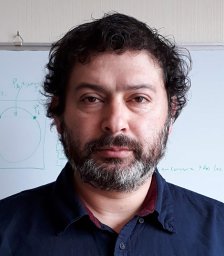 Pablo A. Coelho合作论文数Sede Concepcion, Univ San Sebastian2
 Javier Cardenas合作论文数Univ Concepcion, Dept Elect Engn, Concepcion, Chile2McConville Jason T合作论文数2
 Brianna Klein合作论文数Center for High Technology Materials, University of New Mexico2Padilla R Steven合作论文数2
 Gonzalo Andres Montalva合作论文数2
 Patricio Oyarzun合作论文数2
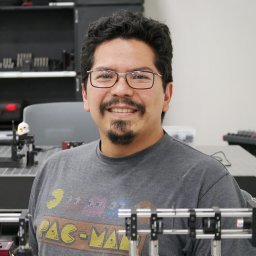 Esteban Vera合作论文数Universidad de Concepción, Universidad de Concepción2
 Ajit V. Barve合作论文数Ctr High Technol Mat, Univ New Mexico2
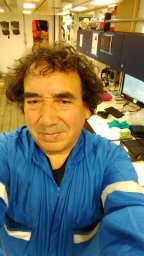 Ruben Escribano合作论文数Center for Oceanographic Research in the eastern South Pacific (COPAS),, University of Concepción2Marianne Berwick合作论文数2
 Gregory Von Winckel合作论文数Institute for Mathematics and Scientific Computing, University of Graz2




