Summary Background Outcomes after Nonvariceal upper gastrointestinal bleeding (NVUGIB) have historically focused on ulcer‐related causes. Little is known regarding non‐ulcer bleeding, the most common cause of NVUGIB. Aim To compare outcomes between ulcer‐ and non‐ulcer‐related NVUGIB and explore whether these could be explained by differences in baseline characteristics, bleeding severity or processes of care. Methods Analysis of 4474 patients with NVUGIB from 212 United Kingdom hospitals as part of a nationwide audit. Logistic regression models were used to adjust for baseline characteristics, bleeding severity and processes of care. Results 1682 patients had ulcer‐related and 2792 patients had non‐ulcer‐related bleeding. Those with ulcer‐related bleeding were older (median age 73 vs 69, P < 0.001), less likely to have been taking a PPI (18% vs 32%, P < 0.001), more likely to have been taking aspirin (40% vs 27%, P < 0.001) and present with shock (43% vs 32%, P < 0.001). Furthermore, those with ulcer‐related bleeding were more likely to receive blood transfusion (66% vs 39%, P < 0.001), PPI infusion (27% vs 5%, P < 0.001) and endoscopic therapy (37% vs 8%, P < 0.001). Overall, ulcer‐related bleeding had higher odds of in‐hospital mortality (OR: 1.54; 95% CI: 1.21‐1.96, P < 0.0001), rebleeding (OR: 2.08; 95% CI: 1.73‐2.51, P < 0.0001) and need for surgical/radiologic intervention (OR: 2.64; 95% CI: 1.85‐3.77, P < 0.0001). The associations disappeared after adjustment for bleeding severity, whereas adjustment for patient characteristics or process of care factors had no impact. Conclusion Patients with ulcer‐related NVUGIB bleeding have worse outcomes than those with non‐ulcer‐related NVUGIB bleeding, which is due to more severe bleeding.
Background: Pre-clinically, phosphoinositide 3-kinase (PI3K) inhibition radiosen-sitises tumours by increasing intrinsic radiosensitivity and by reducing tumour hypoxia. We assessed whether buparlisib, a class 1 PI3K inhibitor, can be safely combined with radiotherapy in patients with non-small cell lung carcinoma (NSCLC) and investigated its effect on tumour hypoxia. Methods: This was a 3 thorn 3 dose escalation and dose expansion phase I trial in patients with advanced NSCLC. Buparlisib dose levels were 50 mg, 80 mg and 100 mg once daily orally for 2 weeks, with palliative thoracic radiotherapy (20 Gy in 5 fractions) delivered during week 2. Tumour hypoxic volume (HV) was measured using 18 F-fluoromisonidazole positron-emission tomographyecomputed tomography at baseline and following 1 week of buparlisib. Results: Twenty-one patients were recruited with 9 patients evaluable for maximum tolerated dose (MTD) analysis. No dose-limiting toxicity was reported; therefore, 100 mg was declared the MTD, and 10 patients received this dose in the expansion phase. Ninety-four percent of treatment-related adverse events were <= grade 2 with fatigue (67%), nausea (24%) and decreased appetite (19%) most common per patient. One serious adverse event (grade 3 hypoalbuminaemia) was possibly related to buparlisib. No unexpected radiotherapy toxicity was reported. Ten (67%) of 15 patients evaluable for imaging analysis were responders with 20% median reduction in HV at the MTD. Conclusion: This is the first clinical trial to combine a PI3K inhibitor with radiotherapy in NSCLC and investigate the effects of PI3K inhibition on tumour hypoxia. This combination was well tolerated and PI3K inhibition reduced hypoxia, warranting investigation into whether this novel class of radiosensitisers can improve radiotherapy outcomes. (C) 2019 The Author(s). Published by Elsevier Ltd.
We sought to establish whether continuous positive airway pressure (CPAP) for obstructive sleep apnoea (OSA) in people with type 2 diabetes and diabetic macular oedema (DMO) improved visual acuity. We randomly assigned 131 eligible patients aged 30–85 years from 23 UK centres with significant DMO causing visual impairment (LogMAR letters identified ≥39 and ≤78, score 0.92–0.14) plus severe OSA on screening to either usual ophthalmology care (n=67) or usual ophthalmology care plus CPAP (n=64) for 12 months. Mean age of participants was 64 years, 73% male, mean body mass index 35.0 kg·m − 2 . Mean 4% oxygen desaturation index was 36 events·h −1 . There was no significant difference in the visual acuity at 12 months between the CPAP group and the control group (mean LogMAR 0.33 (95% CI 0.29–0.37) versus 0.31 (95% CI 0.27–0.35); p=0.39), and no significant correlation between change in LogMAR and average CPAP use. The median± sd (range) daily CPAP use was 3.33±2.25 (0–7.93) h at 3 months, 3.19±2.54 (0–8.07) h at 6 months and 3.21±2.70 (0–7.98) h at 12 months. CPAP therapy for OSA did not improve visual acuity in people with type 2 diabetes and DMO compared with usual care alone over 12 months.
Abstract Background: The aim of this open label study was to assess the efficacy of paclitaxel alone compared with paclitaxel in combination with either the MEK inhibitor trametinib or the anti-angiogenic agent pazopanib in metastatic melanoma. Methods: Eligible patients aged >=18yrs with unresectable stage 3 or 4 wild type BRAF melanoma were randomised (1:1:1) to paclitaxel alone or with either trametinib or pazopanib. Paclitaxel was given intravenously on day 1, 8 and 15 of each 28 day cycle for a maximum 6 cycles at 80 mg/m2 (single agent & trametinib arms) or 65 mg/m2 (pazopanib arm). Trametinib 2 mg and pazopanib 800 mg was administered orally once daily and both treatments were permitted until disease progression or unacceptable toxicity. Patients were stratified by prior therapy, NRAS status and baseline lactate dehydrogenase level. Neither participants nor investigators were blinded. The primary end point was progression free survival (PFS) with secondary endpoints of PFS at 6 months, overall survival (OS), objective response rate (ORR) and safety and tolerability. A one sided p-value of 0.1 was considered significant for the primary analysis and for the secondary analyses a two-sided p-value of 0.05 was used. Results: 111 patients from 26 centres (UK and Germany) were randomised to paclitaxel alone (n=38), paclitaxel plus trametinib (n=36) or paclitaxel plus pazopanib (n=37). All patients were considered in the Intention to treat analysis. Median age was 63 years and median follow-up was 26.3 months. 36 patients (40%) had prior systemic therapy. Median PFS was 3.4, 5.2 and 5.3 months with paclitaxel alone, paclitaxel+trametinib and paclitaxel+pazopanib respectively. Efficacy results show benefit for paclitaxel+trametinib as compared to paclitaxel alone in increasing PFS (Time ratio (TR), 1.47; 90% Confidence interval (CI) 1.08 to 2.01, p=0.02) and with significant benefit in ORR (36% vs 12%, odds ratio (OR), 4.7; p=0.01) but no differences in OS (p=0.1). There was significant benefit of paclitaxel+pazopanib in increasing PFS (TR, 1.17; 90% CI 0.98 to 1.39, p=0.07) but no difference in the ORR (OR, 1.82; p=0.34) or OS (p=0.20). The frequency of ≥ Gr 3 AEs was significantly higher (p<0.01) when paclitaxel was combined with trametinib or pazopanib (75% and 78% vs 24%) and this was supported by a significantly higher (p<0.01) frequency of SAEs (47% and 68% vs 13%). 54% of patients discontinued pazopanib due to toxicity vs 18% who stopped trametinib. Conclusions: Paclitaxel+trametinib and paclitaxel+pazopanib combination improved the efficacy of paclitaxel by increasing PFS and for the trametinib combination also significantly increasing ORR. However, the combination of paclitaxel with either trametinib or pazopanib resulted in higher incidence of AEs and SAEs with the pazopanib combination being particularly problematic. Citation Format: Mark R. Middleton, Dirk Schadendorf, Sarah Danson, Ernie Marshall, Pippa Corrie, Sharon B. Love, Seid B. Mohammed, Claire Scudder, Matthew Goff. A randomised phase 2 study of paclitaxel with or without trametinib or pazopanib in advanced wild type BRAF melanoma [abstract]. In: Proceedings of the American Association for Cancer Research Annual Meeting 2017; 2017 Apr 1-5; Washington, DC. Philadelphia (PA): AACR; Cancer Res 2017;77(13 Suppl):Abstract nr CT123. doi:10.1158/1538-7445.AM2017-CT123
INTRODUCTION:Malignant pleural effusion (MPE) is common and currently in UK there are an estimated 50 000 new cases of MPE per year. Talc pleurodesis remains one of the most popular methods for fluid control. The value of thoracic ultrasound (TUS) imaging, before and after pleurodesis, in improving the quality and efficacy of care for patients with MPE remains unknown. Additionally, biomarkers of successful pleurodesis including measurement of pleural fluid proteins have not been validated in prospective studies.The SIMPLE trial is an appropriately powered, multicentre, randomised controlled trial designed to assess 'by the patient bedside' use of TUS imaging and pleural fluid analysis in improving management of MPE. METHODS AND ANALYSIS:262 participants with a confirmed MPE requiring intervention will be recruited from hospitals in UK and The Netherlands. Participants will be randomised (1:1) to undergo either chest drain insertion followed by instillation of sterile talc, or medical thoracoscopy and simultaneous poudrage. The allocated procedure will be done while the patient is hospitalised, and within 3 days of randomisation. Following hospital discharge, participants will be followed up at 1, 3 and 12 months. The primary outcome measure is the length of hospital stay during initial hospitalisation. ETHICS AND DISSEMINATION:The trial has received ethical approval from the South Central-Oxford C Research Ethics Committee (Reference number 15/SC/0600). The Trial Steering Committee includes an independent chair and members, and a patient representative. The trial results will be published in a peer-reviewed journal and presented at international conferences. TRIAL REGISTRATION NUMBER:ISRCTN: 16441661.
 Nicky Russell合作论文数1Amanda Horne合作论文数1Marcus Green合作论文数1Mark McCole合作论文数1Niki Panakis合作论文数1Ahmed Yousuf合作论文数1
 Najib M Rahman合作论文数1Benjamin Prudon合作论文数1
 Mayur Brahmania合作论文数1Stasya Ng合作论文数1Gayathri Kagithala合作论文数1Matthew Goff合作论文数1Michael Sey合作论文数1Joan Hughes合作论文数1
 Michael Skwarski合作论文数1Sharon B Love合作论文数1Macpherson Ruth E合作论文数1Kahan Brennan C合作论文数1Ernie Marshall合作论文数1Tacconi Eliana M C合作论文数1Piotrowska Hania E G合作论文数1Gerry Stephen合作论文数Centre for Statistics in Medicine, University of Oxford1Corcoran John P合作论文数1
 Rob Miller合作论文数University College London;London School of Hygiene and Tropical Medicine1Dobson Melissa合作论文数1
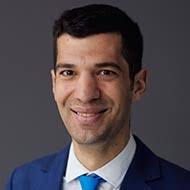 Nikolaos I. Kanellakis合作论文数Experimental Medicine Division, Nuffield Department of Medicine, University of Oxford;Laboratory of Pleural Translational Research, China Oxford Institute, University of Oxford1
 McGowan Daniel R合作论文数1Victoria Y. Strauss合作论文数University of Oxford;Boehringer Ingelheim Pharma GmbH and Co KG1
 John Stradling合作论文数Nuffield Department of Medicine, University of Oxford;Royal College of Physicians1Scudder Claire合作论文数1Siddharth Singh Rajawat合作论文数Bhim Rao Ambedkar University1Bradley Kevin M合作论文数1
 Dirk Schadendorf合作论文数Clinic for Dermatology, University Hospital Essen;University of Duisburg-Essen;West German Tumor Center1
 Ruth Muschel合作论文数Department of Oncology, Medical Sciences Division, University of Oxford;Oxford Institute for Radiation Oncology, University of Oxford;St Hilda's College, University of Oxford1Leticia Campo合作论文数1
 Sarah Danson合作论文数School of Medicine and Population Health, University of Sheffield1
 Mark Middleton合作论文数Department of Oncology, Medical Sciences Division, University of Oxford;Oxford Cancer and Haematology Centre, University of Oxford1
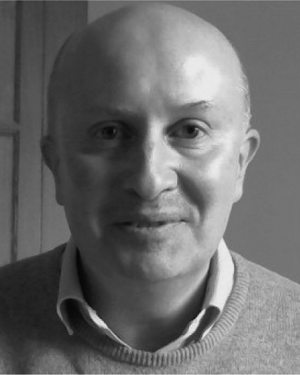 John D. Fenwick合作论文数1
 Lei Clifton合作论文数Department of Engineering Science, University of Oxford;Reuben College, University of Oxford;Nuffield Department of Population Health, University of Oxford1
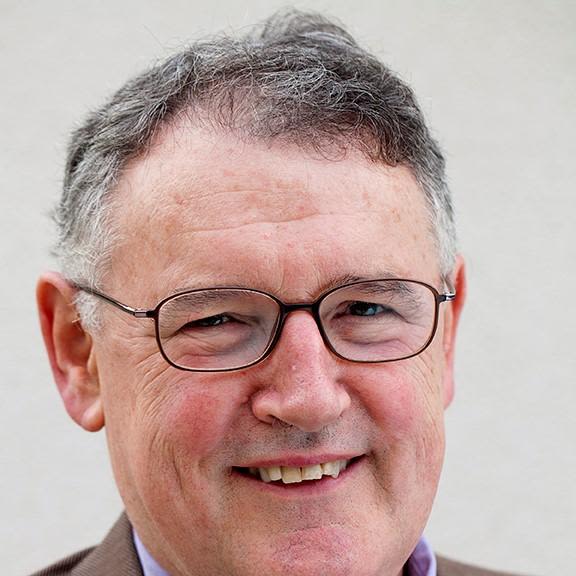 W Gillies McKenna合作论文数Department of Oncology, University of Oxford1
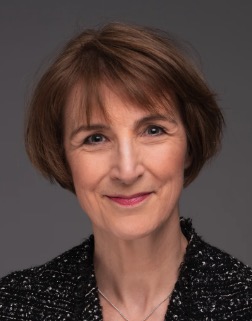 Katherine Vallis合作论文数Medical Sciences Division, Department of Oncology, University of Oxford1
 Tim Maughan合作论文数Department of Oncology, Medical Sciences Division, University of Oxford;Institute of Systems, Molecular and Integrative Biology, University of Liverpool1
 Robert C. Stuart合作论文数University Department of Surgery, Royal Infirmary1
 Geoffrey D. Higgins合作论文数Department of Oncology, University of Oxford1
 Vipul Jairath合作论文数Schulich School of Medicine and Dentistry, Western University;Department of medicine, Western University;Division of Gastroenterology Office, Western University1
 Pippa Corrie合作论文数Department of Oncology, Cambridge University Hospitals NHS Foundation Trust;Addenbrooke's Hospital1
 Fergus V. Gleeson合作论文数Department of Oncology, University of Oxford1
 Ioannis Psallidas合作论文数AstraZeneca;University College London1Remko Prevo合作论文数1




