IntroductionEmbryo implantation is characterized by the process of naïve-to-primed pluripotency transition in epiblast cells, involving an anabolic boost, mitochondrial remodeling, and increased proliferation. Yet, the molecular mechanisms underlying these extensive changes remain poorly understood. High mobility group box 1 (HMGB1) is a non-histone, redox-sensitive chromatin protein involved in diverse cellular processes, however its role in pluripotency control has not been fully characterized.MethodsTo determine the function of HMGB1 in mouse embryonic stem cells (ESCs), Hmgb1-knockout (KO) ESCs were generated using CRISPR/Cas9 system. KO ESCs were analyzed for cell proliferation, cell cycle progression, and apoptosis, as well as for levels of active mitochondria, mitochondrial membrane potential, and reactive oxygen species (ROS) using fluorescent-based reagents and flow cytometry. Pluripotency was assessed by analyzing the expression of pluripotency markers with immunocytochemistry, Western blotting, qRT-PCR, as well as by teratoma formation assay. Naïve-to-primed pluripotency transition was investigated by in vitro culture. Molecular analysis was performed with RNA sequencing, bioinformatics, qRT-PCR, and Western blotting. The ultrastructure of mitochondria was examined using transmission electron microscopy.ResultsWe first successfully generated HMGB1 KO in mouse ESCs and showed that HMGB1 function is dispensable for both cell viability and pluripotency maintenance, while it is required for the cell proliferation boost during the naïve-to-primed pluripotency transition. Molecular and transcriptomic analysis identified the involvement of HMGB1 in the regulation of energy metabolism processes by regulating mitochondrial structure and function, as well as ROS homeostasis. Loss of HMGB1 function in mouse ESCs results in altered mitochondrial structure and excessive ROS production. HMGB1-dependent elevated ROS levels negatively regulate cell proliferation during the transition from naïve to primed pluripotency in vitro.ConclusionWhile HMGB1 deficiency does not impair self-renewal in the naïve state, it causes a marked reduction in proliferation as cells advance to primed pluripotency. Our findings thus identify HMGB1 as a key regulator of mitochondrial integrity and ROS homeostasis during the naïve-to-primed pluripotency transition.
As а model organism, the fruit fly (Drosophila melanogaster) has assumed a leading position in modern biological research. The Drosophila genetic system has a number of advantages making it a key model in investigating the molecular mechanisms of metazoan developmental processes. Over the past two decades, significant progress has been made in understanding the molecular mechanisms regulating Drosophila hematopoiesis. This review discusses the major advances in investigating the molecular mechanisms involved in maintaining the population of multipotent progenitor cells and their differentiation into mature hemocytes in the hematopoietic organ of the Drosophila larva. The use of the Drosophila hematopoietic organ as a model system for hematopoiesis has allowed to characterize the complex interactions between signaling pathways and transcription factors in regulating the maintenance and differentiation of progenitor cells through the signals from the hematopoietic niche, autocrine and paracrine signals, and the signals emanated by differentiated cells.
Pluripotent stem cells of the mammalian epiblast and their cultured counterparts—embryonic stem cells (ESCs) and epiblast stem cells (EpiSCs)—have the capacity to differentiate in all cell types of adult organisms. An artificial process of reactivation of the pluripotency program in terminally differentiated cells was established in 2006, which allowed for the generation of induced pluripotent stem cells (iPSCs). This iPSC technology has become an invaluable tool in investigating the molecular mechanisms of human diseases and therapeutic drug development, and it also holds tremendous promise for iPSC applications in regenerative medicine. Since the process of induced reprogramming of differentiated cells to a pluripotent state was discovered, many questions about the molecular mechanisms involved in this process have been clarified. Studies conducted over the past 2 decades have established that metabolic pathways and retrograde mitochondrial signals are involved in the regulation of various aspects of stem cell biology, including differentiation, pluripotency acquisition, and maintenance. During the reprogramming process, cells undergo major transformations, progressing through three distinct stages that are regulated by different signaling pathways, transcription factor networks, and inputs from metabolic pathways. Among the main metabolic features of this process, representing a switch from the dominance of oxidative phosphorylation to aerobic glycolysis and anabolic processes, are many critical stage-specific metabolic signals that control the path of differentiated cells toward a pluripotent state. In this review, we discuss the achievements in the current understanding of the molecular mechanisms of processes controlled by metabolic pathways, and vice versa, during the reprogramming process.
The monoamine neurotransmitter serotonin (5-hydroxytryptamine, 5-HT) has important functions both in the neural system and during embryonic development in mammals. In this study, we set out to investigate whether and how endogenous serotonin affects reprogramming to pluripotency. As serotonin is synthesized from tryptophan by the rate limiting enzymes tryptophan hydroxylase-1 and -2 (TPH1 and TPH2), we have assessed the reprogramming of TPH1- and/or TPH2-deficient mouse embryonic fibroblasts (MEFs) to induced pluripotent stem cells (iPSCs). The reprogramming of the double mutant MEFs showed a dramatic increase in the efficiency of iPSC generation. In contrast, ectopic expression of TPH2 alone or in conjunction with TPH1 reverted the rate of reprogramming of the double mutant MEFs to the wild-type level and besides, TPH2 overexpression significantly suppressed reprogramming of wild-type MEFs. Our data thus suggest a negative role of serotonin biosynthesis in the reprogramming of somatic cells to a pluripotent state.
Essential changes in cell metabolism and redox signaling occur during the reprogramming of somatic cells into induced pluripotent stem cells (iPSCs). In this paper, using genetic and pharmacological approaches, we have investigated the role of electron transport chain (ETC) complex-I (CI) of mitochondria in the process of cell reprogramming to pluripotency. Knockdown of NADH-ubiquinone oxidoreductase core subunits S1 (Ndufs1) or subunit B10 (Ndufb10) of the CI or inhibition of this complex with rotenone during mouse embryonic fibroblast (MEF) reprogramming resulted in a significantly decreased number of induced pluripotent stem cells (iPSCs). We have found that mitochondria and ROS levels due course of the reprogramming tightly correlate with each other, both reaching peak by day 3 and significantly declining by day 10 of the process. The transient augmentation of mitochondrial reactive oxygen species (ROS) could be attenuated by antioxidant treatment, which ameliorated overall reprogramming. However, ROS scavenging after day 3 or during the entire course of reprogramming was suppressive for iPSC formation. The ROS scavenging within the CI-deficient iPSC-precursors did not improve, but further suppressed the reprogramming. Our data therefore point to distinct modes of mitochondrial ROS action during the early versus mid and late stages of reprogramming. The data further substantiate the paradigm that balanced levels of oxidative phosphorylation have to be maintained on the route to pluripotency.
Human artificial chromosomes (HACs) have been developed as genetic vectors with the capacity to carry large transgenic constructs or entire gene loci. HACs represent either truncated native chromosomes or de novo synthesized genetic constructs. The important features of HACs are their ultra-high capacity and ability to self-maintain as independent genetic elements, without integrating into host chromosomes. In this review, we discuss the development and construction methods, structural and functional features, as well as the areas of application of the main HAC types. Also, we address one of the most technically challenging and time-consuming steps in this technology - the transfer of HACs from donor to recipient cells.
Reactive oxygen species (ROS), superoxide anion and hydrogen peroxide, are generated as byproducts of oxidative phosphorylation in the mitochondria or via cell signaling-induced NADPH oxidases in the cytosol. In the recent two decades, a plethora of studies established that elevated ROS levels generated by oxidative eustress are crucial physiological mediators of many cellular and developmental processes. In this review, we discuss the mechanisms of ROS generation and regulation, current understanding of ROS functions in the maintenance of adult and embryonic stem cells, as well as in the process of cell reprogramming to a pluripotent state. Recently discovered cell-non-autonomous ROS functions mediated by growth factors are crucial for controlling cell differentiation and cellular immune response in Drosophila . Importantly, many physiological functions of ROS discovered in Drosophila may allow for deciphering and understanding analogous processes in human, which could potentially lead to the development of novel therapeutic approaches in ROS-associated diseases treatment.
Human artificial chromosomes (HACs), including the de novo synthesized alphoidtetO-HAC, are a powerful tool for introducing genes of interest into eukaryotic cells. HACs are mitotically stable, non-integrative episomal units that have a large transgene insertion capacity and allow efficient and stable transgene expression. Previously, we have shown that the alphoidtetO-HAC vector does not interfere with the pluripotent state and provides stable transgene expression in human induced pluripotent cells (iPSCs) and mouse embryonic stem cells (ESCs). In this study, we have elaborated on a mouse model of ex vivo iPSC- and HAC-based treatment of hemophilia A monogenic disease. iPSCs were developed from FVIIIY/− mutant mice fibroblasts and FVIII cDNA, driven by a ubiquitous promoter, was introduced into the alphoidtetO-HAC in hamster CHO cells. Subsequently, the therapeutic alphoidtetO-HAC-FVIII was transferred into the FVIIIY/– iPSCs via the retro-microcell-mediated chromosome transfer method. The therapeutic HAC was maintained as an episomal non-integrative vector in the mouse iPSCs, showing a constitutive FVIII expression. This study is the first step towards treatment development for hemophilia A monogenic disease with the use of a new generation of the synthetic chromosome vector—the alphoidtetO-HAC.
The gene therapy approach aiming at curing various human diseases began to develop as a technology from early eighties of the last century. To date the delivery of therapeutic genes are mainly mediated by virus-based, predominantly, non-integrated virus vectors. These gene delivery approaches have several fundamental limitations on the way of efficient deployment in clinical gene therapy. A totally different approach was suggested about 20 years ago when episomal non-integrative artificial chromosome-based vectors featuring large size inserts (even native gene loci) advanced to the stage. Since then numerous human artificial chromosome (HAC) vectors were developed by both de novo synthesis and top-down engineering technology. This approach so far is limited to ex vivo gene transfer and correction within highly proliferative or reversibly immortalized precursor stem cells or pluripotent stem cells. Recent breakthrough in generation of induced pluripotent stem cells and embryonic stem cell manipulation give the additional pivotal stimuli to integrate it with the HAC technology and to develop thereby novel approaches to replacement therapies of human genetic diseases. The HAC technology is complex and time consuming while nowadays it has significantly advanced and become notably closer to medical applications. In this review we discuss current advancements in the HAC technology, in particular, in terms of improvement of chromosome transfer method and achievements in developing mouse-based gene therapy tissue replacement models for several monogenic human diseases. The main progress has been done in elaboration of top-down type HAC technology in modeling and preclinical studies of gene therapy treatment for Duchenne muscular dystrophy (DMD) disease.
A novel approach in gene therapy was introduced 20 years ago since artificial non-integrative chromosome-based vectors containing gene loci size inserts were engineered. To date, different human artificial chromosomes (HAC) were generated with the use of de novo construction or "top-down" engineering approaches. The HAC-based therapeutic approach includes ex vivo gene transferring and correction of pluripotent stem cells (PSCs) or highly proliferative modified stem cells. The current progress in the technology of induced PSCs, integrating with the HAC technology, resulted in a novel platform of stem cell-based tissue replacement therapy for the treatment of genetic disease. Nowadays, the sophisticated and laborious HAC technology has significantly improved and is now closer to clinical studies. In here, we reviewed the achievements in the technology of de novo synthesized HACs for a chromosome transfer for developing gene therapy tissue replacement models of monogenic human diseases.
The transcription factor Oct4 plays a key regulatory role in the induction and maintenance of cellular pluripotency. In this article, we show that ubiquitous and multifunctional poly(C) DNA/RNA-binding protein hnRNP-K occupies Oct4 ( Pou5f1 ) enhancers in embryonic stem cells (ESCs) but is dispensable for the initiation, maintenance, and downregulation of Oct4 gene expression. Nevertheless, hnRNP-K has an essential cell-autonomous function in ESCs to maintain their proliferation and viability. To better understand mechanisms of hnRNP-K action in ESCs, we have performed ChIP-seq analysis of genome-wide binding of hnRNP-K and identified several thousands of hnRNP-K target sites that are frequently co-occupied by pluripotency-related and common factors (Oct4, TATA-box binding protein, Sox2, Nanog, Otx2, etc.), as well as active histone marks. Furthermore, hnRNP-K localizes exclusively within open chromatin, implying its role in the onset and/or maintenance of this chromatin state. Stem Cells 2019;37:1018–1029
Background Methods based on site-specific recombinases are widely used in studying gene activities in vivo and in vitro. In these studies, constitutively active or inducible variants of these recombinases are expressed under the control of either lineage-specific or ubiquitous promoters. However, there is a need for more advanced schemes that combine these features with possibilities to choose a time point from which lineage tracing starts in an autonomous fashion. For example, the key mammalian germline gatekeeper gene Oct4 (Pou5f1) is expressed in the peri-implantation epiblast which gives rise to all cells within embryos. Thus the above techniques are hardly applicable to Oct4 tracing past the epiblast stage, and the establishment of genetic tools addressing such a limitation is a highly relevant pursuit. Methods The CRISPR/Cas9 tool was used to manipulate the genome of mouse embryonic stem cells (ESCs), and various cell culture technics—to maintain and differentiate ESCs to neural cell, lentivirus-based reprogramming technique—to generate induced pluripotent stem cells (iPSCs). Results In this paper, we have developed a two-component genetic system (referred to as O4S) that allows tracing Oct4 gene activity past the epiblast stage of development. The first component represents a knock-in of an ubiquitous promoter-driven inducible Cre, serving as a stop signal for downstream tdTomato. Upon activation of Cre activity with 4-hydroxytamoxifen (4-OHT) at any given time point, the recombinase excises a stop signal and poses the second component of the system—the FlpO recombinase, knocked into 3’UTR of Oct4, to be expressed upon activation of the latter gene. Oct4 -driven expression of FlpO, in turn, triggers the tdTomato expression and thus, permanently marks Oct4 + cells and their progeny. We have validated the O4S system in cultured ESCs and shown that it is capable, for example, to timely capture an activation of Oct4 gene during the reprogramming of somatic cells into iPSCs. Conclusions The developed O4S system can be used to detect Oct4 activation event, both permanent and transient, in somatic cell types outside the germline. The approach can be equally adjusted to other genes, provided the first component of the system is placed under transcriptional control of these genes, thus, making it a valuable tool for cell fate mapping in mice.
To date different cell types of various mammalian species have been reprogrammed to induced pluripotent stem cells (iPSCs) using Yamanaka's cocktail of transcription factors (Oct4, Klf4, Sox2, and cMyc). It has been shown that several primary human cancer cell lines could be reprogrammed to iPSCs. We sought if immortalized mouse fibroblast cell lines could also be reprogrammed to iPSCs. The approach of generating iPSCs from such cells should be valuable in different experimental settings as it allows clonally derive cell lines carrying mutations whose impact on reprogramming could be next evaluated. Therefore, we investigated reprogramming of widely used immortalized cell lines (NIH3T and STO), as well as of de novo immortalized fibroblast line (tKM) with the use of highly effective lentiviral polycistronic OKSM expression system. Our reprogramming experiments have shown that in contrast to mouse embryonic fibroblasts (MEFs), none of the immortalized cell lines can be reprogrammed to pluripotent state. Contrary to colonies derived from MEFs, those derived from the immortalized cells lines (1) developed much later, (2) contained large round cells, not typical for iPSCs, and (3) were negative for trusted markers of matured iPSCs, Nanog and SSEA1. Immortalized cell lines NIH3T and STO are known to be mostly aneuploid, whereas tKM population includes cells with normal karyotype, however, neither cell type can be reprogrammed. Thus our data argue that aneuploidy per se is not a reason for the observed refractoriness of mouse immortalized cells to reprogramming to pluripotent state.
AlphoidtetO-type human artificial chromosome (HAC) has been recently synthetized as a novel class of gene delivery vectors for induced pluripotent stem cell (iPSC)-based tissue replacement therapeutic approach. This HAC vector was designed to deliver copies of genes into patients with genetic diseases caused by the loss of a particular gene function. The alphoidtetO-HAC vector has been successfully transferred into murine embryonic stem cells (ESCs) and maintained stably as an independent chromosome during the proliferation and differentiation of these cells. Human ESCs and iPSCs have significant differences in culturing conditions and pluripotency state in comparison with the murine naïve-type ESCs and iPSCs. To date, transferring alphoidtetO-HAC vector into human iPSCs (hiPSCs) remains a challenging task. In this study, we performed the microcell-mediated chromosome transfer (MMCT) of alphoidtetO-HAC expressing the green fluorescent protein into newly generated hiPSCs. We used a recently modified MMCT method that employs an envelope protein of amphotropic murine leukemia virus as a targeting cell fusion agent. Our data provide evidence that a totally artificial vector, alphoidtetO-HAC, can be transferred and maintained in human iPSCs as an independent autonomous chromosome without affecting pluripotent properties of the cells. These data also open new perspectives for implementing alphoidtetO-HAC as a gene therapy tool in future biomedical applications.
Drosophila have been used to identify new components in apoptosis regulation. The Drosophila protein Dark forms an octameric apoptosome complex that induces the initiator caspase Dronc to trigger the caspase cell death pathway and, therefore, plays an important role in controlling apoptosis. Caspases and Dark are constantly expressed in cells, but their activity is blocked by DIAP1 E3 ligase-mediated ubiquitination and subsequent inactivation or proteasomal degradation. One of the regulatory mechanisms that stabilize proapoptotic factors is the removal of ubiquitin chains by deubiquitinases. In this study performed a modified genetic screen for deubiquitinases (dsRNA lines) to identify those involved in stabilizing proapoptotic components. Loss-of-function alleles of deubiquitinase DUSP31 were identified as suppressors of the Dronc overexpression phenotype. DUSP31 deficiency also suppresses apoptosis induced by the RHG protein, Grim. Genetic analysis revealed for the first time that DUSP31 deficiency sufficiently suppresses the Dark phenotype, indicating its involvement in the control of Dark/Dronc apoptosome function in invertebrate apoptosis.
 Alexey Tomilin合作论文数Institute of Cytology, Russian Academy of Science17
 Ponomartsev Sergey合作论文数7Andrey A. Kuzmin合作论文数6
 Elena Skvortsova合作论文数6
 Utpal Banerjee合作论文数College of Letters and Science, University of California, Los Angeles;Department of Molecular, Cell & Developmental Biology, University of California, Los Angeles5
 Evgeny Bakhmet合作论文数Lab Mol Biol Stem Cells, Inst Cytol4
 Anna S Tsimokha合作论文数Russian Academy of Sciences Institute of Cytology St. Petersburg4Igor B Nazarov合作论文数3
 Julian Martinez合作论文数Department of Human Genetics, David Geffen School Of Medicine, University of California3
 Lolitika Mandal合作论文数Department of Molecular Cell and Developmental Biology, University of California Los Angeles3Natalia Alenina合作论文数Max-Delbrück-Center for Molecular Medicine (MDC), Berlin-Buch, Germany3V L Larionov合作论文数2
 Mikhail Liskovykh合作论文数National Cancer Institute2
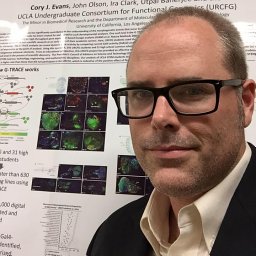 Cory J. Evans合作论文数Department of Molecular, Cell and Developmental Biology, University of California2
 Tatiana O. Artamonova合作论文数Prikladnaya Khimiya Russian Research Center St. Petersburg2
 Natalay Kouprina合作论文数Laboratory of Biosystems and Cancer;Center for Cancer Research;National Cancer Institute;National Institutes of Health;Department of Biology;Dong-A University;National Institutes of Health, Dong-A University2Hung Tony合作论文数1C-S Yang合作论文数1Nikolai D Aksenov合作论文数1Tatiana Y. Starkova合作论文数1Sarah R Horn合作论文数1Michael J Thomenius合作论文数1
 Olga A Cherepanova合作论文数1AV Selenina合作论文数1Tatyana Starkova合作论文数1Mikhail Gordeev合作论文数1
 Tina Mukherjee合作论文数GKVK, Inst Stem Cell Sci & Regenerat Med InStem1Zoltán Hegedűs合作论文数Lab Bioinformat, Hungarian Acad Sci1
 Aleksandr Khudiakov合作论文数Almazov National Medical Research Centre1
 Evgeniya V Efimova合作论文数1
 Zachary James Reitman合作论文数Department of Radiation Oncology, School of Medicine, Duke University1
 Bernard Mathey-Prevot合作论文数Department of Pharmacology and Cancer Biology, School of Medicine, Duke University;Duke Regeneration Center, Duke University1
 Eric P. Spana合作论文数Department of Biology, Trinity College of Arts & Sciences, Duke University1
 Sally Kornbluth合作论文数Department of Biology, Massachusetts Institute of Technology1
 Volker Hartenstein合作论文数College of Letters and Science, University of California Los Angeles;Brain Research Institute, University of California Los Angeles1
 Nancy A. Speck合作论文数Department of Cell and Developmental Biology, Perelman School of Medicine, University of Pennsylvania1
 Nadezhda Vorobyeva合作论文数1Cheney Matthew D合作论文数1
 Guangming Wu (吴光明)合作论文数Guangzhou Laboratory;Guangzhou Medical University1
 Hai Yan合作论文数School of Medicine, Duke University;Duke Cancer Institute, Duke University1
 Barbara Laurinyecz合作论文数1
 Csilla Pataki合作论文数Biological Research Center, the Hungarian Academy of Sciences1
 István Andó合作论文数Institute of Genetics, the Hungarian Academy of Sciences1
 Michael Bader合作论文数Max Delbrück Center for Molecular Medicine, Universität zu Lübeck1
 Daria Onichtchouk合作论文数Department of Biology I Freiburg, University of Freiburg1Raikhan Tleulieva合作论文数1Janos Gausz合作论文数1M. A. Khodorkovskii合作论文数1
 Florentina Rus合作论文数1




