Iron is an essential micronutrient for all eukaryotes, required as a cofactor for fundamental biological processes, including protein synthesis. Iron depletion causes extensive reprogramming of gene expression and a complex translational response. While global repression of translation under iron scarcity has largely been attributed to TORC1 inhibition and Gcn2 mediated phosphorylation of eIF2α, the involvement of additional post transcriptional regulators has remained unclear. In this report, we uncover that the DEAD box helicase Dhh1 and the decapping activator Pat1 are key regulators of the translational reprogramming that occurs during iron starvation. Polysome profiling shows that the deletion of DHH1 or PAT1 attenuates the reduction in translation after prolonged iron deficiency, and that both proteins act within the same pathway. In contrast, Dhh1 acts independently of the Gcn2 pathway. We further reveal an unexpected role of Dhh1 and Pat1 in the generation of 3′UTR derived translation products, a phenomenon associated with a reduced activity of the essential protein Rli1 during iron-limited conditions. Loss of either factor greatly diminishes the appearance of these reinitiation-derived peptides, while Gcn2 does not appear to be involved in this process. Notably, RLI1 transcripts levels are elevated in a dhh1Δ mutant, suggesting that Dhh1 contributes to RLI1 mRNA downregulation under iron deficiency. Altogether, our results situate Dhh1 and Pat1 as central regulators of the translational response to iron starvation, coordinating both repression of initiation and downstream reinitiation events.
Copper is an essential cofactor for numerous metabolic pathways; however, excess intracellular copper is cytotoxic. In this study, we investigated the consequences of deregulated Cu+ uptake mediated by the high-affinity copper transporter Ctr1 in the model yeast Saccharomyces cerevisiae. Constitutive expression of a carboxy-terminally truncated Ctr1 variant, CTR1(300), resulted in elevated intracellular copper levels, increased oxidative stress, and reduced oxygen consumption, likely due to impairment of iron-sulfur cluster-containing proteins. Notably, CTR1(300)-expressing cells exhibited a pronounced repression of global protein synthesis at very low copper concentrations, a phenotype that was recapitulated in wild-type cells when exposed to higher copper levels. These findings reveal that excessive Cu+ accumulation negatively impacts cellular respiration and translation, identifying protein synthesis as a sensitive target of copper toxicity.
ABSTRACT Iron is an essential cofactor involved in cellular processes, including energy generation and the biosynthesis of DNA, proteins, and lipids. The limited solubility of iron at physiological pH frequently results in iron deficiency, thus necessitating sophisticated regulatory mechanisms to maintain iron homeostasis. In Saccharomyces cerevisiae, the transcription factor Aft1 mediates the early response to iron limitation by accumulating in the nucleus and activating the iron regulon, a set of genes involved in iron uptake, utilization and sparing. One of Aft1 targets, CTH2, encodes for a protein that promotes iron economy by post‐transcriptionally downregulating non‐essential iron‐dependent pathways. Yeast cells that exhibit defects in unsaturated fatty acid (UFA) biosynthesis, such as mga2Δ mutants, mislocalize Aft1 to the vacuole under iron‐deficient conditions, which impairs activation of the iron regulon. In this study, we show that Cth2, but not other nucleo‐cytoplasmic shuttling proteins, also accumulates in the vacuole under simultaneous UFA and iron deficiencies. The deletion of autophagy‐ and piecemeal microautophagy of the nucleus (PMN)‐related genes, including ATG1 and NVJ1, prevents Aft1 vacuolar mislocalization. Furthermore, the subcellular distribution of Nvj1 supports PMN activation under these conditions. Despite preventing vacuolar accumulation, these mutations do not restore the regulatory functions of Aft1 and Cth2, nor do they rescue growth in low‐iron conditions. These findings suggest that PMN selectively targets non‐functional iron‐regulated proteins for degradation when both iron and UFA levels are limiting, serving as a quality control mechanism rather than a pathway for functional recovery. These findings underscore a regulatory layer coordinating nutrient sensing and protein turnover.
Copper is an essential redox-active metal that serves as a cofactor in fundamental biological processes, including mitochondrial respiration and iron homeostasis. However, excess copper promotes the formation of reactive oxygen species (ROS), leading to cellular damage and death. Owing to its antimicrobial properties, copper is widely used in winemaking. Saccharomyces cerevisiae, the primary fermentative yeast, responds to copper excess by transcriptionally inducing the expression of metallothioneins CUP1 and CRS5, along with antioxidant defenses. In this study, we examined copper tolerance across the Saccharomyces genus. Consistent with previous work, CUP1 copy number variation (CNV) and expression were the main determinants of copper tolerance in wine S. cerevisiae strains. In contrast, wild Saccharomyces species, harboring only a single CUP1 copy, showed no correlation between copper tolerance and CUP1 expression levels. Notably, species within the Saccharomyces clade closely related to S. cerevisiae predominantly expressed CUP1, whereas more distantly related species preferentially expressed CRS5. These findings highlight a substantial role for Crs5 metallothionein in copper detoxification when CUP1 amplification is absent and suggest that additional Cup1-independent mechanisms contribute to copper tolerance in non-domesticated Saccharomyces species.
Iron is an essential micronutrient for eukaryotic organisms. In response to iron deficiency, the yeast Saccharomyces cerevisiae optimizes iron utilization by downregulating nonessential iron-dependent processes, such as mitochondrial respiration. This regulatory mechanism is mediated by a mRNA-binding protein designated Cth2. In response to iron scarcity, Cth2 binds through its tandem zinc-finger (TFZ) domain to multiple mRNAs encoding proteins that are necessary for iron-dependent pathways. This binding limits the expression of these mRNAs by promoting their degradation and inhibiting their translation. In this study, we have examined a set of wild yeast strains that share a G195R mutation within the Cth2 TZF domain. By genetically editing both laboratory and wild yeast strains, we demonstrate that the Cth2-G195R protein is defective in binding and degradation of its target transcripts, and it accumulates in the nucleus of the cell, leading to a significant growth defect in iron-deficient conditions. Some of these wild yeast strains also display enhanced tolerance to high iron conditions, indicating that they have adapted to environments with elevated iron levels and have consequently diminished their capacity to grow in iron-limiting conditions. These findings highlight the crucial function of Cth2 in enabling yeast cells to adapt to iron-deficient environments.
Iron serves as a cofactor for enzymes involved in several steps of protein translation, but the control of translation during iron limitation is not understood at the molecular level. Here, we report a genome-wide analysis of protein translation in response to iron deficiency in yeast using ribosome profiling. We show that iron depletion affects global protein synthesis and leads to translational repression of multiple genes involved in iron-related processes. Furthermore, we demonstrate that the RNA-binding proteins Cth1 and Cth2 play a central role in this translational regulation by repressing the activity of the iron-dependent Rli1 ribosome recycling factor and inhibiting mitochondrial translation and heme biosynthesis. Additionally, we found that iron deficiency represses MRS3 mRNA translation through increased expression of antisense long non-coding RNA. Together, our results reveal complex gene expression and protein synthesis remodeling in response to low iron, demonstrating how this important metal affects protein translation at multiple levels.
Protein synthesis is a highly energy-consuming process that is downregulated in response to many environmental stresses or adverse conditions. Studies in the yeast Saccharomyces cerevisiae have shown that bulk translation is inhibited during adaptation to iron deficiency, which is consistent with its requirement for ribosome biogenesis and recycling. Although iron deficiency anemia is the most common human nutritional disorder, how iron modulates translation in mammals is poorly understood. Studies during erythropoiesis have shown that iron bioavailability is coordinated with globin synthesis via bulk translation regulation. However, little is known about the control of translation during iron limitation in other tissues. Here, we investigated how iron depletion affects protein synthesis in human osteosarcoma U-2 OS cells. By adding an extracellular iron chelator, we observed that iron deficiency limits cell proliferation, induces autophagy, and decreases the global rate of protein synthesis. Analysis of specific molecular markers indicates that the inhibition of bulk translation upon iron limitation occurs through the eukaryotic initiation factor eIF2α and mechanistic target of rapamycin (mTOR) pathways. In contrast to other environmental and nutritional stresses, iron depletion does not trigger the assembly of messenger ribonucleoprotein stress granules, which typically form upon polysome disassembly.
Living organisms have developed finely regulated homeostatic networks to mitigate the effects of environmental fluctuations in transition metal micronutrients, including iron, zinc, and copper. In Saccharomyces cerevisiae, , the tandem zinc-finger protein Cth2 post-transcriptionally regulates gene expression under conditions of iron deficiency by controlling the levels of mRNAs that code for non-essential ferroproteins. The molecular mechanism involves Cth2 binding to AU-rich elements present in the 3 ' ' untranslated region of target mRNAs, negatively affecting their stability and translation. Arabidopsis thaliana has two TZF proteins homologous to yeast Cth2, C3H14 and C3H15, which participate in cell wall remodelling. The present work examines the expression of representative metal homeostasis genes with putative AREs in plants with altered levels of C3H14 and C3H15 grown under varying metal availabilities. The results suggest that C3H15 may act as a post-transcriptional plant modulator of metal adequacy, as evidenced by the expression of SPL7, , the main transcriptional regulator under copper deficiency, and PETE2, , which encodes plastocyanin. In contrast to S. cerevisiae, , the plant C3H15 affects copper and zinc homeostasis rather than iron. When grown under copper-deficient conditions, adult C3H15OE OE plants exhibit lower chlorophyll content and photosynthetic efficiency compared to control plants, suggesting accelerated senescence. Likewise, metal content in C3H15OE(OE) plants under copper deficiency shows altered mobilization of copper and zinc to seeds. These data suggest that the C3H15 protein plays a role in modulating both cell wall remodelling and metal homeostasis. The interaction between these processes may be the cause of altered metal translocation.
All eukaryotic cells require a minimal iron threshold to sustain anabolic metabolism. However, the mechanisms by which cells sense iron to regulate anabolic processes are unclear. Here we report a previously undescribed eukaryotic pathway for iron sensing in which molecular iron is required to sustain active histone demethylation and maintain the expression of critical components of the pro-anabolic mTORC1 pathway. Specifically, we identify the iron-binding histone-demethylase KDM3B as an intrinsic iron sensor that regulates mTORC1 activity by demethylating H3K9me 2 at enhancers of a high-affinity leucine transporter, LAT3 , and RPTOR . By directly suppressing leucine availability and RAPTOR levels, iron deficiency supersedes other nutrient inputs into mTORC1. This process occurs in vivo and is not an indirect effect by canonical iron-utilizing pathways. Because ancestral eukaryotes share homologues of KDMs and mTORC1 core components, this pathway probably pre-dated the emergence of the other kingdom-specific nutrient sensors for mTORC1.
Sterol synthesis is an iron-dependent metabolic pathway in eukaryotes. Consequently, fungal ergosterol biosynthesis (ERG) is down-regulated in response to iron deficiency. In this report, we show that, upon iron limitation or overexpression of the iron-regulated mRNA-binding protein Cth2, the yeast Saccharomyces cerevisiae down-regulates the three initial enzymatic steps of ergosterol synthesis (ERG1, ERG7 and ERG11). Mechanistically, we show that Cth2 protein limits the translation and promotes the decrease in the mRNA levels of these specific ERG genes, which contain consensus Cth2-binding sites defined as AU-rich elements (AREs). Thus, expression of CTH2 leads to the accumulation of initial sterol intermediates, such as squalene, and to the drop of ergosterol levels. Changes in CTH2 expression levels disturb the response of yeast cells to stresses related to membrane integrity such as high ethanol and sorbitol concentrations. Therefore, CTH2 should be considered as a critical regulatory factor of ergosterol biosynthesis during iron deficiency.
Iron is an indispensable element that participates as an essential cofactor in multiple biological processes. However, when present in excess, iron can engage in redox reactions that generate reactive oxygen species that damage cells at multiple levels. In this report, we characterized the response of budding yeast species from the Saccharomyces genus to elevated environmental iron concentrations. We have observed that S. cerevisiae strains are more resistant to high-iron concentrations than Saccharomyces non-cerevisiae species. Liquid growth assays showed that species evolutionarily closer to S. cerevisiae, such as S. paradoxus, S. jurei, S. mikatae, and S. arboricola, were more resistant to high-iron levels than the more distant species S. eubayanus and S. uvarum. Remarkably, S. kudriavzevii strains were especially iron sensitive. Growth assays in solid media suggested that S. cerevisiae and S. paradoxus were more resistant to the oxidative stress caused by elevated iron concentrations. When comparing iron accumulation and sensitivity, different patterns were observed. As previously described for S. cerevisiae, S. uvarum and particular strains of S. kudriavzevii and S. paradoxus became more sensitive to iron while accumulating more intracellular iron levels. However, no remarkable changes in intracellular iron accumulation were observed for the remainder of species. These results indicate that different mechanisms of response to elevated iron concentrations exist in the different species of the genus Saccharomyces.
Copper and iron proteins have a wide range of functions in living organisms. Metal assembly into metalloproteins is a complex process, where mismetalation is detrimental and energy consuming to cells. Under metal deficiency, metal distribution is expected to reach a metalation ranking, prioritizing essential versus dispensable metalloproteins, while avoiding interference with other metals and protecting metal-sensitive processes. In this review, we propose that post-transcriptional modulators of metalloprotein mRNA (ModMeR) are good candidates in metal prioritization under metal-limited conditions. ModMeR target high quota or redundant metalloproteins and, by adjusting their synthesis, ModMeR act as internal metal distribution valves. Inappropriate metalation of ModMeR targets could compete with metal delivery to essential metalloproteins and interfere with metal-sensitive processes, such as chloroplastic photosynthesis and mitochondrial respiration. Regulation of ModMeR targets could increase or decrease the metal flow through interconnected pathways in cellular metal distribution, helping to achieve adequate differential metal requirements. Here, we describe and compare ModMeR that function in response to copper and iron deficiencies. Specifically, we describe copper-miRNAs from Arabidopsis thaliana and diverse iron ModMeR from yeast, mammals, and bacteria under copper and iron deficiencies, as well as the influence of oxidative stress. Putative functions derived from their role as ModMeR are also discussed.
Eukaryotic cells rely on iron as an indispensable cofactor for multiple biological functions including mitochondrial respiration and protein synthesis. The budding yeast Saccharomyces cerevisiae utilizes both transcriptional and posttranscriptional mechanisms to couple mRNA levels to the requirements of iron deprivation. Thus, in response to iron deficiency, transcription factors Aft1 and Aft2 activate the expression of genes implicated in iron acquisition and mobilization, whereas two mRNA-binding proteins, Cth1 and Cth2, posttranscriptionally control iron metabolism. By using a genome-wide approach, we describe here a global stabilization of mRNAs, including transcripts encoding ribosomal proteins (RPs), when iron bioavailability diminishes. mRNA decay assays indicate that the mRNA-binding protein Pub1 contributes to RP transcript stabilization during adaptation to iron limitation. In fact, Pub1 becomes critical for growth and translational repression in low-iron conditions. Remarkably, we observe that pub1Δ cells also exhibit an increase in the transcription of RP genes that evidences the crosstalk between transcription and degradation mechanisms to maintain the appropriate mRNA balance under iron deficiency conditions.
Summary Ferritin proteins have an enormous capacity to store iron in cells. In search for the best conditions to accumulate and store bioavailable iron, we made use of a double mutant null for the monothiol glutaredoxins GRX3 and GRX4. The strain grx3grx4 accumulates high iron concentrations in the cytoplasm, making the metal easily available for ferritin chelation. Here, we perform a comparative study between human (L and H) and soya bean ferritins (H1 and H2) function in the eukaryotic system Saccharomyces cerevisiae. We demonstrate that the four human and soya bean ferritin chains are successfully expressed in our model system. Upon coexpression of either both human or soya bean ferritin chains, respiratory conditions along with iron supplementation led us to obtain the maximum yields of iron stored in yeast described to date. Human and soya bean ferritin chains are functional and present equivalent properties as promoters of cell survival in iron overload conditions. The best system revealed that the four human and soya bean ferritins possess a novel function as anti‐ageing proteins in conditions of iron excess. In this respect, both ferritin chains with oxidoreductase capacity (human‐H and soya bean‐H2) bear the highest capacity to extend life suggesting the possibility of an evolutionary conservation.
Iron is an essential trace element that serves as a cofactor for enzymes involved in multiple metabolic pathways, including ribosome biogenesis, protein translation, DNA synthesis and repair, lipid metabolism, and mitochondrial oxidative phosphorylation. In eukaryotes, iron deficiency leads to global inhibition of protein synthesis and coordinated changes in gene expression to limit iron utilization. Although several steps of protein translation depend on iron-containing enzymes, the contribution of iron to the translation process is not understood at the molecular level. Here, we report a genome-wide analysis of protein translation in response to iron deficiency in yeast using ribosome profiling. We show that iron depletion affects global protein synthesis as well as leads to translational repression of several groups of genes involved in iron-related processes. We further demonstrate that the RNA-binding proteins Cth1 and Cth2 play a central role in controlling the changes in protein translation by repressing the activity of the iron-dependent Rli1 ribosome recycling factor, inhibiting mitochondrial translation, and affecting the translation of genes involved in heme biosynthesis. We also discovered a mechanism, whereby iron deficiency represses translation of MRS3 mRNA, encoding mitochondrial iron transporter, through increased expression of antisense long non-coding RNA. Together, our results reveal complex gene expression and protein synthesis remodeling in response to low iron showing how this important metal affects protein translation at multiple levels.
Abstract Ergosterol is a specific sterol component of yeast and fungal membranes. Its biosynthesis is one of the most effective targets for antifungal treatments. However, the emergent resistance to multiple sterol‐based antifungal drugs emphasizes the need for new therapeutic approaches. The allylamine terbinafine, which selectively inhibits squalene epoxidase Erg1 within the ergosterol biosynthetic pathway, is mainly used to treat dermatomycoses, whereas its effectiveness in other fungal infections is limited. Given that ergosterol biosynthesis depends on iron as an essential cofactor, in this report, we used the yeast Saccharomyces cerevisiae to investigate how iron bioavailability influences Erg1 expression and terbinafine susceptibility. We observed that both chemical and genetic depletion of iron decrease ERG1 expression, leading to an increase in terbinafine susceptibility. Deletion of either ROX1 transcriptional repressor or CTH1 and CTH2 post‐transcriptional repressors of ERG1 expression led to an increase in Erg1 protein levels and terbinafine resistance. On the contrary, overexpression of CTH2 led to the opposite effect, lowering Erg1 levels and increasing terbinafine susceptibility. Although strain‐specific particularities exist, opportunistic pathogenic strains of S. cerevisiae displayed a response similar to the laboratory strain. These data indicate that iron bioavailability and particular regulatory factors could be used to modulate susceptibility to terbinafine.
Iron participates as an essential cofactor in the biosynthesis of critical cellular components, including DNA, proteins and lipids. The ergosterol biosynthetic pathway, which is an important target of antifungal treatments, depends on iron in four enzymatic steps. Our results in the model yeast Saccharomyces cerevisiae show that the expression of ergosterol biosynthesis (ERG) genes is tightly modulated by iron availability probably through the iron-dependent variation of sterol and heme levels. Whereas the transcription factors Upc2 and Ecm22 are responsible for the activation of ERG genes upon iron deficiency, the heme-dependent factor Hap1 triggers their Tup1-mediated transcriptional repression. The combined regulation by both activating and repressing regulatory factors allows for the fine-tuning of ERG transcript levels along the progress of iron deficiency, avoiding the accumulation of toxic sterol intermediates and enabling efficient adaptation to rapidly changing conditions. The lack of these regulatory factors leads to changes in the yeast sterol profile upon iron-deficient conditions. Both environmental iron availability and specific regulatory factors should be considered in ergosterol antifungal treatments.
Iron dyshomeostasis contributes to aging, but little information is available about the molecular mechanisms. Here, we provide evidence that in Saccharomyces cerevisiae, aging is associated with altered expression of genes involved in iron homeostasis. We further demonstrate that defects in the conserved mRNA-binding protein Cth2, which controls stability and translation of mRNAs encoding iron-containing proteins, increase lifespan by alleviating its repressive effects on mitochondrial function. Mutation of the conserved cysteine residue in Cth2 that inhibits its RNA-binding activity is sufficient to confer longevity, whereas Cth2 gain of function shortens replicative lifespan. Consistent with its function in RNA degradation, Cth2 deficiency re-lieves Cth2-mediated post-transcriptional repression of nuclear-encoded components of the electron trans-port chain. Our findings uncover a major role of the RNA-binding protein Cth2 in the regulation of lifespan and suggest that modulation of iron starvation signaling can serve as a target for potential aging interventions.
Iron is an essential element for all eukaryotes, since it acts as a cofactor for many enzymes involved in basic cellular functions, including translation. While the mammalian iron-regulatory protein/iron-responsive element (IRP/IRE) system arose as one of the first examples of translational regulation in higher eukaryotes, little is known about the contribution of iron itself to the different stages of eukaryotic translation. In the yeast Saccharomyces cerevisiae, iron deficiency provokes a global impairment of translation at the initiation step, which is mediated by the Gcn2-eIF2α pathway, while the post-transcriptional regulator Cth2 specifically represses the translation of a subgroup of iron-related transcripts. In addition, several steps of the translation process depend on iron-containing enzymes, including particular modifications of translation elongation factors and transfer RNAs (tRNAs), and translation termination by the ATP-binding cassette family member Rli1 (ABCE1 in humans) and the prolyl hydroxylase Tpa1. The influence of these modifications and their correlation with codon bias in the dynamic control of protein biosynthesis, mainly in response to stress, is emerging as an interesting focus of research. Taking S. cerevisiae as a model, we hereby discuss the relevance of iron in the control of global and specific translation steps.
Iron is a vital micronutrient that functions as an essential cofactor in multiple biological processes, including oxygen transport, cellular respiration, and metabolic pathways, such as sterol biosynthesis. However, its low bioavailability at physiological pH frequently leads to nutritional iron deficiency. The yeast Saccharomyces cerevisiae is extensively used to study iron and lipid metabolisms, as well as in multiple biotechnological applications. Despite iron being indispensable for yeast ergosterol biosynthesis and growth, little is known about their interconnections. Here, we used lipid composition analyses to determine that changes in the pattern of sterols impair the response to iron deprivation of yeast cells. Yeast mutants defective in ergosterol biosynthesis display defects in the transcriptional activation of the iron-acquisition machinery and growth defects in iron-depleted conditions. The transcriptional activation function of the iron-sensing Aft1 factor is interrupted due to its mislocalization to the vacuole. These data uncover novel links between iron and sterol metabolisms that need to be considered when producing yeast-derived foods or when treating fungal infections with drugs that target the ergosterol biosynthesis pathway.
 Maria Teresa Martinez-Pastor合作论文数Departamento de Bioquímica y Biología Molecular, Universitat de València35
 Antonia M Romero合作论文数25
 Peñarrubia Lola合作论文数22
 Dennis Thiele合作论文数Sisu Pharma, Inc18Ana Perea-García合作论文数17
 Lucía Ramos-Alonso合作论文数Faculty of Mathematics and Natural Sciences, University of Oslo12Andrés-Colás Nuria合作论文数11
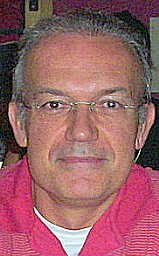 Jose E Perez-Ortin合作论文数Dept Bioquim & Biol Mol, Univ Valencia10
 Tania Jorda合作论文数8
 Antoni Garcia-Molina合作论文数Departament de Bioquímica i Biologia Molecular, Universitat de València8
 Hossein Ardehali合作论文数Chemistry of Life Processes Institute, Weinberg College of Arts and Sciences, Northwestern University7
 Nerea Sanvisens合作论文数Instituto de Agroquímica y Tecnología de Alimentos, Consejo Superior de Investigaciones Científicas7Chang Hsiang-Chun合作论文数Feinberg Cardiovascular Research Institute, Northwestern University7Rosa De Llanos合作论文数7Sandra V Vergara合作论文数6
 Tatsuya Sato合作论文数5
 Perry Justin Blackshear合作论文数Department of Medicine, School of Medicine, Duke University;National Institute of Environmental Health Sciences, National Institutes of Health5Marina Bayeva合作论文数5
 Mingxia Huang合作论文数Department of Biochemistry;Molecular Genetics;School of Medicine, University of Colorado;Department of Biochemistry, University of Colorado School of Medicine5
 Vicente Sancenon合作论文数5Nicolas Rozes合作论文数5Hanna Barlit合作论文数4Vicenta Devesa合作论文数4
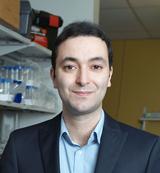 Issam Ben-Sahra合作论文数Department of Biochemistry and Molecular Genetics, Feinberg School of Medicine, Northwestern University4Dinoraz Vélez合作论文数4
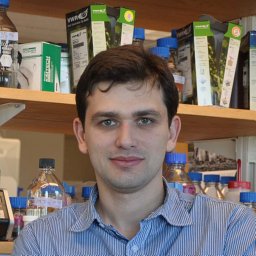 Vyacheslav M Labunskyy合作论文数Department of Biochemistry, University of Nebraska4
 Jason Shapiro合作论文数Icahn Sch Med Mt Sinai, Dept Emergency Med, New York, NY 10029 USA4
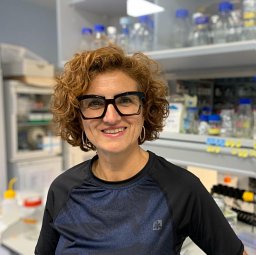 Susana Rodriguez-Navarro合作论文数Centro de Investigación Príncipe Felipe4
 Paula Alepuz合作论文数Department of Biochemistry and Molecular Cell Biology, University of Vienna4
 David Peris合作论文数3Raquel Sorribes-Dauden合作论文数3
 Praveen kumar patnaik合作论文数Department of Dermatology, Boston University School of Medicine3Xiuxiang An合作论文数3Chunlei Chen合作论文数Northwestern Univ, FCVRI, Chicago, IL 60611 USA3
 Maria Carmen Bano合作论文数3
 Martínez-Garay Carlos Andrés合作论文数3
 Caiguo Zhang合作论文数Department of Biochemistry and Molecular Genetics, University of Colorado School of Medicine3
 Roy Parker合作论文数Department of Biochemistry, College of Arts And Sciences, University of Colorado Boulder3
 Sawicki Konrad T合作论文数3
 Amparo Andres合作论文数3Dorcey Eavan合作论文数3
 Eladio Barrio合作论文数Institut Cavanilles de Biodiversitat i Biologia Evolutiva and Department of Genetics, Universitat de Vale`ncia3
 Miguel A Perez-Amador合作论文数3Amparo Querol合作论文数Instituto de Agroquímica y Tecnología de Alimentos (C.S.I.C.) Departamento de Biotecnología Paterna Valencia Spain3
 Daniel Ramon合作论文数2
 Shiv K. Sah-Teli合作论文数University of Oulu2
 Justin Geier合作论文数Feinberg Cardiovasc Res Inst, Northwestern Univ2Miranda Lau合作论文数2
 Sumeyye Yar合作论文数Feinberg Cardiovasc Res Inst, Northwestern Univ2




