Abstract Background Acute respiratory distress syndrome(ARDS) due to COVID-19 is accompanied by severe hypoxemia and hyperinflammation. Hypoxia-inducible factor(HIF) pathway plays a fundamental role in detecting hypoxia and developing appropriate responses. The epidemiological report claimed a lower rate of disease in the population living at high altitudes and hypothesized that adaptation to hypoxia might be advantageous for SARS-CoV-2 infection. This study was designed to examine the frequency of polymorphisms in the HIF-1α and PHD2(prolyl hydroxylase domain 2) genes, which are involved in the adaptation to hypoxia, and the relationship of existing polymorphisms with survival in the ARDS clinic developed due to COVID-19. Methods The study included 297 patients who developed ARDS due to COVID-19 infection and were admitted to the tertiary intensive care unit. Age, gender, hospitalization diagnosis, arterial blood pressure, heart rate, APACHEII score, SOFA laboratory parameters during hospitalization, vasopressor, dialysis and mechanical ventilation need during treatment, length of hospital stay, and 30-day mortality status were recorded. DNA was isolated from the blood samples by spin colon method with the QIAamp DNA MiniKit (Cat.No.51106, QIAGEN, Germany). Results Patients were divided into 3 groups according to their Hypoxia Inducible Factor-1α (C/T SNP [11549465]) genotypes. Frequencies were 71.13% for the homozygous CC genotype, 26.4% heterozygous CT genotype, and 2.36% for the homozygous TT genotype. Median age (p=0.631), APACHE II (p=0.205), and SOFA (p=0.077) scores were similar in all three groups. However, the need for dialysis, mechanical ventilation, and vasopressor was less in the homozygous TT-genotype group than in the other groups (p<0.05). The mortality rate was also lower in this group compared to other groups (p<0.05). PND2 (C/T SNP [480902] and [516651]) polymorphism, clinical and laboratory features were similar in all groups. Moreover, 30-day mortality did not differ between the groups. Conclusion In conclusion, we revealed polymorphism in HIF-lα and PHD2 genes in ARDS patients due to COVID-19. The rate of HIF-lα polymorphism was 26.4% heterozygous CT-genotype and 2.36% for homozygous TT-genotype. 30-day mortality and adverse outcome (dialysis, vasopressor use, MV need) were significantly lower in TT homozygous. However, none of the polymorphisms in the PHD2 genes affected mortality and adverse outcome.
Coronavirus Disease-2019 (Covid-19) is a globally pandemic and causes severe acute respiratory syndrome. It is commonly associated with gastrointestinal manifestations. Intestinal fatty acid binding protein (IFABp) and citrulline are thought to be potential biomarkers of intestinal function and injury. This study aimed to determine relationship between serum IFABp and citrulline concentrations and mortality in COVID-19 patients.Patients and methodsThis observational study was performed in medical intensive care unit (ICU) and included patients diagnosed by PCR-confirmed COVID-19 infection. Serum citrulline and IFABp concentrations were measured using ELISA method within first 24 h after ICU admission. The reference range of serum IFABp and serum citrulline concentrations were 19.89–23.30 ng/mL and 15.03–17.41 nmol/mL, respectively.ResultsA total of 85 critically ill patients were recruited. The mean age of study sample was 70.0±12.4 years. The mean APACHE II score was 20.0±7.1. The most common comorbidities of participants were hypertension (50.6%) and diabetes mellitus (40.0%). During the ICU stay, 34.1% of participants were treated with mechanical ventilation. The median serum IFABp concentrations was 8.01 (IQR: 4.40–13.31) ng/mL. The median serum citrulline value of patients was 5.87 (IQR: 3.99.10) nmol/mL. The ICU mortality rate was 43.5%. ROC analysis showed that the cut off value of serum IFABp and citrulline concentrations to predict ICU mortality were 8.15 ng/mL (AUC: 0.722, 95%Cl: 0.611–0.833, p = 0.001) and 5.99 nmol/L (AUC: 0.671, 95%Cl: 0.551–0.791, p = 0.009) (Fig. 1).ConclusionOur results showed that serum IFABp and citrulline concentrations were better potential biomarkers in critically ill patients infected with COVID-19.
Objective: Tuberculosis (TB) has emerged as a significant cause of morbidity and mortality within intensive care units (ICUs). This study evaluates the clinical characteristics and treatment processes of TB patients in ICUs to inform management strategies. Materials and Methods: This multicenter retrospective study assessed newly diagnosed TB cases admitted to ICUs between January 2019 and January 2024. The primary outcome was mortality rates, while secondary outcomes included clinical characteristics affecting mortality. Medical records from six hospitals were reviewed for active TB patients with confirmed diagnoses. Results: Among 67 ICU patients studied, 34 (51%) died. Significant associations with increased mortality were found for lower Glasgow Coma Scale scores (GCS) (p=0.003), higher Sequential Organ Failure Assessment (SOFA) scores (p=0.020), and elevated Acute Physiology and Chronic Health Evaluation II (APACHE II) scores (p=0.004). Mortality rates were notably higher in patients with multiple comorbidities and nutritional deficiencies. Cox regression analysis identified the Charlson Comorbidity Index (hazard ratio [HR]=1.35, p=0.031) and modified Nutrition Risk in Critically Ill (mNUTRIC) score (HR=1.39, p=0.0483) as significant mortality predictors. Kaplan-Meier analysis indicated that patients with high mNUTRIC scores had significantly lower survival probabilities (p=0.004). Conclusion: Approximately half of the ICU patients with TB died during hospitalization. This study highlights nutritional deficiencies as a key mortality predictor, aiding in the development of improved treatment strategies for TB patients in critical care settings.
Various scoring systems and cytokines have been cited as predicting disease severity in COVID-19 infection. This study analyzed the link between mortality rate, levels of cytokines, and scoring systems such as the Glasgow Coma Scale (GCS), Acute Physiologic Assessment and Chronic Health Evaluation II (APACHE II), Sequential Organ Failure Assessment (SOFA), and Charlson Comorbidity Index in patients infected with COVID-19. Adult patients infected with COVID-19 were followed up in the intensive care unit (ICU) and analyzed prospectively. We measured serum cytokine levels (Interleukin-10 (IL-10), Interleukin-8 (IL-8), Interleukin-6 (IL-6), Interleukin-1β (IL-1β), tumor necrosis factor-alpha (TNF-α) and High mobility group box 1 (HMGB-1)) and recorded GCS, APACHE II, SOFA, and Charlson comorbidity index scores on admission to the ICU. Receiver operating curve (ROC) analysis was performed to predict mortality from IL-1β, IL-6 IL-10, IL-8, TNF-α, and HMGB-1 values. Study participants were grouped as follows: Group A, survivors, and Group B, deceased, during the 28-day follow-up. The mean age was 65.69 (±13.56) in Group A (n = 36) and 70.85 (±10.06) in Group B (n = 27). The female/male ratio was 23/40. Age, sex, body mass index (BMI), comorbid illnesses, GCS, APACHE II, SOFA, and Charlson scores, duration of hospitalization or ICU admission, therapeutic choices, and lymphocyte, PMNL, NLR, platelet, D-dimer, fibrinogen, GGT, CRP, procalcitonin, and lactate levels were similar between the groups. The frequency of acute kidney injury (AKI) was higher in Group B (p = 0.005). Serum IL-10, IL-8, IL-6, IL-1β, TNF-α, HMGB-1, ferritin, and LDH values were higher, and PaO2/FiO2 was lower in Group B than in Group A. ROC analysis showed that there was an association between serum IL-1β (>1015.7), serum IL-6 (>116.7), serum IL-8 (>258.4), serum IL-10 (>247.5), serum TNF-α (>280.7), and serum HMGB-1 (>23.5) and mortality. AKI gave rise to a greater risk of mortality (odds ratio: 7.081, p = 0.014). Mortality was associated with serum IL-10, IL-8, IL-6, IL-1β, TNF-α, and HMGB-1 but not with GCS, APACHE II, SOFA, or Charlson comorbidity index scores. AKI increased the risk of mortality by seven times. Our findings suggest that cytokine levels (serum IL-10, IL-8, IL-6, IL-1β, TNF-α, and HMGB-1) were predictors of mortality in COVID-19 infection. In addition, our results might give an opinion about the course of COVID-19 infection.
Aim: This study aimed to evaluate the incidence of nosocomial infections caused by extended-spectrum beta-lactamase (ESBL) producing bacteria and related antimicrobial susceptibility in critically ill patients over a 5-year period. Material and Methods: The retrospective study was carried out in critically ill patients infected with ESBL-producing pathogens during intensive care unit (ICU) stay. Participants' medical data between 2014 and 2018 were included. ESBL-positive isolates from clinical specimens were evaluated by species and antibiotic susceptibility. Results: Ninety of 2456 critically ill patients had ESBL-positive bacterial infections. The mean age of the study sample was 58.7 +/- 19.1 years and 53.3% were males. ESBL-producing E. coli was noted in 60 (66.7%) patients, K. pneumoniae in 27 (30.0%) patients and K. oxytoca in 3 (3.3%) patients. Colistin (100%), meropenem (94.9%), imipenem (94.0%), and amikacin (90.0%) were active against >= 90% of ESBL-producing pathogens, while ertapenem (89.4%), fosfomycin (87.5%), tigecycline (80.0%) were active against >= 80% of pathogens in ICU. Susceptibility of ESBL producers was remarkably low against levofloxacin (30.8%) and ciprofloxacin (36.7%). The mortality rate of the sample was 25.5%. Discussion: Our findings revealed that ESBL-producing E. coli was highly responsible for ESBL-positive bacterial infections in ICU. The continued efficacy of colistin, carbapenems and amikacin against ESBL-producing E. coli and K. pneumoniae was exhibited.
Aim: In this tudy, it was aimed to investigate the complications that may develop during and after the anesthesia in patients undergoing spinal anesthesia, and the seasonal relationships of the monitored parameters in this study.Material and Methods: A total of 190 patients with ASA I-II group, aged between 18-65 years, who were scheduled for lower extremity operation, were included in the study after obtaining the ethics committee approval and the consent of the patients.The patients were divided into four groups: Group Su, Group Au, Group Wi, and Group Sp.Patient heart rate, blood pressure, peripheral oxygen saturation values were recorded.A subarachnoid puncture was performed with a 25G Quincke spinal needle and the number of attempts required for successful puncture was recorded.For spinal anesthesia, standard dose of 3 ml (15 mg) of 0.5% levobupivacaine was administered to all groups.All patients were visited on 6-12-24-48-72nd postoperative hours and on the 7th postoperative day, and the discharged patients were asked about complications via telephone.Results: The number of atropine injections due to complications of intraoperative bradycardia was significantly higher in Group Su than in the other groups (p = 0.010).Although there was no statistical difference between groups in terms of headache complications (p = 0.394), it was quantitatively higher in Group Su.The low back pain incidence was significantly higher in Group Su (37.7%, p = 0.01).Discussion: In this study, we concluded that intraoperative and postoperative complications were more common in the summer period in patients who underwent spinal anesthesia.
Asprosin, a new adipokine, is secreted by subcutaneous white adipose tissue and causes rapid glucose release. The skeletal muscle mass gradually diminishes with aging. The combination of decreased skeletal muscle mass and critical illness may cause poor clinical outcomes in critically ill older adults. To determine the relationship between the serum asprosin level, fat-free mass, and nutritional status of critically ill older adult patients, critically ill patients over the age of 65 receiving enteral nutrition via feeding tube were included in the study. The patients’ cross-sectional area of the rectus femoris (RF) of the lower extremity quadriceps muscle was evaluated by serial measurements. The mean age of the patients was 72 ± 6 years. The median (IQR) serum asprosin level was 31.8 (27.4–38.1) ng/mL on the first study day and 26.1 (23.4–32.3) ng/mL on the fourth study day. Serum asprosin level was high in 96% of the patients on the first day, and it was high in 74% on the fourth day after initiation of enteral feeding. The patients achieved 65.9 ± 34.1% of the daily energy requirement for four study days. A significant moderate correlation between delta serum asprosin level and delta RF was found (Rho = −0.369, p = 0.013). In critically ill older adult patients, a significant negative correlation was determined between serum asprosin level with energy adequacy and lean muscle mass.
Background This study aimed to investigate the effects of serum high mobility group box-1 (HMGB1), interleukin (IL)-6, IL-8, IL-1β, IL-10, and tumor necrosis factor alpha (TNF-α) levels on disease severity and mortality in Crimean-Congo hemorrhagic fever (CCHF) patients. Materials and methods This study was performed prospectively in the intensive care unit (ICU) and infection ward of a tertiary hospital in the Republic of Türkiye. Patients aged 18 years and older diagnosed with CCHF were included. Results Our study included 30 patients, of whom 83.3% were male, where the mean age was 51.6±14.35 years. The most common clinical findings in patients were malaise (90%) and myalgia (63.3%). In our study, IL-1β levels were found to be 1173.6 (783.0-1823.0) pg/mL, IL-6 69.9 (56.8-133.1) pg/mL, IL-8 191.2 (152.8-516.9) pg/mL, TNF-α 129.5 (104.9-270.8), HMGB1 37.01 (29.26-75.18), and IL-10 190.1 (IQR: 147.8-387.8) pg/mL. The patients' median Severity Scoring Index (SSI) score was found to be 2.5 (1.8-5.5). There was a moderate correlation between the patients' SSI score and serum IL-6 (r=0.464, p=0.010), TNF-α (r=0.420, p=0.021), and IL-10 levels (r=0.518, p=0.003), and a weak correlation between serum HMGB1 (r=0.392, p=0.032). The correlation between SSI and creatine phosphokinase (CPK) levels (r=0.499, p=0.036) was observed to be moderate. Conclusion It was seen that IL-10, IL-6, TNF-α, HMBG-1, and CPK levels evaluated at the CCHF patients' time of admission to the clinic and SSI clinical score were found to be significantly related. It is clear that more studies with patients and groups of healthy volunteers are needed on this subject.
BackgroundGastrointestinal (GI) dysfunction is common in the intensive care unit (ICU), although there is no consensus on biomarkers of GI dysfunction. We aimed to evaluate ultrasound-based gastric antrum measurements and serum intestinal fatty acid-binding protein (IFABP) and citrulline levels in relation to GI dysfunction in critically ill patients. MethodsAdult critically ill patients receiving enteral nutrition and stayed for in the ICU for >= 48 h was included. GI dysfunction was described using Gastrointestinal Dysfunction Score (GIDS). Gastric antrum measurements, including craniocaudal (CC) diameter, anteroposterior diameter, and antral-cross sectional area (CSA), as well as serum levels for IFABP and citrulline, were prospectively recorded at baseline and on day 3 and day 5 of enteral nutrition. The receiver operating characteristic (ROC) analysis was performed to evaluate gastric ultrasound parameters, serum IFABP, and citrulline concentrations in predicting GI dysfunction. ResultsThirty-nine participants with a median age of 60 years were recruited and 46.2% of participants had GI dysfunction. ROC analysis revealed that the cutoff value of CSA score to predict GI dysfunction was 4.48 cm(2), which provided 72.7% sensitivity and 77.2% specificity (area under the curve = 0.768, 95% CI: 0.555-0.980). At baseline, gastric residual volume was highly correlated with CC diameter and CSA (r = 0.764, P < 0.001 and r = 0.675, P < 0.001, respectively). Serum IFABP and citrulline levels had no correlation with GI dysfunction or gastric ultrasound parameters (P > 0.05). ConclusionCSA was associated with GI dysfunction in critically ill patients. Serum IFABP and citrulline concentrations were poor in predicting GI dysfunction.
Objective: Acute kidney injury (AKI) has been reported in patients with COVID-19 pneumonia and associated with higher mortality. Our study aimed to determine the relationship of eGFR during admission to the intensive care unit with mortality and clinical outcomes in the elderly COVID-19 patients. Material and Method: This study in which the elderly patients were included was retrospectively performed in a single-center intensive care unit (ICU). Results: A total of 152 patients including 75 female and 77 male patients were included in the study. Mean age of the patients was 74.3±7.3 years. The number of patients was 92 (60.5%) in eGFR Stage 1-2, 15 (9.9%) in Stage 3a, 26 (17.1%) in Stage 3b, and 19 (12.5%) in Stage 4-5. The rate of patients who received invasive mechanical ventilation was 40.8% and hospital mortality rate was 48.7%. According to the multivariate logistic regression analysis, eGFR, LDH, Charlson score, and duration of stay in the intensive care unit were effective on mortality. Compared to eGFR Stage 1-2 patients, the mortality risk was 4.836 times higher in Stage 3a patients, 12.233 times higher in Stage 3b patients and 10.242 times higher in Stage 4-5 patients. Conclusion: Our results revealed that COVID-19 patients’ eGFR during admission to the intensive care unit, LDH, Charlson score, and duration of stay in the intensive care unit were effective on mortality.
INTRODUCTION:Blood purification therapy is a method used to enable cytokine removal and to improve disturbed immune homeostasis in patients with sepsis or septic shock. This study aimed to evaluate the impact of HA 330 treatment on biochemical and hemodynamic parameters and cytokine levels in adult patients with septic shock.METHODS:Critically ill patients with septic shock who received continuous veno-venous hemodiafiltration and HA 330 treatment were included in this prospective observational study. Biochemical and hemodynamic parameters were followed throughout HA 330 treatment. Serum interleukin (IL)-1β, IL-6, IL-8, tumor necrosis factor (TNF)-α, high-mobility group box1 (HMGB-1) protein, IL-10 levels were analyzed by ELISA method, before and after each HA 330 session.RESULTS:A total of 18 critically ill patients were included in this study. The median APACHE 2 score was 22.2 ± 7.49 and median SOFA score 9.6 ± 5.44 on intensive care unit admission. SOFA scores were significantly decreased on the 3rd day of HA 330 treatment, compared to 2nd day scores (p = 0.017). Median leukocyte value was significantly decreased (p = 0.027 and p = 0.024), while hemodynamic parameters remained unchanged throughout the HA 330 treatment. Median CRP and procalcitonin levels were significantly reduced at day 3 of HA 330 treatment compared to the baseline (p = 0.015 and p = 0.033, respectively). Serum IL-1 β, IL-6, IL-8, TNF-a, HMGB-1, and IL-10 levels decreased insignificantly by 11.5%, 26.4%, 11.4%, 37.9%, 0.02%, and 35.5%, respectively, at the end of the hemoperfusion treatment compared to the pre-treatment.CONCLUSION:The administration of HA 330-based hemoperfusion in septic shock patients revealed improvements in SOFA scores, leukocyte count, and CRP and procalcitonin levels. However, there was no statistically significant change in concentrations of inflammatory cytokines and hemodynamic parameters during HA 330 treatment.
Background & Objective: Ischemic stroke is the leading cause of death and long-term disability worldwide. In patients with ischemic stroke, both cell loss and inflammation are observed. GAS6/sAXL signaling is effective in both inflammation and clearance of dead/dying cells. This study investigated the GAS6/sAXL pathway and its role in patients with acute stroke. Specifically, we evaluated whether GAS6/sAXL was associated with stroke severity and infarct volume. Methods: This study involved 53 patients with acute ischemic stroke (AIS) and 49 healthy controls. GAS6 and sAXL proteins were collected in the first 24 hours in the acute stroke. NIHSS scores, GCS, and demographic data of the patients at the time of admission to the hospital were recorded. The infarct area was calculated using cranial magnetic resonance imaging. Results: Mean age of the patients was 64±12 years, 60% were female. HDL was lower in AIS group (40.5±13.01 mg/dl) than in the control group (55.4±14.9 mg/ dl) (p<0.05). The GAS6 levels of patients with ischemic stroke (30.58 [1.58-162.33] ng/dL) were significantly lower than the control group (83.33 [10.71-181.96] ng/dL) (p < 0.001). There was a significant difference in the GAS6/sAXL ratio between the AIS (8.60 [0.55-48] ng/mL) and control groups (14.78 [1.82-53.71] ng/mL) (p < 0.001). The serum GAS6 level and MR infarct area was positively correlated (r = 0.381 p = 0.005). The GAS6/sAXL ratio was positively correlated with the NIHSS and infarct area (p = 0.004). The GAS6/sAXL ratio and GCS showed a negative correlation (p = 0.001). Conclusion: Plasma GAS6 levels were positively correlated with infarct size, and the GAS6/sAXL ratio was positively correlated with the NIHSS score and infarct area in patients with AIS. Plasma GAS levels and GAS6/sAXL ratio can be used as an indicator of severity of AIS.
Aim: Vitamin D, an immune modulator, may contribute COVID-19 infection. This study aims to assess the relationship between vitamin D value and clinical outcomes (need for mechanical ventilation (MV) support and intensive care unit (ICU) mortality) in critically ill patients diagnosed with COVID-19. Material and Method: This study included critically ill adult patients diagnosed with COVID-19 infection. Serum vitamin D level was analyzed using liquid chromatography mass spectrometry. Vitamin D concentration was classified as normal (≥20 ng/mL) and deficiency (0.05). Conclusion: Approximately 70% of our study sample has below the normal range of serum vitamin D value. Low serum vitamin D concentrations were associated with increased SOFA, creatinine, and troponin concentrations in patients with COVID-19 infection. Vitamin D deficiency was not a predictor of need for MV support and ICU mortality in COVID-19 patients.
BACKGROUND & AIMS:Enteral Nutrition (EN) may be interrupted due to various reasons in the setting of intensive care unit (ICU) care. This study aimed to investigate the reasons, frequency, and duration of EN interruptions in critically ill patients within the first 7 days of ICU stay. METHODS:A total of 122 critically ill patients (median age: 63 years, 57% were males) initiating EN within the first 72 h of ICU admission and continued EN for at least 48 h during ICU stay were included in this observational prospective study conducted at a Medical ICU. Patients were followed for hourly energy intake as well as the frequency, reason, and duration of EN interruptions, for the first seven nutrition days of ICU stay or until death/discharge from ICU. RESULTS:The median APACHE II score was 22 (IQR, 17-27). The per patient EN interruption frequency was 2.74 and the median total EN interruption duration was 960 (IQR, 105-1950) minutes. The most common reason for EN interruption was radiological procedures (91 episodes) and the longest duration of EN interruption was due to tube malfunctions (1230 min). Target energy intake were achieved on the 6th day at a maximum rate of 89.4%. Logistic regression showed that there was relationship between increased mortality and patients with ≥3 EN interruptions (OR: 6.73 (2.15-30.55), p = 0.004) after adjusting for confounding variables (age and APACHE II score). According to Kaplan Meier analysis, patients with ≥3 EN interruptions had significantly lower median survival times than patients with <3 EN interruptions (24.0 (95% CI 8.5-39.5) vs 18.0 (95% CI 13-23) days, p = 0.014). CONCLUSION:During the first week of EN support, the most common reason of EN interruptions was related to radiological procedures and the longest EN interruptions was due to feeding tube malfunctions. There was relationship between ≥3 EN interruptions and increased mortality.
Background: Patients with severe acute respiratory distress syndrome (ARDS) have high mortality rates; therefore, new biomarkers are necessary to predict the prognosis in the early stages. Serum lactate dehydrogenase (LDH) level is a specific marker of lung damage, but it is not sensitive because it is affected by several factors. This study aimed to determine whether the LDH/albumin ratio could be used as a prognostic biomarker in patients with severe ARDS due to COVID 19. Methods: Tertiary intensive care unit (ICU) patients with severe ARDS and confirmed COVID-19 diagnosis between August 1, 2020, and October 31, 2021, were included. The demographic and clinical characteristics of the patients were recorded from the hospital databases, together with laboratory results on the day of admission to the ICU and the length of stay in the ICU and hospital. LDH/albumin, lactate/albumin, C-reactive protein (CRP)/albumin, and BUN/albumin ratios were calculated. Logistic regression analysis was performed to determine independent risk factors affecting mortality. Results: Nine hundred and five patients hospitalized in a tertiary ICU were evaluated. Three hundred fifty-one patients with severe ARDS were included in this study. The mortality rate of the included patients was 61.8% (of 217/351). LDH/albumin, lactate/albumin, and BUN/albumin ratios were higher in the nonsurvivor group (P < .001). The area under the curve (AUC) from the receiver operating characteristic analysis that predicted in-hospital mortality was 0.627 (95% confidence intervals (CI): 0.574-0.678, P < .001) for the LDH/albumin ratio, 0.605 (95% CI: 0.551-0.656, P < .001) for lactate/albumin, and 0.638 (95% CI: 0.585-0.688, P < .001) for BUN/albumin. However, LDH/albumin ratio was independently associated with mortality in multivariate logistic regression analysis. Conclusion: LDH/albumin ratio can be used as an independent prognostic factor for mortality in patients with severe ARDS caused by COVID-19.
The ongoing COVID-19 pandemic poses a significant threat to human health. Many hypotheses regarding pathogenesis have been proposed and are being tried to be clarified by experimental and clinical studies. This study aimed to reveal the roles of the innate immune system modulator GAS6/sAXL pathway, endothelial dysfunction markers vascular endothelial growth factor (VEGF) and hypoxia-inducible factor (HIF)-1α, and antiviral effective TRIM25 and TRIM56 proteins in pathogenesis of COVID-19. The study included 55 patients with COVID-19 and 25 healthy individuals. The serum levels of GAS6, sAXL, VEGF, HIF-1α, TRIM25, and TRIM56 were measured using commercial ELISA kits and differences between COVID-19 patients and healthy controls, and the relationship to severity and prognosis were evaluated. GAS6, sAXL, TRIM56, and VEGF were found to be higher, while TRIM25 was lower in patients. There were strong positive correlations between GAS6, sAXL, TRIM25, TRIM56, and VEGF. None of the research parameters other than HIF-1α was associated with severity or prognosis. However, HIF-1α was positively correlated with APACHE II. We speculate that the antiviral effective TRIM25 and TRIM56 proteins, as well as the GAS6/sAXL pathway, act together as a defense mechanism in COVID-19. We hope that our study will contribute to further studies to elucidate the molecular mechanism associated with TRIM56, TRIM25, GAS6, sAXL, and VEGF in COVID-19 patients.
Objective: Sepsis is a clinical condition that requires urgent treatment. Most patients with sepsis require intensive care. There is a high mortality rate. The primary aim of the present study was to examine risk factors for mortality in patients with sepsis or septic shock in a medical intensive care unit (ICU). The secondary objective was to analyze the demographic and clinical characteristics of these patients. Materials and Methods: This prospective study was conducted in a medical ICU. Patients diagnosed with sepsis according to the international consensus definition (Sepsis-3) and requiring ICU treatment were included in the study. Demographic and clinical characteristics were recorded and analyzed. Results: A total of 134 patients with sepsis were enrolled in the study. The mean age was 60 +/- 18 years and 49% were male. The most frequent reasons for admission to the ICU were respiratory failure (45.5%) and shock (44%). Gram-negative bacteria were present in 48%, Gram-positive bacteria in 15%, fungus in 8%, and there was no culture positivity in 29% of the patients. The in-hospital mortality rate was 51%. The need for vasopressor drugs (odds ratio [OR]: 4.612, 95% confidence interval [CI]: 1.273-16.781) or mechanical ventilation (OR: 25.312, 95% CI: 4.225-151.852) was an independent risk factor for mortality. Conclusion: Patients treated in the ICU for sepsis or septic shock had a high mortality rate. The need for vasopressor drugs or mechanical ventilation was an independent risk factor for mortality.
Objective: This study aims to investigate the validity and reliability of the FS-ICU 24 survey in the Turkish language, to evaluate the satisfaction of ICU patients' relatives, and to determine the factors affecting satisfaction. Materials and Methods: In this study, the Turkish version was prepared based on the FS-ICU 24 survey applied to the relatives of ICU patients (Anesthesiology, Internal Medicine, General Surgery and Neurosurgery) at the Erciyes University in the Faculty of Medicine between April 2015 and June 2015. The Turkish version was tested and proven to be reliable and valid. Relatives of patients that were hospitalized for at least 48 hours, who had visited the patient at least once, were included. In this study, 369 surveys were completed. Results: FS-ICU 24 survey was found reliable and valid in Turkish. Patients' relatives were unsatisfied with physical conditions, waiting room setting and frequency of communication with nurses the most. The relatives were highly satisfied with the skills and competency of ICU doctors/nurses, setting of the ICU, completeness of treatment provided. Among the intensive care unit departments, there were not any statistically significantly different satisfaction results (p>0.05). The satisfaction level was found to decrease with increasing education levels and increasing duration of hospitalization (p<0.05). The satisfaction in the group who knew the diagnosis was higher (p<0.05). Conclusion: Even though the general satisfaction level of the patients' relatives was high, satisfaction level can be increased by improving physical factors, such as the waiting room setting, and by training on the communication skills of all staff that have contact with the patients' relatives on communication skills.
Wernicke's encephalopathy (WE) is an acute neurological condition characterized by ataxia, confusion, ocular findings, and impairment of consciousness due to thiamine deficiency. Although alcoholism is the most common reason, WE cases resulting from prolonged total parenteral nutrition (TPN) without multivitamin complex have been reported. Here we present a dramatic improvement in symptoms with high-dose thiamine in a patient who developed WE due to TPN after gastrointestinal surgery.
Objective: Anaemia, thrombocytopenia, leucopenia, disseminated intravascular coagulation (DIC) and functional deficiencies of coagulation factors are all common in patients with severe sepsis or septic shock. There is no standard protocol for blood and blood product transfusion for this disease. The aim of this study is to evaluate prospectively the blood and blood products transfusion in patients who are diagnosed with sepsis and septic shock. Material and Methods: This prospective descriptive study was performed on patients who are 18 years of age and over, with septic/septic shock who stay for 48 hours or more in the intensive care unit. Results: One hundred three patients were enrolled in this study. Fifty six percent of the patients were male and fourty four percent were female. The mean age was 60.9 +/- 17.2 years. APACHE II score of the patients was 23.2 +/- 4.1. Patients were included in study in 6 (1-22) hours after being diagnosed with sepsis or septic shock in the intensive care unit. Patients were monitored for 6 (3-26) days as sepsis or septic shock. Blood and blood products was transfused to the 67 patients (65%). The most frequent transfused blood product was red blood cell suspension and the second most frequent transfused blood product was platelet suspension. Red blood cell suspension was transfused to 56% of the patients. The pre-transfusion Hb values of patients transfused erythrocyte suspension was 8.6 +/- 1.5 g/dL. A total of 167 units of red blood cell suspension were transfused. Hemoglobin decrease was the most common cause of red blood cell transfusion. A part of 94.8% patients who received red blood cell transfusion died. The mortality rate was statistically higher in the group of red blood cell transfusion compared to the group without transfusion (p=0.005). Platelet suspension was transfused to 30% of the patients. The pre-transfusion platelet values of patients transfused platelet suspension was 23000 (6000-191000) 10(3)/mu L. A total of 163 units of platelet suspension were transfused. Thrombocytopenia was the most common cause of platelet transfusion. All of patients who received platelet transfusion died. Patients mortality rate was 86% in intensive care unit. Conclusion: Patients with sepsis and septic shock who are followed up in intensive care unit are transfused high percent blood and blood products. The most transfused blood products were red blood cell and platelet suspensions. The mortality was higher in patients transfused blood and blood products.
 Hilal Sipahioglu合作论文数11
 Gundogan Kursat合作论文数Faculty of Medicine, Erciyes University10
 Aynur Akin合作论文数Department of Anesthesiology and Intensive Care, University of Erciyes7
 Murat Sungur合作论文数School of Medicine, Erciyes University6Şahin Temel合作论文数5
 Nurhayat Tugra Ozer合作论文数Dept Clin Nutr, Erciyes Univ5Esma Eren合作论文数5Hasan Dirik合作论文数3Sibel Kuzugüden合作论文数3
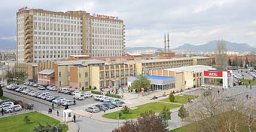 Recep Civan Yüksel合作论文数Intens Care Unit, Kayseri City Educ & Res Hosp3Merve Özel合作论文数3
 Gulden Baskol合作论文数3
 Serap Sahin Ergul合作论文数2Nilgün Savaş合作论文数2
 Gulsah Gunes Sahin合作论文数Hlth Sci Inst, Erciyes Univ2Sumeyra Koyuncu合作论文数Dept Nephrol, Erciyes Med Fac2Zehra Beştepe Dursun合作论文数2Gülseren Elay合作论文数2
 Bulut Kadir合作论文数2
 Yücesoy S Faruk合作论文数2
 Kudret Dogru合作论文数2Omer Dogan合作论文数1
 Zahide Karaca合作论文数1Nilgun Ozlem Alptekinoglu Mendil合作论文数1
 Gamze Kalın合作论文数1Nevzat Herdem合作论文数1nilgun mendil合作论文数1
 Nilgun Karasu合作论文数1
 Ali Yeşiltepe合作论文数1Ramazan Sami Aktaş合作论文数Dept Emergency Med, Van Yuzuncu Yil Univ1
 Hatice Saracoglu合作论文数1Kaniye Aydin合作论文数Kayseri City Training & Res Hosp, Univ Hlth Sci1
 Hatice Aslan Sirakaya合作论文数Dept Internal Med, Kayseri City Educ & Res Hosp1Birkan Ulger合作论文数1Nur Aleyna Yetkin合作论文数Dept Pulm, Erciyes Univ1Muhammet Guven合作论文数Dept Internal Med & Crit Care, Lokman Hekim Univ1
 Ilhami Celik合作论文数1
 Sabahattin Muhtaroglu合作论文数1
 Adnan Bayram合作论文数1
 Pınar Sagıroglu合作论文数1Cigdem Karakukcu合作论文数1
 Aysegul Ulu-Kılıc合作论文数Department of Infectious Disease and Clinical Microbiology (IDCM),, Erciyes School of Medicine1
 Dincer Goksuluk合作论文数1
 Kasapoglu Umut Sabri合作论文数Department of Chest Diseases, Sureyyapasa Chest Diseases and Thoracic Surgery Training and Research Hospital1
 Sari Ali合作论文数1Canpolat Dilek Gunay合作论文数1
 Samet Karahan合作论文数1Ozer Simsek Zuhal合作论文数Faculty of Medicine, Erciyes University1
 Mehmet Fatih Yetkin合作论文数1




