Background and Objectives: Falls are a common issue among persons with multiple sclerosis (MS), and cognitive function is variably affected by the disease. Cognitive impairments impact various aspects of life, including quality of life, safety (fall risk and driving), and participation. This study aims to examine the relationship between executive function, cognitive skills, and fall risk in persons with multiple sclerosis. Methods: Studies examining the relationship between falls and cognitive performance were reviewed using databases, such as Google Scholar, PubMed, and Science Direct, with keywords, including cognitive impairment, executive function, fall risk, and multiple sclerosis. Results: Cognitive skills associated with fall risk include information processing speed, ability to switch between tasks, cognitive flexibility, response inhibition, working memory, and visuospatial memory. However, verbal fluency is not associated with fall risk. Conclusion: Executive function is related to fall risk in persons with multiple sclerosis; the greater the cognitive impairments, the higher the likelihood of falls in these individuals.
Introduction:The sural-to-radial sensory nerve action potential amplitude ratio (SRAR) can be used to diagnose peripheral axonal neuropathy. However, different studies have revealed varying lowest values for this index. This study aimed to identify the minimum normal value of SRAR in healthy individuals and evaluate the impact of age, sex, height, weight, body mass index (BMI), forearm length, wrist circumference, ankle circumference, and leg length on the lowest normal value of SRAR to distinguish between healthy individuals and those with axonal polyneuropathy. Methods:This study involved 108 individuals referred for four-limb electrodiagnostic tests with normal results. The participants were between 20 and 70 years old, and the study was conducted between July 2022 and December 2023. Electrodiagnostic tests were performed to determine the range of sensation in the sural and radial sensory nerves. Data were analyzed using SPSS software, version 26, and a P<0.05 was considered statistically significant. Results:The study revealed that the lowest SRAR value was 0.2 (mean 0.435±0.175). According to the Pearson correlation test, the SRAR has no significant correlation with age, BMI, forearm length, wrist circumference, ankle circumference, and leg length. Conclusion:The study found that the SRAR was not affected by various physical characteristics, such as age, sex, height, weight, forearm length, wrist circumference, ankle circumference, or leg circumference. An SRAR value of 0.2 was identified as the minimum normal value of SRAR in our healthy subjects.
Introduction Cognitive rehabilitation includes a set of programs to train the brain, which leads to the improvement of mental and neuro-psychological functions. This meta-analysis was conducted with the aim of investigating the effectiveness of cognitive rehabilitation in comparison with routine rehabilitation methods in patients with multiple sclerosis (MS). Methods The Cochrane Library, ProQuest, PubMed, PsycINFO, and Web of Science databases were searched from inception to August 2022. Google Scholar was used to find relevant sources and complete the search coverage. Two authors independently selected studies based on predefined inclusion criteria. Data analysis was performed using RevMan (version 5.3). Results Out of the 578 studies found, 20 studies were finally included in this review. The results of the meta-analysis on four outcomes (Paced Auditory Serial Addition Test (PASAT), Brief Visuospatial Memory Test (BVMT), MS Neuropsychological Screening Questionnaire (MSNQ), and Beck Depression Inventory (BDI)) indicated that the outcome was significant in favor of the cognitive rehabilitation group. However, for five outcomes (Controlled Oral Word Association Test (COWAT), California Verbal Learning Test (CVLT), Everyday Memory Questionnaire (EMQ), Symbol Digit Modalities Test (SDMT), and Expanded Disability Status Scale (EDSS)), the differences between the two groups were not significant. Conclusion The results of this meta-analysis showed that cognitive rehabilitation has an effect on improving the performance of patients with MS. However, further studies with more accurate methodologies are required to determine which of the outcomes cognitive rehabilitation has a greater effect on.
Introduction This study aimed to evaluate neuro-musculoskeletal adverse events related to COVID-19 vaccines in Iranian healthcare workers. Methods In this cross-sectional survey, a questionnaire was used, including patients’ demographic information, vaccination information, and local, flu-like, and neuro-musculoskeletal side effects of vaccines. All data were extracted and analyzed by SPSS ver.24. Results A total of 500 healthcare workers (381 females, and 119 males), with a Mean±SD age of 38.06±9.22 years old were recruited; 341 subjects (68.2%) were vaccinated by Sputnik-V vaccine, 95 subjects (19%) with AstraZeneca, 40 subjects (8%) with Sinopharm, and 24 (4.8%) with Baharat COVID-19 vaccine. Out of 500 participants, COVID-19 vaccines’ side effects were reported in 428 subjects (85.6%) including 339 subjects (67.8%) with local side effects, 342 subjects (68.4%) subjects with flu-like side effects, 66 subjects (13.2%) with neurologic, and 291 subjects (58.2%) with musculoskeletal side effects. Local pain (67.6%), fatigue (61.2%), generalized pain (47.8%), headache (38.8), upper and lower myalgia (44%, 36%), and low back pain (26.8%) were the most common side effects reported by COVID-19 vaccine recipients. There were significant associations between neuro-musculoskeletal side effects with patients’ sex (P=0.001), categorized age (less and more than 40 years., P=0.002), and COVID-19 vaccine types (P<0.001). Conclusions Among all the neurological and musculoskeletal side effects, upper limb paresthesia, and upper limb myalgia alongside low back pain were the most frequent respectively. No serious side effects requiring medical attention or hospitalization were reported by participants.
Carpal tunnel syndrome is the most common compression neuropathy. Grading the severity of carpal tunnel syndrome is an important factor in deciding on the type of treatment. This study aims to determine the relationships between the findings of the electrodiagnosis and ultrasonography methods based on the severity of carpal tunnel syndrome. In this prospective clinical study, 50 patients (96 wrists) who were referred to the Physical Medicine and Rehabilitation Department of the Shohada Tajrish Hospital, Tehran, Iran (from March 2021 to November 2022) were studied. All patients with a history and clinical examination related to CTS underwent electrodiagnosis studies. Based on the results of electrodiagnosis, patients were divided into three groups: mild, moderate, and severe. All eligible patients underwent ultrasound at the cross-section of the wrist (at the level of the pisiform bone, the entrance of the canal) and the middle of the forearm. In this study, the cross-sectional area of the median nerve was measured in 96 wrists of 50 patients with a mean age of 51.78 ± 9.80 years. The mean CSA of the median nerve in the mild, moderate, and severe groups was reported as 0.12 ± 0.03, 0.14 ± 0.02, and 0.21 ± 0.06, respectively. The mean WFR in different groups of CTS was reported as 1.85 ± 0.56, 1.93 ± 0.56, and 2.45 ± 0.49, respectively. A significant relationship between ultrasound findings, including CSA-inlet and WFR, and electrodiagnosis findings was presented (P value < 0.05). Based on our findings, there is a statistically significant relationship between the sonographic findings, including the mean CSA-inlet and WFR, and the severity of CTS based on the electrodiagnosis study. Our findings revealed that as disease severity increases, sonographic parameters also increase significantly.
Knee osteoarthritis causes pain and disability in many people worldwide, for which no definitive treatment has yet been proposed. In this study, we investigated the safety and efficacy of placental mesenchymal stromal cells-derived extracellular vesicles in patients with knee osteoarthritis. This triple-blind, randomized clinical trial included patients suffering from bilateral knee osteoarthritis with grade 2 or 3. The knees of each patient were randomized to intervention and control. For the intervention knee, 5 cc of placental mesenchymal stromal cells-derived extracellular vesicles were injected, and for the control knee, 5 cc of normal saline was injected. The patients’ symptoms were evaluated before the intervention and 2 and 6 months after the intervention using VAS, WOMAC questionnaire, and Lequesne index. MRI was performed before the intervention and 6 months after the intervention to evaluate retropatellar and tibiofemoral cartilage volume, medial and lateral meniscal disintegrity, ACL injury, and effusion-synovitis. 62 knees (31 patients) were enrolled in this study. There were 31 knees as intervention and 31 knees as control. Finally, the data of 58 knees (29 patients) were analyzed, including 28 women and 1 man. The mean age of the patients was 55.38 ± 6.07 years. No statistically significant difference was detected between the two groups in clinical outcomes (including VAS, WOMAC, and Lequesne scores) before treatment and 2 and 6 months after treatment. Also, no statistically significant difference was detected between the two groups in MRI findings before treatment and 6 months after treatment. No systemic complications or severe local reactions occurred in the patients. A single intra-articular injection of placental mesenchymal stromal cells-derived extracellular vesicles (5 cc, 7 × 10⁹ particles/cc) is safe, but does not improve clinical symptoms or MRI findings in knee osteoarthritis beyond placebo. The protocol of this study was approved on 11 May 2022 with registration number IRCT20210423051054N1.
Background Lumbosacral canal stenosis is known as the most common cause of back surgery with several complications. Selecting a minimally invasive treatment with high efficacy in such patients is necessary. This study was designed to evaluate the effectiveness of ozone therapy in combination with caudal epidural steroid in patients with lumbar spinal stenosis. Methods A double-blind randomized clinical trial was conducted on 50 patients with lumbar spinal stenosis allocated into two study groups. Under ultrasound guidance, the first group received 80 mg of triamcinolone hexavalent with 4 mL of Marcaine 0.5% and 6 mL of distilled water to the caudal epidural space. The second group received an injection similar to the first group, combined with 10 mL of ozone (O2-O3) gas at a concentration of 10 µg/cc. The patients were followed at baseline, one, and six months after injection with clinical outcomes measures using Visual Analog Scale (VAS), Walking Distance (WD) and Oswestry Disability Index (ODI). Results The mean age of subjects, 30 males (60%) and 20 females (40%), was reported as 64.51 ± 7.19 years old. Reduction of pain intensity based on VAS score was statistically significant in both groups at follow-up periods (P < 0.001). The VAS changes in the first month and sixth months showed no significant difference between the two groups (P = 0.28 and P = 0.33, respectively). The improvement in disability index (ODI) in both types of treatment during follow-up was significant (P < 0.0001), and there was no difference between the two treatment groups in one month and six months (P = 0.48 and P = 0.88, respectively). As for walking distance, the improvement process with both types of treatment during follow-up periods was significant (P < 0.001). However, after one and six months of treatment, the rate of improvement in patients’ walking distance in the caudal epidural steroid injection plus ozone group was significantly higher than in the epidural steroid group (p = 0.026 and p = 0.017, respectively). Conclusions In this study, the results of VAS and ODI outcomes showed that caudal epidural steroid injection combined with ozone has no advantage over caudal epidural steroid injection alone. Interestingly, our results demonstrated that the group receiving caudal epidural steroid injection plus ozone scored significantly higher on the walking distance index than the group receiving caudal epidural steroid alone. Trial Registration IRCT IRCT20090704002117N2 (registration date: 07/08/2019).
Abstract Background The Pediatric Spinal Muscular Atrophy Registry Program of Iran (PSMAIR) was established as part of the global TREAT-NMD network, which collects data from spinal muscular atrophy (SMA) patients under 18 years of age in Iran. The registry employs a web-based data entry system to collect detailed longitudinal demographic, geographic, clinical, genetic, and treatment outcome data of Iranian children who suffer from SMA. Results From October 2021 to September 2022, 59 SMA patients were enrolled; 52.5% were female, 47.5% were male, and the average age was 4.98 ± 4.08 years. The majority of registered patients were diagnosed with SMA Type I (47%), followed by Type II (29%) and Type III (24%). Overall, about 19% of the registered patients died; all of them were Type I patients. In the registry, 44% of patients had been hospitalized previously. Usage rates for wheelchairs or other mobility assistive devices, occurrence of scoliosis, tube feeding, and mechanical ventilation among these patients were 15%, 15%, 19%, and 20%, respectively. The data reveal a gradient of severity across SMA types, with earlier symptom onset, lower CMAP amplitude, and lower ACTIVLIM scores associated with more severe SMA (type I), and increments observed moving towards milder forms (type III). The data reveal that symptom onset age, CMAP amplitude, and ACTIVLIM scores progressively increase from SMA type I to SMA type III. The CHOP-INTEND questionnaire's average score was notably higher in children with SMA type II compared to those with type I, while the HFMSE questionnaire scores were notably increased in type III compared to type II patients. A significant correlation between the SMN2 copy number and the SMA phenotype was observed in the population. The geographic distribution of the enrolled patients covers 15 and 18 (out of the 31) provinces of Iran for place of birth and current place of residence, respectively. For patients residing outside Tehran city (where the registry’s referral center is located), the average distance to the registry’s referral center was roughly 463 km. Conclusions The PSMAIR offers an important step toward understanding the characteristics of Iranian pediatric SMA patients. The outcome of PSMAIR facilitates data-driven planning and decision-making for Iranian pediatric SMA patients and can help in the advancement of SMA care standards, management, and therapies.
The etiology of polyneuropathies varies in the pediatric population, where hereditary or metabolic disorders are far more common than in adults. However, treatable polyneuropathies, also prevalent in these settings, are those to prioritize. Moreover, diagnosing subacute and chronic symptoms in children can be challenging compared to adults. Therefore, selecting the best and most relevant laboratory investigations and paraclinical studies is critical. This taskcan be relatively challenging in countries with limited resources or insurance coverage. This study describe the various types of polyneuropathies found in children and their characteristics and suggest an algorithm for using the best laboratory tests in the context of the Iranian healthcare system.
Background: Pediatric neurorehabilitation has recently employed virtual reality (VR) technologies as a platform to design and implement novel modalities. Aims: To evaluate the feasibility of a multi-component VR-based program on motor skills and functional postural control for children with hemiplegic cerebral palsy (HCP). Methods: A single-case-experimental design was conducted on eight children with HCP (12.33 +/- 4.71 years and GMFCS= II, I). The VR-based program consisted of 3 sessions per week for four weeks. Timed Up and Go (TUG) test, Functional Reach Test (FRT), Pediatric Balance Scale (PBS), Activities Scale for Kids (ASK), ABILHAND-Kids, and Box and Block Test (BBT) were used to evaluate functional changes. Outcomes and results: Statistical analysis showed that improvements in functional postural control were significant on at least one balance measure for seven out of eight participants during the intervention phase. For all participants, a significant increase was observed in the BBT scores. Before-after intervention analysis revealed statistically significant improvements in PBS (z = -2.52, p <= 0.01), ABILHAND-Kids (z = -2.25, p <= 0.01), and ASK (z = -2.38, p <= 0.01). Conclusions and implications: This study provided early evidence of the effectiveness of the multicomponent VR-based program in children with HCP. However, future studies with randomized controlled trial design are needed to evaluate the long-term effects and compare them with conventional rehabilitation practice.
Background: This study was designed considering the existing controversies on the normal range of median nerve cross-sectional area (MNCSA) and its association with hand dominance. Methods: In this cross-sectional descriptive study, the upper limbs of 100 healthy subjects (46 men and 54 women) were assessed bilaterally by sonography. MNCSA was measured at the level of the carpal tunnel inlet. Results: Calculated MNCSA values were 9.29 mm 2 and 9.54 mm 2 for the right and left sides, respectively. No significant difference was observed between the right and left hands. No significant correlation was observed between hand dominance and MNCSA in right-handed or left-handed subjects. Conclusion: Hand dominance does not significantly affect MNCSA at the wrist level, and thus does not affect the diagnosis of carpal tunnel syndrome.
Objectives The aim of the study is to evaluate muscles with more prominent needle electromyographic findings to optimize needle electromyography screening of isolated C6 radiculopathy in patients with C6 root lesions. Design This prospective clinical study was performed on 39 patients with isolated and unilateral cervical radiculopathy selected from all referrals of 1733 patients to the electrodiagnosis unit of the physical medicine and rehabilitation department of a tertiary medical center (from April 2021 to December 2021). The presence of fibrillation potentials, positive sharp waves, and/or neurogenic motor action potentials that occurred in isolation or combination with selected muscles was considered an abnormal finding. Results Of 1733 referrals, 39 patients (18 males [46.1%] and 21 females [53.8%]), with a mean age of 49.7 ± 9.6 yrs, were found eligible. According to needle electromyography findings, the most involved muscles in C6 root lesion were pronator teres (100%), followed by extensor carpi radialis longus (94.8%), flexor carpi radialis (89.7%), brachioradialis (82%), infraspinatus (82%), supraspinatus (79.4%), deltoid (74.3%), biceps brachii (64.1%), extensor digitorum communis (33.3%), and triceps brachii (15.3%) muscles. Conclusions The pronator teres is the most involved muscle of patients diagnosed with C6 radiculopathy. It might be considered the key muscle for screening and accurate diagnosis of C6 root involvement.
Objective This cross-sectional study was designed considering disagreements on the normal range of Median Nerve Cross-Sectional Area (MNCSA) and its association with age. Methods In this cross-sectional descriptive study, the upper limbs of 98 healthy subjects (46 men and 52 women) were assessed bilaterally by sonography, and MNCSA was measured at the distal wrist crease.Results Mean MNCSA values for subjects older and younger than 40 were 11.25 mm2 and 10.21 mm2, respectively. The results showed that the MNCSA significantly increased after 40 years of age. Conclusion According to the present study's findings, advances in age can increase the MNCSA and affect the diagnostic accuracy of MNCSA measurement in CTS diagnosis.
Spinal cord injury (SCI) is a debilitating condition that affects millions of people worldwide and results in a remarkable health economic burden imposed on patients and the healthcare system annually. The most common causes of SCI are the trauma caused by falls, traffic accidents, or violence. The course of SCI is associated with several complications that severely impair the patient’s quality of life, including sensory and motor dysfunction, pain, neurogenic bladder and bowel, autonomic dysreflexia, cardiovascular and pulmonary dysfunction, spasticity, urinary tract infection, and sexual dysfunction. Despite great strides that have been made in the field of regenerative medicine and neural repair, the treatment of SCI still mostly revolves around rehabilitative strategies to improve patients’ quality of life and function. Rehabilitation following the SCI is a multidisciplinary process that requires the involvement of multiple disciplines. Moreover, recent advances in the field of neurorehabilitation following SCI, are changing the face of this field. Therefore, we decided to review various aspects of rehabilitation following the SCI, including the goals and different modalities whereby we could achieve them.
Purpose To evaluate the cost-effectiveness of Platelet Rich Plasma (PRP), Plasma Rich in Growth Factors (PRGF), Hyaluronic Acid (HA) and ozone as effective treatment approaches in knee osteoarthritis management from Iran Health care perspective. Methods A decision tree model was conducted to assess the cost-effectiveness of four common intra-articular treatment approaches in patients with mild and moderate knee osteoarthritis. The data on clinical effectiveness was obtained from a randomized controlled trial (RCT) conducted in Iran and used to estimate utility values. The direct medical costs were estimated according to tariffs for public medical centers and hospitals, approved by the Iran Ministry of Health and Medical Education in 2021. The incremental cost-effectiveness ratio (ICER) and the net monetary benefit (NMB) were used to evaluate the cost-utility analysis. Deterministic and probabilistic sensitivity analyses are performed to investigate the robustness of the results and account for the different sources of uncertainty. Results In this study, HA intra-articular injection-related costs ($581.67/patient) were defined as the highest cost, followed by PRGF ($328.10/patient), PRP (318.58/patient), and Ozone (103.20/patient). According to the utility value, PRP and PRGF (0.68) have the same and the most utility among Intra-articular injections in knee osteoarthritis management. However, the PRP injection method was identified as the most cost-effective intervention due to its high NMB and ICER estimates. Based on the Monte Carlo Simulation, PR intervention, compared to other ones, was introduced as the dominant strategy regarding knee OA management, with a WTP of $10,000 for 100% of cases. Conclusion The study result demonstrated that intra-articular injection of PRP, compare to other injections, is a cost-effective treatment option for patients with mild and moderate knee osteoarthritis. In addition, intra-articular injection of PRP was identified as the best injection, with the highest level of net monetary benefit, for knee OA management.
Background: Clinical Practice Guidelines (CPGs) can be adapted to local conditions to prevent any resources from being wasted. Adaptation of CPGs implies a systematic view of developed guidelines through maintaining evidence-based principles in order to find the ones most relevant with patients' conditions and its integration with the cultural and regional requirements of the target population and health system facilities. The main purpose of the study was to describe, interpret and compare different frameworks for adaptation of clinical guidelines and proposing a comprehensive framework for Iran. Methods: This study was based on a review and comparative analysis of adaptation frameworks of CPGs. Initially, all adaptation frameworks were collected by systematic search in the literature. We searched the following electronic databases: PubMed, Scopus, Trip Database, Science Direct, and Google Scholar. Then, based on the stages of the comparative study, frameworks were described, interpreted, juxtaposed, and compared. Finally, a comprehensive framework for the adaptation of clinical guidelines was proposed by consulting a panel of experts. Results: Our literature search resulted in 26 frameworks, of which 18 were potentially relevant. Based on inclusion/exclusion criteria, nine frameworks were included in the study and have been described, interpreted, and compared. The proposed comprehensive framework for the adaptation of clinical guidelines consists of ten main steps. Conclusion: The proposed comprehensive framework is an appropriate tool for the adaptation of clinical guidelines in Iran that can be used in other countries. However, further validation of the framework requires case studies and expert consultation to determine its application to the adaptation of clinical guidelines.
Aim: Autologous conditioned serum has been studied as a treatment option in musculoskeletal disorders and resulted in varying outcomes. This study aims to pool the current data on this matter. Materials & methods: Major databases were searched for the topics, and after screening the results, the final 21 papers (level of evidence I or II) were included. Results & conclusion: This study showed a major focus of the literature on the effectiveness of autologous conditioned serum in osteoarthritis, in which there is much high-quality evidence suggesting its safety and efficacy. Also, some of the available experiments are assessing its application in tendinopathies and radiculopathies which, despite positive results, recommend further evaluations on this topic.
This study aimed to evaluate the efficacy of Duloxetine on electrodiagnostic findings of Paclitaxel-induced peripheral neuropathy in patients with breast cancer. This randomized, double-blind clinical trial was conducted on 40 patients with breast cancer who received Paclitaxel as their first chemotherapy session. All the patients were randomly allocated into two groups, intervention (20 subjects) and placebo (20 subjects). The intervention group received 30 mg duloxetine/day in the first week, followed by 60 mg (twice daily) until 8 weeks. The patient neurotoxicity questionnaire (PNQ) was used to evaluate the severity of neuropathy. Nerve conduction study was also performed. The evaluations were performed at the baseline and 8 weeks after the treatment. Out of 20 subjects in the placebo group, 10 (50%) patients had neurotoxicity (two milds, three moderate, four severe, and one incapacitated), according to PNQ. However, in the duloxetine group, two patients had mild neurotoxicity ( P = 0.03). Significant differences between groups related to the mean of Median Sensory Latency ( P <0.001), Median Motor Latency ( P < 0.001), and Median Motor velocity ( P = 0.001) were reported. However, the relative risk of polyneuropathy between the two groups (relative risk: 1) was not significant. Regarding the results, duloxetine could be an effective treatment for preventing paclitaxel-induced peripheral neuropathy in patients with breast cancer, and an electrodiagnostic study confirmed this effect.
Spinal muscular atrophy with progressive myoclonic epilepsy (SMA-PME) is a rare inherited autosomal recessive disease due to bi-allelic mutations in the ASAH1 gene. SMA-PME is characterized by progressive muscle weakness from three to seven years of age, accompanied by epilepsy, intractable seizures, and sometimes sensorineural hearing loss. To the best of our knowledge, 47 cases have been reported. The present study reports five patients from four different families affected by SMA-PME characterized by progressive myoclonic epilepsy, proximal weakness, and lower motor neuron disease, as proven by electrodiagnostic studies. Genetic analysis identified two different mutations in the ASAH1 (NM_177924.4) gene, a previously reported pathogenic variant, c.125C>T (p.Thr42Met), and a novel likely pathogenic variant c.109C>A (p.Pro37Thr). In addition to reporting a novel pathogenic variant in the ASAH1 gene causing SMA-PME disease, this study compares the signs, phenotypic, and genetic findings of the case series with previous reports and discusses some symptomatic treatments.
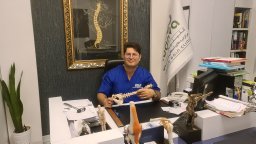 Seyed ahmad Raeissadat合作论文数Shahid Modarres Hospital, Shahid Beheshti University of Medical Sciences51
 Mohammad Hasan Bahrami合作论文数Physical Medicine &Shohada Hospital, Shahid Beheshti University of Medical Sciences;Shohada Hospital, Shahid Beheshti University of Medical Sciences41
 Marzieh Babaee合作论文数Physical Medicine and Rehabilitation Department, Shahid Beheshti University of Medical Sciences21
 Leyla Sedighipour合作论文数Immunology, Asthma and Allergy Research Institute, Tehran University of Medical Sciences17
 Dariush Eliaspour合作论文数Physical Medicine and Rehabilitation Research Center, Shahid Beheshti Medical University15
 Moradi-Joo Mohammad合作论文数Cancer Research Center, Shahid Beheshti University of Medical Sciences8Raeissadat SA合作论文数7
 Shahram Rahimi-Dehgolan合作论文数Neurology Department, Tehran University of Medical Sciences7
 Masume Bayat合作论文数Faculty of Medicine, Shahid Beheshti University of Medical Sciences7Elham Ghorbani合作论文数5Kargozar Elham合作论文数Shohada-e-Tajrish Medical Center, Shahid Beheshti University of Medical Sciences5
 Valaei Naser合作论文数Craniomaxillofacial Research Center and Department of Oral and Maxillofacial Surgery, Azad University of Medical Sciences5
 Mahdi Baghbani合作论文数4masoumeh bayat合作论文数4S. Rahimi Dehgolan合作论文数4Saeed Heidari合作论文数4
 Morteza Sanei Taheri合作论文数4Maryam Seyed-Nezhad合作论文数Dept Hlth Management & Econ, Univ Tehran Med Sci4
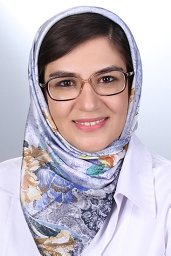 Elnaz Tabibian合作论文数Neurology Department, Tehran University of Medical Sciences4
 Farshad Nouri合作论文数4Mohammadreza Razzaghi合作论文数3
 Azadeh Gharooee Ahangar合作论文数3dariush elyas pour合作论文数3
 Fateme Hojjati合作论文数3
 Elham Loni合作论文数3
 Nafisseh Jafarian合作论文数3
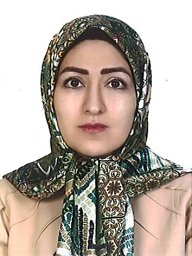 Najmeh Sadat Boland Nazar合作论文数Imam Khomeini Hosp, Univ Tehran Med Sci3
 Amirhossein Rahavian合作论文数Yazd Reproductive Sciences Institute, Shahid Sadoughi University of Medical Sciences3
 Allameh Farzad合作论文数3
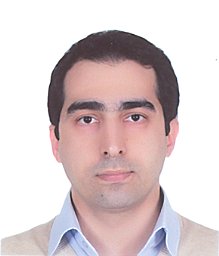 Babaei-Ghazani Arash合作论文数Department of Physical Medicine and Rehabilitation, Iran University of Medical Sciences3
 Karimzadeh Afshin合作论文数Laser applications in Medical Sciences Research Center, Shahid Beheshti University of Medical Sciences3Payami Sara合作论文数3
 Atefeh Javadi合作论文数Alzahra University, Keele University3m sanei taheri合作论文数2Rosa Rahimi合作论文数2
 Hossein Hassanabadi合作论文数2Pegah Yavari合作论文数2M Moridnia合作论文数2leyla anghouti合作论文数2elyaspour darioush合作论文数2Parviz Mojgani合作论文数2Reza Soleimani合作论文数Dept Radiol, Kerman Univ Med Sci2mohammad reza nikou合作论文数2
 Amin Azhari合作论文数Orthoped Res Ctr, Mashhad Univ Med Sci2
 Zahra Razzaghi合作论文数Laser Application in Medical Sciences Research Center, Shahid Beheshti University of Medical Sciences2Amirreza Abedi合作论文数2Samadi B合作论文数2
 Parvaneh Karimzadeh合作论文数Pediatric Neurology Research Center, SBMU2Miryounesi Mohammad合作论文数2




