Introduction: Universities play a significant and determining role in many aspects of the contemporary world and must move closer to their proper position by assigning missions correctly. This study was conducted to present examples of mission differentiation in medical universities.Methods: This descriptive phenomenology study was conducted with 10 experts with experience in academic differentiation. Participants in this study were selected through purposive sampling. Data were collected via semi-structured interviews (30 to 70 minutes). The Colaizzi method was used for data analysis. Methods for determining the accuracy and validity of the findings included consideration of credibility, confirmability, and transferability.Findings: The differentiation of the mission of universities of medical sciences was obtained in 5 dimensions including academic education, service provision, research, knowledge management, and social service.Conclusion: Operationalizing differentiation in the academic functional domain of universities of medical sciences is important because it improves quality across all areas of higher education and, consequently, enhances the ranking of Iranian universities in international rankings. There is no general or magical formula for building a world-class university. National contexts and institutional models differ significantly. Therefore, each country must select a strategy from various paths based on its strengths and resources.
The occurrence of the twelve-day warfare in Iran and its resultant damages and outcomes on medical science education, compounded by a complex and unique set of economic (sanctions), social, and cultural conditions, prompted researchers to develop a macro-framework. Drawing on global evidence and employing a systems model approach, this framework aims to analyze and enhance the resilience of the higher health education system against potential hybrid warfare, with an emphasis on the role of macro-regional medical science planning areas. Consequently, based on the formulated strategies, policy solutions and recommendations were proposed at the level of macro planning regions and across short-, medium-, and long-term timescales. These proposals target four key subsystems: human resources; technology and infrastructure; management and organization; and the external environment impacting educational processes. Design and activation of a comprehensive program for empowering human resource resilience and robustness, implementation of a psychosocial rehabilitation program for human resources, design and implementation of a comprehensive passive defense program for educational infrastructure, establishing and deploying an emergency educational and clinical service continuity system, designing and activating an education command unit, and establishing and designing a network of the strategic partners were the most important policy implications derived from this study’s results. This comprehensive set of programs is designed to serve as a robust framework for strengthening the resilience and robustness of medical science education under hybrid warfare conditions.
Background: Higher education plays a crucial role in economic, social, and cultural development, but it is facing a range of challenges, including globalization, highly competitive world, as well as the rapid development and application of technology. These challenges also arise and affect the health sector. It is essential to address the aims of education, as not only it reflects the cultural, social, and political philosophy of a country but also express the most important values that govern that society. Objectives: The main objective of this study is to identify and categorize the types of aims mentioned for the higher educational systems and explore their significance as well as the existing approaches used to determine aims within the higher education system. Methods: A narrative review was used to examine the available evidence on the aims of education. The study’s objectives were divided into several sections to address following questions: a) What are the various types of educational aims? b) In what ways are aims demonstrated or realized within the realm of higher education? c) What is the connection between aims and the educational objectives in contemporary education systems? In this regard, we examined research papers and the governmental documents of educational systems. Results: The aims of higher education could be categorized into four key areas: intellectual achievement, individual growth and development, social growth and socialization, and economic competition. Conclusion: To thrive in the third millennium, it is imperative for higher education systems to establish clear and transparent aims that can effectively address the challenges they currently face. Thus, it is crucial to comprehend the relationship between these concepts and factors, and define a desired aim based on local values in every education system.
INTRODUCTION:Countries, especially developing countries, are prone to economic crises, which are the consequences of various crises, including pandemics, climate crises, armed conflicts and migration. Therefore, policy-makers need a guiding framework for policy-making against the economic crisis that contributes to health system resilience. This study aimed to provide a holistic framework that guides health system policies before or during an economic crisis. METHOD:The study utilized the best-fit framework synthesis to enhance and adapt the Resilience Analysis Meta-Framework (RAMF) in the context of an economic crisis. The study analysed and compared the experiences of three high-income countries and three low-middle-income countries with the greatest diversity in terms of their context, shocks that caused the economic crises and their responses to them. The framework was expanded and adjusted on the basis of the adopted policies in the context of the economic crisis. RESULTS:The adapted RAMF provides a holistic framework which shows the priority and relationships of various policy alternatives in each health system building block. This framework can be used as a guide to analyse any policy solution against the economic crisis by considering its necessary antecedent policies and consequence policies in other health system building blocks. CONCLUSIONS:Awareness in a health system via adapting appropriate cost control policies and governance structure can contribute to evidence-based cost control in all health system building blocks and need-based financing, drug and medical equipment procurement, human resource planning and service provision.
BACKGROUND:Different countries have varying dental specialities, shaped by diverse factors. The determinants influencing the development of these specialities differ between developed and developing countries. This study aimed to explore the factors contributing to the establishment of dental specialities in Iran, a developing country with a wide range of recognised dental specialities. METHODS:A qualitative case study was carried out, involving the review of 25 in-depth interviews and 47 documents. The data were organised using Atlas.ti (version 7.57) software and analysed through content analysis. This process included transcribing the interviews, identifying meaning units, abstracting content, categorising codes, and developing themes. RESULTS:The results identified three key factors influencing the development of dental specialities in Iran: stakeholders, contextual factors, and the specialisation process. Stakeholders encompass influential figures such as abroad-trained specialists, the government, the Ministry of Health and Medical Education, and scientific associations, along with their position, perceptions, and power. Contextual factors include cultural norms, sociopolitical relationships, political shifts, economic conditions, and academic disciplines. The process of establishing new dental specialities revealed several gaps, including the absence of formal needs assessments, advocacy plans, career planning, effective partnerships, and adequate evaluation mechanisms. CONCLUSION:Contextual factors have played a crucial role in shaping dental specialisation in Iran, driving the formation of ideas in this field. Key players, including dentists trained abroad, have significantly influenced this process, often motivated by the desire to mirror practices in other countries. However, it did not address the specific oral health needs of the Iranian population. Due to limited awareness and the cost disparity between specialised and general services, there has been little public demand for dental specialisation. However, the process of establishing these specialities faces significant gaps that need to be addressed.
Background:Economic sanction is a planned action by one or more governments to limit economic, commercial, and/or financial relations to exert pressure on the target country. Information about the impact of sanctions on social capital within Iranian society is scarce. Therefore, this study investigated how an economic crisis affects social capital in medical education. Methods:This qualitative study involved conventional content analysis. Faculty members or employees with notable work experience in education in universities of medical sciences constituted the population of this study. Participants were purposefully selected and invited to be interviewed. Semi-structured, in-depth interviews were used to collect the data. Eleven interviews were conducted in person, while 2 were conducted remotely via WhatsApp. Data were analyzed using the Graneheim and Lundman method. Results:Out of a total of 13 interviews analyzed, 161 initial codes were extracted. After removing similar codes and merging the remaining codes, 17 codes remained. Continuous comparison of these 17 codes led to the emergence of 3 subcategories: (1) Damage to ethics, human dignity, human values, and human principles; (2) Reduction of the genetic resources of intelligence and genius; and (3) Damage to human resources and human infrastructure. Finally, we merged these subcategories into 1 category, which we called Damage to Social Capital. Conclusion:Economic crises or sanctions will unavoidably damage medical science universities' social capital. Creating an ethical charter and using it as the basis for human resource training is advised.
Introduction: The aims of education in any educational system reflect the essence of that system. Given that aims are in line with the fundamental purposes of education, they can determine the goals and objectives of institutions, curricula, or preparing learners for personal and civic life in the formal education system. The formal education system plays a significant role in the socialization process of individuals on one hand and reflects the values prevailing in society on the other hand. Accordingly, it seems important to address the aims of education, interpretation, and promotion. This study deals with the comparative study of the aims of health higher education systems in four Islamic countries. It is of note that Iran is the only country whose higher education system is separate from the health higher education system. As such, what has been stated as the aim in the higher education systems of other countries can be applied to their health higher education system as well. Methods: In this comparative study the required information was extracted from the documents and articles that reviewed the education policies and analyzed them based on the four steps of Bredey’s model: description, interpretation, juxtaposition and comparison. The selected countries were Iran, Pakistan, Turkey and Malaysia. Results: The gathered data were firstly classified and compared at two individual and community levels in six areas of cognitive, psychological, moral, spiritual, social and economic aims and finally as an operational matrix to formulate the aims of the education system in 6 areas and two individual and social levels. Conclusion: Analyzing the aims of education puts different policies adopted for education the planners and provides the possibility to make more effective decisions according to the education system of the country and its needs. This study by examining the aims of the educational system of four Islamic countries, explained and classified the aims governing the health higher education system of the countries.
Background: Synthesis studies are used for the retrieval, review, synthesis, analysis, and integration of the findings of original studies. The purpose of this review was to shed more light on how meta-ethnography works as a method of inductive and interpretative knowledge synthesis, and on its application and implementation in medical sciences.Methods: This was a narrative review study and the statistical population included all scholarly publications on the synthesis of qualitative studies and meta-ethnography published from 1998 to 2022. The search in international and domestic databases led to the extraction of 118 books and articles. After reviewing the titles, abstracts, and full texts of these publications, we included 2 books and 8 articles in the review.Results: Meta-ethnography is used for synthesizing the knowledge obtained from qualitative studies to re-conceptualize their findings. There are seven phases in the process of meta-ethnography: Getting started; Deciding on what is of initial interest; Reading the studies; Determining how the studies are related; Translating the studies to each other; Synthesizing the translations; and expressing the synthesis. The number of studies required to perform meta-ethnography has been recently suggested to be 40. Strategies for updating meta-ethnography include repeating the previous strategy and reformulating the strategy according to a new objective, a revised review question, or new inclusion criteria.Conclusion: Noblit and Hare introduced meta-ethnography in 1988 as a qualitative research method for the synthesis of educational ethnographies. Today, it is widely used in healthcare research.
PurposeMedical education requires competent faculty members with the ability to create change in medical education. The focus on teacher competency are emerged as the results of medical education movements toward learner competency. The purpose of this study was to identify medical faculties competencies in their main roles and to provide a competency framework.MethodThe integrative review approach was utilized for identifying competencies and expert opinions was conducted to assigned competencies to roles and academic ranks. The search strategies were conducted in online databases including PubMed, Scopus, WOS and Eric to detect studies published from May 2003 to May 2023.ResultsThe identified competencies were classified to four themes including (1) essential personal competencies, (2) technical/functional competencies, (3) enabling competencies, and (4) meta-competencies.ConclusionAccording to the results, a competency framework was proposed which is a valuable tool for various important decisions related to faculty, such as promotions and tenurship.
BackgroundThe use of research evidence in policy making is a complex and challenging process that has a long history in various fields, especially in healthcare. Different terms and concepts have been used to describe the relationship between research and policy, but they often lack clarity and consensus. To address this gap, several strategies and models have been proposed to facilitate evidence informed policy making and to identify the key factors and mechanisms involved. This study aims to critically review the existing models of evidence informed policy making (EIPM) in healthcare and to assess their strengths and limitations.MethodA systematic search and review conducted to identify and critically assess EIPM models in healthcare. We searched PubMed, Web of Science and Scopus databases as major electronic databases and applied predefined inclusion criteria to select the models. We also checked the citations of the included models to find other scholars’ perspectives. Each model was described and critiqued each model in detail and discussed their features and limitations.ResultNine models of EIPM in healthcare were identified. While models had some strengths in comprehension, flexibility and theoretical foundations, analysis also identified limitations including: presupposing rational policymaking; lacking alternatives for time-sensitive situations; not capturing policy complexity; neglecting unintended effects; limited context considerations; inadequate complexity concepts; limited collaboration guidance; and unspecified evidence adaptations.ConclusionThe reviewed models provide useful frameworks for EIPM but need further improvement to address their limitations. Concepts from sociology of knowledge, change theory and complexity science can enrich the models. Future EIPM models should better account for the complexity of research-policy relationships and provide tailored strategies based on the policy context.
Background:One of the approaches to health workforce planning is supply-based. It has been emphasized that countries should model health workforce based on evidence and their context. The objective of this study is to "design a supply health workforce planning model for specialty and subspecialty in Iran." Methods:This is a study using Walker and Avant's (2018) theory synthesis framework to construct the model. This method has three steps. According to the viewpoint of the research team and the needs of the country, the focal concept is determined. Then, a literature review was done to determine related factors and their relationships. In the third step, according to the review, the viewpoint of the research team, the rationale of the connection between components, and the graphic model were presented. Results:"Supply" was selected as the focal concept. In the literature review, 42 components were obtained from the systematic review, 43 components obtained from the study of other texts were combined with the opinion of the research team about the field of Iran, and the connections between them were determined. In the third step, the supply model was designed using the Stock and Flow method. Finally, by applying the "functional full-time coefficient", the number of full-time equivalent physicians was calculated. Conclusion:The presented model is an evidence-based model that follows stock and flow design. Stock is the number of specialties or subspecialties that exist in the labor market. Flow includes inflow and outflow according to the educational pathway in the context of Iran.
Background:Evidence-informed policymaking is a complex process that requires adapting to diverse contexts characterized by varying degrees of certainty and agreement. Existing models and frameworks often lack clear guidance for dealing with such contexts. This study aimed to develop a novel contingency model to guide the context-specific use of evidence in health policymaking. Methods:The study conducted a meta-ethnographic synthesis of 15 existing models and frameworks on evidence-informed policymaking, integrating key factors and concepts influencing the use of evidence in policy decisions. The study also adapted the Stacey Matrix, a tool for understanding the complexity of decision-making, into a quantitative scoring system to assess the levels of certainty and agreement in a given policy context. Results:The study proposed a contingency model that delineates seven modes of decision-making based on the dimensions of certainty and agreement, ranging from rational to molasses-slow collective. For each mode, the model suggests configuring four aspects: team composition, policy idea generation, problem analysis, and consensus building. The model also highlights the multifaceted influences of evidence, interests, values, and beliefs on policy decisions. Conclusion:The contingency model offers researchers and policymakers a flexible framework for aligning policymaking processes with available evidence. The model also underscores the importance of context-specific approaches to evidence-informed policymaking. The model could enhance evidence-informed policymaking capacity, improving health outcomes and system performance. Further research should validate and extend the model empirically across diverse contexts.
Objectives: This review aims to investigate the impact of economic sanctions, as a form of economic crisis, on medical education. Methods: This research is a review of studies published between 1995 and 2023. A search was conducted in electronic sources, databases, and information repositories. The initial search yielded 313 articles. In the first screening, which involved examining the titles, 173 unrelated articles were removed, leaving 158 articles for the abstract screening stage. During this stage, 95 unrelated articles were excluded, and after accessing and reviewing the full text of the remaining 63 articles, 35 were deemed eligible for review. Results: Economic sanctions are defined as restrictions imposed by one country on the international trade and investment of another to force a policy change. Academic and research systems are often overlooked areas that are severely impacted by sanctions. In Sudan, for example, sanctions led foreign organizations to refrain from cooperating with academics in the country, particularly regarding the publication of articles. Importantly, the negative effects of economic sanctions on education cannot be easily remedied, even long after the sanctions are lifted. Conclusions: The effects of sanctions on education and health have been proven in many countries, including Sudan, Haiti, Zimbabwe, and Iraq. There is an urgent need to specifically focus on the consequences of sanctions on medical education above all other aspects.
Background: Community-related medical education has been defined under various terms, such as community-oriented medical education, community-based medical education, social accountability education, and community-engaged medical education. These terms have similar definitions and can be used interchangeably. The graduation of physicians who are familiar with the problems of the community is considered a necessity in modern medical education. As a result, numerous activities have been carried out worldwide, each given a different name.Objectives: This study intended to provide a more comprehensive classification of community-related medical education by examining the maximum number of educational programs and activities worldwide. The classification helps create a scientific and systematic view of this category and serves as a guide in planning and implementing such education.Methods: The present study is conducted using Carnwell and Daly's critical review method. The review was performed in different stages, including defining the review scope, identifying sources, reviewing, and constructing the texts. By reviewing documents and examining their similarities and differences, previous classifications are complete and updated.Results: Community-related medical schools are divided into socially responsible, socially responsive, and socially accountable schools, with medical curricula that are community-oriented, community-based, and community-engaged, respectively. All schools are subdivided into education, research, and service-oriented programs.Conclusion: Community-related educational programs can be designed and implemented at different levels according to the context.
BACKGROUND: Higher-order thinking (HOT) is widely recognized as an essential objective of health profession education (HPE). Based on Lipman's three-dimensional model of thinking, we investigated strategies for the development of HOT including critical thinking (CT), creative thinking, and caring thinking in HPE in three consecutive studies. Fostering students' CT is regarded as an outcome of HPE. However, there is the limited level of consensus on educational interventions for CT development. In view of some of the controversies surrounding the development of CT skills and dispositions in HPE, the aim of this study was to determine educational interventions affecting CT development in HPE. MATERIALS AND METHOD: This study employed the best-fit framework synthesis design. The frameworks recommended by Abrami et al . were used as a basis for the synthesis. The priori themes were extracted from the selected best-fit frameworks. Then, Google Scholar, PubMed, SID, and ProQuest databases were searched for the literature related to the development of CT skills and dispositions in HPE students. Derived data from the HPE literature were coded against the priori themes , extracted from the best-fit frameworks. Interpretation and restructuring of the new themes derived from HPE literature, and the preexisting priori themes resulted in the final framework of the interventions affecting CT development in HPE students. RESULTS: The themes extracted from the HPE studies (including reflection, discussion, simulation, role-playing, questioning, and explicit expression of CT goals in curriculum) were similar to the a priori themes derived from the studies by Abrami et al . The new themes of experiential learning, art-based learning, argument mapping, concept mapping, and creating appropriate educational atmosphere were obtained by constant comparison of the data among the studies. CONCLUSION: The comprehensive framework of CT development methods provides a toolkit for medical educators. According to the results of the current study, the mixed approach, where CT is taught as an independent track, along with the discipline-specific CT development, seems to be more effective, compared to the immersion approach. Creating learning moments in the context of practice through experiential learning is noteworthy in the development of CT skills and dispositions. Further research is needed to evaluate the efficacy of the newly developed strategies, such as art-based learning and concept mapping.
Introduction:Proper transfer of professional values is an essential part of medical education. Real-life experiences in the educational process are one of the most effective methods for achieving values and assisting students in developing their value framework. This study aimed to develop and characterize the concept of value-rich exposures in medical education to bring this concept closer to the practice.Methods:In order to perform the synthesis, according to Walker and Avant, a combination of hermeneutic phenomenological method and literature review was used. At first, researchers characterized the concept of value-rich exposures based on the lived experiences of medical students who had participated in a program based on value-rich exposures at Shahid Beheshti University of Medical Sciences in Iran. After that, the literature was reviewed using an integrative review approach. Then we looked at the similarities and differences between the results of the interviews and the literature review and chose the best word to name the themes and subthemes. Finally, to describe the concept of value-rich exposures in medical education, we created a conceptual matrix.Results:We defined the concept of value-rich exposure in medical education under five themes while implementing the steps of Walker and Avant's concept synthesis: probing self-inner values, value-rich program, value mentor, value-rich interactions, and value-rich environment. The elements and relationships of the themes were depicted in the form of a conceptual matrix.Conclusions:A value-rich exposure is a type of lived experience that occurs during a student's professional life, a necessity that, with proper planning, can play an important role in shaping medical students' professional identities. A preprint of this study was published at . DOI: .
Background: To date, there is still no uniformity in forecasting models for health workforce planning (HWFP). Different countries use various HWFP models, some of which are context-specific. The objective of this systematic review is to determine approaches and components of HWFP models.Methods: A systematic review of studies published in English and Persian between 2004 and 2021 was performed by searching PubMed Central, MEDLINE, Web of Science, Scopus, Eric, and Elmnet databases. Articles that assessed HWFP models, focused on health service delivery, used input-output models, and a clear formulation process were included. Articles that scored ≥20 points on the “strengthening the reporting of observational studies in epidemiology” checklist were considered of acceptable quality for inclusion.Results: Twenty articles were included for qualitative synthesis based on the inclusion and exclusion criteria. Most studies used the mixed method approach “supply and demand”, whereas target- and needs-based approaches were used less frequently. The number of components used to estimate supply, demand, needs, and targets were 42, 32, 11, and 6, respectively. In addition, several unique factors used in the various HWFP models were identified.Conclusion: Different approaches are used in HWFP models, which is indicative of the lack of consensus on this topic. High diversity in the identified factors is related to the approach used and the context in which the model is applied.
Context: The recent growth of research and the vast amount of knowledge available highlight the necessity for synthesizing existing research in a reliable and high-quality manner. The substantial body of qualitative meta-synthesis studies on chronic diseases indicates the need for a deeper understanding of this methodology. Therefore, the purpose of this paper was to explain the process of meta-synthesis in qualitative research. Methods: This was a narrative review with predefined inclusion and exclusion criteria, followed by a web search using relevant keywords. Initially, 980 relevant articles were selected. Subsequently, the titles, abstracts, and full texts were assessed for eligibility using the Critical Appraisal Skills Program checklist. Finally, 21 articles were included in this study. Results: Various approaches have been adopted to address the meta-synthesis of qualitative studies. Common types of qualitative meta-synthesis include meta-narrative, critical interpretive synthesis, meta-study, meta-ethnography, grounded formal theory, thematic synthesis, textual narrative synthesis, framework synthesis, and ecological triangulation. However, concerning chronic diseases, the most commonly used methods were ethnography and Sandelowski and Barroso’s method. Conclusions: Meta-synthesis is a method for integrating the results of studies, re-understanding the findings, and ultimately interpreting them to generate new insights beyond what is obtained from individual studies. Given the extensive body of qualitative research on chronic diseases, it is recommended to conduct this type of research to develop new knowledge based on the findings of previous studies.
BACKGROUND:The migration of health professionals from Low- and Middle-Income Countries (LMICs) to High-Income countries (HICs) is an ongoing phenomenon that has been accelerating with globalisation. While there has been growing research around the migration of physicians and nurses, there is less understanding of the motives surrounding the migration of dentists, and even less about their migration from specific countries. OBJECTIVES:This qualitative study explores the migration motivations of Iranian dentists who have moved to Canada. METHODS:Semi-structured interviews of 18 Iranian-trained dentists in Canada were conducted to obtain information about their motives for migration. Interviews were coded and categorised into themes using qualitative thematic analysis. RESULTS:Motivations to migrate were grouped into four analytical areas: socio-political; economic; professional; and personal. An inverse relationship was identified between the strongest motives to migrate and the topics respondents were least comfortable discussing. Socio-political-related motives were predominant with respondents focusing on their dissatisfaction with the social ethos and restrictions on personal freedom within Iran. CONCLUSION:Country-specific context is critical to fully understand health professional migration; in particular, the dynamics and interplay between socio-political, economic, and professional/personal factors within the home country. While Iranian dentists' motives to migrate have some similarities to other health professionals who migrated from Iran, and dentists from other countries, differences need to be considered to fully understand migration patterns.
Context: Universities are among the best places to foster innovation and provide services, as they are in close contact with clients. In order to offer the best possible services, they need to be innovative in their respective fields. Service innovation is widely recognized as one of the three strategic research priorities of service institutions. Given the vast number and types of services available, various models are adopted to achieve this goal. Evidence Acquisition: This article aims to provide a critical review of the available service innovation models and propose a comprehensive service innovation model. To achieve this objective, relevant keywords were used to conduct a literature search in databases. Initially, 1504 studies were obtained, and after a screening process, only 10 studies that were most relevant to the study's purpose were selected. Results: The model proposed in this study is an integrated form of service innovation models, encompassing the process, dimensions, required infrastructures, capabilities, and the types and outcomes of service innovation, which are discussed separately in other models. Conclusions: Service innovation is a complex and resource-intensive activity with potential long-term benefits for firms in both service and manufacturing industries. If a service company aims to establish a more sustainable strategic position based on innovation, it should examine its management process for physical, organizational, and intellectual resources.
 Leila Afshar合作论文数Shiraz University of Medical Sciences in Iran, Tehran University of Medical Sciences24
 Ahmady Soleiman合作论文数School of Medical Education, Shaheed Beheshti University of Medical Science19
 Mohammad-Pooyan Jadidfard合作论文数13
 Maryam Akbarilakeh合作论文数School of Medicine, Iran University of Medical Sciences11
 Peigham Heidarpoor合作论文数Shiraz Medical School, Shiraz University of Medical Sciences11
 Fakhrolsadat Hosseini合作论文数Virtual Sch Med Educ & Management, Shahid Beheshti Univ Med Sci10Lida Shams合作论文数8
 Maryam Hoseini Abardeh合作论文数Strategic Analysis8
 M.H. Khoshnevisan合作论文数8Zohreh Khoshgoftar合作论文数8
 Hosseini Mohammad Ali合作论文数UTS, University of Social Welfare and Rehabilitation Sciences7
 Sareh Shakerian合作论文数School of Medical Education, Shahid Beheshti University of Medical Sciences and Health Services7
 Nasiri Taha合作论文数Health Management Research Center, Baqiyatallah University of Medical Sciences7
 Mohammad Pakravan合作论文数Labbafinejad Medical Center, Shaheed Beheshti Medical University6Salimeh Khalili Azandehi合作论文数5
 Sedigheh Momeni合作论文数Faculty of Medicine, Kurdistan University of Medical Sciences5
 Somayeh Akbari Farmad合作论文数Dept Med Educ, Shahid Beheshti Univ Med Sci5
 Zeynab Foroughi合作论文数Sch Hlth Management & Informat Sci, Iran Univ Med Sci5
 Arash Rashidian合作论文数Department of Pharmacoeconomics & Pharmaceutical Management, School of Pharmacy, Tehran University of Medical Sciences;Department of Health Management and Economics, Tehran University of Medical Sciences5Maliheh Arab合作论文数Imam Hossein Teaching Hospital, Shaheed Beheshti University of Medical Sciences5
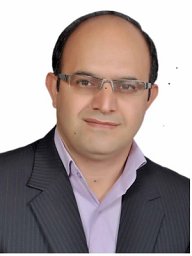 Ghorbani Ali Asghar合作论文数Deputy of Education, Mazandaran University of Medical Sciences5
 Leila Sadati合作论文数Faculty of Para Medicine, Operating Group, Alborz University of Medical Sciences;Minimally Invasive Surgery Research Center, Tehran University of Medical Sciences;Alborz University of Medical Sciences, Tehran University of Medical Sciences5Syed Abbas Foroutan合作论文数4Seyed Abbas Foroutan合作论文数4
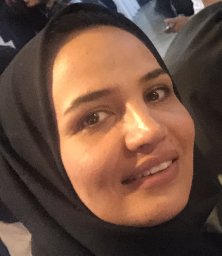 Hakimeh Sabeghi合作论文数4
 Sediqe Shafiei合作论文数4
 Azita Yadollahi合作论文数Sch Managenent & Med Educ Sci, Shahid Beheshti Univ Med Sci4
 Arezou Farajpour合作论文数Mashhad Med Sci, Islamic Azad Univ4
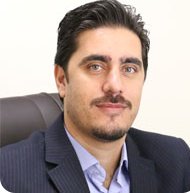 Majid Heydari合作论文数PhD in Health Policy, National Agency for Strategic Reassert in Medical Education4
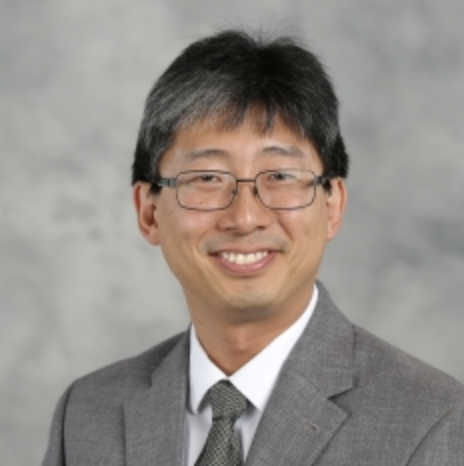 Paul Chung合作论文数Department of Health Policy and Management Faculty, Fielding School of Public Health, University of California, Los Angeles4
 Zafarmand A Hamid合作论文数M.C. School of Dentistry, Shahid Beheshti University M.C.4
 Yaseri Mehdi合作论文数Dept Epidemiol & Biostat, Univ Tehran Med Sci4
 Arezoo - Ebn Ahmady合作论文数Community Oral Health Department, Shahid Beheshti Medical University4
 Karimi Moonaghi Hossein合作论文数Department of Med-Surg, University of Medical Sciences4
 Haji Ahmadi Maryam合作论文数Virtual School of Medicine, Tehran University of Medical Sciences4
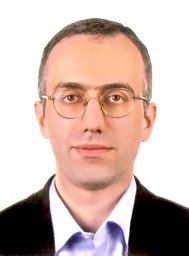 Kazemian Ali合作论文数School of Dentistry, Shahid Beheshti University of Medical Sciences;School of Dentistry, Shahid Beheshti University of Medical Sciences4
 Mohammad Maleki合作论文数4Minoo Yaghmaei合作论文数School of Medicine, Zahedan University of Medical Sciences4
 Abolghasem Amini合作论文数Educational Development Center (EDC),, Tabriz University of Medical Sciences;Medicine Department, Tabriz University of Medical Sciences4Nasim Gheshlaghi Azar合作论文数3karbord aliasghar合作论文数3Marzieh Dashti Rahmatabadi合作论文数National Agency for Strategic Research in Medical Education (NASR)3Malahat Nikravan Mofrad合作论文数Dept Med Surg Nursing, Shahid Beheshti Univ Med Sci3
 Mohammadreza Abdolmaleki合作论文数Faculty of Medicine, Kurdestan University of Medical Sciences3
 Sara Shafian合作论文数Education Development Center, Kerman University of Medical Sciences3
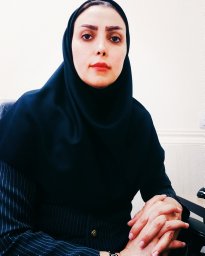 Somaieh Bosak合作论文数Dezful University of Medical Sciences3
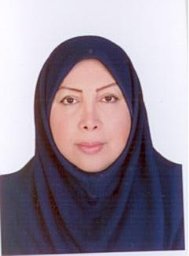 Farin Tatari合作论文数3
 Parvin Ebrahimi合作论文数Sch Hlth Management & Informat Sci, Iran Univ Med Sci3
 Simin Esmaeilpour Zanjani合作论文数Tehran Med Sci, Islamic Azad Univ3




