Plant and microbial residues are two main sources of soil organic carbon (SOC). While recent studies have extensively examined the distribution of microbial necromass in different ecosystems, how plant residues (in particular, non-lignin components) contribute to SOC accumulation is less clear, especially in forests which make up 50% of the global soil carbon storage. Filling this knowledge gap will help us better understand SOC accumulation patterns and their response to land-use changes. Here, we analyze plant- and microbial-derived biomarkers (including lignin phenols, amino sugars, free and hydrolysable lipids) in the topsoil of major forest types in China and compare their distribution patterns together with the existing data (for lignin phenols and amino sugars) in forests and grasslands distributed globally. At the global scale, forests contain significantly less microbial necromass in SOC compared with grasslands, suggesting higher contribution of plant-derived components to forest SOC. However, plant-derived lignin phenols do not seem to play a major role in SOC accumulation, given their negative relationship with SOC contents. Instead, leaf- and root-derived hydrolysable lipids constitute a much higher proportion of SOC than lignin phenols in the investigated forests of China, even compared to grassland soils. Moreover, in contrast to lignin phenols, both SOC contents and the relative abundance of hydrolysable plant lipids in SOC increase with decreasing soil pH, increasing reactive iron and aluminum contents and with increasing lignin oxidation (indicated by acid-to-aldehyde ratios) in these forest soils. These results suggest that with increasing lignin decomposition, plant lipids and SOC accumulated via (oxyhydr)oxide protection. Collectively, our results demonstrate differential importance of plant-derived components in SOC accumulation in forests versus grasslands and highlight that plant lipids play a more important part than lignin in forest SOC accumulation. Quantitative investigations on the distribution of plant-derived lipids in addition to lignin in forest soils may help to elucidate pathways and hotspots of plant component-dominated SOC accrual.
Plant species richness (PSR) is known to affect soil organic carbon (SOC) storage. However, due to the complex origin and composition of SOC, mechanisms driving the PSR-SOC relationship are not yet fully revealed, hampering an accurate prediction of SOC dynamics under changing plant diversity. Here we investigate the effect of PSR on SOC accumulation along a natural PSR and stand age gradient in a subtropical forest with plot, litter and soil properties being considered. Biomarkers and soil fractionation are used to delineate plant and microbial components of SOC and their influences on the PSR-SOC relationship in the topsoil (0-10 cm) versus subsoil (30-40 cm). We show that PSR does positively affect SOC concentrations at both depths even after considering the effects of substrate, edaphic properties and stand age. However, the PSR-SOC relationship is driven by different pathways in the topsoil versus subsoil. In the topsoil, PSR exerts a strong additive effect on SOC accumulation after the positive influence of substrate, edaphic properties and stand age, mainly regulated by plant-derived components (represented by lignin phenols, light fraction and particulate organic matter), followed by microbial residues. By contrast, PSR has a positive effect on the accrual of microbial-derived components (represented by amino sugars and mineral-associated organic matter) but not plant residues likely via affecting dissolved organic matter (DOM) and nitrogen availability in the subsoil (i.e., DOM-microbial pathway). As a result, microbial-derived components dominate SOC variations in the subsoil, while plant-derived components play a more important role in the topsoil. These findings provide novel information on the mechanistic links between PSR and SOC accumulation at different depths and highlight the role of PSR on long-term carbon sink potentials of soils, which may aid in predicting soil carbon dynamics with plant diversity changes in Earth's system model.
Headwater streams drain >70 % of global land areas but are poorly monitored compared with large rivers. The small size and low water buffering capacity of headwater streams may result in a high sensitivity to local hydrological alterations and different carbon transport patterns from large rivers. Furthermore, alpine headwater streams on the “Asian water tower”, i.e., Qinghai–Tibetan Plateau, are heavily affected by thawing of frozen soils in spring as well as monsoonal precipitation in summer, which may present contrasting spatial–temporal variations in carbon transport compared to tropical and temperate streams and strongly influence the export of carbon locked in seasonally frozen soils. To illustrate the unique hydro-biogeochemistry of riverine carbon in Qinghai–Tibetan headwater streams, here we carry out a benchmark investigation on the riverine carbon transport in the Shaliu River (a small alpine river integrating headwater streams) based on annual flux monitoring, sampling at a high spatial resolution in two different seasons and hydrological event monitoring. We show that riverine carbon fluxes in the Shaliu River were dominated by dissolved inorganic carbon, peaking in the summer due to high discharge brought by the monsoon. Combining seasonal sampling along the river and monitoring of soil–river carbon transfer during spring thaw, we also show that both dissolved and particulate forms of riverine carbon increased downstream in the pre-monsoon season due to increasing contribution of organic matter derived from thawed soils along the river. By comparison, riverine carbon fluctuated in the summer, likely associated with sporadic inputs of organic matter supplied by local precipitation events during the monsoon season. Furthermore, using lignin phenol analysis for both riverine organic matter and soils in the basin, we show that the higher acid-to-aldehyde (Ad/Al) ratios of riverine lignin in the monsoon season reflect a larger contribution of topsoil likely via increased surface runoff compared with the pre-monsoon season when soil leachate lignin Ad/Al ratios were closer to those in the subsoil than topsoil solutions. Overall, these findings highlight the unique patterns and strong links of carbon transport in alpine headwater catchments with local hydrological events. Given the projected climate warming on the Qinghai–Tibetan Plateau, thawing of frozen soils and alterations of precipitation regimes may significantly influence the alpine headwater carbon transport, with critical effects on the biogeochemical cycles of the downstream rivers. The alpine headwater catchments may also be utilized as sentinels for climate-induced changes in the hydrological pathways and/or biogeochemistry of the small basin.
Owing to different soil environments and organic carbon sources, soil organic carbon (SOC) composition and preservation mechanisms may vary substantially in deep versus surface soils. This study examines vertical variation of various SOC components (including lignin phenols, cutin, suberin and microbial lipids) across the Chinese-Mongolian grasslands. Lignin phenols and hydrolysable lipids were isolated by cupric oxide oxidation and alkaline hydrolysis, respectively. A comprehensive list of environmental variables was compiled to disentangle influencing factors for the variation of various components at four different depths. Lignin phenols, suberin and microbial lipids were most abundant in the surface soil (0–10 cm). Ratios of cutin to suberin and microbial lipids to lignin phenols (in the alpine grasslands) were higher in the bottom-most soil. Calcium (Ca) rather than iron (Fe) plays an important role in the preservation of cutin and microbial lipids in the bottom soil with a high Ca:Fe ratio and high pH. The incorporation efficiency of suberin was higher in deeper than surface soils and showed an increasing trend with depth in the alpine (but not temperate) grasslands. Compared to surface soils, the incorporation of root-derived carbon into SOC is more efficient in deeper soils due to stronger mineral protection and weaker microbial decomposition. Root-derived carbon is more important for SOC accrual in the alpine than temperate grasslands, especially at depth. These findings reveal differential distribution patterns and preservation mechanisms for SOC components in the surface versus deep soils, providing new information to understand SOC stability at different depths.
Abstract. Headwater streams drain \u003e 70 % of global land areas but are poorly monitored compared with large rivers. The small size and low water buffering capacity of headwater streams may result in a high sensitivity to local hydrological alterations and divergent carbon transport dynamics relative to large rivers. To assess these aspects, here we carry out a benchmark investigation on the riverine carbon dynamics in a typical alpine headwater stream (Shaliu River) on the Qinghai-Tibetan Plateau based on annual flux monitoring, in-depth seasonal sampling and hydrological event monitoring. We show that riverine carbon in the Shaliu River was dominated by dissolved inorganic carbon, peaking in the summer due to high discharge brought by the monsoon. Combining seasonal sampling along the river and monitoring of soil-river carbon transfer during spring thaw, we also show that both dissolved and particulate forms of riverine carbon increased downstream in the pre-monsoon season due to increasing contribution of organic matter derived from thawed permafrost along the river. By comparison, riverine carbon fluctuated in the summer, likely associated with sporadic inputs of organic matter supplied by local precipitation events during the monsoon season. Furthermore, using lignin phenol analysis for both riverine organic matter and soils in the basin, we show that the higher acid-to-aldehyde (Ad / Al) ratios of riverine lignin in the monsoon season reflect a larger contribution of topsoil likely via increased surface runoff compared with the pre-monsoon season when soil leachate lignin Ad / Al ratios were closer to those in the subsoil than topsoil solutions. Overall, these findings highlight the unique patterns and strong links of carbon dynamics in alpine headwater streams with local hydrological events. Given the projected climate warming on the Qinghai-Tibetan Plateau, thawing of seasonal permafrost and alterations of precipitation regimes may significantly influence the alpine headwater carbon dynamics, with cascading effects on the biogeochemical cycles of the watersheds. The alpine headwater streams may also be utilized as sentinels for climate-induced changes in the hydrological pathways and/or biogeochemistry of the small basin.
Double fertilization is a key innovation for the evolutionary success of angiosperms by which the two fertilized female gametes, the egg cell and central cell, generate the embryo and endosperm, respectively. The female gametophyte (embryo sac) enclosed in the sporophyte is derived from a one-celled haploid cell lineage. It undergoes successive events of mitotic divisions, cellularization, and cell specification to give rise to the mature embryo sac, which contains the two female gametes accompanied by two types of accessory cells, namely synergids and antipodals. How the cell fate of the central cell is specified has long been equivocal and is further complicated by the structural diversity of female gametophyte across plant taxa. Here, MADS-box protein AGL80 was verified as a transcriptional repressor that directly suppresses the expression of accessory cell-specific genes to specify the central cell. Further genetic rescue and phylogenetic assay of the AGL80 orthologs revealed a possible conserved mechanism in the Brassicaceae family. Results from this study provide insight into the molecular determination of the second female gamete cell in Brassicaceae.
AimsAs a major plant-derived soil organic carbon (SOC) component, lignin-derived phenolic compounds show varying biogeochemical characteristics compared to plant-derived lipid moieties. Comparing their distribution patterns can provide information on mechanisms governing SOC preservation and dynamics. However, the large-scale distribution pattern and stability of lignin versus plant-derived lipids are still poorly constrained. Here we investigated the distribution of lignin phenols versus plant-derived lipids in the surface soils across the alpine versus temperate grasslands of China and Mongolia.MethodsLignin phenols were isolated by cupric oxide oxidation method and compared with the previously analyzed plant-derived lipids (cutin and suberin). A comprehensive list of environmental variables was compiled to disentangle the climatic, edaphic and vegetation influences on lignin phenols' distribution in the soil.ResultsLignin phenols showed similar SOC-normalized concentrations in the alpine and temperate grassland soils despite a higher plant input to the latter, suggesting better lignin preservation in the cold region. However, compared with plant-derived lipids (cutin and suberin), lignin seems to be less stabilized. The variation of lipid versus lignin components is mainly related to climate (particularly aridity) in the alpine grassland soils, while the relative abundance of plant lipids and lignin phenols is more related to reactive mineral contents in the temperate grassland soils.ConclusionsLignin contributes differentially to SOC accumulation in the alpine and temperate soils: while lignin seems to be better preserved in the cold region, lignin phenols decrease relative to other carbon components with SOC accrual in the temperate region. Overall, lignin distribution and fate may be more sensitive to carbon source variations than temperature shifts in the grasslands.
Wetlands are hot spots for particulate organic matter (POM) supply into rivers, which link the land‐ocean transfer in the global carbon cycle. However, the source, composition, and seasonal variability of POM carried by wetland‐draining rivers are poorly constrained. Here we combine bulk and source‐specific biomarker analyses to investigate the fluvial POM biogeochemistry of the Black and White Rivers draining from the Zoige wetland. We find that POM was dominated by terrestrial organic matter including high‐molecular‐weight (HMW) lipids, branched glycerol dialkyl glycerol tetraethers, and lignin phenols. However, fluvial POM was rich in HMW lipids and poor in lignin phenols compared to the catchment soils, possibly due to hydrodynamic sorting and dissolution processes. While lignin phenol concentrations were higher in the wet season, HMW lipid concentrations were lower. Additionally, lignin phenols increased with total suspended solids, while HMW lipids decrease. These contrasts imply an enhanced input of lignin‐rich particles from soil surface layers in the wet season, diluting HMW lipids. Compared with that in other rivers around the world with a higher forest coverage in the catchment, POM in the Black and White Rivers draining grass‐dominated wetlands had a much higher ratio of HMW fatty acids to lignin phenols. Our results represent a benchmark study highlighting compositional characteristics of fluvial POM exported from the Zoige wetland and the divergent behavior of molecular components during fluvial transfer. Such information is vital for assessing future changes in the Zoige wetland, given its high vulnerability to climatic and land use changes.
The relative contribution of roots versus shoots to soil organic carbon (SOC) is a long‐debated topic related to soil carbon formation and dynamics. However, the variation of root‐ and shoot‐derived carbon in natural soils remains poorly constrained due to limited tools to separate them. Here we overcome the difficulty by analyzing biomarkers for root (suberin) and shoot (cutin) in grassland soils spanning >7,000 km on the Qinghai‐Tibetan and Mongolian Plateaus. Coupled with a comprehensive list of climatic, edaphic, and vegetation variables, we assess their inputs, distribution, and preservation patterns. We find that while suberin was a root‐specific tracer, cutin biomarkers that occurred only in trace amount in roots also had a minor but nonnegligible contribution from belowground sources due to the massive root mass in the alpine grasslands. Both components had higher SOC‐normalized concentrations in the alpine than temperate grasslands, along with a higher preservation percentage against net primary productivity and a lower degradation parameter, suggesting a better preservation of these plant‐derived lipid components in the alpine region. Moreover, while cutin and suberin abundances were affected by plant inputs and other SOC constituents, the root mass normalized incorporation efficiency of suberin was only positively correlated to SOC in both regions with a steeper slope in the alpine grasslands and also negatively correlated to root mass in the alpine soils. These results imply that root carbon incorporation is sensitive to environmental variations in the cold region, suggesting potentially more dynamic alterations to root carbon sequestration with environmental changes.
Chinese grasslands hold a third of the national soil organic carbon (OC) stocks but remain poorly investigated in terms of soil molecular components and their distribution patterns. Such information is important for understanding mechanisms governing grassland soil OC dynamics and its response to global changes. Here employing solvent-extractable compounds as a group of widely used biomarkers, we present a large-scale study on the distribution of different soil OC components (including plant- and microbial-derived carbohydrates and aliphatic and cyclic lipids) in the surface soils of Chinese grasslands, spanning from temperate grasslands in the arid/semiarid regions to alpine grasslands on the Qinghai-Tibetan Plateau. We show that alpine grassland soils are more enriched with carbohydrates and plant-derived compounds relative to the temperate counterparts due to temperature-inhibited decomposition. While plant belowground biomass plays a key role in explaining the spatial variation of compounds in the alpine grasslands, climatic variables do in the temperate region. In particular, aliphatic lipids accumulate with increasing mean annual temperature in the temperate grasslands due to a preferential decay of labile soil OC, whereas they decrease in the alpine grasslands owing to dilution by an enhanced plant input of nonlipid components. Collectively, these results demonstrate different mechanisms governing the distribution of solvent-extractable compounds in grassland soils, with climate-mediated decomposition processes dominating in the temperate grasslands and plant inputs being more important in the alpine region. In the context of climate change, alterations to soil OC input and decomposition processes may have varied impacts on soil carbon cycling in these two regions.
The means through which microbes and plants contribute to soil organic carbon (SOC) accumulation remain elusive due to challenges in disentangling the complex components of SOC. Here we use amino sugars and lignin phenols as tracers for microbial necromass and plant lignin components, respectively, and investigate their distribution in the surface soils across Mongolian grasslands in comparison with published data for other grassland soils of the world. While lignin phenols decrease, amino sugars increase with SOC contents in all examined grassland soils, providing continental-scale evidence for the key role of microbial necromass in SOC accumulation. Moreover, in contrast to clay’s control on amino sugar accumulation in fine-textured soils, aridity plays a central role in amino sugar accrual and lignin decomposition in the coarse-textured Mongolian soils. Hence, aridity shifts may have differential impacts on microbial-mediated SOC accumulation in grassland soils of varied textures.
Combinatorial effects of epigenetic modifications on transcription activity have been proposed as "histone codes". However, it is unclear whether there also exist inter-nucleosomal communications among epigenetic modifications at single nucleosome level, and if so, what functional roles they play. Meanwhile, how clear nucleosome patterns, such as nucleosome phasing and depletion, are formed at functional regions remains an intriguing enigma. To address these questions, we developed a Bayesian network model for interactions among different histone modifications across neighboring nucleosomes, based on the framework of dynamic Bayesian network (DBN). From this model, we found that robust inter-nucleosomal interactions exist around transcription start site (TSS), transcription termination sites (TTS) or around CTCF binding sites; and these inter-nucleosomal interactions are often involved in transcription regulation. In addition to these general principles, DBN also uncovered a novel specific epigenetic interaction between H2A.Z and H4K20me1 on neighboring nucleosomes, involved in nucleosome free region (NFR) and nucleosome phasing establishment or maintenance. The level of negative correlation between neighboring H2A.Z and H4K20me1 strongly correlate with the size of NFR and the strength of nucleosome phasing around TSS. Our study revealed inter-nucleosomal communications as important players in signal propagation, chromatin remodeling and transcription regulation.
Human Cytomegalovirus (hCMV) infects a broad range of the population and establishes life-long latency in the infected individuals. Periodically the latently infected virus can reactivate and becomes a significant cause of morbidity and mortality in immunocompromised individuals. In latent infection, the viral genome is suppressed in a heterochromatic state and viral gene transcription is silenced. Upon reactivation, the repressive chromatin is remodeled to an active form, allowing viral lytic gene transcription, initiated by the expression of viral Immediate Early (IE) genes. During this process, a number of histone modification enzymes, including histone demethylases (HDMs), play important roles in driving IE expression, but the mechanisms involved are not fully understood. To get a better understanding of these mechanisms, we focused on two HDMs, KDM4 and KDM6, which reverse the repressive histone H3-lysine 9 and lysine 27 methylation, respectively. Our studies show that in lytic infection, both demethylases are important in the activation of viral IE gene expression. Simultaneous disruption of both via genetic or chemical methods leads to severely impaired viral IE gene expression and viral replication. Additionally, in an experimental latency-reactivation model in THP-1 cells, the KDM6 family member JMJD3 is induced upon viral reactivation and its knockdown resulted in reduced IE gene transcription. These findings suggest pharmacological inhibition of these HDMs may potentially block hCMV lytic infection and reactivation, and control the viral infection associated diseases, which are of significant unmet medical needs.
As an important biomarker, fatty acids (FAs) have been extensively used to trace the origin of organic matter in sediments and soils. However, studies of the distribution and abundance of FAs in alpine grassland soils are still rare, especially on the Qinghai-Tibetan Plateau (QTP), the highest plateau in the world, which contributes sediments to many large rivers in Asia. This study investigates the composition, distribution and source of FAs with increasing soil depths from 17 typical alpine grassland sites in the QTP. The most abundant FAs included the ubiquitous C16 FA and even-numbered long-chain FAs (C20–C30), indicating mixed inputs from microbial and higher plant sources. Source apportionment showed that higher plants were the dominant contributor of FAs (approximately 40%) in QTP soils. The abundance of FAs decreased with soil depth, with the highest value (1.08±0.09 mg/g OC) at a 0–10 cm depth and the lowest value (0.46±0.12 mg/g OC) at a 50–70 cm depth, due to much lower plant inputs into the deeper horizons. The total concentration of FAs was negatively correlated to the mean annual temperature (MAT; P<0.05) and soil pH (P<0.01), suggesting that the preservation of FAs was favored in low-MAT and low-pH soils on the QTP. The abundance of fresh OC source FAs increased significantly with the mean annual precipitation (MAP; P<0.05), indicating that high MAP facilitates the accumulation of fresh FAs in QTP soils. Other environmental parameters, such as the soil mineral content (aluminum and iron oxide), microbial community composition as well as litter quality and quantity, may also exert a strong control on the preservation of FAs in QTP soils and warrant further research to better understand the mechanisms responsible for the preservation of FAs in QTP soils.
脂肪酸作为一种重要的生物标志物,已被广泛用于沉积物和土壤中有机质来源的示踪.青藏高原是世界上海拔最高的高原,也是亚洲许多大河沉积物的主要源.本研究在青藏高原高寒草地选择17个采样点,采集不同土层深度的土壤样品,通过测定土壤样品中总有机质参数和生物标志物脂肪酸的含量与组成,并结合环境要素(气温、降水和土壤理化性质)数据,阐明了青藏高原高寒草地不同土层深度脂肪酸的组成、来源和分布特征.结果表明:脂肪酸呈双峰型分布,以C 16 和偶碳长链脂肪酸(C 20 C 30 )为主,表明土壤微生物和高等植物的混合输入源.源解析结果显示高等植物对青藏高原土壤中脂肪酸含量的贡献至少达40%.脂肪酸的含量随土层深度增加而降低,最大值为(1.08±0.09)mg/g OC(以OC计)出现在0~10cm层,最小值为(0.46±0.12)mg/g OC出现在50~70cm层,植物组织的输入在深层土壤中急剧减少是导致此现象的主要原因.与环境因子的相关性分析表明,脂肪酸总含量与年平均气温(P<0.05)和土壤p H(P<0.01)呈显著负相关关系,表明低温和低土壤p H更有益于青藏高原土壤中脂肪酸的保存.新鲜有机质来源的脂肪酸含量与年均降水呈显著正相关关系(P<0.05),表明降水有助于新鲜有机质来源的脂肪酸在青藏高原土壤中的累积.此外,其他环境因素,如土壤矿物含量(铁、铝氧化物)、微生物群落组成、枯落物的质量和数量等,对青藏高原土壤中脂肪酸保留所起的作用亟待进一步研究,以便更好理解青藏高原高寒草地土壤中脂肪酸的保留机理.
《中国科学:地球科学》2016年第46卷第6期第756~766页出版的“青藏高原高寒草地土壤中脂肪酸的分布特征”一文中,由于作者粗心,将土壤全碳(C)误写为土壤有机碳(OC),导致文章中部分涉及土壤C的内容需要进行更正,具体更正内容如下:1、将文章中所有“土壤有机碳”更正为“土壤全碳”;2、将文章中所有“OC”更正为“C”,包括表2、图2和图3中涉及到OC处;3、对“3.1土壤总体性质”中的部分内容进行修改,将原文中“TN与OC具有显著正相关关系(r=0.909,P<0.01),表明土壤中OC和TN的来源可能是一致的.土壤中OC/TN的比值会随着植物来源有机质的降解而降低,据报道该值在发育良好的草地为10左右(Otto和Simpson,2005;Feng和Simpson,2007;Zhao等,2014),而本研究中土壤表层30cm范围内OC/TN值在16左右变动.
In flowering plants, sperm cells are delivered to the embryo sac by a pollen tube guided by female signals. Both the gametic and synergid cells contribute to pollen tube attraction. Synergids secrete peptide signals that lure the tube, while the role of the gametic cells is unknown. Previously, we showed that CENTRAL CELL GUIDANCE (CCG) is essential for pollen tube attraction in Arabidopsis thaliana, but the molecular mechanism is unclear. Here, we identified CCG BINDING PROTEIN1 (CBP1) and demonstrated that it interacts with CCG, Mediator subunits, RNA polymerase II (Pol II), and central cell-specific AGAMOUS-like transcription factors. In addition, CCG interacts with TATA-box Binding Protein 1 and Pol II as a TFIIB-like transcription factor. CBP1-knockdown ovules are defective in pollen tube attraction. Expression profiling revealed that cysteine-rich peptide (CRP) transcripts were downregulated in ccg ovules. CCG and CBP1 coregulate a subset of CRPs in the central cell and the synergids, including the attractant LURE1. CBP1 is extensively expressed in multiple vegetative tissues and specifically in the central cell in reproductive growth. We propose that CBP1, via interaction with CCG and the Mediator complex, connects transcription factors and the Pol II machinery to regulate pollen tube attraction.
Adenosine deaminases acting on RNA (ADARs) are involved in adenosine-to-inosine RNA editing and are implicated in development and diseases. Here we observed that ADAR1 deficiency in human embryonic stem cells (hESCs) significantly affected hESC differentiation and neural induction with widespread changes in mRNA and miRNA expression, including upregulation of self-renewal-related miRNAs, such as miR302s. Global editing analyses revealed that ADAR1 editing activity contributes little to the altered miRNA/mRNA expression in ADAR1-deficient hESCs upon neural induction. Genome-wide iCLIP studies identified that ADAR1 binds directly to pri-miRNAs to interfere with miRNA processing by acting as an RNA-binding protein. Importantly, aberrant expression of miRNAs and phenotypes observed in ADAR1-depleted hESCs upon neural differentiation could be reversed by an enzymatically inactive ADAR1 mutant, but not by the RNA-binding-null ADAR1 mutant. These findings reveal that ADAR1, but not its editing activity, is critical for hESC differentiation and neural induction by regulating miRNA biogenesis via direct RNA interaction.
Accurate determination of genome-wide nucleosome positioning can provide important insights into global gene regulation. Here, we describe the development of an improved nucleosome-positioning algorithm-iNPS-which achieves significantly better performance than the widely used NPS package. By determining nucleosome boundaries more precisely and merging or separating shoulder peaks based on local MNase-seq signals, iNPS can unambiguously detect 60% more nucleosomes. The detected nucleosomes display better nucleosome 'widths' and neighbouring centre-centre distance distributions, giving rise to sharper patterns and better phasing of average nucleosome profiles and higher consistency between independent data subsets. In addition to its unique advantage in classifying nucleosomes by shape to reveal their different biological properties, iNPS also achieves higher significance and lower false positive rates than previously published methods. The application of iNPS to T-cell activation data demonstrates a greater ability to facilitate detection of nucleosome repositioning, uncovering additional biological features underlying the activation process.
 Xiaojuan Feng (冯晓娟)合作论文数State Key Laboratory of Vegetation and Environmental Change, Institute of Botany, The Chinese Academy of Sciences;College of Resources and Environment, University of Chinese Academy of Sciences13
 Guohua Dai合作论文数Chinese Acad Sci, Inst Bot, State Key Lab Vegetat & Environm Change, Beijing 100093, Peoples R China11
 Jing-Dong J. Han (韩敬东)合作论文数Peking-Tsinghua Center for Life Sciences, Academy for Advanced Interdisciplinary Studies, Peking University;Center for Quantitative Biology, Peking University8
 Litong Chen (陈立同)合作论文数Northwest Institute of Plateau Biology, Chinese Academy of Sciences;University of Chinese Academy of Sciences7Zongguang Liu合作论文数7
 Jinsheng He (贺金生)合作论文数College of Urban and Environmental Sciences, Peking University;Peking University Institute of Ecology;State Key Laboratory of Herbage Improvement and Grassland Agro-ecosystems, Lanzhou University;College of Pastoral Agriculture Science and Technology, Lanzhou University7
 Tian Ma (马田)合作论文数Shenzhen Institutes of Advanced Technology, Chinese Academy of Science;University of Chinese Academy of Science6
 Yongfei Bai (白永飞)合作论文数Institute of Botany, The Chinese Academy of Sciences;University of Chinese Academy of Sciences5Erxiong Zhu合作论文数5
 Dima Chen (陈迪马)合作论文数中国科学院植物研究所5
 Wei Zhang合作论文数4
 Xiaobo Wang合作论文数Key Lab Forest Ecol & Management, Erguna Forest Steppe Ecotone Res Stn4Simin Wang合作论文数4
 Shilai Bao (鲍时来)合作论文数Institute of Genetics and Developmental Biology, Chinese Academy of Science4
 Xingguo Han (韩兴国)合作论文数State Key Laboratory of Vegetation and Environmental Change, Institute of Botany, Chinese Academy of Sciences;College of Life Sciences, Hebei University;University of Chinese Academy of Sciences4Juntao Zhu (朱军涛)合作论文数4
 Xiaotao Lv (吕晓涛)合作论文数Institute of Applied Ecology, Chinese Academy of Sciences4
 Huyong Zheng (郑胡镛)合作论文数Beijing Children's Hospital, Capital Medical University4
 Yangjian Zhang (张扬建)合作论文数College of Life Sciences, Hebei University;Institute of Geographic Sciences and Natural Resources Research, Chinese Academy of Sciences4
 Kai Xia (夏凯)合作论文数Zhongshan School of Medicine, Sun Yat-sen University4
 Li Yang (杨力)合作论文数Institutes of Biomedical Sciences, Fudan University4Chao Gao合作论文数3Xiao Liu合作论文数Lanzhou Institute of Biological Products Co., Ltd.(Lanzhou Institute of Biological Products Co., Ltd.,Lanzhou Institute of Biological Products Co. Ltd.),Lanzhou,China3Tian CHEN (陈田)合作论文数3
 Xiao-Ou Zhang (张晓鸥)合作论文数School of Life Sciences and Technology, Tongji University3
 Lingling Chen (陈玲玲)合作论文数Center for Excellence in Molecular Cell Science, Chinese Academy of Sciences;University of Chinese Academy of Sciences3
 Han Zhang合作论文数3
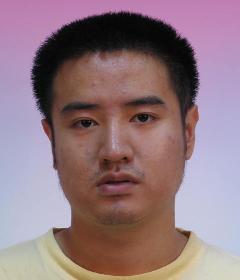 Yi Liu (刘一)合作论文数Beijing Key Lab of Traffic Data Analysis and Mining, School of Computer and Information Technology, Beijing Jiaotong University3
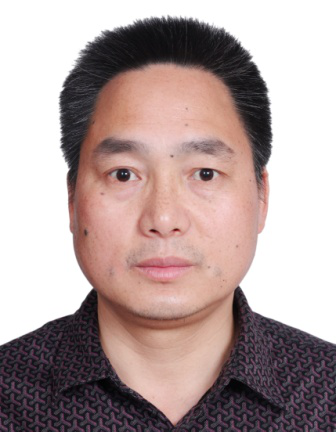 Xin Wang (王欣)合作论文数School of Resource & Envionment and Safety Engineering, Hunan University of Science and Technology;Skate Key Laboratory of Cryospheric Science, Chinese Academy of Sciences3
 Jianfeng Xiang (向剑锋)合作论文数Shanghai Institutes for Biological Sciences, Chinese Academy of Sciences3
 Yeguang Chen (陈晔光)合作论文数Nanchang University3Huiling Xue合作论文数3Xiaoxi Zhao合作论文数3Shengjie Hou合作论文数2Yufu Jia合作论文数2
 Yiyun Wang合作论文数Chinese Acad Sci, Inst Bot, State Key Lab Vegetat & Environm Change, Beijing 100093, Peoples R China2
 Nan Qiao合作论文数Lab Hlth Intelligence, Huawei Technol Co Ltd2Zhongwei Li合作论文数2Juan Jia合作论文数2Meng-Xia Zhang合作论文数Chinese Acad Sci, Inst Genet & Dev Biol, State Key Lab Mol & Dev Biol, Beijing 100101, Peoples R China2
 Yue Cai合作论文数Lamont-Doherty Earth Observatory of Columbia University, 61 Rt. 9W, Palisades, NY 10964, USA2
 Weicai Yang (杨维才)合作论文数Institute of Genetics and Developmental Biology, Chinese Academy of Sciences;University of Chinese Academy of Sciences2
 Hongju Li (李红菊)合作论文数State Key Laboratory of Plant Cell and Chromosome Engineering, Institute of Genetics and Developmental Biology, Chinese Academy of Sciences;University of Chinese Academy of Sciences2
 Teng Fei (费腾)合作论文数College of Life and Health Sciences, Northeastern University2
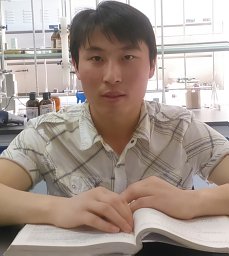 Chen Hua合作论文数Key Laboratory of Resource Biology and Biotechnology in Western China, Northwest University2Qingfei Yin (殷庆飞)合作论文数Center for Excellence in Molecular Cell Science, Chinese Academy of Sciences2ChaoHao Du合作论文数2
 Weizhong Chen (陈卫忠)合作论文数Institute of Rock and Soil Mechanics, Chinese Academy of Sciences2
 Zhiheng Wang (王志恒)合作论文数College of Urban and Environmental Sciences, Peking University2




