This study employs Bidirectional Encoder Representations from Transformers (BERT) to analyze the research landscape of the United Nations Sustainable Development Goals (SDGs). A dataset of 4951 articles from 1985 to February 2025 retrieved from Scopus was processed using BERT-based embeddings and clustering to identify thematic structures within sustainability-related scholarship. The analysis generated 33 initial clusters of semantically related keywords, which were refined into 20 thematic clusters and subsequently aggregated into five superclusters. These represent broad research domains: Marine Environmental Sustainability, Foundational Science Innovation, Regional Development Governance, Social Systems, Policy Food Security, and Global Energy Governance. The results demonstrate the interdisciplinary nature of SDG research, with strong attention to areas such as renewable energy, health governance, and food security, while also highlighting underexplored themes including demographic transitions, nano informatics, and biopolymer innovations. Methodologically, the study confirms the value of BERT in bibliometric mapping, offering more context-sensitive topic discovery than traditional approaches. Substantively, the outcomes provide an evidence-based framework for aligning research priorities with global sustainability challenges, supporting both scholars and policymakers in advancing the UN 2030 Agenda.
Fruits are one of the most essential ingredients for the human body, and apples are considered the most nutritious fruit. In this study, we introduce a groundbreaking Apple Leaf Disease Segmentation System, using machine learning and computer vision technologies to boost the precision and efficiency of disease identification in apple leaves. A comprehensive dataset from Kaggle, comprising 200 high-resolution images, served as the foundation for training and validation. The training process adopted an 80–13–7
The integration of blockchain technology with machine learning (ML) and computer vision presents a promising solution to critical security, transparency, and reliability challenges within autonomous vehicle (AV) ecosystems. This study introduces a scalable and secure architecture that integrates blockchain with machine learning models and YOLOv5 for the real-time detection, classification, and immutable logging of traffic infractions on the data taken from an open-source platform. The system demonstrates commendable performance, with Random Forest and K-Nearest Neighbours (KNN) achieving accuracy rates of 93
Alzheimer disease or Alzheimer (AD) is one of the highest causes of dementia and it affects millions of people all over the world and it is characterized by memory loss and cognitive decline brought about by abnormalities in the brain such as amyloid plaques and tau tangles. Recent developments in artificial intelligence (AI) provide potentials regarding early detection and diagnosis using non-invasive technology making its accuracy in diagnosis and patient outcomes high even though it has a challenge in its clinical practice. Authors of the current study compare different machine learning algorithms to be used to detect Alzheimer disease based on large numbers of features obtained based on the demographic, clinical, and behavioral characteristics of patients. The dataset retrieved by authors on Kaggle is processed using Logistic Regression, Decision Tree, Random Forest, K-Nearest Neighbors (KNN), Support Vector Classifier (SVC), Gradient Boosting and XGBoost. These models are evaluated based on the common metrics such as accuracy, precision, recall and ROC AUC and a closer comparison between the performance of each model before and after hyperparameter optimization. The efficacy of machine learning models is proven, as Random Forest, XGBoost, and Gradient Boosting have a more favorable accuracy rate of over 90
The telecommunications business contributes substantially to the growth of mobile communication and the information society. In recent years, the telecoms business has grown significantly. During lockdowns prompted by the COVID-19 epidemic, remote employees could continue operating their enterprises due to the accessibility of communications. This experiment corpus is taken from the Scopus database of 4776 articles from 2001 to March 2025. Topic modeling is the technique from Natural Language processing and in that Latent Dirichlet Allocation model is deployed on the considered corpus to predict research areas in the form of 2, 5, and 10 topics using k-mean clustering based on coherence score on the bag of words (BOW). The resulting clusters capture key research trajectories related to service performance and resource allocation, blockchain-enabled healthcare security and privacy, next-generation wireless communication technologies, antenna design and high-frequency prototyping, and smart city management and development. To strengthen traceability from empirical outputs to implications, the discussion is explicitly grounded in the LDA clusters through a structured mapping of topics to research questions and derived gaps, complemented by an adoption-oriented interpretation using TAM/UTAUT2 constructs. Based on these findings, a findings-derived research agenda is proposed, emphasizing energy-aware orchestration, scalable trust models, safe autonomous networking, robust THz/mmWave design, and governance-aware smart city infrastructures.
Various paradigms, including Dew Computing (Dew-C) and Cloud Computing (Cloud-C), have arisen within the domain of computing. Dew-C adeptly addresses the constraints of Cloud-C, such as bandwidth reliance and elevated latency, by employing a distributed, lightweight architecture tailored for peripheral computing environments. This study examines the essential concepts, many applications, and prospective future uses of Dew-C through Latent Semantic Analysis (LSA) to discern key research themes and problems. The data for this study were sourced from the Scopus database utilizing the query string TITLE-ABS-KEY (“dew computing”) in compliance with PRISMA requirements. Latent Semantic Analysis (LSA), a prominent natural language processing technique, was utilized to perform term frequency-inverse document frequency (TF-IDF) analysis, in conjunction with bibliometric analysis, to derive quantitative and statistical insights. The tests utilized an augmented dataset of 191 published articles between 2016 and 2024, employing open-source tools like KNIME and VOSviewer. The research using K-means clustering to identify five thematic clusters indicative of potential future trajectories in the Dew-C area. Dew Computing is a distributed paradigm that focuses on edge computing and seamlessly integrates with Cyber-Physical Systems (CPS) to facilitate real-time data processing and autonomous control across diverse applications, including as healthcare and smart cities. Dew-C, notwithstanding its benefits, faces considerable obstacles regarding data privacy, security, and connectivity because to its reliance on lightweight, resource-constrained devices. Dew-C possesses the capacity to markedly enhance distributed compute owing to its scalability, energy efficiency, and little environmental footprint. Future research should primarily concentrate on the creation of domain-specific applications, resource management approaches, and robust security systems in sectors like as healthcare, environmental monitoring, and smart infrastructure.
Frequent pattern mining is a fundamental method for Data Mining, applicable in market basket analysis, recommendation systems, and academic analytics. Widely adopted and foundational algorithms such as Apriori and FP-Growth, which represent the standard approaches in frequent pattern mining, face limitations related to candidate set generation and memory usage, especially when applied to extensive relational datasets. This work presents the Recursive Queried Frequent Patterns (RQFP) algorithm, an SQL-based approach that utilizes recursive queries on relational Mining Tables to detect frequent itemsets without the need for explicit candidate development. The algorithm was implemented using a Microsoft SQL Server and demonstrated through a custom-developed C# web application interface. RQFP facilitates easy integration with database systems and enhances result interpretability. Comparative analyses of Apriori and FP-Growth on an academic dataset reveal competitive efficacy, accompanied with diminished memory requirements and enhanced clarity in pattern extraction. The paper further contextualizes RQFP using benchmark datasets from the previous literature and delineates a roadmap for future evaluations in healthcare and retail data. The existing implementation is educational, although the technique demonstrates the potential for scalable, database-native pattern mining.
Environmental challenges have long concerned researchers, governments, and organisations. However, green organisational practices have remained dormant for ground-level implementation and deployment. Researchers must explore a field where the latest research patterns and trends may be identified to implement green HRM (GHRM). In this study, the Scopus database is considered to experiment, and 471 published articles between 2008 and 2022 have been considered to apply the latent Dirichlet allocation (LDA) model under the topic modelling technique. Two, five, and ten GHRM research areas were identified using experiments that require more attention from future researchers. This study concludes that various research trends are increasing and need further examination further author provided semantic mapping of those topics which are core research, trends, and developing topics. This study's research topics need greater attention to solve environmental problems and make society eco-friendly.
As Sustainability becomes a central aspect of consumer values and corporate responsibility, marketing has evolved to incorporate concepts such as “green,” “sustainable,” and “smart” marketing, which are now being increasingly facilitated and amplified by digital technologies. This research investigates the intersection of digital transformation and green marketing, particularly emphasizing the transformative impact of technologies such as the Internet of Things (IoT), blockchain, artificial intelligence (AI), and digital platforms on sustainable marketing practices. The authors employ Latent Dirichlet allocation (LDA), a topic modeling technique, to analyze 2,061 research publications on green marketing from the Scopus database from 1991 to 2025. The analysis identifies the most prevalent themes and research clusters, which include sustainable consumption, digital marketing techniques, consumer purchasing intention, and green supply chains. An in-depth comprehension of contemporary research trends is provided by coherence-based evaluations, which generate solutions that encompass two, five, and ten topics. The primary scientific contribution of this work is the systematic mapping of fragmented literature and the identification of research voids, which has resulted in the proposal of a Theory–Context–Methodology (TCM) framework to guide future research. This investigation bolsters the theoretical underpinnings of green marketing and underscores the transformative influence of digital technology on promoting environmental Sustainability through marketing innovation.
Organizational behavior examines the interactions of individuals and groups within businesses, while human resource management (HRM) focuses on enhancing workforce efficiency through recruitment, training, and employee relations. The success of an organization depends on the relationship between employee engagement and performance, as engaged individuals enhance productivity and innovation. This study aims to conduct a comprehensive bibliometric analysis of the academic research on the relationship between artificial intelligence (AI), employee engagement, and performance. This study highlights trends, countries, sources, and keywords in this field. The authors analyzed 11,291 articles in the first phase, 42,358 articles were analyzed in the second phase, and 606 articles were analyzed in the third phase. This study highlights the growth of the research in this area and identifies the most productive years and regional contributions. The citation analysis is used to identify the relevant research and renowned authors. This study also addresses ethical concerns related to the implementation of artificial intelligence (AI) in the workplace. This study indicates theme variations among national contributions, highlighting differing socio-cultural and theoretical perspectives on AI adoption in HRM, from behavioral leadership models to efficiency-oriented frameworks. In summary, this bibliometric study provides valuable insights into the evolution of the research topics related to AI’s impact on employee engagement and productivity, spanning multiple disciplines, such as psychology, organizational behavior, and computer science. It is relevant for the researchers, practitioners, and businesses interested in understanding and utilizing AI in the workplace.
Being a top cause of mortality and serious disability, stroke demands urgent diagnosis and impactful prevention. Current innovations in machine learning (ML) show a great capacity for predicting the likelihood of a stroke. This study reports on applying ML algorithms to improve the timely and early identification of stroke, leading to more effective interventions and lowering morbidity and mortality numbers. This work employs a complete dataset that integrates demographic information, medical history, data on lifestyle, and physical measurements. Engineering techniques of a high level were utilized in pre-processing the data to reduce the assumptions that lay underneath. This research applied five machine learning models for the prompt identification of stroke: Decision Tree, Support Vector Machine (SVM), Gradient Boosting, K-Nearest Neighbours (KNN), and XG Boost. The number of datasets used for training was 80%, and 20% went to testing. The accuracy of the Gradient Boosting model stood at 96%, outperforming XG Boost at 92% and Decision Tree at 91%. The model with Support Vector Machines (SVM) gave 84% accuracy, but all three models illustrated high precision and recall. These results indicate that machine learning models could significantly augment stroke prediction and enhance clinical decision processes.
Digital marketing has become a game-changer by combining cutting-edge technologies, insights into how customers behave, and applicability across industries to change how businesses plan and how they interact with customers. Digital marketing is a key part of being competitive, sustainable, and innovative in a world where more and more people are using the internet and social media. Even though this subject is important, the study of it is still scattered, which shows that there is a need to systematically map out its intellectual structure. This research utilizes a bibliometric and topic modeling methodology, analyzing 4722 publications sourced from the Scopus database, including the string “Digital Marketing”. The authors employed Latent Dirichlet Allocation (LDA), a method from Natural Language Processing, to discern latent study themes and Vosviewer 1.6.20 for bibliometric analysis. The results explore ten main thematic clusters, such as digital marketing and blockchain, applications in the health and food industries, higher education and skill enhancement, machine learning and analytics, small and medium-sized enterprises (SMEs) and sustainability, emerging trends and ethics, sales transformation, tourism and hospitality, digital media and audience perception, and consumer satisfaction through service quality. These clusters show that digital marketing is becoming more interdisciplinary and is becoming more connected to ethical and technological issues. The report finds that digital marketing research is changing quickly because of artificial intelligence (AI), blockchain, immersive technology, and reflect it with a digital business environment. Future directions encompass the expansion of analyses to new economies, the implementation of advanced semantic models, and the navigation of ethical difficulties, thereby guaranteeing that digital marketing fosters both business progress and public welfare.
Human resources (HR) supervises and prepares people to achieve an organisation’s goals. Training boosts organisational growth by improving staff skills and knowledge. HR department organises departmental training. Continue teaching and updating departmental workers and HR managers. HR will learn new ways to adapt to evolving technology, helping the organisation grow. This study classifies Scopus data by research topics and trends. Topic modelling and Latent Dirichlet Allocation (LDA) are used to analyse 4,624 papers from 1961 to 2022. Topic modelling selects 2, 5 and 10 study areas. The author’s keywords in the analysis can help uncover relevant research clusters and provide a more detailed view of the research environment. The study identifies the promising research areas and suggests future directions. Human resource specialists can tailor technology training to skill areas by projecting future research trends. It helps organisations adapt to a fast-changing market, manage resources, engage with industry and academia, and plan strategic HR.
The recognition of mathematical expressions remains a challenging task, particularly due to the segmentation sub-stage, which plays a critical role in the overall recognition process. Despite significant advancements in mathematical expression recognition, existing research has primarily focused on the recognition phase, often overlooking the segmentation issues that arise in diverse domains such as computer vision and image processing. This study aims to address the segmentation problem in handwritten mathematical text and expression recognition through a comprehensive analysis and the development of an optimal solution. Classical segmentation methods were explored, classified, and tested on various datasets of mathematical expressions, with multiple comparative case analyses conducted. Based on these findings, an optimal neural network-based segmentation approach was proposed. The model demonstrated effective segmentation performance, achieving competitive mean Intersection over Union (IOU) scores of 79.4%, 83.5%, 81.3%, 74.6%, and 79.6% on the CROHME 2014, CROHME 2016, CROHME 2019, Aidapearson, and HasyV datasets, respectively. The results highlight the success of the proposed neural network-based solution in overcoming the limitations of traditional segmentation methods and affirm its potential in enhancing mathematical expression recognition systems.
The Metaverse is gaining recognition as a prominent platform for online education. It offers a dynamic environment where students can interact with the course material in non-traditional ways. The COVID-19 pandemic has expedited the adoption of the Metaverse in education, since it offers an alternative to traditional in-person learning when face-to-face sessions are limited or impractical. Despite the growing interest and adoption of the Metaverse, its use in educational contexts is still relatively rare. Various educational institutions have been experimenting with the Metaverse by generating digital representations of their campuses, classrooms, and simulations. This facilitates students' knowledge acquisition across diverse courses through a more engaging and interactive approach. The study employs text mining and Latent Semantic Analysis (LSA) in natural language processing to examine 176 articles from Scopus, published between 2008 and 2023. The aim is to examine the emerging patterns and advancements in the Metaverse in the Education research field. The study was performed using the KNIME and VOSviewer software programs. The study identifies five current research areas using the K-Means clustering technique and discusses three research questions, which future scholars can explore in more detail. This study emphasizes the importance of the Metaverse in Education by examining elements from previous research and meta-analyses, including factors such as authors, keywords, journals, and nations.
The Internet's widespread growth and diverse range of applications have made digital marketing the preferred technique in today's marketing landscape. Over the past decade, numerous creative methods have been created, with expectations for further advancements in the future. This paper presents an examination of the latest developments in digital marketing methods. The Scopus database is used in this research, and 4808 articles from 1989 to 2025 are analyzed. Latent semantic analysis, a text mining technique under the umbrella of natural language processing, is implemented using the KNIME (Konstanz Information Miner) tool to anticipate future trends. K-Mean clustering technique on the TF-IDF score to predict the ten clusters that future researchers can explore. The investigation revealed that the three most significant trends were artificial intelligence, chatbots, and programmatic advertising. The thorough analysis and classification offer researchers and specialists critical perspectives and emphasize the increasing importance of chatbots in digital marketing.
Industry 5.0 is a manufacturing transformation that prioritises the collaboration between humans and machines to enhance efficiency, customisation, and sustainability. The main aim of this work is to comprehend the different frontiers of Industry 5.0 and propose different avenues for future research. This research paper examines the literature on Industry 5.0 by utilising the Scopus database and the topic modelling technique of Natural Language Processing to find emerging patterns and potential areas for future research. The study demonstrates a notable rise in research endeavours about human-centric manufacturing, sustainable methodologies, and integrating sophisticated technologies. Areas of focus encompass the interplay between human ingenuity and machine accuracy, the impact of artificial intelligence on improving manufacturing procedures, and the creation of robust production systems. The report highlights the crucial significance of Industry 5.0 in tackling current industrial difficulties and promoting innovation.
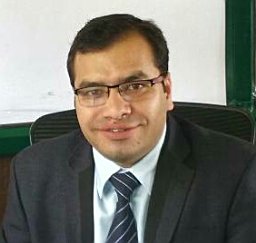 Shamneesh Sharma合作论文数upGrad Educ Pvt Ltd41
 Prasenjit Das合作论文数Dept Comp Applicat, Chitkara Univ8
 Isha Batra合作论文数6
 Shankar Shambhu合作论文数Sch Comp Applicat, Chitkara Univ6
 Arun Malik合作论文数Lovely Profess Univ, Dept Comp Sci & Engn, Phagwara, Punjab, India6
 Vinay Kukreja合作论文数Office of Research Publications, Chitkara University6
 Dr. Shaily Jain合作论文数Sch Engn & Technol, Chitkara Univ6
 Purnima Bali合作论文数5
 Mahender Singh Kaswan合作论文数Sch Mech Engn, Lovely Profess Univ4
 Komal Sharma合作论文数4
 Vivek Bhardwaj合作论文数School of Computer Science and Engineering, Lovely Professional University3
 Sumit Sakhuja合作论文数3
 Jose Arturo Garza-Reyes合作论文数Centre for Supply Chain Improvement, University of Derby;Derby International Business School, University of Derby;University of Warwick;University of Mauritius;Swansea University3Trapty Agarwal合作论文数2Hsin‐Yuan Chen合作论文数2Arzoo Dhiman合作论文数2Sandeep Singh合作论文数2Aman Madaan合作论文数2
 Ganesh Kumar Sethi合作论文数Multani Mal Modi College2
 Shivinder Nijjer合作论文数Chitkara Business School, Chitkara University2
 Mukesh Kumar合作论文数Department of Computer Science &Chitkara University School of Engineering and Technology, Chitkara University;Chitkara University School of Engineering and Technology, Chitkara University2Evans Asenso合作论文数2
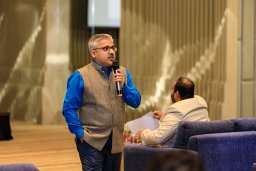 Sandeep Kautish合作论文数LBEF Campus, Kathmandu, Nepal2
 Sandeep PRATAP Singh合作论文数2
 A. S. M. Sanwar Hosen合作论文数2In-Ho Ra合作论文数1Tushar Sharma合作论文数1
 Mohd Asif Shah合作论文数1Nidhi Nidhi合作论文数1
 Manoj Kumar Mishra合作论文数1
 Ahmed M.E. Khalil合作论文数1prince pahwa合作论文数1
 Parminder Singh合作论文数1
 Tanima Thakur合作论文数1Sujata Bali合作论文数1
 Pallavi Sood合作论文数Chitkara Business School, Chitkara University1Shivani Gautam合作论文数Chitkara University, Chitkara University1
 Sunil Kumar合作论文数1
 Dr. Saikat Gochhait合作论文数Symbiosis Institute of Digital and Telecom Management, Deemed University1Neha Kondal合作论文数Corresponding author.1
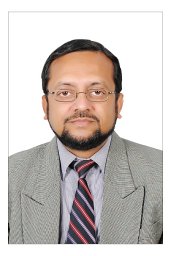 Shoeb Ahmad合作论文数Coll Business & Management, Fahad Bin Sultan Univ1
 Isha Kansal合作论文数Chitkara University Institute of Engineering and Technology, Chitkara University1Manik Gupta合作论文数1Vishal Sharma合作论文数1
 Shami A. M. Alsallami合作论文数College of Applied Science, Umm Al-Qura University1
 Ganesh Dash合作论文数College of Administrative and Financial Sciences, Saudi Electronic University1
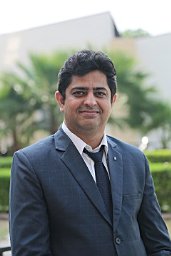 Sachin Ahuja合作论文数Inst Engn & Technol, Chitkara Univ1
 Seyed Jalaleddin Mousavirad合作论文数Univ Kashan, Dept Comp & Elect Engn, Kashan, Iran1
 Deepika Koundal合作论文数A.I. Virtanen Institute for Molecular Sciences, Faculty of Health Sciences, University of Eastern Finland;School of Computer Science, University of Petroleum and Energy Studies;Ho Chi Minh City Open University1




