Severe burns can result in resorptive bone loss and endochondral bone formation at ectopic sites. The underlying pathophysiology involves both the systemic inflammatory response and the stress response with excessive endogenous production of glucocorticoids. The inflammatory response results in production of resorptive cytokines, leading to acute bone resorption; by 2 weeks postburn, glucocorticoid- and inflammation-mediated oxidative stress leads to reduced bone formation and reduced bone resorption, resulting in a net loss of trabecular bone for at least 2 years postburn. The role of the initial inflammatory response in the formation of heterotopic bone is incompletely understood at the present time. This chapter discusses the evidence supporting the pathophysiology described as well as current therapy and possible experimental drugs for future clinical trials Burn injury can produce profound metabolic effects on the bone and mineral balance of the body. Acutely, there is an inflammatory phase and a stress phase that affect calcium and other mineral balances. Chronically, we observe consequences for bone health and the hormonal milieu responsible for the body's mineral balance related to the inflammation of the burn injury as well as dysfunction of the organs and tissues that play a role in mineral metabolism. This chapter reviews the mineral homeostasis, the effects of burn injury in disrupting this homeostasis, recent literature on this topic, and evidence-based management of such derangements.
Background Soft tissue defects with exposed avascular structures require reconstruction with well-vascularized tissues. Extensive research is ongoing to explore tissue engineered products that provide durable coverage. However, there is a lack of controlled and affordable testbeds in the preclinical setting to reflect this challenging clinical scenario. We aimed to address this gap in the literature and develop a feasible and easily reproducible model in rodents that reflects an avascular structure in the wound bed. Methods We created 20 × 20 mm full thickness wounds on the dorsal skin of Lewis rats and secured 0.5-mm-thick silicone sheets of varying sizes to the wound bed. A 3D-printed wound frame was designed to isolate the wound environment. Skin graft and free flap survival along with exposure of the underlying silicone was assessed. Rats were followed for 4 weeks with weekly dressing changes and photography. Samples were retrieved at the endpoint for tissue viability and histologic analysis. Results The total wound surface area was constant throughout the duration of the experiment in all groups and the wound frames were well tolerated. The portion of the skin graft without underlying silicone demonstrated integration with the underlying fascia and a histologically intact epidermis. Gradual necrosis of the portion of the skin graft overlying the silicone sheet was observed with varying sizes of the silicone sheet. When the size of the silicone sheet was reduced from 50% of the wound surface area, the portion surviving over the silicone sheet increased at the 4-week timepoint. The free flap provided complete coverage over the silicone sheet. Conclusion We developed a novel model of rodent wound healing to maintain the same wound size and isolate the wound environment for up to 4 weeks. This model is clinically relevant to a complex wound with an avascular structure in the wound bed. Skin grafts failed to completely cover increasing sizes of the avascular structure, whereas the free flap was able to provide viable coverage. This cost-effective model will establish an easily reproducible platform to evaluate more complex bioengineered wound coverage solutions.
PURPOSE: Aesthetic management of aging skin relies on precise extracellular matrix (ECM) homeostasis to maximize youthful resilience, fullness, and elasticity while mitigating risk of dermal fibroses. Elastogenesis is critical to this. Currently, several 'natural agents' - growth factors, vitamins C and D3, hyaluronic acid (HA), and ferulic acid (FA) - are marketed to augment aesthetic outcomes in plastic surgery, however, these agents carry pleiotropic effects on ECM homeostasis and with some hindering elastic fiber formation while promoting fibrosis. Our team has demonstrated the benefit of tannic acids (TAs) to protect new elastic fibers from premature degradation. Here we sought to assay these agents with or without TAs to evaluate for ECM modifications. METHODS: In vitro evaluation of a) human dermal fibroblast culture and b) whole dermal explants were treated with Vitamins C and D3, hyaluronic acid (HA), and ferulic acid (FA). Each parallel culture was maintained in the presence or absence of tannic acid (TA) at 2.0 and 20.0 micro-molar concentrations. RESULTS: Vitamins D3, C, and HA boosted collagen and fibronectin synthesis but suppressed elastic fiber formation, while FA suppressed all ECM formation. Introducing 2 micro-molar TA to cultures reinstated regular elastic fiber synthesis, as well as improving collagen type 1 and fibronectin synthesis in FA-treated samples. 20 micro-molar TA in parallel cultures led to irregular elastin aggregates, causing widespread elastosis. CONCLUSION: TA in micro-molar levels can counteract the elastin inhibitory effects of Vitamin D3, HA, and FA, potentially elucidating the poor survival of fat grafts in HA-rich regions.
Adipose stem cells are considered one of the primary drivers of autologous fat graft biological activity and survival. We have previously demonstrated that hormonally active VD3 improved adipose stem cell viability in ex vivo and in vivo fat grafting models. In this study, we evaluated the inactive form of VD3 (cholecalciferol) on adipose stromal cell (ASC) phenotype during hypoxia and the subsequent effect on human fat graft retention in the xenograft model. Lipoaspirate collected from six human donors was used for ex vivo particle culture studies and isolated ASC studies. Adipose particles were treated with increasing doses of VD3 to determine impact on ASC survival. Expanded stromal cells were treated with VD3 during hypoxic culture and assessed for viability, apoptosis, mitochondrial activity, and nitric oxide (NO) release via caspase, DAF-FM, or TMRM. Finally, 40 Nu/J mice receiving bilateral dorsal human lipoaspirate were treated thrice weekly with (1) vehicle control, (2) 50 ng calcitriol, (3) 50 ng VD3, (4) 500 ng VD3, and (5) 5,000 ng VD3 for 12 weeks, n = 8 per group. Graft weight, volume, and architecture were analyzed. Adipose particles treated with dose-escalating VD3 had significantly increased ASC viability compared with control (P < 0.01). Under hypoxia, ASCs treated with 1 nM VD3 had significantly greater viability than untreated and pretreated cells (P < 0.01, P < 0.01) and significantly lower apoptosis-to-viability ratio (P < 0.01). ASCs pretreated with 1 nM VD3 had significantly lower NO release (P < 0.05) and lower mitochondrial polarization (P < 0.05) compared with controls. In vivo results showed mice receiving 5,000 ng VD3 had significantly greater graft weight (P < 0.05) and volume (P < 0.05) after 12 weeks of treatment compared with controls. Grafts had enhanced neovascularization, intact adipocyte architecture, and absence of oil cysts. VD3 is an over-the-counter nutritional supplement with a known safety profile in humans. Our xenograft model suggests administering VD3 at the time of surgery may significantly improve fat graft retention.
Background: Bioengineered nerve guides with glial cell line-derived neurotrophic factor (GDNF) support recovery after facial nerve injury by acting as regenerative scaffolds. Objective: To compare functional, electrophysiological, and histological outcomes after repair of rat facial nerve transection in control, empty nerve guide, and nerve guide with GDNF conditions. Methods: Rats underwent transection and primary repair of the buccal branch of the facial nerve and were divided into (1) transection and repair only, (2) transection and repair augmented with empty guide, (3) transection and repair augmented with GDNF-guide groups. Weekly measurements of the whisking movements were recorded. At 12 weeks, compound muscle action potentials (CMAPs) at the whisker pad were assessed, and samples were collected for histomorphometric analysis. Results: Rats in GDNF-guide group displayed the earliest peak in normalized whisking amplitude. CMAPs were significantly higher after GDNF-guide placement. Mean fiber surface area of the target muscle, axonal count of the injured branch, and the number of Schwann cells were highest with GDNF guides. Conclusion: The biodegradable nerve guide containing double-walled GDNF microspheres enhanced recovery after facial nerve transection and primary repair.
Background: Small-volume fat graft efficiency is a critical determinant of the cost and material effectiveness of aesthetic fat grafting in the clinical space. Recent development of devices, such as the Push-2-Spin (P2S) system (Pittsburgh, PA), has improved upon the process by yielding a rapid, handheld, multi-use system to minimize operative time and mess. Objectives: In this study, the authors describe further technical innovations on the P2S prototype that improve operative ease of use, time, and safety. Methods: Abdominoplasty samples were obtained as discarded tissue. Lipoaspirate was collected utilizing a 3.0mm liposuction cannula and processed through centrifugation (Coleman technique), gauze (telfa) rolling, mesh straining, the tabletop P2S device (prototype), or the P2S handheld (P2S-H) device. Operative processing time, spin time, oil fraction, stromal vascular fraction (SVF) yield and viability, and adipocyte viability were assessed to compare the efficacy and viability of each device/technique. Blood agar smears of lipoaspirate were performed to assess for risk of contamination. Results: The P2S-H device outperformed its prior iteration in rotary and processing speed and was significantly faster than each other technique assessed. Furthermore, the use of an inline system offered significant advantages over open-air techniques in terms of resistance to contamination. Serial use characteristics were assessed; under these conditions, oil yield as well as adipocyte and SVF number and viability was similar between all techniques. Conclusions: The technical advancements to the P2S system which enable single-unit, handheld operation significantly improve operative time and minimize space requirements. This operative quality of life improvement comes at no cost to the efficacy of oil extraction, cellular yield, or cell viability.
Background: To address the lack of non-cytotoxic, non-surgical options to treat undesirable focal adiposity of the face, we propose use of the anti-glaucoma medication and prostaglandin F2α analogue latanoprost, which has a well-described side effect of periorbital adipose shrinkage. Objective: To evaluate the safety and efficacy of soluble and liposomal latanoprost for focal fat reduction. Approach: To compare efficacy, single administrations of either the FDA-approved cytolytic drug deoxycholic acid (DOCA), latanoprost, or liposomal latanoprost were injected into ob/ob mouse inguinal fat pads. Study outcomes included mouse weight, inguinal fat pad volume, architecture, and cytotoxicity. Results: Both DOCA and soluble latanoprost significantly reduced inguinal fat pad volume whereas liposome encapsulation reduced inguinal fat pad volume insignificantly over the 14-day study period. Hematoxylin and eosin demonstrated effective reduction in adipocyte volume without histologic evidence of cytolysis or inflammation whereas DOCA caused dermal ulcerations, adipocyte lysis, and increased tissue inflammation. Conclusion: Latanoprost reduced fat volume without inducing cell lysis or inflammation.
Musculoskeletal development and later post-natal homeostasis are highly dynamic processes, marked by rapid structural and functional changes across very short periods of time. Adult anatomy and physiology are derived from pre-existing cellular and biochemical states. Consequently, these early developmental states guide and predict the future of the system as a whole. Tools have been developed to mark, trace, and follow specific cells and their progeny either from one developmental state to the next or between circumstances of health and disease. There are now many such technologies alongside a library of molecular markers which may be utilized in conjunction to allow for precise development of unique cell ‘lineages’. In this review, we first describe the development of the musculoskeletal system beginning as an embryonic germ layer and at each of the key developmental stages that follow. We then discuss these structures in the context of adult tissues during homeostasis, injury, and repair. Special focus is given in each of these sections to the key genes involved which may serve as markers of lineage or later in post-natal tissues. We then finish with a technical assessment of lineage tracing and the techniques and technologies currently used to mark cells, tissues, and structures within the musculoskeletal system.
PURPOSE: A major limitation of fat grafting is unpredictable retention. We previously demonstrated that bioactive Vitamin D (VD3), calcitriol, improves human fat graft retention in a xenograft mouse model, however, high dose calcitriol incurs safety risks. Additionally, we have verified that inactive VD3, cholecalciferol, similarly protects adipose stromal cell viability during vascular insufficiency post-grafting and improves long term retention in a porcine model. Within our overall goal of defining a clinical protocol for direct translation of VD3 into practice, we currently aim to elucidate optimal timing and dosing of VD3 administration in our porcine model. METHODS: Human adipose lipoaspirate was collected from discarded surgical samples under IRB exemption and cultured ex vivo for 7-days with or without VD3. Residual tissue was enzymatically digested to release mature adipocytes and the stromal vascular fraction (SVF), which was evaluated for viability, identity, proliferation, and mitochondrial stress with Seahorse Bioanalyzer. An immunocompromised xenograft mouse model was used to determine survival, retention, and histologic characteristics of VD3 treated vs. untreated fat. Effects of oral VD3 treatment vs no treatment were assessed in a porcine model of engraftment using female Yorkshire swine over a 3-month study period. Graft volume and retention were serially assessed by ultrasound and confirmed by gas pycnometry after sacrifice. Terminal VD3-treated adipose tissue was harvested, processed, and re-injected into a second cohort of swine that compared timing of VD3 administration. Graft volume and retention were assessed in a similar manner. Terminal VD3-treated adipose was processed for re-injection into a third cohort of swine investigating optimal dosing of oral VD3, which is currently underway. RESULTS:Ex vivo, adipose tissue cultures demonstrated greater viability when treated with VD3; cytometric analysis demonstrated significant enrichment of endothelial and pericyte populations. SVF treated with VD3 demonstrated enhanced spare mitochondrial respiratory capacity and survival under acute hypoxic conditions. Xenografted lipoaspirate demonstrated enhanced survival of human cells, reduced fibrosis, increased host-derived vascularity and increased host-derived adipocyte replacement at 12 weeks with intraperitoneal VD3. Treatment with oral VD3 demonstrated significantly enhanced retention of allografted fresh adipose on ultrasound throughout the 3-month study period and by graft volume assessment at sacrifice, compared to no VD3 therapy. Significant improvement in graft volume and retention was shown in pigs that received oral VD3 therapy prior to engraftment, compared to after engraftment. Serologic analysis of VD3 metabolism and histologic comparison of tissue specimens collected throughout the study period are being completed. Dosing comparison studies are underway. CONCLUSIONS: Inactive VD3 significantly increases viability of the vascular and perivascular components of hypoxic adipose tissue. In vivo, VD3 significantly improved graft retention in both xenograft-murine and porcine models, likely through increased recipient bed revascularization and adipocyte replacement. Additionally, data shows improved graft volume and retention for oral VD3 administration prior to fat grafting. These findings support use of VD3 to minimize graft resorption and improve clinical outcomes.
Background Autologous fat grafting, although broadly indicated, is limited by unsatisfactory retention and often requires multiple procedures to achieve durable outcomes. Graft survival is strongly influenced by the magnitude and duration of post-engraftment ischemia. Calcitriol is a pleiotropic, safe nutrient with cell-specific influence on viability and metabolic flux. Objectives Evaluate the efficacy of activated vitamin D3 (calcitriol) in improving grafting outcomes and examine its mechanisms. Methods Lipoaspirate was collected for ex vivo culture (7 unique donors), in vitro bioenergetic analysis (6 unique donors), and in vivo transplantation (5 unique donors). Ex vivo samples were incubated for up to 2 weeks before extraction of the stromal vascular fraction (SVF) for viability or flow cytometry. SVF was collected for Seahorse (Agilent; Santa Clara, CA) analysis of metabolic activity. Human endothelial cell lines were utilized for analyses of endothelial function. In vivo, samples were implanted into athymic mice with calcitriol treatment either (1) once locally or (2) 3 times weekly via intraperitoneal injection. Grafts were assessed photographically, volumetrically, and histologically at 1, 4, and 12 weeks. Hematoxylin and eosin (H&E), Sirius red, perilipin, HIF1 alpha, and CD31 tests were performed. Results Calcitriol-treated lipoaspirate demonstrated dose-dependent increases in SVF viability and metabolic reserve during hypoxic stress. Calcitriol treatment enhanced endothelial mobility ex vivo and endothelial function in vitro. In vivo, calcitriol enhanced adipocyte viability, reduced fibrosis, and improved vascularity. Continuous calcitriol was sufficient to improve graft retention at 12 weeks (P < .05). Conclusions Calcitriol increased fat graft retention in a xenograft model. Calcitriol has potential to be a simple, economical means of increasing fat graft retention and long-term outcomes.
PURPOSE: Complex facial and extremity burns present a difficult challenge affecting skin contour, mobility, and appearance. Management requires consideration not only to the skin, but to a patient’s quality of life. Interventions often require stage-reconstruction, revision for increasingly unsatisfactory results and a burdensome dressing during healing. This standard is costly, limited by donor-site availability, and often morbid. Currently, there are no single-stage interventions with simple dressings to address complex, full thickness burns. Our team has formerly shown the advantage of adipose-first reconstruction. Here we aim to provide a complete approach by demonstrating the efficacy of single-staged minced skin grafting plus adipose in an incubator-like microenvironment with a platform wound device (PWD) to achieve rapid reconstruction after burns. METHODS: A customized burn device was used to induce sixteen standardized full-thickness burns on Female Yorkshire swine. Delayed escharectomies were performed to the level of fascia. One group received standard of care skin grafting with either bolster or PWD. In another group, autologous split-thickness skin was cut into pixel size (0.3x0.3 mm) grafts, combined with or without adipose, and followed by application of either bolster or PWD. Wounds were followed for 4-weeks with weekly photography, ultrasound, histology, and tension measurements. RESULTS: The PWDs provided an optimized environment and protected the wounds from graft displacement despite no limitations in mobility. As early as one week, epithelialization started in the pixel with PWD group with visible epithelioid islands on the wound bed granulation tissue. This progressed with a similar trend throughout the 4-week period eventually leading to near-complete epithelization and keratinization. Immunofluorescence staining demonstrated reconstruction of trilaminar cutaneous architecture and viability of adipose. Distinct differences in contour were noted between the bolster and PWD groups. CONCLUSION: In both the bolstered and moist PWD-environment, pixel-grafts survived to form a viable basal layer. Use of positive-pressure (bolster) vs. negative-pressure PWD demonstrated distinct differences in the convexity/concavity and topography of the single-stage skin graft with critical implications for aesthetic reconstruction. Additionally, minced grafting minimized donor burden and alleviated the need for graft orientation. This study demonstrates the efficacy of a single-staged approach and the use of a sustainable dressing that both provides enhanced reconstruction and decreased burden.
Abstract Introduction Complex burns are highly morbid injuries that can cause severe disfigurement and can be devastating to one’s quality of life and psychosocial well-being. Currently, there are no simple, single-stage procedures available for extensive or multifocal burns to address full-thickness trilaminar defects. Our team has previously demonstrated the viability of an adipose-first reconstruction to address hypodermal defects. In this study, we demonstrate the efficacy of a combined adipose plus finely minced skin to achieve a single-stage trilaminar skin reconstruction. Methods Full-thickness burns were created on female Yorkshire swine. After 48-hours, escharectomies were performed to the level of fascia. The wounds were layered with adipose harvested from female Yorkshire swine. In one group, autologous split-thickness skin grafts were cut into pixel size (0.3x0.3 mm) grafts and layered on top of the adipose. Pigs were maintained for 4-weeks with weekly photography, ultrasound, followed by endpoint histology and tension measurements. Results At the end of the 4-week period, adipose combined with pixel graft demonstrated improved epithelialization and less contracture (p< 0.01). Thickness and mobility measurements were consistent in both groups. This findings were similar to our previous approaches using adipose following surgical debridement. Tissue pliability in the pixel grafting group was maintained to a high degree. Cross sections were performed which showed the persistence of fat graft at the base of the wounds. Conclusions Immediate, single-stage trilaminar reconstruction of full-thickness complex burns reduces contracture, mitigates adhesion, and restores normal soft-tissue thickness, therefore, presenting a paradigm changing approach in the current practice of burn injuries to the mobile surfaces. Applicability of Research to Practice Our results support the therapeutic potential of adipose-based soft-tissue reconstruction of burns to both enhance hypodermal augmentation and mitigate fibrotic complications including contracture and adhesions. Our data suggest that this approach is compatible with the standard of care skin grafting, and in fact provides improved epidermal thickness and pliability.
PURPOSE: Tendon injuries after trauma, or through use/disuse, or degeneration are among the most frequent musculoskeletal lesions treated by plastic surgeons. The healing process and inflammatory response following injury is critical to direct remodeling to allow for adequate slippage and friction without adhesion. Adipose-derived stem cells (ASC) have been shown to regulate the inflammatory response after multiple injuries and enhance the rejuvenation of various tissues. In this study, we aimed to create a novel model to evaluate the role of ASCs in a rodent tendon injury and assess for a role in regenerative therapy. METHODS: Female C57Bl/6 or athymic mice sustained bilateral transection to the supraspinatus tendon followed by microsurgical repair with 6-0 polypropylene. Sutures were inserted through intersecting bone tunnels for attachment of the tendon using a modified Kessler suturing technique. In one group, 300 ul of human 1.0 mm lipoaspirate was injected to the bone tunnel and around the repair site. Mice were followed for 6 weeks with histological assessment at the endpoint. RESULTS: All mice completed the 6-week course of the experiment without functional restriction. Injected adipose was found to be viable at the site of injury without migration at the endpoint. Histological assessment of the site of injury from serial cross sections demonstrated the level of inflammation and tendon healing. CONCLUSION: Improvement of clinical outcomes following tendon injury requires in-depth understanding of the underlying cellular mechanisms of healing. The supraspinatus tendon serves as a unique, reproducible model to study novel injectable or local therapeutics with the benefit of a closed space to contain the treatment of choice. This will allow future research focused on the ability of ASCs to promote in vivo rejuvenation of a tendon injury and the surrounding tissue.
Abstract Introduction Complex burns are a challenge, often requiring prolonged reconstruction. Management requires consideration not only to the skin but to underlying structures and often requires staged-reconstruction and revision for increasingly unsatisfactory results. This standard is expensive, limited by donor-site availability, and often impacts quality of life. Here we demonstrate the efficacy of single-staged minced skin grafting in an incubator-like microenvironment with a negative-pressure moist wound chamber device to achieve rapid epithelialization after burns. Methods Full-thickness burns were induced to female Yorkshire swine. Escharectomies were performed to the level of fascia after seventy-two hours. One group received standard of care skin grafting with a bolster dressing. In another group, split-thickness skin was cut into pixel size (0.3x0.3 mm) grafts, followed by application of either bolster or negative-pressure moist wound chamber dressing. Wounds were followed for 4-weeks with serial photography, ultrasound, and biopsies for histology. Results As early as one week, epithelialization started in the group with pixel grafts with negative-pressure moist wound chamber dressings with visible epithelioid islands on the wound bed granulation tissue. This progressed with a similar trend throughout the 4-week period eventually leading to near-complete epithelization and keratinization. There was reconstruction of trilaminar cutaneous architecture demonstrated by the presence of distinct, viable epidermal, dermal and hypodermal elements as well as viability of adipose on histology. Distinct differences in contour were noted between the bolster and negative-pressure moist wound chamber groups. Conclusions Minced grafting minimized donor burden and alleviated the need for graft orientation. In both the bolstered and negative-pressure moist wound chambers, pixel-grafts viably survived to form a viable basal layer. Use of positive-pressure (bolster) vs. negative-pressure moist wound chamber dressings demonstrated distinct differences in the convexity/concavity and topography of the singe-stage skin graft with critical implications for aesthetic reconstruction. Applicability of Research to Practice This study introduces the efficacy of a single-staged trilaminar reconstruction with the use of a negative-pressure moist wound chamber for complex burns. These findings support the potential for a new paradigm in the treatment of complex burns which allows for single-stage reconstruction with minimal donor site morbidity.
 Benjamin Levi合作论文数58Shailesh Agarwal合作论文数56
 Shuli Li合作论文数School of Mathematical and Computer Sciences, Quanzhou Normal University30John Li合作论文数Univ Michigan, Dept Surg, Ann Arbor, MI 48109 USA28Ranganathan Kavitha合作论文数Department of Surgery, University of Michigan Health System28
 David Cholok合作论文数27
 Yuji Mishina合作论文数Department of Biologic and Materials Sciences & Prosthodontics, School of Dentistry, University of Michigan23Chris Breuler合作论文数22Brownley Cameron合作论文数21
 Fuat Baris Bengur合作论文数Dept Plast Surg, Univ Pittsburgh16
 J. Peter Rubin合作论文数McGowan Institute for Regenerative Medicine, University of Pittsburgh;Department of Plastic Surgery, School of Medicine, University of Pittsburgh16
 Lauren E. Kokai合作论文数Department of Bioengineering, University of Pittsburgh14Eboda Oluwatobi N合作论文数13
 Phoebe Luo Lee合作论文数12
 Paul Stephen Cederna合作论文数Department of Biomedical Engineering, University of Michigan;Neuromuscular Research Laboratory, University of Michigan12Charles Hwang合作论文数Univ Michigan, Dept Surg, Ann Arbor, MI 48109 USA11
 Steven R. Buchman合作论文数Section of Plastic & Reconstructive Surgery, Medical School, University of Michigan;Pediatric Plastic Surgery, C.S. Mott Children's Hospital11
 Jonathan M Peterson合作论文数10Yadira Villalvazo合作论文数10Caitlin Priest合作论文数University of Michigan10Michael Sorkin合作论文数10
 Kacey G. Marra合作论文数McGowan Institute for Regenerative Medicine, University of Pittsburgh10Arminder Kaura合作论文数9Wayne V. Nerone合作论文数9Jonathan R. Peterson合作论文数8
 Michael Hoonbae Chung合作论文数8
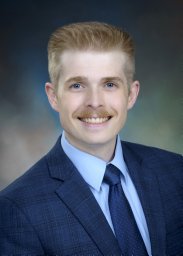 Joshua Peterson合作论文数Dept Pathol, Univ Texas Med Branch8
 James Drake合作论文数Department of Surgery, Temerty Faculty of Medicine, University of Toronto;Hospital for Sick Children8
 Thomas Davis合作论文数Australian Institute for Bioengineering and Nanotechnology, The University of Queensland;Monash University;University of Warwick8John Butts合作论文数7J. Peter Rubin, MD合作论文数7Pooja Humar合作论文数7Joseph Habbouche合作论文数7Michael Chung合作论文数7Lauren Kokai, PhD合作论文数6David Guerrero合作论文数6
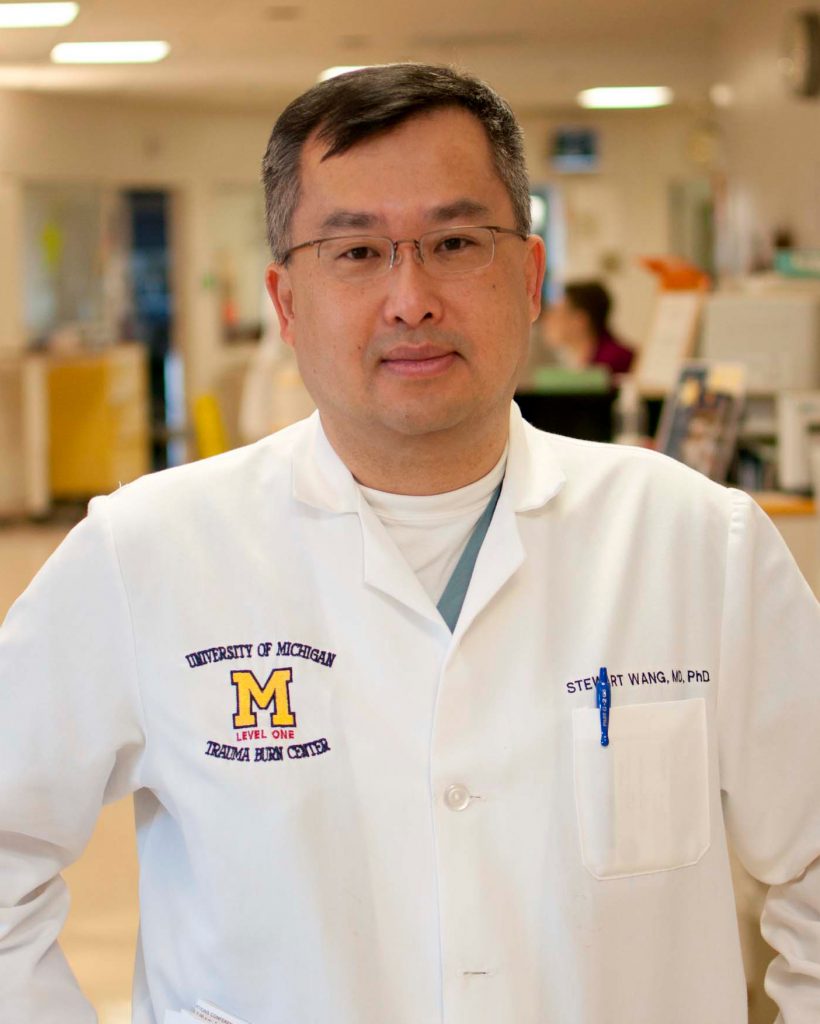 Stewart Wang合作论文数Injury Prevention Center, Medical School, University of Michigan-Ann Arbor6
 Ammar Qureshi合作论文数Department of Biological and Agricultural Engineering, Louisiana State University and Agricultural Center6
 Alexandra Vagonis合作论文数5David Fireman合作论文数5
 Bahaa Shaaban合作论文数5Rachel Ricketts合作论文数5Elof Eriksson合作论文数5
 Patricia A Leftwich合作论文数5Hsiao Hsieh Hsung合作论文数5Noelle D. Visser合作论文数Univ Texas SouthWestern, Ctr Organogenesis & Trauma, Dept Surg, Dallas, TX USA5Kaetlin Vasquez合作论文数Univ Michigan, Dept Surg, Ann Arbor, MI 48109 USA5Chase A. Pagani合作论文数5
 Amanda K Huber合作论文数5




