BackgroundThe Texas coral snake, Micrurus tener, is one of three elapid species native to the continental United States. The purpose of the study was to describe the clinical features of their envenomation.MethodsWe reviewed all human coral snake bites reported to the Texas Poison Center Network between January 2000 and December 2023. We excluded informational calls and cases in which the snake responsible for the bite was not confirmed as M. tener. Finally, we excluded bite victims who did not seek medical attention and those for whom no clinical information was available. The data collected included patient demographics, the county in which the patient was treated, clinical features, and treatment.ResultsThere were 501 human bites. In 472 (94.2%) cases, symptoms were limited to pain and paresthesias. Systemic toxicity, for example, weakness, dysphagia, and ptosis, was observed in 18 (3.6%) patients. Eleven (2.2%) patients had no clinical findings. Antivenom was administered in 126 (25.1%) cases. Antivenom use decreased over time; in the 5-year period from 2000-2007, antivenom was administered to 74 (55.6%) patients. Conversely, only 8 (4.1%) of patients from 2016-2023 received antivenom. Systemic findings were observed in 13 (6.5%) cases in Northeast and Central Texas compared to 5 (1.6%) in Southeast and South Texas.ConclusionMicrurus tener envenomations were characterized primarily by pain and paresthesias. Additional systemic findings may be observed, particularly in Northeast and Central Texas. Antivenom was administered to a minority of Texas coral snake envenomation victims.
Introduction: Calcium channel blockers (CCB) are a leading cause of ingestion-associated fatality. Angiotensin-converting enzyme inhibitor (ACEi) overdose as part of co-ingestion is common and associated with refractory shock. Treatment options to manage this profound vasoplegia are limited. We describe the first case of use of newly formulated Angiotensin II for treatment of severe ACEi and CCB poisoning. Case Report: A 57-year-old man presented after suicide attempt by ingesting 20 tablets each of amlodipine 10 mg and benazepril 20 mg. His hypotension was initially managed with 35 mL/kg of crystalloid, norepinephrine, and hyperinsulinemic euglycemic therapy (HIET). His hemodynamics further deteriorated, and he developed lactic acidosis, electrolyte derangements, and renal dysfunction. Further complications of his ingestion included cardiac arrest, subsequent requirement for emergency cricothyrotomy, and renal replacement therapy. Maximal hemodynamic support with HIET therapy insulin drip 4.4 units/kg/hour, norepinephrine 2 mcg/kg/min, epinephrine 1 mcg/kg/min, vasopressin .06 units/hour, and intravenous lipid emulsion was unsuccessful. Ang II was started and titrated to maximal doses with dramatic improvement in hemodynamics. Within hours of starting Ang II, epinephrine was stopped and norepinephrine decreased by 50%. He was downgraded from the intensive care unit without any ongoing end-organ dysfunction. Discussion: Isolated CCB overdoses have high complication rates and well-established treatments. Therefore, management of CCB and ACEi co-ingestion is typically driven by CCB poisoning algorithm. There are multiple reports of CCB and ACEi co-ingestions causing treatment-refractory shock. Therapeutic options are limited by toxicities and availability of salvage therapies. Ang II is a safe and highly effective option to manage these patients.
 Maria Hinojosa合作论文数24Mathias B. Forrester合作论文数22George Layton合作论文数8Darelle Hinson合作论文数4Robert Miller合作论文数3Tammi Schaeffer合作论文数3Maximillian Avila合作论文数2Haylea Stuteville合作论文数2Alfredo Gonzalez合作论文数2Darien Hinson合作论文数2C. Lizette Villarreal合作论文数2Brett Roth合作论文数2
 Joseph K Maddry合作论文数2Alexander Casanova合作论文数1Rosemarie G. Ramos合作论文数1Sasha Ramirez合作论文数1G Christina Gutierrez合作论文数1Nancy Onisko合作论文数1Amy Young合作论文数1Brooke Button合作论文数1Haritha Saikumar合作论文数1Jeffrey Brent合作论文数Department of Medicine, University of Colorado School of Medicine1Sarah Watkins合作论文数1Lucas W Smedley合作论文数1Christopher Dayton合作论文数1Salvador Baeza合作论文数1
 Eric Anthony Smith合作论文数1Todd Phillips合作论文数1Sing-Yi Feng合作论文数1Han Gao合作论文数1
 Rebecca L Attridge合作论文数University of the Incarnate Word, 4301 Broadway CPO#99, San Antonio, TX 78209, USA. rowens@uiwtx.edu1Ng Patrick合作论文数1
 Victoria Ganem合作论文数1
 Spencer Greene合作论文数1
 Joel E Michalek合作论文数U. of Texas Health Science Center1
 Timothy Joseph Wiegand合作论文数1Paul M. Wax合作论文数1
 Ronald M. Stewart合作论文数University of Texas Health Science Center at San Antonio1
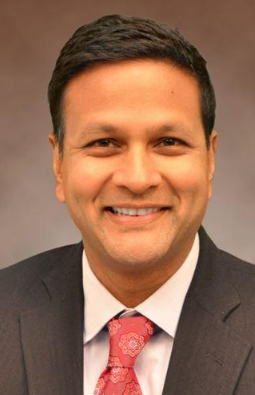 Vikhyat Bebarta合作论文数Department of Pharmacology, School of Medicine, University of Colorado1
 Daniel L Dent合作论文数Department of Surgery, University of Texas Health Science Center at San Antonio1




