Delirium is an aetiologically nonspecific cerebral syndrome characterised by disturbances in consciousness, attention, perception, cognition, memory, psychomotor activity, emotion, and the sleep–wake cycle. It frequently occurs after cardiac surgery, with multiple perioperative factors contributing to its onset, and is linked to adverse patient outcomes. This study aimed to determine the incidence and perioperative risk factors for postoperative delirium. This prospective study was conducted in two phases across the peri-operative pathway of patients undergoing cardiac surgery. Phase I involved data collection either at the pre admission clinic for elective patients or on in patient wards for urgent referrals. During this phase, relevant pre-disposing and precipitating risk factors for delirium were documented. Baseline assessments for risk factors were collected as well as the following: Personality evaluation: The Ten Item Personality Inventory (TIPI); Mood assessment: The Hospital Anxiety and Depression Scale (HADS); Delirium screening: The 4 ‘A’s Test (4AT). Phase II took place three months post surgery and included only those participants who had experienced post operative delirium during their in-patient stay. These participants were invited to attend a review clinic for follow-up assessments comprising of the following: Re-screening for delirium; Repeat HADS evaluation; Post traumatic stress symptoms (PTSS) assessment using the Structured Clinical Interview for DSM Disorders (SCID). Over 12 months, 816 patients were screened and 406 recruited (mean age 67 ± 10.5 years; 72
Purpose ERAS is a holistic and multidisciplinary pathway that incorporates various evidence-based interventions to accelerate recovery and improve clinical outcomes. However, evidence on cost benefit of ERAS in pancreaticoduodenectomy remains scarce. This review aimed to investigate cost benefit, compliance, and clinical benefits of ERAS in pancreaticoduodenectomy. Methods A comprehensive literature search was conducted on Medline, Embase, PubMed, CINAHL and the Cochrane library to identify studies conducted between 2000 and 2021, comparing effect of ERAS programmes and traditional care on hospital cost, length of stay (LOS), complications, delayed gastric emptying (DGE), readmission, reoperation, mortality, and compliance. Results The search yielded 3 RCTs and 28 cohort studies. Hospital costs were significantly reduced in the ERAS group (SMD = − 1.41; CL, − 2.05 to − 0.77; P < 0.00001). LOS was shortened by 3.15 days (MD = − 3.15; CI, − 3.94 to − 2.36; P < 0.00001) in the ERAS group. Fewer patients in the ERAS group had complications (RR = 0.83; CI, 0.76–0.91; P < 0.0001). Incidences of DGE significantly decreased in the ERAS group (RR = 0.72; CI, 0.55–0.94; P = 0.01). The number of deaths was fewer in the ERAS group (RR = 0.76; CI, 0.58–1.00; P = 0.05). Conclusion This review demonstrated that ERAS is safe and feasible in pancreaticoduodenectomy, improves clinical outcome such as LOS, complications, DGE and mortality rates, without changing readmissions and reoperations, while delivering significant cost savings. Higher compliance is associated with better clinical outcomes, especially LOS and complications.
BACKGROUND:A significant proportion of the United Kingdom's (UK's) healthcare workforce comprises people from Black and Minority Ethnic (BME) backgrounds. Evidence shows that this population is under-represented at senior management levels. A collaborative leadership development initiative for BME nurses and midwives, by involving their line managers and mentors, was designed and implemented in a Scottish Health Board.AIM:This paper affirms the importance of a collaborative initiative that is targeted to support BME nurses and midwives for leadership development and career progression, and the promotion of an inclusive organisational culture to improve team work, and service standards.METHOD:This initiative adopted an Action Research approach. The programme began with collectively exploring participants' understanding of BME workforce development challenges, then planning and delivering a targeted leadership development training, and then evaluating it, in a cyclical way.FINDINGS:With support from the project facilitators, line managers and mentors, a significant number of BME participants have gone on to achieve career progression. Participating line-managers and mentors have gained an in-depth and nuance understanding of workforce diversity, individuals' potentials, unconscious biases, and the importance of an inclusive organisational culture. All participants reported that they have learned to become more reflective in their professional practice, and more able to explore, embrace, and promote inclusive workplace culture. BME participants reported feeling that they were valued members of staff, and that this had led to a positive impact on team work and better patientcare outcome.CONCLUSION:The project has opened a new window into the world of the BME workforce. Findings highlight the value of a diverse workforce, and of an inclusive organisational culture being crucial for effective team work, and of overall benefit to workforce management. Finally, a collaborative initiative like this can successfully improve team work to deliver better patient care.
AIMS To explore nurse's, physician's and family member's experiences of withholding or withdrawing life-sustaining treatment in an intensive care unit. BACKGROUND In South Korea, withholding or withdrawing life-sustaining treatment is legalised by the enforcement of the Hospice, Palliative Care and Life-sustaining Treatment Decision-making Act (2018). The Act (2018) is the first legal ground for making decisions regarding life-sustaining treatment in South Korea. DESIGN Focused ethnography. The standards for reporting qualitative research checklist is used. METHODS Interview data are collected between August 2018 and January 2019 using semi-structured interviews with 23 nurses, 10 physicians and four family members in a South Korean intensive care unit. The interview data are analysed following the thematic analysis of Braun and Clarke. RESULTS An overarching theme of 'constructing death' is identified from the experiences of nurses, physicians and family members regarding withholding or withdrawing life-sustaining treatment in a South Korean intensive care unit. Family members had the strongest power in the withholding or withdrawing life-sustaining treatment process whilst the process had to be based on medical consideration. All the research participants shared the purpose and motivation of withholding or withdrawing life-sustaining treatment as the dying patient's dignity. Due to the South Korean national health insurance system, the relationships between medical staff and family members were driven by customer ideology. CONCLUSION The impact and linkage of the context of familism culture and health insurance with the process of withholding or withdrawing life-sustaining treatment in South Korea are shown in this research. The findings of this research inspire future studies to uncover the impact of the cultural context in the decision-making process of a patient's death, to explore the dynamics of family members under cultural values and to explore the influence of the healthcare system and medical costs on the relationships between medical staff and family members. RELEVANCE TO CLINICAL PRACTICE By integrating the experiences of nurses, physicians and family members, the findings of this study inform the shared values in the context of familism culture and the health insurance system. In particular, understanding family dynamics when a patient's dying and death as a result of withholding or withdrawing life-sustaining treatment informs nurses to provide quality of care in the intensive care setting. Therefore, the findings of this research contribute to distinguishing the priority in care when withholding or withdrawing life-sustaining treatment, rapidly changing the aims of care from the patient's recovery to a dignified death.
Early mobilisation of mechanically ventilated patients has been suggested to be effective in mitigating muscle weakness, yet it is not a common practice. Understanding staff experiences is crucial to gain insights into what might facilitate or hinder its implementation. In this constructivist grounded theory study, data from two Scottish intensive care units were collected to understand healthcare staff experiences relating to early mobilisation in mechanical ventilation. Data included observations of mobilisation activities, individual staff interviews and two focus groups with multidisciplinary staff. Managing Risks emerged as the core category and was theorised using the concept of risk. The middle-range theory developed in this study suggests that the process of early mobilisation starts by staff defining patient status and includes a process of negotiating patient safety , which in turn enables performing accountable mobilisation within the dynamic context of an intensive care unit setting.
Aims and Objective This systematic literature review explores and maps what we know about survivorship to understand how survivorship can be theoretically defined. Background Survivorship of critical illness has been identified as a challenge for the 21st Century. Whilst the use of the term 'survivorship' is now common in critical care, it has been borrowed from the cancer literature where the discourse on what survivorship means in a cancer context is ongoing and remains largely descriptive. In the absence of a theoretical understanding, the term 'survivorship' is often used in critical illness in a generic way, limiting our understanding of what survivorship is. The current COVID-19 pandemic adds to an urgency of understanding what intensive care unit (ICU) survivorship might mean, given the emerging long-term consequences of this patient cohort. We set out to explore how survivorship after critical illness is being conceptualised and what the implications might be for clinical practice and research. Design Integrated systematic literature review. The review protocol was registered with PROSPERO International Prospective Register of Systematic Reviews. PRISMA guidelines were followed and a PRISMA checklist for reporting systematic reviews completed. Results The three main themes around which the reviewed studies were organised are: (a) healthcare system; (b) ICU survivors' families; and (c) ICU survivor's identity. These three themes feed into an overarching core theme of 'ICU Survivorship Experiences'. These themes map our current knowledge of what happens when a patient survives a critical illness and where we are in understanding ICU survivorship. Conclusion We mapped in this systematic review the different pieces of the jigsaw that emerge following critical illness to understand and see the bigger picture of what happens after patients survive critical illness. It is evident that existing research has mapped these connections, but what we have not managed to do yet is defining what survivorship is theoretically. We offer a preliminary definition of survivorship as a process but are aware that this definition needs to be developed further with patients and families.
BACKGROUND:Postoperative delirium is a major complication associated with anaesthesia and surgery, more commonly seen in older people.AIMS:The aims of this study were to explore the knowledge and understanding of anaesthetists and nurses involved in anaesthesia through their responses to two case scenarios of postoperative delirium experienced by older people.METHODS:A 30-item online survey was sent to 500 potential respondents.RESULTS:Two hundred and twenty-six practitioners from Australia, New Zealand and Scotland responded. Most had no workplace protocols for anaesthesia planning in older people. There was substantial variability in practice in relation to postoperative delirium screening, detection, prevention and management.CONCLUSIONS:Improvements in education and awareness, together with a more coherent approach, for example, as recommended in the European Society of Anaesthesiology Guidelines, could help to reduce the impact of postoperative delirium in older people. This should be combined with ongoing research into perioperative optimisation of detection, prevention and management of postoperative delirium.
s Background Enhanced recovery after surgery (ERAS) protocols are evidence-based, multimodal and patient-centred approach to optimize patient care and experience during their perioperative pathway. It has been shown to be effective in reducing length of hospital stay and improving clinical outcomes. However, evidence on its effective in liver surgery remains weak. The aim of this review is to investigate clinical benefits, cost-effectiveness and compliance to ERAS protocols in liver surgery. Methods A systematic literature search was conducted using CINAHL Plus, EMBASE, MEDLINE, PubMed and Cochrane for randomized control trials (RCTs) and cohort studies published between 2008 and 2019, comparing effect of ERAS protocols and standard care on hospital cost, LOS, complications, readmission, mortality and compliance. Results The search resulted in 6 RCTs and 21 cohort studies of 3739 patients (1777 in ERAS and 1962 in standard care group). LOS was reduced by 2.22 days in ERAS group (MD = −2.22; CI, −2.77 to −1.68; p < 0.00001) compared to the standard care group. Fewer patients in ERAS group experienced complications (RR, 0.71; 95% CI, 0.65–0.77; p = < 0.00001). Hospital cost was significantly lower in the ERAS group (SMD = −0.98; CI, −1.37 to – 0.58; p < 0.0001). Conclusion Our review concluded that the introduction of ERAS protocols is safe and feasible in hepatectomies, without increasing mortality and readmission rates, whilst reducing LOS and risk of complications, and with a significant hospital cost savings. Laparoscopic approach may be necessary to reduce complication rates in liver surgery. However, further studies are needed to investigate overall compliance to ERAS protocols and its impact on clinical outcomes.
Background: Mechanically ventilated patients often develop muscle weakness post-intensive care admission. Current evidence suggests that early mobilisation of these patients can be an effective intervention in improving their outcomes. However, what constitutes early mobilisation in mechanically ventilated patients (EM-MV) remains unclear. We aimed to systematically explore the definitions and activity types of EM-MV in the literature. Methods: Whittemore and Knafl’s framework guided this review. CINAHL, MEDLINE, EMBASE, PsycINFO, ASSIA, and Cochrane Library were searched to capture studies from 2000 to 2018, combined with hand search of grey literature and reference lists of included studies. The Critical Appraisal Skills Programme tools were used to assess the methodological quality of included studies. Data extraction and quality assessment of studies were performed independently by each reviewer before coming together in sub-groups for discussion and agreement. An inductive and data-driven thematic analysis was undertaken on verbatim extracts of EM-MV definitions and activities in included studies. Results: Seventy-six studies were included from which four major themes were inferred: (1) non-standardised definition, (2) contextual factors, (3) negotiated process and (4) collaboration between patients and staff. The first theme indicates that EM-MV is either not fully defined in studies or when a definition is provided this is not standardised across studies. The remaining themes reflect the diversity of EM-MV activities which depends on patients’ characteristics and ICU settings; the negotiated decision-making process between patients and staff; and their interdependent relationship during the implementation. Conclusions: This review highlights the absence of an agreed definition and on what constitutes early mobilisation in mechanically ventilated patients. To advance research and practice an agreed and shared definition is a pre-requisite.
Background Mechanically ventilated patients often develop muscle weakness post-intensive care admission. Current evidence suggests that early mobilisation of these patients can be an effective intervention in improving their outcomes. However, what constitutes early mobilisation in mechanically ventilated patients (EM-MV) remains unclear. We aimed to systematically explore the definitions and activity types of EM-MV in the literature. Methods Whittemore and Knafl’s framework guided this review. CINAHL, MEDLINE, EMBASE, PsycINFO, ASSIA, and Cochrane Library were searched to capture studies from 2000 to 2018, combined with hand search of grey literature and reference lists of included studies. The Critical Appraisal Skills Programme tools were used to assess the methodological quality of included studies. Data extraction and quality assessment of studies were performed independently by each reviewer before coming together in sub-groups for discussion and agreement. An inductive and data-driven thematic analysis was undertaken on verbatim extracts of EM-MV definitions and activities in included studies. Results Seventy-six studies were included from which four major themes were inferred: (1) non-standardised definition , (2) contextual factors , (3) negotiated process and (4) collaboration between patients and staff . The first theme indicates that EM-MV is either not fully defined in studies or when a definition is provided this is not standardised across studies. The remaining themes reflect the diversity of EM-MV activities which depends on patients’ characteristics and ICU settings; the negotiated decision-making process between patients and staff; and their interdependent relationship during the implementation. Conclusions This review highlights the absence of an agreed definition and on what constitutes early mobilisation in mechanically ventilated patients. To advance research and practice an agreed and shared definition is a pre-requisite.
Background Direct patient care is a term used within nursing and healthcare to help quantify and qualify care delivery. Direct patient care time is considered as a valuable measure by healthcare providers to indicate efficiency and to quantify nursing work, however little is understood of the patient experience and care delivery in haemodialysis settings. Aim The aim of this study was to gain an understanding of patients’ and nursing staff perceptions and experiences of ‘direct patient care’ within one haemodialysis unit. Methods A focused ethnographic approach utilised participant observations, informal questioning, photographs and 27 semi-structured interviews of registered nurses, clinical support workers and patients. Observation notes and interviews were transcribed and thematically analysed. Results The key finding was the construction and reconceptualisation of care delivery in this setting. Care was identified to be delivered in two distinct ways, both of which allowed patients to feel cared for. ‘Active care’ where patients feel cared for when they are being dealt with directly by staff and ‘Passive care’ where patients feel cared for through staff availability and visibility. Conclusion Developing this understanding of patient care delivery in this specialism has highlighted some important aspects to the way care can be delivered which challenges current traditional understandings of direct patient care. Time spent with a patient is not the only important consideration to patient experience in haemodialysis. This understanding of passive care could improve care experiences in this setting.
Aim To contribute insight into health and social care integration through an exploration of the care experiences of adults with degenerative neuromuscular conditions who use a mechanical ventilator at home. Design Descriptive qualitative research. Methods Seventeen semi-structured interviews were conducted with patients and family carers living in Scotland during 2015-2016 and thematically analysed. Results To achieve a satisfying life, home ventilated participants required help from a variety of health and social care services, as well as care from family. Examples of successful care were identified, but there were also serious failures and conflict with services. Identifying how care fails or succeeds for this patient population and their families requires an understanding of the interdependency of health and social care. This was achieved by examining health and social care provision from the experiential perspective of care-users to provide insights into how disconnected provision has an impact on users' lives in numerous, idiosyncratic ways.
By discussing the lessons learned from Chinese nurses leaving nursing practice, this paper reports on the currently neglected issue of nursing wastage in the nursing shortage in China. The nursing shortage needs to be understood locally and resolved globally. However, a lack of understanding of the root causes and consequences of nurses leaving nursing practice in their home countries has impeded the implementation of effective strategies in resolving nursing shortage nationally and worldwide. This qualitative study draws on a grounded theory approach. In-depth interviews with 19 nurses who had left nursing practice were theoretically sampled from one provincial capital city in China. Managerial and organizational support from the current Chinese nursing workforce management to retain qualified nurses is lacking. While hospital managers claim that nurses’ voluntary leaving is an individuals’ problem rather than an institutional problem, participants view their leaving nursing practice as the way to pursue personal freedom and value in response to their dissatisfaction and stress in nursing. The lessons from Chinese nursing perspective indicate that nursing wastage may not only occur when nurses choose voluntary leaving, but also happen when they resort to passive staying. The wastage of nursing human resources in Chinese Grade Three hospitals is arguably the most pressing nursing crisis in regards to the nursing shortage nationwide. The study suggests that nursing wastage may be avoided if nurses have greater autonomy to achieve more reasonable career prospects, thereby ensuring nurses’ professional value and contribution to be properly rewarded with managerial and organizational support.
The year 2016 marks the 60th anniversary of Nursing Studies at Edinburgh University. This important anniversary has been celebrated both within the university (see www.ed.ac.uk/nursing) and during the International RCN Research Society Conference in Edinburgh held in April 2016 to coincide with Nursing Studies’ Diamond Jubilee year. HRH the Princess Royal and University of Edinburgh Chancellor, visited Nursing Studies to unveil a plaque to commemorate the Diamond Jubilee and view a poster exhibition which demonstrated how the Department has contributed to nursing excellence, since its inception in 1956. The role the University of Edinburgh has played in promoting nurse education, research, management and practice in subsequent years is the focus of this JAN editorial. A notable Edinburgh alumna, former Professor and Director of the Nursing Research Unit, Professor Alison Tierney was the Editor-in-Chief of this journal and helped to enhance its reputation from 2003–2011. Other Edinburgh alumni continue to occupy key roles in the nursing profession – both in the UK and globally – and an alumni conference in November 2016 will allow them to return to Edinburgh and celebrate these successes. When celebrating important milestones in the history of such an influential centre of learning, it is important to look back and to recognize the contributions by the many individuals who first pushed at the, then, closed doors of the University of Edinburgh to allow nurses to gain a university education. It is also important to recognize and celebrate nursing's contribution within a university setting of such esteem and standing, long before an all-graduate profession was ever envisaged in the UK. The roots of the Department of Nursing Studies lie in the post-World War 2 era with the Nurse Tutors’ course organized by the Royal College of Nursing Scottish Branch, and the Chair of Public Health and Social Medicine, Professor Crew, who persuaded the then Principal of the University of Edinburgh to allow a Nurse Teaching Unit to be established in the Faculty of Arts. Visionaries such as Francis Crew (Edinburgh) Frazer Brockington (Manchester) and Elsie Stephenson (Edinburgh) who had first-hand experience of emergency and relief work in war-torn Europe, were able to see a role for nurses that went beyond the hospital to provide holistic community care and public health. University education provided the academic and clinical opportunity to deliver such innovative programmes. More generally it was part of a commitment to widening women's access to higher education in the 1950s (Brooks 2011). Assist in the provision of a regular supply of teachers, administrators and leaders in the nursing profession with high academic standards of attainment and all the advantages of close contact with the general life of the University throughout the period of their course of study… … the future of nursing, as Elsie Stephenson saw it, was to become knowledge-based, while retaining the art of caring and the spirit of the service. (Allan 1990, p. 108–9) It seems that the only way in which the nursing profession can attract and retain candidates of a suitable calibre to become leaders in future years is to provide for them here and now, at undergraduate level, the type of preparation which will meet their intellectual needs as well as professional needs. (Stephenson 1960, p. 4) The realization of this ambition relied on the tenacity of Elsie Stephenson. She was a nurse leader of considerable ambition who mobilized support from the Royal College of Nursing, the General Nursing Council and the Matron's Association. Plans were submitted to the university, which in turn were presented to the Secretary of State for Scotland asking his permission to meet with representatives of Education and Health departments. Negotiations required well-established patterns of nurse training to be changed, as well as finances secured, but finally the first undergraduate degree course in the UK was created. The much-valued degree-level study was combined with clinical lectures alongside traditionally trained nursing students at the Royal Infirmary of Edinburgh. Elsie Stephenson's influence on nursing can be seen throughout the 1960s and her role in Edinburgh's story cannot be over-emphasized. Her organizational flair and dynamic enthusiasm were matched by a warm personality, which enabled her to develop good working relationships externally, with the NHS and professional bodies, as well as internally within the University's academic community (Weir 1996). Stephenson had herself studied public health nursing at Toronto University and was involved in family research in Newcastle becoming a member of the Jamieson review of health visitor training and a WHO Advisory Panel member giving advice on health matters world-wide. Hence, Stephenson had given up a high profile and successful nursing career on the international stage to come to Edinburgh. With WHO financial support, Stephenson also achieved another first by establishing the International School of Advanced Nursing Studies at Edinburgh to offer administration and/or educational programmes for nursing leaders across the globe (Allan 1990). Importantly, Elsie Stephenson also brought research-mindedness to bear on the new unit and a research base was set up to deal with the ‘practical problems of nursing’. The first doctorates were completed, the first by a nurse, Audrey John on the work of psychiatric nurses. Margaret Scott Wright (later to become the first Professor of Nursing at Edinburgh, and in the UK), was the second nurse to be awarded a PhD in 1961 entitled A study on the performance of student nurses. These early doctoral awards confirmed that nursing was gradually being seen a researchable subject, and it was soon being argued that nursing research needed to be conducted by those with insight and experience of the profession (Weir 1996, p. 15–17). To date, there have been 109 PhDs awarded from Nursing Studies at the University of Edinburgh. Elsie Stephenson died prematurely of cancer (aged 51) and one of the first graduates in Nursing Studies authored her biography (Allan 1990). A memorial fund was also set up and is still used today for a biennial commemorative lecture by eminent nurse leaders on topical and current issues of relevance to nursing. Elsie was succeeded by Dr Margaret Scott Wright who had earlier undertaken research in the Department of Public Health at the University of Edinburgh, and gained her doctorate in 1961. In 1972, she was appointed to the newly established Chair of Nursing Studies at Edinburgh University; the first such Chair in the UK and Europe, confirming the claim of nursing as a distinct discipline and further increasing its status within academia. The established Chair in Nursing Studies has been occupied, since Scott-Wright, by Professor Annie Altschul, Professor Penny Prophit and Professor Kath Melia. The next incumbent is currently awaited. Other universities, such as Manchester, Surrey, Southampton and The University of Wales College of Medicine, soon followed Edinburgh in the mid-late 1960s and early 1970s by establishing academic departments with associated Chairs in Nursing. During Professor Scott Wright's tenure she secured a grant from the Nuffield Provincial Hospitals Trust in 1971 to employ academic Clinical Nursing Officers who were also lecturers within the department. The Nuffield Project was highly innovative and ambitious and aimed to evaluate patient care, assess the effect of the university education on quality of care delivered by undergraduate nurses, facilitate information exchange between academic and clinical nursing staff and aimed to help implement nursing research findings. The roles occupied by Edith Notman, Billie Thomson, Dorothy Kilgour and Agnes Jarvis were pioneering: and another first for Edinburgh in terms of creating combined academic/clinical appointments. These appointments also enhanced relationships between academia and the NHS in Scotland. They were appreciated by the undergraduates, and useful insights were gained about the application of research in clinical settings. Professor Scott Wright also persuaded the Scottish Home and Health Department of the urgent need to provide a locus, where research policy in nursing could be more coherently formulated. Thus, the Nursing Research Unit (NRU) was created with a grant of £150,000 from the Scottish home and Health Department. Its first Director, Dr Lisbeth Hockey, was appointed in 1971. This pioneering unit was the first in a British or European University, and its ongoing research activity was summarized by Professor Alison Tierney, its second Director, in Biennial Reports – until its eventual closure in 1994. The first undergraduate curriculum accepted by the University was for the academic award of Master of Arts, combined with State Registration, and consisted of the seven courses normally required for an Ordinary Degree at Edinburgh University. These courses were spread over four and a half years, rather than three, to allow for the requisite clinical experience to be gained in university vacations. The fifth half year was devoted solely to clinical practice and theory so that students could become immersed fully in their roles as hospital staff. This academic achievement marked a move away from the apprenticeship system of nurse training towards a more holistic model of education which other universities such as Manchester, Surrey and University of Wales College of Medicine soon followed (Reinkemeyer 1966). The numbers undertaking these early degree programmes remained relatively small in the UK, however, and it was to take until 2013 before degree-level education was introduced for all pre-registration nursing students. The leap of faith taken by the University of Edinburgh in the 1950s, therefore, should be recognized as ground-breaking as it prepared the way for graduates to enter the nursing workforce having enjoyed a full academic education, and on equal standing with other undergraduates across the University. This liberal model of nursing education was unique and the Nursing Studies students of today still enjoy some of the same benefits. Consistently coming at the top of league tables for student satisfaction, Edinburgh students clearly still enjoy the education offered by the Edinburgh experience. The model of education offered by Nursing Studies at Edinburgh can be seen to have been highly innovative and students were introduced to novel teaching methods and situations such as a variety of visual aids and role play while being exposed to the philosophical and theoretical concepts underpinning the practice of nursing. Students were encouraged to ask questions and seek answers by being given the means to find the knowledge they needed. The Edinburgh degree course emphasized both hospital based care and community orientated nursing – more so than traditional nurse training – and the District Nursing Certificate was integrated into the undergraduate programme from 1972 – 1984 in collaboration with the Queen's Nursing Institute of Scotland. These successes, however, did not always come easy. In the early years there was resistance to the graduate course on all fronts with students being greeted with suspicion from the medical profession, as well as by many within nursing itself, who were wary of the university students who had special teaching times and undertook different types of placements. It has been noted that ward sisters and staff nurses sometimes mistrusted the newcomers for their apparent privileges and ambitions (Allan p. 114–115). Nevertheless, there was a steady growth in the numbers of students in Nursing Studies which rose from a total of 76 in 1970 to 125 in 1975, (currently, there are 131 undergraduate students, and 34 PhD students.) Nursing Studies was eventually integrated into the Social Science faculty in 1963 and the undergraduate programme was extended to offer an Honours Option in the early 1990s. In 2003, with the reconfiguration of the University structures, Nursing Studies became a subject area within the newly formed School of Health in Social Science, itself a school in the College of Humanities and Social Science, one of the three newly created University Colleges. The current Bachelor of Nursing with Honours programme still has, at its heart, the liberal model of nurse education with the first year students choosing outside courses alongside their core nursing courses. In the Honours years, the programme also offers a wide range of options allowing students to pursue their interests in specific areas of nursing practice. Students particularly benefit from courses which are based in the staff's research work and clinical interests and expertise. The experiences of the early Edinburgh graduates have been a source of interest and their career choices were often documented; beginning with surveys in 1969 to follow-up the graduates’ careers with this work continuing by Alison Tierney & Helen Sinclair into the 1980′s (Sinclair 1984). Over the decades, Nursing Studies consolidated its academic base. University policy phased out certificate-level courses; as a result, the International School ceased to exist. However, MSc courses, which often attracted overseas students, were created for Nursing Administration and Nurse Education in 1975. Initiatives resulted in new Masters courses being developed, which demonstrated an awareness of the emerging trends in health care and the development of specialisms within the nursing profession. Hence, Nursing Studies worked with Business Studies to offer a new MSc in Nursing Administration to prepare nurses to fulfil management roles in 1978; this evolved over time and was replaced by an MSc in Nursing and Health Studies in 1991. In 1979, an innovative MSc in Health Education was set up collaborating with the Health Education Board for Scotland. The intention was to appraise students of the UK health education developments, evaluate health education strategies used by the media, and promote the role of the nurse as health educator. Further Master's courses were developed in a range of topics during the 1990s including mental health and cancer care. More recent developments in Masters’ degrees offered address the complexity of healthcare provision in the 21st century, acknowledge the primacy of research and reflect the innovative skills of the current staff. As courses expanded and student numbers increased, there was a parallel increase in staff. Many Nursing Studies’ staff have gone on to influence nurse education in other universities, and worked in other countries to enhance the profession in academic settings – such as Professors Rosemary Crow and Dr Ruth Schrock. Many have advanced knowledge and practice by research. Professor Annie Altschul, for example, was distinguished in the field of mental health and Professor Kath Melia became well known for her innovative qualitative research, nursing ethics and sociology writing. Professor Tonks Fawcett currently holds a personal chair in student learning which testifies to the ongoing importance of combined academic and clinical mentorship roles. Professor Pam Smith has led research into the emotional labour associated with nursing and has developed this work at Edinburgh in recent years. In terms of quality of the education on offer, Nursing Studies has topped the league tables for student satisfaction and overall performance in recent years. This is a marker of ongoing excellence and helps to reinforce the high quality of education available to students electing to read Nursing Studies at Edinburgh. Students continue to undertake overseas electives and high numbers of international students come to Edinburgh. Its international profile remains strong and is growing. In summary, over its 60-year history, Nursing Studies at Edinburgh University has spearheaded the movement from a service-based training model to securing an academic education for nurses, and established the nursing profession's place within academia: the unthinkable became the possible, and then the norm. The pioneers who led Nursing Studies at Edinburgh succeeded in establishing an impressive catalogue of ‘firsts’ (the first Nursing Chair in the UK as well as the first undergraduate programme) and produced well-equipped graduates to take up posts in clinical service for over six decades. Notably, it has produced individuals who have occupied key positions of influence and leadership in the profession. It has also undoubtedly played a key part in promoting nursing excellence, and advancing knowledge and research not only in the UK but also globally.
Purpose: The purpose of this study was to explore factors that affact nursing students’ decisions of whether to take rural jobs in China. Methods: An exploratory interview study was conducted in China during May and June 2011. Eleven final year nursing students were purposively recruited from four nursing schools in one eastern area in China. The semi-structured interviews were audiotaped, transcribed and then analysed using thematic analysis approach. Findings: Four major themes emerged from these interview data: (a) students’ perspectives on rural nursing posts; (b) student’s perspectives on rural communities; (c) students’ background and personal concerns; and (d) government recruitment policies of rural nurses. Participants viewed rural nursing posts as positions with lower financial rewards, lower social status and fewer opportunities for professional development. They also perceived rural nursing as less demanding and less stressful. Rural background and altruistic personality contribute to students’ intentions to take a rural job. Family members’ disapproval of rural jobs was a major barrier to nursing students taking a rural job. Conclusions: The perceived low social status of rural nurses and family members’ disproval of rural work were unique factors revealed in Chinese context that had negative impacts on students’ intentions to work in rural places.
AIM:This paper reports a theoretical understanding of nurses leaving nursing practice by exploring the processes of decision-making by registered nurses in China on exiting clinical care.BACKGROUND:The loss of nurses through their voluntarily leaving nursing practice has not attracted much attention in China. There is a lack of an effective way to understand and communicate nursing workforce mobility in China and worldwide.DESIGN:This qualitative study draws on the constant comparative method following a grounded theory approach.METHOD:In-depth interviews with 19 nurses who had left nursing practice were theoretically sampled from one provincial capital city in China during August 2009-March 2010.RESULTS:The core category 'Mismatching Expectations: Individual vs. Organizational' emerged from leavers' accounts of their leaving. By illuminating the interrelationship between the core category and the main category 'Individual Perception of Power,' four nursing behaviour patterns were identified: (1) Voluntary leaving; (2) Passive staying; (3) Adaptive staying and (4) Active staying.
The paper aims to understand how the Chinese nursing education and recruitment policy impacts nurses to leave nursing practice. There is a lack of feasible strategies to maintain a sustainable effective nursing workforce with an increasing trend of nurses' leaving clinical care. In its efforts to resolve the nursing shortage, the Chinese government currently emphasizes expanding nursing education while controlling staffing ratios. This qualitative research design was based on the framework of symbolic interactionism. The in-depth interviews with 19 nurses who have left the nursing practice were theoretically sampled from one provincial capital city in China. The core category "Mismatched Expectations: Individual vs. Organization" emerged from five subcategories, which illustrates how the mismatched individual and organizational expectations of nursing were created through nurses educational and employment processes within the Chinese health care system. When the individual and organizational expectations of nursing are highly mismatched, there is a risk that highly educated nurses will leave nursing practice. Students should be enabled to have realistic expectations of nursing, and new graduates need sufficient supports to adapt to the health care environment without losing their vision of nursing for future.
 Junhong Zhu (朱俊红)合作论文数School of Medicine, Zhejiang University6
 Rosie Stenhouse合作论文数School of Health in Social Science, The University of Edinburgh4
 Susanne Kean合作论文数4Kath M. Melia合作论文数4
 Catherine Clarissa合作论文数Nursing Studies, Univ Edinburgh3Jennifer Tocher合作论文数School of Health in Social Science, The University of Edinburgh3
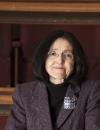 Pam Smith合作论文数School of Health in Social Science, The University of Edinburgh3MacLullich Alasdair合作论文数Edinburgh Delirium Res Grp, Univ Edinburgh3
 Lisa Gabrielle Salisbury合作论文数3
 Ezinne Igwe合作论文数Faculty of Medicine and Health Sciences, University of Wollongong NSW2
 Gordon Blair Drummond合作论文数Department of Anaesthesia and Pain Medicine, Usher Institute, The University of Edinburgh2
 Vincent Yip合作论文数2Foo Irwin合作论文数2
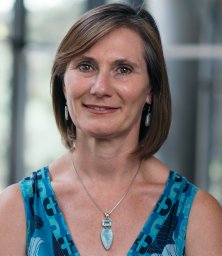 Victoria Traynor合作论文数2D. Hariharan合作论文数1Deepak Hariharan合作论文数1Anthony Bateman合作论文数1
 Angie Balfour合作论文数1Eddie Donaghy合作论文数1
 Lyrics Noba合作论文数Sch Hlth Social Sci, Univ Edinburgh1
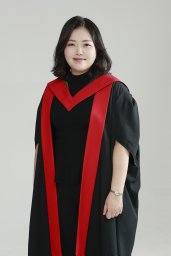 Hye Ri Choi合作论文数School of Nursing, The University of Hong Kong1Alison Wood合作论文数1
 Pam Ramsay合作论文数1
 Christopher Weir合作论文数Usher Institute, Edinburgh Medical School,The University of Edinburgh1
 Gareth Clegg合作论文数MRC Centre for Inflammation Research, Edinburgh Medical School,The University of Edinburgh1
 Elaine Haycock-Stuart合作论文数School of Health in Social Science, The University of Edinburgh1
 Larry Doi合作论文数School of Health in Social Science, The University of Edinburgh1Colin Chandler合作论文数School of Health in Social Science, The University of Edinburgh1YueXian Tao (陶月仙)合作论文数1
 Tonks Fawcett合作论文数School of Health in Social Science, The University of Edinburgh1Radha Adhikari合作论文数1Corcoran Janet合作论文数1Small Pauline合作论文数1Dickson Lesley合作论文数1Watt Deborah合作论文数1Smith Margaret A C合作论文数1
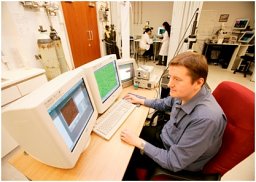 James R. Smith合作论文数School of Pharmacy and Biomedical Sciences, University of Portsmouth1May Mccreaddie合作论文数1Jessica Maclaren合作论文数1Linda Pollock合作论文数1
 Angus Bancroft合作论文数School of Social and Political Studies, University of Edinburgh, Adam Ferguson Building, George Square, Edinburgh EH8 9LL, UK1
 Daniel Kelly合作论文数School of Healthcare Sciences, Cardiff University;Royal College of Nursing, Cardiff University1




