Background and objectives:We investigated the relationship between cerebrospinal fluid (CSF) and plasma biomarkers of inflammation, neurodegeneration, and neurocognitive performance in people with HIV (PWH), using longitudinal samples from two previously published cohorts: ACTG A5090 (virally suppressed on antiretroviral therapy, ART) and A736 (ART-naïve or failing). Methods:We analyzed paired CSF and plasma samples, as well as 7-domain standardized neurocognitive test scores, at baseline and 24 weeks. Biomarkers included markers of inflammation (e.g., TNF-α, IL-6, IP-10) and neurodegeneration (e.g., NFL, p-Tau217, Aβ42), which were quantified via high-sensitivity immunoassays. Associations with cognition were tested using regression, mediation, and interaction models. Results:Cross-sectional analyses revealed nominal associations between inflammatory markers and cognitive performance, with plasma IL-6 and IP-10 at baseline, and CSF TNFα at week 24 showing the strongest correlations (p < 0.05, uncorrected); however, none survived correction for multiple comparisons. Conversely, higher CSF Aβ42 and plasma BDNF were positively associated with memory and executive function. Longitudinally, biomarker changes did not significantly predict change in global cognition (ΔNPZ-8); the strongest trend (p-Tau217, ρ = -0.12, p = 0.38) was not statistically significant, and multivariate models failed to identify robust predictors (R2 < 0.15). Exploratory mediation analysis suggested CSF TNFα, but not plasma TNFα, partially mediated the effect of CSF HIV RNA on cognition (indirect β = 0.14, 95% CI: 0.045-0.235, p = 0.006), though this finding requires replication in larger cohorts. Within-compartment biomarker correlations were stronger in CSF than plasma, and cross-compartment agreement was highest for TNFα, GFAP, and NFL. ART initiation in A736 led to significant declines in CSF IL-6, IL-10, and TNFα; no changes were observed in A5090. Exploratory interaction models suggested that astrocytic activation may amplify tau-related cognitive risk, but these effects were not statistically reliable when analyses were restricted to participants with complete data for GFAP, tau biomarkers, and cognitive scores. Discussion:These results suggest a potential role of CSF TNFα in mediating the neurocognitive effects of HIV and highlight compartment-specific inflammatory dynamics. Plasma TNFα, GFAP, and NFL may serve as peripheral indicators of CNS pathology, though with only moderate concordance. Astrocyte-tau interactions require cautious interpretation pending replication in larger cohorts.
BACKGROUND:Women are disproportionately affected by neuropsychiatric symptoms following recovery from acute COVID-19. However, whether there are central nervous system-specific changes in gene expression in women with neuropsychiatric Long COVID (NP-Long COVID) remains unknown. METHODS:Twenty-two women with and 10 women without NP-Long COVID were enrolled from New Haven, Connecticut, and the surrounding region and consented to a blood draw and large volume lumbar puncture. Total RNA was extracted from cerebrospinal fluid (CSF) cells and peripheral blood mononuclear cells (PBMC). Polyadenylated RNA was sequenced, and differential expression analyses were performed. RESULTS:Both CSF and PBMC samples showed differential gene expression associated with Long COVID status. There were CSF-specific differentially expressed genes in people with Long COVID, including in genes related to oxidative stress, reactive oxygen species, and P53 response, indicating compartment-specific immune responses. Some pathways were dysregulated in both the CSF and PBMC of Long COVID compared with controls, including those related to androgen response, MTORC1 signaling, and lipid metabolism. CONCLUSIONS:Women with NP-long COVID show compartment-specific, transcriptional profiles in the CSF with evidence of enrichment in cellular stress pathways. These results underscore the importance of examining CSF-specific molecular profiles to better understand post-viral neurological syndromes.
Background:Neurological Long COVID (n-LC) includes persistent cognitive and autonomic symptoms after SARS-CoV-2 infection. Prior studies of post-COVID conditions have described diverse humoral autoreactivity, but findings are heterogeneous, and it remains unclear whether n-LC is associated with a consistent CNS-directed humoral signature. Methods:We performed a cross-cohort case-control analysis to detect autoantibodies in cerebrospinal fluid (CSF) and serum from n-LC participants. In the Yale COVID Mind Study cohort, CSF from n-LC participants and from pre-pandemic and post-COVID asymptomatic controls was assessed by mouse brain immunofluorescence and proteome-wide phage immunoprecipitation sequencing (PhIP-Seq), with candidate reactivities evaluated by orthogonal assays and supervised modeling. In the Epidemiology, Immunology, and Clinical Characteristics of Emerging Infectious Diseases with Pandemic Potential (IDCRP EPICC) cohort, post-COVID sera collected prior to iPhone- or iPad-based cognitive screening were profiled by PhIP-Seq and compared between participants with and without cognitive impairment. Results:CSF immunoreactivity on mouse brain tissue was observed in both n-LC and controls, with similar overall frequencies, although n-LC participants more often showed nuclear-predominant staining patterns. PhIP-Seq identified sparse, largely patient-specific peptide reactivities to nuclear and neuronal proteins in CSF and serum. Supervised models provided limited discrimination between cases and controls. Candidate autoantigens had limited disease specificity on orthogonal testing. EPICC serum autoantibody profiling similarly failed to distinguish individuals with and without cognitive impairment. Conclusions:Across cohorts and compartments, n-LC did not exhibit a shared autoantibody signature. These findings support the absence of a dominant, common CNS autoantibody-mediated mechanism in n-LC. Funding:Grants HU00012020067, HU00012120103, HU00011920111, R01NS125693, R01MH125737, R01AI157488 from Defense health program and NIH.
The role of vascular inflammation in neuropsychiatric Long COVID (LC) is suspected but not well understood. This study evaluated whether vascular inflammation is present in individuals with neuropsychiatric LC and how it relates to cognitive and mental health symptoms. This cross-sectional, case-control study included individuals with acute COVID-19 (AC), neuropsychiatric LC, and recovered controls. Participants were enrolled from the COVID Mind Study and the Yale IMPACT Study (hospitalized), and an independent cohort from the Johns Hopkins University (JHU) Long COVID Study. Fifty individuals with neuropsychiatric LC (new symptoms a median of 368 days post-COVID), 28 with AC, and 29 recovered controls (>3 months post-COVID) were evaluated. All underwent blood sampling and neuropsychiatric testing. The JHU cohort included 114 individuals with late LC (median 1065 days post-COVID illness associated with LC onset) and 31 recovered controls (median 852 days). Fourteen plasma biomarkers of vascular inflammation were measured. ANCOVA was used to compare groups, adjusting for comorbidities. Non-hospitalized participants completed the Global Neuropsychological Assessment, GAD-7, and PHQ-9. LC and recovered groups were demographically similar, while AC participants had higher obesity and hypertension rates. LC participants had elevated circulating biomarkers of endothelial, leukocyte, and platelet adhesion (sL-selectin, ADAMTS13, sP-selectin, sICAM-1) compared to recovered controls. Coagulation markers (D-dimer, fibrinogen) did not differ. Most biomarkers were highest in AC and lower in LC; however, fetuin, sL-selectin, and α-2 macroglobulin were higher in LC than AC. In LC, higher sP-selectin correlated with lower fluency and verbal learning. Lower α1-acid glycoprotein levels were strongly associated with poorer verbal memory, verbal learning, fluency, depression, and anxiety. In the JHU cohort, late LC and recovered controls showed no differences in biomarkers or demographics, suggesting normalization over time. Persistent dysregulation at the intersection of inflammation, platelet adhesion, and endothelial dysfunction is strongly linked to neuropsychiatric Long COVID. Elevated markers of endothelial adhesion in LC suggest distinct pathophysiology from AC. These biomarkers correlate with lower fluency and verbal learning, linking vascular dysfunction to brain function. This study underscores the critical need for longitudinal, within-person investigations to elucidate how vascular inflammation evolves over time.
Objective:Although pathophysiologic alterations during acute HIV infection (AHI) may have long-term neuropsychiatric consequences, scant research has examined biobehavioral predictors of distinct depressive symptom trajectories from AHI through suppressive anti-retroviral therapy (ART), despite the fact that depressive symptoms have been associated with poorer adherence to ART and overall quality of life. Methods:This analysis utilized data from the RV254/SEARCH010 Cohort, a large, well-characterized AHI cohort in Bangkok, Thailand. Longitudinal hierarchal density-based spatial clustering with uniform manifold approximation and projection was used to examine depressive symptom trajectories from AHI through 96 weeks of suppressive ART. Logistic regressions examined the immunologic and behavioral correlates of persistently high (versus low) depressive symptom trajectories. Results:Participants (N = 502) were between the ages of 18 and 70, with a mean age of 27.7 (SD 7.4). The sample was predominantly male (98 %, n = 494). Three depressive symptom trajectories emerged: Cluster 1 (n = 257, 51 %) persistently high, Cluster 2 (n = 61, 12 %) transient, and Cluster 3 (n = 184, 37 %) persistently low. There were greater odds of persistently high (versus low) depressive symptoms for every log10copies/mL increase in plasma viral load (Odds Ratio [OR] = 1.27; 95 % Confidence Interval [CI] = 0.99-3.35) and sTNF-αRII (OR = 1.23, 95 % CI = 1.04, 1.45) at baseline. Recent amyl nitrite use also increased risk (OR = 2.39; 95 % CI = 1.17, 4.88). Conclusions:Viral load, inflammation and substance use may be viable targets for reducing risk for depressive disorders in people with HIV, even in its earliest stages.
A middle-aged man, renal transplant recipient, was admitted with lower extremity paralysis, loss of sensation and urinary retention. The initial diagnostic workup revealed extensive inflammatory spinal changes on imaging, consistent with longitudinally extensive transverse myelitis. Cerebrospinal fluid testing demonstrated neutrophilic pleocytosis; routine tests for bacterial and viral pathogens were negative. The patient received high-dose steroids for presumed autoimmune myelitis, but his condition worsened. Repeat spinal imaging revealed an intramedullary spinal cord abscess and a loculated collection in the cauda equina. Nocardia farcinica was isolated from spinal biopsy tissue cultures and metagenomic sequencing of cerebrospinal fluid. He received treatment with trimethoprim-sulfamethoxazole and linezolid, with subsequent improvement of the radiological abnormalities. At outpatient follow-up two months after initiating antimicrobials, the patient endorsed improved upper extremity strength, though remained paraplegic. This case report highlights the protean manifestations of central nervous system nocardiosis and the benefits of using metagenomic sequencing to diagnose complex central nervous system infections.
Abstract Purpose of review The purpose of this review is to characterize the combined effects of tobacco smoking and human immunodeficiency virus (HIV) infection in people with HIV (PWH) and identify possible therapeutic targets through shared mechanisms for neurotoxicity. Recent findings HIV and tobacco smoke can exert neurotoxicity through shared mechanisms such as brain volume changes, microglial dysregulation, and dysregulation of the cholinergic anti-inflammatory pathway (CAP) through the alpha7-nicotinic acetylcholine receptor (nAChR). Evidence also suggests the potential for synergistic effects of HIV and tobacco smoking on neurotoxicity. Summary People with HIV (PWH) are disproportionately affected by both neurocognitive impairment (NCI) and tobacco smoking compared to the general population. Both HIV and tobacco smoking are known to have neurotoxic effects and have the potential for clinically significant impacts on brain health and cognitive functioning. Less, however, is known about how PWH may be uniquely affected by the interactive neurotoxic effects of both HIV and tobacco smoking. Evidence suggests that smoking and HIV can have synergistic effects on neurotoxicity and NCI in PWH. Some mechanisms for neurotoxicity include increased oxidative stress from microglial activation and dysfunction in the alpha7- nAChR cholinergic anti-inflammatory pathway leading to increased neuroinflammation and neuronal apoptosis. Mechanisms may vary by cell type and brain region, however, and there is a need for more human-facing, longitudinal studies on smoking in PWH.
The central nervous system HIV reservoir is incompletely understood and is a major barrier to HIV cure. We profiled people with HIV (PWH) and uninfected controls through single -cell transcriptomic and T cell receptor (TCR) sequencing to understand the dynamics of HIV persistence in the CNS. In PWH on ART, we found that most participants had single cells containing HIV -1 RNA, which was found predominantly in CD4 central memory T cells, in both cerebrospinal fluid (CSF) and blood. HIV -1 RNA-containing cells were found more frequently in CSF than blood, indicating a higher burden of reservoir cells in the CNS than blood for some PWH. Most CD4 T cell clones containing infected cells were compartment specific, while some (22%) - including rare clones with members of the clone containing detectable HIV RNA in both blood and CSF - were found in both CSF and blood. These results suggest that infected T cells trafficked between tissue compartments and that maintenance and expansion of infected T cell clones contributed to the CNS reservoir in PWH on ART.
We report preliminary analyses of MRI measurements of white matter integrity in individuals with and without cognitive neuropsychiatric post-acute sequelae of COVID-19 (N-PASC).
Climate change has significantly impacted the ecological interactions between pathogens, vectors and human populations. Regional variations in temperature and precipitation patterns have shifted the geographic spread and seasonality of infectious diseases. Cases of meningoencephalitis, in particular those caused by vector-borne infections, are likewise expected to display changes in seasonality and geographic distribution. We review the current evidence on the impact of climate change on the epidemiology of vector-borne meningoencephalitis in the Americas. Epidemiologic data and climate models have shown a northward expansion of Lyme disease, West Nile virus, La Crosse virus and Eastern Equine virus infections. Similar geographic shifts are expected to occur with St Louis virus, Everglades virus and Powassan virus infections. These increased incidence is deemed to be the result of warmer winters and heavier precipitation seasons. Climate change has led to epidemiologic changes of vector-borne meningoencephalitis in the Americas, and further changes are expected to occur. The impact of climate change on the incidence, seasonality and geographic distribution of vectors and pathogens should be monitored closely.
BACKGROUND:Older people with human immunodeficiency virus (HIV, PWH) are prone to using multiple medications due to higher rates of medical comorbidities and the use of antiretroviral therapy (ART). We assessed the prevalence and clinical impact of polypharmacy among PWH. METHODS:We leveraged clinical data from the AIDS Clinical Trials Group A5322 study "Long-Term Follow-up of Older HIV-infected Adults: Addressing Issues of Aging, HIV Infection and Inflammation" (HAILO). We included PWH aged ≥40 years with plasma HIV RNA levels <200 copies/µL. We assessed the relationship between polypharmacy (defined as the use of 5 or more prescription medications, excluding ART) and hyperpolypharmacy (defined as the use of 10 or more prescription medications, excluding ART) with slow gait speed (less than 1 meter/second) and falls, including recurrent falls. RESULTS:Excluding ART, 24% of study participants had polypharmacy and 4% had hyperpolypharmacy. Polypharmacy was more common in women (30%) than men (23%). Participants with polypharmacy had a higher risk of slow gait speed (odds ratio [OR] = 1.78; 95% confidence interval [CI] = 1.27-2.50) and increased risk of recurrent falls (OR = 2.12; 95% CI = 1.06-4.23). The risk for recurrent falls was further increased in those with hyperpolypharmacy compared with those without polypharmacy (OR = 3.46; 95% CI = 1.32-9.12). CONCLUSIONS:In this large, mixed-sex cohort of PWH aged ≥40 years, polypharmacy was associated with slow gait speed and recurrent falls, even after accounting for medical comorbidities, alcohol use, substance use, and other factors. These results highlight the need for increased focus on identifying and managing polypharmacy and hyperpolypharmacy in PWH.
Epigenetic changes within immune cells may contribute to neuroinflammation during bacterial infection, but their role in neurosyphilis (NS) pathogenesis and response has not yet been established. We longitudinally analyzed DNA methylation and RNA expression in cerebrospinal fluid (CSF) cells and peripheral blood mononuclear cells (PBMCs) from 11 participants with laboratory-confirmed NS (CSF Venereal Disease Research Laboratory test positive) and 11 matched controls with syphilis without NS (non-NS). DNA methylation profiles from CSF and PBMCs of participants with NS significantly differed from those of participants with non-NS. Some genes associated with these differentially methylated sites had corresponding RNA expression changes in the CSF (111/1097 [10.1%]), and included genes involved in B cell activation and insulin-response pathways. Despite antibiotic treatment, approximately 80% of CSF methylation changes associated with NS persisted, suggesting that epigenetic scars accompanying NS may persistently affect immunity following infection. Future studies must examine whether these sequelae are clinically meaningful. DNA methylation is sufficient to distinguish uncomplicated syphilis from neurosyphilis in cerebrospinal fluid (CSF) and blood, and most methylation changes in CSF persist after treatment. These signatures correlate with RNA expression in pathways involving insulin receptors, cytotoxic molecules, and B-cell activation.
Vitamin B12 is critical for hematopoiesis and myelination. Deficiency can cause neurologic deficits including loss of coordination and cognitive decline. However, diagnosis relies on measurement of vitamin B12 in the blood, which may not accurately reflect the concentration in the brain. Using programmable phage display, we identified an autoantibody targeting the transcobalamin receptor (CD320) in a patient with progressive tremor, ataxia, and scanning speech. Anti-CD320 impaired cellular uptake of cobalamin (B12) in vitro by depleting its target from the cell surface. Despite a normal serum concentration, B12 was nearly undetectable in her cerebrospinal fluid (CSF). Immunosuppressive treatment and high-dose systemic B12 supplementation were associated with increased B12 in the CSF and clinical improvement. Optofluidic screening enabled isolation of a patient-derived monoclonal antibody that impaired B12 transport across an in vitro model of the blood-brain barrier (BBB). Autoantibodies targeting the same epitope of CD320 were identified in seven other patients with neurologic deficits of unknown etiology, 6% of healthy controls, and 21.4% of a cohort of patients with neuropsychiatric lupus. In 132 paired serum and CSF samples, detection of anti-CD320 in the blood predicted B12 deficiency in the brain. However, these individuals did not display any hematologic signs of B12 deficiency despite systemic CD320 impairment. Using a genome-wide CRISPR screen, we found that the low-density lipoprotein receptor serves as an alternative B12 uptake pathway in hematopoietic cells. These findings dissect the tissue specificity of B12 transport and elucidate an autoimmune neurologic condition that may be amenable to immunomodulatory treatment and nutritional supplementation.
Prior case reports and animal studies have reported on potential ophthalmologic complications of babesiosis, but this issue has not previously been addressed in a cohort of patients with babesiosis. This cross-sectional descriptive pilot study evaluated the retinas of patients with acute babesiosis to determine if retinal abnormalities are a feature of the disease. We screened all patients admitted to Yale New Haven Hospital with laboratory confirmed babesiosis during the summer of 2023 and obtained informed consent. Patients were interviewed and underwent pupil dilation and a retinal examination using an indirect ophthalmoscope. Demographic and clinical information were obtained by questionnaire and through chart review. Ten patients underwent retinal eye exams with results that were generally unremarkable. No study patients showed any signs of retinal inflammation, infection, retinal bleeding, retinal tears, or abnormal vessel formation that could be attributed to infection. This small study did not find evidence of retinopathy in patients with babesiosis. Further studies with larger populations, repeated exams, and long term follow up will further elucidate the potential small vessel complications of human babesiosis.
BackgroundNeurosyphilis is increasing in prevalence but its pathophysiology remains incompletely understood. This study assessed for CNS-specific immune responses during neurosyphilis compared to syphilis without neurosyphilis and compared these immune profiles to those observed in other neuroinflammatory diseases.MethodsParticipants with syphilis were categorized as having neurosyphilis if their cerebrospinal fluid (CSF)-venereal disease research laboratory (VDRL) test was reactive and as having syphilis without neurosyphilis if they had a non-reactive CSF-VDRL test and a white blood cell count <5/μL. Neurosyphilis and syphilis without neurosyphilis participants were matched by rapid plasma reagin titer and HIV status. CSF and plasma were assayed for markers of neuronal injury and glial and immune cell activation. Bulk RNA sequencing was performed on CSF cells, with results stratified by the presence of neurological symptoms.FindingsCSF neopterin and five CSF chemokines had levels significantly higher in individuals with neurosyphilis compared to those with syphilis without neurosyphilis, but no markers of neuronal injury or astrocyte activation were significantly elevated. The CSF transcriptome in neurosyphilis was characterized by genes involved in microglial activation and lipid metabolism and did not differ in asymptomatic versus symptomatic neurosyphilis cases.ConclusionsThe CNS immune response observed in neurosyphilis was comparable to other neuroinflammatory diseases and was present in individuals with neurosyphilis regardless of neurological symptoms, yet there was minimal evidence for neuronal or astrocyte injury. These findings support the need for larger studies of the CSF inflammatory response in asymptomatic neurosyphilis.FundingThis work was funded by the National Institutes of Health, grants K23MH118999 (S.F.F.) and R01NS082120 (C.M.M.).
Galectins are a highly conserved family of animal ß-galactoside binding lectins that regulate pregnancy associated immune response, including the function innate and adaptive immune system during viral infection. Maternal SARS-CoV-2 infection affects pregnancy outcomes, with increased incidences of intensive care admission, iatrogenic preterm birth, stillbirth, severe disease, and maternal mortality. In this study, we investigate the impact of maternal acute SARS-CoV-2 infection on the placental galectin expression. We analysed RNA seq data (GSE171995) of placental villi derived from pregnant women with SARS-CoV-2 infection (n=5) and matched healthy controls (n=5). Galectin-1 and galectin-3 were differentially expressed in SARS-CoV-2 infected patients compared to controls. Our study suggests that up-regulation of placental galectins may contribute to the protective maternal immunomodulation against viral infections during gestation.
 Albert Ko合作论文数Yale Institute for Global Health, Yale University;Yale School of Public Health, Yale University;Yale New Haven Hospital44
 Akiko Iwasaki合作论文数Iwasaki Lab, School of Medicine, Yale University;Howard Hughes Medical Institute41
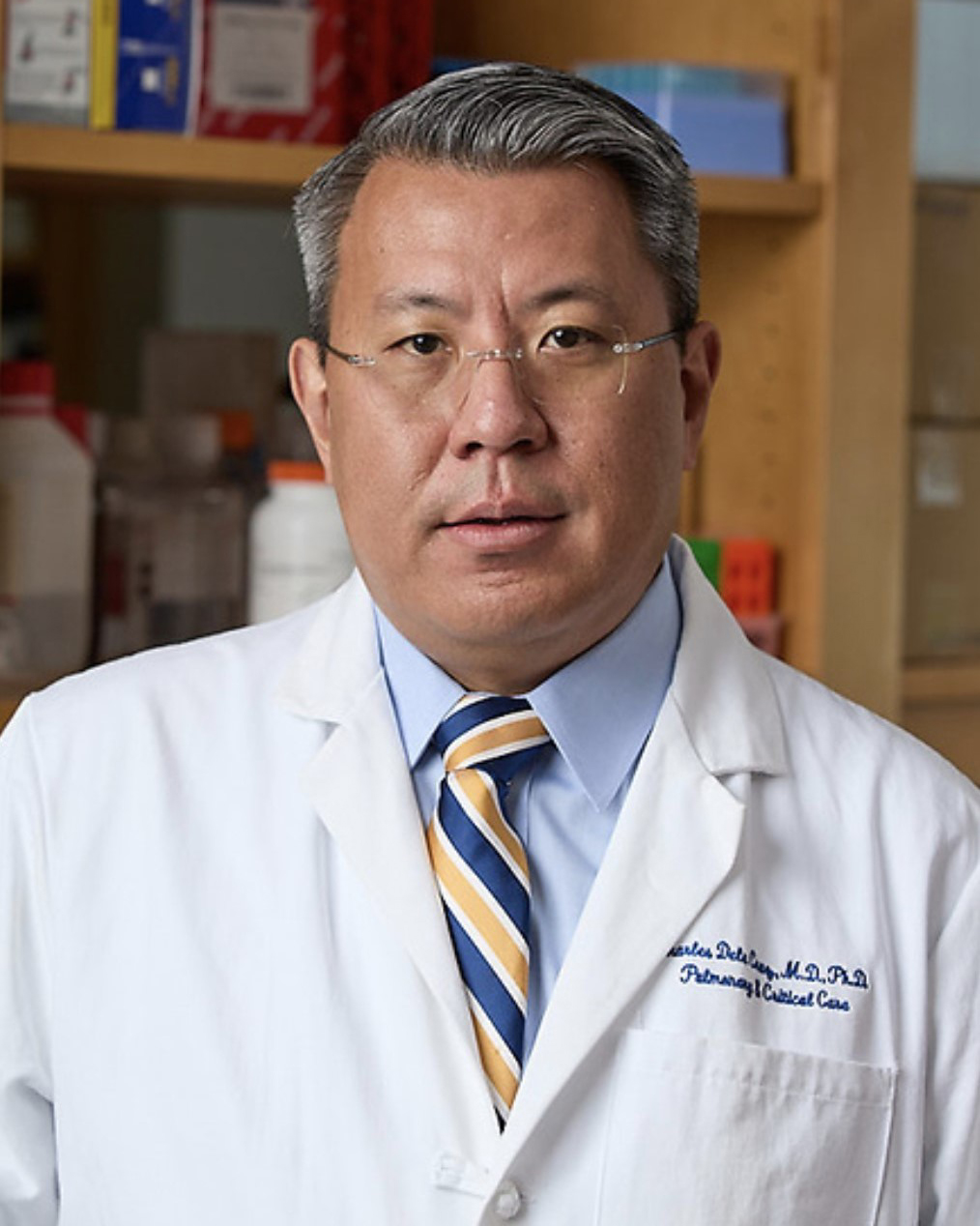 Charles S. Dela Cruz合作论文数Division of Pulmonary, Allergy, Critical Care, and Sleep Medicine, Department of Medicine, University of Pittsburgh School of Medicine39
 Arnau Casanovas-Massana合作论文数36
 Nathan Grubaugh合作论文数Department of Epidemiology of Microbial Diseases, Yale School of Public Health, Yale School of Medicine, Yale University;Yale Institute for Global Health, Yale University33
 Chantal Vogels合作论文数Epidemiology of Microbial Diseases, Yale School of Public Health, Yale School of Medicine, Yale University31
 Anne Wyllie合作论文数Epidemiology of Microbial Diseases, Yale School of Public Health, Yale School of Medicine, Yale University31
 John Fournier合作论文数29
 Serena Spudich合作论文数Department of Neurology, Yale School of Medicine, Yale University27Melissa Campbell合作论文数23
 Feimei Liu合作论文数Department of Immunobiology, Yale School of Medicine20
 Aaron Ring合作论文数Translational Science and Therapeutics Division, Fred Hutch;Immunotherapy Integrated Research Center, Fred Hutch;Ariax Bio;Stipple Bio;Seranova Bio;Simcha Therapeutics20
 Carolina Lucas合作论文数Center for Infection and Immunity, Yale University19
 Isabel M Ott合作论文数Dept Epidemiol Microbial Dis, Yale Sch Publ Hlth18
 mary catherine Muenker合作论文数18Jon B. Klein合作论文数17
 Adam J Moore合作论文数Dept Epidemiol Microbial Dis, Yale Sch Publ Hlth16
 Maria Tokuyama合作论文数Department of Microbiology and Immunology, Faculty of Science, The University of British Columbia16
 Patrick Wong合作论文数Division of Infectious Diseases, Department of Medicine, Faculty of Medicine, The University of British Columbia;Fraserhealth Department of Evaluation and Research, The University of British Columbia16Jennifer Chiarella合作论文数15Tianyang Mao合作论文数15Santos Bermejo合作论文数14
 Peiwen Lu合作论文数14Anne E Watkins合作论文数14
 Israelow Benjamin合作论文数Department of Microbiology, Icahn School of Medicine at Mount Sinai14Julio Silva合作论文数13
 Camila Odio合作论文数12
 Chaney C Kalinich合作论文数Yale Sch Publ Hlth, Dept Epidemiol Microbial Dis, New Haven, CT 06510 USA12Arvind Venkataraman合作论文数12
 Rupak Datta合作论文数Infectious Diseases, Internal Medicine, Yale School of Medicine, Yale University12Oh Ji Eun合作论文数12
 Song Eric合作论文数Dept Immunobiol, Yale Sch Med12
 Lindsay McAlpine合作论文数11
 Schulz Wade L合作论文数11
 Wilson Michael R合作论文数Abbott Viral Diagnostics and Discovery Center, University of California, San Francisco;the Departments of Pathology and Laboratory Medicine (, University of Wisconsin, Madison;National Cancer Institute, National Institutes of Health;the Departments of Pediatrics and Immunology, Duke University;and the Centers for Disease Control and Prevention;University of California, San Francisco, Duke University11
 Samuel J Pleasure合作论文数Weill lnstitute for Neurosciences, University of California San Francisco11Pavithra Vijayakumar合作论文数Dept Obstet Gynecol & Reprod Sci, Yale Sch Med10Bertie Geng合作论文数10
 Saad B. Omer合作论文数Epidemiology of Microbial Diseases, Yale School of Public Health, Yale School of Medicine, Yale University10Thomas T Ngo合作论文数9Alice Lu-Culligan合作论文数9Allison Nelson合作论文数9
 Mary E Petrone合作论文数Yale Sch Publ Hlth, Dept Epidemiol Microbial Dis, New Haven, CT 06510 USA9
 Yuval Kluger合作论文数Department of Pathology, Yale School of Medicine9
 Christopher M. Bartley合作论文数Kavli Institute for Neuroscience, Yale Medical School9Annsea Park合作论文数8Jennifer Yoon合作论文数8Ravi Dandekar合作论文数Univ Calif San Francisco, San Francisco, CA 94143 USA8
 Joseph R. Fauver合作论文数Department of Epidemiology, College of Public Health, University of Nebraska Medical Center8




