Cadmium telluride (CdTe) (211) epitaxial layers were grown on GaAs (211) substrates. These CdTe layers were annealed under tellurium overpressure at different annealing temperatures to optimize conditions for better crystal quality and surface roughness. Tellurium overpressure was calculated using thermodynamical equations and utilized during the growth of the CdTe epitaxial layer by MBE. It was found that crystal quality improved, which manifested in the reduction of XRD peak full width at half maximum (FWHM) from 150 to 70 arcsec, and observation of fivefold reduction in dislocation defect density. Annealing conditions were optimized with a tradeoff between crystal quality and surface roughness. The activation energy of β-dislocations in CdTe epitaxial layers was determined to be Ea = 1.05 ± 0.2 eV. HRXRD FWHM 55 arcsec was obtained for 10-μm thick CdTe buffer layer. The large area (3 in. dia) high crystal quality (HRXRD FWHM 70 arcsec) HgCdTe epitaxial layers were grown on CdTe/ GaAs substrates.
In the present study, headspace gas chromatography coupled with mass spectrometry (HS-GC/MS) was applied to profile volatile components of Bunium persicum samples (rhizomes, roots, stems, leaves, flowers and unripe & ripe seeds), which were collected from two locations of Indian alpine Himalaya. Thirty-six different volatile metabolites were characterized in all samples, representing (77.9-96.9%) of the total oils. Extracted volatile oils (VOs) were dominated by monoterpenes (37.9-94.8%), oxygenated monoterpenes (0.1-28.8%) and sesquiterpenes (0.2-24.3%) hydrocarbons. gamma-Terpinene (6.0-64.1%), alpha-terpinolene (1.1-43.7%), p-cymene (0.4-8.9%), o-cymene (1.4-14.8%), sabinene (0.1-12.3%), beta-pinene (0.7-14.2%), beta-myrcene (1.2-11.0%), limonene (1.3-9.3%), sylvestrene (3.1-7.7%), and cymen-7-al (6.9-10.9%) were key volatile components identified in different parts of B. persicum using HS-GC/MS. These findings revealed a very high quantitative variation of VOs composition among the samples. The multivariate statistical analysis also classified these variations within the plants and their parts at two locations. HS-GC/MS technique can be utilized for the quality assessment and discrimination analysis of B. persicum, especially its essential oil (BEO). Further, essential oils of both the seed samples showed significant antioxidant activity in DPPH and ABTS assay. The current methodology will help to monitor the varietal development and smart agriculture practices as quality perspectives.
This paper discusses the growth, structural, and optical investigation of ZnTe epitaxial layer grown on GaAs (211) substrate at different growth temperatures (350 degrees C, 380 degrees C, and 410 degrees C) by Molecular beam epitaxy (MBE) with thickness similar to 5-6 mu m. The low-temperature nucleation and annealing is carried out to preserve the epitaxial nature of the ZnTe layer on high lattice mismatched GaAs substrate. Structural and optical parameters of the layers are evaluated using High resolution X-ray diffraction (HRXRD) and photoluminescence spectroscopy. The typical HRXRD FWHM of ZnTe layers grown at 350 degrees C, 380 degrees C, and 410 degrees C was 160, 140 and 125 arcsec, respectively. The surface roughness was determined using Atomic Force Microscopy (AFM). The increase in surface roughness of the films was observed at higher temperatures with the appearance of triangular shape features. It is due to facet formation on (111) planes during the ZnTe growth. The combined effect of lateral and vertical features of the ZnTe layer is revealed by Power Spectral Density (PSD) analysis, indicating the epitaxial layer's evolution mode. The scaling exponent of PSD >1 shows that the non-linear effects arising due to reduced sticking coefficient and surface diffusion are more prevalent at higher growth temperatures. Further, the layers were analyzed using variable temperature PL measurements. The PL spectra suggested that the defect states (red emission) in the epilayer reduce with the increase in the growth temperature.
Zinc telluride (ZnTe) epitaxial layers were grown on gallium arsenide (GaAs) (211) substrate at different growth temperatures by molecular beam epitaxy. The fabricated interdigitated metal semiconductor metal configuration-based photodetector (PD) on ZnTe epitaxial layers exhibited a stable and excellent photo response in a broad spectral range (250-550 nm) up to 125 degrees C. The room temperature and higher temperature (125 degrees C) values of maximum current, spectral responsivity and detectivity at an applied bias of 5 V and 550 nm wavelength were 3.5 x 10⁻⁸ A, 0.1 A W-1 and 1 x 10¹¹ Jones and 1.7 x 10⁻⁶ A, 2.5 A W-1 and 1.5 x 10¹¹ Jones, respectively. The maximum photo-to-dark-current ratio (PDCR) value at zero bias and 100 degrees C was obtained for the ZnTe layer grown at an optimum growth temperature of 380 degrees C. The high PDCR value exhibits the self-powered capability of the detector. Furthermore, the detector exhibits good on-off switching to the illuminating light with rise and decay times less than 0.29 s and 0.4 s, respectively, at room temperature. The dependence of the photo response on material quality was analysed by varying the substrate growth temperature. The broadband responsivity of the ZnTe-based PD shows its capability as a multicolour detector in the UV and visible region with the use of suitable blocking filters.
ObjectivesIndia’s Covid-19 vaccination campaign engaged frontline workers (FLWs) to encourage vaccination among vulnerable segments of society. The FLWs report encountering a variety of barriers to vaccination and are often unsuccessful despite multiple visits to the same person. This cross-sectional study aims to pinpoint which of these barriers drive vaccine hesitancy among these segments, to help streamline vaccine communication, including FLW training, to better safeguard the population.MethodsTrained field enumerators contacted 893 individuals from five states across India and collected self-reported assessments of fifteen vaccination barriers (identified through discussions with FLWs), current vaccination status and future vaccination intentions, and covariates (demographics/comorbidities). Factor analysis of the fifteen barriers yielded two factors, one relating to fear of vaccine adverse effects and a second focused on peripheral concerns regarding the vaccine. The covariates significantly associated with current vaccination status were combined under a latent class regime to yield three cluster types (health access, financial strength, and demographics). The primary analysis examined the effect of the two barrier factors, the covariate clusters, and comorbidity, on current vaccination status and future vaccine intentions.ResultsFear of vaccine adverse effects was the primary driver of vaccine hesitancy; peripheral concerns frequently mentioned by the FLWs had no impact. Although cluster membership and the presence of comorbidities predicted vaccine uptake, neither of them materially altered the effect of fear of vaccine adverse effects with the following exception: fear of adverse effects was not associated with vaccination status among young Muslim men.ConclusionSubject to limitations, these results indicate that interventions to decrease vaccine hesitancy should focus primarily on fear associated with vaccines rather than spend resources trying to address peripheral concerns.
In this article, Polarized Raman spectroscopy is being used to determine and validate the crystallographic orientations of Zinc blend crystals. Two crystals of GaAs and ZnTe oriented along (112) are used for Polarized Raman spectroscopic study. To realize the different angles (α) of the in-plane rotation along the surface normal, and the excitation laser polarization is fixed vertically and the sample is rotated. At the scattering side another polarizer is used to get different angles (β) of polarization. Raman spectroscopic technique has been used to study crystallographic plane identification by measuring the Raman scattered intensity using the variation in α and β angles of GaAs crystals while fixing the reference point in the crystal. GaAs crystal showed a different intensity pattern which is fitted by transformation matrix relation to identify the crystallographic plane direction. In ZnTe crystal due to resonance Raman scattering at room temperature and multi-phonon feature with green laser excitation 1LO phonon intensity does not show any variation by varying (α) rotation while rotating the angle at scattering side polarizer (β), LO intensity variation follows the cosine square law. In Resonant and Non-resonant Raman scattering by varying the temperature and laser excitation, the results of ZnTe are found to be different as compared to GaAs. As a result, Polarized Raman spectroscopic study can be done only in non-resonant Raman scattering perhaps using below-band gap excitation to avoid LO multi-phonon scattering.
We report the observation of an in-plane nodal loop accompanying highly dispersive Dirac fermions with a velocity of 1.2 x 10(6) m/s in a superconductor ZrP1.24Se0.57 by employing angle-resolved photoemission spectroscopy. This nodal loop arises in principle from the P square net as long as nonsymmorphic symmetry is preserved. We have also found that two quasisquare Fermi surfaces that branch from the nodal loop at -1.2 eV are largely parallel in favor of nesting, and that two additional electron pockets are present at the Brillouin-zone center unlike in the case of ZrSiS. Our findings demonstrate that a P square net embedded in a superconductor provides a new playground for emergent exotic phenomena coexisting with superconductivity.
Here we present the approach used to develop the INCREASE "Intelligent Chickpea" Collections, from analysis of the information on the life history and population structure of chickpea germplasm, the availability of genomic and genetic resources, the identification of key phenotypic traits and methodologies to characterize chickpea. We present two phenotypic protocols within H2O20 Project INCREASE to characterize, develop, and maintain chickpea single-seed-descent (SSD) line collections. Such protocols and related genetic resource data from the project will be available for the legume community to apply the standardized approaches to develop Chickpea Intelligent Collections further or for multiplication/seed-increase purposes. © 2022 The Authors. Current Protocols published by Wiley Periodicals LLC. Basic Protocol 1: Characterization of chickpea seeds for seed-trait descriptors Basic Protocol 2: Characterization of chickpea lines for plant-trait descriptors specific for primary seed increase.
The Theory of Change (ToC) approach is one of the methodologies that the Lancet Citizens' Commission has chosen to build a roadmap to achieving Universal Healthcare (UHC) in India in the next 10 years. The work of the Citizens' Commission is organized around five workstreams: Finance, Human Resources for Health (HRH), Citizens' Engagement, Governance, and Technology. Five ToC workshops were conducted, one for each workstream. Individual workshop outputs were then brought together in two cross-workstream workshops where a sectoral Theory of Change for UHC was derived. Seventy-four participants, drawn from the Commission or invited for their expertise, and representing diverse stakeholders and sectors concerned with UHC, contributed to these workshops. A reimagined healthcare system achieves (1) enhanced transparency, accountability, and responsiveness; (2) improved quality of health services; (3) accessible, comprehensive, connected, and affordable care for all; (4) equitable, people-centered and safe health services; and (5) trust in the health system. For a mixed system like India's, achieving these high ideals will require all actors, public, private and civil society, to collaborate and bring about this transformation. During the consultation, paradigm shifts emerged, which were structural or systemic assumptions that were deemed necessary for the realization of all interventions. Critical points of consensus also emerged from the workshops, such as the need for citizen-centricity, greater efficiency in the use of public finances for health care, shifting to team-based managed care, empowerment of frontline health workers, the appropriate use of technology across all phases of patient care, and moving toward an articulation of positive health and wellbeing. Critical areas of contention that remained related to the role of the private sector, especially around financing and service delivery. Few issues for further consultation and research were noted, such as payment for performance across both public and private sectors, the use of accountability metrics across both public and private sectors, and the strategies for addressing structural barriers to realizing the proposed paradigm shifts. As the ToCs were developed in expert groups, citizens' consultations and consultations with administrative leaders were recommended to refine and ground the ToC, and therefore the roadmap to realize UHC, in people's lived reality.
This study examines the quality of effluents discharged from the Century paper and pulp mill into the Gola River to assess its suitability for irrigation. Water quality depends on the assessment of the many parameters determined by chemical methods. A number of water quality parameters such as pH, electrical conductivity, turbidity (Tb), alkalinity, acidity, total hardness, total dissolved solids, calcium, magnesium, potassium, chloride, sodium, nitrate-nitrogen (NO3-N), sulfate, phosphate, biochemical oxygen demand (BOD), and chemical oxygen demand (COD) were determined for the effluents in Gola River. For this study, samples from 20 locations along the length of the Gola River in Uttarakhand were collected. The result of water quality analysis showed that the concentration of Tb, NO3-N, COD, and BOD in the effluent water from the Century paper and pulp mill was beyond the permissible limit for its discharge in the water body or river. The concentration of all the parameters was decreasing along the length of the channel. A high concentration of COD, BOD, and NO3-N was found in downstream areas as compared to upstream discharge areas of effluent channels. The determination of biological water parameters such as BOD and COD is often tedious, time consuming, and error prone. Moreover, the relationships that exist between different water quality parameters to predict BOD and COD are complex and nonlinear. Artificial neural networks (ANNs) are accurate models for predicting nonlinear and complex processes. The main objective of this study is to estimate BOD and COD accurately with limited significant water quality parameters as input data using the ANN model and compare the performance of ANN with the multiple linear regression (MLR) models. In this study, a three-layer feed-forward back-propagation-type ANN was used to model the relationship between the water quality parameters and BOD and COD. Training, validation, and testing of ANN models were done by splitting data into various proportions. An optimum ANN model was decided based on the number of trial and error processes using hidden nodes, epochs, and other training parameters. Performance of the models was evaluated by root mean squared error, mean absolute error, coefficient of determination, and ratio of output by target. Comparison of results showed that the ANN model gave reasonable estimates for the BOD and COD prediction. Hence, it is concluded that the ANNs were able to show remarkable performance to predicting the BOD and COD in Gola River.
The study is based on the data collected from 200 selected farmers spread over four major apple growing districts of Kashmir Valley and 11 CA stores of Kundli Industrial Growth Center (IGC) -Haryana, 6 from IGC Lassipora, Kashmir and a mega apple juice plant located in Industrial Estate on the outskirts of Srinagar.The data was collected through personal interview method using pre-tested schedule during 2017-18 and analysed using appropriate statistical tools.The study shows that the expected net returns from high density orcharding are 2.5 times higher than traditional; adoption of recommended scientific spray schedule substantially minimises cost (Rs.38,355/ha) amounting to saving Rs. 555 crore for the entire Kashmir valley; pollinizers and pollination management are expected to add value equivalent to Rs. 2,48,312/ha; however, there is a lack of convergence between production and apple based industrial and entrepreneurial value chain and that strategic alignment of farms and market functionaries, processors and cold chain needs to be promoted for ensuring adequate returns to each of the stakeholders.
Background: Autopsy has been an important tool for detection of many rare lesions as well as studyingthe course of such lesions, highlighting the cause of death and also helps in indirect collection of data formortality and forming health policies. Aim of present study was to detect the rate and type various neoplasmswhich were either clinically undiagnosed or not the direct cause of death and their system wise analysis.Material and Methods: This is a retrospective study conducted on viscera Received between year 2011-20on 810 medico legal autopsy cases coming to Department of Pathology for histopathological examination.Result: Out of 810 cases, 09 tumours were diagnosed (1.1%). In 6 cases, it was completely incidentalfinding while in 03 cases history of malignancy was present. Tumours were mostly seen in older age group(>50 years).Conclusion: The study concludes the importance of histopathologic study in autopsies in detection ofclinically undiagnosed neoplasms and evaluating the cause of death. Thus, autopsies also indirectly aid tothe true cancer incidence statistics.
In this communication, a comparative performance study of single basin solar still augmented with evacuated tube collectors under natural (ETC integrated single slope solar still in natural mode) as well as in forced mode (ETC integrated single slope solar still in force mode (EISSF)) has been carried out for the socio-economic viability.Annual yield and life cycle conversion efficiency obtained under forced mode have been found as 1,134.5 kg and 28.8%, while under natural mode as 1,074 kg and 27.3%, respectively.The net ton of carbon dioxide (tCO 2 ) mitigation under forced and natural mode is estimated as 34.82 and 33.1 tons, respectively.Respective energy and distillate production cost from EISSF system has been obtained as Rs.0.47 kWh -1 and Rs.0.32 kg -1 accounting 30 y life and 2.0% interest rate.With an increase in the selling rate of product from Rs. 2.0 to 6.0 kg -1 , the cost payback time decreases significantly and found in the range of 6.4-2.1 y with EISSF, while-in the range 5.7-2.0 y under natural mode.The higher production, efficiency, and environmental reduction of harmful gases under forced mode are advantageous over natural mode and over the other conventional solar distillation systems.
Accurate understanding of a water resource system behavior in response to different stresses is highly essential for designing and implementation of any water resource management decisions. Under this scope, the current research was conducted in lower Ganga-Ramganga interbasin of Uttar Pradesh, India, to study the behavior of water level and the status of groundwater utilization. This study also highlighted the impact of intensive cultivation on groundwater extraction. Contour maps of water level depth were prepared for different seasons, ranging from 1990 to 2012 (23 years), and its trend was studied. The status of water resources in the study area was assessed by analyzing several components of water balance such as daily rainfall, seepage from irrigation water, canal seepage, seepage from tanks and ponds, groundwater use in different sectors (domestic, agriculture and industry) for 23 years. Groundwater inventory was studied in detail, along with varying cropping patterns and irrigation infrastructures. The results indicated that the stage of groundwater utilization in 92% of blocks had shifted from safe, semi-critical, and critical categories to overexploited categories. Over the analyzed period, about 51.47% of the study area had experienced more than 2 m of water level fluctuation. The subsidies on agricultural electricity and water-related infrastructures had caused 24.55% increase in the number of private tube wells, 52.69% increase in the pump set on bore wells, and 12.65% increase in water use during the study period. The study suggests that the groundwater status of the study area is in overexploited stage, and should be a matter of urgent attention; otherwise, it may lead to irreversible and permanent damage to the socio-economic status of a large portion of habitats of the region.
SUMMARY Food legumes are crucial for all agriculture‐related societal challenges, including climate change mitigation, agrobiodiversity conservation, sustainable agriculture, food security and human health. The transition to plant‐based diets, largely based on food legumes, could present major opportunities for adaptation and mitigation, generating significant co‐benefits for human health. The characterization, maintenance and exploitation of food‐legume genetic resources, to date largely unexploited, form the core development of both sustainable agriculture and a healthy food system. INCREASE will implement, on chickpea ( Cicer arietinum ), common bean ( Phaseolus vulgaris ), lentil ( Lens culinaris ) and lupin ( Lupinus albus and L. mutabilis ), a new approach to conserve, manage and characterize genetic resources. Intelligent Collections , consisting of nested core collections composed of single‐seed descent‐purified accessions (i.e., inbred lines), will be developed, exploiting germplasm available both from genebanks and on‐farm and subjected to different levels of genotypic and phenotypic characterization. Phenotyping and gene discovery activities will meet, via a participatory approach, the needs of various actors, including breeders, scientists, farmers and agri‐food and non‐food industries, exploiting also the power of massive metabolomics and transcriptomics and of artificial intelligence and smart tools. Moreover, INCREASE will test, with a citizen science experiment, an innovative system of conservation and use of genetic resources based on a decentralized approach for data management and dynamic conservation. By promoting the use of food legumes, improving their quality, adaptation and yield and boosting the competitiveness of the agriculture and food sector, the INCREASE strategy will have a major impact on economy and society and represents a case study of integrative and participatory approaches towards conservation and exploitation of crop genetic resources.
Coronaviruses were identified as a viral family in the 1960s and are known to infect both humans and animals. Novel strain of coronavirus was identified when some cases of pneumonia began to arise in Wuhan province of China without any apparent cause. Later, this novel strain was called as coronavirus disease 2019 (COVID-19). Since 2002, coronavirus has been known to cause two widespread outbreaks in humans: severe acute respiratory syndrome coronavirus in 2003 and Middle East respiratory syndrome-CoV in 2012. The present crisis began to arise in late November of 2019 and then rapidly grew to become a pandemic. The present medical crisis resulted because high virulence of this virus simultaneously infected large number of patients. Although only a small proportion of COVID-19-infected patients require hospitalization, mortality is significantly higher in elderly and in patients with preexisting diseases. Patients with COVID-19 can present with an array of symptoms such as fever, dry cough, myalgia, vomiting, and loose motions. In later stages, it can progress to breathing difficulty. High virulence of COVID-19 puts the health-care workers (HCWs) at extreme risks of contacting this infection. COVID-19 is mainly diagnosed on the basis of clinical symptoms along with reverse-transcription polymerase chain reaction (RT-PCR). However, sensitivity of RT-PCR is 67% in the first 7 days and subsequently it falls to below 50% from the 2nd week onward. Total antibody has also been used to diagnose COVID-19. They have a lower sensitivity in initial days, but their sensitivity increases to 90% above from the 2nd week onward. Currently, management of COVID-19 is focused on supportive treatment as no drug till date has proven efficacy against novel coronavirus. Current trials have shown some promise with remdesivir. Although hydroxychloroquine rose to fame with earlier studies, its role in the management of COVID-19 was not established in further research. Current focus of the world to control this pandemic is on prevention through social distancing, use of face mask, regular hand washing, cough etiquette, and isolation of suspicious and confirmed cases. This article deals with nature, progression, and possible outcomes of this infection along with necessary steps that must be taken by a HCW to preventing himself from catching COVID-19.
In this communication, the performance of dual slope solar still augmented with parallel vacuum tubes under forced mode is analyzed, comprising energy and exergy approach at an optimal flow rate. Besides, comprehensive enviro-energy-exergo-economic analyses of the proposed system are also estimated. The respective overall energy and exergy efficiencies are estimated as similar to 33.8% and similar to 4.9%, at an optimal flow rate of 0.06 kg/s and 0.005 m water depth. The yearly distillate, energy and exergy productivity are obtained as similar to 1627 kg, similar to 1131 kWh and similar to 152 kWh. Based on energy, the system mitigates similar to 51.4 tCO(2), 0.37 tSO(2), and 0.15 tNO emissions, while based on exergy, it mitigates similar to 6.4 tCO(2), 0.04 tSO(2), and 0.02 tNO from the atmosphere during the life span. Accounting environmental cash flow due to CO2 mitigation, the respective energy and exergy production cost are estimated as Rs 0.46 and Rs 6.6 per kWh. Accounting environmental cash flow based on the net energy and exergy outputs, the distillate production costs are found to be 0.32 R/kg and 0.61 R/kg, respectively. High distillate output, enviro cash flow, emission reduction, and low production cost make the present system compatible and feasible with small collection areas of solar flux. (C) 2020 Elsevier Ltd. All rights reserved.
Peer education outreach to sex workers is found to be effective in facilitating early detection but not prevention of STI.
AbstractImpacts of integrated crop–livestock (ICL) systems on water quality have not been well studied. Water quality parameters were quantified for two 30‐min rainfall simulations in wheat (Triticum aestivum L.)–cover crop, cover crop, and rangeland grass control phases of a long‐term ICL study site in Mandan, ND, in 2017 and 2018. Both pre‐graze and post‐graze simulations were conducted. Nitrate‐N (NO3−–N), nitrite‐N (NO2−–N), ammonia‐N (NH4+–N), phosphate‐P (PO43−–P), and total suspended solid (TSS) concentrations and loads were evaluated in surface runoff water, along with concentrations of NO3−–N, NO2−–N, NH4+–N, and PO43−–P in infiltration water. Non‐parametric ranked two‐way analysis of variance was used to evaluate differences for vegetation type and grazing as fixed effects, with year as a random effect. Surface runoff concentrations of NO3−–N and NH4+–N were significantly different with cover crop and wheat phases being greater than grass. A grazing effect was also observed with pre‐graze significantly greater than post graze for NO2−–N, NH4+–N, PO43−–P, and TSS surface runoff concentrations. For infiltration water concentrations, similar significant effects of vegetation type were observed for NO3−–N and PO43−–P, while pre‐graze was also greater than post‐graze for NO2−–N and PO43−–P. Due to variable runoff volumes, no significant differences were observed for loads of any parameters. Minimal runoff volumes (0–6.7 L) and significant vegetation and grazing effects in nutrient infiltration water concentrations highlight the importance of infiltration in such studies, particularly at sites in the northern Great Plains.
The knowledge of fluctuation of water table depth is highly required for proper planning and sustainable development of available water resources. This study intends to study groundwater behaviour under changing scenario in the lower part of Ganga–Ramganga interbasin. It also investigates the comparative performance of soft computing techniques, i.e. co-active neuro-fuzzy inference system (CANFIS), fuzzy logic and radial basis function network (RBFN), which are used for prediction of water table depth in the study area. Components of groundwater recharge and discharge along with seasonal water table depth covering a period of 23 years (1990–2012) are used to develop four combination sets of input variables. Different CANFIS structures, fuzzy logic rules and RBFN structures are applied to these combinations of input variables, and the best combinations are selected on the basis of the values of different performance indicators such as coefficient of determination ( R 2 ), mean absolute deviation, root mean square error, coefficient of variation of error residuals, Nash–Sutcliff efficiency, correlation coefficient ( r ), absolute prediction error and performance index. The result of this study indicates the superiority of fuzzy logic rule-based model than of CANFIS models and RBFN model in predicting water table depth.
 Satyam Nampalli合作论文数25
 Carl W. Fuller合作论文数12savithiri shivakumar合作论文数11ravikumar tadiparthi合作论文数11Pawan Aggarwal合作论文数11Haiguang Xiao合作论文数10
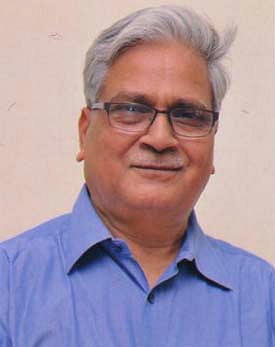 Gopal Nath Tiwari合作论文数Department of Energy Science and Engineering, Indian Institute of Technology, Delhi10biswajit nag合作论文数9Debendranath Dey合作论文数9R. Jeremy H. Davies合作论文数9MG McDougall合作论文数6paritosh bajpay合作论文数6Weihong Zhang合作论文数6B F McArdle合作论文数5Jr Nelson合作论文数5narendra ravi合作论文数5
 Meera Sharma合作论文数5
 Sethi Sunil Kumar合作论文数Yong Loo Lin School of Medicine, National University of Singapore5Narain D. Sharma合作论文数5Clarke Stevenson合作论文数5Parke K. Flick合作论文数5Abhijeet Nag合作论文数5
 James Gordon Beattie Jr.合作论文数4Tyagi Subodh合作论文数4Lei Sun合作论文数4soumyajit chakraborty合作论文数4
 Yogendra Kumar合作论文数4
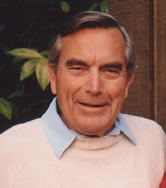 Nelson J. Leonard合作论文数National Academy of Sciences, California Institute of Technology4Patrick J. Finn合作论文数4
 John Nelson合作论文数4surendra kumar pandey合作论文数3Lavrenov K合作论文数3
 Gajendra pratap Singh合作论文数3Aseem Dubey合作论文数Department of Energy Science and Engineering, Indian Institute of Technology3
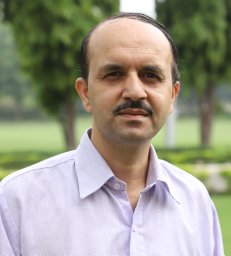 Rajendra Singh合作论文数Nanoscale Res Facil, Indian Inst Technol Delhi3
 Pooran M Gaur合作论文数Int Crops Res Inst Semi Arid Trop3
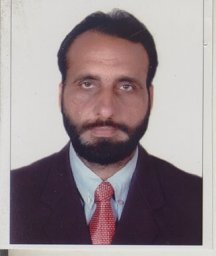 Sarvjeet Singh合作论文数Dept Plant Breeding & Genet, Punjab Agr Univ3J. Anthony Mamone合作论文数3Partha Neogi合作论文数3Stephen J. Griesmer合作论文数3
 Akhilesh Pandey合作论文数Solid State Physics Laboratory3
 Puspashree Mishra合作论文数3s n gurha合作论文数2benjamin k sun合作论文数2jackson liu合作论文数2gaddam om reddy合作论文数2
 Bansa Singh合作论文数2Gregory Grossmann合作论文数2David Bergvinson合作论文数2




