Background: When ovarian endometrioma coexist with adenomyosis, the risk of postoperative recurrence increased. How is the effect of levonorgestrel-releasing intrauterine system (LNG-IUS) on symptomatic recur-rence for those patients was unknown.Methods: This study retrospectively analyzed 119 women with coexistent endometrioma and diffuse adeno-myosis who received laparoscopic excision of pelvic endometriosis from January 2009 to April 2013. Women were categorized into two groups: intervention group with LNG-IUS and control group with expectant obser-vation after surgery. Data were compared in terms of preoperative history, laboratory and intraoperative findings, and clinical outcomes during follow-up, including pain regression, changes in uterine volume and recurrence.Results: During a median 79 months (range, 6-107) of follow-up, patients with LNG-IUS experienced a signif-icantly lower symptomatic recurrence of either ovarian endometrioma or dysmenorrhea (11.1% vs. 31.1%, p = 0.013), compared with women under expectant observation by Kaplan-Meier survival analysis (x2 = 5.448, p = 0.020) and Cox univariate assessment (hazard ratio of 0.336, 95% confidence interval 0.128 -0.885, p = 0.027). Patients treated with LNG-IUS demonstrated a more prominent reduction in uterine vol-ume (-14.1 +/- 20.9 vs. 8.7 +/- 48.8, p = 0.003) and higher percentage of complete pain remission (95.6% vs. 86.5%). For multivariate analysis, use of LNG-IUS (aHR 0.159, 95%CI 0.033-0.760, p = 0.021) and severity of dysmenorrhea (aHR 4.238, 95%CI 1.191-15.082, p = 0.026) were two independent factors associated with overall recurrence.Conclusion: Postoperative insertion of LNG-IUS may prevent recurrence in symptomatic women with comor-bidity of ovarian endometrioma and diffuse adenomyosis.(c) 2023 Published by Elsevier Masson SAS.
Abstract Background This retrospective study evaluated the clinical features of perineal endometriosis (PEM) and established a prognostic nomogram for recurrence probability in patients treated with surgical resection. Methods This study enrolled 130 PEM patients who had received surgical treatment in Peking Union Medical College Hospital (PUMCH) between January 1992 and September 2020. We collected their clinical features and conducted outpatient or telephone follow-up. The predictive nomogram was constructed based on 104 patients who had completed follow-up by July 2021. The Cox proportional hazards regression model was used to evaluate the prognostic effects of multiple clinical parameters on recurrence. The Index of concordance (C-index) and calibration curves were used to access the discrimination ability and predictive accuracy of the nomogram respectively, and the results were further validated via bootstrap resampling. Calculating the area under the curve (AUC) via risk scores of patients aimed to further access the predictive power of the model. In addition, the survival curve was depicted using Kaplan–Meier plot and compared by log-rank method. Results Most PEM patients had been symptomatic for 24–48 months before the lesion resection. With a median 99.00 (interquartile range: 47.25–137.50) months of postoperative observation, there were 16 (15.1%) out of 104 cases who finished follow-up reported symptomatic recurrence. On multivariate analysis of derivation cohort, multiple lesions, microscopically positive margin (mPM) and anal sphincter involvement (ASI) were selected into the nomogram. The C-index of the nomogram for predicting recurrence was 0.84 (95% CI 0.77–0.91). The calibration curve for probability of recurrence for 36, 60 and 120 months showed great agreement between prediction by nomogram and actual observation. Furthermore, the AUCs of risk score for 36, 60 and 120 months were 0.89, 0.87 and 0.82 respectively. Conclusions PEM is a rare kind of endometriosis and surgery is the primary treatment. Multiple lesions and ASI are independent risk factors for postoperative recurrence, and wide resection with more peripheral tissue could be preferred. The proposed nomogram resulted in effective prognostic prediction for PEM patients receiving surgical excision. In addition, this predictive nomogram needs external data sets to further validate its prognostic accuracy in the future.
Here, we compared endometrioma recurrence rates in patients who have undergone a laparoscopic cystectomy and treated with a gonadotropin-releasing hormone agonist (GnRHa) alone or a GnRHa combined with a levonogestrel intrauterine system (LND-IUS). We enrolled endometrioma patients who underwent laparoscopic cyst enucleation and divided them into two groups according to postoperative management: GnRHa alone and GnRHa in combination with LND-IUS. We compared preoperative history, perioperative parameters, postoperative endometrioma recurrence, and symptoms between these two groups. A total of 320 patients were included in the final analysis. With a median 84.6 months of follow-up, we detected significant differences between the two groups with respect to age at surgery (31.6 ± 4.8 vs. 37.6 ± 4.2 years, χ2 = 1.978, p < 0.001), gravida (0 vs. 2, χ2 = 4.391, p < 0.001), parity (0 vs. 1, χ2 = 0.035, p < 0.001), body mass index (21.0 ± 2.5 vs. 21.9 ± 2.4, χ2 = 0.0096, p = 0.009), r-AFS score (48 vs. 64, χ2 = 4.888, p = 0.001), and operation time (60 vs. 75 min, χ2 = 9.119, p = 0.003). Patients treated with both GnRHa and LND-IUS achieved significantly less endometrioma recurrence (23.6 vs. 11.5%, χ2 = 5.202, p = 0.023) and higher rates of pain remission (92.1 vs. 100%, χ2 = 6.511, p = 0.011), while those with GnRHa alone suffered more recurrent and painful symptoms (χ2 = 9.280, p = 0.026). Multivariate analysis using a Cox regression demonstrated that combined GnRHa and LNG-IUS treatment correlated with a decreased endometrioma recurrence rate after laparoscopic cystectomy (RR 0.369, 95% CI 0.182–0.749, p = 0.006). Combination treatment of GnRHa and LNG-IUS exhibited superior pain relief and recurrence prevention among endometrioma patients after fertility-sparing surgery. Thus, combination treatment is a preferable long-term option for patients without intent for pregnancy in the near future.
 Jinhua Leng (冷金花)合作论文数Peking Union Medical College Hospital3
 Jinghua Shi (史精华)合作论文数3Xiao-Yan Li合作论文数2Zhiyue Gu合作论文数2
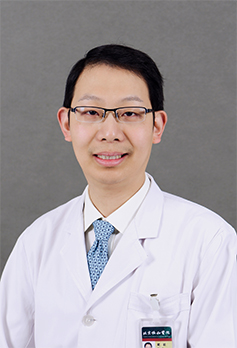 Yi Dai (戴毅)合作论文数Peking Union Medical College Hospital2Dai Yi合作论文数1Jing Zhang合作论文数1Yu-Shi Wu合作论文数1
 Xiaoyan Li (李晓燕)合作论文数保山市人民医院血液内科1
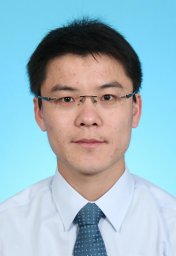 Shuang-zheng Jia (贾双征)合作论文数Peking Union Medical College Hospital, Peking Union Medical College1




