Multi-modal brain magnetic resonance imaging (MRI) data has been widely applied in vison-based brain tumor segmentation methods due to its complementary diagnostic information from different modalities. Since the multi-modal image data is likely to be corrupted by noise or artifacts during the practical scanning process, making it difficult to build a universal model for the subsequent segmentation and diagnosis with incomplete input data, image completion has become one of the most attractive fields in the medical image pre-processing. It can not only assist clinicians to observe the patient's lesion area more intuitively and comprehensively, but also realize the desire to save costs for patients and reduce the psychological pressure of patients during tedious pathological examinations. Recently, many deep learning-based methods have been proposed to complement the multi-modal image data and provided good performance. However, current methods cannot fully reflect the continuous semantic information between the adjacent slices and the structural information of the intra-slice features, resulting in limited complementation effects and efficiencies. To solve these problems, in this work, we propose a novel generative adversarial network (GAN) framework, named as random generative adversarial network (RAGAN), to complete the missing T1, T1ce, and FLAIR data from the given T2 modal data in real brain MRI, which consists of the following parts: (1) For the generator, we use T2 modal images and multi-modal classification labels from the same sample for cyclically supervised training of image generation, so as to realize the restoration of arbitrary modal images. (2) For the discriminator, a multi-branch network is proposed where the primary branch is designed to judge whether the certain generated modal image is similar to the target modal image, while the auxiliary branch is to judge whether its essential visual features are similar to those of the target modal image. We conduct qualitative and quantitative experimental validations on the BraTs2018 dataset, generating 10,686 MRI data in each missing modality. Real brain tumor morphology images were compared with synthetic brain tumor morphology images using PSNR and SSIM as evaluation metrics. Experiments demonstrate that the brightness, resolution, location, and morphology of brain tissue under different modalities are well reconstructed. Meanwhile, we also use the segmentation network as a further validation experiment. Blend synthetic and real images into a segmentation network. Our segmentation network adopts the classic segmentation network UNet. The segmentation result is 77.58%. In order to prove the value of our proposed method, we use the better segmentation network RES_UNet with depth supervision as the segmentation model, and the segmentation accuracy rate is 88.76%. Although our method does not significantly outperform other algorithms, the DICE value is 2% higher than the current state-of-the-art data completion algorithm TC-MGAN.
Purpose Myocardial infarction (MI) is one of the most common cardiovascular diseases, frequently resulting in death. Early and accurate diagnosis is therefore important, and the electrocardiogram (ECG) is a simple and effective method for achieving this. However, it requires assessment by a specialist; so many recent works have focused on the automatic assessment of ECG signals. Methods For the detection and localization of MI, deep learning models have been proposed, but the diagnostic accuracy of this approaches still need to be improved. Moreover, with deep learning methods the way in which a given result was achieved lacks interpretability. In this study, ECG data was obtained from the PhysioBank open access database, and was analyzed as follows. Firstly, the 12-lead ECG signal was preprocessed to identify each beat and obtain each heart interval. Secondly, a multi-scale deep learning model combined with a residual network and attention mechanism was proposed, where the input was the 12-lead ECG recording. Through the SENet model and the Grad-CAM algorithm, the weighting of each lead was calculated and visualized. Using existing knowledge of the way in which different types of MI gave characteristic patterns in specific ECG leads, the model was used to provisionally diagnose the type of MI according to the characteristics of each of the 12 ECG leads. Results Ten types of MI anterior, anterior lateral, anterior septal, inferior, inferior lateral, inferior posterior, inferior posterior lateral, lateral, posterior, and posterior lateral were diagnosed. The average accuracy, sensitivity, and specificity for MI detection of all lesion types was 99.98, 99.94, and 99.98%, respectively; and the average accuracy, sensitivity, and specificity for MI localization was 99.79, 99.88, and 99.98%, respectively. Conclusion When compared to existing models based on traditional machine learning methods, convolutional neural networks and recurrent neural networks, the results showed that the proposed model had better diagnostic performance, being superior in accuracy, sensitivity, and specificity.
Coronavirus Disease 2019 (COVID-19) has spread globally since the first case was reported in December 2019, becoming a world-wide existential health crisis with over 90 million total confirmed cases. Segmentation of lung infection from computed tomography (CT) scans via deep learning method has a great potential in assisting the diagnosis and healthcare for COVID-19. However, current deep learning methods for segmenting infection regions from lung CT images suffer from three problems: (1) Low differentiation of semantic features between the COVID-19 infection regions, other pneumonia regions and normal lung tissues; (2) High variation of visual characteristics between different COVID-19 cases or stages; (3) High difficulty in constraining the irregular boundaries of the COVID-19 infection regions. To solve these problems, a multi-input directional UNet (MID-UNet) is proposed to segment COVID-19 infections in lung CT images. For the input part of the network, we firstly propose an image blurry descriptor to reflect the texture characteristic of the infections. Then the original CT image, the image enhanced by the adaptive histogram equalization, the image filtered by the non-local means filter and the blurry feature map are adopted together as the input of the proposed network. For the structure of the network, we propose the directional convolution block (DCB) which consist of 4 directional convolution kernels. DCBs are applied on the short-cut connections to refine the extracted features before they are transferred to the de-convolution parts. Furthermore, we propose a contour loss based on local curvature histogram then combine it with the binary cross entropy (BCE) loss and the intersection over union (IOU) loss for better segmentation boundary constraint. Experimental results on the COVID-19-CT-Seg dataset demonstrate that our proposed MID-UNet provides superior performance over the state-of-the-art methods on segmenting COVID-19 infections from CT images.
Nowadays, people are facing an emerging problem called deepfake videos. These videos were created using deep learning technology. Some are created just for fun, while others are trying to manipulate your opinions, cause threats to your privacy, reputation, and so on. Sometimes, deepfake videos created using the latest algorithms can be hard to distinguish with the naked eye. That's why we need better algorithms to detect deepfake. The system we are going to present is based on a combination of CNN and RNN, as research shows that using CNN and RNN combined achieve better results. We are going to use a pre-trained CNN model called Resnext50. Using this, we save the time of training the model from scratch. The proposed system uses Resnext pretrained model for Feature Extraction and these extracted features are used to train the Long short-term memory (LSTM). Using CNN and RNN combined, we capture the inter frames as well as intra frames features which will be used to detect if the video is real or fake. We evaluated our method using a large collection of deepfake videos gathered from a variety of distribution sources. We demonstrate how our system may obtain competitive results while utilizing a simplistic architecture.
Abstract Because bearing fault feature information is not easy to extract in noisy background, this paper proposes an improved rolling bearing fault feature extraction method based on combination of wavelet threshold and complementary ensemble empirical mode decomposition (CEEMD). Firstly, the improved wavelet threshold denoising method is used to reduce the noise of the vibration signal, and the impact characteristics in the signal are enhanced. Then, the CEEMD decomposition is used to obtain a set of Intrinsic Modal Functions (IMFs), and IMFs with larger kurtosis and correlation coefficients are selected for signal reconstruction. At last, the envelope spectrum analysis of reconstructed signal is carried out to extract fault characteristic information. Through the experimental analysis of the vibration signals of the outer ring and inner ring of the rolling bearing, it is proved that this method can effectively extract the fault characteristics of the bearing.
虚拟机迁移是当前云计算资源调度的重要研究方向之一.目前,用户规模的不断增长带来了一些新的挑战,传统迁移策略很难适应动态变化的内外部环境.对此,设计了自适应虚拟机迁移的总体框架,通过对虚拟机迁移建模,提出了"迁移路径"和"服务开销"等概念,并以服务器的CPU利用率和服务器间的带宽利用率为指标,为系统中所有迁移的虚拟机规划最优的迁移路径,以使系统总的服务开销最小化.首先,设计了基于阈值的虚拟机筛选算法来挑选可迁移的虚拟机;接着,设计了基于自回归积分滑动平均模型的时间序列预测算法,用以预测服务器未来时间窗口内的服务开销;然后,利用动态规划基于服务器服务开销的预测值设计了迁移路径计算算法,为每个待迁移虚拟机规划出最优的迁移方案;最后,利用迁移路径下服务器服务开销的预测值与真实值之间的差距所反映出的预测窗口性能的优劣,设计并实现了一个预测窗口自适应调整算法.实验表明,该自适应虚拟机迁移算法在自适应性调整和最小化服务开销等方面具有良好的效果.
分析软件工程课程的特点与难点,提出基于PBL和自建的MOOC资源,以课程资源暨慕课资源为横向基础,以问题暨软件项目为纵向导向,以线上线下混合式教学与翻转教学为教学方法,有机地将理论教学与实验教学进行立体化和矩阵式的交叉与结合,阐述这种立体化教学模式的设计方法和实践过程,说明该教学模式的合理、科学和可行.
Malicious and selfish behaviors represent a serious security threat against routing in mobile social networks (MSN). Due to MSN’s unique network characteristics, such as sociability, mobility and diversity, it is a challenge to design a misbehavior detection scheme in MSN. To improve the security in MSN routing, a trust-based security routing mechanism is presented in this paper, i.e., a malicious behavior detection mechanism with identity verification scheme. The main idea is to introduce the behavior trust and the identity trust to guide the routing. Firstly, we judge a node’s behavior based on both comprehensive trust and social relationship strength. And then, we forward messages according to the different measurement within and outside the friend groups. We also propose a distributed key management scheme which can issue, verify or revoke certificates based on the evaluation of the social relationship strength. We further improve the efficiency of the proposed mechanism by verifying the identity trust of the node. The simulation results indicate that the proposed routing mechanism can lower the impact of malicious behavior of nodes effectively and it has greater security performance than some classical routing algorithms do.
Pulmonary nodule detection in chest computed tomography (CT) is of great significance for the early diagnosis of lung cancer. Therefore, it has attracted more and more researchers to propose various computer-assisted pulmonary nodule detection methods. However, these methods still could not provide convincing results because the nodules are easily confused with calcifications, vessels, or other benign lumps. In this paper, we propose a novel deep convolutional neural network (DCNN) framework for detecting pulmonary nodules in the chest CT image. The framework consists of three cascaded networks: First, a U-net network integrating inception structure and dense skip connection is proposed to segment the region of lung parenchyma from the chest CT image. The inception structure is used to replace the first convolution layer for better feature extraction with respect to multiple receptive fields, while the dense skip connection could reuse these features and transfer them through the network. Secondly, a modified U-net network where all the convolution layers are replaced by dilated convolution is proposed to detect the "suspicious nodules" in the image. The dilated convolution can increase the receptive fields to improve the ability of the network in learning global information of the image. Thirdly, a modified U-net adapting multi-scale pooling and multi-resolution convolution connection is proposed to find the true pulmonary nodule in the image with multiple candidate regions. During the detection, the result of the former step is used as the input of the latter step to follow the "coarse-to-fine" detection process. Moreover, the focal loss, perceptual loss and dice loss were used together to replace the cross-entropy loss to solve the problem of imbalance distribution of positive and negative samples. We apply our method on two public datasets to evaluate its ability in pulmonary nodule detection. Experimental results illustrate that the proposed method outperform the state-of-the-art methods with respect to accuracy, sensitivity and specificity.
Objective: Portable devices for collecting electrocardiograms (ECGs) and telemedicine systems for diagnosis are available to residents in deprived areas, but ECGs collected by non-professionals are not necessarily reliable and may impair the accuracy of diagnosis. We propose an algorithm for accurate ECG quality assessment, which can help improve the reliability of ECGs collected by portable devices. Approach: Using challenge data from CinC (2019), signals were classified as ‘acceptable’ and ‘unacceptable’ by annotators. The training set contained 998 12-lead ECGs and the test set contained 500. A 998 × 84 feature matrix, S, was formed by feature extraction and three basic models were obtained through training SVM, DT and NBC on S. The feature subsets S1, S2 and S3 were obtained by dimensionality reduction on S using SVM, DT and NBC, respectively. Three other basic models were obtained through training SVM on S1, DT on S2 and NBC on S3. By combining these six basic models, several integrated models were formed. An iterative method was proposed to select the integrated model with the highest accuracy on the training set. Having compared differences between the output labels and the original data labels, evaluation criteria were calculated. Main results: An accuracy of 98.70% and 98.60% was achieved on the training and test datasets, respectively. High F1 score and Kappa values were also obtained. Significance: The proposed algorithm has advantages over previously reported approaches during automatic assessment of ECG quality and can thus help to reduce reliance on highly trained professionals when assessing the quality of ECGs.
The complexity of modern chemical processes is increasing, and the degree of process automation is also improving. In order to extract further features and diagnose the faults of TE process accurately, steadily and quickly, this paper presents a method of using Kernel Principal Component Analysis (KPCA) and Stacked Denoising Auto-Encoder (SDAE) to extract the secondary features and using softmax to classify the faults. Firstly, the KPCA is used to reduce the dimensionality of the data, reduce the irrelevant feature information, and prepare for further feature extraction of SDAE. Then SDAE is used to extract features through unsupervised pre-training and supervised global fine-tuning, and effective feature information is obtained for classification. Finally, softmax classifier is used to classify the extracted features, and fault state recognition and classification of TE process are realized. Experiment results show that this method can extract feature information successfully, identify fault types accurately, and its accuracy and training speed are better than those using SDAE alone.
In order to reduce the influence of human subjectivity on the evaluation results in the process of equipment evaluation, a comprehensive evaluation method of belt conveyor combined with Analytic Hierarchy Process (AHP) and Fuzzy Comprehensive Evaluation (FCE) is proposed. The AHP method is used to determine the impact weights of the belt conveyors. The FCE method is used to comprehensively evaluate the overall operation of the belt conveyor. The rationality and reliability of the proposed method for the comprehensive evaluation of the belt conveyor are verified by an example of operating parameters of a steel enterprise.
Aiming at the problem that the silicon content of molten iron can not be detected online, a model for predicting silicon content in molten iron based on Hybrid Kernel Extreme Learning Machine optimized by Improved Particle Swarm Optimization Algorithm (IPSO-HKELM) is proposed. Firstly, the input variables are reduced by PCA, and then the prediction model of molten iron content based on HKELM is established. In this paper, PSO is used to optimize the kernel parameters of HKELM. Aiming at the problem that PSO is easy to fall into local optimum, the Inertia weight reduced with the number of iterations and the random back-based learning mutation operation are introduced, so that PSO can jump out of the local minimum point more easily and get the optimal result. Experiments show that the prediction model of silicon-based silicon content based on IPSO-HKELM has high prediction accuracy and short time, which can meet the actual production needs.
鉴于卫星网络对安全性和应对故障的能力有很高的要求,引入了软件定义网络(SDN)技术,在网络中放置中央控制器来增强网络对故障的应对能力.首先,基于SDN的思想设计了一种卫星网络模型,计算了三层轨道上卫星运行的参数并构建星座;然后,采用分层路由的方法,设计了一种针对卫星网络的容错路由机制;最后,在Mininet平台上进行了仿真实验,将容错路由算法(FTR)的实验结果与基于链路感知的星间路由算法(LRSR)和多层卫星网络路由算法(MLSR)的实验结果进行了对比.对比结果表明,在网络中无损坏节点和链路的情况下,FTR的路由总延时比LRSR平均降低了6.06%,说明了引入SDN集中控制的有效性;FTR的丢包率比同样以最小延时为目标的MLSR降低了25.79%,说明了在网络模型中为中轨道(MEO)卫星设计临时存储路由机制的有效性.而当网络中节点和链路的失效情况比较严重时,FTR的路由总延时比LRSR降低了3.99%,比MLSR降低了19.19%;其丢包率比LRSR降低了16.94%,比MLSR降低了37.95%,说明了FTR的容错有效性.实验结果验证了基于SDN的卫星网络路由机制具有更好的容错能力.
Abstract Aiming at the inherent defects of the traditional blast furnace temperature model, a prediction model of blast furnace molten iron temperature based on GRA-DE-KELM is proposed. Because the blast furnace ironmaking process is extremely complex and has the characteristics of multivariable, nonlinear, and strong coupling, the traditional modeling method cannot meet the requirements of high precision prediction of molten iron temperature. Firstly, because the parameters affecting the temperature of molten iron have strong correlation, in order to reduce the complexity of modeling and improve the performance of the model, it is necessary to extract the main parameters affecting the temperature of molten iron. In this paper, the GRA (gray relation analysis) method is used to analyze the input variables and determine the input variables of the model. Then the KELM (kernel extreme learning machine) prediction model is established by combining the analyzed variables, and DE (differential evolution) algorithm is used to optimize the model kernel parameters. Finally, the model is trained and tested using field-acquired data and compared to traditional predictive models. The results show that the model can quickly and accurately predict the molten iron temperature, and has a good guiding significance for the actual regulation of blast furnace temperature.
In current big data era, it is more and more important to extract valuable data from big data. i.e. information filtering. Information filtering is categorized into personalized recommendation for the individual users and group recommendation; the later is the extension of the former and is more complex. The current group recommendation has quite a lot of shortages, such as ignoring the items' natural property, the users' interest and their behavior's temporal dynamics. Based on the advantages of matrix factorization on personalized recommendation, the paper adopts ridge regression analysis to propose a matrix factorization model (WMF model) weighted by the items; and combine the WMF model with time effect function to get further improvement. Experiments show that the proposed group recommendation has better precision and recall rate.
In order to optimize the allocation of network security resources,an SDN packet sampling de-tection strategy based on security game was devised and simulated.The SDN packet sampling detection problem was modeled as a zero-sum security game with players as defender or attacker.Payoff of network nodes was quantified according to their importance thus to determine players′payoff.The equilibrium strategy of defender was obtained by solving the security game model mentioned above,which was the op-timal SDN packet sampling strategy within the context of limited security resource constraints.Simulation proved that the proposed SDN packet sampling strategy based on security game was effective.
With the development of industrial network, Industrial Wireless Sensor Networks (IWSNs) outperform traditional wired automation system in terms of flexibility, scalability, and efficiency, etc. And IWSNs have critical demands on reliable and real-time data transmission. To meet these demands and enhance efficiency, a SDN-based routing mechanism for IWSNs is proposed in this paper, to determine the global optimal routing strategy based on the cognition of real-time network status. Firstly, a topology discovery algorithm based on multi-controller collaboration is proposed to improve the efficiency of the SDN controllers' cognition of network status, and each controller in the network can perceive the global network status by synchronizing information. Then, combined with the cognition of controllers for network status, a link quality-aware routing algorithm (LQAR) is proposed, further the global optimal routing is calculated and distributed to the field devices. Additionally, a node failure response strategy and a controller failure response strategy are proposed to enhance the reliability of the network. The simulation results show that the proposed routing mechanism can guarantee real-time data transmission and significantly improve the reliability compared with the traditional industrial wireless network routing mechanisms.
Student's academic achievement is a major indicator of teacher's teaching quality and student's learning effect. But exam result is not enough to evaluate and predict student's academic achievement. The factors of prediction should be scientifically selected from the whole teaching process. Based on analyzing the shortcomings of current research, the author proposes an AdaBoost based, multiple-indicator prediction model of student's academic achievement. Experiment results show that the prediction model has good predictive performance.
 Qinghe Hu合作论文数24
 Xingwei Wang (王兴伟)合作论文数School of Computer Science and Engineering, Northeastern University14
 Min Huang (黄敏)合作论文数College of Information Science and Engineering, Northeastern University9
 Dingwei Wang合作论文数College of Information Science and Engineering, Northeastern University7
 Jianning Chi (迟剑宁)合作论文数Faculty of Robot Science and Engineering, Northeastern University3
 Shiquan Wang (王世权)合作论文数School of Business Administration, Northeastern University3
 Fengyan Hu合作论文数3Kaifei Hu合作论文数2Ning Geng合作论文数2XiangDong Zhang (张向东)合作论文数2
 Xiaosheng Yu (于晓升)合作论文数Faculty of Robot Science and Engineering, Northeastern University2
 Bo Yi (易波)合作论文数School of Computer Science and Engineering, Northeastern University2
 Lisheng Xu (徐礼胜)合作论文数College of Medicine and Biological Information Engineering, Northeastern University2
 Yang Jiang (姜杨)合作论文数Faculty of Robot Science and Engineering, Northeastern University2
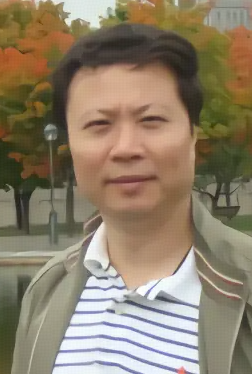 Zhiliang Zhu (朱志良)合作论文数Software College, Northeastern University2
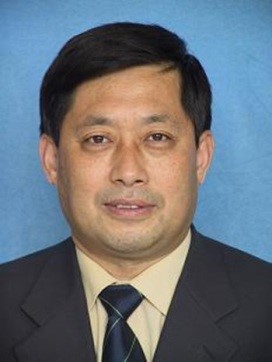 Chengdong Wu (吴成东)合作论文数Faculty of Robot Science and Engineering, Northeastern University2
 Stephen E Greenwald合作论文数Blizard Institute, Queen Mary University of London2Congbao Qiu合作论文数2Xiaoying Han合作论文数1Nan Ya合作论文数1Zeyang Zhu合作论文数1Hongguang Han合作论文数1
 Yunes Al-Dhabi合作论文数1
 Chongmin Liu合作论文数1Baofeng Zhu合作论文数1qihai mou (牟其海)合作论文数1
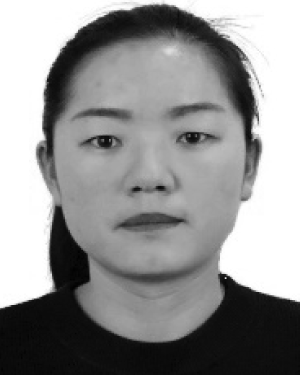 Wenyan Liu合作论文数1Mengyao JIA (贾梦瑶)合作论文数1Dandan Cheng合作论文数1Huiying Cui合作论文数1Xue QI (齐雪)合作论文数1Di Liu (刘迪)合作论文数1Shuai Li (李帅)合作论文数1XiaoFeng Chen (陈晓峰)合作论文数1
 Shuang Yang合作论文数Ant Financial, San Francisco, CA, USA1
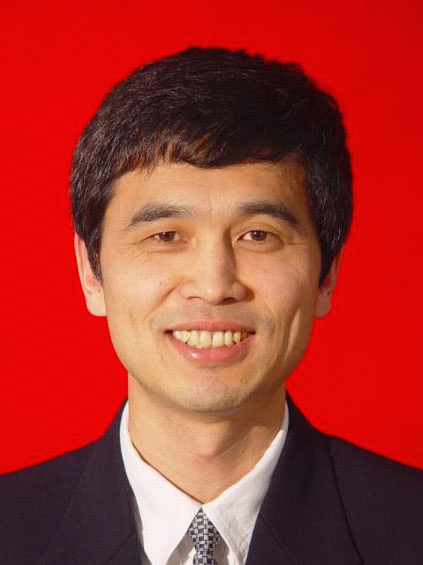 Guiqiu Song (宋桂秋)合作论文数School of Mechanical Engineering and Automation,Northeastern University1
 Xinjun Zhao (赵新军)合作论文数School of Mechanical Engineering and Automation, Northeastern University1
 Gang Wu (吴刚)合作论文数School of Computer Science and Engineering, Northeastern University1Yi-Fei Zhang (张翼飞)合作论文数沈阳航空航天大学计算机学院1Xinyu Li (李欣禹)合作论文数1
 Chunan Tang (唐春安)合作论文数School of Civil Engineering, Dalian University of Technology1
 Yu Dai (代钰)合作论文数Software College of Northeastern University1
 Huan Wang (王欢)合作论文数Efficient Neural Computing and Design Lab, School of Engineering, Westlake University1Lei Li (李雷)合作论文数1
 Ruiyun Yu (于瑞云)合作论文数Software College, Northeastern University1Shaobo Wang合作论文数1Jianhua Li (李建华)合作论文数College of Medicine and Biological Information Engineering, Northeastern University1Xiaoming Xu合作论文数1Hongwu Guo合作论文数1




