Hydrogen-powered ground support equipment (GSE) has the potential to reduce carbon emissions and accelerate airport decarbonisation, yet limited research has examined stakeholders’ perceptions of this emerging technology. To address this gap, this study conducted semi-structured interviews with key airport stakeholders, including airport operators, car manufacturers, hydrogen suppliers, and infrastructure providers, to explore their attitudes and operational needs regarding hydrogen-powered GSE. Following the thematic analysis, five core themes emerged: 1) Stakeholders viewed hydrogen-powered GSE as an ideal option for supporting airport decarbonisation, citing benefits such as zero emissions at point of use, low noise, fast refuelling, and long driving range. 2) Widespread adoption is constrained by high costs, limited refuelling infrastructure, and safety concerns and regulatory uncertainty. 3) Stakeholders felt limited refuelling infrastructure and vehicle range may initially impact staff experience with hydrogen GSE, but the long-term aim is a seamless operation. 4) Stakeholders saw the need for both technology-specific training and general hydrogen awareness training to ensure safety and build staff confidence. 5) Future investment should prioritise vehicles, hydrogen production, and infrastructure development. This study concludes that the adoption of hydrogen-powered GSE provides a strategic pathway for advancing sustainable air transport. Considering its successful deployment, it recommends collaboration among policymakers, airports, manufacturers, end-users, and academia is essential to improve understanding of hydrogen risks and guide safety standards.
Public and workplace charging infrastructure plays an important role in supporting electric vehicle (EV) adoption by relieving range anxiety, increasing vehicle utility, and providing charging access for users without home chargers. While previous studies have examined public and workplace charging infrastructure, limited research has explored the impact of charging type and location on charging behaviour using real-world data collected from regional use cases. To address this gap, this study analyses 327,910 real-world charging events from the North-East of the UK to examine the relationship between public and workplace charging infrastructure and EV users' charging behaviours. The results revealed that rapid chargers located in central shopping centres, suburban activity centres, and leisure venues are preferred by EV users with higher usage frequency but still require improved utilisation to achieve commercial viability. Slow and fast chargers’ plug-in time far exceeds the energy delivery duration as they are primarily used for parking rather than charging, suggesting re-introducing parking fees at these chargers may be beneficial. Public on-street and off-street chargers have low usage frequencies, therefore, offering free parking based on demand might increase their utilisation. Workplace chargers exhibit longer plug-in time but lower usage frequency during afternoon peak hours, highlighting the need for strategies such as smart metering and time-of-use pricing to reduce grid pressure. These insights contribute to policy recommendations for optimising public and workplace charging networks to support sustainable EV adoption at the regional level.
Abstract Autonomous vehicles (AVs) present a paradigm shift in addressing conventional parking challenges. Unlike human‐driven vehicles, AVs can strategically park or cruise until summoned by users. Utilizing utility theory, the parking decision‐making processes of AVs users are explored, taking into account constraints related to both cost and time. An agent‐based simulation approach is adopted to construct an AV parking model, reflecting the complex dynamics of the parking decision process in the real world, where each user's choice has a ripple effect on traffic conditions, consequently affecting the feasible options for other users. The simulation experiments indicate that 11.50% of AVs gravitate towards parking lots near their destinations, while over 50% of AVs avoid public parking amenities altogether. This trend towards minimizing individual parking costs prompts AVs to undertake extended empty cruising, resulting in a significant increase of 48.18% in total vehicle mileage. Moreover, the pricing structure across various parking facilities and management dictates the parking preferences of AVs, establishing a nuanced trade‐off between parking expenses and proximity for these vehicles.
This real-world investigation aimed to quantify the human–machine interaction between remote drivers of teleoperation systems and the Level 4 automated vehicle in a real-world setting. The primary goal was to investigate the effects of disengagement and distraction on remote driver performance and behaviour. Key findings revealed that mental disengagement, achieved through distraction via a reading task, significantly slowed the remote driver’s reaction time by an average of 5.309 s when the Level 4 automated system required intervention. Similarly, disengagement resulted in a 4.232 s delay in decision-making time for remote drivers when they needed to step in and make critical strategic decisions. Moreover, mental disengagement affected the remote drivers’ attention focus on the road and increased their cognitive workload compared to constant monitoring. Furthermore, when actively controlling the vehicle remotely, drivers experienced a higher cognitive workload than in both “monitoring” and “disengagement” conditions. The findings emphasize the importance of designing teleoperation systems that keep remote drivers actively engaged with their environment, minimise distractions, and reduce disengagement. Such designs are essential for enhancing safety and effectiveness in remote driving scenarios, ultimately supporting the successful deployment of Level 4 automated vehicles in real-world applications.
The Level 4 Automated Vehicles (L4 AV) potentially deliver social, economic, safety and environmental benefits. A key feature for the L4 AV is the failsafe mechanism which ensures the safety of the vehicle without human driver input when reaching system limitations. An important solution for the failsafe is the 5G-enabled teleoperation system controlled by a remote driver. However, understanding end-users' perception, needs and requirements towards the L4 AV is a significant under-researched area. To fill the research gap, this study conducted semi-structured interviews with 29 potential end-users to qualitatively explore the new driver-automation-remote driver interaction in the L4 AV. Results showed that end-users would like to understand how the remote driver operates the vehicle remotely and would not expect them to be multitasking or distracted. They also show that remote drivers' sensing and information about the driving environment are important. Remote drivers should also be qualified and experienced drivers and must have undergone background security checks before teleoperating the L4 AV. They require remote drivers based in the same country as the L4 AV to prevent issues such as unfamiliar road layouts, different traffic rules, cultural driving style variations, liability concerns, and time differences from affecting performance. They require the remote drivers to clarify what had happened and explain how they will deal with the situation and operate the vehicle in the situation of failsafe in the L4 AV. Dedicated remote drivers are preferred over random ones. A review and feedback system is important for the end-users to evaluate the services and choose preferred remote drivers. Finally, end-users are concerned about the liability and legal implications of utilising a L4 AV, especially during the period that the L4 AV is being operated by the remote drivers.
Private e-bikes and shared e-bikes are gradually becoming the preferred modes of feeders for a vast number of metro passengers in China, opening up new potential for sustainable urban transportation development. This study proposes a method to identify feeder behaviors from private and shared e-bikes to the metro using mobile phone signal data and shared e-bike operation order data in Nanning, China. Then, the Light Gradient Boosting Machine models are constructed to reveal the influence of various factors on the feeder demand for two kinds of e-bikes in metro stations, to promote integrated travel of e-bikes to the metro. The results show that the demand for private e-bikes in metro stations is significantly higher than that of shared e-bikes, and the demand for the two types of feeder modes during the morning and evening peak hours on weekdays is greater than that in other periods. Secondly, the density of educational facilities has a positive effect on the demand for both feeder modes, and it has a greater impact on the demand for private e-bikes. Thirdly, the distance to the city center has a non-linear effect on the demand for private e-bikes. The farther away from the city center, the more feeders use private e-bikes to travel, and the fewer feeders use shared e-bikes. These findings can help planners better understand how various factors influence feeder demand.
Cold chain logistics industry is the product of social and economic development, cross-regional transportation demand, is to maintain the low temperature environment as the core requirements, to maintain product quality, reduce product loss for the purpose of the system engineering. Cold chain logistics has high requirements for timeliness, safety, reliability and technical stability. However, China's cold chain logistics started late. In the early stage of development, many enterprises do not have the concept of "cold chain logistics", cold chain facilities and equipment are generally missing and backward, and the development of cold chain logistics is in the stage of resource shortage. This article focuses on the research object of Anhui Dazhong Cold chain Logistics Company, focuses on the company's emergency measures capability, and finds that the emergency logistics capacity of Anhui Dazhong cold chain logistics needs to be upgraded. In recent years, major public health events have occurred frequently, and Volkswagen lacks systematic evaluation in the implementation of emergency measures. According to the above problems, based on the public emergency logistics process management build public company cold chain emergency logistics ability evaluation index system, the hierarchical analysis and entropy method integrated empowerment of evaluation index, and use multi-level fuzzy comprehensive evaluation method for comprehensive evaluation, finally get the public emergency logistics level.
With the ever-pressing challenges of societal ageing, robotic technologies for older people are increasingly portrayed as a solution for better independent living for longer. However, the application of human-following robots for elderly citizens has not yet been considered, and any prospective benefits offered by the technology for active ageing have previously been overlooked. This qualitative research aimed to explore older people's needs and requirements towards the human-following robot through the reflexive thematic analysis of semi-structured interview data from 17 independent older adults, supported by a video-based demonstration of the robot. The results indicate that older people believed that human-following robot has the potential to provide social benefits to an independent older adult by encouraging walking trips and prompting social interaction with others in the community. Practical limitations and cost of the robot are barriers to adoption at present. The findings indicate that there is potential for human-following robots to support active ageing, through increasing opportunities for the social participation of an older adult, but further development of the robot is needed for this potential to be realised.
Intelligent agents (IAs) are increasingly used in vehicles and associated services (e.g. navigation, entertainment) to enhance user experience, as IAs were applied to the car and turned the vehicle into a service platform under the rapid development of the intellectualized and connected vehicle. However, various IAs may be employed by other services and devices. In the case of in-vehicle cross-device interaction, when users interact simultaneously with multiple services or devices, the actions and decisions of one IA may conflict with those of others. This paper presents a role-based relationship framework to resolve potential conflicts between different IAs in the driving scenarios. The article discusses four types of IA relationships: Partnership, Representative, Subordinate, and Co-embodiment. To examine people's perceptions and attitudes towards different types of relationships, we apply an evaluation system and conduct user studies (N = 30). In two scenarios (Navigation Plan & Music Switching), Participants are required to engage in conversations with IAs based on various types of relationships. Data analysis and user interviews show that Partnership is gaining popularity in leisure and entertainment settings. Moreover, Representative is more effective in efficiency-oriented use cases. In addition, the research on driver's attention behavior suggests that Representatives can convince the driver to focus on the road more efficiently in navigation scenarios than in music settings. After evaluating the different role-based relationships of IAs, design recommendations for user interactions with multiple IAs in driving scenarios are offered.
Connected and automated vehicles have the potential to deliver significant environmental, safety, economic and social benefits. The key advancement for automated vehicles with higher levels of automation (SAE Level 4 and over) is fail-operational. One possible solution for the failsafe mode of automated vehicles is a 5G-enabled teleoperation system controlled by remote drivers. However, knowledge is missing regarding understanding of the human–machine interaction in teleoperation from the perspective of remote drivers. To address this research gap, this study qualitatively investigated the acceptance, attitudes, needs and requirements of remote drivers when teleoperating a 5G-enabled Level 4 automated vehicle (5G L4 AV) in the real world. The results showed that remote drivers are positive towards the 5G L4 AV. They would like to constantly monitor the driving when they are not controlling the vehicle remotely. Improving their field of vision for driving and enhancing the perception of physical motion feedback are the two key supports required by remote drivers in 5G L4 AVs. The knowledge gained in this study provides new insights into facilitating the design and development of safe, effective and user-friendly teleoperation systems in vehicle automation.
As vulnerable traffic participants, electric bike (EB) riders have suffered from high collision casualties in recent years. Road user anger has been shown to affect riding behavior and lead to traffic accidents. Besides, studies have highlighted that there may be differences in road user anger in driving different vehicles due to varying perceptions of the relative vulnerability of vehicle type characteristics (control performance and cognitive processes). However, current road user anger investigations for two-wheelers have focused mainly on conventional cyclists, and little attention has been paid to e-bike riders, especially with the emerging group of delivery e-bike (DEB) riders. This study aims to develop a Cycling Anger Scale (CAS) for EB riders based on the Cycling Anger Scale and explore the road user anger experienced by EB riders and the differences between ordinary and delivery EB riders. The survey was conducted in Nanjing, China, and collected from 281 Ordinary EB (OEB) riders and 268 DEB riders. Exploratory factor analysis and confirmatory factor analysis are conducted to determine the revised four-factor structure of the 14-item CAS for EB. The results show that the scores of police interaction and cyclist interaction on the CAS subscales are significantly different between the OEB and DEB groups. The police interaction is the largest source of anger for both groups. Besides, the aggressive riding behaviors are significantly correlated with riding anger, which can be predicted by different aspects of riding anger for the two types of EB riders. This study provides a theoretical basis for designing intervention measures and safety education programs to enhance EB riders’ road safety.
Warning system for pedestrians (WSP), one of cooperative intelligent transport system (C-ITS) applications, is designed to increase safety for pedestrians but also for drivers and other road users. The evaluation of end-user acceptance and perceptions of this technology is crucial before deploying it in transportation systems. Five WSP human–machine interfaces (HMIs) were designed and simulated using a driver’s first-view video footage of driving through a pedestrian crossing in Newcastle upon Tyne. The five WSP designs were evaluated with 24 younger end users (35 years old and younger). This study first evaluated the usefulness of the unified theory of acceptance and use of technology (UTAUT) in modelling end-user acceptance in terms of behavioural intentions to use WSP. The results suggest that the UTAUT can be applied to investigate the end-user acceptance of WSP, with performance expectancy and effort expectancy influencing the behavioural intentions to use WSP. Furthermore, we investigated end-user attitudes towards various WSP human–machine interface (HMI) designs. Participants showed more positive attitudes towards visual-only interfaces than towards audio-only and multi-modal (combinations of visual and audio) interfaces. Above all, the findings of this research increase our understanding of public acceptance and perceptions of this C-ITS application.
Although numerous deep neural networks have been explored for aircraft detection using synthetic aperture radar (SAR) imagery, limited work has been conducted with their performance comparison, since different neural networks are designed and tested using different datasets and measured with different metrics. In this book chapter, we compare the performance of six popular deep neural networks for aircraft detection from SAR imagery, to verify their performance in tackling the scale heterogeneity, the background interference and the speckle noise challenges in the SAR-based aircraft detection. We choose SAR images acquired from three major airports in China as the testing datasets, due to the lack of ubiquitously agreed SAR benchmark dataset in aircraft detection. This comparison work does not only confirm the value of deep learning in aircraft detection but also highlights the advantages and disadvantages of these techniques, which paves the path for the design and development of workflow guidance in SAR-based aircraft detection using deep neural networks. It also serves as a baseline for future deep learning comparison in remote sensing data analytics, so as to facilitate the domain knowledge integration and design of innovative aircraft detection deep learning techniques.
The rate of urbanization in Europe is increasing rapidly. Traffic congestion has become one of the biggest challenges for cities. Additionally, thousands of people die each year in accidents on European roads. In addition, road transport is one of the biggest reasons for the increase in air pollution and greenhouse gases in Europe. To solve these problems, cooperative intelligent transport systems (C-ITS) have accelerated in Europe, after more than ten years of research and development. The European Commission has carried out significant work in this field in recent years and has prepared a strategy document for the deployment of C-ITS services in Europe. The Commission considers that C-ITS have significant potential in reducing the negative effects of road traffic and expects these systems to deploy rapidly in European cities. However, in order to achieve this, it is imperative to clearly identify the needs of cities in implementing and managing these systems, the extent to which these systems will respond to different mobility problems of the cities, and the important barriers to widespread deployment. This study focused on qualitatively examining the C-ITS deployment from the stakeholder perspective. The knowledge generated is useful to facilitate the large-scale future deployment of C-ITS.
The emergence of the level 3 automated vehicles (L3 AVs) can enable drivers to be completely disengaged from driving and safely perform other non-driving related tasks, but sometimes their takeover of control of the vehicle is required. The takeover of control is an important human–machine interaction in L3 AVs. However, little research has focused on investigating the effect of gender on takeover performance. In order to fill this research gap, a driving simulator study with 76 drivers (33 females and 43 males) was conducted. The participants took over control from L3 AVs, and the timing and quality of takeover were measured. The results show that although there was no significant difference in most of the measurements adopted to quantify takeover performance between female and male. Gender did affect takeover performance slightly, with women exhibited slightly better performance than men. Compared to men, women exhibited a smaller percentage of hasty takeovers and slightly faster reaction times as well as slightly more stable operation of the steering wheel. The findings highlight that it is important for both genders to recognise they can use and interact with L3 AVs well, and more hands-on experience and teaching sessions could be provided to deepen their understanding of L3 AVs. The design of the car interiors of L3 AVs should also take into account gender differences in the preferences of users for different non-driving related tasks.
Exploring the future mobility of older people is imperative for maintaining wellbeing and quality of life in an ageing society. The forthcoming level 3 automated vehicle may potentially benefit older people. In a level 3 automated vehicle, the driver can be completely disengaged from driving while, under some circumstances, being expected to take over the control occasionally. Existing research into older people and level 3 automated vehicles considers older people to be a homogeneous group, but it is not clear if different subgroups of old people have different performance and perceptions when interacting with automated vehicles. To fill this research gap, a driving simulator investigation was conducted. We adopted a between-subjects experimental design with subgroup of old age as the independent variable. The differences in performance, behaviour, and perception towards level 3 automated vehicles between the younger old group (60-69 years old) and older old group (70 years old and over) was investigated. 15 subjects from the younger old group (mean age = 64.87 years, SD = 3.46 years) and 24 from the older old group (mean age = 75.13 years, SD = 3.35 years) participated in the study. The findings indicate that older people should not be regarded as a homogeneous group when interacting with automated vehicle. Compared to the younger old people, the older old people took over the control of the vehicle more slowly, and their takeover was less stable and more critical. However, both groups exhibited positive perceptions towards level 3 automation, and the of older old people's perceptions were significantly more positive. This study demonstrated the importance of recognising older people as a heterogeneous group in terms of their performance, capabilities, needs and requirements when interacting with automated vehicles. This may have implications in the design of such systems and also understanding the market for autonomous mobility. (c) 2021 The Authors. Published by Elsevier Ltd. This is an open access article under the CC BY license (http://creativecommons.org/licenses/by/4.0/).
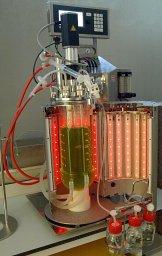
The production of methane-rich biogas from the anaerobic digestion (AD) of microalgae is limited by an unfavorable biomass carbon-to-nitrogen (C/N) ratio; however, this may be ameliorated using a co-digestion strategy with carbon-rich feedstocks. For reliable plant operation, and to improve the economics of the process, secure co-feedstock supply (ideally as a waste-stream) is important. To this end, this study investigated the feasibility of co-digesting microalgae (Chlorella vulgaris) with potato processing waste (potato discarded parts, PPWdp; potato peel, PPWp) and glycerol, while monitoring the response of the methanogenic community. In this semi-continuous study, glycerol (1 and 2% v/v) added to mixtures of C. vulgaris : PPWdp enhanced the specific methane yields the most, by 53–128%, whilst co-digestion with mixtures of C. vulgaris : PPWp enhanced the methane yields by 62–74%. The microbial communities diverged markedly over operational time, and to a lesser extent in response to glycerol addition. The acetoclast Methanosaeta was abundant in all treatments but was replaced by Methanosarcina in the potato peel with glycerol treatment due to volatile fatty acid (VFA) accumulation. Our findings demonstrate that the performance of microalgae co-digestion is substantially improved by the addition of glycerol as an additional co-feedstock. This should improve the economic case for anaerobically digesting microalgae as part of wastewater treatment processes and/or the terminal step of a microalgae biorefinery.
The ability to continue driving into old age is strongly associated with older adults' mobility and wellbeing for those that have been dependant on car use for most of their adult lives. The emergence of highly automated vehicles (HAVs) may have the potential to allow older adults to drive longer and safer. In HAVs, when operating in automated mode, drivers can be completely disengaged from driving, but occasionally they may be required to take back the control of the vehicle. The human-machine interfaces in HAVs play an important role in the safe and comfortable usage of HAVs. To date, only limited research has explored how to design age-friendly HMIs in HAVs and evaluate their effectiveness. This study designed three HMI concepts based on older drivers' requirements, and conducted a driving simulator investigation with 76 drivers (39 older drivers and 37 younger drivers) to evaluate the effect and relative merits of these HMIs on drivers' takeover performance, workload and attitudes. Results showed that the 'R + V' HMI (informing drivers of vehicle status together with providing the reasons for the manual driving takeover request) led to better takeover performance, lower perceived workload and highly positive attitudes, and is the most beneficial and effective HMI. In addition, The 'V' HMI (verbally informing the drivers about vehicle status, including automation mode and speed, before the manual driving takeover request) also had a positive effect on drivers' takeover performance, perceived workload and attitudes. However, the 'R' HMI (solely informing drivers about the reasons for takeover as part of the takeover request) affected older and younger drivers differently, and resulted in deteriorations in performance and more risky takeover for both older and younger drivers compared to the baseline HMI. Moreover, significant age difference was observed in the takeover performance and perceived workload. Above all, this research highlights the significance of taking account older drivers' requirements into the design of HAVs and the importance of collaboration between automated vehicle and cooperative ITS research communities. (C) 2019 The Authors. Published by Elsevier Ltd.
The population of older drivers is increasing in size. However, age-related functional decline potentially reduce their safe driving ability and thereby their wellbeing may decline. Fortunately, the forthcoming highly automated vehicles (HAVs) may have the potential to enhance the mobility of older drivers. HAVs would introduce a revolutionary human-machine interaction in which drivers can be completely disengaged from driving, and their control would be required occasionally. In order to inform the design of an age-friendly human-machine interaction in HAVs, several semi-structured interviews were conducted with 24 older drivers (mean = 71.50 years, SD = 5.93 years: 12 female, 12 male) to explore their opinions of and requirements towards HAV after they had hands-on experience with a HAV on a driving simulator. Results showed that older drivers were positive towards HAVs and welcomed the hands-on experience with HAVs. In addition, they wanted to retain physical and potential control over the HAVs, and would like to perform a range of non-driving related tasks in HAVs. Meanwhile, they required an information system and a monitoring system to support their interactions with HAVs. Moreover, they required the takeover request of HAVs to be adjustable, explanatory and hierarchical, and they would like the driving styles of HAVs to be imitative and corrective. Above all, this research provides recommendations to inform the design of age-friendly human-machine interactions in HAVs and highlights the importance of considering the older drivers' requirements when designing and developing automated vehicles. (C) 2019 The Authors. Published by Elsevier Ltd. This is an open access article under the CC BY license (http://creativecommons.org/licenses/by/4.0/).
 Philip Thomas Blythe合作论文数14
 Simon Edwards合作论文数Sch Engn, Newcastle Univ13
 Yanghanzi Zhang合作论文数School of Engineering, Newcastle University10
 Yanjie Ji (季彦婕)合作论文数School of Transportation, Southeast University9
 Anil Namdeo合作论文数Institute for Transport Studies, University of Leeds8Weihong Guo合作论文数newcastle university7
 Paul Goodman合作论文数5
 Fan Zhang合作论文数4
 Jin Xing合作论文数4
 Graeme Hill合作论文数3Nic Palmarini合作论文数1colin herron合作论文数1Shirao Yang合作论文数1Yong Liu合作论文数1Xizhen Zhou合作论文数1
 Wenhao Li合作论文数1Lynne Corner合作论文数1
 josey wardle合作论文数1Jielan Wang合作论文数1
 Huitao Lv合作论文数1
 Xinwei Ma (马新卫)合作论文数1
 Xingmin Cai合作论文数1
 Lifu Chen合作论文数Changsha Univ Sci & Technol, Sch Elect & Informat Engn, Changsha 410114, Peoples R China1
 Ru Luo合作论文数1Paul Whitworth合作论文数School of Natural and Environmental Sciences, Newcastle University1Kirsty Milligan合作论文数Department of Computer Science, Mathematics, Physics and Statistics, Irving K. Barber Faculty of Science, The University of British Columbia1
 Andrew M. Zealand合作论文数Division of Environmental Management, Northumbria University1
 Gary S. Caldwell合作论文数School of Marine Science and Technology, Newcastle University1
 Xiang Yuan (袁翔)合作论文数School of Design, Hunan University1
 Paul Sallis合作论文数Department of Biochemistry and Molecular Biology, Universidad Complutense1




