Naming brain–computer interfaces according to their intended application will assist stakeholders in the evaluation of the benefits and risks of neurotechnologies.
Despite our feeling of control over decisions, our ability to consciously access choices before execution remains debated. Recent research reveals prospective access to intention to act, allowing potential vetoes of impending decisions. However, whether the content of impending decision can be accessed remain debated. Here we track neural signals during participants’ early deliberation in free decisions. Participants chose freely between two options but sometimes had to reject their current decision just before execution. The initially preferred option, tracked in real time, significantly predicts the upcoming choice, but remain mostly outside of conscious awareness. Participants often display overconfidence in their access to this content. Instead, confidence is associated with a neural marker of self-initiated decision, indicating a qualitative confusion in the confidence evaluation process. Our results challenge the notion of complete agency over choices, suggesting inflated awareness of forthcoming decisions and providing insights into metacognitive processes in free decision-making.
Online speech processing imposes significant computational demands on the listening brain, the underlying mechanisms of which remain poorly understood. Here, we exploit the perceptual "pop-out" phenomenon (i.e. the dramatic improvement of speech intelligibility after receiving information about speech content) to investigate the neurophysiological effects of prior expectations on degraded speech comprehension. We recorded electroencephalography (EEG) and pupillometry from 21 adults while they rated the clarity of noise-vocoded and sine-wave synthesized sentences. Pop-out was reliably elicited following visual presentation of the corresponding written sentence, but not following incongruent or neutral text. Pop-out was associated with improved reconstruction of the acoustic stimulus envelope from low-frequency EEG activity, implying that improvements in perceptual clarity were mediated via top-down signals that enhanced the quality of cortical speech representations. Spectral analysis further revealed that pop-out was accompanied by a reduction in theta-band power, consistent with predictive coding accounts of acoustic filling-in and incremental sentence processing. Moreover, delta-band power, alpha-band power, and pupil diameter were all increased following the provision of any written sentence information, irrespective of content. Together, these findings reveal distinctive profiles of neurophysiological activity that differentiate the content-specific processes associated with degraded speech comprehension from the context-specific processes invoked under adverse listening conditions.
New information can be learned during sleep but the extent to which we can access this knowledge after awakening is far less understood. Using a novel Associative Transfer Learning paradigm, we show that, after hearing unknown Japanese words with sounds referring to their meaning during sleep, participants could identify the images depicting the meaning of newly acquired Japanese words after awakening ( N = 22). Moreover, we demonstrate that this cross-modal generalization is implicit, meaning that participants remain unaware of this knowledge. Using electroencephalography, we further show that frontal slow-wave responses to auditory stimuli during sleep predicted memory performance after awakening. This neural signature of memory formation gradually emerged over the course of the sleep phase, highlighting the dynamics of associative learning during sleep. This study provides novel evidence that the formation of new associative memories can be traced back to the dynamics of slow-wave responses to stimuli during sleep and that their implicit transfer into wakefulness can be generalized across sensory modalities.
The attentional blink (AB) is a phenomenon, in which the second of two target stimuli (T1 and T2) is not consciously perceived when it appears shortly after the first target stimulus. This phenomenon is well explained by a two-stage model of perception, where an early sensory stage precedes a capacity-limited late stage that recruits the attentional system. As long as T1 occupies the late stage, T2 is missed. The duration of the AB thus reflects the duration of the late stage of perception. We designed an AB task that requires no instruction whatsoever and can be employed with very young infants (N=24 per group). In each trial, sequences of images were presented in parallel in three locations on the screen: left, center and right. Most images were masks (scrambled faces). Among those masks, two faces appeared. The first face (T1) appeared centrally. The second face (T2) appeared either left or right. We measured infants’ tendency to detect and look at T2. We could estimate the duration of the AB by varying the delay between T1 and T2 (first, third or seventh image following T1) and the rate of stimulus presentation (3.33 Hz, 5 Hz, 10 Hz). We found that 5-month-olds missed T2 at 600 and 900 ms but saw T2 at 1400 and 2100 ms, suggesting an AB of about 1150 ms. As infants grow, the AB shrinks: 8-month-olds exhibited an AB that lasted less than 700 ms and 3-year-olds an AB that lasted less than 300 ms. Finally, adults exhibited an AB equivalent to that of 3-year-olds. These findings show that the two-stage organisation of perception is in place early in life and that an acceleration of the late stage of perception is a fundamental aspect of cognitive development, particularly in the course of the first year of life.
Electrophysiological studies(1-6) have suggested an acceleration in information processing in the first years of life, probably largely caused by the progressive myelination of the cortex.(7,8) Here, we ask whether and how this acceleration affects information processes that contribute to perceptual awareness. We addressed this issue leveraging on the attentional blink phenomenon(9,10) in infants,(11) children, and adult participants. When two visual targets (T1 and T2) are to be detected, the observer often misses T2, if it appears shortly after T1, as if the observer's attention blinked. This phenomenon is explained by the two-stage model of perception, where an early unconscious sensory stage is followed by a late and central stage that relies on limited attentional resources.(9-14) Although both T1 and T2 are processed in the earlier sensory stage, the capacity limits of the second stage are such that T2 cannot be processed as long as attention is occupied by T1. (9-13) The duration of the attentional blink, thus, indexes the speed of the late processing stage of visual stimuli, which is associated with perceptual awareness.(12-14) Indeed, in adults, the blink only occurs if T1 is consciously perceived but not when it is missed or processed subliminally.(15) Accordingly, neuroimaging studies(16-18) have shown that late processes blocked by T1 involve frontoparietal areas, thought to be responsible for global cognitive availability, conscious access, and reportability.(19) Here, we show that the attentional blink is present in young infants, suggesting that the two-stage organization of perception is in place at 5 and 8 months of age. In addition, we show that the duration of the attentional blink shrinks with development, suggesting that a fundamental aspect of cognitive development is the fast acceleration of the late processing stage of perception.
Il reste largement incompris dans quelle mesure de nouvelles informations apprises durant le sommeil sont transmises à l’éveil. Un nouveau paradigme d’apprentissage par transfert associatif nous a permis de tester si nouvelles associations apprises pendant le sommeil peuvent être récupérées à l’éveil et généralisées entre les modalités sensorielles. Au total, 22 volontaires sains équipés en électroencéphalographie (EEG) ont entendu des associations entre des mots japonais (ex. : inu pour chien) et des sons évoquant leur signification (ex. : l’aboiement d’un chien) durant la deuxième partie de nuit (16 en sommeil lent et 16 en sommeil paradoxal). Suite au réveil, les participants ont écouté les mots japonais et devaient choisir entre deux images celle qui correspond au mot japonais, ainsi qu’évaluer leur confiance dans leur choix. Les participants ont identifié au-delà de la chance les images correspondant aux mots japonais présentés durant le sommeil lent. Néanmoins, ils n’avaient pas conscience de leur apprentissage. L’analyse des tracés cérébraux montre que les associations retenues ont entraîné plus fortement les ondes lentes que celles oubliées durant le sommeil. De plus, cette réponse émerge au cours de la nuit, révélant la dynamique de l’apprentissage durant le sommeil. L’apprentissage de nouvelles associations dans le sommeil, prédit par la dynamique des réponses d’ondes lentes, peut être transféré implicitement à l’éveil et généralisé à travers les modalités sensorielles.
People can introspect on their internal state and report the reasons driving their decisions but choice blindness (CB) experiments suggest that this ability can sometimes be a retrospective illusion. Indeed, when presented with deceptive cues, people justify choices they did not make in the first place, suggesting that external cues largely contribute to introspective processes. Yet, it remains unclear what are the respective contributions of external cues and internal decision variables in forming introspective report. Here, using a brain-computer interface, we show that internal variables continue to be monitored but are less impactful than deceptive external cues during CB episodes. Moreover, we show that deceptive cues overturn the classical relationship between confidence and accuracy: introspective failures are associated with higher confidence than genuine introspective reports. We tracked back the origin of these overconfident confabulations by revealing their prominence when internal decision evidence is weak and variable. Thus, introspection is neither a direct reading of internal variables nor a mere retrospective illusion, but rather reflects the integration of internal decision evidence and external cues, with CB being a special instance where internal evidence is inconsistent.
Sleep leads to a disconnection from the external world. Even when sleepers regain consciousness during rapid eye movement (REM) sleep, little, if any, external information is incorporated into dream content [13]. While gating mechanisms might be at play to avoid interference on dreaming activity [4], a total disconnection from an ever-changing environment may prevent the sleeper from promptly responding to informative events (e.g., threat signals). In fact, a whole range of neural responses to external events turns out to be preserved during REM sleep [5-9]. Thus, it remains unclear whether external inputs are either processed or, conversely, gated during REM sleep. One way to resolve this issue is to consider the specific impact of eye movements (EMs) characterizing REM sleep. EMs are a reliable predictor of reporting a dream upon awakening [10, 11], and their absence is associated with a lower arousal threshold to external stimuli [12]. We thus hypothesized that the presence of EMs would selectively prevent the processing of informative stimuli, whereas periods of REM sleep devoid of EMs would be associated with the monitoring of external signals. By reconstructing speech in a multi-talker environment from electrophysiological responses, we show that informative speech is amplified over meaningless speech during REM sleep. Yet, at the precise timing of EMs, informative speech is, on the contrary, selectively suppressed. These results demonstrate the flexible amplification and suppression of sensory information during REM sleep and reveal the impact of EMs on the selective gating of informative stimuli during sleep.
Tablets and computers offer opportunities for learning, but their potential is only as great as the quality of the software they propose. Educational games must not only provide an engaging design, but also be based on principles from cognitive neuroscience and education research, and be evaluated in large-scale classroom tests. Here, we describe ELAN, an adaptive game that supports literacy acquisition through teaching and training phonics. It provides explicit systematic grapheme–phoneme correspondence instruction and reinforces full decoding through reading and spelling practice with 100% decodable text. The game also uses periodical lexical decision tasks to measure the transition from letter-by-letter decoding to fluent word recognition. The software was tested in a randomized control trial in 44 first-grade classrooms (n = 975 French children). Children who used ELAN software during the first term improved relative to two control groups, respectively, using math software or no-tablet "business-as-usual" classrooms. Improvements were significant in reading fluency (one-minute word and pseudo-word reading) and sentence reading comprehension, consistent with the idea that improved decoding can help the child focus on understanding. These results emphasize the importance of early, explicit and systematic phonics training, and provide a new software tool to facilitate it.
Sleep suppresses the ability to react to environmental demands. It has been proposed that a phenomenon of sensory isolation, whereby sensory inputs fail to reach cortical brain regions during sleep, would be responsible for this absence of responses. How and why this decoupling is implemented has been intensively investigated. However, sleepers might not be fully disconnected from their environment. We review here the empirical evidence showing that sleepers can perform a surprisingly large range of cognitive processes. We describe potential mechanisms explaining sleepers' ability to maintain covert cognitive processes as well as their suppression. Rather than being isolated from the environment, sleepers seem to enter a standby mode, allowing them to balance the monitoring of their surroundings with sensory isolation. This balance could allow sleepers to determine when to stay asleep or when to wake up, and might be essential for the fulfilment of sleep functions, notably memory consolidation.
Metacognition constitutes the ability to monitor and control cognition. Because young children often provide inaccurate metacognitive judgements when prompted to do so verbally, it has long been assumed that this ability does not develop until late childhood. This claim is now challenged by new studies using non-verbal paradigms and revealing that basic forms of metacognition - such as the ability to estimate decision confidence or to monitor errors - are present even in preverbal infants. This new line of evidence suggests that young children adapt to their environment not only by considering their physical and social surroundings, but also by reflecting upon their own cognitive states.
Metacognition is the ability to monitor and control cognition. Because young children often provide inaccurate metacognitive judgments when prompted to do so verbally, it has long been assumed that this ability does not develop until late childhood. This claim is now challenged by new studies using nonverbal paradigms and revealing that basic forms of metacognition—such as the ability to estimate decision confidence or to monitor errors—are present even in preverbal infants. This new line of evidence suggests that young children adapt to their environment not only by considering their physical and social surroundings but also by reflecting on their own cognitive states.
Scientific research on consciousness is critical to multiple scientific, clinical, and ethical issues. The growth of the field could also be beneficial to several areas including neurology and mental health research. To achieve this goal, we need to set funding priorities carefully and address problems such as job creation and potential media misrepresentation.
Sleep is a vital need, forcing us to spend a large portion of our life unable to interact with the external world. Current models interpret such extreme vulnerability as the price to pay for optimal learning. Sleep would limit external interferences on memory consolidation(1-3) and allow neural systems to reset through synaptic downscaling(4). Yet, the sleeping brain continues generating neural responses to external events(5,6), revealing the preservation of cognitive processes ranging from the recognition of familiar stimuli to the formation of new memory representations(7-15). Why would sleepers continue processing external events and yet remain unresponsive? Here we hypothesized that sleepers enter a 'standby mode' in which they continue tracking relevant signals, finely balancing the need to stay inward for memory consolidation with the ability to rapidly awake when necessary. Using electroencephalography to reconstruct competing streams in a multitalker environment(16), we demonstrate that the sleeping brain amplifies meaningful speech compared to irrelevant signals. However, the amplification of relevant stimuli was transient and vanished during deep sleep. The effect of sleep depth could be traced back to specific oscillations, with K-complexes promoting relevant information in light sleep, whereas slow waves actively suppress relevant signals in deep sleep. Thus, the selection of relevant stimuli continues to operate during sleep but is strongly modulated by specific brain rhythms.
Stimulus repetition induces attenuated brain responses. This phenomenon, termed repetition suppression (RS), is classically held to stem from bottom-up neuronal adaptation. However, recent studies suggest that RS is driven by top-down predictive mechanisms. It remains controversial whether these top-down mechanisms of RS rely on conscious strategies, or if they represent a more fundamental aspect of perception, coding for physical properties of the repeated feature. The presence of top-down effects in the absence of perceptual awareness would indicate that conscious strategies are not sufficient to explain top-down mechanisms of RS. We combined an unconscious priming paradigm with EEG recordings and tested whether RS can be modulated by the probability of encountering a repetition, even in the absence of awareness. Our results show that both behavioural priming and RS near occipital areas are modulated by repetition probability, regardless of prime awareness. This contradicts previous findings that have argued that RS modulation is a by-product of conscious strategies. In contrast, we found that the increase in theta-band power following unrepeated trials - an index of conflict detection - is modulated only by expectations during conscious primes, implicating the use of conscious strategies. Together, our results suggest that the influence of predictions on RS can be either automatic in sensory brain regions or dependent on conscious strategies.
Event Abstract Back to Event Tracking difficulty in a helicopter simulator: EEG complexity as a marker for mental workload Andreas T. Poulsen1*, Jean-maurice Leonetti2, Lars Kai Hansen1 and Sid Kouider2 1 Technical University of Denmark, Denmark 2 École Normale Supérieure, France Electroencephalography (EEG) is an intricate multi-dimensional measure, and there are many approaches to analyse EEG or compare it with the stimuli subjects are interacting with. Recent research has shown that the complexity of EEG signals is correlated with the levels of consciousness in comatose patients (Casali et al., 2013) as well as healthy subjects under anaesthesia and during sleep (Schartner et al.,2015; Andrillon et al., 2016; Schartner et al.,2017). In this study we investigate whether EEG complexity (LZc), as captured by the Lempel-Ziv algorithm (Lempel and Ziv, 1976), can be used in fully aware, healthy people as an index of how focused they are on a given task. Twenty subjects (hereof 10 were female) were recruited for an experiment, where they had to use a helicopter simulator to navigate through courses with varying difficulty with the aim of flying through circles. While the subjects interacted with the simulator, we recorded their EEG in order to investigate whether their neural activity reflected their performance of navigating the helicopter, as well as the varying difficulty of the simulator. This paradigm contained a higher degree of movement than normally seen in experiments where EEG is recorded. EEG can be sensitive to movement artefacts, which in our experiment might create false positives for difficult trials, due to the subject unintentionally moving their entire body. We therefore implemented an aggressive preprocessing using independent component analysis (ICA), followed by dipole-fitting and automatic classification of the ICs using plug-ins for the EEGLAB toolbox, to help identify non-cortical sources and remove them from the EEG (Delorme and Makeig, 2004; Oostenvelt et al., 2003; Frølich et al., 2015). The helicopter simulator was designed for this experiment and featured three modes with different ways to navigate the helicopter, as well as three different ways to wary the difficulty. By contrasting each of these difficulty types, we could investigate whether LZc was able to identify trials with high difficulty, where the subjects were assumed to struggle more. Furthermore, by contrasting the trials, where subjects were successful in navigating the helicopter, with failed trials, we could identify moments of high mental workload and investigate how well LZc was able to track these moments. Though not distinguishable on a single-trial level, subjects showed significantly higher complexity on average in the seconds before failing a trial compared to when they successfully navigated the helicopter through the circles (see figure 1). Additionally, a significant drop in complexity was measured in the navigational mode, which subjects reported as being the easiest. This mode was presumably the one they improved the most in, thereby reaching a plateau in their improvement early on. This could result in a decrease in focus, reflected in the decreased LZc. The difficulty type that obtained the highest LZc contrast between easy and hard trials, was also the difficulty type that was the most influential in whether subjects failed a trial. This was also the case when calculating this difficulty contrast only on successful trials, which indicates that the LZc not only captures neural changes up to a failure, but also when a subject is struggling during a hard but successful trial. That LZc is able to distinguish moments of varying workload consistently across subjects, suggests that EEG complexity is a viable candidate as an index of mental workload. Figure 1 References Andrillon, T., Poulsen, A. T., Hansen, L. K., Léger, D., and Kouider, S. (2016). Neural Markers of Responsiveness to the Environment in Human Sleep. The Journal of Neuroscience, 36(24):6583–6596. Casali, a. G., Gosseries, O., Rosanova, M., Boly, M., Sarasso, S., Casali, K. R., Casarotto, S., Bruno, M.-a., Laureys, S., Tononi, G., and Massimini, M. (2013). A Theoretically Based Index of Consciousness Independent of Sensory Processing and Behavior. Science Translational Medicine, 5(198):1–10. Delorme, A. and Makeig, S. (2004). EEGLAB: An open source toolbox for analysis of single-trial EEG dynamics including independent component analysis. Journal of Neuroscience Methods, 134(1):9–21. Frølich, L., Andersen, T. S., and Mørup, M. (2015). Classification of independent components of EEG into multiple artifact classes. Psychophysiology, 52(1):32–45. Lempel, A. and Ziv, J. (1976). On the Complexity of Finite Sequences. IEEE Transactions on Information Theory, 22(1):75–81. Oostenvelt, R., Delorme, A., and Makeig, S. (2003). DIPFIT: Equivalent dipole source localization of independent components. Schartner, M., Seth, A., Noirhomme, Q., Boly, M., Bruno, M. A., Laureys, S., and Barrett, A. (2015). Complexity of multi-dimensional spontaneous EEG decreases during propofol induced general anaesthesia. PLoS ONE, 10(8):1–21. Schartner, M. M., Pigorini, A., Gibbs, S. A., Arnulfo, G., Sarasso, S., Barnett, L., Nobili, L., Massimini, M., Seth, A. K., and Barrett, A. B. (2017). Global and local complexity of intracranial EEG decreases during NREM sleep. Neuroscience of Consciousness, (September 2016):1–12 Keywords: EEG, complexity measure, neural markers, Mental Workload, Performance monitoring, level of consciousness Conference: 2nd International Neuroergonomics Conference, Philadelphia, PA, United States, 27 Jun - 29 Jun, 2018. Presentation Type: Poster Presentation Topic: Neuroergonomics Citation: Poulsen AT, Leonetti J, Hansen L and Kouider S (2019). Tracking difficulty in a helicopter simulator: EEG complexity as a marker for mental workload. Conference Abstract: 2nd International Neuroergonomics Conference. doi: 10.3389/conf.fnhum.2018.227.00090 Copyright: The abstracts in this collection have not been subject to any Frontiers peer review or checks, and are not endorsed by Frontiers. They are made available through the Frontiers publishing platform as a service to conference organizers and presenters. The copyright in the individual abstracts is owned by the author of each abstract or his/her employer unless otherwise stated. Each abstract, as well as the collection of abstracts, are published under a Creative Commons CC-BY 4.0 (attribution) licence (https://creativecommons.org/licenses/by/4.0/) and may thus be reproduced, translated, adapted and be the subject of derivative works provided the authors and Frontiers are attributed. For Frontiers’ terms and conditions please see https://www.frontiersin.org/legal/terms-and-conditions. Received: 02 Apr 2018; Published Online: 27 Sep 2019. * Correspondence: Mr. Andreas T Poulsen, Technical University of Denmark, Kongens Lyngby, Denmark, atpo@dtu.dk Login Required This action requires you to be registered with Frontiers and logged in. To register or login click here. Abstract Info Abstract The Authors in Frontiers Andreas T Poulsen Jean-maurice Leonetti Lars Kai Hansen Sid Kouider Google Andreas T Poulsen Jean-maurice Leonetti Lars Kai Hansen Sid Kouider Google Scholar Andreas T Poulsen Jean-maurice Leonetti Lars Kai Hansen Sid Kouider PubMed Andreas T Poulsen Jean-maurice Leonetti Lars Kai Hansen Sid Kouider Related Article in Frontiers Google Scholar PubMed Abstract Close Back to top Javascript is disabled. Please enable Javascript in your browser settings in order to see all the content on this page.
ABSTRACT It has long been posited that threat learning operates and forms under an affective and a cognitive learning system that are supported by different brain circuits. A primary drawback in exposure-based therapies is the high rate of relapse when higher order inhibitory structures failed to inhibit the emotional responses driven by the defensive circuit. It has been shown that implicit exposure of fearful stimuli leads to a long-lasting reduction of avoidance behavior in patients with phobia through the facilitation of fear processing areas in the absence of subjective fear. Despite the potential benefits of this approach in the treatment of phobias and PTSD, implicit exposure to fearful stimuli is still under-investigated. Here, we used unconscious presentation of threat-conditioned stimuli in healthy humans, using a continuous flash suppression technique. We found that implicit exposure of a conditioned stimulus reduced, on the following day, defensive responses to the conditioned stimulus measured by threat-potentiated startle responses but not by the electrodermal activity. Our results suggest that implicit exposure using CFS might facilitate the modulation of the affective component of fearful memories, representing an important therapeutic target to further advance exposure-based psychotherapies.
The controversial question of whether machines may ever be conscious must be based on a careful consideration of how consciousness arises in the only physical system that undoubtedly possesses it: the human brain. We suggest that the word “consciousness” conflates two different types of information-processing computations in the brain: the selection of information for global broadcasting, thus making it flexibly available for computation and report (C1, consciousness in the first sense), and the self-monitoring of those computations, leading to a subjective sense of certainty or error (C2, consciousness in the second sense). We argue that despite their recent successes, current machines are still mostly implementing computations that reflect unconscious processing (C0) in the human brain. We review the psychological and neural science of unconscious (C0) and conscious computations (C1 and C2) and outline how they may inspire novel machine architectures.
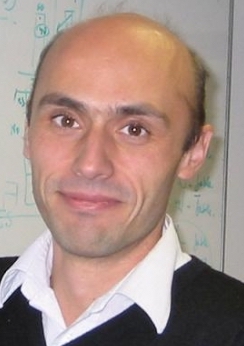 Emmanuel Dupoux合作论文数Laboratoire de Sciences Cognitives et Psycholinguistique, Ecole des Hautes Etudes en Sciences Sociales15
 Faivre Nathan合作论文数Brain Mind Institute, California Institute of Technology14
 Vincent de Gardelle合作论文数Ctr Econ Sorbonne, CNRS14
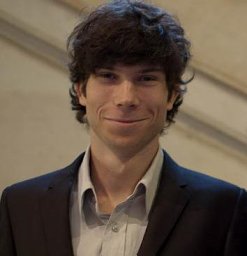 Andrillon Thomas合作论文数Department of Psychiatry, University of Wisconsin-Madison13
 Stanislas Dehaene合作论文数Collège de France11
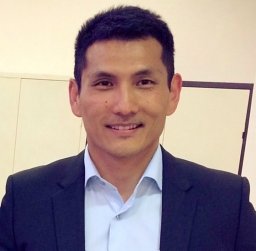 Vincent Berthet合作论文数Laboratoire de Sciences Cognitives et Psycholinguistique, EHESS/DEC-ENS8
 Leonardo S Barbosa合作论文数Laboratoire de Sciences Cognitives et Psycholinguistique, EHESS/DEC-ENS;Ecole Doctorale Cerveau-Cognition-Comportement, Université Pierre et Marie Curie;Laboratoire de Sciences Cognitives et Psycholinguistique, Université Pierre et Marie Curie7
 Matthieu Koroma合作论文数Brain and Consciousness Group (ENS, École Normale Supérieure-PSL Research University6
 Axel Cleeremans合作论文数Center for Research in Cognition & Neurosciences, Universite Libre de Bruxelles6
 Anne Atas合作论文数5
 Goupil Louise合作论文数Laboratoire de Sciences Cognitives et Psycholinguistique, EHESS/DEC-ENS;Ecole Doctorale Cerveau-Cognition-Comportement, Université Pierre et Marie Curie;Laboratoire de Sciences Cognitives et Psycholinguistique, Université Pierre et Marie Curie5
 Kimihiro Nakamura合作论文数5Jérôme Sackur合作论文数INSERM-CEA Cognitive Neuroimaging Unit, Service Hospitalier Frédéric Joliot5
 Gelskov Sofie V合作论文数Laboratoire de Sciences Cognitives et Psycholinguistique, EHESS/ENS-DEC4Luciano Gamberini合作论文数Local Health Care Unit of Modena, Department of Pharmacy Modena Italy Modena Italy4Daniel Pressnitzer合作论文数Equipe Audition;Ecole Normale Sup;Equipe Audition, Ecole Normale Sup4Damien Leger合作论文数4
 Anne Christophe合作论文数Laboratoire de Sciences Cognitives et Psycholinguistique, Département d'études Cognitives, Ecole Normale Supérieure;Centre National de La Recherche Scientifique4
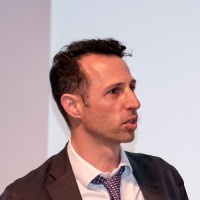 Giulio Jacucci合作论文数Department of Computer Science, Faculty of Science, University of Helsinki;Aalto University;Helsinki Institute of Information Technology4
 Marc Cavazza合作论文数University of Stirling;National Institute of Informatics4
 Bert Timmermans合作论文数Cognitive Science Research Unit, Université Libre de Bruxelles CP 1914
 Hakwan Lau合作论文数UCLA Brain Research Institute3
 Denis Le Bihan合作论文数National Institute for Physiological Sciences3
 David Pizzi合作论文数University of Teesside3
 Charlotte Jacquemot合作论文数Laboratoire de Sciences Cognitives et Psycholinguistique, EHESS-ENS-CNRS3Sharon Peperkamp合作论文数Laboratoire de Sciences;Cognitives et Psycholinguistique3
 Trevor R. Agus合作论文数3Antoinette Jobert合作论文数3
 Imtiaj Ahmed合作论文数University of Helsinki3Auréliane Pajani合作论文数2
 Lars Kai Hansen合作论文数Department of Applied Mathematics and Computer Science, Technical University of Denmark2
 Antoine Barbot合作论文数2Benjamin Rebouillat合作论文数2
 Guillaume Legendre合作论文数2
 Alan Lindsay合作论文数Teesside University2
 Elbaz Maxime合作论文数Centre du sommeil et de la vigilance, Assistance Publique - Hôpitaux de Paris;Equipe Vigilance Fatigue Sommeil, Université Paris-Descartes;Centre du sommeil et de la vigilance, Université Paris-Descartes2
 Susan Carey合作论文数Department of Psychology, Harvard University;Laboratory for Developmental Studies, Harvard University2
 Alexandra Vlassova合作论文数School of Psychology, University of New South Wales2
 Andreas Trier Poulsen合作论文数2Kop Jean-Luc合作论文数2
 Charron Sylvain合作论文数Sainte-Anne Hospital Center, Université Paris Descartes Sorbonne Paris Cité;Neurosciences, UMR 894 INSERM, Paris, France.;Sainte-Anne Hospital Center, Université Paris Descartes Sorbonne Paris Cité2
 Roux Paul合作论文数Service Universitaire de Psychiatrie d'adultes, Université Versailles Saint Quentin en Yvelines2Dutat Michel合作论文数2
 Christophe Pallier合作论文数Laboratoire de Sciences;Cognitives et Psycholinguistique;Laboratoire de Sciences|Cognitives et Psycholinguistique2
 Gabor Aranyi合作论文数Teesside University2
 Justin N. Wood合作论文数Department of Psychology, Harvard University2
 Marc Teichmann合作论文数Department of Neurology, Institut de la Mémoire et de la Maladie d’Alzheimer, Pitié-Salpêtrière University Hospital2Ronald Peereman合作论文数2
 Paul F.M.J. Verschure合作论文数Technology Department, Universitat Pompeu Fabra;Barcelona Institute of Science and Technology2




