Temporal knowledge graph completion aims to predict missing entities and relationships over time. However, traditional methods often fail to effectively capture temporal dynamics and frequency-domain features. They struggle to properly weigh historical information across varying time intervals and overlook periodic patterns inherent in the data. To address these shortcomings, we introduce TDFT, a novel model that integrates time decay factors and frequency-domain transformations. TDFT incorporates a time decay mechanism to prioritize relevant historical information and uses frequency-domain transformations to uncover latent periodic features. These features are learned via a frequency-domain neural network, improving the model's ability to model periodic fluctuations in entities and relationships. Experimental results show that TDFT outperforms existing methods on multiple benchmark datasets.
To address the problems of privacy leakage in patent matching and low matching accuracy, this paper proposes a hybrid homomorphic encryption model (HyMix-HE) for patent similarity matching. First, the user’s patent requirement vector is encrypted using CKKS, and floating-point similarities are computed in batch in the ciphertext domain of the requirements to obtain preliminary patent matches. Second, a δ safety band mechanism is designed to concentrate the samples that require exact review in the truly uncertain neighborhood, together with a secure-domain switching mechanism that converts ciphertexts from the CKKS approximate domain to the BFV fixed-point domain under minimal leakage. Finally, similarity computation over ciphertext is performed in BFV on these critical samples to achieve accurate patent review. Meanwhile, lightweight auditing is implemented on Hyperledger Fabric using commitment/hash techniques, enabling recomputation and accountability without exposing any plaintext. Based on modeled simulations and comparative experiments, the proposed method is evaluated against pure-CKKS and pure-BFV schemes. The results show that, while preserving privacy, the proposed model achieves a good balance between efficiency and accuracy and overall outperforms single-scheme baselines, thus effectively supporting privacy-preserving in patent trading scenarios.
Hyperspectral change detection (HCD) is one of the core applications of remote sensing imagery, and it holds profound significance and research value for monitoring the dynamic changes of coastal wetlands with extremely high ecological value. However, existing methods often fail to fully capture the multiscale spatial-spectral features of coastal wetland changes, and they inadequately fuse differential feature information. To address these issues, this article proposes a cross-hierarchical difference feature fusion network (CHDFFN) based on a multiscale encoder-decoder. Taking a customized encoder-decoder as its backbone, this network integrates a multiscale feature extraction subnetwork with residual connections and a dual-kernel channel-spatial attention module, enabling the multilevel extraction and initial fusion of spatial-spectral features of coastal wetlands. The encoder uses convolutional blocks with varying receptive fields to capture multiscale representations ranging from shallow details to deep semantics; while the decoder fuses output results via skip connections to restore spatial resolution and suppress noise. In addition, the spatial-spectral change feature learning module is used to learn hierarchical change representations, and the adaptive high-level feature fusion module dynamically balances the contributions of hierarchical differential features through adaptive weight assignment-enhancing the model's ability to characterize the complex changes of coastal wetlands. Finally, experimental results on four public datasets show that: compared with state-of-the-art methods, this model achieves an average maximum improvement of 4.61% in overall accuracy, 19.79% in the Kappa coefficient, and 18.90% in the F1-score, verifying its effectiveness in coastal wetland change detection. In the field of remote sensing, accurate and reliable spectral-spatial change detection is crucial for coastal wetland monitoring and environmental management.
To address the limitations of current blockchain-based transaction systems—specifically the redundancy of smart contract feedback information and the inability to effectively filter valuable insights for system upgrades—this study proposes a feedback information screening model that integrates a decay function with a scoring mechanism. First, the overall framework of the model is constructed, incorporating a time-decay module and a clustering-based scoring strategy. To address the issue of feedback losing value over time, the model considers both the timeliness of user feedback and user activity levels. A decay mechanism combining the Sigmoid function, exponential decay function, and user activity metrics is designed to enhance the reliability and authenticity of feedback evaluation. Second, to identify frequent and common user demands reflected in the feedback, a hybrid scoring approach is proposed that integrates TF-IDF vectorization with a clustering algorithm. This approach enables the classification of feedback based on frequency and quantifies the value of each feedback entry accordingly. Finally, the model's performance was systematically evaluated and applied to a corpus of 300 user reviews. Through this process, the model effectively identified eight high-quality feedback entries, which provide valuable insights for system optimization and are expected to enhance the system’s adaptability and responsiveness to diverse business transaction scenarios.
Temporal knowledge graph (TKG) extrapolation aims to forecast unseen future events from sequential historical snapshots, supporting practical scenarios such as geopolitical risk early warning and supply chain abnormal monitoring. Existing mainstream temporal reasoning models suffer three prominent defects: asynchronous and uncoordinated evolution of entities and relations, weak ability to capture long-term temporal dependencies, and inconsistent entity representations across discrete timestamps. To address these challenges, we propose a unified collaborative modeling framework named Kernel-Weighted Recurrent Graph Network (KW-RGN). We first build a relation-guided co-evolution unit to mitigate bias brought by asynchronous entity-relation updates. Second, a kernel-weighted GRU with soft gating and adaptive activation is devised to filter trivial temporal noise and preserve critical long-term evolution patterns. Third, a cosine-similarity-based temporal consistency loss is introduced to smooth entity embeddings between adjacent snapshots. Sufficient experiments on ICEWS14, ICEWS18, ICEWS05-15, and GDELT show KW-RGN consistently outperforms state-of-the-art baselines. Ablation tests verify the necessity of each module, demonstrating that joint entity–relation co-evolution provides an effective paradigm for TKG extrapolation.
Temporal Knowledge Graphs (TKGs) widely suffer from the problem of incompleteness, and Temporal Knowledge Graph Completion (TKGC) is a key technique for improving the completeness of TKGs. Although existing methods have made progress in temporal representation and relational modeling, they still suffer from several limitations, including insufficient utilization of multi-granularity temporal features and single-source relational semantic representations that fail to effectively model long-tail relations. To address these issues, this paper proposes a Multi-granularity Hierarchical-aware and LLM-enhanced temporal graph completion framework, termed MALM. The framework mainly consists of two core components: a Hierarchical multi-granularity Temporal Encoder (HTE) and an LLM-based Relation Enhancer (LRE). Specifically, the HTE adaptively extracts rich temporal features at different time granularities through multi-scale convolution, and further enhances multi-granularity temporal representations via a multi-head temporal attention mechanism. The LRE dynamically fuses general-purpose relational semantic representations generated by LLMs with the model’s learned relational embeddings, thereby enhancing the diversity and contextual adaptability of relational semantics. Subsequently, a multi-layer convolutional neural network is employed to capture deep interactions between entities and relations across different temporal granularities, ultimately producing representations for link prediction. In addition, a temporal regularization mechanism is introduced to enforce semantic consistency between representations of neighboring timestamps. Extensive experiments on three benchmark datasets demonstrate that MALM effectively enhances both relational and temporal representations, significantly improving the accuracy of temporal knowledge graph completion.
TKG (Temporal Knowledge Graph) reasoning has become a hot research topic in recent years. its purpose is to predict the future by modeling historical information. However, existing research has primarily focused on comprehending the patterns and rules of historical facts, often overlooking the evolving trends in fact evolution driven by the emergence of new entities. This oversight poses challenges for models that learn entity and relation embeddings based on extensive historical information, ultimately resulting in a decrease in prediction accuracy. To address this challenge, we propose a graph-based neural network model, named RPHF-GNN (Recurrent Perception of History-future Graph Neural Networks). Specifically, RPHF-GNN divides the sequence into subgraph sequences of ’historical past’ and ’historical future’ at each timestep, and employs Hi-GRU (Historical-Future Information Gated Recurrent Unit) to recursively model both sequences in parallel. This allows the model to continuously perceive changes in the evolution patterns brought by unseen entities, thereby better adapting to the trends of future evolution pattern changes and enhancing the impact of Hi-GRU during the evolution process through improved Time-gate Integration Components. Additionally, in the process of constraining entity embeddings with static properties, SP-Cell (Static Perception Cell) integrates historical information from entity embeddings into the static properties to enhance the memory of the model regarding the past. It also aligns static embeddings with entity embeddings at each timestamp to optimize the static loss. We evaluate the RPHF-GNN model using six benchmark datasets, and the experimental results demonstrate significant improvement in various evaluation metrics, with the most notable enhancement reaching 1.71%.
Temporal knowledge graph (TKG) representation learning embeds entities and relations into a low-dimensional space while preserving relational structures across time steps. Existing methods often neglect the critical role of timestamps in capturing evolving relational patterns. To bridge this gap, we propose MTT-TKG, a novel framework integrating three synergistic modules: 1) a multitime gate (MTG) module modeling knowledge graph (KG) evolution across historical timestamps via multilayer gating; 2) a time-aware (TA) module capturing timestamp-specific relational characteristics; and 3) a time-guided (TG) module handling cross-graph temporal dependencies. An embedding-time decoder completes the representation learning. Experiments on three real-world datasets demonstrate MTT-TKG's superior performance in capturing temporal dynamics and relational structures.
To address the limitations of existing patent vectorization methods, which mostly adopt a unified full-text representation and therefore struggle to capture both the overall semantics and local technical details of patent claims, resulting in limited vector representation quality and reduced patent matching accuracy, this paper proposes a dual-channel patent vectorization method based on claim structure analysis. First, the patent claims are structurally segmented according to claim numbering and citation relationships. An overall channel and a local channel are designed based on independent claims and dependent claims, respectively, thereby constructing a dual-channel representation for system-level semantics and detail-level semantics. Then, a dual-channel gated concatenation fusion mechanism is designed. A local decorrelation correction is introduced to reduce redundant information between the overall channel and the local channel, and keyword concentration and term specificity are used to construct a patent-sample-level fusion tendency. Channel weights are generated through gated mapping, enabling gated concatenation of overall semantics and local technical details and achieving an accurate unified description of patent vectors. Experimental results show that the proposed method outperforms full-text TF-IDF, full-text Avg Word2Vec, and full-text Doc2Vec baselines in terms of Precision@10 (P@10), Mean Average Precision@10 (MAP@10), and Normalized Discounted Cumulative Gain@10 (NDCG@10), thereby improving the quality of patent vector representation.
Temporal knowledge graphs (TKGs) are crucial for modeling evolving real-world facts and are widely applied in event forecasting and risk analysis. However, current TKG reasoning models struggle to separate causal signals from noisy observations, align temporal dynamics with semantic structures, and integrate long-term and short-term knowledge effectively. To address these challenges, we propose the Temporal Causal Contrast Graph Network (TCCGN), a unified framework that disentangles causal features from noise via orthogonal decomposition and adversarial learning; applies dual-domain contrastive learning to enhance both temporal and semantic consistency; and introduces a gated fusion module for adaptive integration of static and dynamic features across time scales. Extensive experiments on five benchmarks (ICEWS14/05-15/18, YAGO, GDELT) show that TCCGN consistently outperforms prior models. On ICEWS14, it achieves 42.46% MRR and 31.63% Hits@1, surpassing RE-GCN by 1.21 points. On the high-noise GDELT dataset, it improves MRR by 1.0%. These results highlight TCCGN’s robustness and its promise for real-world temporal reasoning tasks involving fine-grained causal inference under noisy conditions.
Traditional intellectual property transaction traceability has problems such as information asymmetry, traceability information storage methods relying on centralized databases, and easy tampering of transaction information, etc. A blockchain-based information security mechanism for intellectual property transaction traceability is proposed. Firstly, through the analysis of massive intellectual property transaction case information, the commonality and individuality data are studied, and the structure and scope of data collection requirements for traceability information are established; secondly, the traceability information structure is constructed based on the smart contract and PROV data origin model, the signature verification of traceability information is completed based on the BLS threshold signature of the Dynamic DKG protocol, and the signature process integrates the PROV model and constructs a chained signature structure. The multi-level traceability information verification strategy and process are developed to achieve the security protection of traceability information throughout the entire life cycle of intellectual property transactions.
Accurate prediction of air quality time series data is helpful to identify and warn air pollution events in advance. Although the current air quality prediction models have made some progress in improving the accuracy of prediction, due to the impact of specific pollutants or complex meteorological conditions, these models still have the problems of low prediction accuracy, robustness and generalization ability in univariate prediction. In order to solve these problems, this study proposes a framework that integrates D-S evidence theory and a variety of deep learning models. The air quality data of three representative cities with climate characteristics in China are obtained and five indicators on air pollutants are collected. The preprocessed data are divided by time length to form short-term, medium-term and long-term input data, and MLP, RNN, CNN, LSTM, BI-LSTM and GRU models are established respectively. By comparing the performance indicators of the six models, three most suitable models are selected to predict the short, medium and long-term data respectively. Taking the prediction results and reliability as the three evidence bodies of the theory, a fusion model based on D-S evidence theory is established. For the three performance indicators MAE, RMSE and MAPE of the model, the best result of the fusion model increases the performance by 7.42%, 4.25% and 12.82% compared with the sub optimal architecture. This shows that integrating D-S evidence theory and a variety of deep learning algorithms provides an effective method to accurately predict the long-term air quality level in most urban areas.
In view of the problems of false property rights and difficulties in identity authentication in intellectual property transactions, an identity authentication model for intellectual property transactions based on an alliance chain is proposed. Firstly, the two-factor identity authentication model’s roles, functions, and processes are constructed. Secondly, the two-factor authentication mechanism of ID password combined with physiological and property rights features is proposed, the identity identification generation method of fingerprint biometrics and intellectual property features is established, and the constraint compression strategy based on Poseidon hash is designed to reduce the workload of zero-knowledge proof algorithm and realize the consistency of property rights identity. Finally, the security and performance analysis of the authentication model is carried out, and the comparison and validation of related models are carried out, which shows that the model has good security and reliability.
Temporal Knowledge Graph (TKG) reasoning has attracted attention for its ability to capture temporal evolution patterns and improve computational efficiency. However, existing methods still encounter challenges in entity and relation prediction tasks. To overcome these, we introduce DynTKG, a novel approach that combines dynamic subgraph pruning and causal-aware knowledge distillation. Using a time-decay Hawkes process, DynTKG filters historical events to reconstruct critical temporal subgraphs, effectively reducing redundant computations while maintaining essential dependencies. A gradient-sensitive graph attention mechanism alleviates semantic conflicts by adjusting node weights based on gradient norms, allowing the model to focus on conflict-free patterns. To optimize efficiency, DynTKG employs rule-guided contrastive knowledge distillation, transferring knowledge from a hybrid neural-symbolic teacher model to a lightweight student model, achieving significant compression with minimal performance loss. Extensive experiments on various real-world datasets demonstrate that DynTKG achieves notable improvements in entity prediction accuracy and inference speed. Its causal path visualizations enhance interpretability, while case studies in healthcare event prediction and financial risk forecasting further highlight its practical value in real-world applications.
Temporal knowledge graph (TKG) representation learning is a pivotal task aimed at transforming entities and relations within TKG from a high-dimensional vector space to a lower-dimensional vector space, while preserving the relational features inherent in TKG. TKG comprises a sequence of knowledge graphs (KGs) at various timestamps. Presently, existing methodologies tend to either focus solely on learning historical event characteristics or exclusively model time-dependent relationships. There is a notable dearth of research concerning incomplete data, posing significant challenges to comprehending and capturing the intricate relationship characteristics within TKG. In response to this challenge, a novel method named TFCE is introduced to address the challenges posed by temporal evolution and incomplete data in TKGs. TFCE encompasses three core components: a Temporal Feature Module, a Complex Evolution Module, and a Temporally Embedded Decoder. TFCE incorporates a temporal feature module, enabling the temporal encoding of entities and relations within KGs. This module seamlessly integrates temporal information into the representation learning process. By discerning patterns of entities and relations across time, TFCE facilitates the comprehension and discovery of temporal order relations within KGs. The complex evolution module adeptly learns the evolutionary representation of entities and relationships at each timestamp through recursive modeling of the KG sequence. By systematically analyzing the KG sequence, this module captures the nuanced evolution of entities and relationships over time, enhancing the understanding of temporal dependencies between events. To accommodate incomplete temporal data, TFCE employs a temporally embedded decoder. This decoder effectively processes incomplete temporal data, facilitating the inference of representation learning. Experimental validation conducted across three real-world datasets, namely ICEWS14s, ICEWS 05-15, and ICEWS18, underscores the superiority of TFCE over baseline methods. The TFCE framework demonstrates remarkable efficacy in capturing temporal relationships within TKG, thus showcasing its potential for advancing temporal knowledge graph representation learning methodologies.
Temporal Knowledge Graphs (TKGs) are critical for modeling dynamic knowledge with temporal semantics, but existing methods face challenges in capturing fine-grained structural evolutions and long-term temporal dependencies during entity and relation prediction. To address these challenges, this paper introduces DAEL (Dynamic Context-Aware Attention and Evolutionary Learning), a novel model that effectively tackles both dynamic structural dependencies and long-term temporal patterns through two complementary components: the Dynamic Context-Aware Graph Attention Layer (DCAGAT) and an LSTM-GRU joint evolution module. For structural modeling, DCAGAT enables dynamic neighborhood aggregation and multiperspective feature extraction via adaptive message weighting, dual-relation utilization, and multi-head attention. This design allows the model to prioritize critical neighbors based on temporal context and relational attributes, outperforming static aggregation methods in capturing evolving structural patterns. For temporal modeling, the LSTM-GRU module employs LSTM to model long-term temporal dependencies of relations and GRU to promote co-evolution of entities and relations, to enhance the model's capability to handle complex temporal dynamics. Experimental results on ICEWS14, ICEWS18, ICEWS05-15, and GDELT datasets show that DAEL achieves MRR improvements over the baseline model RE-GCN of $0.86 \%, 0.33 \%, 1.10 \%$, and 0.32% in entity prediction tasks, and $0.83 \%, 0.22 \%, 0.98 \%$, and 0.14% in relation prediction tasks, respectively.
Temporal Knowledge Graph (TKG) reasoning involves predicting future facts by modeling the complex event relationships between historical entities in the real world. TKGs can be viewed as a sequence of knowledge graph snapshots ordered by timestamps. However, reasoning over TKGs remains challenging due to the difficulty of capturing the intricate, multi-level dependencies between entities and relationships in the sequence. Existing TKG reasoning methods often overlook the impact of local fine-grained features on sequence dependencies, which are crucial for accurate prediction. In this work, we propose the Recurrent Convolutional Fact Graph Neural Network (RCF-GNN), designed to enhance the modeling of sequential dependencies in TKGs by capturing local fine-grained features between adjacent subgraphs. The model leverages a ConvGRU network in the encoder to capture both long-term and local fine-grained dependencies through convolutional sliding operations. Additionally, a one-dimensional convolution-based multi-relation aggregator is introduced to improve the extraction of structural dependencies and deep interactive features among concurrent facts. Experimental results on the Wiki, Yago, and GDELT datasets demonstrate the model’s superiority in entity and relation prediction tasks, validating the effectiveness of our model.
Medical image segmentation is important for medical diagnosis, and deep neural networks (CNN) have made significant progress in this area. However, CNN have the disadvantage of focusing mainly on localized features. In contrast, the Transformer architecture is able to consider the entire input sequence and therefore captures the global contextual information of medical images more efficiently. In this study, we propose an innovative approach to enhance image detail information by first pre-processing using Contrast Constrained Adaptive Histogram Equalization (CLAHE), and then combining U-Net with the VIT Transformer framework to further process MRI brain tumor medical images. The method proposed in this study is improved VIT based U-Net. This study achieved particularly outstanding results in the recognized dataset Brats2020, and the evaluation metrics results of the algorithm proposed in this study are more than 99
Deep learning-based image fusion techniques have been widely applied in multi-modal medical image fusion. However, existing methods often face challenges such as insufficient preservation of image structure and quality, loss of multi-scale structural information, and noise and artifacts during the fusion process. To address these issues, this paper proposes an uncertainty and gradient-guided deep medical image fusion network (UAGFusion), which includes an uncertainty-guided fusion network (UAFN) and a gradient-guided modulation gate refinement network (GGMGFN), with the aim of exploring methods to improve medical image fusion performance. The UAFN incorporates an uncertainty-guided feature enhancement module, cross-scale attention mechanism, and multi-level feature fusion (FF) module to enhance the integration and expression capabilities of multi-modal features. The GGMGFN employs a gradient-guided detail extractor to capture edge and texture information and uses a modulated gated fusion module to integrate multi-source feature streams. To guide network training, this paper designs a hybrid loss function comprising content loss, edge loss, multi-scale structural similarity loss, perceptual loss, and uncertainty perceptual loss to achieve a balance between fusion quality and uncertainty. Experimental results demonstrate that the proposed method achieves competitive performance compared to existing approaches across several objective metrics, while offering improvements in structural information preservation and noise robustness.
Reasoning over Temporal Knowledge Graphs (TKGs) presents challenges in modeling the dynamic relationships and evolving behaviors of entities and relations over time. Traditional approaches often treat entities and relations separately, which limits their ability to capture their joint temporal evolution and interactions. To overcome these limitations, REFD (Recurrent Encoder and Fusion Decoder) is proposed, a novel framework designed to improve TKG reasoning. The REFD framework consists of two primary components: a recurrent encoder and a fusion decoder. The recurrent encoder incorporates three key modules: (1) the full-domain multi-scale temporal recurrent encoder, which effectively captures temporal dependencies across varying time scales, (2) the entity-relation symbiotic temporal feature deep fusion engine, which integrates temporal features of both entities and relations, and (3) the intelligent temporal feature priority dynamic adjustment mechanism, which adaptively adjusts the importance of different features over time. The fusion decoder, particularly the entity-relation feature Fusion Decoder, combines the temporal features of entities and relations to model their joint evolution, overcoming the limitations of previous methods that model them separately. By jointly capturing the evolving dynamics of entities and relations over time, REFD significantly enhances the accuracy of temporal reasoning tasks. Experimental results show that REFD outperforms existing approaches, offering superior prediction accuracy and better handling of the complexities in TKGs.
 Mengxing Huang (黄梦醒)合作论文数School of Information and Communication Engineering, Hainan University;State Key Laboratory of Marine Resources Utilization in South China Sea, Hainan University;Hainan Key Laboratory of Big Data and Smart Services96
 Yuanyuan Wu (毋媛媛)合作论文数School of Information and Communication Engineering, Hainan University26
 Wenlong Feng (冯文龙)合作论文数School of Information and Communication Engineering, Hainan University19
 Uzair Aslam Bhatti (尤佳)合作论文数School of Information and Communication Engineering, Hainan University12
 Feng Shu (束锋)合作论文数School of Information and Communication Engineering, Hainan University12
 Cong Lin合作论文数Nanjing Univ, Sch Geog & Ocean Sci, Nanjing 210023, Peoples R China10
 Yuchun Li (李雨春)合作论文数10
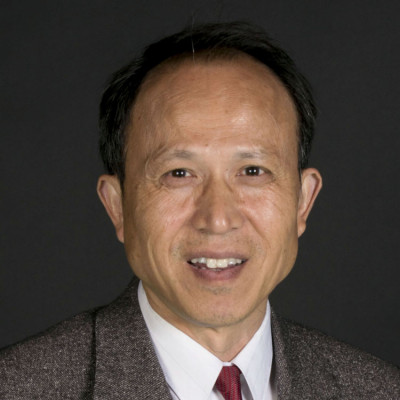 Jiangzhou Wang (王江舟)合作论文数School of Information Science and Engineering, Southeast University;School of Engineering, University of Kent7
 Qianhao Zhai合作论文数5Yinjie Chen合作论文数5
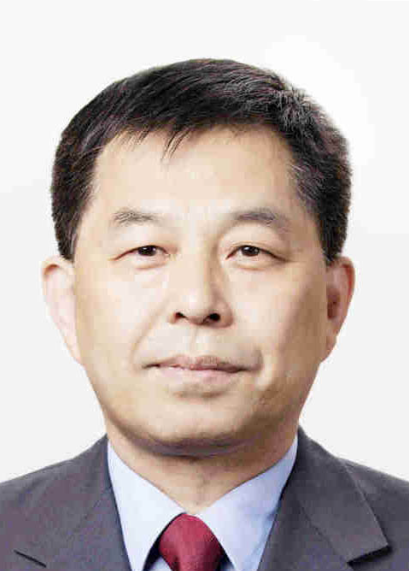 Wensheng Zhang (张文生)合作论文数Institute of Automation, Chinese Academy of Sciences;University of Chinese Academy of Sciences5
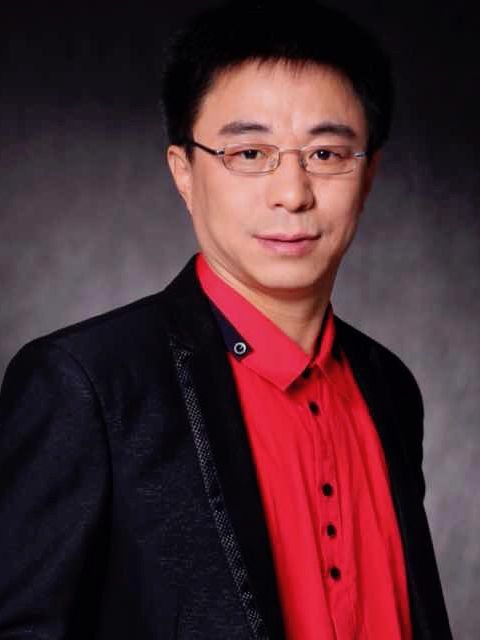 Xiujun Gong (宫秀军)合作论文数School of Computer Science and Technology, College of Intelligence and Computing, Tianjin University5Wang Zhong合作论文数4
 Chenghao Qiu合作论文数3Xiandong Zheng合作论文数3
 Huizhou Liu (刘慧舟)合作论文数School of Information and Communication Engineering, Hainan University3
 Xuehui Wang合作论文数3Ziqiang Yang合作论文数3
 Xiaoming Yao (姚孝明)合作论文数Hainan University3
 Qingxin Zhu (朱清新)合作论文数电子科技大学计算机学院;西南技术物理研究所3Di Wu合作论文数2Yuanyi Chen (陈源毅)合作论文数2Can Wu合作论文数2
 Qijuan Jie合作论文数2Wenling Wang合作论文数2Haijie Zhou合作论文数2Jinjin Ye合作论文数2Xianmei Chen合作论文数2
 Rongen Dong合作论文数2Zhenfeng Li合作论文数2SHAN Yiqing (单怡晴)合作论文数2
 Jing Chen合作论文数2
 Baihua Shi合作论文数School of Electronic and Optical Engineering, Nanjing University of Science and Technology2Tao Ye合作论文数2
 Zhongwen Sun合作论文数2
 Guanjun Wang (王冠军)合作论文数Hainan University2
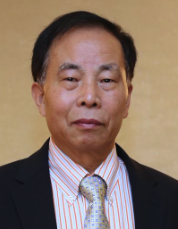 George Du (杜文才)合作论文数Institute for Data Engineering and Science, University of Saint Joseph2Xiyang Liu (刘细阳)合作论文数School of Information and Communication Engineering, Hainan University2Jiping Jiao合作论文数2
 Yaochi Zhao (赵瑶池)合作论文数School of Cyberspace Security, Hainan University2Chunyan Lu (卢春燕)合作论文数School of Information and Communication Engineering, Hainan University2
 Zhiming Bai (白志明)合作论文数Department of Urology, Haikou People's Hospital2
 Yu Zhang合作论文数QCraft2
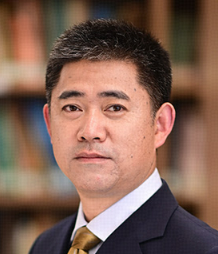 Lin Cong (丛林)合作论文数College of Transportation, Tongji University2
 Yang Chen合作论文数Department of Computer Science and Technology, Ocean University of China2Jiatong Bai合作论文数1Yaohui Ding合作论文数1Yiquan Huang合作论文数1




