Robust study designs are essential for estimating the effects of conservation actions, but a range of evaluation designs are used that differ markedly in their robustness to bias. However, it is unclear whether robust designs are becoming more frequently used or how usage varies across subject areas and geographies. We analysed 7356 English and 1183 non-English language primary studies that tested the effects of conservation actions from the Conservation Evidence database. We classified each study's methodological design to one of five broad types (After, Before-After [BA], Control-Impact [CI], Before-After-Control-Impact [BACI] and randomised experiments) and fitted a Bayesian multinomial logistic regression, with study-level random effects, to test how design usage varies by year, national income, biodiversity intactness, language and subject area. The evidence base has shifted gradually from dominance by simple After designs (1970-2023: 74% to 33%) towards greater use of CI (15% to 39%) and more robust designs: randomised experiments (0% to 15%) and BACI (1% to 6%). Design use was uneven across subjects, with randomised experiments more common in habitat and soil-focused topics (e.g. farmland), and After or BA designs more common in animal-focused topics (e.g. birds and reptiles). Studies in non-English languages and lower-income countries were more likely to use After and BA designs and less likely to use randomised experiments and CI designs. Geographical coverage of robust designs was limited: randomised experiments and BACI studies occurred in few countries, and many biodiverse and environmentally degraded countries had few or no evaluations using any design. Despite modest improvements over time, several structural and contextual constraints (linked to subject, language and resources) continue to shape where rigorous evaluation is feasible. Synthesis and applications: Conservation is shifting towards using more robust designs to evaluate actions, but these remain rare. We suggest embedding study design choice more strategically within adaptive management and evidence-based conservation practice, encouraging cost-efficient, context-dependent upgrades to more robust designs. This will require targeted capacity building, researcher-practitioner partnerships and longer-term funding-especially in biodiverse, lower-income countries with few studies of any design, let alone more robust ones.
Water voles ( Arvicola amphibius ) underwent one of the steepest declines of any native British mammals during the 20th century. In 2015, the National Water Vole Monitoring Programme (NWVMP) was launched to collect long-term data on water vole status and support recovery efforts for this species. NWVMP uses standardised 500m transect surveys, subdivided into 100m sections, which produces both occupancy- and abundance-sensitive metrics. Here we review previous surveys, analyse the results of the first ten years of NWVMP (2015–2024) including different modelling approaches, and advise future monitoring efforts. All four NWVMP models indicated consistent national declines despite increasing survey effort. The 100m section-level presence/absence analysis provided the most stable and reliable indicator, with narrow confidence intervals and resilience to survey inconsistencies. Latrine counts revealed the steepest and most persistent declines, with mean values falling from 1.32 per 100m in 2019 to 0.48 in 2023, and proportions of occupied transect sections halving to just 10% by 2023. These results demonstrate that the NWVMP provides a consistent, standardised citizen science framework for monitoring water vole populations at national scale, allowing the tracking of distribution and occupancy trends. Ongoing volunteer support and survey delivery will enable tracking the fate of this species alongside eradication efforts for invasive American mink ( Neogale vison ), but it is likely that urgent habitat improvements are also needed to halt and reverse the long-term and ongoing water vole declines in Britain.
ABSTRACT Understanding the impact of road mortality on the size, structure and persistence of wildlife populations is an increasingly important topic in conservation. However, data on demographic rates that accompany road mortality counts are rare, limiting our understanding of population‐level impacts. We used a comparative study design to quantify population densities, structure, survival, cause‐specific mortality and female productivity in four West‐European hedgehog ( Erinaceus europaeus ) populations, and to forecast the impact of road mortality on population viability. In total, 269 roadkill surveys were conducted in each study site and 838.20 km of walked transects were completed. Road mortality killed 15.3%–28.6% of the local populations annually and contributed 37.7%–41.0% of total recorded mortality. Losses to road mortality were offset by juvenile recruitment and survival in relatively large (> 36 individuals) populations, but not in smaller (< 15 individuals) populations. Population viability was unaffected by current road mortality rates in the largest populations. In contrast, simulations of current road mortality in the two smallest populations halved their population sizes in five years and accelerated the time to extinction by up to 18 years compared to baseline scenarios with no roadmortality. However, simulations of 40% annual proportional loss catalysed declines in even the largest populations. This study demonstrates that the level of road mortality that local populations can endure is dependent on population size,reproductive rates and juvenile survival. Of note is that even low road mortality rates may have detrimental effects for small populations with low per‐capita growth. Future studies should gather demographic context to roadkill to accurately interpret population‐level impacts. Whilst reducing roadkill remains a valuable tool for conservation, focusing on habitat connectivity is also important to encourage immigration into small populations and promote landscape‐scale species occupancy.
Abstract Halting and reversing biodiversity loss requires urgent implementation of effective conservation actions. There are global datasets on the implementation of conservation actions for species and the effectiveness of conservation actions. However, these data have never previously been combined to assess whether actions known to be most effective are the ones being implemented or are at least recognised as needed by conservationists and whether additional actions are potentially needed. To explore this, we used IUCN Red List data on the broad types of conservation actions in place or needed for 24,943 amphibian, bird and mammal species and combined these with assessments of the effectiveness of 1420 specific actions for these species groups from the Conservation Evidence database. For each broad type of conservation action (e.g. land/water management), we compared the percentage of species with each action documented as in place or needed with the percentage of specific actions (e.g. tree planting) that are likely to be effective. We also identified potentially beneficial conservation actions for species with documented threats or small populations. We found evidence that most broad types of conservation action can be effective. Land/water protection was the most frequently documented in place and needed action, with many species also needing but lacking land/water management. Despite law and policy, compliance and enforcement, and awareness and communication actions being frequently documented, these and other enabling actions have fewer studies of their effectiveness in Conservation Evidence. Many species of concern may benefit from additional actions beyond those documented, largely to tackle negative impacts of agriculture and biological resource use. Where we lack knowledge of effective approaches, experimental tests and alternative evaluation approaches may be necessary to understand their impact, and practitioner insights may help guide implementation of such actions. Synthesis and applications: Our study demonstrates the power of combining differently‐sourced and compiled datasets to evaluate the likely effectiveness of ongoing conservation strategies and identify future needs. Our findings can inform species action plans and conservation spatial‐planning tools, helping to ensure that future conservation efforts are evidence‐based, have greater impact and ultimately lead to biodiversity recovery.
Assessment of environmental hazards to and of the food system is vital to underpin effective decision making and intervention. In this study we combine a comprehensive literature review and a four-step analysis to investigate whether life cycle analysis (LCA) can and should be applied for environmental hazard analysis. We reveal that the current LCA methodological framework, although comprehensive, can only be used for certain aspects of hazard assessment and has significant limitations in applications to food system. Our results indicate that while LCA effectively quantifies chemical hazards such as emissions in the air, water and land, and physical hazards such as use of natural resources, water and land, it provides limited insight into biological and broader physical hazards. There are different challenges related to use of LCA in this context including insufficient hazard coverage, data availability, quality and complexity, need of assessing risks at a local level and inaccuracies related to global averages as well as which metrics are deployed. We discuss how LCA thus requires further scientific enhancement on new impact categories, integration with other tools, development of dynamic models utilising spatially and temporally differentiated data, and harmonisation with the hazard models and risk assessment methods used in development of policy interventions. While building upon existing widespread use, enhancement of LCA in this way could provide a means to generate a platform of seamlessly integrated tools covering the full range of environmental hazards in the food system.
Agricultural intensification is one of the major forces driving populations of many traditionally common native species into smaller, fragmented populations which are prone to isolation and loss of genetic diversity. Identifying the spatial extent and characteristics of rural systems that support gene flow and promote genetic diversity for these species is thus essential for their long-term conservation. Here we used asymmetric autosomal genetic structure between sexes to investigate current gene flow among four neighbouring suburban populations of hedgehogs (Erinaceus europaeus) in England, which are separated by agricultural land. Contrary to expectations, we found that individuals belonged to a single genetic population despite the populations being separated by unoccupied agricultural land. Spatial autocorrelation was significant in adult female hedgehogs, but non-significant in adult males, revealing male driven contemporary gene flow between local populations. The results suggest that male hedgehogs are capable of moving between population patches separated by at least 3 km across the agricultural matrix. This finding is crucial to aid the development of a conservation strategy for hedgehogs as, for the first time, it shows the extent that previously assumed isolated populations across a perceived inhospitable landscape are connected by current gene flow. Higher within patch relatedness, and lower allelic richness were found from smaller suburban patches, largely reflecting local population size, indicating an early stage of genetic diversity loss due to habitat loss and associated fragmentation. Our study illustrates that considering current gene flow and local genetic diversity together is important to better understand habitat effects on genetic variation and to inform future conservation management.
Wide ranging and abundant species, often termed common species, play critically important roles in ecosystem functioning. However, conservation practice usually focuses on rare and declining species, including monitoring their state, while population trends of common and widespread species are often logistically difficult to evaluate compared to rare habitat specialists. This is particularly the case for small nocturnal vertebrates such as common amphibians, where abundance data are typically absent across most of their range. Building on previous work, we used national scale volunteer-collected data across Switzerland and Britain to investigate population trends over four decades for Europe's two most common amphibian species, common toads (Bufo bufo) and common frogs (Rana temporaria). We included an average of 86 populations per year with an average count of 87,900 toads and 74,000 frogs in Switzerland and 80 populations per year with an average count of 75,800 toads in Britain, resulting in a total count of nearly 5.5 million toads across the entire study period. Overall, toad abundance declined in all decades since 1973 in Switzerland (33% abundance reduction) and since 1985 in Great Britain (41% reduction), but there were significant regional recoveries in Britain since 2013. Common frog abundance trends in Switzerland varied and remained positive overall but population growth rate declined after the year 2000. The impacts of such large-scale and ongoing abundance loss of common species may affect the ecosystem services provided by these species and require effective conservation action that expands beyond protected areas.
Understanding the consequences of past conservation efforts is essential to inform the means of maintaining and restoring species. Data from the IUCN Red List for 67,217 animal species were reviewed and analyzed to determine (i) which conservation actions have been implemented for different species, (ii) which types of species have improved in status and (iii) which actions are likely to have driven the improvements. At least 51.8% (34,847) of assessed species have actions reported, mostly comprising protected areas (82.7%). Proportionately more actions were reported for tetrapods and warm-water reef-building corals, and fewer for fish, dragonflies and damselflies and crustaceans. Species at greater risk of extinction have a wider range of species-targeted actions reported compared with less threatened species, reflecting differences in documentation and conservation efforts. Six times more species have deteriorated than improved in status, as reflected in their IUCN Red List category. Almost all species that improved have conservation actions in place, and typically were previously at high risk of extinction, have smaller ranges and were less likely to be documented as threatened by hunting and habitat loss or degradation. Improvements in status were driven by a wide range of actions, especially reintroductions; for amphibians and birds, area management was also important. While conservation interventions have reduced the extinction risk of some of the most threatened species, in very few cases has full recovery been achieved. Scaling up the extent and intensity of conservation interventions, particularly landscape-scale actions that benefit broadly distributed species, is urgently needed to assist the recovery of biodiversity.
The global food system, essential for delivering nutritional security to a growing population, is highly vulnerable to diverse hazards. This study investigates the feasibility of leveraging an existing systematic database, specifically the Conservation Evidence database, for mitigating environmental hazards impacting the food system. By focusing on human–wildlife conflict as a case study, we explored the database’s potential to inform hazard mitigation strategies. Our analysis revealed significant geographical and taxonomic gaps, varied intervention strategies and differences in study designs across regions. We identified key challenges, such as the need for comprehensive tagging and filtering features, integration of non-academic data and broader stakeholder engagement. The findings underscore the complexity of adapting conservation databases for food system applications but highlight the potential benefits of a free-to-access, systematic, evidence-based approach focusing on food production hazard mitigation. Future work should focus on developing a dedicated food system hazard database, leveraging automation and machine learning to enhance data extraction and application efficacy, ultimately improving global food security and sustainability.
The stag beetle Lucanus cervus is a European Protected Species reported to be declining in parts of its range. A better understanding of its population change is important for directing conservation efforts and, more widely, as a flagship species for other saproxylic beetle species. Partly because it remains relatively widespread, long-term stag beetle population trends are difficult to obtain using surveys at a national scale or over sufficient timescales. Data from citizen science schemes are increasingly used to fill these types of data gaps. Here, we use 82,883 distribution records of the stag beetle Lucanus cervus in the United Kingdom, collected as part of People's Trust for Endangered Species' citizen science project, to compare the area of occupancy in two periods: 1998 to 2002 and 2018 to 2022. We also obtained historic data from museum records of this species and compare their geographic distribution with that of the citizen science data. Results describe a broadly stable distribution of stag beetles in the United Kingdom over the last 25 years and similar to that of historic records going back over a century, although with a moderate, recent occupancy decrease in the western part of the species' range. In addition, we use mean counts per record of adult beetles and, separately, larvae from survey data, plus the temporal distribution of observation date each year, as indications of changes in abundance and phenology respectively. Annual counts per record showed a significant decrease for adult beetles and an increase for larvae but should be interpreted with caution because of the lack of standardised, abundance-focused recording. Median observation date showed no overall change between 1998 and 2022, but the slope of the cumulative frequency curve for observation date increased significantly over this period, which might suggest a shorter activity period of adult beetles in recent years. These citizen science data provide important long-term information on the distribution of stag beetles in the United Kingdom and could be developed further to improve the monitoring of this species and the targeting of conservation management actions.
The multibillion dollar ornamental plant trade benefits economies worldwide, but shifting and rapidly expanding globalized supply chains have exacerbated complex environmental, sustainability, and biosecurity risks. We review the environmental and social risks of this international trade, complementing it with analyses of illegal trade seizures and plant contaminant interception data from the Netherlands and the United Kingdom. We show global increases in ornamental plant trade, with supply expansions in East Africa and South America, and highlight risks and impacts including biodiversity loss, aquifer depletion, pollution, undermined access and benefit sharing, and food security. Despite risk mitigation efforts, the interception data showed considerable volumes of contaminants in ornamental plant shipments, but taxonomic identification was not always possible, highlighting uncertainties in assessing biosecurity risks. With high-volume and fast-moving transit of ornamental plants around the world, it is essential that production standards are improved and that data on specific risks from trade are collected and shared to allow for mitigation.
AbstractUnderstanding the consequences of past conservation efforts is essential to inform the means of maintaining and restoring species. Data from the IUCN Red List for 67,217 comprehensively assessed animal species were reviewed and analysed to determine (i) which conservation actions have been implemented for different species, (ii) which types of species have improved in state and (iii) which actions are likely to have driven the improvements. At least 51.8% (34,847) of assessed species have actions reported, mostly comprising protected areas (82.7%), with more actions reported for both terrestrial tetrapods and warm-water reef-building corals and fewer for fish, dragonflies and damselflies and crustaceans. Species at greater risk of extinction have a wider range of species-targeted actions reported compared to less threatened species, reflecting differences in documentation and conservation efforts. Six times more species have deteriorated rather than improved in their Red List category. Almost all species that improved have conservation actions in place; species that improved in state typically were historically at high risk of extinction, have smaller ranges and lacked a range of reported threats, particularly hunting and habitat loss or degradation. All types of conservation action were associated with improvements in state, especially reintroductions and invasive species control, alongside, for amphibians and birds, area management. This suggests a range of conservation interventions have successfully conserved some species at greatest risk but have rarely recovered populations to resilient levels. Scaling up the extent and intensity of conservation interventions, particularly landscape-scale actions that benefit broadly distributed species, is urgently needed to assist the recovery of biodiversity.
Trade represents a significant threat to many wild species and is often clandestine and poorly monitored. Information on which species are most prevalent in trade and potentially threatened by it therefore remains fragmentary. We used 7 global data sets on birds in trade to identify species or groups of species at particular risk and assessed the extent to which they were congruent in terms of the species recorded in trade. We used the frequency with which species were recorded in the data sets as the basis for a trade prevalence score that was applied to all bird species globally. Literature searches and questionnaire surveys were used to develop a list of species known to be heavily traded to validate the trade prevalence score. The score was modeled to identify significant predictors of trade. Although the data sets sampled different parts of the broad trade spectrum, congruence among them was statistically strong in all comparisons. Furthermore, the frequency with which species were recorded within data sets was positively correlated with their occurrence across data sets, indicating that the trade prevalence score captured information on trade volume. The trade prevalence score discriminated well between species identified from semi-independent assessments as heavily or unsustainably traded and all other species. Globally, 45.1% of all bird species and 36.7% of globally threatened bird species had trade prevalence scores ≥1. Species listed in Appendices I or II of CITES, species with large geographical distributions, and nonpasserines tended to have high trade prevalence scores. Speciose orders with high mean trade prevalence scores included Falconiformes, Psittaciformes, Accipitriformes, Anseriformes, Bucerotiformes, and Strigiformes. Despite their low mean prevalence score, Passeriformes accounted for the highest overall number of traded species of any order but had low representation in CITES appendices. Geographical hotspots where large numbers of traded species co-occur differed among passerines (Southeast Asia and Eurasia) and nonpasserines (central South America, sub-Saharan Africa, and India). This first attempt to quantify and map the relative prevalence in trade of all bird species globally can be used to identify species and groups of species that may be at particular risk of harm from trade and can inform conservation and policy interventions to reduce its adverse impacts.
Variations in melanin-based pigmentation patterns are frequent evolutionary adaptations in vertebrates and allow the study of phenotypic diversity across populations as well as individual recognition. Age-related changes in such pigmentation patterns have been demonstrated for several species but remain rarely explored in adult amphibians. For the wide-ranging European common frog ( Rana temporaria ) dorsal melanism was discussed in the context of UV protection at high altitude or as thermal adaptation at high latitude, yet patterns remain unquantified across most of its range or in terms of individual variation over time. We investigated dorsal pigmentation patterns in a wild population of R. temporaria in a lowland site in England which was the focus of a 7 year high-intensity mark recapture programme. We collected dorsal photographs using phone cameras and analysed pigmentation patterns using visual classifications and ImageJ image processing software. Pigmentation was highly variable between individuals but overall: (i) the number of melanin-based spots was largely stable or decreased over time as enlarging spots sometimes merged but never disappeared; (ii) the total melanin-based pigmented area increased significantly over time on average, albeit not for all individuals; and (iii) pigmentation was similar in males compared to females although the darkest individuals tended to be males. Our analysis reveals important patterns in pigmentation change and stability in this widespread species but the mechanisms and specific drivers remain unknown.### Competing Interest StatementThe authors have declared no competing interest.
Context Land-use change is a key driver of biodiversity loss. Models that accurately predict how biodiversity might be affected by land-use changes are urgently needed, to help avoid further negative impacts and inform landscape-scale restoration projects. To be effective, such models must balance model realism with computational tractability and must represent the different habitat and connectivity requirements of multiple species. Objectives We explored the extent to which process-based modelling might fulfil this role, examining feasibility for different taxa and potential for informing real-world decision-making. Methods We developed a family of process-based models (*4pop) that simulate landscape use by birds, bats, reptiles and amphibians, derived from the well-established poll4pop model (designed to simulate bee populations). Given landcover data, the models predict spatially-explicit relative abundance by simulating optimal home-range foraging, reproduction, dispersal of offspring and mortality. The models were co-developed by researchers, conservation NGOs and volunteer surveyors, parameterised using literature data and expert opinion, and validated against observational datasets collected across Great Britain. Results The models were able to simulate habitat specialists, generalists, and species requiring access to multiple habitats for different types of resources (e.g. breeding vs foraging). We identified model refinements required for some taxa and considerations for modelling further species/groups. Conclusions We suggest process-based models that integrate multiple forms of knowledge can assist biodiversity-inclusive decision-making by predicting habitat use throughout the year, expanding the range of species that can be modelled, and enabling decision-makers to better account for landscape context and habitat configuration effects on population persistence.
Despite decades of molecular research, phylogenetic relationships in Palearctic vipers (genus Vipera) still essentially rely on a few loci, such as mitochondrial barcoding genes. Here we examined the diversity and evolution of Vipera with ddRAD-seq data from 33 representative species and subspecies. Phylogenomic analyses of similar to 1.1 Mb recovered nine major clades corresponding to known species/species complexes which are generally consistent with the mitochondrial phylogeny, albeit with a few deep discrepancies that highlight past hybridization events. The most spectacular case is the Italian-endemic V. walser, which is grouped with the alpine genetic diversity of V. berus in the nuclear tree despite carrying a divergent mitogenome related to the Caucasian V. kaznakovi complex. Clustering analyses of SNPs suggest potential admixture between diverged Iberian taxa (V. aspis zinnikeri and V. seoanei), and confirm that the Anatolian V. pontica corresponds to occasional hybrids between V. (ammodytes) meridionalis and V. kaznakovi. Finally, all analyzed lineages of the V. berus complex (including V. walser and V. barani) form vast areas of admixture and may be delimited as subspecies. Our study sets grounds for future taxonomic and phylogeographic surveys on Palearctic vipers, a group of prime interest for toxinological, ecological, biogeographic and conservation research.
Environmental hazards associated with the global food system threaten societal integrity. Yet, there is a major data gap in the global understanding of how the prevalence of hazards is changing over time, how different classes of hazard are distributed, and whether the combined literature represents hazard prevalence equitably across research, policy and legislation, and news. Here, we explore this data gap, leveraging global research, policy, and news databases. We reveal increasing attention on food system hazards over time, in line with major geopolitical events. Coverage on environmental hazards is not distributed equally geographically, and media attention does not match research and policy evidence focus. Climate change and water scarcity in particular receive substantial attention across all source types, whilst, for example biodiversity loss, genetic erosion, or harmful algal blooms receive much less. Environmental, financial and food systems sustainability damage due to hazard neglect should be avoided and a first step is to understand, map, and quantify biases in focus.
Non-technical Summary In decision-making, especially for sustainability, choosing the right assessment tools is crucial but challenging due to the abundance of options. A new method is introduced to streamline this process, aiding policymakers and managers. This method involves four phases: scoping, cataloging, selection, and validation, combining data analysis with stakeholder engagement. Using the food system as an example, the approach demonstrates how practitioners can select tools effectively based on input variables and desired outcomes to address sustainability risks. This method can be applied across various sectors, offering a systematic way to enhance decision-making and manage sustainability effectively.Technical Summary Decision making frequently entails the selection and application of assessment tools. For sustainability decisions there are a plethora of tools available for environmental assessment, yet no established and clear approach to determine which tools are appropriate and resource efficient for application. Here we present an extensive inventory of tools and a novel taxonomic method which enables efficient, effective tool selection to improve decision making for policymakers and managers. The tool selection methodology follows four main phases based on the divergence-convergence logic; a scoping phase, cataloging phase, selection phase and validation phase. This approach combines elements of data-driven analysis with participatory techniques for stakeholder engagement to achieve buy-in and to ensure efficient management of progress and agile course correction when needed. It builds on the current limited range and scope of approaches to tool selection, and is flexible and Artificial Intelligence-ready in order to facilitate more rapid integration and uptake. Using the food system as a case study, we demonstrate how practitioners can use available input variables and desired output metrics to select the most appropriate tools to manage sustainability risks, with the approach having wide applicability to other sectors.Social Media Summary New method simplifies tool selection for sustainable decisions, aiding policymakers & managers. #Sustainability #DecisionMaking
 William Sutherland合作论文数Department of Zoology, University of Cambridge70
 Rebecca K. Smith合作论文数Department of Zoology, University of Cambridge;Conservation Research Institute, University of Cambridge36
 Lynn Dicks合作论文数Department of Zoology, University of Cambridge;Conservation Research Institute, University of Cambridge27
 Alec P Christie合作论文数Downing College, University of Cambridge;Open University22
 Nigel Taylor合作论文数Department of Zoology, University of Cambridge;Lucy Cavendish College, University of Cambridge20
 Henry Häkkinen合作论文数Inst Zool, Zool Soc London15
 Nathalie Pettorelli合作论文数Institute of Zoology, Zoological Society of London15Nancy Ockendon合作论文数13
 Tatsuya Amano合作论文数National Institute for Agro-Environmental Sciences10
 Thomas White合作论文数School of Life and Environmental Sciences, Faculty of Science, The University of Sydney8
 Claire Wordley合作论文数Department of Animal and Plant Sciences, University of Sheffield8
 David Aldridge合作论文数Department of Zoology, University of Cambridge;BioBullets Ltd.8
 Philip Wheeler合作论文数School of Biological Sciences, University of Manchester8
 Gorm Shackelford合作论文数Conservation Research Institute, University of Cambridge;Department of Zoology, University of Cambridge7
 Alastair I. Ward合作论文数The Food and Environment Research Agency7
 Jessica Junker合作论文数Max Planck Inst Evolutionary Anthropol, D-04103 Leipzig, Germany6Lisa Orth合作论文数5
 Benno I. Simmons合作论文数Ctr Ecol & Conservat, Univ Exeter5
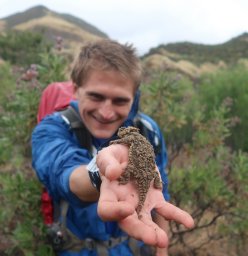 David R. Williams合作论文数Department of Zoology, University of Cambridge5
 Harriet Downey合作论文数Woodland Trust5
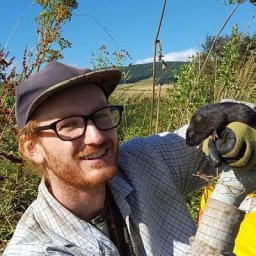 William H. Morgan合作论文数Centre for Ophthalmology and Visual Science, The University of Western Australia5
 Nafeesa Esmail合作论文数Wilder Inst Calgary Zoo4
 David O'Brien合作论文数Royal Bot Garden Edinburgh4Kühl Hjalmar S合作论文数Dept Primatol, Max Planck Inst Evolutionary Anthropol4
 Andrew J. Bladon合作论文数Department of Zoology, University of Cambridge4
 Rhys Green合作论文数Conservation Science Group, Department of Zoology, University of Cambridge;Conservation Research Institute, University of Cambridge4
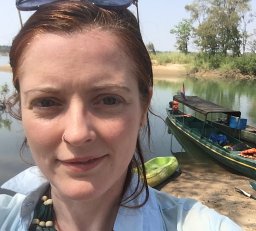 Julie Bremner合作论文数Centre for Environment, Fisheries and Aquaculture Science, Lowestoft Laboratory, Pakefield Road, Lowestoft, Suffolk NR33 0HT, UK4Nick A. Littlewood合作论文数4
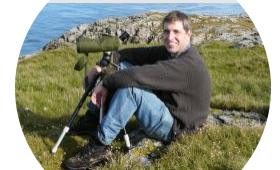 Jeremy D. Wilson合作论文数University of Stirling4
 Richard W Yarnell合作论文数Department of Biological Sciences, University of Brighton4
 Samuel William Short合作论文数4
 Nibedita Mukherjee合作论文数Department of Chemistry, University College of Science4Andrew Bowkett合作论文数4
 Becki Lawson合作论文数Institute of Zoology, Zoological Society of London4Philip J. Baker合作论文数4Ann Thornton合作论文数3
 Craig Hilton-Taylor合作论文数3Paul Tinsley-Marshall合作论文数3
 Nida Al-Fulaij合作论文数3
 Harriet Bartlett合作论文数Department of Veterinary Medicine, University of Cambridge3
 Lauren Moore合作论文数Sch Anim Rural & Environm Sci, Nottingham Trent Univ3Kate Willott合作论文数3
 Helen L Hicks合作论文数Univ Sheffield, Dept Anim & Plant Sci, Sheffield, S Yorkshire, England3
 David F Willer合作论文数Cambridge Institute of Public Health, University of Cambridge3
 Benedikt Schmidt合作论文数Department of Evolutionary Biology and Environmental Studies, University of Zurich3
 Thomas Worthington合作论文数Department of Zoology, University of Cambridge3
 Andrew Cunningham合作论文数Institute of Zoology, Zoological Society of London3
 Steven Cooke合作论文数Department of Biology, Carleton University;Institute of Environmental and Interdisciplinary Science, Carleton University3
 Steffen Oppel合作论文数Department of Biology and Wildlife, University of Alaska3




