Petroleum-based hydrogels dominate agriculture and environmental remediation, but their fossil dependence and environmental persistence raise sustainability concerns. Lignin, comprising approximately 15-30% of lignocellulosic biomass with global production exceeding 50 million tons annually, remains largely underutilized with over 95% burned as low-value fuel. This review examines lignin-incorporated hydrogels from an engineering and agricultural implementation perspective, focusing on translating molecular design into scalable manufacturing and field deployment. Common synthesis approaches include physical self-assembly, enzymatic crosslinking, chemical grafting, and additive manufacturing. Lignin incorporation enhances mechanical strength and introduces functional capabilities for controlled-release fertilizers, soil conditioning, water retention, and pollutant remediation. Unlike previous reviews emphasizing synthesis methods, we critically analyze lignin-polymer interfacial interactions, network topology control, and process robustness from agricultural implementation standpoints to clarify the distinctive engineering challenges and opportunities. Emerging advances including AI-driven formulation optimization, microfluidic synthesis platforms, and real-time process monitoring are integrated with emphasis on their relevance to scalable production. Key barriers include lignin heterogeneity causing property variations, limited solubility, and challenges. This review emphasizes practical solutions including controlled chemical modification, hybrid material design, standardized production routes, and circular biorefinery integration, thereby establishing an engineering-oriented framework to advance lignin-based hydrogels toward sustainable agricultural and environmental applications.
Sustainable plastic waste management is essential for net zero trajectory, potentially transforming the sector from an emissions source to a circular asset. MPWs (Municipal Plastic Wastes) that are not mechanically recycled can go through pyrolysis-based chemical recycling to produce hydrogen and diesel. There is limited understanding about the optimal configuration and design of pyrolysis-based chemical recycling of plastic waste. Associated attempts to optimise the recycling is rare. In this study, a reliable optimisation framework incorporating machine learning, life cycle assessment and cost-benefit analysis was developed for the design of the pyrolysis of Non-Recycled Municipal Plastic Waste (NMPW). Specifically, the global warming potential (GWP) and net-present value (NPV) of 900 diesel and hydrogen-producing scenarios for the pyrolysis of NMPW were calculated. Associated transportation and pyrolysis process were modelled using ArcGIS Pro and Aspen Plus, respectively. The long short-term memory recurrent neural network (LSTM-RNN) was applied to define temporal dependencies and dynamics of the system, which was integrated with Monte Carlo simulations to expand scenarios from 900 to 700,000. A Pareto curve was derived from the GWPs and NPVs, from which the optimal scenario in terms of environmental and economic performance was identified based on the comparison of two multi-criteria decision-making approaches, i.e., TOPSIS (Technique for Order Preference by Similarity to Ideal Solution) and LINMAP (Linear Programming Technique for Multidimensional Analysis of Preference). The solutions by TOPSIS and LINMAP achieved GWPs of -2,570.42 and -1,025.28 kg CO2-eq per tonne NMPW, and NPVs of £300.32 and £-1,402.92 per tonne NMPW, respectively. Thus, the TOPSIS scenario is preferable to the LINMAP scenario due to its lower carbon footprint and higher economic feasibility. This study showed that the proposed optimisation framework has the capacity to facilitate the design of pyrolysis-based processing of NMPW that is profitable and carbon-saving. Such systems could be deployed widely across the UK, where a large share of NMPW is currently either landfilled or incinerated.
This study investigates how accelerated weathering influences the pyrolysis behavior of a bio-based composite prepared from high-density polyethylene (HDPE) and lignocellulosic ethanol-processing residue (EPR). The composites were subjected to xenon-lamp exposure for varying durations and subsequently analyzed using thermogravimetric analysis (TGA), TG-FTIR, Py-GC/MS and kinetic modelling. TGA results showed that weathering enhanced the crystallinity of the HDPE phase and reduced the maximum mass-loss rate, indicating inhibited volatilisation in the HDPE-dominated decomposition region. Iso-conversional kinetics further revealed a conversion-dependent response: the apparent activation energy decreased in the low-to-mid conversion region dominated by the residue fraction, whereas the activation energy associated with the HDPE-dominated region increased, consistent with crystallinity-enhanced resistance to polyethylene chain scission. The increased residual mass after aging is attributed not only to pre-loss/leaching of labile fractions during weathering but also to the formation of more stable residue structures (e.g., photo-induced crosslinking and lignin-derived condensed aromatic clusters) that persist during pyrolysis. TG-FTIR indicated a general decline in the intensity of functional-group absorption peaks, reflecting attenuated volatilization of both polymeric and lignocellulosic structures. Py-GC/MS demonstrated significant changes in product distribution: weathered samples generated higher yields of short-chain hydrocarbons such as propene, 1-pentene, and 1-decene, while oxygen-containing compounds (e.g., alcohols, esters, phenols) were reduced. These results clarify how controlled weathering alters the structural and chemical evolution of HDPE–EPR composites during pyrolysis. The findings provide new insights for optimizing thermochemical recycling and energy-recovery strategies for residue-derived or weathered bio-plastic composites.
Biochar has emerged as a sustainable additive for cementitious materials, with its internal curing capability enhancing cement hydration and improving overall performance of concrete. However, the underlying mechanisms governing water uptake and release within biochar remain poorly understood. In this study, molecular dynamics simulations were performed to investigate biochar properties, water–biochar interactions, and water uptake/release in biochar pores. Molecular models of biochar derived from two representative feedstocks (wood waste and rice straw) at pyrolysis temperatures of 400°C and 800°C were constructed based on extensive experimental data. The results show that biochar produced at lower pyrolysis temperatures exhibits stronger interaction energies with water, whereas high-temperature pyrolyzed biochar facilitates water droplet spreading and reduces apparent equilibrium contact angles. Compared with wood biochar, straw biochar contains more functional groups and N-doped aromatic rings, resulting in stronger water–biochar interactions and enhanced wettability. Spontaneous uptake of water into biochar is facilitated by stronger interactions and smaller contact angles. Water release from biochar sequentially proceeds through nucleation and growth of vapor cavity, formation and rupture of liquid bridge, and droplet or film evolution on biochar pore walls, while strong interactions associated with abundant functional groups and N-doped aromatic rings retard release. These findings elucidate the molecular mechanisms by which physicochemical properties of biochar regulate water uptake and release behavior in biochar-cement composites for sustainable infrastructure.
This study addresses the growing need for sustainable and decentralized heating solutions in rural areas by investigating a novel wastewater heat recovery strategy. In many remote communities, septic tanks are widely used but often poorly managed, leading to both environmental emissions and wasted thermal energy. Here, we explore a system that enhances heat pump efficiency by recovering heat from household wastewater stored in a secondary tank. The proposed dual-tank configuration separates biological treatment (in the first tank) from heat extraction (in the second tank), ensuring the biological processes remain undisturbed while enabling heat recovery. The baseline scenario considers a 75 m2 dwelling occupied by two individuals, generating approximately 300 L of wastewater daily at a temperature of 25 degrees C. The recovered heat from this secondary tank is used to preheat the evaporator inlet of a heat pump. The system operates continuously throughout the day to meet a total daily space heating demand of 25.5 kWh. This heating demand was calculated using the Standard Assessment Procedure (SAP), the UK government's approved methodology for evaluating the energy performance of residential buildings. The system was tested using three refrigerants, including R134a, R410a, and R407C. By incorporating thermal energy from the secondary tank, the results show an 8.66% COP improvement and a 7.97% power reduction at a wastewater temperature of 25 degrees C under the investigated operating conditions. Additionally, a 5 degrees C increase in wastewater temperature led to a COP improvement of 10.75% and a power reduction of 9.71%.
Assessing the global warming potential (GWP) of water treatment systems is vital for reducing the carbon footprint of the water industry and aiding the net zero target. The approach of life cycle assessment (LCA) was used to determine the GWPs of four drinking water treatment works (DWTW) and one wastewater treatment works (WWTW) on the Scottish mainland. The results were compared with a previous study on the DWTWs and WWTWs of five Scottish islands which used the same method (LCA), modelling and context as the mainland work. The GWPs for the DWTW ranged from 0.09 to 0.27 kg CO2-eq/m3 and for the WWTW was 0.44 kg CO2-eq/m3 which were generally much smaller than that for island systems whose GWPs ranged from 0.18 to 0.79 kg CO2-eq/m3 for DWTWs and 0.51 to 1.14 kg CO2-eq/m3 for WWTWs. The largest contributor is the electricity consumption for all the mainland systems and asssociated footprints are smaller than that for island systems. By comparing Scottish mainland and island systems, the suitability of mainland systems for rural island systems is discussed. In terms of carbon abatement in the water industry, post treatment processes such as sludge reduction or resource recovery as well as the use of increased renewable energy sources would benefit both mainland and island water treatment works.
Biochar has traditionally been used as a soil amendment as it enhances carbon sequestration and soil fertility. In addition to agriculture, biochar has recently been used in various industrial sectors, including textiles, construction, waste management, renewable energy generation, and for climate change mitigation. However, biochar performance depends on the feedstock quality and properties. This review highlights the key breakthroughs in the potential for integration of biochar across diverse industries and the associated emerging business opportunities within the global biochar market. By incorporating techno-economic analyses, we evaluate the feasibility of biochar production technologies by evaluating their associated costs, benefits, risks, and uncertainties. This review focuses on the policy considerations of biochar feedstock management, production, and application suitability, in addition to supply chains, particularly in Europe, Korea, and Australia. We found that lack of universal standards, limited industrial-scale data, and inadequate policies hinder the broader application of biochar products. To address these barriers, future research should prioritize unifying life cycle assessment of different biochar applications, developing equity-centered governance models to prevent monopolies over resources, and designing and scaling up pyrolysis technologies tailored to regional biomass waste availability. To stimulate a sustainable growth of the biochar market, a collaborative approach among governments, industry, and academia, along with robust policy incentives, is essential. Ultimately, a scalable and resilient biochar market is critical for unlocking its full environmental potential and ensuring its role in global sustainability efforts.
Less than one-tenth of municipal plastic waste generated is mechanically recycled, resulting in the remainder ending up in incineration plants or landfills worldwide. There is limited consideration on the effects of system scales and transportation processes on the economic feasibility of municipal plastic waste treatment. In this study, a techno-economic assessment framework was developed for pyrolysis-based resource recovery from non- recycled municipal plastic waste. The framework incorporates detailed transportation and process modelling with cost-benefit analysis, which enables greater assessment flexibility and accuracy and the accounting of the effects of system scale. The techno-economic feasibility of centralized large-scale and decentralized small-scale systems that recover value-added fuels (diesel and hydrogen), with and without carbon capture and storage units, were compared. The large-scale diesel system without carbon capture and storage reflected a real-world demonstrator, while other systems considered in this study were proposed alternatives to non-recycled municipal plastic waste management. Specifically, the municipal plastic waste transportation, and pyrolysis-based diesel and hydrogen production from non-recycled municipal plastic waste were modelled and simulated using ArcGIS Pro and Aspen Plus software, respectively. The data of transportation and process modelling were feed into a cost-benefit analysis to calculate the net present values of relevant developments. It was shown that only centralized large-scale diesel production, with and without carbon capture and storage, exhibited total positive net present values (22,240,135 pound and 24,449,631 pound, respectively), indicating their economic feasibility. The decentralized small-scale hydrogen production system with carbon capture and storage yielded the lowest net present value result (-2,391) pound per tonne of treated non-recycled municipal plastic waste. Particularly, the production of diesel and hydrogen from non-recycled municipal plastic systems, with carbon dioxide emissions to the environment, demonstrated better economic performance than the same systems capturing and storing carbon dioxide, attributable to its higher capital and operational expenditures. Finally, sensitivity analysis revealed that the fuel sales price and OPEX had the most significant impact on the net present values.
This study examines photo-fermentative biohydrogen production (PFHP) from Arundo donax L. using binary (SiC/ZnO) and ternary (SiC/ZnO/SnO2) co-catalyst systems. The maximum cumulative hydrogen production of 110 mL/g and hydrogen production rate of 39.74 mL/g center dot h-1 at 24 h was achieved in ternary-C2 group of ternary system which was 73.23 % higher as compared to the CG (63.5 mL/g), also outperforms binary system (97.58 mL/g, 35.81mL/g center dot h-1) by 12.73 % and 10.97 %. The binary system achieved a 48.67 % hydrogen content percentage, while the ternary system had 52.53 %, which is 14 % and 18.3 % higher than the control group. Multi-interface heterojunctions occur synergistically, which is the source of the increased activity. In addition to accelerating electron migration and inhibiting electron-hole recombination, this arrangement facilitates effective interfacial charge transfer. Together, these effects produce a favourable redox environment that improves bacterial metabolism and sustains a process of hydrogen production. Maximum light absorption and charge-separation efficiency may explain the ternary system's faster metabolism and microbial activity. Ternary system hydrogen production enhanced the charge transfer by reducing the oxidation-reduction potential (-408 mv) and lag phase reduced to 8.48 h from 14.71 h in binary system, a 53.73 % performance boost. Maximum Energy Conversion Efficiency of 8.1 % was achieved in experimental group ternary-C2 of ternary system which is 12 % and 52.83 % better than binary system (7.2 %) and control (5.3 %). The ternary system provides a better hydrogen production metabolite route and reduces VFA's accumulation.
Artificial intelligence (AI) has great potential in promoting sustainable plastic waste recycling and management. This review explores the integration of AI in plastic waste recycling and conversion, with a focus on identifying characterization, thermochemical conversion, and bioconversion technologies. AI has enhanced the precision in sorting and identifying plastic types, significantly reducing contamination rates and improving processing efficiency. These algorithms not only optimize the identification process with high-tech optical sensors and infrared spectroscopy but also refine thermochemical conversion methods by accurately predicting and controlling reaction conditions that maximize product yield and quality. AI supports the development of bioconversion methods to optimize the activity of specific enzymes and microbial processes involved in plastic degradation. The R2 of most of these AI models are reported to have a value higher than 0.9. This review also identifies current research gaps and proposes future research directions for AI in the field of plastic recycling.
Despite the critical role of biofilters in water quality and sustainability, predicting their performance remains challenging due to the complexity of microbial interactions and limitations of sparse, high-dimensional datasets. Here, we introduce EnviroPiNet, a novel physics-guided AI framework designed to predict biofilter performance by accurately modeling carbon concentration dynamics. EnviroPiNet incorporates a physics-inspired backbone that enables the model to learn the physical properties of complex environments, ensuring predictions are grounded in system behavior. Additionally, we implement an ensemble hybrid approach to identify and extract key parameters essential for accurate carbon concentration predictions. We benchmark EnviroPiNet against conventional methods that lack physics-guided variable selection, demonstrating its superiority in identifying variables critical to biofilter performance evaluation. Trained on biofilter datasets, EnviroPiNet achieves a high coefficient of determination ( $$\text {R}^{2}$$ = 0.9) on test sets, highlighting its predictive accuracy and robustness.
Agricultural biomass, including lignocellulosic residues and algal feedstocks, represents an abundant renewable resource with potential for sustainable energy production and environmental remediation. This review systematically explores the latest research on turning agricultural wastes into the agricultural circular economy via thermochemical conversion techniques. Biochar and hydrochar are two of the most frequently reported products, with applications that enhance crop yields by approximately 19.9–36.9% and contribute to soil improvement and pollutant remediation. Studies employing machine learning (ML), life cycle assessment (LCA), and techno-economic analysis (TEA) demonstrate the effectiveness of these approaches: ML-optimized biochar can reach specific surface areas up to 400.0 m2/g, immobilize heavy metals in soil with efficiencies over 90.0%, and remove contaminants from wastewater with efficiencies of 84.0–90.0% for heavy metals and 96.5% for organic pollutants. LCA and TEA results confirm notable environmental and economic benefits, including greenhouse gas emission reductions of 1.5 to 3.5 tCO2-eq per ton and production costs as low as $116.0/ton for biochar and $30.0/ton for hydrochar. These findings provide a solid foundation for integrating thermochemical conversion into circular economy frameworks and advancing agricultural sustainability.
Pyrolysis of waste biomass to produce biochar for soil application is receiving great attention for its potential to achieve negative carbon emissions. This study presents an environmental impact assessment framework combining machine learning modelling and life cycle assessment to evaluate the carbon footprints of biochar production from agricultural waste for soil application. Five machine learning models were compared for predicting biochar yields and properties, with multi-layer perceptron neural network and Gaussian process regression models showing excellent performance for the prediction of yield, and carbon and nitrogen contents of biochar (R2 = 0.97, RMSE = 3.5; R2 = 0.92, RMSE = 3.2; R2 = 0.94, RMSE = 0.36, respectively). The multi-layer perceptron neural network model predicted a maximum GWP saving associated condition is PT = 400 degrees C, HR = 15 degrees C/min, and RT = 40 min. The environmental impact assessment was carried out considering carbon sequestration and two fertiliser substitution scenarios. It was shown that the highest carbon saving potentials were-1323 and-1355 kg CO2-eq/t feedstock achieved by the scenarios of urea ammonium nitrate and calcium ammonium nitrate fertiliser substitutions, respectively. This framework is capable of simulating the influences of various operating conditions of pyrolysis towards the environmental impacts of its biochar soil application. It offers a useful tool for maximizing the environmental benefits of pyrolysis while accounting for the complex interdependencies between process parameters. The results highlight the importance of optimizing biochar production parameters while assessing the life cycle environmental impacts of biochar soil application to minimize trial and error and facilitate process up-scaling.
Environmental biotechnologies, such as drinking water biofilters, rely on complex interactions between microbial communities and their surrounding physical-chemical environments. Predicting the performance of these systems is challenging due to high-dimensional, sparse datasets that lack diversity and fail to fully capture system behaviour. Accurate predictive models require innovative, science-guided approaches. In this study, we present the first application of Buckingham Pi theory to modelling biofilter performance. This dimensionality reduction technique identifies meaningful, dimensionless variables that enhance predictive accuracy and improve model interpretability. Using these variables, we developed the Environmental Buckingham Pi Neural Network (EnviroPiNet), a physics-guided model benchmarked against traditional data-driven methods, including Principal Component Analysis (PCA) and autoencoder neural networks. Our findings demonstrate that the EnviroPiNet model achieves an R^2 value of 0.9236 on the testing dataset, significantly outperforming PCA and autoencoder methods. The Buckingham Pi variables also provide insights into the physical and chemical relationships governing biofilter behaviour, with implications for system design and optimization. This study highlights the potential of combining physical principles with AI approaches to model complex environmental systems characterized by sparse, high-dimensional datasets.
Anaerobic digestion (AD) is a widely adopted waste management strategy that transforms organic waste into biogas, addressing both energy and environmental challenges. Feedstock pretreatment is crucial for enhancing organic matter breakdown and improving biogas yield. Among various techniques, microwave (MW) irradiation-based pretreatment has shown significant promise. However, the optimization of MW-assisted AD processes remains underexplored, necessitating predictive tools for process simulation. Machine Learning (ML) has recently emerged as a powerful alternative for predicting and optimizing AD performance. In this study, an ML-driven pipeline was developed to predict methane yield based on food waste (FW) composition, AD reactor parameters, and MW pretreatment conditions. A range of data preprocessing techniques and ML models (linear, non-linear, and ensemble) were systematically evaluated, with model performance assessed via hyperparameter-optimized cross-validation. The most accurate models (non-linear and ensemble) achieved R-2 > 0.91 and RMSE <35 mL/g volatile solids (gVS), whereas linear models underperformed (R-2 < 0.71, RMSE >70 mL/gVS). Support Vector Machine (SVM) emerged as the best-performing model, with R-2 similar to 0.94 and RMSE similar to 34 mL/gVS. Beyond predictive accuracy, this study offers novel insights into MW pretreatment's role in AD efficiency. Permutation feature importance (PFI) analysis revealed that while MW pretreatment enhances methane yield, its effects are secondary to reactor pH and FW composition. This suggests that MW treatment primarily facilitates substrate disintegration but does not drastically alter biochemical methane potential unless coupled with optimized reactor conditions. Additionally, minor fluctuations in MW pretreatment time and temperature were found to have negligible impacts on methane production, indicating a level of operational flexibility in MW-based AD processes. These findings provide a refined understanding of MW pretreatment's practical implications, guiding process design for improved scalability and industrial application.
Abstract Application of advanced techniques and machine learning (ML) for designing and predicting the properties of engineered hydrochar/biochar is of great agro-environmental concern. Carbon (C) stability and phosphorus (P) availability in hydrochar (HC) are among the key limitations as they cannot be accurately predicted by traditional one-factor tests and might be overcome by engineering the pristine HC. Therefore, the aims of this study were (1) to determine the optimal production conditions of engineered swine manure HC with high C stability and P availability, and (2) to develop the best ML models to predict the properties of HC derived from different feedstocks. Pristine- (HC) and FeCl3 impregnated swine manure-derived HC (HC-Fe) were produced by hydrothermal carbonization under different pH (4, 7, and 10), reaction temperature (180, 220, and 260 ℃), and residence time (60, 120, and 180 min) and characterized using thermo-gravimetric, microscopic, and spectroscopic analyses. Also, different ML algorithms were used to model and predict the hydrochar solid yield, properties, and nutrients content. FeCl3 impregnation increased Fe-phosphate content, while it reduced H/C and O/C ratios and hydroxyapatite P content, and therefore improved C stability and P availability in the HC-Fe as compared to HC, particularly under lower pH (4), temperature of 220 ℃, and at 120 min. The generalized additive ML model outperformed the other models for predicting the HC properties with a correlation coefficient of 0.86. The ML analysis showed that the most influential features on the hydrochar C stability were the H and O contents in the biomass, while P availability in HC was more dependent on the C, N and O contents in biomass. These results provided optimal production conditions for Fe-engineered manure hydrochar and identified the best performing ML model for predicting hydrochar properties. The main implication of this study is that it offers a high potential to improve the utilization of biowastes and produce biowaste-derived engineered hydrochar with high C stability and P availability on a large scale. Graphical Abstract
The accumulation, growth, and re-mobilization of pathogens on the pipe walls in drinking water distribution systems are processes that affect the risk of exposure at the tap. We present a model that uses the Buckingham Pi theory to embody the physics of Pseudomonas aeruginosa accumulation and move within the system. We apply it to model experimental data from a biofilm annular reactor operated in conditions that are commensurate with the flow in DWDS. By calibrating the model for this benchtop system, we intend to identify the most important physical parameters for use in a simpler, more prudent model, for application in large-scale DWDS.
The landscape of employment has been significantly transformed with the rise of hybrid work, allowing teleworkable employees to blend traditional office environments with remote options. As the popularity of hybrid arrangements increases, understanding their effects on environmental and social sustainability becomes crucial. Existing studies have often been narrow in scope, examining only isolated aspects or short-to mid-term consequences, resulting in a lack of comprehensive understanding of the overall system-level environmental impact, including elements such as rebound effects, geospatial inequalities, and long-term implications. This paper offers new perspectives to study the energy and environmental sustainability of hybrid work across temporal scales, including the long-term effects under various socio-economic contexts. Furthermore, the paper delves into the idea of fully immersive hybrid work enabled by the metaverse to augment collaboration and communication. By filling these knowledge gaps, the perspectives presented in this paper aim to guide informed policy decisions and sustainable work practices. It is important to note that the geographical coverage of this study appears to be limited to the major economies, and the findings may not be fully applicable to developing nations. This approach helps maximize the environmental advantages of hybrid work while ensuring fair and inclusive work opportunities in diverse geospatial settings.
Quantifying the global warming potential of existing water infrastructure is an important step in realising the water industry's commitment to net-zero carbon. Whilst there has been an improved understanding of the global warming potential of centralized urban water infrastructure, rigorous analyses of smaller-scale rural systems are rare. This work adopts a life cycle assessment to ascertain the global warming potential of existing drinking water treatment works and wastewater treatment works associated with five Scottish islands: Arran, Iona, Jura, Barra, and Vatersay. The water systems, from source to sink, along with the use of chemicals, transportation, energy, and the disposal of waste products from water infrastructure are considered. The global warming potentials of the island's drinking water treatment works ranged from 0.18 to 0.79 kgCO2-eq/m3 of drinking water, while that for wastewater treatment works were 0.51–1.14 kgCO2-eq/m3 of wastewater. The global warming potential for water services on the islands can be as much as 7 times of that water services across Scotland as previously reported. Major global warming potential contributor in drinking water treatment works was the electricity consumed by the membrane bioreactor. The modelled direct emission of methane from sludge in septic tanks and landfill made the largest contribution to global warming potential. It was also highly sensitive to model parameters, which highlights the need for a comprehensive exploration of process emissions from septic tanks and sludge handling. This analysis of existing rural water infrastructure is a baseline against which potential alternative low-carbon technology configurations can be compared.
Data-driven modeling is being increasingly applied in designing and optimizing organic waste management toward greater resource circularity. This study investigates a spectrum of data-driven modeling techniques for organic treatment, encompassing neural networks, support vector machines, decision trees, random forests, Gaussian process regression, and k-nearest neighbors. The application of these techniques is explored in terms of their capacity for optimizing complex processes. Additionally, the study delves into physics-informed neural networks, highlighting the significance of integrating domain knowledge for improved model consistency. Comparative analyses are carried out to provide insights into the strengths and weaknesses of each technique, aiding practitioners in selecting appropriate models for diverse applications. Transfer learning and specialized neural network variants are also discussed, offering avenues for enhancing predictive capabilities. This work contributes valuable insights to the field of data-driven modeling, emphasizing the importance of understanding the nuances of each technique for informed decision-making in various organic waste treatment scenarios.
 Chi-Hwa Wang合作论文数Department of Chemical and Biomolecular Engineering, College of Design and Engineering, National University of Singapore26
 Yong Sik Ok合作论文数Korea Biochar Research Center, Division of Environmental Science and Ecological Engineering, Korea University;University of Queensland;Ghent University Global Campus;University of Wuppertal23
 Wangliang Li (李望良)合作论文数Institute of process Engineering, Chinese Academy of Sciences;University of Chinese Academy of Sciences18
 Kun-Yi Lin合作论文数Department of Environmental Engineering, National Chung Hsing University;Sustainable Environmental and Energy Technology Lab, National Chung Hsing University15
 William Sloan合作论文数University of Glasgow15
 Eilhann E. Kwon合作论文数Environmental Catalysts & Combustion Laboratory, Department of Earth Resources and Environmental Engineering, Hanyang University15
 Dan Tsang合作论文数The Hong Kong University of Science and Technology15
 Sunita Varjani合作论文数School of Advanced Engineering, UPES;School of Health Science and Technology, UPES12
 Man Pun Wan合作论文数School of Mechanical and Aerospace Engineering, College of Engineering, Nanyang Technological University11
 Young Kwon Park合作论文数School of Environmental Engineering, College of Urban Science, University of Seoul11
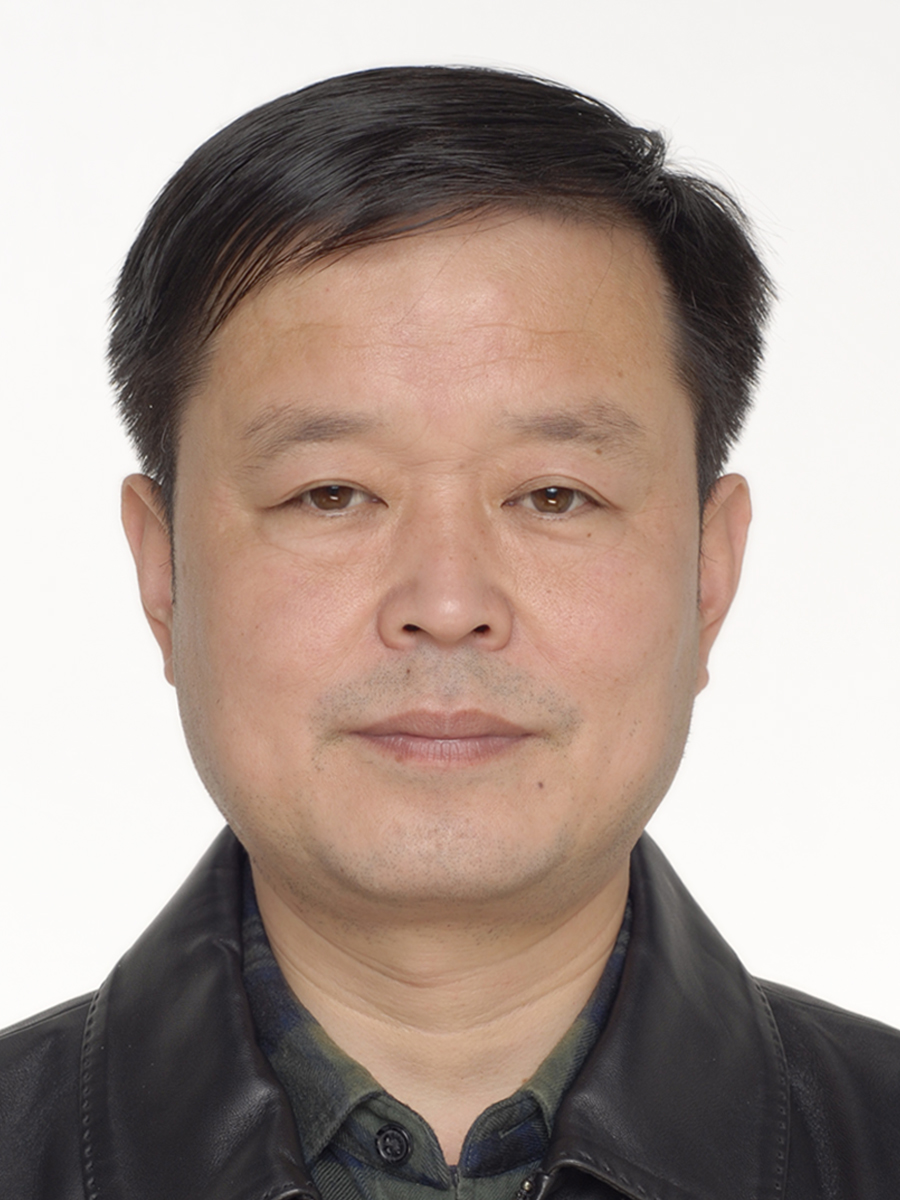 Yanjun Dai (代彦军)合作论文数Institute of refrigeration and Cryogenics Engineering, School of Mechanical Engineering, Shanghai Jiao Tong University11
 Zhiyi Yao合作论文数Dept Chem & Biomol Engn, Natl Univ Singapore10Yize Li合作论文数10
 Xuan-Thanh Bui合作论文数9
 Rohit Gupta合作论文数9
 Yi Fang合作论文数8
 Simon Ascher合作论文数8
 Xiaonan Wang (王笑楠)合作论文数Department of Chemical Engineering, Tsinghua University8
 Jechan Lee合作论文数College of Engineering, Sungkyunkwan University8
 Yen Wah Tong合作论文数Department of Chemical and Biomolecular Engineering, College of Design and Engineering, National University of Singapore;Biomimetic Materials and Systems Lab, National University of Singapore8
 Bauyrzhan Biakhmetov合作论文数7
 Christian Sonne合作论文数Department of Ecoscience, Aarhus University;Arctic Research Centre, Department of Bioscience, Faculty of Science and Technology, Aarhus University7
 Wei-Hsin Chen (陳維新)合作论文数Department of Aeronautics and Astronautics, National Cheng Kung University7
 Ian A Watson合作论文数Imperial Oil Resources;University of Calgary7Abay Dostiyarov合作论文数5Asam Ahmed合作论文数5Jade Lui合作论文数5
 Peng Jiang合作论文数Dept Ind Engn & Engn Management, Sichuan Univ5
 Sunil Kumar合作论文数Council of Scientific and Industrial Research-National Environmental Engineering Research Institute5
 Xiangzhou Yuan (袁湘洲)合作论文数School of Energy and Environment, Southeast University5
 Yanxiang Li (李艳香)合作论文数Institute of Process Engineering, Chinese Academy of Sciences5
 Wen-Da Oh合作论文数5
 Cindy J. Smith合作论文数Froedtert Memorial Lutheran Hospital5
 ZhiBin Yu (禹智斌)合作论文数James Watt School of Engineering, University of Glasgow5
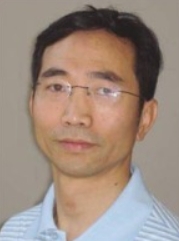 Roger Ruan (阮榕生)合作论文数Department of Bioproducts and Biosystems Engineering, College of Science & Engineering, University of Minnesota;Center for Biorefining, University of Minnesota;Nanchang University5
 Avanthi Deshani Igalavithana合作论文数4
 Ta Cong Khiem合作论文数4
 Srikkanth Ramachandran合作论文数TUMCREATE Limited4
 Leilei Dai (戴磊磊)合作论文数School of Energy and Environment, Southeast University4
 Jia-Yin Lin合作论文数Department of Environmental Engineering & Innovation and Development Center of Sustainable Agriculture, National Chung Hsing University4
 Lal Singh合作论文数Environm Biotechnol & Genom Div, CSIR Natl Environm Engn Res Inst4
 Ashok Pandey合作论文数Centre for Innovation & Translational Research, CSIR-Indian Institute of Toxicology Research;Centre for Energy and Environmental Sustainability-India;University of Petroleum & Energy Studies4
 Thallada Bhaskar合作论文数Academy of Scientific and Innovative Research, CSIR-Advanced Materials and Processes Research Institute4
 Lixia Cao合作论文数4
 Zhikai Zhang合作论文数4
 Haitao Wang (王海涛)合作论文数College of Environmental Science and Engineering, Nankai University4
 Jo-Shu Chang (張嘉修)合作论文数Department of Chemical Engineering, National Cheng Kung University;Department of Chemical and Materials Engineering, College of Engineering, Tunghai University4
 Koon Gee Neoh合作论文数Department of Chemical & Biomolecular Engineering, College of Design and Engineering,, National University of Singapore4
 Xian Li (李显)合作论文数State Key Laboratory of Coal Combustion, Huazhong University of Science & Technology;Xinjiang University4




