Patients in intensive care units (ICUs) are treated with intravenous (IV) insulin by infusions with the goal of maintaining blood glucose (BG) within a narrow target range. However, as BG is measured intermittently and how the time course of BG concentration changes after altering the insulin infusion rate is unknown. We used an intra-arterial Continuous Glucose Monitoring (CGM) system to study the time course of BG concentrations after changes in IV insulin infusion rates.
Intravenous insulin by infusion is commonly used for blood glucose control in the ICU and blood glucose is almost exclusively monitored by intermittent sampling. The rate of change in blood glucose concentration [BG] when the insulin infusion rate is changed is not known, and as a result the optimum time to measure [BG] after changing the infusion rate is unclear.
Continuous glucose monitoring (CGM) in ICUs has the potential to improve patient safety outcomes. The GluCath Intravascular CGM System uses a novel quenched chemical fluorescence sensing mechanism to measure glucose concentration in venous or arterial blood (BG). This is the first report of this system deployed for 48 hours in both arteries and veins of ICU patients.
Introduction: Continuous glucose monitoring (CGM) has the potential to improve patient safety and outcomes in Intensive Care Units (ICU).
Continuous glucose monitoring (CGM) in ICUs has the potential to improve patient safety and outcomes. The GluCath Intravascular CGM System uses a novel quenched chemical fluorescence sensing mechanism to measure glucose concentration (BG) in venous or arterial blood. This is the first report of its use in cardiac surgery patients.
Objective To describe the epidemiology of 2009 A/H1N1 influenza in critically ill pregnant women.Design Population based cohort study.Setting All intensive care units in Australia and New Zealand.Participants All women with 2009 H1N1 influenza who were pregnant or recently post partum and admitted to an intensive care unit in Australia or New Zealand between 1 June and 31 August 2009.Main outcome measures Maternal and neonatal mortality and morbidity.Results 64 pregnant or postpartum women admitted to an intensive care unit had confirmed 2009 H1N1 influenza. Compared with non-pregnant women of childbearing age, pregnant or postpartum women with 2009 H1N1 influenza were at increased risk of admission to an intensive care unit (relative risk 7.4, 95% confidence interval 5.5 to 10.0). This risk was 13-fold greater (13.2, 9.6 to 18.3) for women at 20 or more weeks' gestation. At the time of admission to an intensive care unit, 22 women (34%) were post partum and two had miscarried. 14 women (22%) gave birth during their stay in intensive care and 26 (41%) were discharged from an intensive care unit with ongoing pregnancy. All subsequently delivered. 44 women (69%) were mechanically ventilated. Of these, nine (14%) were treated with extracorporeal membrane oxygenation. Seven women (11%) died. Of 60 births after 20 weeks' gestation, four were stillbirths and three were infant deaths. 22 (39%) of the liveborn babies were preterm and 32 (57%) were admitted to a neonatal intensive care unit. Of 20 babies tested, two were positive for the 2009 H1N1 virus.Conclusions Pregnancy is a risk factor for critical illness related to 2009 H1N1 influenza, which causes maternal and neonatal morbidity and mortality.
BACKGROUND:The optimal target range for blood glucose in critically ill patients remains unclear.METHODS:Within 24 hours after admission to an intensive care unit (ICU), adults who were expected to require treatment in the ICU on 3 or more consecutive days were randomly assigned to undergo either intensive glucose control, with a target blood glucose range of 81 to 108 mg per deciliter (4.5 to 6.0 mmol per liter), or conventional glucose control, with a target of 180 mg or less per deciliter (10.0 mmol or less per liter). We defined the primary end point as death from any cause within 90 days after randomization.RESULTS:Of the 6104 patients who underwent randomization, 3054 were assigned to undergo intensive control and 3050 to undergo conventional control; data with regard to the primary outcome at day 90 were available for 3010 and 3012 patients, respectively. The two groups had similar characteristics at baseline. A total of 829 patients (27.5%) in the intensive-control group and 751 (24.9%) in the conventional-control group died (odds ratio for intensive control, 1.14; 95% confidence interval, 1.02 to 1.28; P=0.02). The treatment effect did not differ significantly between operative (surgical) patients and nonoperative (medical) patients (odds ratio for death in the intensive-control group, 1.31 and 1.07, respectively; P=0.10). Severe hypoglycemia (blood glucose level, < or = 40 mg per deciliter [2.2 mmol per liter]) was reported in 206 of 3016 patients (6.8%) in the intensive-control group and 15 of 3014 (0.5%) in the conventional-control group (P<0.001). There was no significant difference between the two treatment groups in the median number of days in the ICU (P=0.84) or hospital (P=0.86) or the median number of days of mechanical ventilation (P=0.56) or renal-replacement therapy (P=0.39).CONCLUSIONS:In this large, international, randomized trial, we found that intensive glucose control increased mortality among adults in the ICU: a blood glucose target of 180 mg or less per deciliter resulted in lower mortality than did a target of 81 to 108 mg per deciliter. (ClinicalTrials.gov number, NCT00220987.)
 Simon Finfer合作论文数Critical Care and Trauma Division, The George Institute for Global Health;Royal North Shore Hospital;Sydney Adventist Hospital;School of Biomedical Sciences, University of New South Wales;University of Sydney;School of Public Health, Imperial College London7
 Frances Bass合作论文数6
 Naomi Hammond合作论文数Department of Intensive Care Medicine, The Prince Charles Hospital6
 P. Strasma合作论文数3E Yarad合作论文数3
 John A Myburgh合作论文数School of Medical Sciences, University of New South Wales;St George Private Medical Centre;St George Hospital;Division of Critical Care, The George Institute for Global Health3Macken Lewis合作论文数3Flower Oliver合作论文数3Michael M. Parr合作论文数2K. Nand合作论文数2Ian Seppelt合作论文数Nepean Clinical School, Faculty of Medicine and Health, The University of Sydney2McArthur Colin合作论文数Dept Crit Care Med, Auckland City Hosp2
 Shay P Mcguinness合作论文数Cardiothorac & Vasc Intens Care Unit, Auckland City Hosp2Mackle Diane M合作论文数2Peake Simon T C合作论文数2Weisbrodt Leonie合作论文数2D Ernest合作论文数2
 Richard Ashley合作论文数Wastewater Technology Centre, The University of Abertay Dundee2
 Rachael Parke合作论文数School of Nursing, Faculty of Medical and Health Sciences, The University of Auckland2
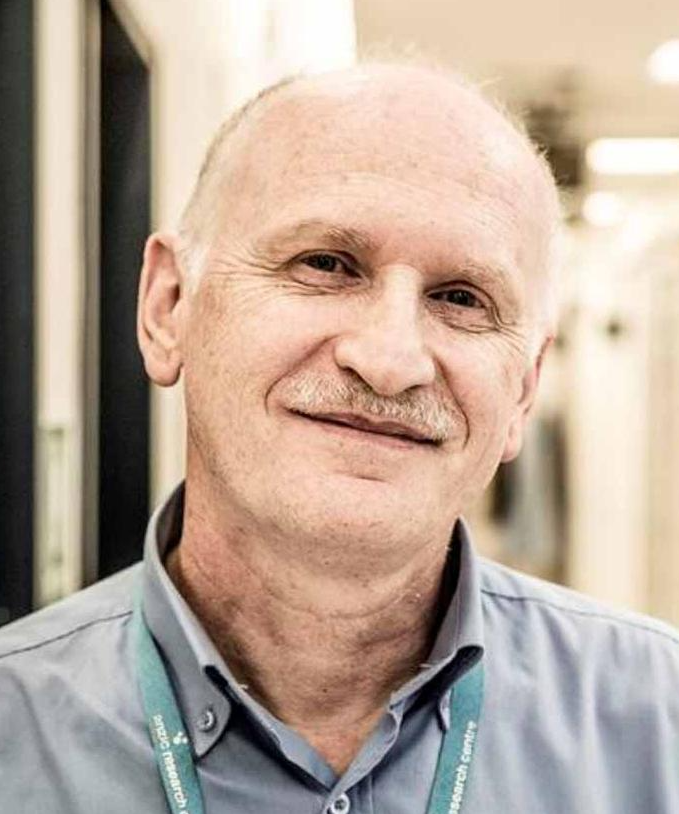 Rinaldo Bellomo合作论文数Australian and New Zealand Intensive Care Research Centre, School of Public Health and Preventative Medicine, Monash University2Raymond Raper合作论文数2Stuart N. Baker合作论文数2
 David Blythe合作论文数Rosenstiel School of Marine and Atmospheric Sciences, NIEHS Marine and Freshwater Biomedical Sciences2
 John Bell合作论文数Ottawa Hospital Research Institute2Imogen Mitchell合作论文数2Sharon Micallef合作论文数2Brigit L Roberts合作论文数2Lynette Newby合作论文数2C. Hourigan合作论文数1D Foster合作论文数1P. Hebert合作论文数1P. Harrigan合作论文数1J. Ranse合作论文数1I Mercer合作论文数1S. Heritier合作论文数1S. Kanji合作论文数1h raunow合作论文数1D. Rajbhandari合作论文数1V Nayyar合作论文数1T. Mcardle合作论文数1Y Shehabi合作论文数1J Santamaria合作论文数1Su Steve合作论文数1Natalie Groves合作论文数1C Ethier合作论文数1Lisa Smith合作论文数Coll Hlth Solut, Arizona State Univ1
 John Marshall合作论文数Department of Surgery, Temerty Faculty of Medicine, University of Toronto;St. Michael's Hospital1J Stuart合作论文数1P. Williams合作论文数1




