Predicting novel ranges of non-native species is a critical component to understanding the biosecurity threat posed by pests and diseases on economic, environmental and social assets. Species distribution models (SDMs) are often employed to predict the potential ranges of exotic pests and diseases in novel environments and geographic space. To date, researchers have focused on model complexity, data available for model fitting, the size of the geographic area to be considered and how the choice of model impacts results. These investigations are coupled with considerable examination of how model evaluation methods and test scores are influenced by these choices. An area that remains under-discussed is how to account for uncertainty in predictor selection while also selecting variables that increase a model’s ability to predict to novel environments (model transferability). Here we propose a novel method to finesse this problem by using multiple simple (bivariate) models to search for the candidate sets of predictor variables that are likely to produce transferable models. Once identified, each set is then used to construct 2-dimensional niche envelopes of pest presence/absence. This process ultimately results in a number of possible models that can be used to predict pest potential distributions, however, rather than relying on a single model, we ensemble these models in an attempt to account for predictor uncertainty. We apply this method to both virtual species and real species data, and find that it generally performs well against conventional approaches for statistically fitting numerous variables in a single model. While our methods only consider simple ecological relationships of species to environmental predictors, they allow for increased model transferability because they reduce the likelihood of over-fitting and collinearity issues. Simple models are also likely to be more conservative (over-predict potential distributions) relative to complex models containing many covariates – making them more appropriate for risk-averse applications such as biosecurity. The approach we have explored transforms a model selection problem, for which there is no true correct answer amongst the typically distal covariates on offer, to one of model uncertainty. We argue that increased model transferability at the expense of model interpretation is perhaps more important for effective rapid predictions and management of non-native species and biological invasions.
Citizen observations of the natural world are increasing in detail, growing in volume and increasingly being shared on web-based platforms for the purpose of sharing information and/or the crowd-sourcing of species identification. From a biosecurity perspective, such citizen data streams are important as they are responsible for the majority of post-border reports and most detections of exotic pest species of concern. The sharing of sightings amongst what are effectively communities of practice is a key driver of having the sighting of an exotic pest species recognized and reported. Whilst it is clear that the eyes, ears, cameras, and microphones of citizens are a major component of biosecurity surveillance, it is unclear what level of surveillance this provides in the prospective sense. As an example, what confidence does citizen science provide about “proof of absence” for exotic pests of concern? The taxonomy of surveillance used within the field of biosecurity would classify such citizen activities as contributing to “general surveillance,” for which non-detections are typically not recorded and methods of quantitative analysis are still under development. We argue that while not recorded, there is considerable information about citizens activities that routinely underpins peoples mental inference about the level of surveillance provided by citizen activities. Furthermore, we show that it is possible to make such inference from general surveillance transparent by describing and characterizing the activities that potentially generate sightings in a way that is amenable to quantitative analysis. In the context of evaluating surveillance provided by citizens for incursions of exotic vertebrates, we provide examples of citizen observations providing early warning and hence preventing the establishment of species from a range of animal groups. Historically, analysis of the power of general surveillance has been restricted to being conceptual, based on qualitative arguments. We provide this, but also provide a quantitative model framework and provide examples of how different forms of general surveillance data may be analyzed, particularly in supporting inference of eradication/extinction.
Monitoring waterbird populations in Australia is challenging for reasons of counting logistics, and because population aggregation and dispersion can shift rapidly in response to large spatio-temporal variations in resource availability. The East Australian Waterbird survey has conducted annual, aerial, systematic counts of waterbirds over eastern Australia for almost 40 years. It was designed to monitor waterbird populations using design-based inference though for many species this form of inference appears inadequate in the face of these challenges. Here we develop a state-space model-based Bayesian approach that, in addition to explicitly incorporating process noise and observation uncertainty, uses random effects and rainfall-derived covariates to model the year-to-year variation in the proportion of the total (super) population that is present on surveyed wetlands, and available to be counted. We use this model-based approach to estimate the superpopulation size of 45 waterbird species annually, and model the rate of population increase as a function of antecedent rainfall. The results confirm the strong positive effect of antecedent rainfall on population growth rates for nearly all species, and illustrate that species respond to rainfall differently in terms of habitat use, which influences whether they are present on surveyed wetlands. For many species, the year-to-year variation in the estimated proportion of the population on surveyed wetlands is very high. The results have implications for making inferences on population trends from these data, with the ability to model the year-to-year sampling variation a key requirement before the rate of population increase can be estimated with any precision. This study illustrates how to progress this approach, and infers that under average rainfall conditions, the general trend is for estimated superpopulation rates of increase to be negative, though for only a few species is this occurring with strong belief.
SummaryProgesterone receptor (PGR) plays diverse roles in reproductive tissues and thus coordinates mammalian fertility. In the ovary, acutely induced PGR is the key determinant of ovulation through transcriptional control of a unique set of genes that culminates in follicle rupture. However, the molecular mechanisms for PGR’s specialised function in ovulation is poorly understood. To address this, we assembled a detailed genomic profile of PGR action through combined ATAC-seq, RNA-seq and ChIP-seq analysis in wildtype and isoform-specific PGR null mice. We demonstrated the unique action of PGR-A isoform in the ovary through a transcriptional complex involving physical interaction with RUNX and JUN/FOS transcription factors. The assembly of this unique complex directs targeting of PGR binding to proximal promoter regions and enables chromatin accessibility, leading to ovulatory gene induction. This PGR signalling mechanism is specific to ovulation and provides potential targets for infertility treatments as well as new contraceptives that block ovulation.
Data streams arising from citizen reporting activities continue to grow, yet the information content within these streams remains unclear, and methods for addressing the inherent reporting biases little developed. Here, we quantify the major influence of physical insect features (colour, size, morphology, pattern) on the propensity of citizens to upload photographic sightings to online portals, and hence to contribute to biosecurity surveillance. After correcting for species availability, we show that physical features and pestiness are major predictors of reporting probability. The more distinctive the visual features, the higher the reporting probabilities—potentially providing useful surveillance should the species be an unwanted exotic. Conversely, the reporting probability for many small, nondescript high priority pest species is unlikely to be sufficient to contribute meaningfully to biosecurity surveillance, unless they are causing major harm. The lack of citizen reporting of recent incursions of small, nondescript exotic pests supports the model. By examining the types of insects of concern, industries or environmental managers can assess to what extent they can rely on citizen reporting for their surveillance needs. The citrus industry, for example, probably cannot rely on passive unstructured citizen data streams for surveillance of the Asian citrus psyllid (Diaphorina citri). In contrast, the forestry industry may consider that citizen detection and reporting of species of the large and colourful insects such as pine sawyers (Monochamus spp.) may be sufficient for their needs. Incorporating citizen surveillance into the general surveillance framework is an area for further research.
Decisions regarding invasive risk of exotic species are often based on species distribution models projected onto the recipient region of interest. Such projections are essentially a measure of prior belief in the ability of an organism to invade. Whilst many decisions are made on the basis of such projections, it is less clear how such prior belief may be empirically modified on the basis of data, in particular introduction events that haven't led to establishment. Here, using the Asian green mussel (Perna viridis) as an example, we illustrate how information on failed introduction attempts may be used to continually update our beliefs in the ability of an organism to invade per introduction, and the underlying habitat suitability for establishment. Our results show that the establishment probability of P. viridis per fouled ship visit in the supposedly favourable northern Australian waters are much lower than initially though, and are continuing to decline. A Bayesian interpretation of our results notes the dramatic reduction in our belief of the ability of P. viridis to invade in the light of what we estimate to be 100's of fouled vessels per year visiting ports without any persistent populations establishing. Under a hypothetico-deductive approach we would reject the null (prior) species distribution model as being useful, and seek to find a better one that can withstand the challenge of data.
Ships have been translocating species around the world for hundreds of years but attempts to understand and manage this issue date back only three decades. Here we review the assessment and management of risks from vessel biofouling and ballast water over this time period from an Australian and New Zealand perspective. We detail a history of successes and failures at the science-policy interface that include international guidelines for biofouling management and the recent ratification of a ballast water convention. We summarize the efficacy and costs of current treatment options, and highlight the practical challenges and policy implications of managing the diffuse and succinct bio-invasion risks that shipping creates pre- and post-border. We then use the lessons learnt over the last 30 years to recommend a future empirical strategy.
A pragmatic approach to prior elicitation was developed to elicit the parameters and model structure for Bayesian generalised linear models. Predictive elicitation of subjective probability distributions was used to evaluate Risk Control Option (RCO) effectiveness for reducing the risk of ship collisions in Australia's Territorial Sea and Exclusive Economic Zone. The RCOs considered were pilotage, Vessel Traffic Services (VTS) and Ships' Routeing Systems (SRS). Predictive relationships with key covariates were documented. Distance from the Territorial Sea Baseline was important for all RCOs, and aggregate measures of shipping traffic patterns such as volume and the distribution of course over ground headings were related to the effectiveness of both VTS and SRS. A synergistic interaction between pilotage and VTS effectiveness was predicted. The elicitation method enabled a practical approach to eliciting subjective probability distributions while accounting for the complexity and myriad factors that contribute to challenging problems. The approach supports coherent updating given new information, and so can be used to support evidence based decision making. (C) 2017 Commonwealth Scientific and Industrial Research Organisation. Published by Elsevier Ltd.
The objective of this study was to trial point of truth calibration (POTCal) as a novel method for disease prioritisation. To illustrate the application of this method, we used a previously described case-study of prioritisation of exotic diseases for the pig industry in Australia. Disease scenarios were constructed from criteria which described potential impact and pig-producers were asked to score the importance of each scenario. POTCal was used to model participants' estimates of disease importance as a function of the criteria, to derive a predictive model to prioritise a range of exotic diseases. The best validation of producers' estimates was achieved using a model derived from all responses. The highest weighted criteria were attack rate, case fatality rate and market loss, and the highest priority diseases were the vesicular diseases followed by swine fevers and zoonotic encephalitides. Comparison of results with a previous study in which probabilistic inversion was used to prioritise diseases for the same group of producers highlighted differences between disease prioritisation methods. Overall, this study demonstrated that POTCal can be used for disease prioritisation. An advantage of POTCal is that valid models can be developed that reflect decision-makers' heuristics. Specifically, this evaluation of the use of POTCal in animal health illustrates how the judgements of participants can be incorporated into a decision-making process. Further research is needed to investigate the influence of scenarios presented to participants during POTCal evaluations, and the robustness of this approach applied to different disease issues (e.g. exotic versus endemic) and production types (e.g. intensive versus extensive). To our knowledge, this is the first report of the use of POTCal for disease prioritisation.
Wildlife collision data are ubiquitous, though challenging for making ecological inference due to typically irreducible uncertainty relating to the sampling process. We illustrate a new approach that is useful for generating inference from predator data arising from wildlife collisions. By simply conditioning on a second prey species sampled via the same collision process, and by using a biologically realistic numerical response functions, we can produce a coherent numerical response relationship between predator and prey. This relationship can then be used to make inference on the population size of the predator species, including the probability of extinction. The statistical conditioning enables us to account for unmeasured variation in factors influencing the runway strike incidence for individual airports and to enable valid comparisons. A practical application of the approach for testing hypotheses about the distribution and abundance of a predator species is illustrated using the hypothesized red fox incursion into Tasmania, Australia. We estimate that conditional on the numerical response between fox and lagomorph runway strikes on mainland Australia, the predictive probability of observing no runway strikes of foxes in Tasmania after observing 15 lagomorph strikes is 0.001. We conclude there is enough evidence to safely reject the null hypothesis that there is a widespread red fox population in Tasmania at a population density consistent with prey availability. The method is novel and has potential wider application.
There is considerable genetic and phenotypic heterogeneity associated with intellectual disability (ID), specific learning disabilities, attention-deficit hyperactivity disorder, autism and epilepsy. The intelligence quotient (IQ) motif and SEC7 domain containing protein 2 gene (IQSEC2) is located on the X-chromosome and harbors mutations that contribute to non-syndromic ID with and without early-onset seizure phenotypes in both sexes. Although IQ and Sec7 domain mutations lead to partial loss of IQSEC2 enzymatic activity, the in vivo pathogenesis resulting from these mutations is not known. Here we reveal that IQSEC2 has a key role in dendritic spine morphology. Partial loss-of-function mutations were modeled using a lentiviral short hairpin RNA (shRNA) approach, which achieved a 57% knockdown of Iqsec2 expression in primary hippocampal cell cultures from mice. Investigating gross morphological parameters after 8 days of in vitro culture (8DIV) identified a 32% reduction in primary axon length, in contrast to a 27% and 31% increase in the number and complexity of dendrites protruding from the cell body, respectively. This increase in dendritic complexity and spread was carried through dendritic spine development, with a 34% increase in the number of protrusions per dendritic segment compared with controls at 15DIV. Although the number of dendritic spines had normalized by 21DIV, a reduction was noted in the number of immature spines. In contrast, when modeling increased dosage, overexpression of wild-type IQSEC2 led to neurons with shorter axons that were more compact and displayed simpler dendritic branching. Disturbances to dendritic morphology due to knockdown of Iqsec2 were recapitulated in neurons from Iqsec2 knockout mice generated in our laboratory using CRISPR/Cas9 technology. These observations provide evidence of dosage sensitivity for IQSEC2, which normally escapes X-inactivation in females, and links these disturbances in expression to alterations in the morphology of developing neurons.
 David Lindenmayer合作论文数Fenner School of Environment and Society, College of Systems and Society, Australian National University10
 Peter Caley合作论文数Risk Sciences Branch, Bureau of Rural Sciences, Department of Agriculture, Fisheries and Forestry, M.6.202, 18 Marcus Clarke St, GPO Box 858, Canberra City, ACT Australia10
 Mathew Vadas合作论文数Heart Research Institute;Centenary Institute;Nautilus HoldCo9
 Greg Goodall合作论文数Centre for Cancer Biology, University of South Australia8
 WRA OSBORNE合作论文数7Sadlon Timothy J合作论文数Women's and Children's Hospital, Women's and Children's Health Research Institute7
 Angel F Lopez合作论文数SA Pathology7Andrew W. Claridge合作论文数7
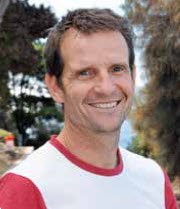 Keith R. Hayes合作论文数Centre for Research on Introduced Marine Pests;Division of Marine Research;Centre for Research on Introduced Marine Pests|Division of Marine Research6S. Pederson合作论文数5C. G. Gallagher合作论文数5Brown Cheryl Y合作论文数5Mara Dottore合作论文数5
 J.E. (Jurgen) Seppen合作论文数Graduate School of Life and Earth Sciences, Faculty of Science, University of Amsterdam;Academic Medical Center5B Cambareri合作论文数4Cj Bagley合作论文数4
 Jane Elith合作论文数School of BioSciences, University of Melbourne4M. X. Fitzgerald合作论文数4M. Frances Shannon合作论文数4
 Joachim L. Schultze合作论文数German Center for Neurodegenerative Diseases;University of Bonn4
 Marc Beyer合作论文数4
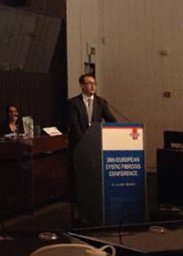 Edward F. Mckone合作论文数Department of Medicine, University of Washington4N Ramesh合作论文数3
 Alan Welsh合作论文数Research School of Finance, Actuarial Studies and Statistics, College of Business and Economics, The Australian National University3
 Richard J D'Andrea合作论文数3
 Borek D. Puza合作论文数3M. T. Tanton合作论文数3Ofer Yanay合作论文数3Geoffrey R. Hosack合作论文数School of Aquatic and Fishery Science Box, University of Washington3Lisa Y. Flint合作论文数3
 Philip Gibbons合作论文数Australian National University, Australia3Heddy Zola合作论文数3Margaret Brzezinski合作论文数3Mary Bomford合作论文数3T. Salehi合作论文数2A. D. Manning合作论文数2
 Quanxi Shao合作论文数2P A Moretti合作论文数2Bjt Morgan合作论文数2R GROSE合作论文数2D. Krumbiegel合作论文数2J Phillips合作论文数2Tj Oneill合作论文数2JA PHILLIPS合作论文数2T Hercus合作论文数2Griffith B Perkins合作论文数Sch Biol Sci, Univ Adelaide2
 Patrick Toby Coates合作论文数Sch Med, Univ Adelaide2
 Albert van Dijk合作论文数Fenner School of Environment & Society, Australian National University2Simmons P合作论文数2




