TPS2105 Background: Glioblastoma remains a lethal primary brain tumor with limited therapeutic progress and a persistent unmet clinical need. Standard management requires maximal safe resection followed by external beam radiation therapy (EBRT) with concurrent temozolomide (TMZ); however, the required 4–6-week postoperative healing interval before initiating EBRT creates a vulnerable window for rapid early progression (REP), defined as radiographic tumor progression occurring between surgery and the start of chemoradiation. REP is detected in more than half of patients and is associated with inferior survival. Tile-based radiation therapy (TBRT) with cesium-131 brachytherapy sources (GammaTile, GT Medical Technologies, Tempe, AZ, USA), offers a strategy to eliminate this treatment gap by immediately initialing localized radiation at the time of resection. A feasibility and safety study (NCT05342883) evaluating TBRT implantation following EBRT has been fully accrued and supports randomized evaluation. The BRIDGES study (NCT07195591) builds on this foundation. Methods: NCT07195591 is a prospective, randomized, open-label, multicenter, phase 3 trial to evaluate whether immediate postoperative TBRT followed by abbreviated EBRT with concurrent and adjuvant TMZ improves outcomes compared with standard postoperative EBRT with concurrent and adjuvant TMZ. Eligible adults must have newly diagnosed, radiographic suspicion of glioblastoma, can undergo maximal safe resection, possess a Karnofsky Performance Status score ≥70, and be candidates for standard chemoradiation. Key exclusion criteria include multifocal or disseminated disease, prior cranial radiation or chemotherapy, inability to receive TMZ, and medical comorbidities that would interfere with protocol treatment or follow-up. Patients are randomized 2:1 to receive either TBRT implantation followed by a shortened EBRT course with concurrent and adjuvant TMZ or standard postoperative EBRT with concurrent and adjuvant TMZ. Randomization is stratified by age, sex, prior sub-maximal safe resection, and size of pre-operative tumor. A stratified log-rank test using Kaplan–Meier methods will be done using the stratification factors will be implemented for the primary endpoint. Additional time-to-event endpoints will be analyzed using Kaplan–Meier methods and Cox proportional hazards models, and the analyses will follow the intent-to-treat principle. The trial has two pre-planned interim analyses. A Data and Safety Monitoring Board will oversee the trial and conduct periodic safety reviews. Four of the 766 planned patients have enrolled. Clinical trial information: NCT07195591 .
Local control remains a challenge in the treatment of recurrent glioblastomas. Our prior experience indicates that adjunctive cesium-131 brachytherapy, followed by systemic therapy, is a promising option. Here, we extend the initial findings through a multi-institutional study. Clinical information was collected for consecutive, recurrent glioblastoma (isocitrate dehydrogenase wild-type) patients treated at seven participating institutions. All patients underwent systemic treatment after surgical resection/cesium implant. Median progression-free and overall survival (mPFS and mOS) were calculated from the time of cesium tile implantation. The study cohort comprised 43 male and 17 female subjects, with a median of 1 prior glioblastoma recurrence. The mean pre-operative Karnofsky Performance Score (KPS) was 80 (± 15.7). There was one case (2
LBA2000 Background: Post-operative stereotactic radiation (SRT) is the standard to reduce recurrence of resected brain metastases (BM). Cesium-131 tile-based radiation therapy (TBRT) (GT Medical Technologies) delivers focal radiation (RT) immediately upon resection and may offer logistical and therapeutic advantages. ROADS (NCT04365374) compared TBRT vs SRT in patients with newly diagnosed resectable BM. Methods: In this open label phase 3 trial across 32 US centers, patients requiring resection of one newly diagnosed BM were randomized 1:1 to surgery + SRT or surgery + TBRT. Up to 5 additional unresected BM were allowed and treated with SRT in both arms. Co-primary endpoints were time to surgical bed recurrence (SBR; independently centrally reviewed) and surgical bed recurrence free survival (SB-RFS), analyzed using Cox proportional hazards models with stratification factors as covariates. Multiplicity was controlled by hierarchical testing. Key secondary endpoints were overall survival (OS), leptomeningeal disease (LMD; independently centrally reviewed), radiation necrosis (RN) and treatment related adverse events (TRAEs). Exploratory endpoints were time to SBR or RN and time to total cranial management (TTCM, time from surgery to completion of all RT). Analyses used the modified intent to treat (mITT) population, defined as patients who underwent surgery and had follow up information. Results: 230 patients with balanced patient and tumor characteristics were randomized (115 per arm). 204 patients (101 SRT, 103 TBRT) comprised the mITT population. Median follow-up time was 12.9 mo (IQR:5.9-22.8 months). SBR occurred in 11.9% (SRT) vs 1.0% (TBRT). Median time to SBR was 17.4 mo in SRT and not reached in TBRT (HR: 0.06, 95% CI: 0.01-0.46, p=0.007). SB-RFS was significantly improved with TBRT: median SB-RFS was 10.9 mo in SRT vs not reached in TBRT (HR: 0.48, 95% CI: 0.30-0.76, p=0.002). OS was significantly improved with TBRT (HR: 0.59, 95% CI: 0.37-0.96; p=0.032); estimated 24-mo survival was 35.7% (SRT) vs 61.7% (TBRT). LMD occurred in 3.0% (SRT) vs 9.7% (TBRT) (p=0.146). The 24-mo probability of being alive without LMD was 35.9% (SRT) vs 57.7% (TBRT) (HR: 0.68, 95% CI: 0.43-1.08, p=0.102). RN occurred in 6.9% of patients (SRT) vs 7.8% (TBRT) (p=0.495). TBRT extended time to SBR or RN: median time was 18.3 mo in SRT vs not reached in TBRT (HR: 0.28, 95% CI: 0.12-0.66, p=0.004). Median TTCM was 30 days (SRT) vs 1 day (TBRT) (p<0.001). Grade ≥3 TRAEs were 19.3% (SRT) vs 18.1% (TBRT). Conclusions: TBRT improved surgical bed control and OS compared to SRT for patients with a newly diagnosed resectable BM. Safety was equivalent. Completing total cranial treatment faster with TBRT, coupled with fewer SBR occurrences may lead to fewer gaps in systemic therapy perhaps resulting in the observed OS benefit. Clinical trial information: NCT04365374 .
Background:Cesium-131 collagen tile has gained traction as an intraoperative brachytherapy platform for recurrent intracranial tumors, but outcome data in newly diagnosed brain metastases (nBM) remain sparse, with fewer than ten cases reported. This study evaluates the safety and efficacy of cesium-131 collagen tiles in nBM patients. Methods:Clinical information was collected for consecutive nBM patients treated at three neurosurgical centers. Local control and overall survival (OS) were calculated. Results:The cohort comprised 36 patients (14 men, 22 women; mean age, 62.1 ± 8.9 years) with 39 nBM. Histologies included lung (n = 19), melanoma (n = 8), breast (n = 4), gastrointestinal (n = 3), and genitourinary (n = 5) metastases. The mean pre-operative tumor diameter was 3.29 ± 1.35 cm. Gross total resection was achieved in all but one case. Mean Karnofsky Performance Score (KPS) before resection/tile implant was 81 ± 11.1. The average hospital stay was 2.2 ± 1.6 days. Thirty-day and 90-day readmission rates were 25.0% and 19.4%, respectively; there were no unplanned returns to the operating room. With a median follow-up of 328 days, one-year actuarial local control was 100%, with one recurrence at two years. Median overall survival (OS) was 182 days. Radiation necrosis was observed in one patient (2.6%). KPS improved or remained stable in 28 patients (77.8%) and declined in 8 (22.2%). A decline in KPS at one month post-procedure was associated with shorter OS (65 vs. 211 days; P = .02). Conclusion:This multi-institutional study provides the first dedicated evaluation of cesium-131 collagen tiles for the treatment of nBM, demonstrating excellent safety and local control.
Local failure and leptomeningeal disease (LMD) are both poor outcomes that can occur after resection and post-operative radiosurgery for newly diagnosed brain metastases (BM). There is increasing utilization of collagen-embedded Cesium-131 brachytherapy (GammaTile®) as a method of providing immediate adjuvant radiation therapy. Post-operative LMD rates following GammaTile implantation for newly diagnosed BMs has yet to be reported. The objective was to evaluate the incidence of LMD rates, local control (LC), and survival following resection and GammaTile for newly diagnosed BMs. An ongoing, multicenter, prospective, observational Phase IV non-interventional registry (NCT0442738) was queried to analyze rates of LMD following surgical resection of newly diagnosed BMs. Following resection and GammaTile implantation, we evaluated LMD rates, LC, and overall survival (OS). The Kaplan-Meier method was used to analyze time-to-event outcomes. Fifty-one patients with 55 BMs were analyzed. The median follow-up was 12.4 months. The majority of BMs were in the supratentorial brain (87.3
The history of the Department of Neurosurgery at the New York Medical College (NYMC) began in New York City in the early 20th century. The purpose of this manuscript is to educate on the history of neurosurgery at NYMC and Westchester Medical Center (WMC) from its early beginnings to its current state as a leader of neurosurgery in the region. Led by notable neurosurgeons, such as Thomas Hoen and Isadore Tarlov, the department provided critical neurosurgical treatments to patients at the Flower-Fifth Avenue Hospital (now known as the Terence Cardinal Cooke Health Care Center) and Metropolitan Hospital and was home to research advancements in peripheral nerve repair and spinal cord pathology. The department made the transition to WMC in the 1970s under the direction of Alan Rothballer, and a residency program was instituted by Samuel Kasoff and Richard Rovit in 1991. In 2020, Chirag Gandhi became chair and established fellowships in endovascular neurosurgery and neurocritical care, expanding opportunities for education. Building on this rich tradition, the NYMC/WMC Department of Neurosurgery continues to provide high-quality neurosurgical care while emphasizing resident education and research.
Surgically targeted radiation therapy (STaRT) using Cesium-131 collagen tile brain brachytherapy (GammaTile®, GT Medical Technologies, Tempe, Arizona, USA) is FDA cleared for operable newly diagnosed intracranial malignant neoplasms and recurrent intracranial neoplasms. To assess the rate of infection after brain tumor resection (R) and permanent implantation of STaRT on a prospective, multi-institutional observational study. The prospective, observational registry (NCT04427384) evaluates clinical outcomes that measure the effectiveness and safety of R+STaRT. As a secondary endpoint of the registry, wound infections are pre-specified as an adverse event (AE) of particular focus and are tracked and attributed using Common Terminology for Adverse Events version 5. The first 250 consecutive patients undergoing R+STaRT from 30 centers were chosen for evaluation to help ensure adequate follow up, and these patients were treated with brain tumor resection and STaRT between 11/2020 and 10/2023. 73.6% of cases were for recurrent tumors and 26.4% were for newly diagnosed tumors. 46.3% were glioblastomas, 34.3% were brain metastases, 12.4% were meningiomas, and 7.0% were “other.” Median follow-up was 11.9 months (range 0-36.3 months). There were surgical wound infections among 5 patients, four Grade 3 and one Grade 4. From the day of surgery, 4 infections were noted within the first 30 days, none occurred between 31-90 days, and 1 was noted 117 days after surgery. This interim data analysis of the first 250 consecutive patients from 30 centers show an infection rate (Grade 3 or 4) of 2%, which is consistent with what would be expected with craniotomy without STaRT. This data supports the safety of STaRT in a wide variety of clinical scenarios.
Local control remains a major challenge in the surgical management of recurrent glioblastomas. Brachytherapy, such as Gammatile, offers a promising solution by delivering targeted radiation to the surgical bed. Here, we report the outcome of 60 consecutive recurrent glioblastoma patients who underwent resection/GT-implant. Clinical information was collected for consecutive, recurrent glioblastoma (isocitrate dehydrogenase wild-type) patients treated at the University of Minnesota, Honor Health, Robert Wood Johnson, Emory, Allegheny Health, East Carolina University, and Inova. Median progression-free and overall survival (mPFS and mOS) were calculated from the time of GT implant and stratified by methyl-guanine-methyl transferase (MGMT) status. The study cohort comprised 47 male and 13 female subjects, with 1-3 previous glioblastoma recurrences. Karnofsky Performance Score (KPS) decreased post-resection/GT implant in 24 patients (41.2%); all experienced functional recovery, but to variable extents. Surgical/GT morbidities (6%) included hemorrhage, wound infection, and radiation necrosis (each at 1/60 or 2%). The median hospital stay was 2 days (range: 1- 21 days). 16.7% of the cohort required 30-day readmission, comparable to the expected readmission rate for craniotomy alone. There was no instance of rapid early recurrence, defined as tumor regrowth in the first MRI following surgical resection. Actuarial local control at one year was 92% and 80% for MGMT-methylated and -unmethylated patients, respectively (p=0.17). MGMT-methylated patients showed improved OS (mOS=14.7 mo) compared to unmethylated patients (mOS=7.9 mo, p=0.01). These results compare favorably to historical survival for these patient cohorts. Patients who showed a KPS decline after resection/GT-implant showed reduced OS relative to those with stable/improved KPS (mOS of 388 and 218 days, respectively, p=0.03). The number of tumor recurrences or prior bevacizumab did not prognosticate survival. This multi-institutional experience supports the safety and efficacy of GT brachytherapy and provides a basis for selecting patients who would most benefit from this treatment.
There are compelling rationales for considering brachytherapy, such as Gammatile (GT), at the time of brain metastasis (BM) resection, including superior radiation dosimetry, timely radiation delivery, and minimizing the burden of repeated hospital visits. While such practice is documented in recurrent BM, there is limited information on its use for newly diagnosed BM (nBM). Here, we report the outcome of 36 nBM patients who underwent resection/GT implant. Clinical information was collected for consecutive n BM patients treated at the University of Minnesota, Westchester Medical Center, and Brown University. Actuarial local control and overall survival (mOS) were calculated from the time of GT implant. The cohort comprised 17 men and 19 women (mean age: 61.9 ± 8.66 years). The histology included: 19 lung, 8 melanoma, 5 breast, 3 gastrointestinal, and 1 valvular cancer. The mean diameter of the resected BM was 3.28 ± 1.35 cm. Gross total resection was achieved in all but one subject. The number of GT used ranged 4-12 (median of 6). The average Karnofsky Performance Score (KPS) before resection/GT implant was 81 ± 11.1; There were no peri-operative complications, with the average hospital stay of 2.2 ± 1.6 days. There were eight 30-day readmissions (22%). KPS improved/remained stable for 29 patients and worsened in 7. With the median follow-up of 328 days, the actuarial local control at one year was 91.7%. The median overall survival (OS) of the cohort was 182 days. Pre-operative KPS did not associate with OS (77 vs. 199 days, p=0.232). However, patients whose KPS declined after the resection showed shorter OS (65 vs. 211 days, p=0.02). This series is the largest to date documenting GT for newly diagnosed BM, with a highly favorable safety and efficacy. KPS decline post-resection is associated with poor survival, emphasizing the importance of a “safe” resection.
OBJECTIVE:Gliomas are the most common primary tumor in the central nervous system (CNS), with low-grade gliomas (LGG) comprising more than 5 percent of all adult primary CNS tumors. While glioblastoma, the most malignant glioma subtype, is known to present with hemorrhage, LGGs rarely present with hemorrhage. This systematic review investigates LGGs that present as hemorrhage and provides an illustrative case presentation in order to evaluate trends and outcomes for this pathology. METHODS:A systematic review of the literature was performed to evaluate presentation, treatment, and outcomes for patients with LGG that present as intracranial hemorrhage. Articles included were case series describing surgical approach; literature reviews were excluded. Variables evaluated included presenting symptoms, imaging results, and postoperative outcomes. RESULTS:The initial screen yielded 1373 articles. Fourteen articles, published between 1977 and 2023, met inclusion criteria. Sixteen (16) patients were identified with LGG that presented initially as hemorrhage. The most common tumors were pilocytic astrocytoma (6/16), subependymoma (4/16), and ependymoma (2/16). The most common presenting symptoms were headaches (9/11) and impaired consciousness (9/11). Eleven patients underwent gross total resection of the tumor, while four patients received partial resection. Outcomes included two mortalities and one recurrence after six months; the thirteen remaining patients had no recurrence at final reported follow-up. CONCLUSION:LGGs presenting with hemorrhage are associated with more severe initial symptoms. Though very uncommon, it is imperative to recognize the possibility of an underlying low-grade neoplasm in the setting of hemorrhage. Such early identification can lead to expeditious surgical intervention which can alleviate symptoms, lead to diagnosis, and ultimately trigger adjuvant treatment that has the potential to prolong survival. Continued research on the underlying pathophysiology of these hemorrhagic low-grade tumors is needed to further stratify risk in these populations.
The management of recurrent meningioma is challenging. Multimodality treatments, including combining resection with implantable collagen-tile cesium-131 brachytherapy (STaRT) (GammaTile®, GT Medical Technologies, Tempe, AZ, USA), may be a good therapeutic option. To assess the efficacy of resection and STaRT for management of aggressive recurrent meningioma on a prospective, multi-center observational study. The first 44 consecutive patients with recurrent meningioma enrolled on the observational registry (NCT04427384) were assessed at 21 centers for patient demographics, tumor characteristics, local control (LC), and adverse events (AEs). These data were collected from 1/28/2021-5/16/2025. Patients with recurrent meningioma (six World Health Organization Grade 1, twenty-one Grade 2, and seventeen Grade 3) underwent resection and STaRT. Expressed a medians, age was 61 years (24-83), follow-up was 11.2 months (0.2-36.1), and maximum preoperative tumor diameter was 4.3 cm (1.2-9.8), 90.5% had prior radiation, with a median interval of 38.4 months (3.4-126.3). By Grade, LC at 6, 12, and 15 months were 83.3%, 83.3%, and 66.7% for Grade 1; 100.0%, 68.6%, and 68.6% for Grade 2; and 92.9%, 76.0%, and 63.3% for Grade 3. For all Grades combined, LC at 6, 12, and 15 months were 94.4%, 78.3%, and 67.0%. Progression-free survival (PFS) by grade at 6, 12, and 15 months were 83.3%, 83.3%, 66.7% for Grade 1; 84.6%, 52.7%, and 52.7% for Grade 2; and 60.0%, 20.0%, and 13.3% for Grade 3. For all Grades combined, PFS at 6, 12, and 15 months were 74.6%, 45.5%, and 37.1%. Median overall survival has not been reached. Seven patients (15.9%) had eight Grade ≥3 AEs (3 infection/dehiscence, 2 each hematoma and edema/necrosis [1 radiation-related], and 1 seizure). This report from 21 centers demonstrates that resection plus STaRT for aggressive, recurrent meningiomas resulted in encouraging LC and low AE rate.
Brain metastasis (BM) is a devastating disease that causes significant morbidity and reduced overall survival; however, the underlying mechanisms of metastatic dissemination to the brain remain to be elucidated. The metastatic cascade involves orderly cellular reprogramming processes, termed epithelial-to-mesenchymal transition (EMT) and mesenchymal-to-epithelial transition (MET), facilitating tumor cells to acquire a stem cell-like phenotype and migrate, colonize, and grow at secondary sites. The mechanistic target of rapamycin (mTOR) pathway controls cellular functions and stem cell regulation. Thus, we hypothesize that the mTOR pathway plays an important role in BM, perhaps via EMT/MET. Immunohistochemical analysis of markers for EMT and MET (Snail, TWIST, STAT3, Vimentin, NF-kB) and stem cells (CD44) were performed. In addition, the expression of Akt/mTOR and its components (Rictor and Raptor) were also examined immunohistochemically. Functional analyses of proliferation, migration, and S-phase entry were performed in BM breast cancer cells (MDA-MB-231). Epithelial (E-cadherin) and mesenchymal (Vimentin) expression were analyzed following inhibition of the mTOR pathway using mTOR complex 1 (mTORC1) inhibitor (rapamycin), combined mTORC1/2 inhibitor (PP242), or with SiRNAs targeting mTOR, Raptor and Rictor. Results demonstrated: 1) Higher levels of phosphorylated AktSer473(93%) with significant overlap with STAT3 (87%); 2) Enhanced expression of mTOR/Raptor/Rictor (50%). EMT and CD44 were expressed in 80% of tumors; 3) Gene expression analysis showed high presence of transcriptional factors associated with differentiation and reprogramming; 4) Migration and proliferation were enhanced in astrocytic media and inhibited by rapamycin or PP242; 5) EdU-pulsing showed enhanced S-phase entry in astrocytic media, which was inhibited by rapamycin; 6) Inhibition of mTOR forced translocation of E-cadherin to the nucleus and enhanced Vimentin expression. These results provide evidence that the mTOR pathway is involved in metastatic brain tumors, suggesting its critical role in achieving a metastatic potential to the brain. Furthermore, these findings point to its role in diagnosis, prognosis, and clinical management in patients with metastatic brain tumors. Monica C. Mureb, Sabrina L. Zeller, Eris Spirollari, Simon Hanft, Chirag D. Gandhi, Meena Jhanwar-Uniyal. Molecular markers in brain metastases: Role of PI3K/mTOR pathway in epithelial-to-mesenchymal transition [abstract]. In: Proceedings of the American Association for Cancer Research Annual Meeting 2025; Part 1 (Regular Abstracts); 2025 Apr 25-30; Chicago, IL. Philadelphia (PA): AACR; Cancer Res 2025;85(8_Suppl_1):Abstract nr 5129.
Mechanistic target of rapamycin (mTOR: aka mammalian target of rapamycin), a serine threonine kinase, functions by forming two multiprotein complexes designated mTORC1 and mTORC2. This signaling cascade of PI3K/AKT/mTOR is often upregulated due to frequent loss of the tumor suppressor PTEN, a phosphatase that functions antagonistically to PI3K. mTORC1 is sensitive to nutrients and mTORC2 is regulated via PI3K and growth factor signaling. Aberrant signaling of mTOR is shown to be associated with tumorigenesis of numerous malignancies including glioblastoma (GBM). mTORC1 and mTORC2 activate downstream substrates that execute cellular and metabolic functions. Experimental models have provided evidence of the existence of cancer stem cells (CSCs), also known as tumor-initiating cells within the tumor mass, that may play an active role in development, progression and reformation of GBM. In addition, presence of highly infiltrative CSCs in the peritumoral region of GBM may appear to play an important role in recurrence of disease. Since rapamycin and its analogues are less effective in treatment of GBM, the use of ATP-competitive dual inhibitors of mTORC1 and mTORC2 have been increasingly investigated. These attempt to suppress GBM growth by pharmacodynamically inhibiting phosphorylation of the mTORC1 substrates S6K Ser235/236 and 4E-BP1 Thr37/46. These inhibitors also cause down-regulation of mTORC2 substrate AKT Ser473. These reactions result in reduction of cell growth and migration. Notably, these inhibitors of mTOR also alter self-renewal and growth of CSC of GBM. The aim of this review is to reiterate the use of mTOR inhibitors in the treatment of GBM and its stem cells associated with progression and recurrence of the disease. In addition, understanding the peritumor area of GBM is a crucial means to control the recurrence of the disease.
Determining true recurrence versus necrosis alone after previous radiotherapy (RT) for brain metastasis based on imaging alone is challenging. Accurate diagnosis is critical to patient management, as further RT is contraindicated in the setting of radiation necrosis without tumor (TUM-). Rates of intraoperative frozen section pathology reporting tumor +/- necrosis (TUM+) or necrosis without tumor (TUM-) were examined in patients undergoing resection for presumed RBM after prior same-site RT. All cases were prospectively enrolled on a multi-institutional registry for patients undergoing resection and intraoperative cesium-131 collagen tile brachytherapy (NCT04427384)(GammaTile, GT Medical Technologies, Tempe AZ, USA). Preoperative evaluation varied by center, and patient demographics, primary site, lesion size, and prior therapies were also examined. From 10/2020 to 2/2024, 60 patients (64 lesions) underwent resection and intraoperative frozen section pathologic evaluation. Per patient, primary sites were 53% lung, 15% melanoma, 13% breast, 7% renal, and 10% other. Median age was 62, median preoperative maximum diameter was 2.9 cm, F:M ratio was 31:29, and median time from prior RT was 15.4 months. Across all histologies, TUM+ was seen in 88% (53/60) and TUM- in 12% (7/60). Rates of TUM- by primary type were highest for lung (16%), breast (13%), and melanoma (11%). The TUM- rate for lung metastasis was 16% vs 7% for non-lung origin. All TUM- patients received RT and prior chemotherapy, immunotherapy, or both. For all previously irradiated metastasis, pathologic evaluation at time of presumed radiographic recurrence demonstrated an actual 12% rate of TUM-. These findings underscore the importance of pathologic tumor confirmation before considering re-RT for presumed radiographic recurrence.
Recurrent Grade IV gliomas are difficult to treat, particularly in patients who have already received definitive radiotherapy. Surgically targeted radiation therapy (STaRT) using Cesium-131 (Cs-131) collagen-tile brain brachytherapy (GammaTile®, GT Medical Technologies, Tempe, Arizona, USA), delivers immediate, localized radiation to the surgical cavity at higher doses than conventional adjuvant therapies, potentially improving clinical outcomes. The prospective observational registry (NCT04427384) is a multicenter study that evaluates clinical outcomes that measures effectiveness and safety of patients receiving brain tumor resection and STaRT. Herein, prospectively collected data from 122 patients with recurrent Grade IV glioma treated at 27 USA institutions were analyzed. Baseline demographic, clinical, and operative data were collected, including isocitrate dehydrogenase (IDH) mutation, O6-methylguanin-DNA methyltransferase (MGMT) promoter methylation status, extent of resection, and treatment-related toxicity. Patients were followed longitudinally to assess survival, recurrence, and toxicity. Kaplan-Meier curves and Cox regression were used for survival analysis. The cohort included 71 males and 51 females (median age 61) and preoperative Karnofsky Performance Scale (KPS) of 80, but recovered by one month. Most patients (91.8%) had prior radiotherapy (median dose 60 Gy). Gross total resection was achieved in 66.7% of cases. A 12.2% toxicity rate occurred within 30 days; one patient experienced Grade 4 toxicity, there were no Grade 5 events. Median follow-up was 7.5 months, with overall median survival from STaRT of 13.6 months. IDH-mutant patients had longer survival than IDH wild-type (18.9 versus 13.1 months; p=0.045). MGMT methylation status was not associated with survival differences. Six- and 12-month progression-free survival rates were 74.6% and 56.6%, with local control (LC) at 91.8% and 87.7%, respectively. STaRT was well-tolerated, demonstrating promising survival and LC outcomes, with median survival from STaRT exceeding published operative series. These results support further investigation of STaRT as part of a multimodal strategy for recurrent glioblastoma.
The optimal management of previously irradiated recurrent brain metastases is a challenging clinical scenario and despite several salvage strategies, to date no prospective, multi-institutional outcomes for surgically targeted radiation therapy (STaRT) have been reported. We sought to assess the efficacy of STaRT for the management of patients with recurrent brain metastases enrolled onto a prospective, multi-institutional study. A prospective, multi-institutional observational registry (NCT04427384) was created to capture clinical outcomes following brain tumor resection and STaRT using collagen-tile Cesium-131 brachytherapy (GammaTile®, GT Medical Technologies, Tempe, Arizona, USA). Herein, the first 50 consecutive patients with recurrent, previously irradiated brain metastases were assessed for patient demographics, tumor characteristics, and cumulative incidence rates of local failure. RESULTS: 50 consecutive patients with 56 recurrent brain metastases underwent resection (94.6% gross total resection) and STaRT at 19 separate centers. The median age was 60 (Range [R]: 28-81) years; the Male:Female ratio was 1:1; and 50%, 14%, 18%, and 18% of patients had tumors of lung, breast, melanoma, or other, respectively. Median follow up was 12.7 months, and median maximum tumor diameter was 3.0 cm (R: 0.4-5.7). The median time to recurrence after prior radiotherapy was 11.0 months (R: 2.5-44.9) (n=26), with the median time from last radiotherapy treatment to STaRT being 14.1 months (R: 3.5-56.3). After STaRT, cumulative incidences of local failure per-patient at 6, 12, and 15 months were 11.7%, 18.4%, and 22.5%, respectively. Survival probabilities at 6, 12, and 15 months were 79.0%, 65.4%, and 62.4%, respectively. Median overall survival was 22.0 months. Symptomatic adverse radiation effects (AREs) occurred in 3 patients (6%). This analysis demonstrates encouraging outcomes with STaRT for salvaging previously irradiated, recurrent brain metastases after prior radiotherapy across 19 different centers with a low cumulative incidence rate of local failure and AREs.
BACKGROUND Glioblastoma multiforme (GBM), a high-grade primary brain tumor, presents a formidable challenge in neuro-oncology because of its aggressive nature, infiltrative growth, and limited response to treatment. The septum pellucidum represents an uncommon and unexpected location for GBM, adding complexity to the diagnosis and management of this rare intracranial malignancy. OBSERVATIONS A 69-year-old male with a previous history of prostate carcinoma presented to an outside hospital with a 2-week history of a "trance-like state" and cognitive decline. Initial head computed tomography showed prominent ventricles without distinct mass lesions. Upon admission, magnetic resonance imaging demonstrated a mass within the inferior septum pellucidum extending to the third and both lateral ventricles. Biopsy findings indicated a GBM, World Health Organization central nervous system tumor grade 4, with immunopositivity for glial fibrillary acidic protein and a Ki-67 labeling index of 60%-70%. LESSONS Identifying only 5 cases in more than 60 years of literature, this systematic review illustrates the diverse clinical presentations, diagnostic advancements, and management approaches for septum pellucidum GBM.
 Sabrina Zeller合作论文数18
 Chirag D. Gandhi合作论文数Department of Neurosurgery, School of Medicine, New York Medical College18
 Eris Spirollari合作论文数16Jose F Dominguez合作论文数Department of Neurosurgery, Westchester Medical Center14
 Nitesh V Patel合作论文数Division of Neurosurgery, UMDNJ-Robert Wood Johnson Medical School14
 Eric Feldstein合作论文数13
 Fawaz Almufti合作论文数13
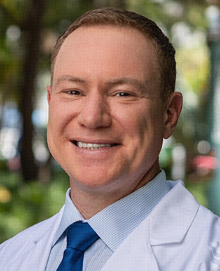 Ricardo Jorge Komotar合作论文数Department of Neurological Surgery, Miller School of Medicine, University of Miami12
 Sima Vazquez合作论文数11Ondrej Choutka合作论文数9
 C. Ferreira合作论文数Univ Minnesota9Alis J Dicpinigaitis合作论文数9Robin Adam合作论文数9
 Ian Lee合作论文数9
 Stuart James Lee合作论文数9Colette Shen合作论文数Dept Radiat Oncol, Univ N Carolina8
 Sauson Soldozy合作论文数University of Miami8L. Sloan合作论文数8Andrea Wasilewski合作论文数8Peach M Sean合作论文数8Floyd John R合作论文数7
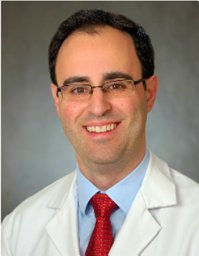 Jared M. Pisapia合作论文数University of Pennsylvania, Hospital of the University of Pennsylvania7
 Shabbar F. Danish合作论文数Department of Neurosurgery, University of Pennsylvania7David Brachman合作论文数Oncology Services Foundation for Cancer Research and Education7Rupesh Kotecha合作论文数7Adam Nowlan合作论文数6David McCracken合作论文数6
 Zacharia Brad E合作论文数Dept Neurol Surg, Columbia Univ6
 Rohan Ramakrishna合作论文数Neurological Surgery, Weill Cornell Medicine, Cornell University6
 Ivan Michael E合作论文数Dept Neurol Surg, Univ Miami6
 Cameron Walter Brennan合作论文数Department of Neurosurgery, Memorial Sloan-Kettering Cancer Center6Meena Jhanwar-Uniyal合作论文数6John A. Boockvar合作论文数6Michael Schulder合作论文数Department of Neurosurgery, North Shore University Hospital6Raul Perez-Olle合作论文数5Charles B. Scott合作论文数5
 Ankita Das合作论文数5
 Vijay Agarwal合作论文数Albert Einstein College of Medicine, Department of Neurological Surgery, Bronx, NY, 10467, USA.5
 Tolga Sursal合作论文数Dept Neurosurg, Westchester Med Ctr5Julian Wu合作论文数5Christina Ng合作论文数5
 Carrie Muh合作论文数Department of Neurological Surgery, Emory University School of Medicine5
 Zabi Wardak合作论文数Puneeth Iyengar, University of Texas Southwestern Medical Center;University of Colorado School of Medicine;University of Texas Southwestern Medical Center, University of Colorado School of Medicine5
 Clark C. Chen合作论文数Department of Neurosurgery, Warren Alpert School of Medicine, Brown University5
 Christian Bowers合作论文数Department of Neurosurgery, University of Utah5
 David W. Andrews合作论文数Department of Biochemistry, Temerty Faculty of Medicine, University of Toronto;Department of Medical Biophysics, Temerty Faculty of Medicine, University of Toronto;Sunnybrook Research Institute5Elder J Bradley合作论文数5
 Gill Brian J合作论文数Departments of Neurological Surgery.5Evans Linton T合作论文数5




