Background and Objectives: This study aimed at developing an AI-based predictive model for live birth based on a combination of a support vector machine (SVM) using clinical and embryological features, together with a convolutional neural network (CNN) using embryo time-lapse videos. Materials and Methods: This was a retrospective cohort analysis. Two hundred fifty-nine infertile couples treated between January 2012 and December 2019, with a total of 2330 embryos, were included in this study, and clinical data and images from 355 transferred embryos were used to build a predictive model. The main outcome was accuracy of live birth prediction. The secondary outcomes included accuracy in the prediction of biochemical pregnancy, clinical pregnancy and transferrable embryos. Results: The model was able to predict the transferrable embryo (i.e., embryos suitable for transfer or cryopreservation) with an accuracy of 0.98 in an internal set. The accuracy for predicting live birth, clinical pregnancy, and biochemical pregnancy exclusively using clinical data as input for an SVM model was 0.67, 0.68, and 0.67, respectively. With six frames from time-lapse embryo development, the CNN produced an accuracy of 0.57, 0.67, and 0.72. The predictive model performed best when combining input from clinical data and images from multiple embryo developmental frames, obtaining 0.71, 0.73, and 0.77 for predicting live birth, clinical pregnancy, and biochemical pregnancy. Conclusions: This study highlights the potential of combining clinical data and embryo development images to enhance predictive models in reproductive medicine.
STUDY QUESTION:Does adjuvant growth hormone (GH) therapy in GnRH antagonist cycles improve reproductive outcomes in the general IVF population? SUMMARY ANSWER:Empiric adjuvant GH therapy in GnRH antagonist cycles does not improve IVF stimulation results or reproductive outcomes, including implantation, miscarriage, and clinical pregnancy rates. WHAT IS KNOWN ALREADY:Previous evidence regarding the benefits of GH therapy in IVF cycles has been inconclusive due to the lack of well-designed, large-scale randomized controlled trials (RCTs) in the general IVF population. STUDY DESIGN, SIZE, DURATION:This is a phase III open-label RCT involving 288 patients undergoing antagonist IVF cycles at the Ovo clinic in Montreal, Canada, between June 2014 and January 2020. Patients were randomly assigned at a 1:1 ratio to either the GH or control group. The intervention group received daily 2.5 mg subcutaneous injections of GH from Day 1 of ovarian stimulation until the day of oocyte retrieval, while the control group received standard ovarian stimulation without any adjuvant therapy. PARTICIPANTS/MATERIALS, SETTING, METHODS:Patients were expected normal responders. All embryo transfers, both fresh and frozen, resulting from the studied IVF cycle were included in an intention-to-treat and per-protocol analyses. The primary outcome was the clinical pregnancy rate, while secondary outcomes included the number of retrieved oocytes, good-quality embryos, maturation, fertilization, implantation, and miscarriage rates. MAIN RESULTS AND THE ROLE OF CHANCE:A total of 288 patients were recruited and randomly assigned at a 1:1 ratio to either the GH or the control group. After excluding cycle cancellations and patients who did not undergo transfer, 105 patients remained in each group. The overall mean age was 38.0 years, the mean BMI was 25.11 kg/m2 and the mean anti-Müllerian hormone was 2.51 ng/ml. The cycle characteristics were similar between both groups. No differences were observed regarding the total dose of gonadotropins (4600 versus 4660 IU for the GH and control groups, respectively, P = 0.752), days of stimulation (11.4 versus 11.7 days, P = 0.118), and endometrial thickness (10.63 versus 10.94 mm, P = 0.372). Both the intention to treat (ITT) and per protocol analyses yielded similar results for stimulation outcomes. In the ITT analysis, no differences were found in the number of follicles ≥15 mm (7.8 versus 7.1, P = 0.212), retrieved oocytes (11.7 versus 11.2, P = 0.613), mature oocytes (8.5 versus 8.6, P = 0.851), maturation rate (73.8 versus 78.4%, P = 0.060), fertilization rate (64.3 versus 67.2%, P = 0.388), and good quality embryos (2.5 versus 2.6, P = 0.767). Reproductive outcomes in fresh embryo transfer showed no difference for implantation rate (38.2 versus 39.5%, P = 0.829), miscarriage rate (26.5 versus 31.1%, P = 0.653), clinical pregnancy rate (43.6 versus 50.0%, P = 0.406, rate difference, 95% CI: -0.06 [-0.22, 0.09]), and live birth rate (32.1 versus 33.3%, P = 0.860). The number of embryos needed to achieve a clinical pregnancy was 3.0 versus 2.5 in the GH and control groups, respectively. Similarly, reproductive outcomes in first frozen embryo transfer showed no difference for implantation rate (31.6 versus 45.3%, P = 0.178), miscarriage rate (28.6 versus 26.3%, P = 0.873), clinical pregnancy rate (35.1 versus 44.2%, P = 0.406, P = 0.356, rate difference, 95% CI: -0.09 [-0.28, 0.10]), and live birth rate (22.8 versus 32.6%, P = 0.277). The number of embryos needed to achieve a clinical pregnancy was 3.1 versus 2.4 in the GH and control groups, respectively. LIMITATIONS, REASONS FOR CAUTION:The study focused on expected normal responders, limiting its applicability to other patient populations such as poor responders. WIDER IMPLICATIONS OF THE FINDINGS:These findings suggest that adding GH therapy to ovarian stimulation in GnRH antagonist cycles may not benefit the general IVF population. Additional high-quality RCTs are warranted to identify subgroups of patients who might benefit from this treatment. STUDY FUNDING/COMPETING INTEREST(S):EMD Serono Inc., Mississauga, Canada, supplied Saizen® for the study, free of charge. In addition, they provided funding for the statistical analysis. I-J.K. declares grants or contracts from Ferring Pharmaceuticals, consulting fees from Ferring Pharmaceuticals, honoraria from Ferring Pharmaceuticals and EMD Serono, support for attending meetings or travel from Ferring Pharmaceuticals and EMD Serono, participation on a Data Safety Monitoring Board or Advisory Board for Ferring Pharmaceuticals, and stock or stock options from The Fertility Partners; W.J. declares support for attending meetings or travel from EMD Serono; and S.P. declares stock or stock options from The Fertility Partners. All other authors have no conflicts of interest to disclose. TRIAL REGISTRATION NUMBER:NCT01715324. TRIAL REGISTRATION DATE:25 October 2012. DATE OF FIRST PATIENT’S ENROLMENT:25 June 2014.
Autoimmune hemolytic anemia (AIHA) is a systemic condition associated with inflammation and oxidative stress, both of which can negatively affect reproductive outcomes. Bilirubin, a byproduct of hemolysis, has been implicated in oocyte maturation and embryogenesis. We present the case of a 31-year-old patient with primary infertility who was known with AIHA. She had a total bilirubin level of 60 µmol/L prior to the first stimulation cycle, which was associated with yellowish pigmentation of the cumulus cells, poor oocyte quality, and no blastocyst formation. The decline in the total bilirubin level to 48 µmol/L after prednisone therapy of 60 mg daily for three months led to improved cumulus cell appearance and enhanced oocyte and embryo quality in the second stimulation cycle. A successful pregnancy was achieved following frozen blastocyst transfer in a natural cycle. This case underscores the importance of individualized assessment and the careful interpretation of elevated bilirubin levels in the context of assisted reproductive technology, as systemic conditions may potentially impact reproductive success.
INTRODUCTION:Failed oocyte pick-up (FOPU) is the absence of oocyte retrieval from mature follicles after ovulation induction in in vitro fertilization (IVF) cycles. The incidence of FOPU is rare in IVF cycles. METHODS:This retrospective cohort single-center study compared a 36-hour time interval between a second trigger and ovum pick-up (OPU) in FOPU and a 24-hour time interval between a second trigger and OPU in FOPU. In total, 62 couples with FOPU between July 2011 and April 2024 were included in the study. Of the 62 patients included, 49 underwent a 36-hour time interval between trigger and OPU (group 1), and 13 couples underwent a 24-hour time interval between trigger and OPU (group 2). The primary outcome measured was oocyte retrieval, and the secondary outcomes were fertilization, blastocyst, and pregnancy rates. RESULTS:We compared 49 patients from group 1 and 13 from group 2. After a 36-hour time interval, oocyte retrieval in group 1 was significantly higher than that in group 2 (8.3 ± 5.7 versus 2.7 ± 3.8, p < 0.001). Furthermore, fertilization, blastocyst, and pregnancy rates were significantly higher in group 1 than in group 2, respectively (61% versus 13.8%, p < 0.001; 32.8% versus 0%, p < 0.001; and 37.8% versus 0%, p < 0.001). CONCLUSION:Strong evidence for overcoming primary impaired oocyte retrieval is still lacking in the literature. However, a 36-hour time interval between a second trigger and OPU seems ideal for FOPU cases. Therefore, communication between the physician and embryologist is crucial during OPU to detect such cases, especially in couples with a history of FOPU.
Background/Objectives: Intrauterine insemination (IUI) is a common first-line approach in the treatment of numerous infertile couples, especially in cases of unexplained infertility. Its relatively low success rate, however, could benefit from the development of AI-based support tools to predict its outcome, thus helping the clinical management of patients undergoing IUI cycles. Our objective was to develop a robust and accurate machine learning model that predicts pregnancy outcomes following IUI. Methods: A retrospective, observational, and single-center study was conducted. In total, 3535 couples (aged 18-43 years) that underwent IUI between January 2011 and December 2015 were recruited. Twenty-one clinical and laboratory parameters of 9501 IUI cycles were used to train different machine learning algorithms. Accuracy of pregnancy outcome was evaluated by an area under the curve (AUC) analysis. Results: The linear SVM outperformed AdaBoost, Kernel SVM, Random Forest, Extreme Forest, Bagging, and Voting classifiers. Pre-wash sperm concentration, the ovarian stimulation protocol, cycle length, and maternal age were strong predictors of a positive pregnancy test following IUI (AUC = 0.78). Paternal age was found to be the worst predictor. Conclusions: Our Linear SVM model predicts a positive pregnancy outcome following IUI. Although this model shows value for the clinical management of infertile patients and informed decision-making by the patients, further validation using independent datasets is required prior to clinical implementation.
PROBLEM:A proportion of patients with unexplained recurrent implantation failure (uRIF) may have endometrial immune dysregulation amenable to treatment. Ultimpro (Matrice lab Innove, Paris, France) is an endometrial immunophenotype test which identifies the absence or presence and type of immune dysregulation, proposing personalized protocol adjustments for a future embryo transfer (ET). METHOD OF STUDY:2.5-year single-center retrospective cohort analysis of 121 patients who underwent Ultimpro testing as a pilot study (January 2021-May 2023). Group 1 included 93 patients with uRIF, and Group 2 included 28 patients without RIF. Outcomes from Group 1 were compared to Group 3, a control cohort of 94 uRIF patients, outcomes for Group 2 were compared to Canadian average ongoing pregnancy rates (OPR) per ET. Primary outcome was pregnancy >32 weeks or live birth. Statistical analyses included the Student t-test or Mann-Whitney U test for continuous variables and the Fisher exact test for categorical data. RESULTS:In Group 1, 46/93 (49.5%) patients had a successful pregnancy compared to control (31/94 [33%], p = 0.026); when stratifying for RIF severity, patients with ≥ 5 failed blastocyst transfers benefitted most from Ultimpro (21/38 [55.3%] vs. control 5/25 (20.0%), p = 0.0084). In Group 2, rates of OPR per ET with Ultimpro recommendations did not differ from outcomes for non-RIF patients (9/28 [32.1%]; 95% CI: 0.15-0.52 vs. 46.2%). CONCLUSIONS:In patients with uRIF, our preliminary findings suggest that application of Ultimpro recommendations was associated with a higher rate of successful outcomes; this was not the case for patients without RIF. These findings provide the rationale for an independent randomized controlled trial evaluating the large-scale use of Ultimpro in patients with uRIF.
INTRODUCTION AND AIM:Physiological oocyte activation requires a synergy between the oocyte and sperm to release calcium (Ca2+) through oscillations. The absence of such synergy between the oocyte and sperm leads to a negative impact on oocyte activation. Artificial oocyte activation (AOA) can be performed by mechanical, chemical, or electrical approaches. Studies have shown that AOA is helpful in cases of fertilization failure or low fertilization rate, especially in couples with globozoospermia. However, mixed opinions are present on the effect of AOA on blastocyst rate. Thus, this study aimed to investigate the effect of AOA on blastocyst rate in patients with poor or no blastocyst development on their previous In Vitro Fertilization-Intracytoplasmic Sperm Injection (IVF-ICSI) attempt. METHODS:This retrospective cohort single-center study compared intracytoplasmic sperm injection (ICSI) AOA cycles with previous conventional ICSI cycles, and conventional ICSI without AOA cycles with previous conventional ICSI cycles in couples with failed or low blastocyst rates (<30%) in the original ICSI cycle. In total, 54 couples with suboptimal blastocyst development between January 2018 and October 2023 were included in the study. Twenty-two couples underwent an ICSI-AOA cycle consisting of calcium ionophore (GM508-CultActive) exposure on their second cycle, and 32 couples underwent conventional ICSI without an AOA cycle on their second cycle. The primary outcome measured was blastocyst rate, and secondary outcomes were the percentage of patients without usable embryos, oocyte maturation, fertilization, and pregnancy rates. RESULTS:We compared 22 AOA cycles to previous conventional ICSI cycles in the same patients and 32 conventional ICSI cycles without AOA to previous conventional ICSI cycles in the same patients. After AOA, the blastocyst rate was not significantly higher than the control group (48% versus 29%, p=0.19). Conversely, the blastocyst rate was significantly higher in the conventional ICSI without AOA cycles than in the control group (48% versus 24%, p=0.04). The fertilization rate and the percentage of patients without usable embryos were not statistically significant between the first and second cycles in both groups. CONCLUSION:The literature still lacks strong evidence for AOA overcoming impaired embryonic development. Therefore, AOA remains reserved for couples with a failed or low fertilization history to improve fertilization results. Optimal laboratory conditions and ovarian stimulation modifications without AOA may improve blastocyst rates. Further research is needed to validate our findings due to the presence of confounding factors, small sample size, and retrospective design of the study.
The objective of the study was to investigate the relationship between advanced paternal age and sperm DNA fragmentation (SDF) levels, specifically identifying the age at which a significant increase in SDF occurs. This is a retrospective cohort study involving 4250 consecutive semen samples from patients presenting for infertility evaluation. Patients were stratified into seven age groups: < 26 (n = 36; 0.8 %), 26-30 (n = 500; 11.8 %), 31-35 (n = 1269; 29.9 %), 36-40 (n = 1268; 29.8 %), 41-45 (n = 732; 17.2 %), 46-50 (n = 304; 7.2 %), > 50 (n = 141; 3.3 %). The main outcome measures included comparing mean SDF levels throughout different age groups and assessing the prevalence of normal, intermediate, and high SDF among the age groups. A positive correlation was observed between paternal age and SDF (r = 0.17, p < 0.001). SDF remained relatively constant until the age of 35 but increased significantly beyond age 35. Mean SDF levels in the older age groups (36-40, 41-45, 46-50, and >50 years) were significantly higher than in the younger age groups (<26, 26-30, and 31-35 years) (p < 0.001). The prevalence of normal SDF was highest among the younger age groups, whereas the prevalence of high SDF was highest among the older age groups. Interestingly, the prevalence of intermediate SDF was relatively constant throughout the age groups (ranging between 29.8 % to 37.2 %). The increase in SDF after the age of 35 highlights the importance of considering male age in infertility evaluations. Assessing SDF in men over the age of 35 is crucial in couples seeking to conceive.
Abstract The effectiveness of intravenous immunoglobulin (IVIg) for patients with unexplained recurrent implantation failure (uRIF) remains debated. We retrospectively analysed outcomes of uRIF patients treated with IVIg compared to a separate control uRIF cohort within our center (01/2014–12/2021). Primary outcomes included live birth, miscarriage, or transfer failure. We documented IVIg side effects and maternal/fetal outcomes. Logistic regression analysis was used to assess for association of IVIg exposure with outcomes and adjust for confounders. The study included 143 patients, with a 2:1 ratio of controls to patients receiving IVIg treatment. Patient characteristics were similar between groups. There was higher live birth rate (LBR) in patients receiving IVIg (32/49; 65.3%) compared to controls (32/94; 34%); p < 0.001). When stratifying patients into moderate and severe uRIF (respectively 3–4 and $$\ge$$ ≥ 5 previous good quality blastocyst transfer failures), only patients with severe uRIF benefited from IVIg (LBR (20/29 (69%) versus 5/25 (20%) for controls, p = 0.0004). In the logistic regression analysis, IVIg was associated with higher odds of live birth (OR 3.64; 95% CI 1.78–7.67; p = 0.0004). There were no serious adverse events with IVIg. IVIg can be considered in well selected patients with $$\ge$$ ≥ 5 previous unexplained, high quality blastocyst transfer failures. A randomized controlled trial is needed to confirm these findings.
You have accessJournal of UrologyCME1 Apr 2023MP43-05 TESTICULAR SPERM ASPIRATION (TESA) VS. MICROFLUIDIC SPERM SEPARATION (MSS) IN COUPLES WITH HIGH SPERM DNA FRAGMENTATION UNDERGOING ICSI: WHICH APPROACH IS BETTER? Rabea Akram, Karen Kteily, Michael Maalouf, Ahmad Alshammari, Simon Phillips, and Armand Zini Rabea AkramRabea Akram More articles by this author , Karen KteilyKaren Kteily More articles by this author , Michael MaaloufMichael Maalouf More articles by this author , Ahmad AlshammariAhmad Alshammari More articles by this author , Simon PhillipsSimon Phillips More articles by this author , and Armand ZiniArmand Zini More articles by this author View All Author Informationhttps://doi.org/10.1097/JU.0000000000003289.05AboutPDF ToolsAdd to favoritesDownload CitationsTrack CitationsPermissionsReprints ShareFacebookLinked InTwitterEmail Abstract INTRODUCTION AND OBJECTIVE: Testicular sperm aspiration (TESA) and microfluidic sperm separation (MSS) are modalities designed to select the best sperm quality for intra-cytoplasmic sperm injection (ICSI) in men with poor sperm DNA integrity. We sought to investigate and compare reproductive outcomes in couples with a high sperm DNA fragmentation index (DFI) using TESA-ICSI or MSS-ICSI. METHODS: We conducted a retrospective study of consecutive infertile couples with high DFI who underwent ICSI using TESA, or MSS. Couples were divided into 3 subgroups based on sperm DFI results (20-29%, ≥30-39% and ≥40% DFI). Sperm DFI was determined by flow cytometry based TUNEL assay (terminal deoxynucleotidyl transferase-mediated dUTP nick end-labeling). We utilized the ZyMōt® microfluidic sperm selection device. We excluded cycles with advanced maternal age (>40 years) and included cycles with transfer of day 5 blastocysts. RESULTS: After excluding cycles with advanced maternal age and those that did not proceed to day 5 blastocyst transfer, we identified 66 couples in the TESA cohort and 73 couples in the MSS cohort. Maternal age was not significantly different in the TESA vs. the MSS cycles in any of the DFI subgroups. However, paternal age was significantly higher in the TESA than in the MSS cycles within the 20-29% and 30-39% DFI subgroups (Table 1). There were no significant differences in pregnancy rates per embryo transfer in any of the DFI subgroups, However, live birth rates were higher in the MSS vs. the TESA cycles in the 20-29% DFI group. A trend toward higher live birth rates in the TESA vs. MSS cycles in the ≥40% DFI subgroup was noted (Table 1). CONCLUSIONS: TESA-ICSI and MSS-ICSI offer similar pregnancy rates per embryo transfer in couples with high DFI although MSS may be a better option than TESA in terms of live birth rates in couples with DFI in the 20-29% range. Larger studies are needed to define the optimal use of these sperm selection modalities in the treatment of couples with high DFI. Source of Funding: None © 2023 by American Urological Association Education and Research, Inc.FiguresReferencesRelatedDetails Volume 209Issue Supplement 4April 2023Page: e602 Advertisement Copyright & Permissions© 2023 by American Urological Association Education and Research, Inc.MetricsAuthor Information Rabea Akram More articles by this author Karen Kteily More articles by this author Michael Maalouf More articles by this author Ahmad Alshammari More articles by this author Simon Phillips More articles by this author Armand Zini More articles by this author Expand All Advertisement PDF downloadLoading ...
Research question: What is the efficacy and safety of individualized follitropin delta dosing for ovarian stimulation in intrauterine insemination (IUI)? Design: This single-centre, prospective, open-label, single-cohort study involving 106 patients established an original dosing regimen based on body weight and anti-Mueurollerian hormone (AMH) concentrations, with adjustments based on the ovarian response from the previous IUI cycle. Each participant was enrolled in a maximum of three IUI cycles. Results: Mean age was 34.5 +/- 4.5 years, mean weight 69.2 +/- 11.2 kg, mean AMH 15.7 +/- 8.6 pmol/l, mean FSH 6.3 +/- 2.6 IU/l and mean antral follicle count 16.4 +/- 8.2. The percentage of patients who produced more than three mature follicles was 1.9%, 0% and 1.5%, respectively, for the three IUI cycles. The percentage of patients with two or three mature follicles was 34.0%, 36.9% and 47.1% for the three IUI cycles. The clinical pregnancy rate per IUI cycle was 17.9%, 14.3% and 17.6% for the three cycles, with a cumulative clinical pregnancy rate of 40.6%. Out of 258 cycles, 43 (16.7%) resulted in clinical pregnancy, with six of those resulting in multiple pregnancies (14.0%). Two resulted in spontaneous reduction within the first trimester and four resulted in live twin births, representing only 1.6% of the total cycles. Conclusions: This study is the first to utilize follitropin delta for stimulation in IUI. It demonstrates that individualized dosing is both effective and safe, resulting in satisfactory cumulative pregnancy rates and an acceptable multiple pregnancy rate, thus achieving the primary objectives of the research.
Abstract Study question What is the impact of advanced paternal age (APA) on sperm DNA fragmentation index (DFI)? Summary answer Sperm DFI levels remain relatively stable until the age of 35 and increase progressively beyond that age. What is known already APA can have a negative impact on male fertility and the health of offspring. Previous studies have shown that APA is linked to poor conventional sperm parameters, including decreased semen volume, sperm count, motility, morphology, as well as poor sperm DNA integrity. Additionally, APA has been associated with reduced natural or assisted reproduction and perinatal outcomes and a higher risk of genetic and chromosomal abnormalities in the offspring. Study design, size, duration A retrospective cohort study of 4250 consecutive semen samples from men undergoing infertility evaluation at the OVO clinic, in Montreal, Canada, between April 2016 and December 2022. Participants were stratified into seven age groups: <26 (n = 36; 0,8%), 26-30 (n = 500; 11,8%), 31-35 (n = 1269; 29,9%), 36-40 (n = 1268; 29,8%), 41-45 (n = 732; 17,2%), 46-50 (n = 304; 7,2%), >50 years (n = 141; 3,3%). The mean age was 37.4 ± 6.4 years (range 18-71 years). Participants/materials, setting, methods The study was population-based and included male patients from all ages, ethnicities, and medical histories. Semen samples were collected after 2-3 days of abstinence. For patients who underwent more than one DFI testing, only the first sample was included, and any duplicates were excluded. DFI was evaluated by flow-cytometry based TUNEL assay using the APO-Direct Kit. Data were analyzed using one-way ANOVA and T3 Dunnett post-hoc multiple comparison test, as well as Pearson’s correlation coefficient. Main results and the role of chance The results show a significant positive correlation between %DFI and age (r = 0.19, p < 0.001). Mean %DFI levels were relatively stable in men aged <26 to 35 years (17.9%, 18.1% and 18.1% in men aged <26, 26-30 and 31-35, respectively), with %DFI increasing progressively beyond age 35 (20.7%, 22.5%, 25.7% and 27.9% in men aged 36-40, 41-45, 46-50 and >50, respectively). The mean %DFI in the 36-40 age group was significantly higher than in the 31-35 age group (p < 0,001). Our study has uncovered that %DFI follows an exponential curve starting at age 35, indicating that the %DFI accelerates significantly as men age beyond their mid-30s. Limitations, reasons for caution This retrospective analysis has inherent limitations that may introduce confounding variables. The patient clinical background, such as medical history and lifestyle factors was not assessed. Also, the studied cohort consisted of a population under investigation for infertility and may not be representative of the general male population. Wider implications of the findings The study demonstrates the age-related increase in sperm %DFI and suggests that there may be an age cut-off below which sperm %DFI is stable and beyond which sperm %DFI increases. This information may be useful to medical specialists that offer sperm DNA testing to infertile couples. Trial registration number not applicable
ABSTRACT Objective To identify the subset of the in vitro fertilization (IVF) population suitable for minimal monitoring by implementing a novel dosing regimen. Methods A retrospective study conducted between April 2021 and August 2022. Eligible participants were aged 18 or older, had undergone IVF stimulation using an antagonist protocol, and were prescribed a combination of follitropin delta and human menopausal gonadotropin. The dosage was either based on a patient-specific dosing regimen developed by the ovo clinic utilizing weight and AMH levels (Group 1, n=356) or determined through clinical evaluation by the physician (Group 2, n=358). On day 6, ultrasound and serum hormone analyses were performed, with adjustments made solely to the menotropin dosage in necessary. Results The study enrolled a total of 714 patients. In Group 1, 80,3% of patients were stimulated at maximal doses compared to 14,5% in Group 2. No cases of moderate or severe cases of ovarian hyperstimulation syndrome (OHSS) were recorded. The frequency of dose adjustments before day 10 was minimal. Patients treated with non-maximal doses according to the dosing regimen showed significantly fewer adjustments on day 6 compared to those treated according to physician’s assessment (24.6% versus 46.9%, p<0.001). Among this subgroup, OHSS risk was observed in 30.4% of cases. Conclusion Our innovative dosing regimen suggests that initial monitoring on day 10 would suffice for IVF patients with low ovarian reserve undergoing maximal stimulation.
The purpose of this study was to identify if switching from intramuscular (IM) to vaginal progesterone compared to staying on IM progesterone after a positive pregnancy test following embryo transfer (ET) is associated with miscarriage risk. A retrospective cohort study was performed in a private university-affiliated fertility clinic and included women aged 18–50 years with a positive pregnancy test following ET. The two groups studied were: women who stayed on IM progesterone following a positive pregnancy test and those who switched to vaginal progesterone after a positive test. The main outcome measured was risk of miscarriage < 24 weeks gestation as a proportion of non-biochemical pregnancies. 1988 women were included in the analysis. Among the baseline characteristics, the presence of prior miscarriages as well as prior failed ETs, and frozen cycles (vs fresh) as type of transfer were associated with IM progesterone use (p values ≤ 0.01). As per miscarriage risk < 24 weeks, 22.4% (274/1221) of patients in the IM progesterone group experienced a miscarriage compared with 20.7% (159/767) in the vaginal progesterone group (OR 0.90; 95% CI 0.73–1.13). A multivariable logistic regression model revealed an adjusted OR (aOR) of 0.97 (95% CI 0.77–1.22). This study suggests that switching from IM to vaginal progesterone after a positive pregnancy test following an ET is not associated with miscarriage risk. Considering that IM progesterone imposes substantial discomfort, this study offers reassurance and some flexibility in treatment protocols. Further prospective studies are necessary to corroborate the results of this study.
Abstract The effectiveness of intravenous immunoglobulin (IVIg) for patients with unexplained recurrent implantation failure (uRIF) remains debated. The objective of this study was to evaluate outcomes in patients with uRIF treated with intravenous immunoglobulin (IVIg) compared to a separate cohort of uRIF patients not receiving IVIg within our center. We performed a retrospective cohort study defining uRIF as \(\ge\) 3 unexplained previously failed high quality blastocyst transfer failures in patients with a body mass index < 35, aged < 42, non-smoking, with >7mm type I endometrium at time of transfers. Primary outcomes included live birth, miscarriage, or transfer failure. We documented IVIg side effects and maternal/fetal outcomes. Logistic regression analysis was used to assess for association of IVIg exposure with outcomes and adjust for confounders. The study included 143 patients, with a 2:1 ratio of controls to patients receiving IVIg treatment. The baseline characteristics were similar between groups. There was higher live birth rate (LBR) in patients receiving IVIg (32/49; 65.3%) compared to controls (32/94; 34%); p < 0.001). When stratifying patients into moderate and severe uRIF (respectively 3–4 and \(\ge\) 5 previous good quality blastocyst transfer failures), only patients with severe uRIF benefited from IVIg (LBR (20/29 (69%) versus 5/25 (20%) for controls, p = 0.0004). In the logistic regression analysis, IVIg was associated with a higher odds of live birth (OR 3.64; 95% CI: 1.78–7.67; p = 0.0004). There were no serious adverse events with IVIg. In conclusion, it is reasonable to consider IVIg in well selected patients with \(\ge\) 5 previous unexplained, high quality blastocyst transfer failures. A well-designed randomized controlled trial is needed to confirm these findings.
Abstract Study question Is there a mixed ovarian stimulation antagonist protocol for IVF that obtains more good quality blastocysts with less cost? Summary answer Mixed protocol of HP-hMG and follitropin delta obtains a significantly more good quality blastocysts with significantly lower cost per embryo obtained. What is known already FSH and LH are used for controlled ovarian stimulation (COS) to increase the number of oocytes produced in IVF. Determination of a stimulation protocol and FSH dosage is generally established by the physician based on the patient’s age, body weight and ovarian reserve profile. Mixed protocols (concomitant HP-hMG and rFSH) for ovarian stimulation have been used to obtain better quality oocytes and embryos and thus, higher pregnancy rates compared to the use of rFSH alone. However, to date no data exist comparing cost-effectiveness of mixed protocols using different rFSH preparations. Study design, size, duration This is a cost-effectiveness analysis of the retrospective cohort study encompassing COS for IVF with 3 different mixed protocols performed between January 2018 and September 2019 in 2 fertility clinics. The 267 subjects evaluated were between 18 and 42 years of age and were divided into 3 groups of 89 subjects each according to the rFSH used: group A follitropin alfa; group B follitropin beta and group D follitropin delta. Participants/materials, setting, methods HP-hMG was used in all three groups while different rFSH was prescribed. All three groups used an antagonist protocol. IVF or intra-cytoplasmatic sperm injection (ICSI) was used as clinically indicated. Resulting embryos were cultured until day 5 or 6. The dose of gonadotropins used, the number of mature oocytes (MII), the number of utilizable blastocysts and the FSH/blastocyst ratio were evaluated. For cost-effectiveness analysis we used prices accepted by the provincial healthcare system in Quebec. Main results and the role of chance The mean age of subjects was 34.62 years (± 3.74) and weight 71.65 kg (± 14.61). No significant differences were observed in age or weight among groups. Since follitropin delta is administered in micrograms, the comparison between rFSH preparations was performed using dose equivalence between (10 µg follitropin delta) and (150 IU follitropin alpha and beta). Statistically significant differences were observed among groups in mean total dose of FSH (IU) (A = 4269 IU vs. B = 3947 IU vs. D = 3713 IU, p = 0.01), and number of days of stimulation (A = 11.6 vs. B = 10.6 vs. D = 11.4, p < 0.01). Group D used less gonadotropins despite a longer stimulation. No statistically significant differences were observed in the number of MII oocytes. However, the number of good quality utilizable blastocysts was significantly higher in group D (4.8) than in group A (3.9) or B (3.6). The FSH/blastocyst ratio was significantly lower in group D (370) than in the other groups (A = 541, B = 653). The total price per cycle was similar (A= $4,028 vs. B= $3,649 D= $3,740), however the price per embryo obtained was significantly lower in group D ($779) than in the other groups (A= $1,033, B= $1,014). Limitations, reasons for caution The limitation of this cost-effectiveness analysis is the retrospective nature of the study. Wider implications of the findings Our analysis demonstrates that the price per cycle was similar between the groups, however the price per embryo obtained was significantly lower in group D compared to the other groups. This gives follitropin delta an advantage in terms of cost-effectiveness. Trial registration number NA
To determine the efficacy and safety of adjuvant growth hormone (GH) therapy in GnRH antagonist cycles on reproductive outcomes in the general In-Vitro fertilization (IVF) population.
Abstract Study question Would a personalized dosing regimen of follitropin delta based on AMH and body weight allow better management of women’s IUI cycle? Summary answer A personalized regimen of follitropin delta based on AMH and body weight has increased pregnancy rate without having increased multiple pregnancies in our studied population. What is known already IUI has been widely used as a common treatment for infertile couples due to its simplicity and low cost. Some studies have shown that cumulative live birth rate (LBR) can be increased by use of controlled ovarian stimulation. A recent meta-analysis reported that a protocol based on exogenous gonadotropins increases the LBR. Hence, this technique remains a treatment option reaching a LBR ranging from 8.5 to 12.2%. Nevertheless, this increase in LBR is associated with a non-negligible rate of adverse events, including ovarian hyper-stimulation syndrome (OHSS) and multiple pregnancies (7.2% - 9% of twins and 0.4% - 0.5% of triplets). Study design, size, duration This prospective, phase 2, open-label study enrolled 110 women 18 - 42 years of age from January 2020 to January 2021. Participants had received up to 3 IUIs. The primary efficacy variable was the number of cycles where target number of 2 or 3 mature follicles (MII) were reached. The secondary objective and safety variable were the incidence of cycle cancellations, the clinical pregnancy rate and the proportion of multiple pregnancies over 3 consecutive cycles. Participants/materials, setting, methods Follitropin delta dosing algorithm is modeled to achieve 8-14 oocytes in IVF cycles. To achieve 2-3 mature follicles, the algorithmically derived dose was divided by 4. Follitropin delta adjustment for subsequent IUIs were based on number of MII at previous IUI and age. Dose modification was made when excessive or no response were observed at stimulation day 8 during ultrasound monitoring. If urine pregnancy test was positive, a viability ultrasound was prescribed at 6-8 weeks. Main results and the role of chance Descriptive statistics were used in this proof-of-concept study. The mean age of all subjects was 34.46 years (± 4.5). The mean weight was 69.2 kg (± 11.24), AMH - 3.84 ng/ml (± 13), FSH - 6.3 IU (± 2.61), antral follicular count - 15 (± 8.6). The mean number of years of infertility was 2.48 ± 3.57. The percentage of patients who obtained 2 or 3 follicles during the 3 consecutive IUI was 34%, 37% and 47% respectively. The percentage of patients who reached ≥3 follicles was 1.9%, 0% and 1.4% respectively, demonstrating the ability of the proposed dosing regimen to achieve the desired goal. The percentage of cycle cancelation was stable throughout the 3 cycles: 8.5%, 2.4% and 8.8% respectively. Only 6 multiple pregnancies over 40 clinical pregnancies (15%) were observed, showing the proposed dosing regimen’s safe approach. The cumulative clinical pregnancy rate over the 3 cycles among patients completing the study was 37.7%, and the cumulative live birth rate (calculated ad hoc, as it was not part of the study protocol) was 33%, leading to the personalized dosing regimen proposed in this study to be considered for use in clinical practice. Limitations, reasons for caution The study’s limitations are its exploratory nature, open-label design and small sample size. Wider implications of the findings PITS study is the first one using follitropin delta for stimulation in intra-uterine insemination. It confirms the initial hypothesis of a potential benefit of a personalized dosing regimen of follitropin delta. A larger, randomized controlled study will be needed to confirm these initial findings. Trial registration number NCT03830723
 Isaac-Jacques Kadoch合作论文数OVO Fertility Clinic70
 Francois Bissonnette合作论文数44
 Louise Lapensée合作论文数22
 Robert Hemmings合作论文数Department of Obstetrics & Gynecology, Faculty of Medicine and Health Sciences, McGill University15Wael Jamal合作论文数15Antaki Roland合作论文数14
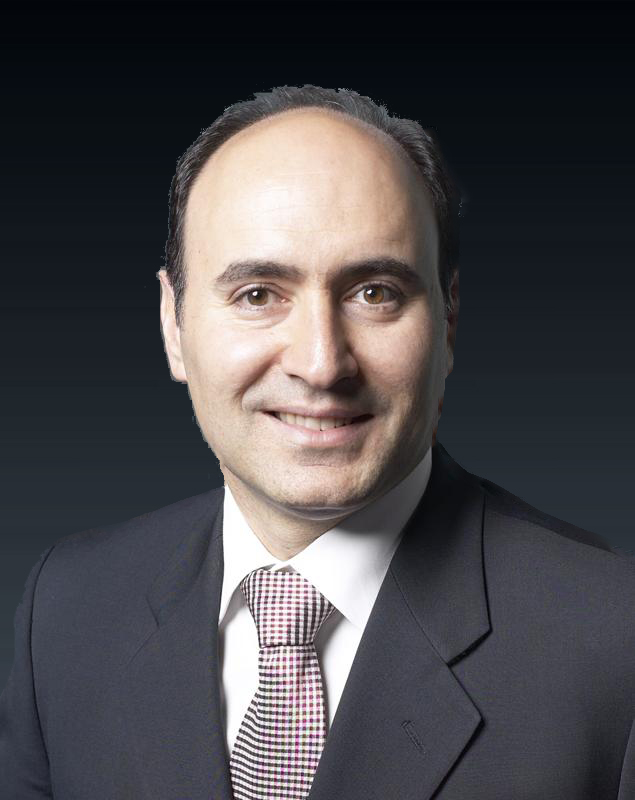 Armand Zini合作论文数Department of Surgery, Faculty of Medicine and Health Sciences, McGill University/Division of Urology, St. Mary's Hospital, McGill University13
 Maria P. Velez合作论文数12Samir Hamamah合作论文数9C. Sylvestre合作论文数9A Zini合作论文数8
 William Buckett合作论文数Department of Obstetrics & Gynecology, Faculty of Medicine and Health Sciences, McGill University8R Hemmings合作论文数6Khalid Alrabeeah合作论文数Department of Surgery, McGill University6Bernard Couturier合作论文数6S. L. Tan合作论文数6n dean合作论文数5Holzer Hananel合作论文数5N. Mahutte合作论文数5e himaya合作论文数4
 Lise Preaubert合作论文数4Talya Shaulov合作论文数4P. St-Michel合作论文数4
 Seang Lin Tan合作论文数Department of Obstetrics & Gynecology, Faculty of Medicine and Health Sciences, McGill University4Delrieu Delphine合作论文数4Annick Courchesne合作论文数4J Gunby合作论文数4Maria San Gabriel合作论文数4Nicola Dean合作论文数4f dzineku合作论文数3C. Le Saint合作论文数3
 Genevieve Genest合作论文数3Camille Grysole合作论文数3
 Alice Fournier合作论文数CHU de Montpellier, université de Montpellier3J. N. Gouze合作论文数3
 Marc Beltempo合作论文数Division of Epidemiology, Biostatistics and Occupational Health, School of Population and Global Health, Faculty of Medicine and Health Sciences, McGill University3
 Shauna L Reinblatt合作论文数3Gala Anna合作论文数3Lehmann Pierre合作论文数3
 Tim Child合作论文数Nuffield Department of Women's & Reproductive Health, University of Oxford3Neal G. Mahutte合作论文数3
 Michael H. Dahan合作论文数Department of Reproductive Medicine;University of California , San Diego;Department of Reproductive Medicine, University of California , San Diego3Jacques Kadoch合作论文数3Josee Lefebvre合作论文数3j saumet合作论文数2N. L. Dean合作论文数2P. Kastrop合作论文数2Eva Kadoch合作论文数2C. Grysole合作论文数2




