Validation of the hits identified in the tumour suppressor genes (TSG) siRNA screen.
Treatment of BRAFMT CRC in vitro and mouse models with BOLD-100, AZD6738 or combination.
BOLD-100 regulates apoptosis through BRAFMT-dependent AhR/CYP1A1/ROS/ATR axis activation.
Background:Identification of the consensus molecular subtypes (CMS) opened significant potential for understanding the tumor biology and intertumoral heterogeneity of colorectal cancer (CRC). However, molecular subtyping in CRC traditionally relies on bulk transcriptomics, therefore, lacks spatial and single-cell level aspect. Methods:We constructed tissue microarrays using tumor cores from 222 CRC patients. Arrays were stained and imaged using 54 cell identity and cancer hallmark markers, delivering spatially resolved protein profiles of >2 million cells. RNA sequencing data and CMS classification were also available for these patients. After segmentation of cancer, stromal and immune cells, we investigated intratumoral heterogeneity within CMS subtypes using spatially resolved single-cell protein profiling (>2 million cells). We compared cell types, their spatial organization and their expression of cancer hallmark-related proteins in CMS 1-4 subtypes. Results:We revealed tissue atlases illustrating the cell types/states, spatial heterogeneity, cellular neighborhoods, cellular network, and single-cell protein profiles of CMS tumors. CMS1 tumors had more CD3+, CD8+, and PD1+ immune cells that were found in the epithelial layer frequently. CMS1 was also associated with higher levels of metabolic reprogramming markers such as upregulated glycolysis. CMS2 showed immune segregation, reactive stroma patterns and higher levels of apoptotic and proliferative signaling proteins. CMS3 exhibited clustered cancer cells with high RIP3 levels, suggesting a pro-inflammatory microenvironment. CMS4 displayed stromal-centric and immune-evasive tumors characterized by decreased HLA-1 levels and regulatory T-cell exclusion from epithelium. Conclusion:We present a spatial protein atlas of CRC at single-cell resolution and demonstrate novel aspects of CMS tumour structures.
Ribosome quality control (RQC) resolves collided ribosomes, thus preventing their cytotoxic effects. The chemotherapeutic agent 5-Fluorouracil (5FU) is best known for its misincorporation into DNA and inhibition of thymidylate synthase. However, while a major determinant of 5FU's anticancer activity is its misincorporation into RNAs, the mechanisms by which cancer cells overcome the RNA-dependent 5FU toxicity remain ill-defined. Here, we report a role for RQC in mitigating the cytotoxic effects of 5FU. We show that 5FU treatment results in rapid induction of the mTOR signalling pathway, enhanced rate of mRNA translation initiation, and increased ribosome collisions. Consistently, a defective RQC exacerbates the 5FU-induced cell death, which is mitigated by blocking mTOR pathway or mRNA translation initiation. Furthermore, 5FU treatment enhances the expression of the key RQC factors ZNF598 and GIGYF2 via an mTOR-dependent post-translational mechanism. This adaptation likely mitigates the cytotoxic consequences of increased ribosome collisions upon 5FU treatment.
Supplementary Table S5. Gene set enrichment analysis of genes differentially expressed in sHHi treated PDX #18269 based on GO annotations
Supplementary Figure S7. Kinase enrichment analysis of differentially-expressed genes after SHHi treatment
ObjectiveInducing tumour cell apoptosis is a primary objective of chemotherapy but, to date, there are no validated biomarkers of apoptosis sensitivity or resistance. Our objective was to image multiple apoptosis pathway proteins at single cell level and determine multi-protein associations with recurrence risk and chemotherapy response in patients with stage II colorectal cancer (CRC).Methods and analysisMultiplexed imaging of 16 proteins in the intrinsic and extrinsic apoptosis pathways at single cell resolution on resected tissue from 194 patients with stage II CRC who either received adjuvant chemotherapy (n=108) or were treated with surgery only (n=86). K-means clustering of >600 000 cancer cells and cell level intensities of APAF1, procaspase-9, procaspase-3, XIAP, SMAC, BAX, BAK, BCL2, BCL-XL, MCL-1, procaspase-8, BID, FADD, FLIP, RIP3 and CIAP1 identified distinct cell cluster profiles.ResultsChemotherapy-treated patients with a higher percentage of cell clusters with low procaspase-3 and high XIAP had a higher risk of recurrence. This was validated in an independent cohort of adjuvant chemotherapy-treated high-risk patients with stage II CRC. We also applied two established system models of apoptosis initiation and execution to estimate cellular apoptosis sensitivity and show that these cell clusters do not appear to have impaired mitochondrial outer membrane permeabilisation sensitivity, but downstream procaspase-3 cleavage is compromised. This represents a key characteristic of drug-tolerant ‘persister’ cells.ConclusionThis study represents the most comprehensive analysis to date of apoptosis protein distribution at single cell level in CRC tumours. Our study identifies a subgroup of patients with stage II CRC with an apoptosis-resistant ‘persister’ cell profile who do not benefit from adjuvant chemotherapy.
Therapy resistance is attributed to over 80% of cancer deaths per year emphasizing the urgent need to overcome this challenge for improved patient outcomes. Despite its widespread use in colorectal cancer (CRC) treatment, resistance to 5-fluorouracil (5FU) remains poorly understood. Here, we investigate the transcriptional responses of CRC cells to 5FU treatment, revealing significant metabolic reprogramming towards heightened mitochondrial activity. Utilizing CRC models, we demonstrate sustained enhancement of mitochondrial biogenesis and function following 5FU treatment, leading to resistance in both in vitro and in vivo settings. Furthermore, we show that targeting mitochondrial metabolism, specifically by inhibiting Complex I (CI), sensitizes CRC cells to 5FU, resulting in delayed tumour growth and prolonged survival in preclinical models. Additionally, our analysis of patient data suggests that oxidative metabolism signatures may predict responses to 5FU-based chemotherapy. These findings shed light on mechanisms underlying 5FU resistance and propose a rational strategy for combination therapy in CRC, emphasizing the potential clinical benefit of targeting mitochondrial metabolism to overcome resistance and enhance patient outcomes. ### Competing Interest Statement The authors have declared no competing interest.
Supplementary Table S4. Gene set enrichment analysis of genes differentially expressed in sHHi treated PDX #18269 based on Hallmark genes in the MSig database
BackgroundAdvances in transcriptional profiling methods have enabled the discovery of molecular subtypes within and across traditional tissue-based cancer classifications. Such molecular subgroups hold potential for improving patient outcomes by guiding treatment decisions and revealing physiological distinctions and targetable pathways. Computational methods for stratifying transcriptomic data into molecular subgroups are increasingly abundant. However, assigning samples to these subtypes and other transcriptionally inferred predictions is time-consuming and requires significant bioinformatics expertise. To address this need, we recently reported "ClassifieR," a flexible, interactive cloud application for the functional annotation of colorectal and breast cancer transcriptomes. Here, we report "ClassifieR 2.0" which introduces additional modules for the molecular subtyping of prostate and high-grade serous ovarian cancer (HGSOC).ResultsClassifieR 2.0 introduces ClassifieRp and ClassifieRov, two specialised modules specifically designed to address the challenges of prostate and HGSOC molecular classification. ClassifieRp includes sigInfer, a method we developed to infer commercial prognostic prostate gene expression signatures from publicly available gene-lists or indeed any user-uploaded gene-list. ClassifieRov utilizes consensus molecular subtyping methods for HGSOC, including tools like consensusOV, for accurate ovarian cancer stratification. Both modules include functionalities present in the original ClassifieR framework for estimating cellular composition, predicting transcription factor (TF) activity and single sample gene set enrichment analysis (ssGSEA).ConclusionsClassifieR 2.0 combines molecular subtyping of prostate cancer and HGSOC with commonly used sample annotation tools in a single, user-friendly platform, allowing scientists without bioinformatics training to explore prostate and HGSOC transcriptional data without the need for extensive bioinformatics knowledge or manual data handling to operate various packages. Our sigInfer method within ClassifieRp enables the inference of commercially available gene signatures for prostate cancer, while ClassifieRov incorporates consensus molecular subtyping for HGSOC. Overall, ClassifieR 2.0 aims to make molecular subtyping more accessible to the wider research community. This is crucial for increased understanding of the molecular heterogeneity of these cancers and developing personalised treatment strategies.
Patients with class I V600EBRAF-mutant (MT) colorectal cancer exhibit a poor prognosis, and their response to combined anti-BRAF/EGFR inhibition remains limited. An unmet need exits for further understanding the biology of V600EBRAFMT colorectal cancer. We used differential gene expression of BRAFWT and MT colorectal cancer cells to identify pathways underpinning BRAFMT colorectal cancer. We tested a panel of molecularly/genetically subtyped colorectal cancer cells for their sensitivity to the unfolded protein response (UPR) activator BOLD-100. To identify novel combination strategies for BOLD-100, we performed RNA sequencing and high-throughput drug screening. Pathway enrichment analysis identified significant enrichment of the UPR and DNA repair pathways in BRAFMT colorectal cancer. We found that oncogenic BRAF plays a crucial role in mediating the response to BOLD-100. Using a systems biology approach, we identified V600EBRAFMT-dependent activation of the replication stress response kinase ataxia telangiectasia and Rad3-related (ATR) as a key mediator of resistance to BOLD-100. Further analysis identified acute increases in BRAFMT-dependent-reactive oxygen species levels following treatment with BOLD-100, which promoted ATR/CHK1 activation and apoptosis. Furthermore, activation of reactive oxygen species/ATR/CHK1 following BOLD-100 was mediated through the AhR transcription factor and CYP1A1. Importantly, pharmacological blockade of this resistance pathway with ATR inhibitors synergistically increased BOLD-100-induced apoptosis and growth inhibition in BRAFMT models. These results highlight a possible novel therapeutic opportunity for BRAFMT colorectal cancer.Implications: BOLD-100 induces BRAFMT-dependent replication stress, and targeted strategies against replication stress (e.g., by using ATR inhibitors) in combination with BOLD-100 may serve as a potential novel therapeutic strategy for clinically aggressive BRAFMT colorectal cancer.
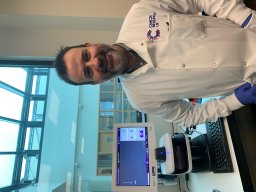 Daniel B. Longley合作论文数Centre for Cancer Research and Cell Biology, Queen's University Belfast42
 Gerard Quinn合作论文数39
 Tamas Sessler合作论文数24McCance Dennis J合作论文数24
 Philip Dunne合作论文数Centre for Cancer Research and Cell Biology, Queen's University Belfast22
 Mark Lawler合作论文数School of Medicine, Dentistry and Biomedical Sciences, Queen’s University Belfast22
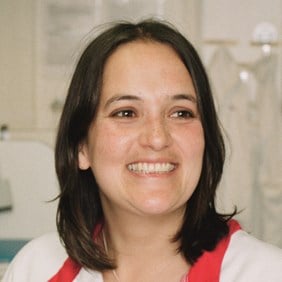 Rachael Natrajan合作论文数Functional Genomics Group, The Institute of Cancer Research22
 Kienan Savage合作论文数Ctr Canc Res & Cell Biol, Queens Univ Belfast19
 Sandra Van Schaeybroeck合作论文数19
 Adam Pickard合作论文数GSK17
 Alan Ashworth合作论文数Division of Hematology and Oncology, Department of Medicine, UCSF;Helen Diller Family Comprehensive Cancer Center, UCSF17
 Christopher J Scott合作论文数15
 Darragh G Mcart合作论文数15
 James Campbell合作论文数Inst Canc Res, CRUK Gene Funct Lab, London SW3 6JB, England14
 Stephanie Craig合作论文数14
 Patrick G Johnston合作论文数14
 Chris Lord合作论文数Breast Cancer Now Toby Robins Research Centre, The Institute of Cancer Research14
 Ian G. Mills合作论文数Nuffield Department of Surgical Sciences, University of Oxford14
 Nyree Therese Crawford合作论文数14James T. Webber合作论文数13Josephine Joel合作论文数13Claire Mahoney合作论文数13Rowan E Miller合作论文数13Andrea Lees合作论文数Queens University Belfast, Belfast, United Kingdom.13Bajrami Ilirjana合作论文数13Rafiq Rumana合作论文数13Levin Rebecca S合作论文数13Greene Michelle K合作论文数13Astley Holly合作论文数13Pemberton Helen N合作论文数13Kigozi Asha合作论文数13John D. Gordan合作论文数13
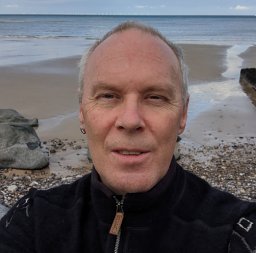 Jonathan David Moore合作论文数Warwick HRI, University of Warwick13
 Kevan M. Shokat合作论文数Department of Chemistry, College of Chemistry, University of California Berkeley;Helen Diller Family Comprehensive Cancer Center, University of California, San Francisco;Department of Cellular and Molecular Pharmacology, University of California, San Francisco Medical Center13Rachel Brough合作论文数13
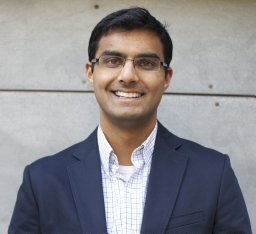 Sourav Bandyopadhyay合作论文数Department of Bioengineering, University of California San Diego13Jacqueline A. James合作论文数13Chris Torrance合作论文数12
 Spencer Rosario合作论文数12
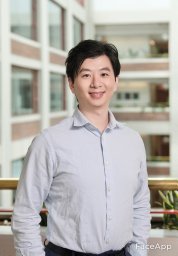 Qingxiang Lin合作论文数University at Buffalo, State University of New York;Z.Q., W.J.J., D.E.M.);Departments of Cell Stress Biology (Q.L., R.M.S.) and Pharmacology and Therapeutics (R.M.S.),, Roswell Park Comprehensive Cancer Center;and Department of Medicine, Mayo Clinic;State University of New York, University at Buffalo12
 Tista Roy Chaudhuri合作论文数Univ Buffalo, State Univ New York12
 Sarah Maguire合作论文数School of Health Sciences, Faculty of Medicine and Health, The University of Sydney12
 Stachowiak Ewa K合作论文数12
 Wen Wee Ma合作论文数Roswell Pk Canc Inst12
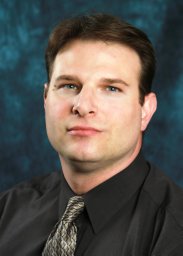 Joseph A. Spernyak合作论文数Preclinical MR Imaging Facility, Roswell Park Cancer Institute12
 Michal K. Stachowiak合作论文数Department of Pathology and Anatomical Sciences, Jacobs School of Medicine & Biomedical Sciences, University at Buffalo;Department of Biomedical Engineering, University at Buffalo;School of Engineering and Applied Sciences, University at Buffalo12Robert M. Straubinger合作论文数12
 Martin Clynes合作论文数National Institute for Cellular Biotechnology, Dublin City University12Shauna Lambe合作论文数11




