With few exceptions, life on Earth depends on sunlight as the ultimate source of energy for synthesizing complex organic molecules. However, exposure to the shortest ultraviolet (UV) wavelengths in incident solar radiation causes an array of negative biological responses ranging from debilitation to death. With depletion of ozone in the stratosphere, the proportion of harmful UV in incident radiation increases. Since species have differential tolerances to UV, increased exposure could cause changes in biodiversity and productivity that could be accompanied by irreversible alterations in species functional roles, trophic structure, and biogeochemical cycling in aquatic and terrestrial ecosystems.
This article presents emergy evaluation and its application to ecosystems and territorial systems. The emergy approach is an environmental accounting methodology that can be used to assess natural inflows and services within a system. This ecological indicator was inspired by the food chain and the observations that energy quality increases along the chain while energy content decreases. Emergy analysis is able to differentiate between the various units (processes) of an ecosystem. It highlights processes that are sustained by low-quality energy and processes that need high-quality fluxes. The method is an embodied energy analysis that uses solar energy as reference. By evaluating natural resources on a common basis, emergy analysis has proved useful at the interface between human and natural systems and for assessing the impact of human activity on ecosystems. Based on a rigorous algebra, emergy evaluation provides indicators to measure sustainability.
Timber is emerging as a key bio-based material for decarbonizing the construction sector and supporting circular economy goals. This study explores how Design for Deconstruction and Reuse can extend the timber value chain by enabling the reuse of structural components with the same function after disassembly. Current regulations often prioritize energy recovery, thereby limiting the circular potential of timber. We address this gap by modelling ex-ante cascading reuse scenarios for a timber building and assessing the generated environmental benefits through Life Cycle Assessment. Results show that maintaining the structural function of timber across multiple lifecycles significantly reduces environmental impacts compared to downcycling or incineration. This approach provides a systems perspective on timber use, aligning with the need for sustainable, bio-based solutions in the construction industry. To fully leverage timber's potential for carbon sequestration and resource conservation, standards must evolve to support reuse strategies that preserve material value across the built environment.
Cities and regions increasingly rely on greenhouse gas (GHG) inventories to design, implement, and monitor climate action, yet existing frameworks differ in scope, structure, and usability for local decision-making. Although previous studies have compared municipality and sub-national GHG accounting methods, no study has systematically explored how the IPCC Guidelines, the Covenant of Mayors' Sustainable Energy and Climate Action Plan (SECAP) methodology, and the Global Protocol for Community-Scale Greenhouse Gas Emissions (GPC) can be integrated into a single operational approach for sub-national climate governance. Results show that the frameworks contribute complementary governance functions. The IPCC Guidelines provide a comprehensive sectoral architecture and consistency with higher-level reporting systems, supporting completeness and methodological robustness. SECAP embeds inventories into a municipal planning and monitoring process, improving usability for target-setting, action choices, and progress tracking. GPC adds a scope-based structure and verification-oriented pathways, enhancing transparency, comparability, and accountability. Addressing this gap, we propose a novel Decision-Oriented Approach structured into four steps that integrates IPCC sectoral accounting, SECAP's policy cycle, and GPC's scope logic into a unified operational model. This approach is applied to the Municipality of Grosseto (Italy), where it is used to structure the baseline emission inventory, classify direct and indirect emissions, monitor trends, and assess mitigation actions toward the 2030 target.The resulting Decision-Oriented Approach strengthens the operational link between GHG reporting and sub-national climate governance, supporting inventories that are methodologically robust, decision-relevant, and suitable for tracking implementation over time.
Engineered timber can substitute traditional carbon-intense building materials playing a critical role in climate action thanks to its capacity to store biogenic carbon removed from the atmosphere during forest growth. However, the existing regulations and standards developed in the past along with the development of traditional building practices based on concrete and steel, hinder the possibility to fully exploit the potential of engineered timber within the construction sector. Current standards impose 50 years as reference service life for buildings. While irrelevant for traditional materials, which are not carbon stocks, this imposition belittles this unique feature of timber-based materials. Furthermore, current standards for timber-based materials impose well-defined End-of-Life (EoL) scenarios, each culminating with the incineration of the timber – regardless of any cascading process. However, among the possible EoL scenarios, the possibility of reusing engineered timber materials maintaining the same function is not conceived, although technically feasible. Consequently, LCA of buildings following such standards are forced to neglect the potential positive impact of timber-based buildings possibly providing results that tend to favor traditional over timber-based materials. In this work, we show the potential of timber-based buildings to act as a mean of climate mitigation, calling for an urgent modification of the current standard and linked LCA practices. The case study of a timber-based multi-story building shows that RSL extension and reuse reduce the emission by 13% and 1-2% respectively compared to concrete, except for a RSL of 150 years for which the reduction is marginal.
Engineered timber can represent a great opportunity to mitigate the large impacts due to the global building sector. However, the most applied environmental assessment methodologies such a life cycle assessment (LCA) might show limited advantages when comparing the impact on climate change of buildings made of traditional materials, such as concrete and steel, and building based on engineered timber. This work proposes emergy evaluation (EME) as a complementary environmental assessment methodology. By expanding the boundaries of the assessment, EME captures input flows and related features, especially in terms of renewability, that are overlooked in LCA. LCA and EME were applied to two identically modeled buildings composed of either only traditional materials or engineered timber as their replacement. EME reveals the higher sustainability level of engineered timber compared to traditional materials in the building sector, capturing larger environmental benefits compared to LCA. Ultimately, the robustness of the results is tested through a comparative sensitivity analysis performed for three geographic scenarios, different energy use scenarios, and different transport distances.
Industrial Symbiosis (IS) enables enterprises that typically operate independently to collaborate through the exchange of energy, materials, services, and knowledge. This approach helps reduce reliance on virgin resources, minimize waste, and contribute to climate change mitigation, among other impacts. Recently, the potential of this approach has gained attention, as policymakers are integrating IS into ambitious targets, such as 2050 climate neutrality. Moreover, initially mainly driven by cost savings, now IS is valued for its environmental gains. This shift has sparked interest in quantifying the advantages to both the overall network and individual enterprises. However, a standardized method for assessing these benefits has yet to be established. Most of the current methodologies found in literature and guidelines take a reductionist approach, addressing the multifunctionality issue in IS by isolating one or a few enterprises at a time, thus fragmenting the complex system. This approach, which focuses on identifying 'who benefits' among the enterprises involved in IS, overlooks the complexity of the entire system. To address the tension between the need for a systemic perspective and the desire to quantify each enterprise's contribution and environmental gains, this study proposes a new redistribution approach. This approach ensures that each enterprise improves its score in line with the overall rate of improvement in the industrial symbiosis, compared to a scenario where no symbiotic practices are implemented. This approach is based on the idea that, regardless of the types of products and organizations involved, the environmental benefits of IS are emergent properties of the entire industrial symbiosis network, a composite system. That is why rather than focusing on inputs, this approach redistributes the overall benefits and impacts across the network, shifting the allocation process from the Life Cycle Inventory stage to the Life Cycle Impact Assessment stage.
Agriculture is facing the challenge of assuring a suitable level of production while reducing impacts on ecosystem quality and natural resources. In this context, Life Cycle Assessment (LCA) can provide useful information to support agriculture sustainability, providing quantitative information on the environmental impacts of agriculture activities. However, there is still a lack of harmonization and application of LCA indicators to assess the impact on water resources, carbon emission, ecosystem functionality, and the associated ecosystem services. This study tries to develop a protocol for framing the agricultural organization complexity, environmental impact, and ecosystem services through an Organizational LCA (O-LCA).
This study aims to identify the most relevant stakeholder groups and related social topics for the multistorey timber construction sector and provide first insights on the potential social effects—negative (risks) and positive (benefits)—produced by the prospective increase of multistorey timber constructions in Europe considering their whole life cycle. The advancement of social materiality assessment was conducted to unveil the most relevant stakeholder groups and related social topics of the building sector by considering what is proposed by the UNEP Guidelines for Social Life Cycle Assessment and Handbook for Product Social Impact Assessment. To verify selected social topics and collect information on their level of relevance, we based our research approach on stakeholder engagement through a dedicated online workshop and interviews. Seventeen social topics were selected as material for the multistorey timber construction sector according to the literature review and the stakeholder engagement activities. No significant variance in relevance level was observed according to a five-level Likert scale (from 1, not at all relevant, to 5, very relevant), all rating above level 3 (relevant); the ones perceived as very relevant being “Health and safety” (Users), “Safe and healthy living conditions” (Local Community), and “Fair salary” (Workers). This study highlights how conducting a social materiality assessment and engaging stakeholders play a crucial role in identifying an initial set of critical social topics to focus on for further evaluation of potential impacts and performance. Since there is not yet a standardized approach for the S-LCA application in the construction sector, results from this work represent an initial step towards the prioritization process of social topics. This prioritization process aims to assign priority levels to a list of social topics derived from a review process based on various sources.
Since approximately 75% of Europeans currently live in cities, and this number will rise, urban areas are the most important testbeds for energy transition, climate change adaptation measures, and decarbonisation models, on which studies and efforts for concrete change must focus. The teaching of mitigation and adaptation measures to climate change and decarbonisation models has gradually taken up space within university courses. However, the complexity of the decarbonisation issue is raising awareness on the urgency of an interdisciplinary approach that can be conveyed by spatial planning. Currently, this approach is not widespread in Higher Education Institutions in Europe but is nonetheless necessary to let new professional profiles emerge who are able to coordinate different stakeholders, data, and information sources. The Erasmus+ project CITY MINDED (2020–2022) has worked in this direction, by developing and testing a methodology for the design of a structured ordinary practice for teaching urban decarbonisation to students in Higher Education. This practice (at the same time, interdisciplinary, collaborative, experiential, and place-based) aims to offer students a combination of different approaches and working methods to investigate and improve urban neighbourhoods and districts, resulting in the definition of an operative roadmap for decarbonisation in the medium-to-long-term. The aim of this article is to highlight the learning-by-doing experience developed by the project consortium, with reference to the testing of the methodology conducted within an Intensive Course in the City of Valletta (Malta). In particular, the paper illustrates how this experience succeeded in stimulating students with different academic backgrounds to establish connections across disciplines, in raising their awareness about the complexity of city decarbonisation processes. Overcoming the strict time and budget constraints of an EU-funded project, such an approach can be further developed, replicated on theoretical grounds, and implemented within different degree programmes dealing with urban sustainability.
Marine energy sources, particularly offshore wind and wave energy, can be profitably exploited to generate renewable electricity in Mediterranean islands and coastal areas. Although still at an early stage of development, innovative blue energy technologies, such as floating windmills and different types of wave energy converters, have been successfully implemented by researchers and private companies in recent years. Based on data from pilot devices and basic requirements for their operativity, such as minimum wind speed and wave high or bathymetric depth, a blue energy planning framework has been developed under the scope of the Interreg Med BLUE DEAL project. This is based on a sequence of stages combining different site-specific spatial analyses regarding marine energy potentials, legal restrictions and environmental constraints, local grids and energy balance, carbon accounting, and visual impact. This planning procedure allows for identifying potential sites for the installation of blue energy plants, estimating energy production by marine sources in target regions and evaluating impacts and benefits in terms of greenhouse gas emission mitigation from the energy sector, the latter depending on values of the carbon intensity of electricity (g CO2eq per kWh). Case studies demonstrate that blue energy can consistently contribute to the decarbonization of the energy sector in Mediterranean regions and to the energy self-sufficiency of insular and coastal communities.
Many are the definitions of Circular Economy as well as the policies and strategies for its implementation. However, gaps still exist in quantifying the effects of circularity. The existing approaches are usually sector- or product-specific, limited to microscale systems, and/or fail to simultaneously assess the environmental impacts of the studied system. This paper introduces a generally applicable method in which a set of LCA-based indices of circularity are able to detect the effects of circularity/symbiosis strategies on the environmental performance of meso- and macro-systems. These indices quantify the overall system's circularity level by comparing the impacts of a system in which the components interact with each other (with a certain level of circularity) with an equivalent linear system (where no circularity takes place). The method works both on existing and projected systems, being able to track the effects of future circularity policies. This method obviates the limitations and the gaps mentioned above: it applies to meso- and macro-systems, it is not bound to a specific sector, it allows to capture the environmental impacts, and it is sensitive to the temporal dimension. This approach provides a tool to inform managers and policymakers for planning circularity actions and monitor their effectiveness while also capturing the temporal dimension.
An energy transition is needed in order to meet the European pledge of reaching climate neutrality by 2050. This transition cannot ignore the renewable resources available from 70% of the Earth (namely, the oceans and seas). This concept is fundamental for the planet, especially for the Mediterranean area. Marine renewable energies are still under-deployed in the Mediterranean area for many reasons, including legislative constraints, lower energy availability, and technological readiness. An appropriate participatory process including all actors (e.g., policymakers, firms, citizens, and researchers) is necessary for a correct path toward decarbonization. The BLUE DEAL project was conceived and implemented by 12 Mediterranean partners to tackle these issues and set the route for blue energy deployment in the Mediterranean area. Activities already conducted include a survey to probe the perceptions and attitudes of citizens toward blue energy. The survey targeted about 3,000 persons in 12 Mediterranean sites with the aim of bringing citizens into the discussion on future technologies. The results showed that although blue energy is still relatively unknown to the general public (only 42% of respondents were aware of these technologies), there was a general willingness (70%) to host one or more such installations in their areas. Here, we describe our survey method and some empirical results with suggestions for replicability and recommendations on how to use it for policymaking purposes.
Blue Energy (BE) is expected to play a strategic role in the energy transition of Europe, particularly toward the 2050 horizon. It refers to a set of Marine Energy Sources (MES), including offshore wind, waves, tides, marine currents, sea thermal energy, salinity gradients, and marine biomass, which are exploited by different BE technologies. Nevertheless, the implementation of integrated solutions to exploit MES in marine areas does not just concern technological issues; it requires inclusive planning practices considering different aspects regarding climate and environmental impacts, landscape compatibility, interference with other marine activities (such as shipping, fishing, and tourism), and social acceptance. A replicable BE planning framework has been developed based on interdisciplinary knowledge in three Mediterranean sites in Greece, Croatia, and Cyprus, under the scope of the Interreg Med BLUE DEAL project. It has been implemented by some interdisciplinary experts through a collaborative and iterative process of data elaboration, mapping, evaluation, and visualization. Results concern the localization of suitable sites to install BE plants and the estimation of potential energy production and avoided emissions in selected scenarios. Together with visual simulations, this study shows the potential effects of the implementation of BE in specific marine areas, with a special focus on the most promising offshore floating wind farms and wave energy converters (WECs), as basic information for participative design and stakeholder engagement initiatives, including public authorities, businesses, and citizens.
The present work evaluates the environmental performance of three wave energy converters including on-shore oscillating water columns and oscillating floaters embedded in piers, and near-shore seabed-based buoys in the Mediterranean Basin. The life cycle assessment methodology was used to account for their potential environmental impact, in terms of carbon footprint (t CO2eq), considering four main phases, i.e., manufacturing of material components, assembling and installation on site, maintenance in time, and decommission end of life. Results show the greenhouse gas emission from different lifecycle processes, based on the inventory of main energy inputs and materials, highlighting the major impact of the manufacture of the structural components (52 %), especially due to the limited durability of materials. In order to compare the performances of the three different wave energy converters, the carbon intensity of electricity was evaluated considering a range of electricity production per technology based on data available in scientific literature. The results obtained for a single device (203–270 g CO2eq‧kWh−1 for the oscillating water column system; 94–374 g CO2eq‧kWh−1 for oscillating floater and 105–158 g CO2eq‧kWh−1 for the seabed-based buoy) highlight that wave energy converters are promising solutions to harvest wave energy, showing lower carbon intensity of electricity values compared to fossil energy sources; nevertheless, technological improvements are needed to increase efficiency and achieve the performances of other renewable energy sources. Moreover, the combination of wave energy converters with other solutions, such as offshore wind turbines, represents a valuable option in the future to increase productivity and foster energy transition of the Mediterranean regions.
Is it possible to achieve a sustainable Anthropocene? Yes, if we adopt the correct key for understanding the mechanisms that connect the three dimensions of sustainability, the environmental, the social and the economic. The road to sustainability is made even harder than it was at the beginning of the sustainable development discourse by the fact that nowadays the three dimensions have problems that have time spans that tend to become equally urgent. This paper offers a vision of sustainability that underlines the cause-effect-feedback relationships among the dimensions and shows examples of the functioning of these linkages. This calls for a redefinition of priorities and for a different set of “rules of the house” (economy) to be fit for a world with almost 8 billion people and an endangered natural basis of survival.
 Federico M. Pulselli合作论文数90
 Nadia Marchettini合作论文数Department of Chemistry, University of Siena71
 R. M. Pulselli合作论文数Department of Chemical and Biosystems Sciences, University of Siena43
 Valentina Niccolucci合作论文数Department of Chemical and Biosystems Sciences, University of Siena41
 Nicoletta Patrizi合作论文数Department of Chemistry, University of Siena26Enzo Tiezzi合作论文数25
 Sven Erik Jørgensen合作论文数University of Copenhagen22
 Michela Marchi合作论文数Department of Chemistry, University of Siena21
 Soeren Nors Nielsen合作论文数Aalborg Universitet17e tiezzi合作论文数15Elena Neri合作论文数14
 Luca Coscieme合作论文数Department of Chemistry, University of Siena14
 Claudio Rossi合作论文数12
 Dario Caro合作论文数Ecodynamics Group/DEEPS, University of Siena;Department of Animal Science, University of California, Davis10
 Brian Fath合作论文数Department of Biological Sciences, Towson University10
 Alessandro Galli合作论文数Global Footprint Network;Dept . of Chemical and Biosystems Sciences;University of Siena;Dept . of Chemical and Biosystems Sciences, University of Siena10
 João Carlos Marques合作论文数Marine and Environmental Sciences Centre, University of Coimbra;Centre for Functional Ecology, University of Coimbra9
 Daniel A. Fiscus合作论文数8
 Amalia Gastaldelli合作论文数Institute of Clinical Physiology, National Research Council;UT Health San Antonio7
 Bernard C. Patten (Bernard Patten)合作论文数Odum School of Ecology, University of Georgia7
 Fabiana Morandi合作论文数7
 Felix Müller合作论文数Department of Ecosystem Management, Institute for Natural Resource Conservation, Faculty of Agricultural and Nutritional Sciences, Kiel University7
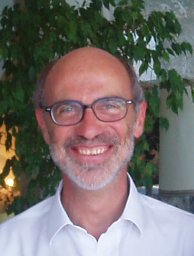 Sergio Ulgiati合作论文数Department of Science and Technology, Parthenope University of Naples7B. Rugani合作论文数6A. Donati合作论文数6
 Michele Seghetta合作论文数6
 Robert E. Ulanowicz合作论文数Department of Biology, College of Liberal Arts and Sciences, University of Florida6
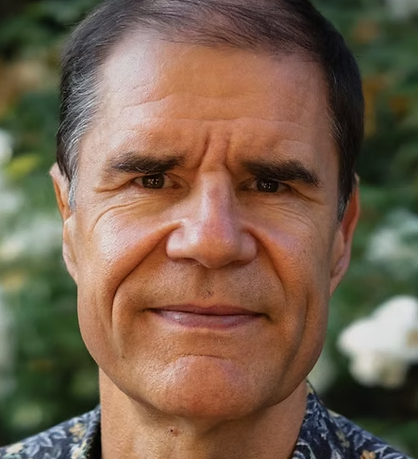 Mathis Wackernagel合作论文数Global Footprint Network;rePLANET6
 Brian D. Fath合作论文数Biology Department,Towson University6E. Neri合作论文数5M. Porcelli合作论文数5
 Morena Bruno合作论文数5
 Massimo Gigliotti合作论文数5
 Marianne Thomsen合作论文数Department of Food Science, Faculty of Science, University of Copenhagen5
 Cesare Castellini合作论文数Dipartimento di Scienze Agrarie, Alimentari ed Ambientali, Università degli Studi di Perugia5
 Anne Belinda Bjerre合作论文数5
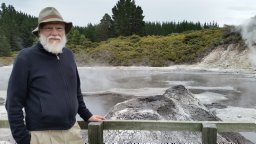 Daniel E Campbell合作论文数National Health and Environmental Effects Research Laboratory, US EPA5Ruggero Ridolfi合作论文数5
 Matteo Maccanti合作论文数4fabrizio saladini合作论文数4
 Simone Borghesi合作论文数University of Siena4
 Simona Bosco合作论文数Department of Pathology, University of Rome “La Sapienza”,4
 Antonietta Specchiulli合作论文数Institute of Marine Science Department of Lesina (FG), National Research Council4
 Cilenti Lucrezia合作论文数Institute of Marine Science Department of Lesina (FG), National Research Council4Tommaso Scirocco合作论文数Institute of Marine Science Department of Lesina (FG), National Research Council4
 Gianni Betti合作论文数Dipartimento di Metodi Quantitativi, Universitá di Siena4M. Panzieri合作论文数4
 Monia Renzi合作论文数Department of Environmental Sciences, University of Siena4Mauro Rustici合作论文数4




