BackgroundCardiac glucose oxidation is decreased in heart failure with reduced ejection fraction (HFrEF), contributing to a decrease in myocardial ATP production. In contrast, circulating ketones and cardiac ketone oxidation are increased in HFrEF. Since ketones compete with glucose as a fuel source, we aimed to determine whether increasing ketone concentration both chronically with the SGLT2 inhibitor, dapagliflozin, or acutely in the perfusate has detrimental effects on cardiac glucose oxidation in HFrEF, and what effect this has on cardiac ATP production.Methods8-week-old male C57BL6/N mice underwent sham or transverse aortic constriction (TAC) surgery to induce HFrEF over 3 weeks, after which TAC mice were randomized to treatment with either vehicle or the SGLT2 inhibitor, dapagliflozin (DAPA), for 4 weeks (raises blood ketones). Cardiac function was assessed by echocardiography. Cardiac energy metabolism was measured in isolated working hearts perfused with 5 mM glucose, 0.8 mM palmitate, and either 0.2 mM or 0.6 mM β-hydroxybutyrate (βOHB).ResultsTAC hearts had significantly decreased %EF compared to sham hearts, with no effect of DAPA. Glucose oxidation was significantly decreased in TAC hearts compared to sham hearts and did not decrease further in TAC hearts treated with high βOHB or in TAC DAPA hearts, despite βOHB oxidation rates increasing in both TAC vehicle and TAC DAPA hearts at high βOHB concentrations. Rather, increasing βOHB supply to the heart selectively decreased fatty acid oxidation rates. DAPA significantly increased ATP production at both βOHB concentrations by increasing the contribution of glucose oxidation to ATP production.ConclusionTherefore, increasing ketone concentration increases energy supply and ATP production in HFrEF without further impairing glucose oxidation.
Aims Cardiac energy metabolism is perturbed in ischaemic heart failure and is characterized by a shift from mitochondrial oxidative metabolism to glycolysis. Notably, the failing heart relies more on ketones for energy than a healthy heart, an adaptive mechanism that improves the energy-starved status of the failing heart. However, whether this can be implemented therapeutically remains unknown. Therefore, our aim was to determine if increasing ketone delivery to the heart via a ketogenic diet can improve the outcomes of heart failure.Methods and results C57BL/6J male mice underwent either a sham surgery or permanent left anterior descending coronary artery ligation surgery to induce heart failure. After 2 weeks, mice were then treated with either a control diet or a ketogenic diet for 3 weeks. Transthoracic echocardiography was then carried out to assess in vivo cardiac function and structure. Finally, isolated working hearts from these mice were perfused with appropriately 3H or 14C labelled glucose (5 mM), palmitate (0.8 mM), and beta-hydroxybutyrate (beta-OHB) (0.6 mM) to assess mitochondrial oxidative metabolism and glycolysis. Mice with heart failure exhibited a 56% drop in ejection fraction, which was not improved with a ketogenic diet feeding. Interestingly, mice fed a ketogenic diet had marked decreases in cardiac glucose oxidation rates. Despite increasing blood ketone levels, cardiac ketone oxidation rates did not increase, probably due to a decreased expression of key ketone oxidation enzymes. Furthermore, in mice on the ketogenic diet, no increase in overall cardiac energy production was observed, and instead, there was a shift to an increased reliance on fatty acid oxidation as a source of cardiac energy production. This resulted in a decrease in cardiac efficiency in heart failure mice fed a ketogenic diet.Conclusion We conclude that the ketogenic diet does not improve heart function in failing hearts, due to ketogenic diet-induced excessive fatty acid oxidation in the ischaemic heart and a decrease in insulin-stimulated glucose oxidation. Graphical Abstract
Diabetes contributes to the development of heart failure through various metabolic, structural and biochemical changes. The presence of diabetes increases the risk for the development of cardiovascular disease (CVD), and since the introduction of cardiovascular outcome trials to test diabetic drugs, the importance of improving our understanding of the mechanisms by which diabetes increases the risk for heart failure has come under the spotlight. In addition to the coronary vasculature changes that predispose individuals with diabetes to coronary artery disease, diabetes can also lead to cardiac dysfunction independent of ischaemic heart disease. The hyperlipidaemic, hyperglycaemic and insulin resistant state of diabetes contributes to a perturbed energy metabolic milieu, whereby the heart increases its reliance on fatty acids and decreases glucose oxidative rates. In addition to changes in cardiac energy metabolism, extracellular matrix remodelling contributes to the development of cardiac fibrosis, and impairments in calcium handling result in cardiac contractile dysfunction. Lipotoxicity and glucotoxicity also contribute to impairments in vascular function. cardiac contractility, calcium signalling, oxidative stress, cardiac efficiency and lipoapoptosis. Lastly, changes in protein acetylation, protein methylation and DNA methylation contribute to a myriad of gene expression and protein activity changes. Altogether, these changes lead to decreased cardiac efficiency, increased vulnerability to an ischaemic insult and increased risk for the development of heart failure. This review explores the above mechanisms and the way in which they contribute to cardiac dysfunction in diabetes.
Cardiac metabolism is perturbed in heart failure and is characterized by a shift from mitochondrial oxidative metabolism to glycolysis. Notably, the failing heart relies more on ketones for energy than a healthy heart, an adaptive mechanism that improves the energy-starved status of the failing heart. However, whether this can be implemented therapeutically remains unknown. Therefore, our aim was to determine if increasing ketone delivery to the heart via a ketogenic diet can improve the outcomes of heart failure.
Diabetes mellitus increases the risk of developing heart failure, and the co-existence of both diseases worsens cardiovascular outcomes, hospitalization, and the progression of heart failure. Despite current advancements on therapeutic strategies to manage hyperglycaemia, the likelihood of developing diabetes-induced heart failure is still significant, especially with the accelerating global prevalence of diabetes and an ageing population. This raises the likelihood of other contributing mechanisms beyond hyperglycaemia in predisposing diabetic patients to cardiovascular disease risk. There has been considerable interest in understanding the alterations in cardiac structure and function in diabetic patients, collectively termed as 'diabetic cardiomyopathy'. However, the factors that contribute to the development of diabetic cardiomyopathies are not fully understood. This review summarizes the main characteristics of diabetic cardiomyopathies, and the basic mechanisms that contribute to its occurrence. This includes perturbations in insulin resistance, fuel preference, reactive oxygen species generation, inflammation, cell death pathways, neurohormonal mechanisms, advanced glycated end-products accumulation, lipotoxicity, glucotoxicity, and post-translational modifications in the heart of the diabetic. This review also discusses the impact of antihyperglycaemic therapies on the development of heart failure, as well as how current heart failure therapies influence glycaemic control in diabetic patients. We also highlight the current knowledge gaps in understanding how diabetes induces heart failure.
Backgrounds: Branched chain amino acid (BCAA) oxidation is impaired in cardiac insulin resistance, leading to the accumulation of BCAAs and the first products of BCAA oxidation, the branched chain ketoacids. However, it is not clear whether it is the BCAAs, BCKAs or both that are mediating cardiac insulin resistance. To determine this, we produced mice with a cardiac-specific deletion of BCAA aminotransferase (BCATm(-/-)), the first enzyme in the BCAA oxidation pathway that is responsible for converting BCAAs to BCKAs. Methods: Eight-week-old BCATm cardiac specific knockout (BCATm(-/-)) male mice and their alpha-MHC (myosin heavy chain) - Cre expressing wild type littermates (WT-Cre(+/+)) received tamoxifen (50 mg/kg i.p. 6 times over 8 days). At 16-weeks of age, cardiac energy metabolism was assessed in isolated working hearts. Results: BCATm(-/-) mice have decreased cardiac BCAA oxidation rates, increased cardiac BCAAs and a reduction in cardiac BCKAs. Hearts from BCATm(-/-) mice showed an increase in insulin stimulation of glucose oxidation and an increase in p-AKT. To determine the impact of reversing these events, we perfused isolated working mice hearts with high levels of BCKAs, which completely abolished insulin-stimulated glucose oxidation rates, an effect associated with decreased p-AKT and inactivation of pyruvate dehydrogenase (PDH), the rate-limiting enzyme in glucose oxidation. Conclusion: This implicates the BCKAs, and not BCAAs, as the actual mediators of cardiac insulin resistance and suggests that lowering cardiac BCKAs can be used as a therapeutic strategy to improve insulin sensitivity in the heart. (C) 2021 Elsevier Inc. All rights reserved.
The high energy demands of the heart are met primarily by the mitochondrial oxidation of fatty acids and glucose. However, in heart failure there is a decrease in cardiac mitochondrial oxidative metabolism and glucose oxidation that can lead to an energy starved heart. Ketone bodies are readily oxidized by the heart, and can provide an additional source of energy for the failing heart. Ketone oxidation is increased in the failing heart, which may be an adaptive response to lessen the severity of heart failure. While ketone have been widely touted as a “thrifty fuel”, increasing ketone oxidation in the heart does not increase cardiac efficiency (cardiac work/oxygen consumed), but rather does provide an additional fuel source for the failing heart. Increasing ketone supply to the heart and increasing mitochondrial ketone oxidation increases mitochondrial tricarboxylic acid cycle activity. In support of this, increasing circulating ketone by iv infusion of ketone bodies acutely improves heart function in heart failure patients. Chronically, treatment with sodium glucose co-transporter 2 inhibitors, which decreases the severity of heart failure, also increases ketone body supply to the heart. While ketogenic diets increase circulating ketone levels, minimal benefit on cardiac function in heart failure has been observed, possibly due to the fact that these dietary regimens also markedly increase circulating fatty acids. Recent studies, however, have suggested that administration of ketone ester cocktails may improve cardiac function in heart failure. Combined, emerging data suggests that increasing cardiac ketone oxidation may be a therapeutic strategy to treat heart failure.
Branched chain amino acids (BCAA) can impair insulin signaling, and cardiac insulin resistance can occur in the failing heart. We, therefore, determined if cardiac BCAA accumulation occurs in patients with dilated cardiomyopathy (DCM), due to an impaired catabolism of BCAA, and if stimulating cardiac BCAA oxidation can improve cardiac function in mice with heart failure. For human cohorts of DCM and control, both male and female patients of ages between 22 and 66 years were recruited with informed consent from University of Alberta hospital. Left ventricular biopsies were obtained at the time of transplantation. Control biopsies were obtained from non-transplanted donor hearts without heart disease history. To determine if stimulating BCAA catabolism could lessen the severity of heart failure, C57BL/6J mice subjected to a transverse aortic constriction (TAC) were treated between 1 to 4-week post-surgery with either vehicle or a stimulator of BCAA oxidation (BT2, 40 mg/kg/day). Echocardiographic data showed a reduction in ejection fraction (54.3 ± 2.3 to 22.3 ± 2.2%) and an enhanced formation of cardiac fibrosis in DCM patients when compared to the control patients. Cardiac BCAA levels were dramatically elevated in left ventricular samples of patients with DCM. Hearts from DCM patients showed a blunted insulin signalling pathway, as indicated by an increase in P-IRS1ser636/639 and its upstream modulator P-p70S6K, but a decrease in its downstream modulators P-AKT ser473 and in P-GSK3β ser9. Cardiac BCAA oxidation in isolated working hearts was significantly enhanced by BT2, compared to vehicle, following either acute or chronic treatment. Treatment of TAC mice with BT2 significantly improved cardiac function in both sham and TAC mice (63.0 ± 1.8 and 56.9 ± 3.8% ejection fraction respectively). Furthermore, P-BCKDH and BCKDK expression was significantly decreased in the BT2 treated groups. We conclude that impaired cardiac BCAA catabolism and insulin signaling occur in human heart failure, while enhancing BCAA oxidation can improve cardiac function in the failing mouse heart.
Impaired branched chain amino acid (BCAA) oxidation at the level of downstream BCAA catabolic enzymes cause cardiac insulin resistance and dysfunction. However, it is not known whether it is the accumulation of BCAAs or branched chain keto acids (BCKAs) due to impaired cardiac BCAA oxidation that result in these cardiac metabolic detrimental effects. Our objective was to inhibit cardiac branched chain aminotransferase (BCATm), the first enzyme in the BCAA oxidative pathway, which functions to produce BCKAs. We anticipate deletion of upstream BCAA catabolic enzyme will result in reduced cardiac BCAA oxidation and increase BCAAs but decrease BCKAs. Ten-week-old BCATm cardiac specific knockout (BCATm -/- ) male mice and their α-MHC-Cre expressing wildtype littermates (WT-Cre +/+ ) received 6 intraperitoneal injections of tamoxifen (50 mg/kg). All mice were allowed a 6-week washout post-tamoxifen, following which 16-week-old mice were used to assess cardiac energy metabolism. Isolated working hearts were perfused with oxygenated Krebs–Henseleit solution, consisting of either 5mM [5- 3 H/U- 14 C] glucose, 0.8mM palmitate, 3%BSA, 0.5mM BCAA for glycolysis and glucose oxidation measurements, or 0.5mM glucose, 0.8mM [9,10- 3 H] palmitate, 3%BSA and 0.5mM [U- 14 C] BCAA from combination of 0.15mM leucine/isoleucine and 0.2mM valine for fatty acid oxidation and BCAA oxidation measurements respectively. There was no body weight, glucose tolerance or cardiac function differences observed in BCATm -/- mice compared to WT-Cre +/+ mice (control). As expected, cardiac BCAA oxidation was significantly reduced in BCATm -/- mice compared to control, however, adding insulin after 30 min of perfusion did not change BCAA oxidation rates. Interestingly, glucose oxidation was significantly higher in BCATm -/- mice. Adding insulin further increased glucose oxidation in BCATm -/- mice. Additionally, the contribution of glucose oxidation to ATP production was significantly higher in the BCATm -/- mice compared to control. We conclude that impaired BCAA oxidation due to the upstream catabolic enzyme deletion increases cardiac insulin sensitivity. This also indicates that accumulation of BCKAs, not BCAAs, may be primarily contributing to cardiac insulin resistance.
 Gary Lopaschuk合作论文数Cardiovascular Research Centre, Faculty of Medicine & Dentistry, University of Alberta10
 Kim L Ho合作论文数9
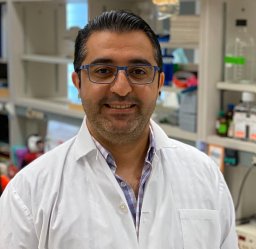 Karwi Qutuba G合作论文数Faculty of Pharmacy and Medical Sciences, University of Petra9Wagg Cory S合作论文数Univ Alberta6Liyan Zhang合作论文数6
 John Ussher合作论文数Department of Pediatrics, University of Alberta Cardiovascular Research Group6Ezra Belay合作论文数4Qiuyu Sun合作论文数Heritage Med Res Ctr, Univ Alberta3
 Keshav Gopal合作论文数Department of Laboratory Medicine and Pathology, University of Alberta;Department of Laboratory Medicine and Pathology, University of Alberta3
 Uddin Golam Mezbah合作论文数3
 Gavin Oudit合作论文数Department of Medicine, Faculty of Medicine & Dentistry, University of Alberta;PEARKO Therapeutics Inc.3Brandon Chen合作论文数2Sai Panidarapu合作论文数2David Connolly合作论文数2Faqi Wang合作论文数Univ Alberta, Dept Pediat, Edmonton, AB T6R 2G3, Canada2
 Amanda Greenwell合作论文数2
 Jason Dyck合作论文数Department of Pediatrics, Faculty of Medicine & Dentistry, University of Alberta;Cardiovascular Research Centre, University of Alberta2
 Rami Al Batran合作论文数Faculty of Dentistry, Universiti Teknologi MARA (UiTM),2Michael Carr合作论文数1Guoqing WU (吴国卿)合作论文数1
 Sonia Rawat合作论文数Cardiovascular Research Centre, University of Alberta1Heidi J Silver合作论文数1
 Dipsikha Biswas合作论文数Department of Biochemistry and Molecular Biology, Dalhousie University1
 David Wishart合作论文数Department of Laboratory Medicine & Pathology, Faculty of Medicine & Dentistry, University of Alberta1
 Boisvenue Jamie合作论文数Mazankowski Alberta Heart Institute, University of Alberta;AHFMR Interdisciplinary Team Grant, and Alberta HEART;Mazankowski Alberta Heart Institute, University of Alberta1Levasseur Jody合作论文数Mazankowski Alberta Heart Institute, University of Alberta;AHFMR Interdisciplinary Team Grant, and Alberta HEART;Mazankowski Alberta Heart Institute, University of Alberta1Altamimi Tariq合作论文数1
 Shah Saumya合作论文数1
 Thomas Pulinilkunnil合作论文数Faculty of Pharmaceutical Sciences, University of British Columbia1
 Arata Fukushima合作论文数Department of Internal Medicine, Municipal Hospital1




