We determined cytokine levels in paired serum/CSF samples from first-episode schizophrenia (FES) participants (n = 20) and controls (n = 21) using a 13-plex immunoassay. Applying strictly-determined detection limits, 12 cytokines were found in serum and two in CSF. Higher serum MCP-1 levels (p = 0.007) were present in FES versus controls, which correlated with serum IgG (R = − 0.750; p = 0.013). Finally, IL-18 levels correlated with body weight in FES (R = 0.691; p = 0.041). This study demonstrates potential limitations in the sensitivity of multiplex cytokine assays for CSF studies in mental disorders and suggests that some published studies in this area should be re-evaluated.
Patients with major depression (MD) are at high-risk for insulin resistance (IR), type-2 diabetes, metabolic syndrome, cardiovascular morbidity and mortality. However, our recent study published in this journal [Eur Arch Psychiatry Clin Neurosci. 2019 Jun;269(4):373–377], found no evidence of IR in acutely-ill drug-naive first-episode MD (FEMD) using the homeostatic model assessment of insulin resistance (HOMA-IR). We concluded, that MD may be related to impaired glucose/insulin homeostasis in the long-term but not in early disease stages. Now, we performed a complementary analysis of the canonical insulin signalling pathway containing the set of control and FEMD samples from the study mentioned above. The first node (pS312-IRS-1, pY-IRS-1) and downstream pathway which affects glucose and lipid homeostasis (phosphorylated proteins: pS473-AKT, pS9-GSK3β, pS2448-mTOR, pT389-p70S6K; total proteins AKT, GSK3β, mTOR, p70S6K) were analyzed by electrochemiluminescence (ECL) in neuronal extracellular vesicles (nEVs) enriched for L1 neural cell adhesion molecule (L1CAM) expression. No significant diagnosis-related differences were observed for the pS312-IRS-1 / pYIRS-1 ratio (P = 0.093), but the mean ratio was reduced by 70
Abstract Background We recently reported increased levels of neutrophils, monocytes and C-reactive protein (CRP) correlated with symptom severity in acute schizophrenia. Here, we investigated if a similar pattern of innate immune system activation occurs in major depression (MD). Methods We assessed differential blood counts, CRP, depression symptoms (HAMD-21) and psychosocial functioning (GAF) in controls (n = 129) and patients with first (FEMD: n = 82) or recurrent (RMD: n = 47) disease episodes of MD at baseline (T0; hospital admission) and after 6-weeks treatment (T6). Results Considering smoking, BMI and gender as covariates, neutrophils (FEMD: p = 0.034, RMD: p = 0.034) and CRP (FEMD: p < 0.001, RMD: p = 0.021) were higher, and eosinophils (FEMD: p = 0.005, RMD: p = 0.004) lower in patients versus controls at T0. Baseline lymphocyte counts were elevated in RMD (p = 0.003) but not FEMD. Results were confirmed by analyses of nonsmokers. At follow-up, eosinophils rose significantly in FEMD (p = 0.011) but no significant changes were observed in RMD. Improvement in HAMD-21 correlated with T0–T6 changes of neutrophil counts in FEMD (r = 0.364, p = 0.024). Compared with our previous schizophrenia study, raised baseline neutrophil and reduced eosinophil counts in MD had smaller effect sizes and treatment had a weaker association with T0-T6 changes in neutrophils. In addition, lymphocytes were elevated at T0 in recurrent MD but not in schizophrenia patients. Conclusions These findings suggest that innate immunity may be involved in early stages of MD, and adaptive immunity may be involved in chronic disease. Thus, further studies may lead to new disease stage-dependent MD treatment strategies targeting different aspects of immune system activation.
 Johann Steiner合作论文数Department of Psychiatry, Otto-von-Guericke-University3
 Henrik Dobrowolny合作论文数3Gabriela Meyer-Lotz合作论文数2
 Paul C Guest合作论文数Department of Chemical Engineering and Biotechnology, University of Cambridge2
 Carolin Breitling合作论文数1Veronika Vasilevska合作论文数1
 Roland Jacobs合作论文数1Tino Fischbach合作论文数1
 Alexandra Neyazi合作论文数Hannover Med Sch, Dept Psychiat Social Psychiat & Psychotherapy, Hannover, Germany1
 Bernhard Bogerts合作论文数Universitätsklinik für Psychiatrie und Psychotherapie, Universitätsklinikum Magdeburg, Medizinische Fakultät, Otto-von-Guericke-Universität1Hans-Gert Bernstein合作论文数1
 Stefan Vielhaber合作论文数Department of Neurology, Medical Faculty, University Hospital Magdeburg1Aiden Haghikia合作论文数Department of Neurology, Ruhr University Bochum, St. Josef Hospital BochumGermany 1
 Katrin Borucki合作论文数Institute of Clinical Chemistry and Pathobiochemistry, Magdeburg University Hospital1
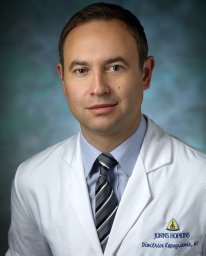 Dimitrios Kapogiannis合作论文数National Institute of Neurological Disorders and Stroke, National Institutes of National Institute on Aging/National Institutes of Health;Department of Psychology, Washington University School of Medicine;National Institutes of National Institute on Aging/National Institutes of Health, Washington University School of Medicine1




