This Surgical Innovation describes the use of a totally endoscopic robotic approach for mitral valve repair.
OBJECTIVE:We created and validated a low-cost simulation model for robotic internal mammary artery (IMA) takedown. METHODS:The simulation model utilized a calf fetus thorax cavity stented open internally and secured to a table. The simulation model was validated at a 2-day robotic cardiac surgery workshop. Each participant harvested one IMA using the da Vinci Xi robot (Intuitive Surgical, Sunnyvale, CA, USA). We compared participant self-reported confidence at robotic IMA harvest before and after using the simulator. RESULTS:Our novel thorax-securing strategy resulted in a stable structure and allowed access to both IMAs from the same 3 ports. The cost to set up the first simulation model was $176 and $133 for every subsequent model. Fifty participants used the simulation model: 42 cardiothoracic surgery attendings and 8 fellows or residents. The feedback form response rate was 78% (n = 39). On the Likert scale, participants rated realism of the calf model to simulate robotic IMA harvesting (0 = not realistic, 10 = highly realistic) with a median of 8 out of 10 (interquartile range [IQR] 7 to 9). Participant confidence (0 = not at all confident, 10 = very confident) in robotic IMA harvesting before and after using the simulator increased (P = 0.001) from a median of 5 (IQR 1 to 7) to 9 (IQR 7 to 10). CONCLUSIONS:This robotic IMA harvest simulation model is affordable, realistic, and improved participant confidence in robotic IMA harvest. It may provide a valuable training tool for surgeons learning robotic coronary bypass surgery and allows for training frequency necessary to pass basic learning curves.
BACKGROUND Contemporary national utilization and comparative safety data of robotic mitral valve repair for degenerative mitral regurgitation compared with nonrobotic approaches are lacking. The study aimed to characterize national trends of utilization and outcomes of robotic mitral repair of degenerative mitral regurgitation compared with sternotomy and thoracotomy approaches.METHODS Patients undergoing intended mitral repair of degenerative mitral regurgitation in The Society of Thoracic Surgeons Adult Cardiac Surgery Database between 2015 and 2021 were examined. Mitral repair was performed in 61,322 patients. Descriptive analyses characterized center-level volumes and outcomes. Propensity score matching separately identified 5540 pairs of robotic vs thoracotomy approaches and 6962 pairs of robotic vs sternotomy approaches. Outcomes were operative mortality, composite mortality and major morbidity, postoperative length of stay, and conversion to mitral replacement.RESULTS Through the 7-year study period, 116 surgeons across 103 hospitals performed mitral repair robotically. The proportion of robotic cases increased from 10.9% (949 of 8712) in 2015 to 14.6% (1274 of 8730) in 2021. In both robotic-thoracotomy and robotic-sternotomy matched pairs, mortality and morbidity were not significantly different, whereas the robotic approach had lower conversion (1.2% vs 3.1% for robotic-thoracotomy and 1.0% vs 3.7% for robotic-sternotomy), shorter length of stay, and fewer 30-day readmissions. Mortality and morbidity were lower at higher-volume centers, crossing the national mean mortality and morbidity at a cumulative robotic mitral repair case of 40.CONCLUSIONS Robotic mitral repair isa safe and effective approach and is associated with comparable mortality and morbidity, a lower conversion rate, a shorter length of stay, and fewer 30-day readmissions than thoracotomy or sternotomy approaches.
We compare outcomes of endo-aortic balloon occlusion (EABO) vs external aortic clamping (EAC) in patients undergoing minimally invasive mitral valve surgery (MIMVS) in the Society of Thoracic Surgeons (STS) Adult Cardiac Surgery Database. Adults undergoing mitral valve surgery (July 2017–December 2018) were identified within the STS database (N = 60,607). Total 7,978 patients underwent a minimally invasive approach (including robotically assisted). About 1,163 EABO patients were 1:1 propensity-matched to EAC patients using exact matching on age, sex, and type of mitral procedure, and propensity score average matching for 16 other risk indicators. Early outcomes were compared. Categorical variables were compared using logistic regression; hospital and intensive care unit length of stay were compared using negative binomial regression. In the matched cohort, mean age was 62 years; 35.9% were female, and 86% underwent mitral valve repair. Cardiopulmonary bypass time was shorter for EABO vs EAC group (125.0 ± 53.0 vs 134.0 ± 67.0 minutes, P = 0.0009). There was one aortic dissection in the EAC group and none in the EABO group (P value > 0.31), and no statistically significant differences in cross-clamp time, major intraoperative bleeding, perioperative mortality, stroke, new onset of atrial fibrillation, postoperative acute kidney injury, success of repair. Median hospital LOS was shorter for EABO vs EAC procedures (4 vs 5 days, P < 0.0001). In this large, retrospective, STS database propensity-matched analysis ofpatients undergoing MIMVS, we observed similar safety outcomes for EABO and EAC, including no aortic dissections in the EABO group. The EABO group showed slightly shorter CPB times and hospital LOS.
BACKGROUND:While barbed sutures have been extensively utilized in other disciplines, they have not been widely adopted in cardiac surgery. The lack of safety and feasibility data has limited its use within the field. To aide in the further understanding of how cardiac surgeons can use barbed sutures, we sought to develop a high-pressure in vitro simulation model. We compared knotless barbed sutures in a highly pressurized anastomosis to conventional sutures. METHODS:Ten specimens in total were utilized in prosthesis anastomosis, using 34 mm Gelweave Plexus (Terumo Aortic, Sunrise, FL 33325, USA) and 34 mm Hemabridge (Intergard Woven Hemabridge, Getinge, Göteborg, Sweden). Five models of size 3-0 barbed suture anastomoses using non-absorbable, barbed, self-retaining, monofilament polypropylene sutures (Filbloc® 3-0, Assut Europe, Rome, Italy) were compared against five conventional anastomoses using size 4-0 polypropylene monofilament (Ethicon, USA). The systems were connected using a novel-designed extracorporeal circulation system. Pressure was rapidly increased in the specimen to a mean pressure of 300-350 mmHg, running then for a minimum of 48 hours to assess anastomosis strength and endurance. RESULTS:No anastomotic dehiscence or rupture was recorded. Complex, angular anastomosis required extra stitch leakage sutures in both conventional and barbed suture specimens. CONCLUSION:Using knotless barbed sutures with an additional self-locking maneuver for prosthesis-prosthesis anastomosis in cardiac surgery is feasible in an in vitro model under long term, high-mean pressure when compared to conventional sutures. In vivo trials should be performed to further validate the in vitro findings.
INTRODUCTION:Minimally invasive approaches to mitral valve surgery are being performed with increasing frequency; however, many of these procedures still involve rib spreading and large incisions. The heterogeneity of self-reported "minimally invasive" approaches limits analysis of outcomes. This review aims to formally define totally endoscopic mitral valve surgery (TEMVS) and assess outcomes. MATERIALS AND METHODS:A comprehensive literature search in Pub-Med, Cochrane Library, and EMBASE was used to find studies reporting outcomes on totally endoscopic mitral valve surgery. "Totally endoscopic" was defined as incisions less than 3cm and the avoidance of rib spreading. The primary outcome was 30-day mortality and secondary endpoints included postoperative myocardial infarction (MI), stroke, early reoperation, wound infection, renal failure, and prolonged ventilation. Perioperative patient characteristics were also recorded and analyzed. RESULTS:Thirty-three studies (6031 patients) were included in our meta-analysis. The 30-day mortality rate was 0.33%, p=0.88. The most frequent complications were early reoperation (2.12%, p=0.44) and prolonged ventilation (1.46% p=<0.01). Rates of MI, stroke, and renal failure were each less than 1%. Patient characteristics including age, body mass index (BMI), and ejection fractions were also analyzed. CONCLUSIONS:We propose a formal definition of TEMVS, which is performed through incisions less than 3cm and without rib spreading. Thirty-day mortality and other adverse sequelae of TEMVS are uncommon.
Introduction: The robotic platform reduces the invasiveness of cardiac surgical procedures, thus facilitating earlier discharge in select patients. We sought to evaluate the characteristics, perioperative management, and early outcomes of patients who underwent postoperative day 1 or 2 (POD1-2) discharge after robotic cardiac surgery at our institution. Methods: Retrospective review of 169 patients who underwent robotic cardiac surgery at our facility between 2019 and 2021 identified 57 patients discharged early on POD1 (n = 19) or POD2 (n = 38) and 112 patients who underwent standard discharge (POD3 or later). Relevant data were extracted and compared. Results: In the early discharge group, median patient age was 62 [IQR: 55, 66] (IQR = interquartile range) years, and 70.2% (40/57) were male. Median Society of Thoracic Surgeons predictive risk of mortality score was 0.36 [IQR: 0.25, 0.56] %. The most common procedures performed were mitral valve repair [66.6%, (38/57)], atrial mass resection [10.5% (6/57)], and coronary artery bypass grafting [10.5% (6/57)]. The only significant differences between the POD1 and POD2 groups were shorter operative time, higher rate of inoperating room extubation, and shorter ICU length of stay in the POD1 group. Lower inhospital morbidity and comparable 30-day mortality and readmission rates were observed between the early and standard discharge groups. Conclusions: POD1-2 discharge after various robotic cardiac operations afforded lower morbidity and similar 30-day readmission and mortality rates compared to discharge on POD3 or later. Our findings support the feasibility of POD1-2 discharge after robotic cardiac surgery for patients with low preoperative risk, an uncomplicated postoperative course, and appropriate postoperative management protocols. & COPY; 2023 Elsevier Inc. All rights reserved.
Background:Over the past two decades surgical approaches for mitral valve (MV) disease have evolved with the advent of minimally invasive techniques. Robotic mitral valve repair (RMVr) safety and efficacy has been well documented, however, mid- to long-term data are limited. The aim of this review was to provide a comprehensive analysis of the available mid- to long-term data for RMVr.Methods:Electronic searches of five databases were performed to identify all relevant studies reporting minimum five-year data on RMVr. Pre-defined primary outcomes of interest were overall survival, freedom from MV reoperation and from moderate or worse mitral regurgitation (MR) at five years or more post-RMVr. A meta-analysis of proportions or means was performed, utilizing a random effects model, to present the data. Kaplan-Meier curves were aggregated using reconstructed individual patient data.Results:Nine studies totaling 3,300 patients undergoing RMVr were identified. Rates of overall survival at 1-, 5- and 10-year were 99.2%, 97.4% and 92.3%, respectively. Freedom from MV reoperation at eight-years post RMVr was 95.0%. Freedom from moderate or worse MR at seven years was 86.0%. Rates of early post-operative complications were low with only 0.2% all-cause mortality and 1.0% cerebrovascular accident. Reoperation for bleeding was low at 2.2% and successful RMVr was 99.8%. Mean intensive care unit and hospital stay were 22.4 hours and 5.2 days, respectively.Conclusions:RMVr is a safe procedure with low rates of early mortality and other complications. It can be performed with low complication rates in high volume, experienced centers. Evaluation of available mid-term data post-RMVr suggests favorable rates of overall survival, freedom from MV reoperation and from moderate or worse MR recurrence.
CPB: cardiopulmonary bypass TEE: transesophageal echocardiogramCentral picture.Robotic mitral valve replacement using a 31-millimeter porcine valve introduced through the working port and secured with interrupted sutures. Central message (200 characters including spaces, currently 123)The totally endoscopic robotic approach allows for easy intraoperative transition from mitral valve repair to replacement.
OBJECTIVE:Barbed nonabsorbable sutures have been widely adopted for tissue closure in noncardiac robotic surgery to improve intraoperative efficiency. Here, we examine the profile in robotic mitral valve repair (rMVR), which utilized barbed nonabsorbable sutures. To our knowledge, this is the first report to describe clinical outcomes for rMVR with barbed nonabsorbable sutures.METHODS:A retrospective review identified 90 patients who underwent rMVR using barbed nonabsorbable sutures at our center between 2019 and 2021. The primary outcome measure was dehiscence, while other relevant outcomes included 30-day readmission and 30-day mortality.RESULTS:In addition to fixation of the mitral annuloplasty band, barbed nonabsorbable sutures were employed commonly in concomitant pericardiectomy closure (100.0%, 90 of 90), atriotomy closure (100.0%, 90 of 90), and left atrial appendage closure (if eligible; 98.8%, 83 of 84). One patient who underwent mitral valve annuloplasty using only barbed nonabsorbable suture required reoperation for annuloplasty ring dehiscence. Immediate postoperative ring dehiscence was not observed in any patients after the routine reinforcement of barbed nonabsorbable sutures with everting pledgeted polyester sutures, and no additional patients required reoperation for suture-related complications. Clinical signs of dehiscence were not observed after pericardiectomy, atriotomy, or left atrial appendage closure with barbed nonabsorbable sutures. The 30-day readmission rate was 3.3% (3 of 90), and 30-day mortality was 0% (0 of 90).CONCLUSIONS:These data suggest the initial feasibility of barbed nonabsorbable sutures in robotic cardiac surgery, specifically within rMVR. Further research is necessary to explore the long-term safety and efficacy profile of such approach.
ObjectiveAlthough an ultrasonic harmonic scalpel (HS) has been used to harvest the internal mammary artery (IMA) for coronary artery bypass grafting, the benefits and risks compared to conventional electrocautery (EC) are not clear. We aimed to compare the outcomes of HS versus EC for IMA harvesting.MethodsAn electronic search was performed to identify all relevant studies. Baseline characteristics, perioperative variables, and clinical outcomes were extracted and pooled for meta-analysis.ResultsThis meta-analysis included 12 studies. Pooled analyses demonstrated that both groups had comparable preoperative baseline characteristics including age, gender, and left ventricular ejection fraction. HS included more diabetic patients [33% (95% CI 30, 35) vs. 27% (23, 31), p = 0.01]. Harvest time for unilateral IMA was significantly longer with HS than EC [39 (31, 47) minutes vs. 25 (17, 33) minutes, p < 0.01]. However, the rate of pedicled unilateral IMA was significantly higher for EC compared with HS [20% (17, 24) vs. 8% (7, 9), p < 0.01]. The rate of intact endothelium was significantly higher with HS than EC [95% (88, 98) vs. 81% (68, 89), p < 0.01). There was no significant difference in postoperative outcomes including bleeding [3% (2, 4)], sternal infection [3% (2, 4)], and operative/30-day mortality [3% (2, 4)].ConclusionsHS required longer IMA harvest times which could be partially attributed to a higher skeletonization rate in this category. HS may cause less endothelial injury than EC; however, no significant differences in postoperative outcomes were seen between the groups.
Since the first robotic cardiac operation was performed more than 2 decades ago,1 surgeons have experienced the introduction of several generations of robotic telemanipula-tion technology including multiple technique enhance-ments to include a wider array of cardiac operations and pathologies. There has been an accompanying need to refine education and training to adapt to this clinical and techno-logical evolution. Recognizing the importance of these recent developments, both the American Association for Thoracic Surgery (AATS) and The Society of Thoracic Sur-geons (STS) have established postgraduate training fellow-ship awards to address a growing interest in robotic cardiac surgery. The aim of this review is to provide contemporary consensus recommendations to address the unique chal-lenges and opportunities for team-based robotic cardiac training.
Endoaortic balloon occlusion (EABO) and transthoracic cross-clamping have been shown to have comparable safety profiles for aortic occlusion in minimally invasive mitral valve surgery (MIMVS). However, few studies have focused exclusively on the totally endoscopic robotic approach. We sought to compare outcomes for patients undergoing totally endoscopic robotic mitral valve surgery with aortic occlusion via EABO and transthoracic clamping after a period where EABO was unavailable required us to use the transthoracic clamp. Retrospective review identified 113 patients who underwent robotic mitral valve surgery at our facility between 2019 and 2021 with EABO ( n = 71) or transthoracic clamping ( n = 42). Relevant data were extracted and compared. Preoperative characteristics were similar other than a higher rate of coronary artery disease [EABO: 69.0% (49/71) vs clamp: 45.2% (19/42), p = .02] and chronic lung disease [EABO: 38.0% (27/71) vs clamp: 9.5% (4/42), p < .01] in the EABO group. Median percutaneous cardiopulmonary bypass time, operative time, and cross-clamp time were comparable. Similar rates of postoperative bleeding complications were observed, and no aortic complications were observed. One patient in each group underwent conversion to an open approach. 30-day mortality and readmission rates were comparable. EABO and transthoracic clamp were associated with similar bleeding and aortic outcomes, and mortality and readmission rates were comparable at thirty days postoperatively. Our findings support the comparable safety of the two techniques, which is well documented in studies encompassing all MIMVS techniques, within the specific context of the totally endoscopic robotic approach.
We demonstrate a totally endoscopic and percutaneous approach to robotic mitral valve re-repair after the failure of transcatheter edge-to-edge repair.
We developed a technique called automatic locking purse string suture (ALPSS) using barbed suture. This technique is used for direct cardiac cannulation and allows immediate closure of the cannulation site or any other surgical point-of-access without knotting after removal of cannula(s), surgical instruments, or surgical drainage systems. This minimizes blood loss and loss of vision in a minimal invasive setting. The closure of the access site can even be performed secondarily. This creates opportunities to close intra-corporeal access sites, without redo surgery, percutaneously.
Robotic mitral valve repair (MVR) is an emerging option to treat degenerative valve disease. Compared to open thoracotomy, robotic mitral valve surgery has been shown to afford decreased postoperative length of stay with comparable rates of mortality and morbidity. Among the variety of techniques for robotic MVR, the totally endoscopic approach remains the least invasive method to date. In this report, we describe our technique for totally endoscopic robotically-assisted MVR. In particular, we seek to highlight the use of several unique techniques in MVR. Percutaneous cannulation with use of the endoballoon is employed for cardiopulmonary bypass (CPB), thus avoiding traditional aortic cross-clamping. Moreover, intercostal nerve cryoanesthesia is performed from T3-T9 to reduce post-operative pain and aid in reducing opioid management. Barbed, nonabsorbable sutures are used throughout the procedure (for left atrial appendage closure, mitral valve annuloplasty band placement, left atrial closure, pericardial re-approximation), eliminating the need for knot-tying at several steps. We also detail the installation of two sets of neochords for mitral regurgitation and the fastening of the mitral annuloplasty band. Finally, we would like to highlight the small size of each port used in the case (eight millimeters maximum diameter). Taken together, these features of the robotic platform make it notable for its minimally invasive approach to MVR.
A 61-year-old male presented via referral for mitral regurgitation and was deemed an appropriate robotic surgery candidate for complex mitral valve repair with the maze procedure and patent foramen ovale and left atrial appendage closures, using all percutaneous cannulation. We report upon the first case in the literature that describes the use of only 4 robotic ports, with no working port used.
OBJECTIVE:Endoaortic balloon occlusion facilitates cardioplegic arrest during minimally invasive surgery (MIS). Studies have shown endoclamping to be as safe as traditional aortic clamping. We compared outcomes and hospital costs of endoclamping versus external aortic occlusion in a large administrative database.METHODS:There were 52,882 adults undergoing eligible cardiac surgery (October 2015 to March 2020) identified in the Premier Healthcare Database. Endoclamp procedures (n = 419) were 1:3 propensity score matched to similar procedures using external aortic occlusion (n = 1,244). Generalized linear modeling measured differences in in-hospital complications (major adverse renal and cardiac events, including mortality, new-onset atrial fibrillation, acute kidney injury [AKI], myocardial infarction [MI], postcardiotomy syndrome, stroke/transient ischemic attack [TIA], and aortic dissection) and length of stay (LOS).RESULTS:The mean age was 63 years, and 53% were male (n = 882). The majority (93%, n = 1,543) were mitral valve procedures, and 17% of procedures (n = 285) were robot-assisted. Total hospitalization costs were not statistically significantly different between the 2 groups ($52,158 vs $49,839, P = 0.06). The median LOS was significantly shorter in the endoclamp group (incident rate ratio = 0.87, P < 0.001). Mortality, atrial fibrillation, AKI, and stroke/TIA were similar between the 2 groups. MI and postcardiotomy syndrome were lower in the endoclamp group (odds ratio [OR] = 0.14, P = 0.006, and OR = 0.27, P = 0.005). There were no aortic dissections in the endoclamp group.CONCLUSIONS:Aortic endoclamping in MIS was associated with similar costs, shorter LOS, no dissections, and comparably low mortality and stroke rates when compared with external clamping in this hospital billing dataset. These results demonstrate the clinical safety and efficacy of endoaortic balloon clamping in a real-world setting. Further studies are warranted.
Previous studies have shown that the endoaortic balloon occlusion (EABO) can provide satisfactory aortic cross-clamping with comparable surgical outcomes to thoracic aortic clamping in the setting of minimally invasive and robotic cardiac surgery. We described our approach to EABO use in totally endoscopic and percutaneous robotic mitral valve surgery. Preoperative computed tomography angiography is required to evaluate the quality and size of the ascending aorta, identify access sites for peripheral cannulation and endoaortic balloon insertion, and screen for other vascular anomalies. Continuous bilateral upper extremity arterial pressure and cranial near-infrared spectroscopy monitoring are essential to detect obstruction of the innominate artery due to distal balloon migration. Transesophageal echocardiography is needed for continuous monitoring of balloon positioning and antegrade cardioplegia delivery. Direct fluorescent visualization of the endoaortic balloon on the robotic camera allows for verification of balloon and efficient repositioning if needed. The surgeon should assess hemodynamic and imaging information simultaneously during the balloon inflation and delivery of antegrade cardioplegia. Aortic root pressure, systemic blood pressure, and balloon catheter tension affect the position of the inflated endoaortic balloon in the ascending aorta. The surgeon should eliminate all slack in the balloon catheter and lock it into position to prevent proximal balloon migration after the completion of antegrade cardioplegia. Using scrupulous preoperative imaging assessment and continuous intraoperative monitoring, the EABO can achieve adequate cardiac arrest in totally endoscopic robotic cardiac surgery, even in patients with previous sternotomy without compromise of surgical outcomes.
 Jake L Rosen合作论文数Division of Cardiovascular Surgery, University of Pennsylvania20Colin C Yost合作论文数19Elaine E. Tseng合作论文数Depatment of Surgery, The Johns Hopkins Medical Institutions19
 Azadani Ali N合作论文数San Francisco Veterans Affairs Medical Center, University of California at San Francisco14
 Komlo Caroline M合作论文数Department of Surgery, University of Pennsylvania13
 Yoshiya Toyoda合作论文数Cardiopulmonary Transplantation, University of Pittsburgh Medical Center13Peter B. Matthews合作论文数13Kyle W Prochno合作论文数10Ge Liang合作论文数10
 Akira Shiose合作论文数10Jenna L. Mandel合作论文数9
 Jayarajan Senthil N合作论文数Department of Surgery, Temple University School of Medicine9
 Taghavi Sharven合作论文数Department of Surgery, Temple University School of Medicine9Arash Salemi合作论文数9
 Meagan Wu合作论文数8
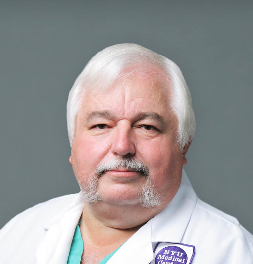 Eugene A. Grossi合作论文数NYU Langone Medical Center8
 Robert C. Gorman合作论文数Department of Surgery, Perelman School of Medicine, University of Pennsylvania7
 Grayson H Wheatley合作论文数7Kellen J Round合作论文数6Jordan E. Goldhammer合作论文数6
 Douglas Murphy合作论文数6Francis Cordova合作论文数6
 Julius Guccione合作论文数Department of Surgery, School of Medicine, University of California, San Francisco;3DT Holdings, LLC6Adham Elmously合作论文数5Vakhtang Tchantchaleishvili合作论文数5
 Husam H. Balkhy合作论文数The University of Chicago Medical Center5
 Marc W. Gerdisch合作论文数5
 Johannes Bonatti合作论文数University of Maryland School of Medicine5Kashem Mohammed A合作论文数5
 Howard Todd Massey合作论文数5Lewis Clifton T P合作论文数5Jaussaud Nicolas合作论文数5Sina L. Moainie合作论文数5Timothy A.M. Chuter合作论文数5
 Gerard J. Criner合作论文数Department of Thoracic Medicine and Surgery, Lewis Katz School of Medicine, Temple University;Temple Lung Center5
 Eugene Komaroff合作论文数School of Medicine, Stony Brook University5John Grehan合作论文数4Brian W Hummel合作论文数4
 Filip Haenen合作论文数4Daniella H Wong合作论文数4
 Walter Clark Hargrove合作论文数4Arvind Agnihotri合作论文数4
 Joseph H Gorman合作论文数Perelman School of Medicine, University of Pennsylvania4Robert Smith合作论文数4
 Leonard N. Girardi合作论文数Department of Cardiothoracic Surgery, Weill Cornell Medical Center4
 Richard J. Shemin合作论文数David Geffen School of Medicine, University of California, Los Angeles4
 Mark Bonnell合作论文数Freelance4
 Kendra Grubb合作论文数Columbia University Medical Center4Furuya Yuka合作论文数School of Medicine, Temple University4




