Metaplasticity is homeostatic regulation of brain excitability through which neurons change their threshold for response based on synaptic history. Transcranial direct current stimulation (tDCS) induced metaplastic shifts in cortical excitability have been shown to improve motor learning in older adults. However, this has not been explored in the context of a fatiguing contraction. We aimed to explore modulation of fatiguing exercise performance, corticospinal excitability and gamma-aminobutyric acid (GABAB)-mediated inhibition in older and younger adults, guided by a metaplasticity-based framework. Fifteen young and fifteen older adults completed three counterbalanced, double-blind tDCS sessions: sham-primed sham tDCS (stDCS - stDCS), sham-primed anodal tDCS (stDCS - atDCS) and cathodal-primed anodal tDCS (ctDCS - atDCS). Each session involved 15 min of priming stimulation (stDCS/ctDCS) followed by 15 min of stDCS/atDCS delivered during a 15% MVC of the elbow flexors held to task failure. Motor evoked potential (MEP; representing corticospinal excitability) and long interval cortical inhibition (LICI; representing GABAB-mediated intracortical inhibition) were assessed using transcranial magnetic stimulation, with EMG responses recorded from biceps brachii before and after fatiguing exercise. Time to task failure was not different between sessions and groups. At recovery, young adults had greater peak-to-peak MEPs (normalised to baseline) than older adults during both stDCS-atDCS and ctDCS-atDCS (P < 0.05), whereas older adults had greater normalised to baseline LICI ratio (i.e. less inhibition) compared to young adults during ctDCS-atDCS (P < 0.05). The findings demonstrate age-related differences in cortical response to tDCS during fatigue. Although exercise performance was preserved with age, the underlying cortical responses differed, potentially reflecting age-related modifications in brain plasticity.
Physical activity, sedentary behaviour, and sleep are three behaviours which occupy the 24-h cycle and interact to influence a multitude of health outcomes. Different terms are currently used to describe these behaviours collectively (e.g., movement behaviours or physical behaviours). The lack of clear and consistent terminology makes it hard to compare, interpret, and build on research findings. As a first step towards developing consensus on what terminology to use for discussing the 24-h cycle of physical activity, sedentary behaviour, and sleep, we conducted a scoping review to identify the breadth of terminology used to describe this phenomenon. All searches occurred between September 18th – 20th 2024. We searched nine databases: Medline, EMBASE, CINAHL, PsycInfo, Web of Science, Scopus, ERIC, Education Source, and Compendex from inception to September 18th 2024. The Journal of Activity, Sedentary and Sleep Behaviors and the International Network of Time-Use Epidemiologists (INTUE) publication lists were manually searched on September 19th – 20th 2024. Peer-reviewed articles were included if they 1) were published in English, Spanish, Portuguese, French, Chinese, Korean, or Japanese; 2) focused on humans; and 3) describe physical activity, sedentary behaviour, and sleep in an integrated manner. We identified different terminologies used for collectively discussing physical activity, sedentary behaviour, and sleep across the 24-h cycle. Our search identified 10,749 articles of which 979 articles met our inclusion criteria. Across all articles, 199 different terms were used to describe physical activity, sedentary behaviour, and sleep collectively. The term movement behaviours was used in 673 articles, 24-h movement behaviours was used in 457 articles, physical behaviours was used in 58 articles, 24-h activity cycle was used in 36 articles, and time-use behaviours was used in 31 articles. The two most popular terms for describing the collective interaction of physical activity, sedentary behaviour, and sleep are movement behaviours and 24-h movement behaviours. However, there is not yet an internationally recognized and agreed-upon term for holistically describing the 24-h cycle of physical activity, sedentary behaviour, and sleep. Developing a homogeneous and widely accepted set of terminology and definitions is thus critical if we hope to ensure clarity, enhance reproducibility, and enable the translation of future research into coherent guidelines, policies, and practices for these behaviours.
Background Alzheimer's disease and related dementias have long prodromal phases during which addressing modifiable lifestyle factors may help delay onset. Digital dementia risk screening tools are emerging as an accessible method to convey risk information and promote preventive strategies. However, little is known about the characteristics, intended users, and risk factor coverage of these tools. Objective To identify and summarize publicly available digital dementia risk screening tools, including their components (risk factors), administration methods, target populations, and implementation settings. Methods A two-phase systematic search was conducted. Phase 1 involved searching Embase, MEDLINE (Ovid), APA PsycINFO, and Google Scholar for digital dementia screening tools. To be included in this review, tools needed to be publicly available, focused on dementia, containing at least one modifiable risk factor, targeted at adults, and published in English. Phase 2 examined the psychometric properties of the identified tools (when administered to older adults). Results Eleven tools met inclusion criteria: CogDrisk, ANU-ADRI, BDSI, DemPort, UKBDRS, CAIDE, LIBRA, Alzhe Alert, DRA, UKB-DRP, and the Knight Alzheimer's Disease Risk Calculator. Tools were web- or app-based and designed for use by individuals, clinicians, or researchers. While the most recent Lancet Commission outlines 14 modifiable risk factors, only 11 were covered across these tools. Only one tool had reported psychometric properties. Conclusions Several digital tools for dementia risk screening are publicly available, but most remain in early development and require further validation in real-world adult populations. Future research should evaluate their reliability and effectiveness to support early identification and behavior change.
This study examined the associations between 24-h movement behaviors and cognitive function in cognitively unimpaired older adults, and whether Alzheimer's disease brain signatures, including gray matter mean diffusivity (GMMD) and thickness/volume signatures, moderated these associations. A total of 91 participants were enrolled in the AGUEDA trial (NCT05186090), with 89 included in this cross-sectional analysis (mean age = 71.61 ± 3.85 years; 56.2% females). Moderate-to-vigorous physical activity (MVPA), light physical activity (LPA), sedentary behavior (SB), and sleep were objectively assessed using 9-day wrist-worn accelerometry. Cognitive function was assessed across attention/inhibitory control, episodic memory, processing speed, visuospatial processing, and working memory. Thickness/volume and GMMD signatures were derived from cortical and hippocampal regions. Compositional linear regression models (CoDA) examined associations, adjusting for age, sex, and education, and tested interactions between movement behaviors and Alzheimer's disease brain signatures. No direct associations were observed between 24-h movement behaviors and cognitive domains (all p > 0.05). However, GMMD signature, but not thickness/volume signature, moderated several movement behavior-cognition associations. Moderation was most evident for episodic memory, with significant interactions for MVPA, LPA, and sleep, while LPA exhibited the broadest pattern of moderation across cognitive domains, interacting with attention/inhibitory control, episodic memory, processing speed, and working memory (all p for interaction ≤ 0.04). In conclusion, the associations between 24-h movement behaviors and cognitive function may depend on microstructural brain integrity (i.e., GMMD). These findings highlight the importance of considering Alzheimer's disease-related brain signatures when investigating lifestyle-cognition associations and support a more personalized approach to promoting cognitive health in older adults. Future prospective longitudinal studies and CoDA interventional trials are needed to establish temporal precedence and evaluate whether targeted time reallocations can actively attenuate cognitive trajectories across distinct microstructural vulnerability profiles. Trial Registration: NCT05186090.
Abstract INTRODUCTION Healthful dietary patterns may attenuate dementia risk by preserving cerebrovascular health. Prior work has focused on systemic arterial stiffness, but cerebrovascular measures may be more sensitive to neuroprotective effects of diet. We examined associations between Mediterranean diet adherence, prefrontal cortex (PFC) arterial elasticity, and cognition in older adults. METHODS Participants were 198 older adults (58% female; mean age 65.6 years) from the Newcastle ACTIVate cohort. Mediterranean Diet (MedDiet) scores were derived from the Australian Eating Survey food frequency questionnaire. Pulse Relaxation Function (PReFx), an index of PFC arterial elasticity, was measured using pulse Diffuse Optical Tomography. Cognition was assessed with CANTAB and a cued task-switching paradigm. RESULTS Higher MedDiet was associated with higher PFC arterial elasticity. MedDiet was not associated with cognition, and PReFx did not mediate diet-cognition associations. DISCUSSION Greater Mediterranean diet alignment was cross-sectionally associated with PFC arterial elasticity, suggesting a pathway through which diet may influence brain health in ageing.
Minoritized communities are disproportionately impacted by modifiable dementia risk factors but are underrepresented in dementia research globally. In Australia, the number of dementia prevention cohort and intervention studies has rapidly increased in the past two decades, yet the representation of minoritized groups has not been synthesized. The aims of this mixed-methods review were to summarize the demographic characteristics of participants involved in Australian dementia prevention-focused cohort and intervention studies. A systematic search of published literature, funded grant outcomes, and clinical trial registrations was conducted in October 2023 and updated in February 2025 to identify any Australia-based cohort or intervention studies which focused on dementia prevention. Data custodians of eligible studies were contacted and invited to submit de-identified participant-level data for these studies. The demographic characteristics of participants involved in published manuscripts and submitted participant-level data were synthesized. These data were then presented to 23 Australian dementia prevention researchers during a 2-h workshop in March 2025. Using co-creation methodologies, the workshop aimed to generate consensus-based recommendations for governments, institutions, and individual researchers to improve inclusivity and representativeness in future dementia prevention research. Twenty-eight published dementia prevention studies were summarized alongside fourteen studies for which de-identified participant-level data were submitted. Compared to the modern Australian population, participants enrolled in dementia prevention studies have been predominantly female, highly educated, and less diverse in terms of culture, language, ethnicity and gender. Thirty-seven recommendations were generated by Australian researchers and ranked by importance, providing actionable changes for government and institutional policy and researcher practice. This review identified that participants enrolled in Australian dementia prevention research studies do not accurately represent those most at risk for dementia in the general population. Changes to recruitment and engagement practices and policies are recommended to improve the representativeness and inclusivity of Australian dementia prevention research.
Ageing is often associated with a decline in cardiovascular and cerebrovascular health. This study examines the relationship between cerebral arterial elasticity and measures of cardiovascular health, as well as longitudinal changes in cerebral arterial elasticity over a 1.5 year interval. The pulse relaxation function (PReFx) is a measure of regional cerebral arterial elasticity derived using diffuse optical tomography (pulse-DOT). PReFx was measured over the anterior brain, including the frontal lobes and anterior sections of temporal and parietal regions that are especially vulnerable to vascular and cognitive ageing. We examined relationships between PReFx and measures of four cardiovascular risk factors (CVRF; i.e., hypertension, cholesterol, diabetes, obesity), as well as CVRF burden (i.e., number of CVRFs) in the highly active and cognitively healthy ACTIVate cohort (60-70 years). We replicated the well-established relationship between PReFx and both age and cardiorespiratory fitness, and examined associations between PReFx, measures of cardiovascular health and CVRF burden. Higher CVRF burden was linearly associated with lower cerebral arterial elasticity. The relationship between age and cerebral arterial elasticity was partially mediated by pulse pressure, an index of hypertension. PReFx declined significantly in as little as 1.5 years, and the effect did not vary with baseline level of any of the four CVRFs. We conclude that PReFx shows promise as a putative biomarker for monitoring cerebrovascular ageing in healthy older adults.
ObjectivesAs the world's population ages, it is imperative to develop community initiatives that address the well-being needs of older adults. This study aimed to identify older adults' needs and preferences for a bespoke well-being program in local councils in Southern Adelaide, South Australia.MethodsSix local older adults (between 65 and 87 years of age) participated in six co-design focus groups. In the focus groups, older adults reviewed and discussed previous Council-led well-being programs and developed a new well-being program for older adults. Reflexive thematic analysis was intentionally conducted on focus group dialog, after program development, to represent the perspectives and preferences of the older adults for a future well-being program.ResultsThree themes on preferred program content and delivery methods were identified. Theme (1) get the balance right, with two subthemes (a) volume of information versus activities, discussion, and self-reflection and (b) facilitation matters, which highlight the value older adults placed on facilitation activities, discussion, and self-reflection to facilitate behavior change. Theme (2) we value the science, with two subthemes (a) some topics warrant more practical strategies than scientific information and (b) information should be tailored, relatable and provide choice. Theme (3) continue to challenge aging stereotypes, including two subthemes (a) language must be accessible and (b) respect the diversity of the aging experience.ConclusionsTo ensure maximum value for older adult participants at the community-level in Australia, well-being programs for older adults should include evidence-based tailored content, time for discussion and group interaction, while also respecting the diversity of older adults in terms of abilities and preferences. Recommendations for policy makers and practitioners are outlined at the conclusion of the paper.
BackgroundArtificial intelligence (AI) has the potential to transform rural healthcare delivery through automated monitoring, personalised care, and virtual support. Yet the future pathways for AI in rural contexts remain underexplored. Most AI applications are developed in urban-centric environments with limited consideration for infrastructure constraints, workforce realities, and sociocultural dynamics that shape rural healthcare delivery.MethodsThis study examined stakeholder perspectives on the future role of AI in rural healthcare, identifying key priorities, facilitators, and barriers to adoption. Using a participatory research approach incorporating horizon scanning and foresight methods, data were collected during a structured workshop at the South Australian Rural Health Research and Education Conference. Forty participants, including general practitioners, clinicians, medical students, researchers, and healthcare administrators, engaged in four sequential activities: historical events mapping, future event possibilities, experiential future scenarios, and priority setting using the MoSCoW framework. Written responses were systematically transcribed and analysed using reflexive thematic analysis.ResultsFour prominent themes emerged capturing stakeholder priorities and the guardrails they considered essential for future technological integration. These themes related to opportunities from AI and technology deployment for rural and remote equity, people at the centre of care, ethical challenges, and funding and systems issues. Participants acknowledged AI's potential to reduce geographical barriers and improve access to healthcare services, while also raising concerns about data privacy, governance, cultural appropriateness, and the risk of technology exacerbating existing health disparities. Across activities, participants expressed a strong preference for AI that supports rather than replaces human clinicians, and emphasised the importance of maintaining person-centred care, human connection, and local knowledge.DiscussionThis study shows how futures-oriented, participatory methods can surface both the promise and the constraints of AI in rural healthcare. Successful implementation requires co-design with rural communities, equity-driven approaches, transparent governance frameworks, and investment in infrastructure and workforce capacity so that future technology adoption supports, rather than exacerbates, existing health disparities.
Personalised interventions which optimise the balance of physical activity (PA), sleep and sedentary behaviour (i.e., time use) in the 24-h day may be more effective than one-size-fits-all approaches. We present an interactive app to personalise 24-h time use based on individuals’ health and sociodemographic characteristics. Analyses used cross-sectional data from 53,057 UK Biobank participants. Average daily time use was measured using 7-day accelerometry data and expressed as a 24-h composition using isometric log-ratio transformation. Five cognitive composites were derived from web-based tests. Regularized linear regression examined the relationship between 24-h time-use composition and cognition, with sociodemographic and health characteristics as additional predictors. Model estimates were used to estimate optimized cognition based on the interaction of 24-h time-use composition and personal characteristics. Our ‘ideal day’ app delivers personalised 24-h time-use recommendations tailored to individual characteristics. We demonstrate that personalisation of time-use interventions can be achieved in real time using open-source software.
Background:Ageing is associated with increased cardiovascular health risks and disproportionate atrophy in frontotemporal brain. Regional cerebral arterial elasticity correlates with regional grey matter volume, with stronger associations frontally and in older adults. Cardiorespiratory fitness (CRF) is linked to preserved brain structure and greater arterial elasticity, while sex differences exist in the timing of vascular versus structural changes. This study examines whether regional cerebral arterial elasticity in frontotemporal cortex mediates the association between age and corresponding grey matter volume decline, and whether sex and/or CRF moderate this relationship. Methods:We analysed data from 162 healthy adults (60-70 years) with structural MRI and diffuse optical tomography of the cerebral arterial pulse (Pulse-DOT) from the ACTIVate cohort. CRF was estimated from demographic and physiological measures. Pulse Relaxation Function (PReFx), an optical index of regional arterial elasticity, was measured across 28 frontal, temporal, and parietal regions of interest (ROI). Grey matter (GM) volume was quantified for corresponding ROIs. Mediation and moderated mediation models tested whether PReFx mediated the relationship between age and GM volume at bilateral frontal and temporal ROIs, and whether biological sex or CRF moderated this relationship. Results:Regional bivariate correlations identified associations between age, PReFx and GM volume across multiple ROIs, which PReFx and GM volume being associated primarily in left frontal and temporal areas. PReFx partially mediated the effect of age on GM volume in a left mid-inferior frontal ROI, accounting for approximately 16% of the total age effect and this relationship was only evident in females. Although higher CRF was associated with greater PReFx, it did not moderate the relationship between age, PReFx and GM volume. Conclusions:Consistent with cascade models of neurovascular aging, cerebral arterial stiffening was found to partially explain the effect of increasing age on frontal GM volume, even in this highly age-restricted and high functioning cohort. This effect was only significant over the left prefrontal cortex, consistent with greater vulnerability of frontal brain and associated cognitive functions. It was also exclusively present in females, who had better cardiovascular health, larger grey matter volume and greater arterial elasticity than males. These findings are consistent with pulse-DOT measures of cerebral arterial elasticity being more sensitive to subclinical brain structural variability.
INTRODUCTION:Addressing physical inactivity is a promising dementia risk reduction strategy due to its direct benefits for brain health, and indirect benefits for other modifiable dementia risk factors. A potential limitation of previous interventions is that they often overlook how increasing physical activity affects other behaviours throughout the 24-hour day, such as sleep and sedentary behaviour, which are also important for brain health. Further, interventions are rarely tailored to the individual, considering their needs, preferences and constraints that may serve as barriers or facilitators to behaviour change. The current phase I randomised controlled trial, Small Steps, aims to investigate feasibility, acceptability and preliminary effectiveness of a personalised 24-hour time-use intervention to improve lifestyle and cognitive health in older adults. METHODS AND ANALYSIS:Participants aged ≥65 years from Adelaide, South Australia will be recruited and randomised to either the Extended or Condensed programme. During the first 12 weeks, participants in the Extended programme will use a tailored website to set personalised weekly goals to move towards their 'optimal' 24-hour day for brain health, facilitated by weekly website 'check-ins' and weekly phone calls with a research staff member. Participants randomised to the Condensed programme will have access to the website educational resources only but will not undergo personalised goal setting or telephone calls. Following the introductory phase (first 12 weeks), phone calls will be gradually withdrawn for the Extended programme. Primary (feasibility and acceptability) and secondary outcomes (changes in time use, cognitive function and behaviour change metrics) will be assessed 12, 24 and 36 weeks after the beginning of the intervention. ETHICS AND DISSEMINATION:Ethics approval has been obtained from the University of South Australia's Human Research Ethics Committee (205989). Study findings will be disseminated through peer-reviewed journal articles, conference presentations, media releases and community engagement. TRIAL REGISTRATION NUMBER:NCT06291909).
People living with myalgic encephalomyelitis/chronic fatigue syndrome (ME/CFS) may face unique barriers to physical activity. Active video games may overcome these barriers and increase physical activity. The primary aim of this pilot study was to determine the feasibility and acceptability of active video games to increase physical activity levels of people with ME/CFS.
Despite growing evidence that dementia risk can be reduced through prevention strategies, rural populations often face unique challenges that may increase their vulnerability. However, the extent to which modifiable dementia risk factors vary between rural and urban communities – and their influence on cognitive performance – remains unclear. This cross-sectional study examines differences in modifiable dementia risk factors and cognitive performance in older adults in rural and urban areas of Australia. We analysed preliminary data from 236 older Australian adults (56 rural, 69% female; 180 urban, 81% female), with a mean age of approximately 68 years, as part of a larger, ongoing cohort study. Dementia risk was assessed using the total risk score from the Australian National University Alzheimer's Disease Risk Index (ANU-ADRI), while cognitive function was measured using Addenbrooke's Cognitive Examination III (ACE-III). Rural-urban classification was determined using the Modified Monash Model. T-tests and Fisher's exact tests were used to compare modifiable dementia risk factors between urban and rural participants, revealing significant differences in cognitive performance and dementia risk. Urban residents scored higher on the ACE-III than rural residents (M = 94.94 vs. 92.52; t(229) = -4.09; p < .001), and had lower dementia risk (M = -5.45 vs. -0.58; t(231) = 4.10; p < .001). Urban participants also had higher educational attainment (median 17 vs. 15 years, p < .001), engaged in more cognitive activities (median 3.18 vs. 3.00, p = .004), and consumed more fish (median 1.00 vs. 0.62, p = .006). Higher dementia risk, as indicated by ANU-ADRI scores, was associated with lower cognitive performance (β = -0.13, p = .015), independent of rurality. These findings highlight important rural-urban differences in modifiable dementia risk factors and cognitive performance among older Australians. The consistent relationship between risk factors and cognitive performance across settings suggests that prevention strategies may be equally effective in both rural and urban areas. However, the higher dementia risk score observed in rural populations underscores the need for targeted interventions. Future research will explore the underlying factors contributing to these differences and the feasibility of tailored interventions for rural communities.
Physical and motor fatigue are debilitating symptoms common in multiple sclerosis (MS). Lifestyle interventions may be effective in managing MS-related fatigue. This scoping review aims to: (i) identify and summarise lifestyle interventions including those focused on diet, physical activity, and sleep, or multicomponent interventions for physical and motor fatigue management in MS; and (ii) provide recommendations for future research in this area. Database searches of MEDLINE (Ovid), Cochrane (Cochrane Library), Scopus (Elsevier), CINAHL (EBSCOhost), and Embase (Ovid) were conducted. To be included in this scoping review, studies were to be published in a peer reviewed scientific journal, focused on a non-pharmacological lifestyle intervention (physical activity, exercise, sleep, diet, or a combination), and written in English. Forty-one studies were included for analysis. Included participants were predominantly female, living with relapsing-remitting MS, with a median age of 48 years. The design of the studies comprised mainly of randomised control trials and pilot/feasibility studies. All included studies incorporated a physical activity intervention, with most examining aerobic/endurance exercise. Most studies reported an effect on improving physical/motor fatigue and a large proportion incorporated an endurance training program. To build on the current evidence and progress MS-fatigue related recommendations, further studies with larger sample sizes and a more inclusive range of MS types are required. Finally, with a gap of research investigating the role of diet and sleep on motor and physical fatigue in MS, research into this field is critically needed.
BACKGROUND:Despite growing evidence that dementia risk can be reduced through prevention strategies, rural populations often face unique challenges that may increase their vulnerability. However, the extent to which modifiable dementia risk factors vary between rural and urban communities - and their influence on cognitive performance - remains unclear. This cross-sectional study examines differences in modifiable dementia risk factors and cognitive performance in older adults in rural and urban areas of Australia. METHOD:We analysed preliminary data from 236 older Australian adults (56 rural, 69% female; 180 urban, 81% female), with a mean age of approximately 68 years, as part of a larger, ongoing cohort study. Dementia risk was assessed using the total risk score from the Australian National University Alzheimer's Disease Risk Index (ANU-ADRI), while cognitive function was measured using Addenbrooke's Cognitive Examination III (ACE-III). Rural-urban classification was determined using the Modified Monash Model. RESULTS:T-tests and Fisher's exact tests were used to compare modifiable dementia risk factors between urban and rural participants, revealing significant differences in cognitive performance and dementia risk. Urban residents scored higher on the ACE-III than rural residents (M = 94.94 vs. 92.52; t(229) = -4.09; p < .001), and had lower dementia risk (M = -5.45 vs. -0.58; t(231) = 4.10; p < .001). Urban participants also had higher educational attainment (median 17 vs. 15 years, p < .001), engaged in more cognitive activities (median 3.18 vs. 3.00, p = .004), and consumed more fish (median 1.00 vs. 0.62, p = .006). Higher dementia risk, as indicated by ANU-ADRI scores, was associated with lower cognitive performance (β = -0.13, p = .015), independent of rurality. CONCLUSION:These findings highlight important rural-urban differences in modifiable dementia risk factors and cognitive performance among older Australians. The consistent relationship between risk factors and cognitive performance across settings suggests that prevention strategies may be equally effective in both rural and urban areas. However, the higher dementia risk score observed in rural populations underscores the need for targeted interventions. Future research will explore the underlying factors contributing to these differences and the feasibility of tailored interventions for rural communities.
Using co-design principles based on the Health CASCADE framework, we aimed to describe the collaborative process undertaken to develop a 24-hour time-use intervention, called Small Steps, which promoted gradual and incremental health-behavior change. A secondary aim was to reflect on the challenges and benefits of co-design in this project, offering insights into the “why” and “how” to co-design 24-hour time-use interventions with priority populations. Twelve participants were invited and participated in 6 co-design workshops (June 2023–January 2024). To prioritize older adults’ views in the end-product, 8 adults aged >65 years (the target population) and 4 allied health professionals with >2 years’ experience working with the target population were recruited. Workshops and activities were structured using the British Design Council's Double Diamond Design Process to stimulate design thinking. Where possible, participant-led documentation was used to reduce the bias associated with academic scribing and empower participants to provide input and facilitate ownership for the project. Workshop activities and discussions were captured through printouts, audio and iPad screen recordings and analyzed through reflexive thematic and content analysis. Co-designers contributed to all elements of the intervention including the website design, the content, and the level of researcher input during the intervention. Iterative improvements were made based on the unique perspectives and needs of the community experts. During the action planning process, older adults wanted both support and autonomy, while maintaining the freedom to adapt these options to their individual needs. Older adults also preferred a step-by-step approach, allowing for gradual behavior changes across the intervention to avoid feelings of becoming overwhelmed. The co-design process enabled the tailoring of the Small Steps intervention to the specific needs of its intended audience. Key factors contributing to the co-design included flexibility in the design process, fostering a supportive environment, and empowering participants through activities that guided and stimulated their thinking. These elements not only helped shape the development of Small Steps but reinforced the value of co-design in developing personalised interventions for older adults.
INTRODUCTION:The relationships between 24-h time-use composition (i.e., sleep, sedentary behavior, light physical activity, and moderate-to-vigorous physical activity [MVPA]) and brain morphology in older adulthood remain poorly understood. We examined associations between 24-h time-use composition and brain age using compositional data analysis, predicting that 24-h time use would be associated with brain age and that a greater amount of time engaged in MVPA would drive associations with younger brain age. METHODS:Baseline data from the Investigating Gains in Neurocognition in an Intervention Trial of Exercise (IGNITE; n = 648) were analyzed. Brain age was estimated using T1-weighted magnetic resonance imaging data. Time-use composition was derived from wrist-worn triaxial accelerometers. Regression models examined associations between 24-h time-use composition (expressed as isometric log ratios) and brain age, adjusting for age, sex, apolipoprotein E4 (APOE4) carriage, education, body mass index, image quality, and site. Compositional isotemporal substitution evaluated how hypothetical reallocations of time between behaviors related to brain age. RESULTS:The final sample included 573 adults (69.8±3.7 years, 407 females). It was found that 24-h time-use composition was associated with brain age (F = 2.72, p = 0.004). Post hoc modeling indicated that time spent in MVPA primarily drove these associations, such that less MVPA was associated with greater brain age, irrespective of whether time was taken from sleep, sedentary behavior, or light physical activity. DISCUSSION:These results suggest that 24-h time use, especially time spent in MVPA, relates to structural brain age in late adulthood. Maintaining or increasing MVPA may help preserve younger brain age, irrespective of which behaviors this time was reallocated from. Future research should examine whether systematically shifting 24-h time use toward MVPA alters brain aging trajectories.Clinical Trial Registration Number and Name of Trial Registry: ClinicalTrial.gov: NCT02875301. Highlights:Time use relates to brain age in older adults.More time spent in MVPA may contribute to younger brain age.Associations between time use and brain age are independent of demographic variation or genetic risk for AD.
The balance of sleep, physical activity, and sedentary behaviours in the 24-hr day (i.e., time-use composition) is associated with cognitive performance in older adults. However, it is unclear how factors such as sleep quality impact this relationship. This cross-sectional study investigated whether sleep quality impacts the relationship between 24-hr time-use composition and cognitive performance in older adults without dementia. Baseline data from the ACTIVate study ( n = 368, mean age=65y) were used. Self-reported daily activity and sleep patterns, collected using the Multimedia Activity Recall for Children and Adults, were expressed as a 24-hour time-use composition (min/day in sleep, sport/exercise, chores, household administration, quiet time, screen time, social and self-care domains). The Pittsburgh Sleep Quality Index total score was used to classify participants as having ‘good’ (<5; n = 151) or ‘poor’ (≥5; n = 217) sleep quality. Memory, executive function and processing speed were measured using the Cambridge Neuropsychological Test Automated Battery. Within ‘good’ and ‘poor’ sleep quality subgroups, associations between time-use composition (expressed as isometric log-ratios) and cognitive outcomes were tested using multiple linear regression adjusted for age, sex, and education. Post-hoc plotting explored how reallocations of time between time-use domains were associated with cognitive outcomes within sleep quality sub-groups. Compared to good quality sleepers, poor quality sleepers spent more time in chores and quiet time, and less time in sport/exercise and household administration domains. Time-use composition was associated with memory in poor quality sleepers ( p = 0.04) but not good quality sleepers ( p = 0.26), and there were no associations with executive function or processing speed for either group. Reallocating time to sport/exercise at the expense of any other time-use domain was beneficial for memory in poor sleepers, with the greatest benefit observed when time was reallocated from sleep or quiet time. Conversely in good sleepers, increasing time in sport/exercise was only beneficial for memory if reallocated directly from screen time. Subjective sleep quality altered the association between 24-hr time use and memory performance, whereby poor quality sleepers benefited more from time in sport/exercise. Personalised 24-hr time-use interventions may be more beneficial if tailored based on current sleep quality.
 Hannah Keage合作论文数University of South Australia29
 Dorothea Dumuid合作论文数Centre for Adolescent Health, Murdoch Children's Research Institute22
 Maddison L. Mellow合作论文数Alliance Res Exercise Nutr & Act ARENA, Univ South Australia19
 Frini Karayanidis合作论文数Hunter Medical Research Institute17
 Goldsworthy Mitchell R合作论文数Robinson Inst, Univ Adelaide15
 Timothy Olds合作论文数School of Health Sciences, University of South Australia15
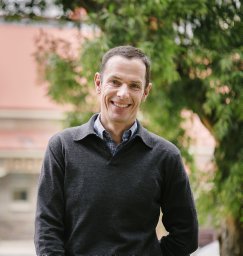 Michael C. Ridding合作论文数Department of Medicine, Royal Adelaide Hospital12
 Alexandra T Wade合作论文数University of South Australia10
 Gaynor Parfitt合作论文数University of Exeter School of Sport and Health Sciences10
 Julia B. Pitcher合作论文数School of Molecular and Biomedical Sciences, The University of Adelaide10
 Danielle Greaves合作论文数UniSA Online, Univ South Australia9
 Monica Fabiani合作论文数Beckman Institute, University of Illinois at Urbana-Champaign, Urbana8
 Jillian Dorrian合作论文数School of Psychology, Social Work and Social Policy C1-20 Magill Campus, St Bernards Rd Magill SA 5072 Australia8
 Kirk I. Erickson合作论文数Brain Aging & Cognitive Health Lab, Department of Psychology, University of Pittsburgh7
 Hull Melissa J合作论文数Sansom Institute for Health Research, University of South Australia7Ty Stanford合作论文数6
 Montana Hunter合作论文数Funct Neuroimaging Lab, Univ Newcastle6
 Gabriele Gratton合作论文数Department of Psychology, College of Liberal Arts and Sciences, University of Illinois at Urbana-Champaign6James Dollman合作论文数5
 Daniel Feuerriegel合作论文数Melbourne School of Psychological Sciences, Faculty of Medicine, Dentistry and Health Sciences, The University of Melbourne5
 John G. Semmler合作论文数School of Molecular and Biomedical Science, The University of Adelaide5
 Peter Psaltis合作论文数Royal Adelaide Hospital;South Australian Health and Medical Research Institute;The Queen Elizabeth Hospital;Faculty of Health and Medical Sciences, Adelaide Medical School, University of Adelaide5Roger G. Eston合作论文数5Ryan D Higgins合作论文数4Emma Tregoweth合作论文数4
 Liye Zou (邹立业)合作论文数School of Psychology, Shenzhen University4Aaron Miatke合作论文数4
 Jairo H Migueles合作论文数Sport and Health University Research Institute, University of Granada4
 Tasha Stanton合作论文数Sansom Inst Hlth Res, Univ S Australia4
 Sidhu Simranjit K合作论文数School of Human Movement Studies, The Univ. of Queensland4
 Lampit Amit合作论文数Brain and Mind Research Institute, University of Sydney Sydney4
 Gary Wittert合作论文数Adelaide Medical School, Faculty of Health and Medical Sciences, University of Adelaide;University of Sydney;New England Research Institutes4
 Carol Maher合作论文数University of South Australia, University of South Australia4
 Daniel Davis合作论文数Institute of Public Health, University of Cambridge4
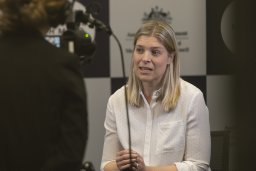 Laver Kate合作论文数School of Allied Health, La Trobe University;Faculty of Health Sciences, The University of Sydney;La Trobe University, The University of Sydney4
 Teresa Liu-Ambrose合作论文数Department of Physical Therapy, Faculty of Medicine, The University of British Columbia;Aging, Mobility, and Cognitive Health Lab, Faculty of Medicine, The University of British Columbia4
 Tobias Loetscher合作论文数Department of Neurology, University Hospital Zurich4
 Art Kramer合作论文数Center for Cognitive and Brain Health, Northeastern University;Department of Psychology, College of Science, Northeastern University4
 Audrey Collins合作论文数3
 Alison Coates合作论文数3Lynton Graetz合作论文数School of Biomedicine, The University of Adelaide3
 Erica S Ghezzi合作论文数Cognitive Ageing and Impairment Neurosciences Laboratory, University of South Australia3
 Patrycja Kałamała合作论文数Inst Philosophy, Jagiellonian Univ3Ben Singh合作论文数3
 Francisco B Ortega合作论文数Department of Physical Education and Sport, Faculty of Sport Sciences, University of Granada3Hunter Sandra K合作论文数3Ferrar Katia E合作论文数University of South Australia3
 Ryan S Falck合作论文数Vancouver Coastal Health Research Institute, University of British Columbia3
 Hordacre Brenton合作论文数The Robinson Research Institute, University of Adelaide3




