Background: Anakinra was approved by the European Medicines Agency and received Emergency Use Authorization by the United States Food and Drug Administration for patients with COVID-19 pneumonia at risk for severe respiratory failure (SRF) with blood levels of soluble urokinase plasminogen activator receptor (suPAR) > 6 ng/mL. We report the final results of the phase II open-label single-arm SAVE trial in a large population. Methods: Patients with COVID-19 pneumonia and suPAR levels > 6 ng/mL received subcutaneous anakinra 100 mg once daily for 10 days. The primary outcome was the incidence of SRF by day 14. Secondary outcomes were 30-day mortality, incidence of SRF according to time delay for start of treatment, safety, and associations with the inflammatory burden of the host. Results: From March 2020 to March 2022, a total of 992 patients were enrolled. The incidence of SRF was 18.8%, similar to the results of the phase III pivotal SAVE-MOREtrial. The overall 30-day mortality was 9.5%. Participants were divided into 4 subgroups according to time delay between symptoms onset and start of anakinra. The incidence of SRF was similar for all subgroups. Serious adverse events were reported in 15.4%; only 3 were possibly related to anakinra. The most common adverse event was increased liver function tests. A post hoc comparison with the pivotal phase III trial showed similar anakinra outcomes among patient subgroups by levels of inflammatory mediators and D-dimers. Conclusions: Results support the efficacy of anakinra as being similar to that of the pivotal registrational trial for COVID-19 pneumonia. The lack of a comparator group is a limitation.
Human immunodeficiency virus (HIV) has troubled humankind for many years. The rate of new HIV cases is decreasing steadily, mostly because of safer sexual practices and scientific advances in medicine. However, the number of HIV-related trials has significantly increased, as the search for a definite cure for HIV is still fruitless. Our current treatment options involve antiretroviral therapy (ART) with various drug combinations that lower the patients’ viral load in order for the immune system to reconstitute itself. This way, adherent patients achieve a life expectancy similar to the general population. Besides the established treatment protocols, the focus has currently shifted towards secondary pharmaceutical regimen programs that enhance a patient’s immune system and response to opportunistic infections. Vitamins C and D are easily obtainable even in the developing world and are known to improve an individual’s daily life, with vitamin D enhancing the human immune response and vitamin C having an assisting role in both the immune response and as an important antioxidant. Recently, many studies assessing the effect of these vitamins on the progression of HIV have been performed. We aimed to collect and review these studies in order to determine the necessity of the supplementation of these vitamins in HIV-infected patients, which might complement the existing ART. To this day, the scientific community is conflicted, and more studies must be conducted before a definite conclusion about these vitamins’ effects on HIV patients can be reached.
Background Endotype classification may guide immunomodulatory management of patients with bacterial and viral sepsis. We aimed to identify immune endotypes and transitions associated with response to anakinra (human interleukin 1 receptor antagonist) in participants in the SAVE-MORE trial. Methods Adult patients hospitalized with radiological findings of PCR-confirmed severe pneumonia caused by SARS-CoV-2 and plasma-soluble urokinase plasminogen activator receptor levels of ≥ 6 ng/ml in the SAVE-MORE trial (NCT04680949) were characterized at baseline and days 4 and 7 of treatment using a previously defined 33-messenger RNA classifier to assign an immunological endotype in blood. Endpoints were changes in endotypes and progression to severe respiratory failure (SRF) associated with anakinra treatment. Results At baseline, 23.2% of 393 patients were designated as inflammopathic, 41.1% as adaptive, and 35.7% as coagulopathic. Only 23.9% were designated as the same endotype at days 4 and 7 compared to baseline, while all other patients transitioned between endotypes. Anakinra-treated patients were more likely to remain in the adaptive endotype during 7-day treatment (24.4% vs. 9.9%; p < 0.001). Anakinra also protected patients with coagulopathic endotype at day 7 against SRF compared to placebo (27.8% vs. 55.9%; p = 0.013). Conclusion We identify an association between endotypes defined using blood transcriptome and anakinra therapy for COVID-19 pneumonia, with anakinra-treated patients shifting toward endotypes associated with a better outcome, mainly the adaptive endotype. Trial registration ClinicalTrials.gov, NCT04680949, December 23, 2020.
BackgroundDexamethasone improves the survival of COVID-19 patients in need of supplemental oxygen therapy. Although its broad immunosuppressive effects are well-described, the immunological mechanisms modulated by dexamethasone in patients hospitalized with COVID-19 remain to be elucidated.ObjectiveWe combined functional immunological assays and an omics-based approach to investigate the in vitro and in vivo effects of dexamethasone in the plasma and peripheral blood mononuclear cells (PBMCs) of COVID-19 patients.MethodsHospitalized COVID-19 patients eligible for dexamethasone therapy were recruited from the general care ward between February and July, 2021. Whole blood transcriptomic and targeted plasma proteomic analyses were performed before and after starting dexamethasone treatment. PBMCs were isolated from healthy individuals and COVID-19 patients and stimulated with inactivated SARS-CoV-2 ex vivo in the presence or absence of dexamethasone and transcriptome and cytokine responses were assessed.ResultsDexamethasone efficiently inhibited SARS-CoV-2-induced in vitro expression of chemokines and cytokines in PBMCs at the transcriptional and protein level. Dexamethasone treatment in COVID-19 patients resulted in down-regulation of genes related to type I and II interferon (IFN) signaling in whole blood immune cells. In addition, dexamethasone attenuated circulating concentrations of secreted interferon-stimulating gene 15 (ISG15) and pro-inflammatory cytokines and chemokines correlating with disease severity and lethal outcomes, such as tumor necrosis factor (TNF), interleukin-6 (IL-6), chemokine ligand 2 (CCL2), C-X-C motif ligand 8 (CXCL8), and C-X-C motif chemokine ligand 10 (CXCL10). In PBMCs from COVID-19 patients that were stimulated ex vivo with multiple pathogens or Toll-like receptor (TLR) ligands, dexamethasone efficiently inhibited cytokine responses.ConclusionWe describe the anti-inflammatory impact of dexamethasone on the pathways contributing to cytokine hyperresponsiveness observed in severe manifestations of COVID-19, including type I/II IFN signaling. Dexamethasone could have adverse effects in COVID-19 patients with mild symptoms by inhibiting IFN responses in early stages of the disease, whereas it exhibits beneficial effects in patients with severe clinical phenotypes by efficiently diminishing cytokine hyperresponsiveness.
Background: Remnant cholesterol (RC) is an emerging factor contributing to residual risk for the development of atherosclerotic cardiovascular disease (ASCVD). We aimed to investigate the association of RC with ASCVD in high ASCVD risk patients. Methods: RC was calculated in 906 participants (178 low/moderate-risk and 728 high-risk) consecutively recruited from a vascular registry. Subclinical carotid atherosclerosis was assessed by B-mode carotid ultrasonography. Maximal carotid wall thickness (maxWT) and carotid atherosclerotic burden (n >= 2 atherosclerotic plaques) were set as the vascular outcomes. An independent cohort of 87 consecutively recruited high-risk patients who were followed for their lipid profile for 3 months was also analyzed. Results: RC was increased in the high-risk group as compared to controls (26 +/- 17 vs. 21 +/- 11 mg/dl, respectively, p < 0.001). Increased RC levels were independently associated with increased maxWT and carotid atherosclerotic burden (p < 0.05), after adjustment for traditional cardiovascular risk factors (TRF) and ASCVD. RC levels were associated with the presence of flow-limiting ASCVD and coronary artery disease (CAD) (p < 0.05), after adjustment for TRFs. These associations remained significant in those not receiving hypolipidemic treatment and in treated individuals achieving LDL-C<10 0 mg/dl. In the prospective cohort, there was no significant interaction between change in RC levels and hypolipidemic status, as contrasted to LDL-C levels (p < 0.001). Conclusion: In a high-risk population, RC was associated with subclinical and clinically overt ASCVD, particularly in patients with the most adverse lipid phenotype (untreated) or in treated patients with a low LDL-related risk profile. These findings support a residual pro-atherosclerotic role of RC in high-risk patients. (c) 2022 Hellenic Society of Cardiology. Publishing services by Elsevier B.V. This is an open access article under the CC BY-NC-ND license (http://creativecommons.org/licenses/by-nc-nd/4.0/).
Background: The SAVE-MORE trial demo that anakinra treatment in COVID-19 pneumonia with plasma suPAR (soluble urokinase plasminogen activator) 6ng/ml or more was associated with 0.36 odds for worse outcome compared to placebo as expressed by the WHO-CPS (Clinical Progression Scale) at day 28. Subgroup analyses and long-term outcomes are reported.Methods: SAVE-MORE was a prospective, double-blind randomized clinical trial that was designed following advice from the Emergency task Force for COVID-19 of the European Medicines Agency. Pre-defined subgroups according to the Charlson’s comorbidity index (CCI), gender, age, level of suPAR and time from symptoms onset were analyzed for the primary and main secondary endpoints at day 28. WHO-CPS score at days 60 and 90 and the cost of hospitalization were also compared. Findings: Multivariate analysis showed that anakinra treatment was accompanied by significantly less odds for worse outcome compared to placebo at day 28 for all studied subgroups (odds ratio 0.34 when CCI ≥2 or more; 0.38 when CCI < 2; 0.35 with suPAR > 9 ng/ml; 0.35 with suPAR ≤9 ng/ml; 0.39 for patients ≥ 65 years old; and 0.29 for patients < 65 years). The benefit was uniform irrespective of the time from start of symptoms until the start of the study drug. Similar benefit was shown for most of the secondary outcomes within subgroups. At day 60, anakinra treatment had 0.40 odds for worse outcome compared to placebo; this was 0.50 at day 90. The costs of general ward stay, ICU stay, and drugs were decreased with anakinra treatment. Interpretation: Benefit from anakinra was found in all subgroups and irrespective of timing of administration. Benefit was prolonged until day 90.Trial Registration: EudraCT number, 2020-005828-11; ClinicalTrials.gov NCT04680949)Funding: Hellenic Institute for the Study of Sepsis; Swedish Orphan Biovitrum ABDeclaration of Interest: Andrea Angheben is partly funded by the Italian Ministry of Health under "Fondi Ricerca Corrente" - L1P1. L. Dagna had received consultation honoraria from SOBI. M. Bassetti has received funds for research grants and/or advisor/consultant and/or speaker/chairman from Angelini, Astellas, Bayer, Biomerieux, Cidara, Cipla, Gilead, Menarini, MSD, Pfizer, Roche, Shionogi and Nabriva. Mihai G. Netea was supported by an ERC Advanced Grant (833247) and a Spinoza Grant of the Netherlands Organization for Scientific Research. P. Panagopoulos has received honoraria from GILEAD Sciences, Janssen, and MSD. H. Milionis reports receiving honoraria, consulting fees and non-financial support from healthcare companies, including Amgen, Angelini, Bayer, Mylan, MSD, Pfizer, and Servier. G. N. Dalekos is an advisor or lecturer for Ipsen, Pfizer, Genkyotex, Novartis, Sobi, received research grants from Abbvie, Gilead and has served as PI in studies for Abbvie, Novartis, Gilead, Novo Nordisk, Genkyotex, Regulus Therapeutics Inc, Tiziana 19 Life Sciences, Bayer, Astellas, Pfizer, Amyndas Pharmaceuticals, CymaBay Therapeutics Inc., Sobi and Intercept Pharmaceuticals. E. J. Giamarellos-Bourboulis has received honoraria from Abbott CH, bioMérieux, Brahms GmbH, GSK, InflaRx GmbH, Sobi and XBiotech Inc; independent educational grants from Abbott CH, AxisShield, bioMérieux Inc, InflaRx GmbH, Johnson & Johnson, MSD, Sobi and XBiotech Inc.; and funding from the Horizon2020 Marie Skłodowska- Curie International Training Network “the European Sepsis Academy” (granted to the National and Kapodistrian University of Athens), and the Horizon 2020 European Grants ImmunoSep and RISCinCOVID (granted to the Hellenic Institute for the Study of Sepsis). The other authors do not disclose any conflict of interest.Ethical Approval: The protocol was approved by the National Ethics Committee of Greece (approval 161/20) and by the Ethics Committee of the National Institute for Infectious Diseases Lazzaro Spallanzani, IRCCS in Rome (01.02.2021)
Severe acute respiratory syndrome coronavirus 2 (SARS-CoV-2) infection has been associated with a high incidence of arterial and venous thrombotic complications. However, thromboembolic events in unusual sites such as limb and visceral arterial ischemia are reported rarely in the literature. Herein, we describe a rare case of a patient with severe coronavirus disease 2019 (COVID-19) infection who experienced severe abdominal pain during the hospitalization and presented simultaneously renal artery, splenic artery and vein as well as aortic thrombi despite prophylactic antithrombotic treatment. Information about his follow-up post discharge is also provided. This case report raises significant clinical implications regarding the correct dose of antithrombotic treatment during the acute phase of the severe COVID-19 infection and highlights the need for incessant vigilance in order to detect thrombosis at unusual sites as a possible diagnosis when severe abdominal pain is present in severe COVID-19 patients.
Most patients infected with SARS-CoV-2 (COVID-19) experience mild, non-specific symptoms, but many develop severe symptoms associated with an excessive inflammatory response. Elevated plasma concentrations of soluble urokinase plasminogen activator receptor (suPAR) provide early warning of progression to severe respiratory failure (SRF) or death, but access to suPAR testing may be limited. The Severe COvid Prediction Estimate (SCOPE) score, derived from circulating concentrations of C-reactive protein, D- dimers, interleukin-6, and ferritin among patients not receiving non-invasive or invasive mechanical ventilation during the SAVE-MORE study, offers predictive accuracy for progression to SRF or death within 14 days comparable to that of a suPAR concentration of ≥6 ng/mL (area under receiver operator characteristic curve 0.81 for both). The SCOPE score is validated in two similar independent cohorts. A SCOPE score of 6 or more is an alternative to suPAR for predicting progression to SRF or death within 14 days of hospital admission for pneumonia, and it can be used to guide treatment decisions.
Background:The SAVE-MORE trial demonstrated that anakinra treatment in COVID-19 pneumonia with plasma soluble urokinase plasminogen activator (suPAR) levels of 6 ng/mL or more was associated with 0.36 odds for a worse outcome compared to placebo when expressed by the WHO-Clinical Progression Scale (CPS) at day 28. Herein, we report the results of subgroup analyses and long-term outcomes. Methods:This prospective, double-blind, randomised clinical trial, recruited patients with a confirmed SARS-CoV-2 infection, in need of hospitalisation, lower respiratory tract infection and plasma suPAR ≥6 ng/mL from 37 academic and community hospitals in Greece and Italy. Patients were 1:2 randomised to subcutaneous treatment with placebo or anakinra (100 mg) once daily for 10 days. Pre-defined subgroups of Charlson's comorbidity index (CCI), sex, age, level of suPAR, and time from symptom onset were analysed for the primary endpoint (overall comparison of distribution of frequencies of the scores from the WHO-CPS between treatments on day 28), by multivariable ordinal regression analysis in the intention to treat (ITT) population. This trial is registered with the EU Clinical Trials Register (2020-005828-11) and ClinicalTrials.gov (NCT04680949). Findings:Patients were enrolled between 23 December 2020 and 31 March 2021; 189 patients in the placebo arm and 405 patients in the anakinra arm were the ITT population. Multivariable analysis showed that anakinra treatment was accompanied by significantly lower odds for worse outcome compared to placebo at day 28 for all studied subgroups (CCI ≥ 2, OR: 0.34, 95% confidence intervals [CI] 0.22-0.50; CCI < 2, OR: 0.38, 95% CI 0.21-0.68; suPAR > 9 ng/mL, OR: 0.35, 95% CI 0.19-0.66; suPAR 6-9 ng/mL, OR: 0.35, 95% CI 0.24-0.52; patients ≥65 years, OR: 0.41, 95% CI 0.25-0.66; and patients <65 years, OR: 0.29, 95% CI 0.19-0.45). The benefit was uniform, irrespective of the time from start of symptoms until the start of the study drug. At days 60 and 90, anakinra treatment had odds of 0.40 (95% CI 0.28-0.57) and 0.46 (95% CI 0.32-0.67) respectively, for a worse outcome compared to placebo. The costs of general ward stay, ICU stay, and drugs were lower with anakinra treatment. Interpretation:Anakinra represents an important therapeutic tool in the management of COVID-19 that may be administered in all subgroups of patients; benefits are maintained until day 90. Funding:Hellenic Institute for the Study of Sepsis; Swedish Orphan Biovitrum AB.
Most patients infected with SARS-CoV-2 (COVID-19) experience mild, non-specific symptoms, but several develop severe symptoms associated with an excessive inflammatory response. Elevated plasma concentrations of soluble urokinase plasminogen activator receptor (suPAR) provide early warning of progression to severe respiratory failure (SRF) or death, but access to suPAR testing may be limited. The Severe COvid Prediction Estimate (SCOPE) score, derived from C-reactive protein, D-dimer, interleukin-6, and ferritin circulating concentrations at hospitalization during the SAVE-MORE study, offers comparable predictive accuracy for progression to SRF or death within 14 days as suPAR ≥6 ng/ml (area under receiver operator characteristic curve, 0.81 for both). SCOPE score was validated against an independent dataset from the SAVE study. The SCOPE score is an alternative to suPAR for predicting progression to SRF or death within 14 days of hospital admission for pneumonia, and it can be used to guide treatment decisions. Funding: The study was funded in part by the Hellenic Institute for the Study of Sepsis and by Swedish Orphan Biovitrum. The Hellenic Institute for the Study of Sepsis is the Sponsor of the SAVE and SAVE-MORE studies. Declaration of Interests:E. J. Giamarellos-Bourboulis has received honoraria from Abbott CH, bioMérieux, Brahms GmbH, GSK, InflaRx GmbH, Sobi and XBiotech Inc;independent educational grants from Abbott CH, AxisShield, bioMérieux Inc, InflaRx GmbH, Johnson & Johnson, MSD, Sobi and XBiotech Inc.;and funding from the Horizon2020 Marie-Curie Project European Sepsis Academy (granted to the National and Kapodistrian University of Athens), and the Horizon 2020 European Grants ImmunoSep and RISKinCOVID (granted to the Hellenic Institute for the Study of Sepsis). G. Poulakou has received independent educational grants from Pfizer, MSD, Angelini, and Biorad. H. Milionis reports receiving honoraria, consulting fees and non-financial support from healthcare companies, including Amgen, Angelini, Bayer, Mylan, MSD, Pfizer, and Servier. L. Dagna had received consultation honoraria from SOBI. M. Bassetti has received funds for research grants and/or advisor/consultant and/or speaker/chairman from Angelini, Astellas, Bayer, Biomerieux, Cidara, Cipla, Gilead, Menarini, MSD, Pfizer, Roche, Shionogi and Nabriva. P. Panagopoulos has received honoraria from GILEAD Sciences, Janssen, and MSD. G. N. Dalekos is an advisor or lecturer for Ipsen, Pfizer, Genkyotex, Novartis, Sobi, received research grants from Abbvie, Gilead and has served as PI in studies for Abbvie, Novartis, Gilead, Novo Nordisk, Genkyotex, Regulus Therapeutics Inc, Tiziana Life Sciences, Bayer, Astellas, Pfizer, Amyndas Pharmaceuticals, CymaBay Therapeutics Inc., Sobi and Intercept Pharmaceuticals. M. G. Netea is supported by an ERC Advanced Grant (#833247) and a Spinoza grant of the Netherlands Organization for Scientific Research. Hes is a scientific founder of TTxD and he has received independent educational grants from TTxD, GSK, Ono Pharma and ViiV HealthCare. The other authors do not have any competing interest to declare. Ethics Approval Statement: The SAVE protocol was approved by the National Ethics Committee of Greece (approval 38/20) and National Organization for Medicines approval (ISO 28/20). The SAVE-MORE protocol was approved by the National Ethics Committee of Greece (approval 161/20) and by the Ethics Committee of the National Institute for Infectious Diseases Lazzaro Spallanzani, IRCCS, in Rome (1 February 2021). Trial Registration: The SAVE study was prospectively registered prior to enrolling the first patient (EudraCT number 2020-001466-11;ClinicalTrials.gov identifier NCT04357366). The SAVE-MORE study was prospectively registered (EudraCT no. 2020-005828-11;ClinicalTrials.gov identifier NCT04680949). Written informed consent was provided by all patients prior to enrollment.
 Evangelos Giamarellos Bourboulis合作论文数Medical School, National and Kapodistrian University of Athens7
 Zoi Alexiou合作论文数6
 Akinosoglou Karolina合作论文数Faculty of Natural Sciences, Imperial College London6Chini Maria合作论文数6Aikaterini Argyraki合作论文数5Ilias Kainis合作论文数5Glykeria Tzatzagou合作论文数5
 Ilias Papanikolaou合作论文数5Rapti Aggeliki合作论文数5Panagopoulos Periklis合作论文数University General Hospital of Alexandroupolis, Democritus University of Thrace5
 Haralampos Milionis合作论文数Department of Medicine, School of Health Sciences, Faculty of Medicine, University of Ioannina5
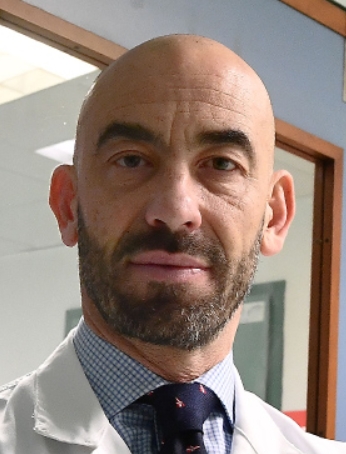 Matteo Bassetti合作论文数Policlinico San Martino University Hospital in Genoa;University of Genoa5
 Katerina Dimakou合作论文数5
 George Dalekos合作论文数Department of Medicine, General University Hospital of Larissa;Research Laboratory of Internal Medicine National Expertise Center, General University Hospital of Larissa;Department of Medicine, University of Thessaly, Medical School;Research Laboratory of Internal Medicine, University of Thessaly, Medical School5
 Simeon Metallidis合作论文数5George Tsoukalas合作论文数4
 Michael Samarkos合作论文数Medical School, National and Kapodistrian University of Athens4Garyfallia Poulakou合作论文数4Emanuele Nicastri合作论文数3Maria Dafni合作论文数3Francesco Saverio Serino合作论文数3Aikaterini Masgala合作论文数3Archontoula Fragkou合作论文数3
 Francesco Castelli合作论文数Third Department of Internal Medicine and Infectious Diseases Unit, Korgialeneion-Benakeion General Hospital3
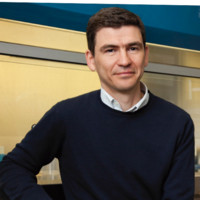 M.G. Netea (Mihai)合作论文数Faculty of Medical Sciences, Radboud University3
 Dagna Lorenzo合作论文数Facoltà di Medicina e Chirurgia, Università Vita-Salute San Raffaele;Unit of Immunology, Rheumatology, Allergy, and Rare Diseases, IRCCS San Raffaele Scientific Institute;Dipartimento di Medicina Generale e Specialistica, IRCSS Ospedale San Raffaele3
 Georgia Damoraki合作论文数3Michael Doumas合作论文数3Chrysos Georgios合作论文数Department of Internal Medicine, Tzaneio General Hospital3
 Carlo Selmi合作论文数Humanitas University3
 Mihai Netea合作论文数Department of Internal Medicine, Radboud University Nijmegen Medical Centre3
 Ioannis Kalomenidis合作论文数2nd Pulmonary Department, “Attikon” University Hospital3
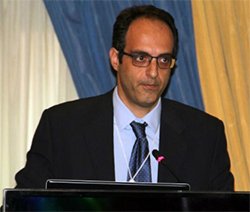 Nikolaos K. Gatselis合作论文数Medical School, University of Thessaly3
 Vasilios Kotsis合作论文数3
 Andrea Angheben合作论文数Centre for Tropical Diseases;Sacro Cuore Hospital;Centre for Tropical Diseases, Sacro Cuore Hospital3Vasiliki Tzavara合作论文数3Petros Bakakos合作论文数Medical School, University of Athens3Maria Ioanna Gounaridi合作论文数2Michalis Ploumidis合作论文数2Brollo Lucio合作论文数2Georgios Mavraganis合作论文数2Marina Koupetori合作论文数2Asimina Safarika合作论文数2Styliani Sympardi合作论文数2Styliani Symbardi合作论文数2Pinelopi Grigoropoulou合作论文数2Vasileios Petrakis合作论文数2Elisabeth Kaldara合作论文数2Olga-Maria Spiropoulou合作论文数2




