The adult B cell pool is a mosaic comprising short-lived naive B cells and long-lived memory. Using genetic time stamping, we have previously shown that early-life-origin (ELO) B cells contribute substantially to the adult mouse immune system. Here, we show that they share a memory-like signature, with ELO B-1 cells being enriched for the PD-L2/CD80 double-positive (DP) immunophenotype. Indeed, microbial antigen exposure in neonates expands distinct specificities within the DP B-1 cell compartment, identifying it as a reservoir of immunoglobulin (Ig)M memory. B cell chronic lymphocytic leukemia (CLL) is a disease marked by the accumulation of memory-like cells. By applying time stamping to a mouse model of unmutated CLL, we demonstrate that leukemic expansion is driven by B-1 clones that arise prior to postnatal day 10. Importantly, B-1 cells in mice and humans share molecular features with unmutated CLL, altogether supporting a potential contribution of ELO B cells to this disease.
Cell differentiation is governed by dynamic changes in chromatin accessibility, and its dysregulation underlies multiple disease states. Prior to birth, development of the hematopoietic system constitutes a period of broad differentiation potential, with certain immune cells arising exclusively during ontogeny. While age is known to affect lineage bias, the underlying molecular differences driving lineage preference in fetal and adult human hematopoietic stem and progenitor cells (HSPCs) remain unclear. Through single-cell cultures of hematopoietic stem cells (HSCs), we observed that fetal cells frequently generate mixed-lineage colonies, whereas adult HSCs are biased towards myeloid output. To investigate how these lineage preferences were encoded at the chromatin level, we performed single-cell ATAC-sequencing on first-trimester HSPCs. While adult HSCs showed enrichment of lineage-specific transcription factor motifs, fetal cells lacked such enrichment, consistent with their broader differentiation potential. We additionally uncovered a developmental-specific plasticity in fetal lymphoid progenitors, manifested as a hybrid lympho-myeloid chromatin program not present in adult progenitors. Additionally, the motif and putative regulatory elements for PAX5, a master regulator of B cell development, showed markedly reduced accessibility in fetal cells, supporting a more plastic and less restricted lymphoid state. This enhanced embryonic lineage plasticity may underlie the prenatal susceptibility to mutational drivers of acute lymphoblastic leukemia.
Leukemia often causes changes in the bone marrow (BM) microenvironment, but the extent to which this is associated with long term impairment of functional hematopoiesis remains unclear. Using a mouse model of B-cell acute lymphoblastic leukemia (B-ALL), we dissected how leukemia reshapes the BM microenvironment and redirects hematopoiesis to the spleen. We found that leukemic mice accumulate a markedly expanded pool of functional, long-term multilineage hematopoietic stem cells in the spleen, arising alongside a transient disruption of the CXCL12 gradient. Single-cell transcriptomics revealed changes in cytokine profiles, niche cell composition, and gene expression in the leukemic BM, while the changes in the spleen were less pronounced. Despite the niche distortion in the BM, selective ablation of leukemic cells led to rapid hematopoietic regeneration, with BM reconstitution detectable within just 4 days. Consistent with these findings, we observed an increased frequency of lineage restricted progenitor cells in B-ALL patients already 15 days after initiation of treatment. These findings uncover an unexpected robustness of BM niche function and suggest that B-ALL driven microenvironmental alterations do not prevent swift recovery of hematopoiesis following removal of malignant cells.
Abstract The early-life B cell repertoire is disproportionately enriched for self-reactive specificities in mice and humans, raising the question of how this ontogenic permissiveness is achieved. The predominant B cell central tolerance mechanism edits away self-reactivity by secondary rearrangements of the immunoglobulin light chain (IgL) following strong B cell receptor (BCR) engagement during the immature B cell stage. Here, we demonstrate a layer of developmental regulation, imposed by the early-life restricted RNA-binding protein LIN28B, that suppresses the incidence and capacity for IgL secondary rearrangements during ontogeny. Genetic dissection demonstrated that the underlying mechanisms operate independent of BCR specificity or pre-BCR requirement, dissociating the receptor editing fate from strict BCR instruction. We identified an adult-specific receptor editing-biased pre-B cell state marked by CD25 expression and metabolic quiescence. LIN28B subverted this state, shifting the balance from secondary rearrangements to positive selection and bone marrow egress. Together, our results demonstrate that the central tolerance threshold is an ontogenically tuned parameter, providing insights into the self-reactivity bias that characterizes the early-life B cell repertoire. One Sentence Summary The developmentally restricted RNA-binding protein LIN28B limits the extent of Immunoglobulin light chain receptor editing to shift the balance from stringent self-tolerance towards accelerated B cell output early in life.
Infant Acute Lymphoblastic Leukemia (ALL) driven by the KMT2A::AFF1 onco-fusion is an aggressive, poor prognosis disease with few co-operative mutations. The fusion originates in utero, yet the embryonic initiating steps of disease development remain poorly understood. Here, we present a novel murine KMT2A::AFF1 model, that provides key insights into KMT2A::AFF1 pre-leukemia, relevant to human disease. The model enables precise oncogene induction, and upon targeting hematopoietic stem and progenitor cells (HSPCs) a selective negative impact on proliferation of hematopoietic stem cells (HSCs) was observed, regardless of developmental state during induction. However, a unique CD24+PreProB subset expanded exclusively within the KMT2A::AFF1 embryonic context. This population was absent when targeting lymphoid progenitors, highlighting the importance of the cell of origin for leukemic development. The CD24+PreProB subset displayed key features of pre-leukemic stem cells, including lineage plasticity and aberrant engraftment ability. In line with their pre-malignant phenotype, single-cell transcriptomics revealed a signature consistent with stemness, and notable, up-regulation of Hmga2, a regulator of self-renewal. The signature was critically transferable to human KMT2A::AFF1 patients. Furthermore, given that CD24 is a potential therapeutic target, our findings uncover a distinct embryonic pre-leukemic state with direct relevance to human disease.
Cell fate decision is a tightly regulated process, highly dependent on cellular context and environmental cues, and disruption of this process in the hematopoietic system may lead to diseases such as leukemia. Changes in chromatin accessibility have been shown to be an early indicator of lineage commitment, preceding changes in gene expression. Fetal hematopoietic stem and progenitor cells (HSPCs) have been shown to differ from adult counterparts at the functional and transcriptional level. However, differences in chromatin state are largely unexplored and may play a role in the distinct molecular landscape of childhood acute lymphoblastic leukemia (ALL), in which the initiating mutation often occurs before birth. Here, we explored the chromatin landscape of first-trimester human fetal liver using single-cell assay for transposase-accessible chromatin (ATAC) sequencing, covering over 13,000 HSPCs. The fetal hematopoietic stem cell (HSC) state was mostly low-primed, whereas adult counterparts were enriched for myeloid-associated transcription factor motifs, which was supported by higher oligo-lineage output from fetal HSCs and higher unilineage myeloid output from adults.Additionally, the fetal lymphoid progenitor state had a lympho-myeloid chromatin profile not observed in the myeloid cell state. This myeloid lineage promiscuity was also not observed in corresponding adult lymphoid progenitors, revealing an ontogeny-specific phenomenon that may relate to the coexpression of lymphoid and myeloid gene programs or lineage switch capacity observed in certain subtypes of pediatric ALL. Thus, we provided a unique resource for exploring the chromatin landscape of early fetal HSPCs and insights into developmental shifts in lineage cues, giving important clues to understanding congenital blood disorders and the origin of pediatric leukemia.
Infant Acute Lymphoblastic Leukemia (ALL) driven by KMT2A::AFF1 onco-fusion can be regarded as a developmental disorder. The fusion occurs already during fetal life and gives rise to an aggressive poor prognosis B cell leukemia, however, the embryonic, initiating steps of disease development are not well studied. The disease has been difficult to recapitulate in murine models, and there is a gap in knowledge about the embryonic initiating steps of disease development. Here, we provide key insights into the KMT2A::AFF1 pre-leukemic phase by using a novel Cre inducible murine model. The oncogene induction in hematopoietic stem and progenitor cells (HSPCs) resulted in a negative effect on proliferation and a myeloid skewing in hematopoietic stem cells (HSCs) in both embryonic and adult stage. Strikingly, upon induction in the embryo an expansion of a PreProB subset marked by CD24 surface marker, was observed. The PreProB population was unique to induction in embryonic HSPCs and not observed upon postnatal induction, nor after induction in lymphoid progenitors, providing critical insight into the significance of the target cell. Additionally, the CD24+ PreProB population showed lineage plasticity, aberrant long-term engraftment capacity and pathogenic characteristics consistent with pre-leukemic stem cells. Single-cell transcriptomics revealed a distinct molecular signature with up-regulation of KMT2A::AFF1 target genes and molecular features linked to the pre-leukemic cells such as upregulation of Hmga2, a regulator of stemness, in agreement with the pre-malignant profile. This pre-leukemic signature could importantly be connected to human KMT2A::AFF1 B-ALL and notable the CD24 surface marker is interesting from a therapeutic angle. Our novel model reveals a unique pre-leukemic state, of critical importance to human disease initiation.
Rationale The human airway epithelium depends on a coordinated hierarchy of stem-and differentiated cells to maintain tissue integrity and respond to injury. Defining the transcriptional and translational programs that govern these processes is critical for understanding airway disease and advancing regenerative therapies. Objectives To map the transcriptional landscape of the human airway epithelium and identify regulatory factors controlling basal stem cell function and epithelial differentiation. Methods We performed single-cell RNA sequencing on bronchial biopsies from nine healthy never-smokers, categorized into young (<40 years) and aged (>60 years) cohorts. Unbiased cell type annotation and pseudotime trajectory analysis were used to define cell states and transcription factor dynamics. Measurements and Main Results All major airway epithelial cell types were identified, with conserved composition and transcriptional programs across age groups. Basal stem cells (BSCs) exhibited elevated ribosomal gene expression, indicating increased translational readiness. Pseudotime analysis revealed transitions from basal to differentiated states, with MYC , JUN , and FOS upregulated in proliferative suprabasal cells. HLF emerged as a BSC-enriched transcription factor downregulated upon differentiation. Functional assays showed that HLF overexpression suppresses proliferation in airway BSC and in lung squamous carcinoma cells, while Hlf -deficient mice display basal cell hyperplasia and deficient differentiation. In lung cancer datasets, low HLF expression correlated with worse patient survival. Conclusions This study defines conserved gene programs in the human airway epithelium and identifies HLF as a novel regulator of BSC proliferation and potential tumor suppressor. These findings may inform the development of regenerative therapies and contribute to improved understanding and treatment of lung disease. ### Competing Interest Statement The authors have declared no competing interest. Swedish Heart-Lung Foundation, 20230487, 20220339, 20210340 Swedish Cancer Society, 20 1326, 23 3117), Swedish Foundation for Strategic Research, SBE13-0130 Swedish Research Council, 2018-02631 Sjoberg Foundation
Successful transplantation of hematopoietic stem cells (HSCs) involves both rapid replenishment of the hematopoietic system and re-establishment of the HSC pool. These processes are tightly regulated to balance the acute demands with sustainable hematopoiesis over time. Here, using transplantation models in mice, we explore how transplant dose affects the proliferative response in HSCs and the consequences it entails regarding self-renewal and differentiation potential.When we transplanted 10, 50, 200, 1,000, or 10,000 LSK-SLAM HSCs to lethally irradiated recipients, we observed significantly lower fold expansion of donor HSCs from the highest dose, indicating a saturation effect and that the regeneration of the HSC pool is regulated on a systemic level following transplantation. Next, to assess the functional consequences of these differences in fold expansion, we transplanted 200 donor HSCs to secondary recipients. Although blood donor chimerism was low regardless of the initially transplanted dose, donor HSCs from mice initially receiving 10,000 cells had expanded 200-fold, compared with 10- to 20-fold expansion for the lower initial doses. Hence, the historic fold expansion coupled to transplant dose is a strong determinant of HSC self-renewal potential.Transcriptome analysis of HSCs from primary recipients and from young and old steady-state mice revealed that the HSC expansion induced by transplantation, compared with chronological aging, triggers distinct transcriptional responses. However, we found a subset of epigenetic regulators of self-renewal and pluripotency to be more highly expressed in both steady-state and 10,000-dose transplanted HSCs, which may help decipher mechanisms behind self-renewal potential and exhaustion.
KMT2A::AFF1 (MLL::AF4) onco-fusion is associated with infant Acute Lymphoblastic Leukemia (ALL), an aggressive, poor prognosis disease. The mutational landscape is sparse and since the fusion originates in utero, infant ALL can be regarded as a developmental disorder. The disease has been difficult to recapitulate in murine models, and there is a gap in knowledge about the embryonic initiating steps of disease development. Here, the early stages of disease were assessed and the susceptibility of the KMT2A::AFF1 oncogene to different target cells was investigated in a novel murine KMT2A::AFF1 model. Upon induction in Hematopoietic Stem and Progenitor Cells (HSPCs) an expansion of a Pre-ProB like progenitor population was observed. The expanded population displayed lineage plasticity in vitro, generating both B and myeloid cells, in contrast to mainly B output in normal counterparts. The expansion was restricted to KMT2A::AFF1 induction in embryonic HSPCs and was not observed upon initiation in more committed lymphoid progenitors, nor after postnatal induction in HSPCs. The Pre-ProBs had self-renewal potential in vitro and upon transplantation long-term reconstitution was observed. Single cell transcriptomics of these pre-leukemic cells revealed a distinct pre-leukemic molecular program with expression of stemness genes like Hlf and Mecom, whereas gene sets associated with immune system processes were downregulated, in agreement with the pre-malignant phenotype.Thus, our novel model captures the early phase of leukemia initiation and the results highlight an embryonic susceptibility to the KMT2A::AFF1 oncogene. Furthermore, a unique population emerges in the embryo with functional and transcriptional features consistent with pre-leukemic stem cells.
Natural killer (NK) cells represent the cytotoxic member within the innate lymphoid cell (ILC) family that are important against viral infections and cancer. Although the NK cell emergence from hematopoietic stem and progenitor cells through multiple intermediate stages and the underlying regulatory gene network has been extensively studied in mice, this process is not well characterized in humans. Here, using a temporal in vitro model to reconstruct the developmental trajectory of NK lineage, we identified an ILC-restricted oligopotent stage 3a CD34(-)CD117(+)CD161(+)CD45RA(+)CD56(-) progenitor population, that exclusively gave rise to CD56-expressing ILCs in vitro. We also further investigated a previously nonappreciated heterogeneity within the CD56(+)CD94(-)NKp44(+) subset, phenotypically equivalent to stage 3b population containing both group-1 ILC and ROR gamma t(+) ILC3 cells, that could be further separated based on their differential expression of DNAM-1 and CD161 receptors. We confirmed that DNAM-1(hi) S3b and CD161(hi)CD117(hi) ILC3 populations distinctively differed in their expression of effector molecules, cytokine secretion, and cytotoxic activity. Furthermore, analysis of lineage output using DNA-barcode tracing across these stages supported a close developmental relationship between S3b-NK and S4-NK (CD56(+)CD94(+)) cells, whereas distant to the ILC3 subset. Cross-referencing gene signatures of culture-derived NK cells and other noncytotoxic ILCs with publicly available data sets validated that these in vitro stages highly resemble transcriptional profiles of respective in vivo ILC counterparts. Finally, by integrating RNA velocity and gene network analysis through single-cell regulatory network inference and clustering we unravel a network of coordinated and highly dynamic regulons driving the cytotoxic NK cell program, as a guide map for future studies on NK cell regulation.
The advent of tyrosine kinase inhibitors (TKIs) as treatment of chronic myeloid leukemia (CML) is a paradigm in molecularly targeted cancer therapy. Nonetheless, TKI-insensitive leukemia stem cells (LSCs) persist in most patients even after years of treatment and are imperative for disease progression as well as recurrence during treatment-free remission (TFR). Here, we have generated high-resolution single-cell multiomics maps from CML patients at diagnosis, retrospectively stratified by BCR::ABL1 IS (%) following 12 months of TKI therapy. Simultaneous measurement of global gene expression profiles together with >40 surface markers from the same cells revealed that each patient harbored a unique composition of stem and progenitor cells at diagnosis. The patients with treatment failure after 12 months of therapy had a markedly higher abundance of molecularly defined primitive cells at diagnosis compared to the optimal responders. The multiomic feature landscape enabled visualization of the primitive fraction as a mixture of molecularly distinct BCR::ABL1 + LSCs and BCR::ABL1 - hematopoietic stem cells (HSCs) in variable ratio across patients, and guided their prospective isolation by a combination of CD26 and CD35 cell surface markers. We for the first time show that BCR::ABL1 + LSCs and BCR::ABL1 - HSCs can be distinctly separated as CD26 + CD35 - and CD26 - CD35 + , respectively. In addition, we found the ratio of LSC/HSC to be higher in patients with prospective treatment failure compared to optimal responders, at diagnosis as well as following 3 months of TKI therapy. Collectively, this data builds a framework for understanding therapy response and adapting treatment by devising strategies to extinguish or suppress TKI-insensitive LSCs.
In the adult murine brain, neural stem cells (NSCs) can be found in two main niches: the dentate gyrus (DG) and the subventricular zone (SVZ). In the DG, NSCs produce intermediate progenitors (IPs) that differentiate into excitatory neurons, while progenitors in the SVZ migrate to the olfactory bulb (OB), where they mainly differentiate into inhibitory interneurons. Neurogenesis, the process of generating new neurons, persists throughout life but decreases dramatically with aging, concomitantly with increased inflammation. Although many cell types, including microglia, undergo significant transcriptional changes, few such changes have been detected in neural progenitors. Furthermore, transcriptional profiles in progenitors from different neurogenic regions have not been compared on a single-cell level, and little is known about how they are affected by aging-related inflammation. We have generated a single cell RNA sequencing dataset enriched for IPs, which revealed that most aged neural progenitors only acquire minor transcriptional changes. However, progenitors set to become excitatory neurons decrease faster than others. In addition, a population in the aged SVZ, not detected in the OB, acquired major transcriptional activation related to immune responses. This suggests that differences in age related neurogenic decline between regions is not due to tissue differences but rather cell type specific intrinsic transcriptional programs, and that subset of neuroblasts in the SVZ react strongly to age related inflammatory cues.
Knowledge of human fetal blood development and how it differs from adult blood is highly relevant to our understanding of congenital blood and immune disorders and childhood leukemia, of which the latter can originate in utero. Blood formation occurs in waves that overlap in time and space, adding to heterogeneity, which necessitates single-cell approaches. Here, a combined single-cell immunophenotypic and transcriptional map of first trimester primitive blood development is presented. Using CITE-seq (cellular indexing of transcriptomes and epitopes by sequencing), the molecular profile of established immunophenotype-gated progenitors was analyzed in the fetal liver (FL). Classical markers for hematopoietic stem cells (HSCs), such as CD90 and CD49F, were largely preserved, whereas CD135 (FLT3) and CD123 (IL3R) had a ubiquitous expression pattern capturing heterogenous populations. Direct molecular comparison with an adult bone marrow data set revealed that the HSC state was less frequent in FL, whereas cells with a lymphomyeloid signature were more abundant. An erythromyeloid-primed multipotent progenitor cluster was identified, potentially representing a transient, fetal-specific population. Furthermore, differentially expressed genes between fetal and adult counterparts were specifically analyzed, and a fetal core signature was identified. The core gene set could separate subgroups of acute lymphoblastic leukemia by age, suggesting that a fetal program may be partially retained in specific subgroups of pediatric leukemia. Our detailed single-cell map presented herein emphasizes molecular and immunophenotypic differences between fetal and adult blood cells, which are of significance for future studies of pediatric leukemia and blood development in general.
Mouse hematopoietic stem cells (HSCs) have been extensively defined both molecularly and functionally at steady state, while regenerative stress induces immunophenotypical changes that limit high purity isolation and analysis. It is therefore important to identify markers that specifically label activated HSCs to gain further knowledge about their molecular and functional properties. Here, we assessed the expression of macrophage-1 antigen (MAC-1) on HSCs during regeneration following transplantation and observed a transient increase in MAC-1 expression during the early reconstitution phase. Serial transplantation experiments demonstrated that reconstitution potential was highly enriched in the MAC-1+ portion of the HSC pool. Moreover, in contrast to previous reports, we found that MAC-1 expression inversely correlates with cell cycling, and global transcriptome analysis showed that regenerating MAC-1+ HSCs share molecular features with stem cells with low mitotic history. Taken together, our results suggest that MAC-1 expression marks predominantly quiescent and functionally superior HSCs during early regeneration.
Natural Killer (NK) cell development has not been completely elucidated, in part due to the lack of a suitable in vitro model that recapitulates NK cell emergence during human hematopoiesis. Furthermore, high phenotypic similarities between NK and group 3 innate lymphoid cells (ILC3) have contributed to discrepancies in proposed developmental hierarchies. Here, we established an in vitro platform to model an NK cell trajectory based on the sequential acquisition of CD161, CD56 and CD94 receptors. Lineage potential and clonal tracing analyses of Stage 3a (CD56-), Stage 3b (CD56+) and Stage 4 (CD94+) cells supported a developmental divergence point between NK and ILC3 lineages at the S3a stage, with loss of ILC3 potential upon progression from the S3b to S4 stage. Finally, single- cell transcriptomic and RNA-velocity analyses connected the cytotoxic NK cell trajectory with a coordinated network of transcriptional regulators that underlie the ex vivo NK cell developmental program.
It has previously been demonstrated that lentiviral vector-mediated gene transfer of human codon-optimized RPS19 to hematopoietic stem cells by the gene therapy vector (CLIN-LV-EFS-coRPS19-PRE*) corrects the anemic phenotype of RPS19-deficient mice, supporting development of this vector for clinical gene therapy of RPS19-deficient Diamond-Blackfan Anemia (DBA). In this study, we evaluate the molecular efficacy of CLIN-LV-EFS-coRPS19-PRE* in CD34+ cells from RPS19-deficient DBA patients. CD34+ cells from two healthy donors and three DBA patients with confirmed heterozygous mutations in RPS19 were transduced using GMP-like reagents according to a protocol developed for clinical use. To evaluate the therapeutic effect of RPS19-gene transfer, transduced (GT) and untransduced (Mock) CD34+ cells were cultured under conditions supporting erythroid and myeloid progenitor proliferation and differentiation. In order to obtain a comprehensive molecular characterization of the therapeutic mechanisms, cells from day 9 of culture were subjected to CITE-seq (cellular indexing of transcriptomes and epitopes by sequencing) analysis, a single-cell-multiomics method combining the advantages of FACS and scRNA-Seq for simultaneously analyzing transcriptomes alongside cell surface protein abundance at the single cell level. In GT cells, transduced (coRPS19-positive) cells were identified based on transgene expression. At day 9, 84-91% of erythroid progenitors in the GT-DBA samples expressed the coRPS19-transgene, while the frequency in myeloid progenitors was 29-56%. To reveal the molecular therapeutic effect of GT, we compared coRPS19-positive cells to Mock-treated cells from the same individuals. Expression of coRPS19 in DBA erythroid progenitor cells led to a significant induction of genes associated with terminal erythropoiesis (HEMGN, HBB, AHSP, EPB42 and GYPA) and down-regulation of genes associated with apoptosis and p53 activation (BAX, MDM2, ZMAT3 and MIR34AHG). GT also induced up-regulation of the large non-coding RNA LINC01133 and down-regulation of XACT. Interestingly, the two most-significantly changed genes in coRPS19-positive erythroid cells in all DBA samples were RPL22L1 and CD70. RPL22L1 is an RNA-binding component of the 60S ribosomal subunit that regulates pre-mRNA splicing but is not required for global cap-dependent translation. CD70 mRNA and protein exclusively expressed in erythroid progenitors in Mock-treated DBA samples and down-regulated in coRPS19-positive cells. CD70 is thus a new potential marker of DBA erythroid progenitor cells with a possible role in DBA pathogenesis. Myeloid progenitor DBA cells primarily responded to GT by up-regulation of ribosomal protein genes, suggesting RPS19-deficiency in myeloid progenitors leads to reduced ribosome biogenesis without the nucleolar stress observed in erythroid cells. To summarize, GT-induced changes in gene and protein expression agree with restoration of healthy ribosome biogenesis and elimination of nucleolar stress-induced p53 activation in erythroid progenitor cells responsible for the DBA phenotype, demonstrating molecular efficacy of CLIN-LV-EFS-coRPS19-PRE* supporting development for clinical gene therapy. In addition, the GT-induced reversal of RPS19-deficiency reveals several genes with potential relevance in DBA diagnostics and pathogenesis, such as RPL22L1 and CD70 for further investigation.
 Tariq Enver合作论文数Cancer Institute, University College London27
 Stefan Thomas Lang合作论文数From the Eye Center, Albert-Ludwigs-University of Freiburg;Pallas Clinic Olten;From the Eye Center, Albert-Ludwigs-University of Freiburg23
 Göran Karlsson合作论文数Division of Molecular Hematology, Department of Laboratory Medicine, Faculty of Medicine, Lund University;Lund Stem Cell Center, Faculty of Medicine, Lund University;Nygen Analytics AB22
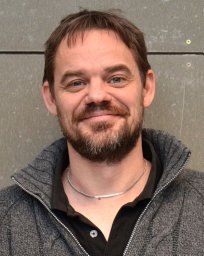 David Bryder合作论文数Institute of Laboratory Medicine, University Hospital of Lund19
 Jonas Larsson合作论文数10
 Charlotta Boiers合作论文数Hematopoietic Stem Cell Laboratory;Lund Strategic Research;Center for Stem Cell Biology and Cell Therapy;Lund University;Center for Stem Cell Biology and Cell Therapy, Lund University10
 Mikael Sigvardsson合作论文数Department of Laboratory Medicine, Lund University;Lund University Cancer Centre;Department of Biomedical and Clinical Sciences, Linköping University9
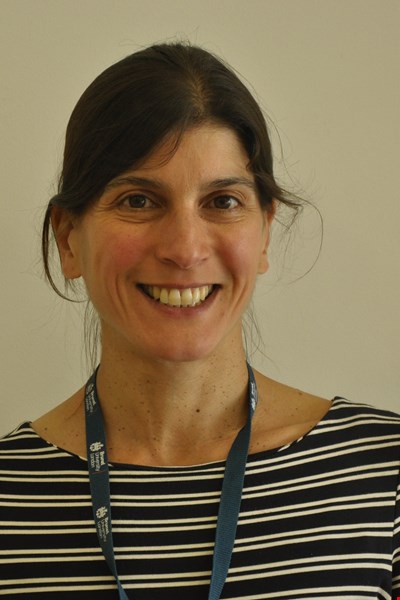 Cristina Correia Antunes Pina合作论文数Department of Life Sciences, College of Health, Medicine and Life Sciences, Brunel University London8
 Gillian May合作论文数UCL, UCL Canc Inst7
 Els Mansell合作论文数Mol Med & Gene Therapy, Lund Univ7
 Stefan Karlsson合作论文数Hogskolan i Skovde7Parashar Dhapola合作论文数Lund Stem Cell Center, Lund University7
 John W. S. Brown合作论文数School of Life Sciences, University of Dundee7Ghazanfari Roshanak合作论文数7
 Johan Flygare合作论文数7Valgardur Sigurdsson合作论文数7
 Kenichi Miharada合作论文数7Eva Erlandsson合作论文数Division of Molecular Hematology, Lund Stem Cell Center, Lund University6Mikael N.E. Sommarin合作论文数Lund Univ, Skane Univ Hosp6
 Jonas Ungerback合作论文数6Somasundaram Rajesh合作论文数6
 Sofie Singbrant合作论文数Institute of Laboratory Medicine, Lund University Hospital6
 Christina Mernøe Jensen合作论文数6
 Mattias Magnusson合作论文数Department of Rheumatology and Inflammation Research, Göteborg University6
 Agatheeswaran Subramaniam合作论文数Lund Stem Cell Center, Lund University5Kazuki Okuyama合作论文数5
 Kavitha Siva合作论文数5
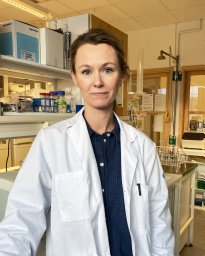 Emma Rorby合作论文数Lund Stem Cell Center, Lund University Hospital5
 Joan Yuan合作论文数National Institute of Allergy and Infectious Diseases (NIAID),, National Institutes of Health5
 Aurelie Baudet合作论文数5
 Paresh Vyas合作论文数Medical Sciences Division, Radcliffe Department of Medicine, University of Oxford5
 Stefan Scheding合作论文数5
 Jorg Cammenga合作论文数5
 Trine Ahn Kristiansen合作论文数4
 Johan Rodhe合作论文数4Mohamed Eldeeb合作论文数4Hooi Ching Lim合作论文数4Anna Rydström合作论文数4Rasmus Olofzon合作论文数4Ann Atzberger合作论文数4Åhsberg Josefine合作论文数4Fugazza Cristina合作论文数4
 Magnus Gram合作论文数4Säwén Petter合作论文数4Alex Doyle合作论文数Department of Anaesthesia and Critical Care, Queen Elizabeth Hospital4
 Stephen Taylor合作论文数Division of Cancer Sciences, The University of Manchester;Faculty of Life Sciences, University of Manchester4Amol Ugale合作论文数Institution for Experimental Medical Science, Lund University4
 Ewa Sitnicka合作论文数4
 Tobias Strid合作论文数4




