Purpose of reviewAging is associated with impaired B lymphopoiesis and T lymphopoiesis, contributing to immunosenescence and poor immune recovery. Although this decline can be attributed to intrinsic hematopoietic stem cell aging, growing evidence indicates that lymphoid failure reflects constraints operating across multiple levels of the hematopoietic system. This review frames age-associated lymphopoiesis decline as a systems-level problem and outlines conceptual avenues for therapeutic intervention.Recent findingsAge-associated lymphoid failure is increasingly attributed to inflammatory suppression, dominance of dysfunctional stem and progenitor states, and compromised extramedullary support. These insights provide a framework for interventions that restore immune competence by rebalancing hematopoiesis or selectively replacing compromised stem cell function.SummaryAge-associated lymphoid decline arises from coordinated constraints across the bone marrow niche, stem and progenitor composition, and extramedullary lymphoid support, rather than intrinsic stem cell exhaustion alone. Targeting these bottlenecks in a context-dependent manner offers multiple routes to improve lymphopoiesis and restore immune competence in aging.
The transition of hematopoietic stem cells (HSCs) from quiescence to lineage commitment requires precise post-transcriptional control, yet the contribution of mRNA isoform regulation remains poorly defined. Here, we identify a translationally controlled splicing program that contributes to HSC fate decisions. Using activity-based signatures of 305 splicing regulators, we uncover widespread post-transcriptional modulation of the spliceosome in stem and progenitor cells. The branch-point recognition factor Sf1 emerges as a key node, regulated by a conserved structured 5′ UTR that cooperates with the RNA-binding protein Igf2bp2 to control its translation. Disrupting this cis-trans module reduces Sf1 protein synthesis and skews differentiation toward stem and erythroid programs. Mechanistically, Sf1-dependent alternative splicing remodels 5′ UTRs of hematopoietic and DNA damage response genes, altering their translation and modulating DNA damage resolution. Together, these findings reveal an unrecognized translational layer controlling spliceosome activity and link RNA regulons, alternative splicing, and HSC fate determination.
Leukemia often causes changes in the bone marrow (BM) microenvironment, but the extent to which this is associated with long term impairment of functional hematopoiesis remains unclear. Using a mouse model of B-cell acute lymphoblastic leukemia (B-ALL), we dissected how leukemia reshapes the BM microenvironment and redirects hematopoiesis to the spleen. We found that leukemic mice accumulate a markedly expanded pool of functional, long-term multilineage hematopoietic stem cells in the spleen, arising alongside a transient disruption of the CXCL12 gradient. Single-cell transcriptomics revealed changes in cytokine profiles, niche cell composition, and gene expression in the leukemic BM, while the changes in the spleen were less pronounced. Despite the niche distortion in the BM, selective ablation of leukemic cells led to rapid hematopoietic regeneration, with BM reconstitution detectable within just 4 days. Consistent with these findings, we observed an increased frequency of lineage restricted progenitor cells in B-ALL patients already 15 days after initiation of treatment. These findings uncover an unexpected robustness of BM niche function and suggest that B-ALL driven microenvironmental alterations do not prevent swift recovery of hematopoiesis following removal of malignant cells.
Hematopoietic stem cell (HSC) transplantation offers a cure for a variety of blood disorders, predominantly affecting the elderly; however, its application, especially in this demographic, is limited by treatment toxicity. In response, we employ a murine transplantation model based on low-intensity conditioning protocols using antibody-mediated HSC depletion. While aging presents a significant barrier to effective HSC engraftment, optimizing HSC doses and non-genotoxic targeting methods greatly enhance the long-term multilineage activity of the transplanted cells. We demonstrate that young HSCs, once effectively engrafted in aged hosts, improve hematopoietic output and ameliorate age-compromised lymphopoiesis. This culminated in a strategy that robustly mitigates disease progression in a genetic model of myelodysplastic syndrome. These results suggest that non-genotoxic HSC transplantation could fundamentally change the clinical management of age-associated hematological disorders, offering a prophylactic tool to delay or even prevent their onset in elderly patients.
Infant Acute Lymphoblastic Leukemia (ALL) driven by the KMT2A::AFF1 onco-fusion is an aggressive, poor prognosis disease with few co-operative mutations. The fusion originates in utero, yet the embryonic initiating steps of disease development remain poorly understood. Here, we present a novel murine KMT2A::AFF1 model, that provides key insights into KMT2A::AFF1 pre-leukemia, relevant to human disease. The model enables precise oncogene induction, and upon targeting hematopoietic stem and progenitor cells (HSPCs) a selective negative impact on proliferation of hematopoietic stem cells (HSCs) was observed, regardless of developmental state during induction. However, a unique CD24+PreProB subset expanded exclusively within the KMT2A::AFF1 embryonic context. This population was absent when targeting lymphoid progenitors, highlighting the importance of the cell of origin for leukemic development. The CD24+PreProB subset displayed key features of pre-leukemic stem cells, including lineage plasticity and aberrant engraftment ability. In line with their pre-malignant phenotype, single-cell transcriptomics revealed a signature consistent with stemness, and notable, up-regulation of Hmga2, a regulator of self-renewal. The signature was critically transferable to human KMT2A::AFF1 patients. Furthermore, given that CD24 is a potential therapeutic target, our findings uncover a distinct embryonic pre-leukemic state with direct relevance to human disease.
Infant Acute Lymphoblastic Leukemia (ALL) driven by KMT2A::AFF1 onco-fusion can be regarded as a developmental disorder. The fusion occurs already during fetal life and gives rise to an aggressive poor prognosis B cell leukemia, however, the embryonic, initiating steps of disease development are not well studied. The disease has been difficult to recapitulate in murine models, and there is a gap in knowledge about the embryonic initiating steps of disease development. Here, we provide key insights into the KMT2A::AFF1 pre-leukemic phase by using a novel Cre inducible murine model. The oncogene induction in hematopoietic stem and progenitor cells (HSPCs) resulted in a negative effect on proliferation and a myeloid skewing in hematopoietic stem cells (HSCs) in both embryonic and adult stage. Strikingly, upon induction in the embryo an expansion of a PreProB subset marked by CD24 surface marker, was observed. The PreProB population was unique to induction in embryonic HSPCs and not observed upon postnatal induction, nor after induction in lymphoid progenitors, providing critical insight into the significance of the target cell. Additionally, the CD24+ PreProB population showed lineage plasticity, aberrant long-term engraftment capacity and pathogenic characteristics consistent with pre-leukemic stem cells. Single-cell transcriptomics revealed a distinct molecular signature with up-regulation of KMT2A::AFF1 target genes and molecular features linked to the pre-leukemic cells such as upregulation of Hmga2, a regulator of stemness, in agreement with the pre-malignant profile. This pre-leukemic signature could importantly be connected to human KMT2A::AFF1 B-ALL and notable the CD24 surface marker is interesting from a therapeutic angle. Our novel model reveals a unique pre-leukemic state, of critical importance to human disease initiation.
Rationale The human airway epithelium depends on a coordinated hierarchy of stem-and differentiated cells to maintain tissue integrity and respond to injury. Defining the transcriptional and translational programs that govern these processes is critical for understanding airway disease and advancing regenerative therapies. Objectives To map the transcriptional landscape of the human airway epithelium and identify regulatory factors controlling basal stem cell function and epithelial differentiation. Methods We performed single-cell RNA sequencing on bronchial biopsies from nine healthy never-smokers, categorized into young (<40 years) and aged (>60 years) cohorts. Unbiased cell type annotation and pseudotime trajectory analysis were used to define cell states and transcription factor dynamics. Measurements and Main Results All major airway epithelial cell types were identified, with conserved composition and transcriptional programs across age groups. Basal stem cells (BSCs) exhibited elevated ribosomal gene expression, indicating increased translational readiness. Pseudotime analysis revealed transitions from basal to differentiated states, with MYC , JUN , and FOS upregulated in proliferative suprabasal cells. HLF emerged as a BSC-enriched transcription factor downregulated upon differentiation. Functional assays showed that HLF overexpression suppresses proliferation in airway BSC and in lung squamous carcinoma cells, while Hlf -deficient mice display basal cell hyperplasia and deficient differentiation. In lung cancer datasets, low HLF expression correlated with worse patient survival. Conclusions This study defines conserved gene programs in the human airway epithelium and identifies HLF as a novel regulator of BSC proliferation and potential tumor suppressor. These findings may inform the development of regenerative therapies and contribute to improved understanding and treatment of lung disease. ### Competing Interest Statement The authors have declared no competing interest. Swedish Heart-Lung Foundation, 20230487, 20220339, 20210340 Swedish Cancer Society, 20 1326, 23 3117), Swedish Foundation for Strategic Research, SBE13-0130 Swedish Research Council, 2018-02631 Sjoberg Foundation
Hematopoietic stem cell (HSC) transplantation can cure many blood disorders, but broader clinical use is limited by two key challenges: the scarcity of transplantable HSCs and the toxicity of pretransplant conditioning. To address these issues, we combined recent advances in ex vivo HSC expansion with nongenotoxic transplantation strategies.Using a defined culture system, we expanded rigorously purified murine HSCs in vitro. After 3 weeks, only ∼0.1% of cultured cells retained the canonical HSC phenotype (Lin−Sca1+cKit+CD150+CD48−/lowEPCRhigh), yet these rare cells accounted for nearly all long-term, multilineage reconstitution activity. Quantitative transplantation assays revealed an approximate 500-fold expansion of functional HSCs, despite extensive differentiation within the cultures. Single-cell multimodal RNA and assay for transposase-accessible chromatin using sequencing (ATAC-seq) profiling revealed divergent self-renewal trajectories, with most progeny supporting only short-term rescue.To translate these findings in vivo, we tested two nongenotoxic conditioning strategies. Antibody-mediated depletion of host HSCs enabled multilineage engraftment, while transient mobilization followed by transplantation at the mobilization peak also allowed donor cell entry. When combined, these approaches showed strong synergy, enhancing donor engraftment. Further optimization of timing and dose improved long-term hematopoietic output.Finally, we applied this approach in a murine model of genetically predisposed myelodysplastic syndrome (MDS), a severe, early-onset condition in children. Expanded HSC transplantation delayed disease onset, reduced MDS incidence, and fully prevented transformation to acute leukemia. Together, these findings support a safe and effective platform for HSC-based treatment and prevention of high-risk blood disorders.
KMT2A::AFF1 (MLL::AF4) onco-fusion is associated with infant Acute Lymphoblastic Leukemia (ALL), an aggressive, poor prognosis disease. The mutational landscape is sparse and since the fusion originates in utero, infant ALL can be regarded as a developmental disorder. The disease has been difficult to recapitulate in murine models, and there is a gap in knowledge about the embryonic initiating steps of disease development. Here, the early stages of disease were assessed and the susceptibility of the KMT2A::AFF1 oncogene to different target cells was investigated in a novel murine KMT2A::AFF1 model. Upon induction in Hematopoietic Stem and Progenitor Cells (HSPCs) an expansion of a Pre-ProB like progenitor population was observed. The expanded population displayed lineage plasticity in vitro, generating both B and myeloid cells, in contrast to mainly B output in normal counterparts. The expansion was restricted to KMT2A::AFF1 induction in embryonic HSPCs and was not observed upon initiation in more committed lymphoid progenitors, nor after postnatal induction in HSPCs. The Pre-ProBs had self-renewal potential in vitro and upon transplantation long-term reconstitution was observed. Single cell transcriptomics of these pre-leukemic cells revealed a distinct pre-leukemic molecular program with expression of stemness genes like Hlf and Mecom, whereas gene sets associated with immune system processes were downregulated, in agreement with the pre-malignant phenotype.Thus, our novel model captures the early phase of leukemia initiation and the results highlight an embryonic susceptibility to the KMT2A::AFF1 oncogene. Furthermore, a unique population emerges in the embryo with functional and transcriptional features consistent with pre-leukemic stem cells.
Natural killer (NK) cells represent the cytotoxic member within the innate lymphoid cell (ILC) family that are important against viral infections and cancer. Although the NK cell emergence from hematopoietic stem and progenitor cells through multiple intermediate stages and the underlying regulatory gene network has been extensively studied in mice, this process is not well characterized in humans. Here, using a temporal in vitro model to reconstruct the developmental trajectory of NK lineage, we identified an ILC-restricted oligopotent stage 3a CD34(-)CD117(+)CD161(+)CD45RA(+)CD56(-) progenitor population, that exclusively gave rise to CD56-expressing ILCs in vitro. We also further investigated a previously nonappreciated heterogeneity within the CD56(+)CD94(-)NKp44(+) subset, phenotypically equivalent to stage 3b population containing both group-1 ILC and ROR gamma t(+) ILC3 cells, that could be further separated based on their differential expression of DNAM-1 and CD161 receptors. We confirmed that DNAM-1(hi) S3b and CD161(hi)CD117(hi) ILC3 populations distinctively differed in their expression of effector molecules, cytokine secretion, and cytotoxic activity. Furthermore, analysis of lineage output using DNA-barcode tracing across these stages supported a close developmental relationship between S3b-NK and S4-NK (CD56(+)CD94(+)) cells, whereas distant to the ILC3 subset. Cross-referencing gene signatures of culture-derived NK cells and other noncytotoxic ILCs with publicly available data sets validated that these in vitro stages highly resemble transcriptional profiles of respective in vivo ILC counterparts. Finally, by integrating RNA velocity and gene network analysis through single-cell regulatory network inference and clustering we unravel a network of coordinated and highly dynamic regulons driving the cytotoxic NK cell program, as a guide map for future studies on NK cell regulation.
Infant and adult MLL1/KMT2A-rearranged (MLLr) leukemia represents a disease with a dismal prognosis. Here, we present a functional and proteomic characterization of in utero-initiated and adult-onset MLLr leukemia. We reveal that fetal MLL::ENL-expressing lymphomyeloid multipotent progenitors (LMPPs) are intrinsically programmed towards a lymphoid fate but give rise to myeloid leukemia in vivo, highlighting a complex interplay of intra- and extracellular factors in determining disease subtype. We characterize early proteomic events of MLL::ENL-mediated transformation in fetal and adult blood progenitors and reveal that whereas adult pre-leukemic cells are mainly characterized by retained myeloid features and downregulation of ribosomal and metabolic proteins, expression of MLL::ENL in fetal LMPPs leads to enrichment of translation-associated and histone deacetylases signaling proteins, and decreased expression of inflammation and myeloid differentiation proteins. Integrating the proteome of pre-leukemic cells with their secretome and the proteomic composition of the extracellular environment of normal progenitors highlights differential regulation of Igf2 bioavailability, as well as of VLA-4 dimer and its ligandome, upon initiation of fetal- and adult-origin leukemia, with implications for human MLLr leukemia cells’ ability to communicate with their environment through granule proteins. Our study has uncovered opportunities for targeting ontogeny-specific proteomic vulnerabilities in in utero-initiated and adult-onset MLLr leukemia.
Studies in NUP98/HOXD13 mouse model (NHD13tg), progressing from myelodysplastic syndrome (MDS) to different forms of leukemia, demonstrated that T cells had a limited anti-leukemia effect, suggesting the involvement of other immune cells. Natural killer (NK) cells control viral infection and cancer. In MDS and acute myeloid leukemia (AML), patients often acquire disease-induced NK cell dysfunctions. Here, we report that NK cells from NHD13tg mice were reduced before the MDS-onset and specific NK cell depletion accelerated the disease progression and severity. NK cells from NHD13tg mice showed perturbed differentiation and impaired IL-15/IL-2 responses. These defects were cell-intrinsic and mainly affected the KLRG1+ mature NK cells. The expression of Nfil3, Klf2 and Id2 genes, crucial for NK cell development, homeostasis and IL-15 responsiveness, was altered in immature NK cells from NHD13tg mice. Interestingly, these genes were changed in MDS and AML bone marrow patient-samples compared to healthy donors. Our findings highlight a critical role for NK cells in controlling MDS progression and identify new genetic markers for MDS and AML. ### Competing Interest Statement The authors have declared no competing interest.
The scarcity of hematopoietic stem cells (HSCs) restricts their use in both clinical settings and experimental research. Here, we examined a recently developed method for expanding rigorously purified murine HSCs ex vivo. After 3 weeks of culture, only 0.1% of cells exhibited the input HSC phenotype, but these accounted for almost all functional long-term HSC activity. Input HSCs displayed varying potential for ex vivo self-renewal, with alternative outcomes revealed by single-cell multimodal RNA and ATAC sequencing profiling. While most HSC progeny offered only transient in vivo reconstitution, these cells efficiently rescued mice from lethal myeloablation. The amplification of functional HSC activity allowed for long-term multilineage engraftment in unconditioned hosts that associated with a return of HSCs to quiescence. Thereby, our findings identify several key considerations for ex vivo HSC expansion, with major implications also for assessment of normal HSC activity.
The ETV6::RUNX1 (E/R) translocation is the predominant chromosomal aberration in pediatric acute lymphoblastic leukemia (ALL) [1].Despite its good prognosis, current treatments impose longterm side effects and a 20% relapse rate [1, 2], emphasizing the importance of understanding disease mechanisms for improved treatments.E/R leukemogenesis begins in utero upon acquisition of the fusion gene.Despite the high prevalence of this initial event, only a minority acquire secondary mutations and progress to overt disease, with infections possibly playing a role as triggers [1].The period between the initial and secondary events can extend over a decade, emphasizing a remarkable longevity of the preleukemic cells [1].The specific cell of origin for E/R leukemia is debated but likely arises from an undifferentiated hematopoietic stem/ progenitor cell (HSPC) [1,[3][4][5].Here, to gain new insights into the E/R preleukemic state, we generated a transgenic inducible mouse model (iE/R) that enables reversible induction of E/R (Supplementary Fig. S1A).To confirm the model's inducibility and expression levels, we performed quantitative reverse-transcription PCR (qRT-PCR) on RNA extracted from either cultured (Supplementary Fig. S1B) or fresh bone marrow (BM) cells (Supplementary Fig. S1C).This verified E/R expression only upon Dox administration, at levels closely matching those of REH cells, a human cell line for E/R leukemia (Supplementary Fig. S1C).Most E/R-ALL patients present with inactivation of genes critical for normal B-cell development, such as Pax5 and Ebf1 [6].To assess the impact of E/R on B-ALL, we introduced the M2 reverse Tetracycline transactivator (M2-rtTA) and iE/R alleles into Pax5 +/-Ebf1 +/-mice [7].Unfractionated E/R Pax5 +/-Ebf1 +/-BM cells were then transplanted into recipient mice, both with and without Dox treatment.This revealed that E/R expression significantly accelerated B-ALL development (Supplementary Fig. S1D).By transplanting unfractionated wild-type (WT) BM cells into lethally irradiated iE/R mice, we next examined the influence of E/R expressing non-hematological cells on hematopoiesis.This revealed no significant alterations in hematopoietic BM compartments, including on B-cell frequencies (Supplementary Fig. S1E-H), arguing that E/R alters hematopoiesis by mechanisms intrinsic to hematopoiesis.
Hematopoietic stem cell (HSC) transplantation offers a cure for a variety of blood disorders, predominantly affecting the elderly; however, its application, especially in this demographic, is limited by treatment toxicity. In response, we developed a murine transplantation model based on low-intensity conditioning protocols using antibody-mediated HSC depletion. Initially, we identified significant age-related impediments to effective HSC engraftment. By optimizing HSC doses and non-toxic targeting methods, we could significantly enhance the long-term multilineage activity of the transplanted cells. We demonstrate that young HSCs, once transplanted, not only survive but thrive in aged hosts, dramatically improving hematopoietic output and ameliorating age-compromised lymphopoiesis. This culminated in a strategy that robustly mitigated disease progression in a genetic model of myelodysplastic syndrome. These results suggest that non-invasive HSC transplantation could fundamentally change the clinical management of age-associated hematological disorders, offering a novel, prophylactic tool to delay or even prevent their onset in elderly patients.
The interplay between aging and immune system deterioration presents a formidable challenge to human health, especially in the context of a globally aging population. Aging is associated with a decline in the body's ability to combat infections and an increased risk of various diseases, underlining the importance of rejuvenating the immune system as a strategy for promoting healthier aging. In issue 628 of Nature (2024), Ross et al. present a compelling study that introduces a novel strategy for rejuvenating the aged immune system (Ross et al., 2024). By using antibodies to selectively eliminate "aberrant" hematopoietic stem cells (HSCs), this research opens new avenues for addressing age-related immune deterioration.
Endomucin (EMCN) currently represents the only hematopoietic stem cell (HSC) marker expressed by both murine and human HSCs. Here, we report that EMCN + long-term repopulating HSCs (LT-HSCs; CD150 + CD48- LSK) have a higher long-term multi-lineage repopulating capacity compared to EMCN- LT-HSCs. Cell cycle analyses and transcriptional profiling demonstrated that EMCN + LT-HSCs were more quiescent compared to EMCN- LT-HSCs. Emcn- /- and Emcn +/+ mice displayed comparable steady-state hematopoiesis, as well as frequencies, transcriptional programs, and long-term multi-lineage repopulating capacity of their LT-HSCs. Complementary functional analyses further revealed increased cell cycle entry upon treatment with 5-fluorouracil and reduced granulocyte colony-stimulating factor (GCSF) mobilization of Emcn- /- LT-HSCs, demonstrating that EMCN expression by LT-HSCs associates with quiescence in response to hematopoietic stress and is indispensable for effective LT-HSC mobilization. Transplantation of wild-type bone marrow cells into Emcn- /- or Emcn +/+ recipients demonstrated that EMCN is essential for endothelial cell-dependent maintenance/self-renewal of the LT-HSC pool and sustained blood cell production post-transplant.
 Sten Eirik W. Jacobsen合作论文数Radcliffe Department of Medicine, Medical Sciences Division, University of Oxford;Department of Medicine, Huddinge, Karolinska Institutet;Department of Cell and Molecular Biology, Karolinska Institutet33
 Mikael Sigvardsson合作论文数Department of Laboratory Medicine, Lund University;Lund University Cancer Centre;Department of Biomedical and Clinical Sciences, Linköping University30
 Cornelis Jan Pronk合作论文数Lund Strategic Research Center for Stem Cell Biology and Cell Therapy, Lund University21Shamit Soneji合作论文数20Derrick J. Rossi合作论文数20Wahlestedt Martin合作论文数19
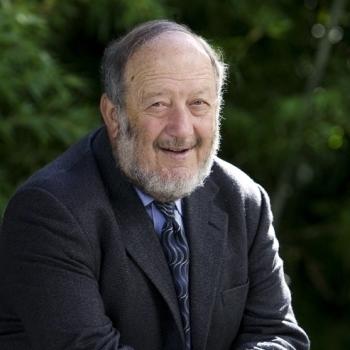 Irving Weissman合作论文数Department of Developmental Biology, Stanford University;Department of Biology and Neurosurgery, Stanford University;Department of Pathology, Stanford University17Gudmundur L Norddahl合作论文数Amgen Inc, deCODE Genet, Reykjavik, Iceland15Säwén Petter合作论文数15
 Robert Mansson合作论文数Hematopoietic Stem Cell Laboratory;Strategic Research Center for Stem Cell Biology and Cell Therapy;Lund University;Department of Clinical Sciences;Department of Paediatrics;Cellular Autoimmunity Unit;Hospital, Malmö University;Lund University, Malmö University Hospital14E SITNICKA合作论文数13Mohamed Eldeeb合作论文数12Anna Konturek-Ciesla合作论文数12
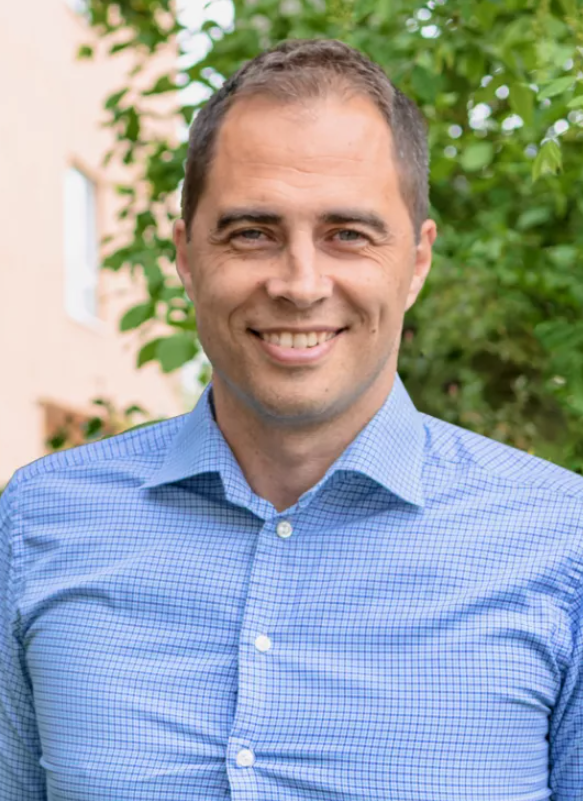 Göran Karlsson合作论文数Division of Molecular Hematology, Department of Laboratory Medicine, Faculty of Medicine, Lund University;Lund Stem Cell Center, Faculty of Medicine, Lund University;Nygen Analytics AB12Amol Ugale合作论文数Institution for Experimental Medical Science, Lund University12J Adolfsson合作论文数12
 Jorg Cammenga合作论文数11Stefan Karlsson合作论文数Hogskolan i Skovde10
 Jaako Pekka合作论文数Lund Strategic Center for Stem Cell Biology, Lund University10Rundberg Nilsson Alexandra合作论文数Institution for Experimental Medical Research, Lund University10
 Johan Flygare合作论文数10
 Trine Ahn Kristiansen合作论文数9Ouyang Yuan合作论文数9Y Sasaki合作论文数9Nilsson Lars合作论文数9
 Joan Yuan合作论文数National Institute of Allergy and Infectious Diseases (NIAID),, National Institutes of Health9
 Charlotta Boiers合作论文数Hematopoietic Stem Cell Laboratory;Lund Strategic Research;Center for Stem Cell Biology and Cell Therapy;Lund University;Center for Stem Cell Biology and Cell Therapy, Lund University9Ole Johan Borge合作论文数The Norwegian Biotechnology Advisory Board9Eva Erlandsson合作论文数Division of Molecular Hematology, Lund Stem Cell Center, Lund University8Qinyu Zhang合作论文数Lund Stem Cell Centre, Lund University8Parashar Dhapola合作论文数Lund Stem Cell Center, Lund University8
 Sasan Zandi合作论文数Department of Laboratory Medicine and Pathobiology, Temerty Faculty of Medicine, University of Toronto8
 Jonas Ungerback合作论文数8
 Jens Nygren合作论文数Akademin för hälsa och välfärd, Högskolan i Halmstad;Galaco;Växtkraft;Give Me a Break8
 Ewa Sitnicka合作论文数8
 Shabnam Kharazi合作论文数8
 Jonas Larsson合作论文数7
 Kim Theilgaard-Monch合作论文数The Finsen Laboratory, Copenhagen University Hospital—Rigshospitalet7Bhattacharya Deepta合作论文数Dept Pathol & Immunol, Washington Univ7Karin Olsson合作论文数7
 Velasco-Hernandez Talia合作论文数Department of Molecular Medicine and Gene Therapy, Lund Stem Cell Center;Department of Molecular Medicine and Gene Therapy, Lund Stem Cell Center7Hidalgo Isabel合作论文数7Liang-Peng Yang合作论文数Allergy Research Laboratory;Louis-Charles Simard Research Center;Notre-Dame Hospital;Louis-Charles Simard Research Center, Notre-Dame Hospital7Ingunn Dybedal合作论文数6Haixia Wan合作论文数6
 Stefan Thomas Lang合作论文数From the Eye Center, Albert-Ludwigs-University of Freiburg;Pallas Clinic Olten;From the Eye Center, Albert-Ludwigs-University of Freiburg6Thoas Fioretos合作论文数6Monika Dudenhöffer-Pfeifer合作论文数5Mikael N.E. Sommarin合作论文数Lund Univ, Skane Univ Hosp5




