Navigating through widely different strategies for pursuing sustainability in complex systems demands comprehensive approaches to thoroughly assess their performance, accounting for multiple, often conflicting, domains of sustainability. Multi-Criteria Decision Analysis (MCDA) proves well-suited for the task. Despite its growing use, the reliability of MCDA-based sustainability assessment outcomes, particularly under uncertainty and in dynamic contexts, remains underexplored. This study evaluates the robustness and sensitivity of such results through five case studies in the Swedish food production and consumption system, analysed across four considered future supply chain solutions. This study conducts a comprehensive sensitivity and uncertainty analysis to assess the impact of variations in indicator weights and performance scores. Findings show that while the sustainability assessment results are generally, but not in all cases, robust, certain sustainability indicators disproportionately influence final rankings across case studies. Small perturbations in these critical indicators can shift the top-performing solution, highlighting the need for rigorous weighting strategies and context-specific indicator selection. Such critical indicators were found to be not the ones recognised with the highest weights. The study demonstrates the value of incorporating sensitivity and uncertainty analysis into MCDA-based sustainability assessment studies to enhance transparency, decision confidence, and practical applicability, particularly in complex, interdisciplinary domains such as food systems sustainability.
This study characterises food and nutrient intake in self-reported diets with varying environmental impacts and evaluates their adherence to dietary guidelines and nutritional adequacy, exploring co-benefits and trade-offs between environmental impact and diet quality. Dietary data were from two population-based cohorts (n = 30 000) of Swedish adults aged 56–70 years. Environmental impact was assessed using an aggregated score based on six environmental indicators. Adherence to dietary guidelines and nutritional adequacy was evaluated against the Nordic Nutrition Recommendations 2023. In line with the dietary guidelines, diets with a lower environmental impact had lower intake of red meat, processed meat, sugar-sweetened beverages, high-fat dairy products, saturated fat, sodium and alcohol, alongside higher intake of whole grains, fibre and polyunsaturated fat. Contrary to the dietary guidelines, lower-impact diets had higher intake of sweets and snacks and lower intake of vegetables, fruits and berries, nuts and seeds, and seafood. While lower-impact diets had a lower intake of protein and most vitamins and minerals, adherence to macronutrient recommendations was generally higher, and micronutrient intake was adequate, except for selenium and vitamin D. This study highlights both co-benefits and trade-offs between environmental and health goals. To prevent negative health effects from diets with lower environmental impact, it is essential to limit foods with low nutritional value (e.g., sweets and snacks) and promote healthy plant-based foods. Potential risks associated with a lower micronutrient intake should be considered, particularly for groups with special requirements, such as children, adolescents, fertile and pregnant women, and the elderly.
Context The dairy production system fills an important role by providing nutrient-dense foods in Swedish diets, however, future efforts to improve its sustainability necessitate structural changes. Objective We present an innovative study which assesses the effects of these future changes in the dairy system in northern Sweden, the Norrland region, which has a subarctic climate. Methods Four scenarios were developed: 1) Food as Industry: Food is a commodity, and its production is an industry that can be invested in to benefit society. 2) Food as Technology: New technologies, such as nutrient density trackers and microbiome mapping, are used for personalized dietary plans. Additionally, novel foods from microbial cultures are produced. 3) Food as Culture: More locally produced food and diverse food products are consumed. 4) Food Forgotten: Land previously used for food and feed is converted to bioenergy production, climate mitigation, and adaptation infrastructure. These scenarios were compared to the baseline i.e. present dairy system for dairy production capacity, carbon flow and carbon footprint. Results and conclusions Food as industry resulted in increased dairy production capacity with decreased carbon footprint but increased carbon imports. Food as technology provided decreased dairy production capacity and increased carbon footprint but with decreased carbon imports. Food as culture, maintained dairy production capacity with a decreased carbon footprint and carbon imports. Food forgotten resulted in decreased dairy production capacity and increased carbon imports but with decreased carbon footprint. Food as culture benefits all - specifically dairy production capacity, carbon footprint and carbon imports. However, further research is required to explore implications on soil organic carbon stocks over time in Norrland. Significance Our study sheds light on the potential impacts of future dairy production in a subarctic climate and aims to help in decision making.
The global food sector is one of the most impactful sectors in the world, necessitating an urgent shift towards more sustainable practices. Sweden has made great progress in putting sustainability on the agenda as a strategic component of its national development strategy. Still, understanding how a full-scale sustainable food system can be achieved in practice and the drivers of such a transition remain unclear. In this study, we first empirically explore these drivers, their interdependencies and how these affect the Swedish food system's progress towards its sustainability objectives. Then, we assess which scenarios for the future food system in Sweden perform better with regard to sustainability considerations. For the first objective, we utilised the DEMATEL technique to identify and quantify the cause-and-effect relationships among these drivers. The results showed that revenue and the use of toxic materials are key drivers for food systems’ sustainability in Sweden, suggesting a path for system improvement focus areas in the future. For the second objective, we applied TOPSIS as a decision-making method for assessing the sustainability of four different future scenarios for the Swedish food system. The outcomes suggest that food tech is the most sustainable scenario among the ones considered. The findings of this study will collectively aid in promoting sustainable consumption, encouraging a shift towards a more sustainable agrifood system in Sweden, a leading nation in sustainability efforts.
BACKGROUND There is a concern that pesticide residues, regularly detected in foods, might pose a health risk to the consumer, but epidemiological evidence is limited. We assessed the associations between dietary exposure to a mixture of pesticide residues and mortality. METHODS Food consumption was assessed in 68,844 participants from the Swedish Mammography Cohort and the Cohort of Swedish Men, 45-83 years at baseline (1997). Concentrations of pesticide residues detected in foods on the Swedish market (1996-1998), mainly fruits and vegetables, were obtained via monitoring programs. To assess mixture effects, we summed per food item the ratios of each single pesticide mean residue concentration divided by its acceptable daily intake to create for each participant a Dietary Pesticide Hazard Index (adjusted for energy intake and expressed per kilogram of body weight). Multivariable-adjusted Cox proportional hazards models were used to estimate hazard ratios (HR) and 95 % confidence intervals (95 %CI). RESULTS During 15 years of follow-up (1998-2014), a total of 16,527 deaths occurred, of which 6,238 were caused by cardiovascular disease (CVD) and 5,364 by cancer. Comparing extreme quintiles of Dietary Pesticide Hazard Index, the highest category was inversely associated with CVD mortality HR, 0.82 (95 % CI, 0.75-0.90) and with cancer mortality HR 0.82 (95 % CI 0.75-0.91). In analyses stratified by high/low Dietary Pesticide Hazard Index, similar inverse associations were observed by increasing fruit and vegetable consumption. CONCLUSIONS We observed no indications that dietary exposure to pesticide residue mixtures was associated with increased mortality, nor any clear indications that the benefits of fruit and vegetable consumption on mortality was compromised. Yet, our results need to be interpreted with caution.
The environmental impact of Swedish diets was assessed for six indicators (greenhouse gas [GHG] emissions, cropland use, nitrogen application, phosphorus application, consumptive water use and extinction rate), using self-reported food intake within two population-based cohorts of men and women, 56–96 years of age. The dietary environmental impact was assessed in relation to per capita planetary boundaries, overall and by population subgroups, addressing the relative importance of specific foods and food groups. The total average dietary impact exceeded the planetary boundaries by 1.6 to 4-fold for five of the six environmental indicators; consumptive water use did not exceed the boundaries. Comparing the highest with lowest quintiles of the population impact showed >2.5-fold differences across all environmental indicators. Of the diet's total average environmental impact, animal-based, plant-based and discretionary foods accounted for 28–83%, 8–40% and 9–37%, respectively, across the six indicators. Animal-based foods dominated the impact on GHG emissions, cropland use and nitrogen and phosphorus application, while plant-based and discretionary foods contributed more to consumptive water use and extinction rate. Environmental impact was driven predominantly by consumption of red meat, dairy, fresh fruit and coffee. The findings show major challenges in affluent countries that have to be addressed to achieving sustainable food production systems and diets. They provide guidance on critical food groups, environmental indicators and population subgroups to prioritize in future efforts to reduce the environmental impact.
New methods for combined evaluation of nutritional and environmental aspects of food products are needed to enable a transformation of dietary guidelines integrating both health and environmental perspectives. We evaluated two sustainability aspects; nutrition and climate impact, of foods commonly consumed in Sweden and the implications of using parallel or integrated assessments of these two aspects, also discussing the usability and suitability of these food sustainability indicators in relation to Swedish dietary guidelines, industry food product development, and consumer communication. There were large differences in both nutrient density and climate impact among the different foods. The parallel assessment easily visualized synergies and trade-offs between these two sustainability aspects for the different foods. Coherence with dietary guidelines was good, and suitability and usability deemed satisfying. The integrated indicator showed better coherence with dietary guidelines than indicators based solely on nutrient density or climate impact; however, the difficulty to interpret the score limits its usability in product development and consumer communication. With both methods, advantageous as well as less advantageous plant-based and animal-based food alternatives were suggested. The two alternative methods evaluated could serve as useful tools to drive individual and societal development towards more sustainable food production and consumption.
Background: Diets combining adequate nutritional quality and low climate impact are highly needed for human and planet health. Objectives; We aimed to 1) evaluate nutrient density indexes' ability to predict mortality, and 2) assess the effects of diets varying in nutrient density and climate impact on total mortality. Methods: Dietary data from 49,124 women and 47,651 men aged 35-65 y in the population-based prospective study Vasterbotten Intervention Programme (Sweden) were used. Greenhouse gas emissions (GHGEs) were estimated using data from life cycle assessments. Fifteen variants of nutrient density indexes were evaluated and the index that best predicted mortality was used to estimate participants' nutrient density. GHGEs and nutrient density were adjusted for energy intakes. Total mortality risk was estimated by Cox proportional hazards models for 4 groups of women and men, respectively, i.e., higher nutrient density, lower climate impact (HNutr/LClim); higher nutrient density, higher climate impact (HNutr/HClim); lower nutrient density, lower climate impact (LNutr/LClim); and lower nutrient density, higher climate impact (LNutr/HClim-reference group). Results: NRF11.3, a Sweden-adapted variant of the Nutrient Rich Foods index, was identified to have the best ability to predict mortality in the study population. Median follow-up times for women and men were 16.0 and 14.7 y, respectively. For women a significantly lower mortality risk was found for HNutr/LClim (HR: 0.87; 95% CI: 0.79, 0.96; P = 0.008) and HNutr/HClim (HR: 0.87; 95% CI: 0.78, 0.97; P = 0.011) than for LNutr/HClim. Among men LNutr/LClim had a significantly higher mortality risk (HR: 1.10; 95% CI: 1.01, 1.21; P = 0.033) than LNutr/HClim. Conclusions: Diets beneficial for both health and climate are feasible and associated with lower mortality risk in women. Further studies are needed to understand how men may transition into diets that are more sustainable from a combined health and climate perspective.
Dietary climate impact in a Swedish population (56-95 years old) was estimated based on self-reported food intake from 50 000 men and women within two population-based cohorts and on climate data, covering emissions from farm to fork, for 600 foods representative for the Swedish market. Aims were to assess variation in dietary climate impact between population groups and between food categories. Mean dietary climate impact was 2.0 tons of CO(2)e/person/year, with about a threefold variation between high and low impact individuals. Food loss and waste accounted for 18%. Older individuals and women on average had lower total dietary climate impact per year, while differences between gender were smaller per 1000 kcal. Climate impact was greatly affected by dietary composition and especially by the content of animal-based and discretionary foods, responsible for 71% and 12% of total climate impact, respectively. Results indicate a large potential for reduced climate impact by adopting realistic dietary patterns. Suggested strategies to reach climate goals include reduction of red meat and prioritising lower impact foods within meat, dairy and seafood categories, limited consumption of discretionary foods and decreased over-consumption of total calories, combined with improvements in production including reduction of food loss and waste. (C) 2021 The Authors. Published by Elsevier Ltd.
Beef and lamb meat production is associated with important cultural, economic and environmental impacts in most countries worldwide. However, it is also related with sustainability challenges. To enable cattle and sheep farming to develop in line with sustainability, existing knowledge need to be implemented and identified knowledge gaps filled. The purpose of this article was to systematically map the scientific literature on environmental, economic and social sustainability at farm-level beef and lamb meat production to identify knowledge gaps and to point to important future actions and areas of research. Papers published January 2000–August 2020 with a geographical origin in Europe, Northern America, and Australia-New Zealand were included. The systematic literature search resulted in a total of 1355 hits; however, after removing papers which were considered out of the scope of the study, and duplicate papers, only 22 and 11 papers related to beef and sheep farming, respectively were retained for further analysis. Of these, only 11 in total included all three sustainability dimensions. Several papers only mentioned one or two of the sustainability dimensions or put them in relation to that/those main dimension covered, thus limiting the extent to which possible synergies or tradeoffs between different sustainability aspects actually can be studied. This indicates a need for a more comprehensive approach when studying farm-level sustainability. Future research would benefit from a more holistic approach and include all dimensions of sustainability within the same study. Further, focus should also be on how to measure and assess sustainability aspects in a standardized way.
The objective was to examine 10-year changes in dietary carbon footprint relative to individual characteristics and food intake in the unique longitudinal Västerbotten Intervention Programme, Sweden. Here, 14 591 women and 13 347 men had been followed over time. Food intake was assessed via multiple two study visits 1996–2016, using a 64-item food frequency questionnaire. Greenhouse gas emissions (GHGE) related to food intake, expressed as kg carbon dioxide equivalents/1000 kcal and day, were estimated. Participants were classified into GHGE quintiles within sex and 10-year age group strata at both visits. Women and men changing from lowest to highest GHGE quintile exhibited highest body mass index within their quintiles at first visit, and the largest increase in intake of meat, minced meat, chicken, fish and butter and the largest decrease in intake of potatoes, rice and pasta. Women and men changing from highest to lowest GHGE quintile exhibited basically lowest rates of university degree and marriage and highest rates of smoking within their quintiles at first visit. Among these, both sexes reported the largest decrease in intake of meat, minced meat and milk, and the largest increase in intake of snacks and, for women, sweets. More research is needed on how to motivate dietary modifications to reduce climate impact and support public health.
AbstractIntroductionThe study of the environmental impact of dietary patterns in relation to their nutrition quality and health impact is of recent development and great interest for both nutrition and environmental scientists. Preliminary research has been conducted on the potential application of nutrition and health indexes as reference units (i.e. functional units) in the life cycle assessment of foods. Although proposed methods to include nutrition and health aspects exist, more research is needed to increase the scientific quality and societal usefulness of such assessments.Materials and MethodsSLF Healthy Diets is a 20-month project where 64 food items from the FFQ used in the population study “Västerbotten Intervention Programme” (VIP) will be characterized for their nutrition density and matched to the carbon footprint from life cycle assessment studies. Several nutrition density scores will be analyzed, among which the NRF9.3 score, a dietary-dependent NQI score, and a new nutrient index tailored for the Swedish population. Hazard ratios for total mortality will be estimated for 100.000 participants to the VIP study, and associations with reported intake of food products, nutrient density and environmental performance described.Results and DiscussionMultiple results are expected from the project, among which a synthesis of the combined nutritional and environmental performance of the analyzed foods according to different methods, and hence the identification of the best nutritional index to apply in environmental studies. Additionally, the assessment in the VIP cohort of the associations between reported intake of food products and observed health outcomes will evaluate the ability of the suggested nutrition scores to predict the total mortality in the studied population.The present project will allow for more robust quantification and communication of food products’ sustainability performance. Specifically, the project will: develop clear advice on which nutrition scores can best be used in LCA food studies; evaluate pros and cons of combined environmental, nutritional, and health metrics; validate nutrition and health metrics ability to predict health outcomes within a Swedish population-based cohort; investigate and propose how combined environmental, nutritional and health metrics can be implemented and used by food chain stakeholders.
The sustainability of future poultry production needs to be improved in order to meet global challenges. The global chicken population has expanded significantly in recent decades, due to increased human demand for eggs and chicken meat. Therefore, it is critically important to mitigate challenges to the sustainability of modern poultry production, such as pollution, the depletion of finite natural resources and animal welfare issues. This study systematically mapped the scientific literature on farm-level sustainability in egg and chicken meat production. The concept of sustainability was considered holistically, covering its economic, environmental and social dimensions, each consisting of a broad range of different aspects that may contradict or reinforce each other. The literature published between January 2000 and March 2020 with a geographical focus on Europe, North America and Australia–New Zealand, were included. The literature search resulted in a total of 428 hits, but after the exclusion of articles that did not match the scope of the study, only 26 papers remained for the systematic mapping. Of these, only three papers covered all three dimensions of sustainability. Aspects of economic sustainability were addressed in 10 papers, aspects of environmental sustainability in 18 papers, and aspects of social sustainability in 23 papers. The findings in this study are an important foundation for the discussion and prioritisation of future actions to increase knowledge of farm-level sustainability in egg and chicken meat production.
Dairy cows are able to convert fibrous materials, such as grass, roughage, and by-products from the food industry, into milk and meat, which justifies their role in food production. However, modern dairy farming is associated with major sustainability challenges, including greenhouse gas emissions. In order to develop sustainable future production, it is important to implement existing knowledge and fill knowledge gaps. The aim of this study was to systematically map the scientific literature on environmental, economic, and social sustainability at farm level in dairy farming. Literature published between January 2000 and March 2020 and with the geographical focus on Europe, North America, and Australia–New Zealand was included. In total, the literature search resulted in 169 hits, but after removing duplicates and papers outside the study scope only 35 papers remained. Of these, only 11 dealt with the three dimensions of sustainability, and several of these only mentioned one or two of the dimensions or set them in relation to that/those actually studied. Overall, the selected literature did not clearly explain how aspects of sustainability are interlinked, so possible negative or positive interactions between different aspects of sustainability dimensions remain unidentified.
The sustainability of future finfish aquaculture needs to be improved to meet global environmental challenges. Global fish aquaculture production has expanded significantly recently, due to the increased demand for fish for human consumption. Therefore, it is important to mitigate challenges to the sustainability of the sector, such as pollution and depletion of natural resources. In this study, we systematically mapped the scientific literature on farm-level sustainability in fish aquaculture. The concept of sustainability was considered holistically, covering its economic, environmental and social dimensions, each consisting of a range of different aspects that may contradict or reinforce each other. Literature published between January 2000 and August 2020 with the geographical focus on Europe, Northern America and Australia–New Zealand was included. The search resulted in a total of 287 hits, but after the exclusion of articles that did not match the scope, only 17 papers remained for the systematic mapping. Of these, five papers covered all three dimensions of sustainability. Economic sustainability was addressed in 10 papers, environmental sustainability in 13 papers and social sustainability in 12 papers. This systematic mapping provides an important foundation for discussions and prioritisations of future actions to increase knowledge on farm-level sustainability in finfish aquaculture.
We systematically mapped the scientific literature on the sustainability of pig production at farm-level. Sustainability was considered holistically, covering its economic, environmental, and social dimensions, each consisting of a broad range of different aspects that may contradict or reinforce each other. Literature published between January 2000 and March 2020 with a geographical focus on Europe, North America, Australia, and New Zealand was included. A standard template with predefined keywords was used to summarise aspects of each sustainability dimension covered in identified papers. We found that papers analysing environmental sustainability were more frequent than papers analysing economic or social sustainability. However, there are many different aspects within each dimension of sustainability, hampering comparisons between studies. In addition, each dimension of sustainability has many sides, making it difficult to compare different studies, and different dimensions and aspects may have complex interrelations. Our systematic literature review revealed that these interrelations are not well understood and that possible trade-offs or synergies between different aspects of sustainability dimensions remain unidentified. This systematic mapping of the current literature on farm-level sustainability in pig production can support a more informed discussion on knowledge gaps and help prioritise future research at farm-level to enhance sustainability in pig production.
Expressing the environmental impact of foods in relation to the nutritional quality is a promising approach in the search for methods integrating interdisciplinary sustainability perspectives. However, the lack of standardized methods regarding how to include nutrient metrics can lead to unharmonized results difficult to interpret. We evaluated nutrient density indexes by systematically assessing the role of methodological variables with the purpose of identifying the index able to rank foods with the highest coherence with the Swedish dietary guidelines. Among 45 variants of the nutrient density index NRF (Nutrient Rich Food), a Sweden-tailored NRF11.3 index, including 11 desirable nutrients and 3 undesirable nutrients, calculated per portion size or 100 kcal with the application of weighting, ranked foods most coherently with the guidelines. This index is suggested to be suitable as complementary functional unit (FU) in comparative life cycle assessment (LCA) studies across food categories. The results clarify implications of methodological choices when calculating nutrient density of foods and offer guidance to LCA researchers on which nutrition metric to use when integrating nutritional aspects in food LCA.
TPS 633: Health effects of pesticides, Johan Friso Foyer, Floor 1, August 27, 2019, 3:00 PM - 4:30 PM Background/Aim: Pesticides residues are regularly detected in foods and there is a concern that this might pose a risk to the consumer, but epidemiological evidence is almost lacking. The aim of the present study was to assess the association between dietary exposure to pesticide residues and mortality in a large population-based prospective cohort of women and men. Methods: Food consumption was assessed through a 96-item food frequency questionnaire (FFQ) at baseline (1997) in 69,498 participants (36,546 men and 32,952 women), aged 45–83 years. The pesticide residues measured 1996-1998 in foods on the Swedish market (fruits, vegetables and cereals) were obtained via the monitoring program at the National Food Agency. For each food item, we summed the ratios of each single pesticide residue concentration / acceptable daily intake present in that food, accounting for edible parts and cooking preparations. A pesticide residue risk index was then estimated based on the FFQ for each participant. Multivariable-adjusted hazard ratios (HR) with 95% confidence intervals (CI), were estimated using Cox regression. Results: A total of 16,776 deaths occurred throughout 2014 of which 5,421 were caused by cancer and 6,338 by cardiovascular disease (CVD). Comparing extreme quartiles, the highest category of the dietary pesticide residue risk index, after confounding adjustments – including the Mediterranean diet score, was not associated with cancer mortality in women, HR, 0.90 (95% CI, 0.79-1.02); while an inverse association was observed among men, 0.85 (0.77-0.98). The corresponding results for CVD mortality were HRs, 0.86 (95% CI, 0.77-0.96) and 0.85 (95% CI, 0.77-0.94), respectively. Conclusions: We observed no indications that exposure to pesticide residues was associated with increased mortality. The beneficial effect of plant food consumption seems to override any potential negative consequences related to pesticide residues at the exposure levels present during the study period.
Sustainable agriculture has previously been defined as the management and utilization of the agricultural ecosystem in a way that maintains biological diversity, regeneration capacity, vitality, productivity and ability to function - today and in the future. In animal food production sustainability discussions often contains a large portion of ecological aspects. However, the economic dimension of sustainability is also crucial since agriculture is organized in private firms where revenues need to exceed costs at least over the long term to sustain the firms. Furthermore, the social dimension of sustainable development, which covers aspects such as social acceptance of animal production, employment, as well as, aspects specific to animal husbandry, e.g. animal welfare and public health ethical considerations. In this project a systematic mapping approach was used, i.e. the literature search processes were conducted with the same comprehensive method as for a full literature review, but does not extend to full critical data synthesis. The wide range of hits due to the comprehensive search string was instead manually assessed to identify relevant papers from the abstract text and the chance of deleting relevant papers therefore low. We found that the literature has primarily been focusing on dairy and beef, while other areas of livestock production have received less attention. Only few studies attempt to assess all three dimensions of sustainable development. While the environmental dimension and the environmental dimension combined with the economic dimension of animal production have been relatively well covered, the social dimension has received limited attention. Furthermore, there has been limited attempts to investigate how different aspects of sustainability across the three dimensions function to reinforce or impair each other. Moreover, we identified relevant gaps in knowledge based on our mapping; gaps that will be discuss in relation to stakeholders.
Syftet med rapporten ar att skapa ett underlag for mer operativa, eller konkreta, hallbarhetsmal for aktorerna i livsmedelskedjan. Dessa mal ska i mojligaste man vara kopplade till kvantifieringar ...
 Elinor Hallstrom合作论文数14
 Jennifer Davis合作论文数13
 Stefan Gunnarsson合作论文数Department of Animal Environment and Health, Swedish University of Agricultural Sciences12
 Friederike Ziegler合作论文数10
 Johanna Berlin合作论文数10
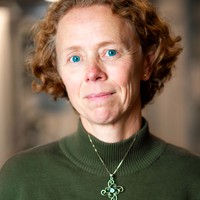 Anna Björklund合作论文数KTH Royal Institute of Technology;Department of Sustainable Development, Environmental Science and Engineering, Kungliga Tekniska Hogskolan8
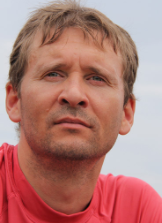 Nathan Pelletier合作论文数Faculty of Management, The University of British Columbia7
 Anna Winkvist合作论文数Umeå7
 Peter H. Tyedmers合作论文数School for Resource and Environmental Studies, Dalhousie University7
 Astrid J Scholz合作论文数7
 Anna Strid合作论文数6
 Assumpcio Anton合作论文数6
 Katarina Arvidsson Segerkvist合作论文数Department of Animal Environment and Health, Swedish University of Agricultural Sciences6
 Helena Hansson合作论文数1Department of Economics, Swedish University of Agricultural Sciences6
 Alicja Wolk合作论文数Institute of Environmental Medicine, Karolinska Institutet6
 Anna Flysjo合作论文数6
 Håkan Jönsson合作论文数Institutionen for energi och teknik, Swedish University of Agricultural Sciences6
 Christel Cederberg合作论文数SIK – The Swedish Institute for Food and Biotechnology6Katarina Lorentzon合作论文数5
 Agneta Åkesson合作论文数Karolinska Institutet5
 Sarah Mclaren合作论文数5
 Karin Östergren合作论文数SIK, The Swedish Institute for Food and Biotechnology5Bruno Notarnicola合作论文数Faculty of Economics, University of Bari Aldo Moro5
 Serenella Sala合作论文数Land Resources and Supply Chain Assessments Unit, Joint Research Centre, European Commission5
 Magnus Dalemo合作论文数Swedish Institute of Agricultural Engineering5
 Erwan Saouter合作论文数Procter & Gamble Company5M Dalemo合作论文数4
 Niclas Hakansson合作论文数4
 Jan Bertilsson合作论文数4
 Anne Marie Tillman合作论文数Division of Environmental Systems Analysis, Chalmers University of Technology4Berit Mattsson合作论文数4
 Anna Hessle合作论文数Department of Animal Environment and Health, Swedish University of Agricultural Sciences (SLU),4
 Marta Bianchi合作论文数Facultad Ciencias Agrarias, UNR4Ingegerd Johansson合作论文数4T Nybrant合作论文数4
 Ingrid Oborn合作论文数Department of Soil Sciences;Swedish University of Agricultural Sciences;Department of Soil Sciences, Swedish University of Agricultural Sciences4charlotte bjuggren合作论文数3Lars Hamberg合作论文数3Sarah A. Kruse合作论文数3
 Eva Salomon合作论文数3
 Ena Huseinovic合作论文数The Sahlgrenska Academy, University of Gothenburg3
 Bo Stenberg合作论文数Department of Soil and Environment, Swedish University of Agricultural Sciences3
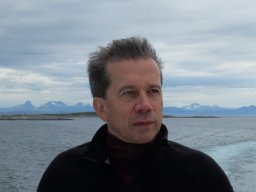 Stefan Wirsenius合作论文数Chalmers University of Technology, Göteborg University3
 Karl-Ivar Kumm合作论文数3
 Almudena Hospido合作论文数Institute of Technology, University of Santiago de Compostela3
 Erik Sindhoj合作论文数Department of Soil Sciences, SLU3
 Fredrik Hedenus合作论文数Department of Energy and Environment, Chalmers University of Technology3
 Bernt Lindahl合作论文数3begona perez villarreal合作论文数2




