Effective Indigenous leaders articulate the skills and abilities needed to navigate the uncertainties of the 21st century. They are adept in the skills of how to identify, pursue and achieve goals, and in doing so, are able to inspire others along the education leadership journey. This chapter explores a broad set of characteristics of leaders, both nationally and internationally, and expands on qualities that are displayed by Indigenous leaders in Māori society in historical and contemporary times. A selection of Indigenous leadership traits is offered so as to illustrate how iconography and metaphor can be manifested in real-world contexts. A framework referring to two streams of knowledge is espoused. This framework is the channel through which Indigenous and non-Indigenous leadership qualities can complement each other to yield, potentially, better outcomes than either paradigm can yield on its own. A set of four compelling messages are offered as 'food for thought'.
This article shares lessons for spatial governance in Aotearoa New Zealand in the context of the Treaty of Waitangi. It reports on research into co-creation pathways that supported bicultural spatial governance inclusive of whanau and local communities in the Waimakariri and Rotorua Districts. In alignment with three Treaty principles, local tikanga, unique to the two places, informed the methodological framework for bicultural spatial governance. Despite some commonalities, the two case studies reveal distinctive perspectives that resonate differently across Aotearoa New Zealand, underscoring the importance of co-creation for biculturalism. We consider the implications for biculturalism across a range of spatial contexts and for debates about decolonising governance.
This article responds to the paucity of literature on Māori success and presents data from follow-up interviews with eight Māori young adults (pakeke), 6 years after they participated as secondary students (rangatahi) in an initial study titled Ka Awatea: An Iwi Case Study of Māori Students’ Success in 2014. Emerging outcomes reveal the central role of Māori culture and identity in their transition to adulthood. Secondary schooling nurtured their inner confidence and capacity to achieve, but did not play a significant role in development of positive Māori identity and cultural efficacy. However, as school-leavers approaching adulthood, they drew on their cultural efficacy and cultural assets, predominantly acquired from whānau, to navigate dominant culture environments. In doing so, they demonstrate that traditional Māori developmental paths have contemporary relevance, and that their roles—as cultural bearers, passing on the gifts of their ancestors—are fundamental to their aspirations and achievements.
Este artigo trata sobre a presença e a significância das ideias de Paulo Freire na Aotearoa/Nova Zelândia. Partimos do contexto da viagem de Freire ao país em 1974 e relacionamos sua visita com o processo histórico mais amplo de reconhecimento do racismo como um dos legados da colonização do país. Em seguida, mapeamos a presença dos livros de Freire em universidades e bibliotecas públicas, discutindo o impacto da Pedagogia do Oprimido assim como a repercussão das ideias de Paulo Freire na experiência de alguns de seus leitores locais. Por fim, focamos no relacionamento entre o trabalho de Paulo Freire e a educação Māori, discutindo o conceito indígena de Ako e a importância do desenvolvimento de pedagogias culturalmente relevantes.
The Ministry of Business, Innovation and Employment (MBIE) in Aotearoa New Zealand has funded 11 National Science Challenges (NSC), which aim to tackle a series of big questions affecting wellbeing in society. One Challenge, A Better Start: E Tipu E Rea, is investigating four key focus areas that children encounter in their early development and is seeking to identify the factors that contribute to forming a solid foundation for fostering wellbeing and lifelong success. Central to the principles of this Challenge is the Treaty of Waitangi in that the Treaty provides a framework to guide whānau engagement, policy change, and praxis. This article describes how a ‘ngākau’ rather than a ‘rākau’ approach to shaping research inquiry within this Challenge facilitates more authentic and mana-enhancing whānau engagement in research interactions (Macfarlane, 2019). The development of a whānau questionnaire is drawn on to illustrate the ngākau approach in practice.
The contributions partial-immersion Māori programmes offer to the wider educational landscape of Aotearoa is essential to Māori achieving as Māori. In this article, partial-immersion settings are defined as Level 2 immersion (51%–80% te reo Māori instruction) and Level 3 immersion (31%–50% te reo Māori instruction). While lower levels of immersion can be less effective for language acquisition than full-immersion Māori environments (May et al., 2004), this study finds that partial-immersion programmes are perceived to produce beneficial outcomes in terms of ahurea tuakiri and culturally empowering practice.
Purpose The research in the field of Indigenous peoples and the espousal of their cultural values in the work environment is recognised as being important as a means of overcoming workplace inequities. The purpose of this paper is to examine research about Maori, the Indigenous people of Aotearoa New Zealand that may inform future enterprises for the long-term prosperity of marginalised Indigenous peoples. Design/methodology/approach This study reviews the literature on unique cultural dynamics of whanau Maori (New Zealand Maori family/community) study practices and the importance of work/home/life balance. Furthermore, it considers strengths-based community enterprises that can lead to sustainable prosperity for Maori. Findings The review yielded three theoretical principles that explain mana (sociocultural and psychological well-being), which can be generalised across multiple contexts, with the workplace being one of these contexts. These principles of mana create a contextual match with whanau external realities; an experiential match of a mana empowerment framework that transfers to the study context and an interpersonal understanding of being understood and empowered within the study context. Research limitations/implications The literature review has been limited to research from 2005 onwards and to research that investigates Maori, the Indigenous peoples of Aotearoa New Zealand. Although the review of the literature has these limitations, the review may be of interest to other studies of Indigenous peoples worldwide. Practical implications The key factors are interwoven, and their importance is considered in relation to the development of positive and supportive environments, which link to job retention, satisfaction and productivity in the workplace for Maori. This, in turn, can have beneficial knock-on effects for not only the New Zealand economy but also more importantly for enhancing sustainable livelihoods for upcoming generations. Social implications Tied together, these factors are paramount for cultural, social and ecological benefits for nga rangatahi (young Maori adults) and the wider community in the workplace. Originality/value The literature review’s value and originality derive from a dearth of recent research on supporting nga rangatahi (young Maori adults) for sustainable prosperity.
This paper is based on a keynote address presented at the 2017 annual Maori Research Colloquium at the University of Canterbury. The paper provides a snapshot of the history of education in New Zealand, and presents a story of success in the face of enormous social and psychological challenges brought about by historical events and government policies, over time. It is written from an insider’s perspective, and is peppered with personal reflections from its author, one of New Zealand’s pre-eminent educationalists, Sir Toby Curtis, who achieved at the highest levels of education in New Zealand and abroad, and was knighted for his services to Maori education. Sir Toby reflects on the apportioning of power between Maori and non-Maori within the education system, and seeks to determine how an imbalance may have contributed to inequitable educational outcomes for Maori in the last 180 years. The following questions emerge from these ruminations: 1. In what ways has power imbalance within the New Zealand education system impacted on educational experiences and outcomes for Maori?2. How have these educational experiences manifested within (and beyond) the system?3. What meanings and aspirations can be taken from the whakatauk ‘He moana pukekepuke, e ekengia/A choppy sea can be navigated’?In essence, this paper seeks to dig beneath the surface of past occurrences in order to shed some light on the questions posed above. Sir Toby commences by sifting through the history of colonial influences on education in this country, and sprinkles this with his own experiences going to school, many of which were plagued by challenges of various forms. Sir Toby makes bold and often astute observations about the impact of colonial policy on Maori (and how it affected him personally), and redirects the emphasis by proposing a pathway forward for the future of Maori education. At its core, this paper tells a personal storywithin a larger story of a determination to triumph over notions of inferiority and oppression - it is a story of resiliency and a story of hope.
In the context of Māori and Indigenous ways of knowing, a recurring theme in professional educative discourse is the notion that it would be advantageous for educators and researchers to attain enhanced understandings of Māori worldviews, Maōri histories, Maōri experiences of struggle, Māori lived realities—and of the nascent, yet optimistic, contentions by Māori about their roles in theoretical developments and educational jurisdictions. How might adopting a power-sharing partnership approach within these parameters strengthen research endeavors? How might such an approach be mutually beneficial? How might it be monitored? These and other questions continue to be posed by Māori. What is consistently being recommended by Māori is the need for researchers to broaden and deepen their awareness and respect for knowledge that flows from different, yet potentially complementary, streams—in this case, the Māori and Western knowledge streams. Progress is happening, but it is not embedded within the culture or research that is with, about and for Māori. We argue that it is now timely for social scientists, cultural critics, political analysis, research funders, and academics to move from commentary to commitment. In this article, the authors propose that by exploring Māori philosophies and developing a deeper and more meaningful understanding of theoretical models that can potentially enhance and deepen cultural awareness, both Māori and non-Māori researchers can be assisted and supported, in their respective fields, to achieve more culturally robust, inclusive, and sustainable research findings. Such models provide frameworks—in essence, an adaptable set of options—for research operations that acknowledge voices, histories, and contributions and thereby support both cultural enhancement and culturally safe research practice.
Wetekia kia rere is an expression in the Māori language that refers to unleashing potential . This paper discusses questions of power relevant to challenges recently identified by government officials regarding learners’ experiences of science education in New Zealand schools. We begin by summarising the Treaty relationship (Treaty of Waitangi, considered to be the country’s founding document first signed in 1840) that informs the framing of New Zealand’s science curriculum guidelines. Next we outline some official New Zealand education strategies along with several policy guidelines relevant to the aspirations of Māori communities for a transformative science curriculum. This is followed by a discussion of how the historical processes of ecological imperialism, environmental racism and institutional racism have combined to attenuate Māori experiences of science education. A review of international literature is then presented to support calls for the development of place-conscious approaches to science education which validate Māori knowledge and learning contexts and Māori initiatives to seek eco-justice. Finally, a case study of a Pā Wānanga (Māori learning community) is provided to suggest potential solutions to some of the problems discussed previously.
How might researchers ‘listen to culture’ in their quest for knowledge that involves Indigenous populations? Many Indigenous groups may argue that the hidden drivers of research activities remain anchored to Western oriented values, processes and motivations. In Aotearoa New Zealand, it is clear that adopting a partnership approach to research is now becoming more of the ‘norm’. As Aotearoa New Zealand approaches the third decade of the twenty-first century, culturally relevant and inclusive approaches to research need to be the policy of choice and must be the policy of necessity. Equitable research approaches to research must be at the core in the quest for scientific inquiry, social coherence and economic growth. This chapter explores some of the historical realities and a vision moving forward. To guide authentic and grounded approaches to power-sharing research endeavours, culturally grounded frameworks are also shared.
Angus Hikairo Macfarlane (Ngāti Whakaue) is Professor of Māori Research at the University of Canterbury, Director of Te Rū Rangahau: The Māori Research Laboratory, and Kaihautū of the New Zealand Psychological Society. His research focuses on exploring Indigenous and sociocultural imperatives that influence education and psychology. Avid about Māori advancement, he has pioneered several theoretical frameworks associated with culturallyresponsive approaches for professionals working in these disciplines. Professor Macfarlane’s prolific publication portfolio and exemplary teaching abilities have earned him national and international standing in his field of scholarship. In 2010, he received the Tohu Pae Tawhiti Award from the New Zealand Council for Educational Research for outstanding contributions to Māori research. In 2013, he was awarded the University of Canterbury Research Medal – the highest honour that the UC Council can extend to its academic staff. In 2015, he received the national Ako Aotearoa Tertiary Teaching Excellence Award for specialist services in the field of kaupapa Māori.
The views of recent graduates of a blended learning programme for specialist teachers of children with learning and behaviour difficulties in New Zealand were investigated. Six focus group interviews examined factors that participants considered enabled them to develop programme competencies as well as those that acted as barriers to competency development. Results indicated that a range of factors had acted as barriers to or enablers of competency development. These focused on five overarching themes related to: course content, relevance, clarity and structure; support networks; managing time and stress; pre-requisite knowledge, skills, and experience; access to technology. The implications of these factors for the further development of blended learning programmes are identified.
Potentially addictive behaviours supported by the internet and mobile phones raise concerns in education services for early childhood. Although there is evidence that screen media can distract the attention of young children, there was a massive uptake of digital devices by early childhood centres (ECCs). We investigated practices of families (n = 85) and of six ECCs serving vulnerable children in New Zealand, many of whom are emergent bilinguals. Descriptions of the limited and exemplary choice of screen media of the ECCs include digital portfolios containing children's learning stories in multiple languages illustrated with digital photos. This was facilitated by increasing partnership with the families and the inclusion of their languages in the physical and digital landscapes of the ECCs. However, these families and the ECCs are seeking additional guidance to face the complex challenges of the digital world. These early findings from our national research programme, A Better Start, E Tipu E Rea, already informed significant changes in the ECCs; we also identified the potential for young children to act as agents of change.
The kaupapa on raising engagement and achievement of Pasifika students motivates Pasifika leaders, families and Pasifika communities to work alongside school leaders, teachers and educators. Pasifika leaders are driven by their aspirations for all Pasifika students to be successful in education and life-long learning. This article explores the voices of nine Pasifika leaders living within New Zealand and what they perceive are critical issues for advancing outcomes in a culturally responsive practices and understandings. The research uses a Pasifika methodology, known as Talanoa that affords a culturally suitable situation for the researcher and research participants to talk in a spontaneous manner about whatever arises. The research investigation found seven key concepts: Strengthening culturally responsive leadership; Pasifika ‘heart’; Deep knowledge of Pasifika cultural world views; Provision of quality teaching and learning; Strengthening community engagement and partnership; Setting high expectations for success and achievement; Advocating for the Pasifika Education Plan.
Abstract Leading schools in Aotearoa New Zealand is a critical role. In a bicultural country, a key aspect of this role is developing a school ethos where culturally responsive practices are strongly embedded. Frequently, this is considered in light of the tamariki and rangatahi and their whānau within the wider school community. However, an area where there is a dearth of research is the experiences of Māori teachers working in mainstream schooling. This article focuses on the lived realities of six Māori teachers who completed a graduate qualification in immersion and bilingual teaching in Māori, and returned to their respective schools. The research consisted of the collection and analysis of a detailed written questionnaire and semi-structured interviews with the Māori teachers. The research found that the additional professional and cultural tasks and responsibilities that this group of Māori teachers undertook often went unrecognised financially or otherwise by their employers and fellow colleagues. These Māori teachers felt they were “culturally obliged” to tautoko the students they serve and to support their schools’ respective Māori communities.
 Angus Macfarlane合作论文数36
 Melissa Derby合作论文数University of Waikato9
 Te Hurinui Renata Karaka-Clarke合作论文数6Letitia Hochstrasser Fickel合作论文数5Fiona Duckworth合作论文数4
 Jo Fletcher合作论文数4Toni Torepe合作论文数3Tufulasifa'atafatafa Ova Taleni合作论文数3
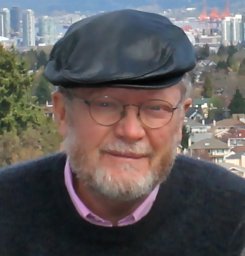 Tom Cavanagh合作论文数School of Education, The University of Waikato3
 Maria Carolina Nieto Angel合作论文数2
 Marie Gibson合作论文数2Waikaremoana Waitoki合作论文数2vivien hendy合作论文数2
 Neha Tia合作论文数Department of Psychology, University of Otago2
 Catherine Diane Savage合作论文数Faculty of Life Sciences, University of Manchester Manchester2
 Richard Manning合作论文数2
 Eileen Britt合作论文数2
 Garry Hornby合作论文数College of Education, University of Canterbury2
 Linda Waimarie Nikora合作论文数Maori & Psychology Research Unit;University of Waikato;Maori & Psychology Research Unit, University of Waikato2Jacki Henderson合作论文数1Hukarere Valentine合作论文数1Joanna Chan合作论文数1whitney mihiroa gillies合作论文数1
 Kay-Lee Jones合作论文数1Amany Habib合作论文数1Dean P. Walker合作论文数1
 Bernadette Farrell合作论文数1
 susan densmorejames合作论文数1
 Marcia Pilgrim合作论文数1
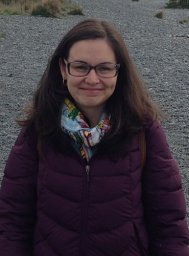 Mônica Maciel Vahl合作论文数Bibliotecaria Ara Inst Canterbury, Univ Canterbury1Leona Harris合作论文数1
 Lia de vocht合作论文数1h mataiti合作论文数1
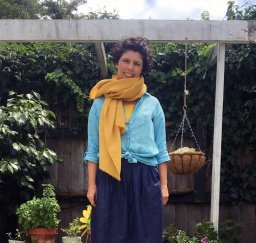 Rita Dionisio合作论文数Dept Geog, Univ Canterbury1
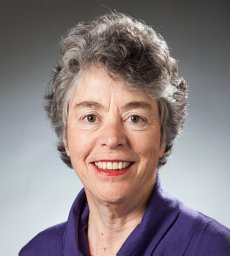 Niki Davis合作论文数E Learning, Univ Canterbury1
 Phil Foreman合作论文数1
 David M. Fergusson合作论文数Department of Psychological Medicine, University of Otago1Reid James合作论文数1
 Valerie G Margrain合作论文数School of Education, Australian Catholic University1Basu Arindam合作论文数1
 Damian Scarf合作论文数Department of Psychology, University of Otago1
 Bridgette Masters-Awatere合作论文数1
 Max W Abbott合作论文数Auckland University of Technology1Michael Arthur-Kelly合作论文数1
 Jeanette King合作论文数Department of Electrical and Computer Engineering;University of Auckland;Department of Electrical and Computer Engineering, University of Auckland1Dean Sutherland合作论文数School of Computer Science, Carnegie Mellon University1
 Simon Te Manihi Bennett合作论文数Montreal Children's Hospital Research Institute, McGill University1
 Una Cunningham合作论文数School of Arts and Media;Dalarna University;School of Arts and Media, Dalarna University1




