Therapeutic Level III. See Instructions for Authors for a complete description of levels of evidence.
Background: Fibular hemimelia, a congenital disorder characterized by the partial or complete absence of the fibula, tibial growth inhibition, and foot and ankle deformity and deficiency, is the most common deficiency of long bones. The purpose of the present study of children with congenital fibular hemimelia was to examine the functional and psychosocial outcomes at a minimum of 2 years after treatment either with amputation and a prosthesis or with reconstruction and lengthening. Methods: Twenty children who were managed with primary amputation were compared with 22 children who were managed with staged limb reconstruction. The average age of the patients at the time of evaluation was 9 years (range, 5 to 15 years). Patients and parents completed psychosocial, quality-of-life, and satisfaction surveys. Patients underwent instrumented gait analysis and a timed 25 or 50-yard dash. The number and nature of surgical procedures were recorded from a retrospective chart review. Results: Families of children managed with amputation had lower economic and educational levels and were more ethnically diverse compared with the families of children managed with limb reconstruction. Scores on psychosocial and quality-of-life surveys were comparable with those from healthy patient populations. Parents of males treated with amputation perceived a lower school-related quality of life for their child; socioeconomic and ethnic differences between groups might account for this finding. Statistically but not clinically significant differences were measured during instrumented gait analysis at a self-selected walking speed and during a timed 25 or 50-yard dash. The majority of patients and parents reported satisfaction with the treatment method selected and would select the same treatment method again. Conclusions: At this interim stage of growth, there were no significant functional or psychological differences between groups. Both groups were satisfied with the outcome in mid-childhood, irrespective of the selection of amputation or limb reconstruction. Level of Evidence: Therapeutic Level III . See Instructions for Authors for a complete description of levels of evidence.
Introduction: Femoral/tibial lengthening with a telescopic, magnetically-powered, intramedullary nail is an alternative to lengthening with external fixation. Methods: Pre-clinical testing was conducted of the PRECICE in a human cadaver. A retrospective review of the first 30 consecutive patients who underwent unilateral lengthening was also conducted. Nail accuracy was obtained by comparing the amount of nail distraction to the final bone length achieved at the end of the distraction process. Relative standard deviation of accuracy was used to calculate nail precision. Results: Devices performed successfully in a human cadaver. Thirty consecutive patients (10 females, 20 males; mean age, 23 years) with limb length discrepancy (LLD) were followed an average of 19 months (range, 12–24 months). Etiology included congenital shortening (14), posttraumatic deformities (7), Ollier disease (3), osteosarcoma resection (1), prior clubfoot (2), hip dysplasia (1), post-septic growth arrest of knee (1), and LLD after hip arthroplasty (1). Twenty-four femoral and eight tibial nails were implanted. Mean preoperative lengthening goal was 4.4 cm (range, 2–6.5 cm); mean postoperative length achieved was 4.3 cm (range, 1.5–6.5 cm). Average consolidation index was 36.4 days/cm (range, 12.8–113 days/cm). Mean nail accuracy was 97.3% with a precision of 92.4%. Average preoperative and 12-month postoperative Enneking scores were 21.5 and 25.3 (p < 0.001), respectively. The preoperative and 12-month postoperative SF-12 physical and mental component scores were not statistically different. Nine complications (nine limb segments) resolved: two partial femoral unions, two suspected deep vein thrombosis (DVT), one delayed tibial union, one fibular nonunion, one peroneal nerve irritation, one knee joint subluxation, and one confirmed DVT. Twenty-nine (91%) of 32 limb segments achieved successful bone healing without revision surgery. Discussion: Limb lengthening with PRECICE is reliable, but larger trials with longer follow-up will reveal limitations. Implantable nails prevent problems associated with external fixation, such as muscle tethering and pin-site infections.
Nerve injury is a serious potential complication associated with clinical use of tourniquets during surgery. A novel narrow, single-use silicon ring tourniquet has been introduced, which may cause less nerve compression and provide a larger field of surgical exposure than standard wide tourniquets. We investigated both types of tourniquets in the non-dominant proximal upper arm of 15 healthy human volunteers. Pain and neurological effects were assessed during 15 minute trials with each tourniquet applied 1 week apart without anesthesia according to the manufacturers' recommendations. Median nerve function was studied using the pressure-specified sensory device, an instrumented two-point discriminator, and pain was assessed by two validated instruments. Skin sores, redness, nerve damage, or neurological complications did not occur in either group. Subjects reported more pain with the narrow tourniquet; however, measurable effect on median nerve function was the same in both groups. Tourniquet application with the narrow device was more efficient, the device was easier to use, and larger surgical field exposure was obtained. We conclude that the sensory deficit with the use of narrow tourniquets is not greater than that observed with pneumatic/wide tourniquets.
External fixation has long been used for limb lengthening but can result in many complications, such as tethering of the soft tissues, pain, decreased joint motion, scarring, and nerve injury. Recently, a controllable, telescopic, internal lengthening nail was developed to address many of these issues and hopefully improve the overall experience for the patient. The satisfaction rates of internal and external fixation for limb lengthening were compared in 16 patients, all of whom have experienced both methods. Thirteen out of 16 patients responded to a limb-lengthening questionnaire, developed by the authors for this patient population. Patients preferred the internal device with respect to overall satisfaction, reduced pain, ease of physical therapy, and better cosmetic appearance. When asked which device they would prefer if another surgery was required, all patients chose the internal device. From the patients' perspective, the internal lengthening device is an improvement over the traditional external fixator.
The authors compared the results of treating nonunion with either bone morphogenetic protein (BMP)-7 or BMP-2. Between 2001 and 2009, 214 limb segments were treated for nonunion with either BMP-7 or BMP-2 at the authors' institution. Sixty-three subjects received 76 units of BMP-7. Radiographic healing occurred in 70% of limb segments at an average of 30 weeks after surgery, and 75% of limb segments were weight bearing at an average of 23 weeks after surgery. In 15.8%, persistent nonunion necessitated additional surgery. Average follow-up was 32 months. One hundred twelve subjects received 138 units of BMP-2. Radiographic healing occurred in 93% of limb segments at an average of 19 weeks after surgery, and 88% were weight bearing at an average of 15 weeks after surgery. In 6.25%, persistent nonunion necessitated additional surgery. Average follow-up was 17 months. Several significant differences were observed. Patients in both BMP-7 and BMP-2 groups were able to fully weight bear at an average of 23 and 15 weeks, respectively (P<.001). Further, both BMP-7 and BMP-2 groups healed at an average of 30 and 19 weeks, respectively (P<.001). Additionally, healing occurred in more limb segments in the BMP-2 group (93%) than in the BMP-7 group (70%) (P<.001). No difference in the complication rate was seen between groups. Patients who received BMP-2 for the treatment of nonunion had a higher rate of radiographic healing, achieved radiographic healing more quickly, and were able to bear weight sooner than those who underwent treatment with BMP-7.
Limb-length discrepancy after total hip arthroplasty (THA) leads to patient dissatisfaction and can be a cause of orthopedic surgery malpractice cases. Nonsurgical and surgical techniques exist to correct limb-length discrepancies. Two limb-lengthening methods were used to correct greater than 2-cm limb-length discrepancies after THA: lengthening over a femoral nail with an external fixator and lengthening with an intramedullary kinetic skeletal distractor. These techniques achieved equal length in less than 4 weeks, with both resulting in a healed distraction gap within 4 months. No patient had loss of proximal or distal joint motion, and mean Harris Hip Score was 90 points at final follow-up. No surgical complications were reported with the intramedullary skeletal kinetic distractor. Limb lengthening using an intramedullary skeletal kinetic distractor is a viable treatment option resulting in reliable lengthening, healing of the distraction gap, and progression to full weight bearing.
Patients with congenital limb shortening can present with joint instability, soft tissue contractures, and significant leg length discrepancy. Classically, lengthening is done with external fixation, which can result in scarring, pin site infection, loss of motion, and pain. We therefore developed an alternative to this approach, a new, controllable, internal lengthening device for patients with congenital limb shortening.
The Ponseti method has become the gold standard for the treatment of idiopathic clubfoot. Its safety and efficacy has been demonstrated extensively in the literature, leading to increased use around the world over the last two decades. This has been demonstrated by the increase in Ponseti related PubMed publications from many countries. We found evidence of Ponseti activity in 113 of 193 United Nations members. The contribution of many organizations which provide resources to healthcare practitioners in low and middle income countries, as well as Ponseti champions and modern communication technology, have helped to spread the Ponseti method around the world. Despite this, there are many countries where the Ponseti method is not being used, as well as many large countries in which the extent of activity is unknown. With its low rate of complication, low cost, and high effectiveness, this method has unlimited potential to treat clubfoot in both developed and undeveloped countries. Our listing of countries who have not yet shown presence of Ponseti activity will help non-governmental organizations to target those countries which still need the most help. (C) 2014 Baishideng Publishing Group Inc. All rights reserved.
The effectiveness of using the Reamer/Irrigator/Aspirator (RIA) System (Synthes, Inc, West Chester, Pennsylvania) to obtain bone graft from the intramedullary canal of long bones for the treatment of bone defects and nonunions has been previously documented. However, there is nothing in the literature discussing the potential for reaming the same canal at subsequent surgeries. The authors detail their experience of 8 instances of sequential reaming in 7 patients. Six patients were harvested twice, and 1 patient was harvested 3 times. In each patient, the bone graft was obtained from the same canal. The main outcome measurements were time interval between reamings, reamer head size, indication for reaming, volume of harvested bone graft, and complications. Average volume of graft obtained in the first reaming procedure was 34 mL (range, 25-50 mL). After an average of 9 months (range, 3-16 months), the subsequent reaming was performed. Average volume of graft obtained in the second procedure was 45 mL (range, 28-65 mL). In the authors' series, no reaming-related complications were observed. The graft volume was the same or increased during the subsequent intramedullary reaming in all but 1 case, suggesting that the intramedullary canal is a potentially renewable source for bone graft. There were no complications related to the sequential reaming procedure. Overall, the authors' data suggest that sequential reaming with the RIA has the potential to safely and effectively provide a large quantity of bone graft on multiple occasions.
Background For decades, the Blount staple has been used to perform temporary hemiepiphysiodesis for angular deformity correction in children with open growth plates. Recently, the eight-PlateGuided Growth System (Orthofix, McKinney, TX) has gained popularity for use in this procedure. The eight-Plate is said to be superior to the Blount staple, as it is less likely to break or migrate out of the bone. However, some centers have observed mechanical failures of the eight-Plate cannulated screws. Methods The purpose of our study was to conduct a multicenter survey to determine which factors increase the risk of mechanical failure with this device. We distributed a questionnaire in 2007 to 841 members of the Pediatric Orthopaedic Society of North America that asked about their experience with the eight-Plate and whether they had observed any mechanical failures. Follow-up surveys were distributed to determine the background of the failed cases. Results Of the 445 (53%) surgeons who responded, 314 (71%) reported that they use the eight-Plate in their practice. Forty-eight (15%) of the 314 surgeons who use the eight-Plate observed a total of 65 cases of mechanical failure. In every case, the screws failed, not the plate. The average body mass index of these patients was 37.8 kg/m2 (range, 19.2 to 70.2 kg/m2). Conclusions Overweight and obese patients with Blount disease were among those most likely to experience eight-Plate screw failure. Fractures occurred almost always in the metaphyseal screw—not where the head meets the shank but where the shank enters the lateral cortex, presumably because of 3-point bending. No broken plates were reported. In high-risk cases, we now consider using 2 parallel eight-Plates or using solid (not cannulated) screws for plate fixation. Level of Evidence Level IV.
Ankle joint distraction has been shown to be a viable alternative to ankle arthrodesis or ankle replacement. The à la carte approach to ankle joint preservation (resection of blocking osteophytes, release of muscle/joint contractures, and realignment osseous ankle procedures) presented in this article as important for a successful outcome as is the hinged ankle joint distraction technique itself. The authors reviewed 32 patients who underwent this ankle joint distraction technique and found 78% of patients had maintained their ankle range of motion and have no pain to occasional moderate pain that can be managed generally with nonsteroidal anti-inflammatory drugs alone. Only one has required an ankle fusion, and only one has been converted to an ankle joint replacement. The longevity of these results and the higher percent of good or excellent results when compared with other studies suggest that combining adjunctive procedures and articulation with ankle distraction improves the results of this procedure.
Between 2003 and 2006, we used an extraarticular, cannulated, fully threaded posterior calcaneotibial screw to prevent equinus contracture in 10 patients (four male and six female patients, 14 limbs) undergoing tibial lengthening with the intramedullary skeletal kinetic distractor. Diagnoses were fibular hemimelia (two), mesomelic dwarfism (two), posteromedial bow (one), hemihypertrophy (one), poliomyelitis (one), achondroplasia (one), posttraumatic limb-length discrepancy (one), and hypochondroplasia (one). Average age was 24.5 years (range, 15–54 years). The screw (length, typically 125 mm; diameter, 7 mm) was inserted with the ankle in 10 dorsiflexion. Gastrocnemius soleus recession was performed in two patients to achieve 10 dorsiflexion. Average lengthening was 4.9 cm (range, 3–7 cm). Screws were removed after a mean 3.3 months (range, 2–6 months). Preoperative ankle range of motion was regained within 6 months of screw removal. No neurovascular complications were encountered, and no patients experienced equinus contracture. We also conducted a cadaveric study in which one surgeon inserted screws in eight cadaveric legs under image intensifier control. The flexor hallucis longus muscle belly was the closest anatomic structure noted during dissection. The screw should be inserted obliquely from upper lateral edge of the calcaneus and aimed lateral in the tibia to avoid the flexor hallucis longus muscle. Level of Evidence: Level IV, therapeutic study. See the Guidelines for Authors for a complete description of levels of evidence.
Between 2003 and 2006, we used an extraarticular, cannulated, fully threaded posterior calcaneotibial screw to prevent equinus contracture in 10 patients (four male and six female patients, 14 limbs) undergoing tibial lengthening with the intramedullary skeletal kinetic distractor. Diagnoses were fibular hemimelia (two), mesomelic dwarfism (two), posteromedial bow (one), hemihypertrophy (one), poliomyelitis (one), achondroplasia (one), posttraumatic limb-length discrepancy (one), and hypochondroplasia (one). Average age was 24.5 years (range, 15–54 years). The screw (length, typically 125 mm; diameter, 7 mm) was inserted with the ankle in 10° dorsiflexion. Gastrocnemius soleus recession was performed in two patients to achieve 10° dorsiflexion. Average lengthening was 4.9 cm (range, 3–7 cm). Screws were removed after a mean 3.3 months (range, 2–6 months). Preoperative ankle range of motion was regained within 6 months of screw removal. No neurovascular complications were encountered, and no patients experienced equinus contracture. We also conducted a cadaveric study in which one surgeon inserted screws in eight cadaveric legs under image intensifier control. The flexor hallucis longus muscle belly was the closest anatomic structure noted during dissection. The screw should be inserted obliquely from upper lateral edge of the calcaneus and aimed lateral in the tibia to avoid the flexor hallucis longus muscle.
 John E. Herzenberg合作论文数Rubin Institute for Advanced Orthopedics, Sinai Hospital of Baltimore12
 Shabtai Lior合作论文数5
 Dror Paley合作论文数Dror Paley's Lab, Paley Orthopedic and Spine Institute;Dept of Orthopaedics, University of Vermont School of Medicine;Dept of Orthopaedics, University of Toronto School of Medicine5Rolf D Burghardt合作论文数4
 Janet D Conway合作论文数3Don Cummings合作论文数2Anne Morton合作论文数2john g birch合作论文数2Gaurav Jindal合作论文数2Standard Shawn C合作论文数2Tulchin-Francis Kirsten合作论文数Department of Neurology, Texas Scottish Rite Hospital for Children2Russ Riddle合作论文数2
 Mohan V. Belthur合作论文数SPARSH Hospital2Rishi Thakral合作论文数1
 Kimona Issa合作论文数1Green Stuart A合作论文数1
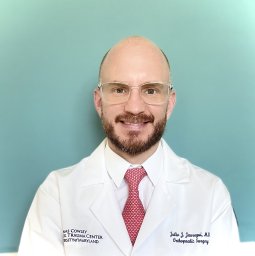 Jauregui Julio J合作论文数Rubin Institute for Advanced Orthopedics Center for Joint Preservation and Replacement Sinai Hospital1Gesheff Martin G合作论文数Sinai Center for Thrombosis Research, Sinai Hospital1Kovar Florian合作论文数1Wagner Pablo合作论文数1
 Michael Mont合作论文数Northwell Orthopedics;Lenox Hill Hospital1
 Aaron J. Johnson合作论文数Department of Immunology, Mayo Clinic;Department of Neurology, Mayo Clinic;Department of Molecular Medicine, Mayo Clinic1Erin Baker合作论文数1Anil Bhave合作论文数Sinai Hospital1
 Bradley M Lamm合作论文数1Rachana M. Purohit合作论文数1




