In vitro toxicity assessments of aerosols are often limited by their physiological relevance. Conventional aerosol exposure systems provide uniform particle deposition, whereas in vivo deposition is inherently heterogeneous across lung regions. To address this, we have developed a high-throughput Multipattern Aerosol deposition device for Respiratory Toxicity and Health-risk Assessment (MARTHA). MARTHA employs laminar-flow, water-based condensation technology to efficiently grow nanoparticles from as small as 5 nm to > 3 μm while maintaining physiological conditions in the lungs (37 °C, ≥95% humidity). A key innovation is its ability to generate both uniform and non-uniform deposition patterns using three distinct nozzle configurations (3-jets, slit, and 7-jets). Deposition validation using aerosolized sodium fluorescein demonstrated consistent particle dose distribution across nozzle types, with a low coefficient of variation (CoV <15%) among wells. Experimental results demonstrated that MARTHA achieved high collection efficiency (>95%) for particle number concentrations ranging from 2000 to 200,000 #/cm3 and enabled simultaneous exposure of cells at the air-liquid interface (ALI) in 12 Transwell inserts. As proof-of-concept functional validation of the platform, exposure of aerosolized e-liquid to A549 cells at the ALI resulted in significant differences in trans-epithelial electrical resistance (TEER), underscoring the impact of deposition patterns. Overall, MARTHA is an advanced in vitro platform that more realistically mimics pulmonary aerosol deposition than existing systems and enables high-throughput, pattern-controlled ALI exposure studies.
Aerosol Mobility Imager (AMI), a compact instrument for rapid measurements of aerosol size distribution, is presented. AMI employs a parallel plate mobility separator wherein the electric field strength varies along the width of the plate. Under the influence of the electric field, charged particles are spatially separated inside the separator according to their electrical mobility. A novel extraction growth cell (EGC) then extracts a portion of the flow carrying the spatially separated particles and converges the extracted flow into a narrow focusing nozzle slit, while simultaneously growing the particles by water condensation. Grown particles exiting the focusing slit are imaged to capture both the number and mobility dependent position of the particles, which allows for derivation of aerosol size distribution. The employment of the new EGC significantly reduces the instrument size, weight, and power consumption compared to the previously developed Fast Integrated Mobility Spectrometer (FIMS). The combination of a compact size and fast measurement speed is expected to make AMI an ideal instrument for deployments in many laboratory studies and field observations, including onboard platforms such as the unmanned aerial vehicle and tethered balloon system. In this first of a series of two papers, we present numerical simulations of particle trajectories and growth of spatially separated particles in AMI. The AMI performance characteristics, including transfer function, transmission efficiency, and mobility resolution, are derived from the simulated particle trajectories. The results indicate that AMI can match the 1 Hz time resolution of FIMS with a comparable dynamic size range of 8-400 nm in particle diameter, while maintaining a mobility resolution above 3. The experimental demonstration and characterization of AMI are presented in an accompanying paper.Copyright (c) 2024 American Association for Aerosol Research
A compact Aerosol Mobility Imager (AMI) has been developed to provide rapid measurements of aerosol size distribution. The design and model evaluation of AMI are presented in the preceding paper. To experimentally demonstrate the feasibility of the new AMI concept, we characterized the performance of a prototype AMI, which consists of the mobility separator from an existing Fast Integrated Mobility Spectrometer (FIMS), a newly designed extraction growth cell (EGC), and an optical detector. Monodisperse aerosols with diameters ranging from 15 to 200 nm were generated using a Differential Mobility Analyzer (DMA) and measured by the prototype AMI and a condensation particle counter (CPC) in parallel. The mean diameter measured by the prototype AMI agrees well with the DMA centroid diameter, with a maximum deviation of <3%. Comparison of the particle concentrations measured by the prototype AMI and CPC indicates a detection efficiency of nearly 100% for particles with diameters of 15 nm or larger. The measured responses of the prototype AMI to DMA-classified aerosols are generally in agreement with the calculations, indicating that the AMI transfer function and mobility resolution can be well predicted based on simulated particle trajectories. The experimental results demonstrate that AMI is capable of rapid and accurate aerosol size distribution measurements while maintaining a sufficient mobility resolution for measurements of ambient aerosols.
A "Community Condensation Particle Counter" (cCPC) has been developed to provide an affordable monitor of airborne particle number concentrations. The cCPC is an expansion-type condensation particle counter that incorporates single particle counting to yield a direct measurement of number concentration. Particle number concentrations are derived from the detection of individual droplets exiting the cell during the expansion, combined with the pressure readings and the physical volume of the particle cell. Modeling and experiment confirm detection of particles as small as 4 nm, with >95% detection above 20 nm. For 12 days of ambient sampling two collocated cCPCs exhibit a pooled standard deviation of 3.5%. Comparison to a pair of benchtop instruments (ADI MAGIC CPCs) yields a correlation of R2=0.98 and a regression slope of 1.1. Laboratory studies at concentrations higher than 3×104 cm-3 for both sulfate and dioctyl sebacate show equally reduced response when compared to a versatile water CPC, but this was not observed in ambient aerosol sampling. Further research will be needed to resolve this discrepancy.
The ability to collect size-fractionated airborne particles that contain viable bacteria and fungi directly into liquid medium while also maintaining their viability is critical for assessing exposure risks. In this study, we present the BioCascade impactor, a novel device designed to collect airborne particles into liquid based on their aerodynamic diameter in three sequential stages (>9.74 μm, 3.94-9.74 μm, and 1.38-3.94 μm when operated at 8.5 L/min). Aerosol samples containing microorganisms - either Saccharomyces kudriavzevii or Micrococcus luteus, were used to evaluate the performance of the BioCascade (BC) paired with either the VIable Virus Aerosol Sampler (VIVAS) or a gelatin filter (GF) as stage 4 to collect particles <1.38 μm. Stages 2 and 3 collected the largest fractions of viable S. kudriavzevii when paired with VIVAS (0.468) and GF (0.519), respectively. Stage 3 collected the largest fraction of viable M. luteus particles in both BC+VIVAS (0.791) and BC+GF (0.950) configurations. The distribution function of viable microorganisms was consistent with the size distributions measured by the Aerodynamic Particle Sizer. Testing with both bioaerosol species confirmed no internal loss and no re-aerosolization occurred within the BC. Irrespective of the bioaerosol tested, stages 1, 3 and 4 maintained ≥80% of viability, while stage 2 maintained only 37% and 73% of viable S. kudriavzevii and M. luteus, respectively. The low viability that occurred in stage 2 warrants further investigation. Our work shows that the BC can efficiently size-classify and collect bioaerosols without re-aerosolization and effectively maintain the viability of collected microorganisms.
Accurate airborne aerosol instrumentation is required to determine the spatial distribution of ambient aerosol particles, particularly when dealing with the complex vertical profiles and horizontal variations of atmospheric aerosols. A versatile water-based condensation particle counter (vWCPC) has been developed to provide aerosol concentration measurements under various environments with the advantage of reducing the health and safety concerns associated with using butanol or other chemicals as the working fluid. However, the airborne deployment of vWCPCs is relatively limited due to the lack of characterization of vWCPC performance at reduced pressures. Given the complex combinations of operating parameters in vWCPCs, modeling studies have advantages in mapping vWCPC performance.In this work, we thoroughly investigated the performance of a laminar-flow vWCPC using COMSOL Multiphysics (R) simulation coupled with MATLAB (TM). We compared it against a modified vWCPC (vWCPC model 3789, TSI, Shoreview, MN, USA). Our simulation determined the performance of particle activation and droplet growth in the vWCPC growth tube, including the supersaturation, D p , kel , 0 (smallest size of particle that can be activated), D p , kel , 50 (particle size activated with 50 % efficiency) profile, and final growth particle size D d under wide operating temperatures, inlet pressures P (30-101 kPa), and growth tube geometry (diameter D and initiator length L ini ) . The effect of inlet pressure and conditioner temperature on vWCPC 3789 performance was also examined and compared with laboratory experiments. The COMSOL simulation result showed that increasing the temperature difference ( Delta T ) between conditioner temperature T con and initiator T ini will reduce D p , kel , 0 and the cut-off size D p , kel , 50 of the vWCPC. In addition, lowering the temperature midpoint ( T mid = T con + T ini 2 ) increases the supersaturation and slightly decreases the D p , kel . The droplet size at the end of the growth tube is not significantly dependent on raising or lowering the temperature midpoint but significantly decreases at reduced inlet pressure, which indirectly alters the vWCPC empirical cut-off size. Our study shows that the current simulated growth tube geometry ( D = 6.3 mm and L ini = 30 mm) is an optimized choice for current vWCPC flow and temperature settings. The current simulation can more realistically represent the D p , kel for 7 nm vWCPC and also achieved good agreement with the 2 nm setting. Using the new simulation approach, we provide an optimized operation setting for the 7 nm setting. This study will guide further vWCPC performance optimization for applications requiring precise particle detection and atmospheric aerosol monitoring.
Aerosol particle number concentration measurements are a crucial part of aerosol research. Vertical profile measurements and high-altitude/low-pressure performance of the respective instruments become more important for remote sensing validation and a vital tool for the observation of climate variables. This study tests the new, commercially available water condensation particle counter (MAGIC 210-LP) for the deployment at aircraft cruising pressure levels that the European research infrastructure IAGOS (In-service Aircraft for a Global Observing System; http://www.iagos.org, last access: 2 May 2023) is aiming for by operating measurement instrumentation onboard passenger aircraft. We conducted laboratory experiments for conditions to simulate passenger aircraft flight altitude at operation pressure. We demonstrate that this type of water condensation particle counter shows excellent agreement with a butanol-based instrument used in parallel. A Faraday cup aerosol electrometer serves as the reference instrument. Experiments are performed with test aerosol ammonium sulfate and fresh combustion soot at pressure levels ranging from 700 to 200 hPa. For soluble particles like ammonium sulfate, the 50 % detection efficiency cut-off diameter (D50) is around 5 nm and does not differ significantly for all performed experiments. For non-soluble fresh soot particles, the D50 cut-off diameter of approximately 10 nm does not vary substantially as a function of pressure, whereas the 90 % detection efficiency cut-off diameter D90 increases from 19 nm at 700 hPa to 37 nm at 200 hPa. The overall counting efficiency for particles larger than 40 nm reaches 100 % for working pressures of 200 hPa and higher.
Abstract. Aerosol hygroscopic growth plays an important role in atmospheric particle chemistry and the effects of aerosol on radiation and hence climate. The hygroscopic growth is often characterized by a growth factor probability density function (GF-PDF), where the growth factor is defined as the ratio of the particle size at a specified relative humidity to its dry size. Parametric, least-square methods are the most widely used algorithms for inverting the GF-PDF from measurements of humidified tandem differential mobility analyzers (HTDMA) and have been recently applied to the GF-PDF inversion from measurements of the humidity-controlled fast integrated mobility spectrometer (HFIMS). However, these least square methods suffer from noise amplification due to the lack of regularization in solving the ill-posed problem, resulting in significant fluctuations in the retrieved GF-PDF and even occasional failures of convergence. In this study, we introduce nonparametric, regularized methods to invert aerosol GF-PDF and apply them to HFIMS measurements. Based on the HFIMS kernel function, the forward convolution is transformed into a matrix-based form, which facilitates the application of the nonparametric inversion methods with regularizations, including Tikhonov regularization and Twomey’s iterative regularization. Inversions of the GF-PDF using the nonparameteric methods with regularization are demonstrated using HFIMS measurements simulated from representative GF-PDFs of ambient aerosols. The characteristics of reconstructed GF-PDFs resulting from different inversion methods, including previously developed least-square methods, are quantitively compared. The result shows that Twomey’s method generally outperforms other inversion methods. The capabilities of the Twomey’s method in reconstructing the pre-defined GF-PDFs and recovering the mode parameters are validated.
Capturing the vertical profiles and horizontal variations of atmospheric aerosols often requires accurate airborne measurements. With the advantage of avoiding health and safety concerns related to the use of butanol or other chemicals, water-based condensation particle counters have emerged to provide measurements under various environments. However, airborne deployments are relatively rare due to the lack of instrument characterization under reduced pressure at flight altitudes. This study investigates the performance of a commercial “versatile” water-based condensation particle counter (vWCPC, model 3789, TSI, Shoreview, MN, USA) under various ambient pressure conditions (500–920 hPa) with a wide range of particle total number concentrations (1500–70 000 cm−3). The effect of conditioner temperature on vWCPC 3789 performance at low pressure is examined through numerical simulation and laboratory experiments. We show that the default instrument temperature setting of 30 ∘C for the conditioner is not suitable for airborne measurement and that the optimal conditioner temperature for low-pressure operation is 27∘. Under the optimal conditioner temperature (27∘), the 7 nm cut-off size is also maintained. Additionally, we show that insufficient droplet growth becomes more significant under the low-pressure operation. The counting efficiency of the vWCPC 3789 can vary up to 20 % for particles of different chemical compositions (e.g., ammonium sulfate and sucrose particles). However, such variation is independent of pressure.
Numerical simulation of three-stage water-based CPC operation Assumption 1. Water vapor through a cylindrical growth tube is described by the energy equation of a Newtonian fluid under steady laminar flow conditions.2. The particle flow is assumed to be an incompressible Newtonian fluid with a fully developed parabolic flow profile: () = 0 �1 - 2 2 � = 0 (1 - 2 ), where 0 , r, and R represent initial velocity (m/s), radial position (mm), and growth tube radius, respectively, and x is the dimensionless length.3. Axial thermal diffusion and other second-order effects such as Stefan flow are ignored. Simplified 1-D heat and mass transferThe 1-D heat transfer: a partial differential equation of steady laminar flow: ℎ is the thermal diffusivity of the air, 0.215 cm 2 /sec at STP.At the other operation conditionThe 1-D mass transfer: a partial differential equation for partial vapor pressure: is the mass diffusivity of the water vapor, 0.251 cm 2 /sec (0.21 by Steve) at STP.At the other operation condition, , = (/1()) ⁄ *
The ability of aerosol particles to uptake water (hygroscopic growth) is an important determinant of aerosol optical properties and radiative effects. Aerosol hygroscopic growth is traditionally measured by humidified tandem differential mobility analyzers (HTDMA), in which size-selected dry particles are exposed to elevated relative humidity (RH), and the size distribution of humidified particles is subsequently measured using a scanning mobility particle sizer. As a scanning mobility particle sizer can measure only one particle size at a time, HTDMA measurements are time consuming, and ambient measurements are often limited to a single RH level. Pinterich et al. (2017b) showed that fast measurements of aerosol hygroscopic growth are possible using a humidity-controlled fast integrated mobility spectrometer (HFIMS). In HFIMS, the size distribution of humidified particles is rapidly captured by a water-based fast integrated mobility spectrometer (WFIMS), leading to a factor of ∼10 increase in measurement time resolution. In this study we present a prototype HFIMS that extends fast hygroscopic growth measurements to a wide range of atmospherically relevant RH values, allowing for more comprehensive characterizations of aerosol hygroscopic growth. A dual-channel humidifier consisting of two humidity conditioners in parallel is employed such that aerosol RH can be quickly stepped among different RH levels by sampling from alternating conditioners. The measurement sequence is also optimized to minimize the transition time between different particle sizes. The HFIMS is capable of measuring aerosol hygroscopic growth of six particle diameters under five RH levels ranging from 20 % to 85 % (30 separate measurements) every 25 min. The performance of this HFIMS is characterized and validated using laboratory-generated ammonium sulfate aerosol standards. Measurements of ambient aerosols are shown to demonstrate the capability of HFIMS to capture the rapid evolution of aerosol hygroscopic growth and its dependence on both size and RH.
The Spider differential mobility analyzer (DMA) is a novel, miniaturized radial DMA developed to provide size classification in the 10-500 nm range for applications requiring high portability and time resolution. Its external dimensions are similar to 12 cm in diameter by 6 cm in height (excluding tubing); it weighs similar to 350 g, and is designed to operate at 0.6-1.5 L/min sheath and 0.3 L/min sample flowrates. It features a new sample inlet geometry that is designed to produce a uniform azimuthal particle distribution at the entrance of the classifier, optimized sample/sheath flow streams introduction in the classifier to minimize particle delays, and extension of the electric field interaction volume for similar to 30% enhanced dynamic range. Based on three-dimensional finite element simulations of flows, electric fields, and particle trajectories, we demonstrate that the Spider DMA transfer functions can be predicted with high fidelity using a parameterized fit based on the Stolzenburg semi-analytical model. Experimental characterization of the instrument response with size-selected particles confirmed close agreement with model prediction; mobility size response is linear over three orders of magnitude in mobility span. Electrical ground shielding of the external surfaces of the DMA has been found to be necessary to avoid particle losses associated with field effects as the high voltage operating limit is approached. The mean deviation between the reference size of polystyrene latex spheres and the Spider DMA measurement is less than 2%, corroborating its high sizing precision and potential for high quality size distribution measurements. Copyright (c) 2019 American Association for Aerosol Research
An air-to-air ultrafine particle concentrator (Aerosol Dynamics Inc. concentrator; ADIc) has been designed to enhance online chemical characterization of ambient aerosols using aerosol mass spectrometry. The ADIc employs a three-stage, moderated water-based condensation growth tube coupled to an aerodynamic focusing nozzle to concentrate fine particles into a portion of the flow. The system can be configured to sample between 1.0 and 1.7 L min−1, with an output concentrated flow between 0.08 and 0.12 L min−1, resulting in a theoretical concentration factor (sample flow / output flow) ranging from 8 to 21. Laboratory tests with monodisperse particles show that the ADIc is effective for particles as small as 10 nm. Laboratory experiments conducted with the Aerosol Mass Spectrometer (AMS) showed no shift in the particle size with the ADIc, as measured by the AMS particle time-of-flight operation. The ADIc-AMS system was operated unattended over a 1-month period near Boston, Massachusetts. Comparison to a parallel AMS without the concentrator showed concentration factors of 9.7±0.15 and 9.1±0.1 for sulfate and nitrate, respectively, when operated with a theoretical concentration factor of 10.5±0.3. The concentration factor of organics was lower, possibly due to the presence of large particles from nearby road-paving operations and a difference in aerodynamic lens cutoff between the two AMS instruments. Another field deployment was carried out in Helsinki, Finland. Two ∼10 d measurement periods showed good correlation for the concentrations of organics, sulfate, nitrate and ammonium measured with an Aerosol Chemical Speciation Monitor (ACSM) with the ADIc and a parallel AMS without the concentrator. Additional experiments with an AMS alternating between the ADIc and a bypass line demonstrated that the concentrator did not significantly change the size distribution or the chemistry of the ambient aerosol particles.
Hygroscopicity describes the tendency of aerosol particle to uptake water and is among the key parameters in determining the impact of atmospheric aerosols on global radiation and climate. A hygroscopicity tandem differential mobility analyzer (HTDMA) system is the most widely used instrument for determining the aerosol hygroscopic growth. Because of the time needed to scan the classifying voltage of the DMA, HTDMA measurement often requires a minimum of 30 min to characterize the particle hygroscopic growth at a single relative humidity for five to six different sizes. This slow speed is often inadequate for measurements onboard mobile platforms or when aerosols evolve rapidly. Recently, a humidity-controlled fast integrated mobility spectrometer (HFIMS) was developed for measuring the hygroscopic growth of particles. The measurement speed of the HFIMS is about one order of magnitude faster than that of the conventional HTDMA. In this work, a data inversion routine is developed to retrieve the growth factor probability density function (GF-PDF) of particles measured by the HFIMS. The inversion routine considers the transfer functions of the upstream DMA and the downstream water-based fast integrated mobility spectrometer (FIMS), and derives the GF-PDF that reproduces the measured responses of the HFIMS. The performance of the inversion routine is examined using ambient measurements with different assumptions for the spectral shape of the particle GF-PDF (multimodal lognormal or piecewise linear). The influences of the data inversion parameters and counting statistics on the inverted GF-PDFs were further investigated, and an approach to determine the optimized inversion parameters is presented. Copyright (c) 2019 American Association for Aerosol Research
A water condensation-based ion charging system has been developed to enhance both the charging efficiency and the concentration of sub-20nm particles. This NanoCharger consists of a bipolar ion source followed by a parallel plate water-based condensation system, an embedded ion scavenger, and an aerodynamic focusing stage. Sufficient numbers of ions are transported through the system to attach to the formed droplets. An ion scavenger removes the ions immediately after the droplet formation to minimize multiple charging. A subsequent cold-walled condensation stage removes most of the water vapor, lowering the dew point to below 16 degrees C, while a set of focusing nozzles concentrates the droplets into approximate to 10% of the flow. The flow is then slightly heated to evaporate the droplets. The physical enhancement of electrical charging was evaluated in the laboratory using mobility-selected particles, and found to provide approximate to 40-fold enhancement over bipolar charging for 6-15nm particles. Chemical artifacts were evaluated through thermal desorption chemical ionization mass spectrometry. Data comparing ion spectra for flow that passed through the NanoCharger to that obtained without it showed nearly equivalent ion spectra, indicating that no significant artifacts were introduced from the condensation-evaporation process.Copyright (c) 2018 American Association for Aerosol Research
A self-sustaining, motion-tolerant, water-based condensation particle counter (CPC) has been designed, fabricated, and tested. Referred to as "MAGIC" for moderated aerosol growth with internal water cycling, the particle size response is similar to the 5-nm cut-point commercial CPCs. MAGIC is a laminar-flow instrument with three temperature stages: cool, warm, and cool. The middle warm-walled stage initiates the condensational growth and the final cool-walled stage maintains supersaturated conditions while recovering water vapor. By using a continuous wick throughout all three stages, the system recharges itself through a combination of water condensate from the sampled airstream and recovery of water vapor from the peak supersaturation region. A reservoir-less prototype system based on this concept was built and tested. Experiments show equal performance in any orientation, upright or inverted, and tolerance to tipping, shaking and vibrational shocks up to 5 g. Under mild ambient conditions, it provided multi-week operation without replenishing the wick. Copyright (c) 2018 American Association for Aerosol Research
A fast integrated mobility spectrometer (FIMS) was previously developed to characterize submicron aerosol size distributions at a frequency of 1Hz and with high size resolution and counting statistics (Kulkarni & Wang (2006a), Kulkarni & Wang (2006b); Olfert, Kulkarni, & Wang, 2008). However, the dynamic size range of the FIMS was limited to one decade in particle electrical mobility. It was proposed that the FIMS dynamic size range can be greatly increased by using a spatially varying electric field (Wang, 2009). This electric field creates regions with drastically different field strengths in the separator, such that particles of a wide diameter range can be simultaneously classified and subsequently measured. A FIMS incorporating this spatially varying electric field is developed. This paper describes the theoretical frame work and numerical simulations of the FIMS with extended dynamic size range, including the spatially varying electric field, particle trajectories, activation of separated particles in the condenser, and the transfer function, transmission efficiency, and mobility resolution. The influences of the particle Brownian motion on FIMS transfer function and mobility resolution are examined. The simulation results indicate that the FIMS incorporating the spatially varying electric field is capable of measuring aerosol size distribution from 8 to 600nm with high time resolution. The experimental characterization of the FIMS is presented in an accompanying paper.
Presented is a laminar-flow, water-based condensation particle counter capable of particle detection near 1 nm. This instrument employs a three-stage, laminar-flow growth tube with a "moderator" stage that reduces the temperature and water content of the output flow without reducing the peak supersaturation, and makes feasible operation at the large temperature differences necessary for achieving high supersaturations. The instrument has an aerosol flow of 0.3 L/min, and does not use a filtered sheath flow. It is referred to as a "versatile" water condensation particle counter, or vWCPC, as operating temperatures can be adjusted in accordance with the cut-point desired. When operated with wall temperatures of similar to 2 degrees C, > 90 degrees C, and similar to 22 degrees C for the three stages, respectively, the vWCPC detects particles generated from a heated nichrome wire with a 50% efficiency cut-point near 1.6 nm mobility diameter. At these operating temperatures, it also detects 10-20% of large molecular ions formed from passing filtered ambient air through a bipolar ion source. Decreasing the temperature difference between the first two stages, with the first and second stages operated at 10 and 90 degrees C, respectively, essentially eliminates the response to charger ions, and raises the 50% efficiency cut-point for the nichrome wire particles to 1.9 nm mobility diameter. The time response, as measured by rapid removal of an inlet filter, yields a characteristic time constant of 195 ms.
 Susanne V. Hering合作论文数Aerosol Dynamics Inc36
 Lewis Gregory S合作论文数19Jian Wang合作论文数Brookhaven National Laboratory12Arantzazu Eiguren-Fernandez合作论文数8
 Tamara Pinterich合作论文数7
 N. M. Kreisberg合作论文数Aerosol Dynamics Inc.6
 Yang Wang合作论文数Environmental and Climate Science Department, Brookhaven National Laboratory, Upton, NY, USA5
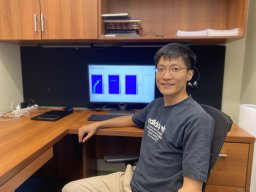 Jiaoshi Zhang (张礁石)合作论文数Hefei Institutes of Physical Science, Chinese Academy of Sciences4
 Fan Mei合作论文数Department of Energy, Environmental, and Chemical Engineering, Washington University3
 Howard Walls合作论文数3David S. Ensor合作论文数3
 Beat F. Schmid合作论文数Pacific Northwest National Laboratory3Jason M. Tomlinson合作论文数Pacific NW Natl Lab, Richland, WA 99352 USA3Chongai Kuang合作论文数Div Atmospher Sci, Brookhaven Natl Lab3jonathan a zingman合作论文数2t l wong合作论文数2gregory s lewis合作论文数2
 Chang-Yu Wu合作论文数College of Engineering, University of Miami;Department of Chemical, Environmental and Materials Engineering, University of Miami2Maynard Havlicek合作论文数2
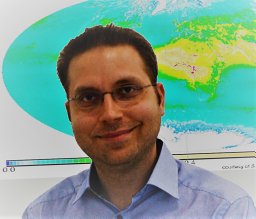 Michael Pikridas合作论文数Climate and Atmosphere Research Centre, The Cyprus Institute2Jean Kim合作论文数2
 Philip Croteau合作论文数Aerodyne Research, Inc.2
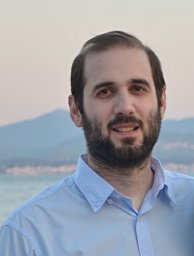 Amanatidis Stavros合作论文数Laboratory of Applied Thermodynamics, Aristotle University2
 Guangjie Zheng (郑光洁)合作论文数School of Environment, Tsinghua University2Arantza Eiguren-Fernandez合作论文数2Sanna Saarikoski合作论文数Finnish Meteorological Institute;Research and Development;Finnish Meteorological Institute2
 Charles Henry合作论文数Walter Scott,Jr College of Engineering, Colorado State University;Burst Diagnostics, LLC2
 Leah Williams合作论文数2Minna Aurela合作论文数2
 Jeffrey L. Collett Jr.合作论文数Department of Atmospheric Science, Colorado State University2Mikhail S. Pekour合作论文数2
 Hilkka Timonen合作论文数Finnish Meteorological Institute;Research and Development;Finnish Meteorological Institute2Kimmo Teinilä合作论文数Finnish Meteorological Institute2Thorsten Hohaus合作论文数Institut für Energie- und Klimaforschung, Forschungszentrum Jülich GmbH2Scott D. Noblitt合作论文数2Robert Yaga合作论文数1yungcheng lo合作论文数1michael p oneill合作论文数1t shafaat合作论文数1cezary pietrzyk合作论文数1Bv Johnson合作论文数1Thomas Tsang合作论文数1Marcel Berg合作论文数1Benedikt Fischer合作论文数1
 Patrick Weber合作论文数1david c lee合作论文数1Sudheer Salana合作论文数Dept Civil & Environm Engn, Univ Illinois1
 A. Shirkhani合作论文数Dept Mech & Aeronaut Engn, Univ Pretoria1




