Hematologic toxicity of vincristine sulfate liposome injection (VSLI) was assessed in 54 patients with metastatic cancer not known to involve bone marrow. VSLI was not associated with clinically meaningful blood count changes when dosed at 2.25 mg/m2 every 14 or 7 days. VSLI could be well suited for combination drug therapy and use in patients unable to tolerate blood cytopenias.
Abstract Introduction Despite significant advances over the past decade in the treatment of CD20+ aggressive Non-Hodgkin Lymphomas (NHL), such as Diffuse Large B-cell Lymphoma (DLBCL), outcomes, particularly in older patients with unfavorable prognositic features, remain unsatisfactory. Vincristine sulfate liposome injection (VSLI; Marqibo®; M) is active as a single-agent and in combination with rituximab in relapsed and refractory lymphomas, and approved in the United States for relapsed and refractory Ph-negative adult acute lymphocytic leukemia. Methods We evaluated VSLI (2.0 mg/m2 without any dose cap) substituted for non-liposomal vincristine (VCR) in R-CHOP (rituximab, cyclophosphamide, doxorubicin, vincristine, and prednisone), creating R-CHMP in 60 patients with untreated DLBCL. The primary endpoint was overall response rate (ORR), defined as the proportion of patients that achieved a complete response (CR), unconfirmed CR (CRu), or partial response (PR). Secondary efficacy endpoints included progression free survival (PFS) and overall survival (OS). Results The ORR was 95% (57/60) including CR in 54 (90%) patients and CRu in 1 (2%) patient. Median PFS and OS were not reached at median follow-up of 8 and 10.2 years, respectively. The 10-year PFS and OS were 64% and 87%, respectively. In the DLBCL patients over the age of 60 years, R-CHMP resulted in an ORR of 91%, 10-year PFS of 48%, and 10-year OS of 65%. In the DLBCL patients age >60 years with an age-adjusted International Prognostic Index (aaIPI) of 2-3, the ORR was 92% (all CR), median PFS was 118 months, and the 10 year PFS and OS were 27% and 50%, respectively. Despite median and maximum cumulative VSLI delivery of VCR of 22.8 mg and 35.2 mg, respectively, the safety profile of R-CHMP was comparable to that reported for R-CHOP. Grade 3 peripheral neuropathy (PN) was reported in 2 (3%) patients, there was no reported Grade 4 PN, and there was no reported Grade 3 or 4 constipation. Conclusions R-CHMP (M = Marqibo) in patients with untreated DLBCL resulted in a high ORR and encouraging PFS and OS without apparent increased toxicity compared to historical experience with R-CHOP. In particular, elderly DLBCL patients with an unfavorable prognosis, based on aaIPI, experienced remarkable PFS and OS. These data compare favorably with previously reported studies in a comparable patient population. This enhanced activity likely reflects VCR dose intensification, pharmacokinetic optimization, and enhanced delivery afforded by VSLI. A randomized Phase 3 cooperative group trial comparing R-CHMP versus R-CHOP in older patients with untreated DLBCL is ongoing. Disclosures: Off Label Use: Marqibo (VSLI) is approved for adults with Ph- relapsed/refractory acute lymphoblastic leukemia. Deitcher:Talon Therapeutics: Employment, Equity Ownership. Silverman:Talon Therapeutics: Employment. Sarris:Inex Pharmaceuticals (nowTekmira): Consultancy. Cabanillas:Inex Pharmaceuticals (nowTekmira): Consultancy.
Summary Vincristine sulfate liposome injection ( VSLI ; M arqibo ® ; M ) is active in relapsed and refractory lymphomas, and approved in the U nited S tates for relapsed and refractory adult acute lymphocytic leukaemia. We evaluated VSLI (2·0 mg/m 2 without dose cap) substituted for non‐liposomal vincristine ( VCR ) in a cyclophosphamide, doxorubicin, vincristine, prednisone ± ritiximab ( CHOP ± R ) regimen, creating CHMP ± R in 72 untreated, aggressive non‐ H odgkin lymphoma patients, including 60 with diffuse large B ‐cell lymphoma ( DLBCL ). The overall response rate was 96% (69/72) including complete response ( CR ) in 65 (90%) and unconfirmed CR in 2 (3%). Median progression‐free survival ( PFS ) and overall survival ( OS ) were not reached at median follow‐up of 8 and 10·2 years, respectively. The 5‐ and 10‐year PFS and OS were 75%, 63%, 87%, and 77%, respectively. Despite VSLI exposure of up to 35 mg, the safety profile of CHMP ± R was comparable to that reported for CHOP ± R . Grade 3 peripheral neuropathy was reported in 2 (3%) patients; there was no reported Grade 3/4 constipation. CHMP ± R was highly active, generally well tolerated, and compared favourably to historical trials with R ‐ CHOP in DLBCL . This enhanced activity probably reflects VCR dose intensification, pharmacokinetic optimization, and enhanced delivery afforded by VSLI . A Phase 3 trial of R ‐ CHMP versus R ‐ CHOP in elderly patients with untreated DLBCL is ongoing.
BACKGROUND:VSLI (Marqibo) is active in advanced non-Hodgkin lymphoma (NHL) and untreated aggressive NHL. Because of its favorable hematologic toxicity profile, VSLI might be useful in patients unable to tolerate myelosuppressive therapies. PATIENTS AND METHODS:Twenty-two patients with heavily pretreated, advanced CD20(+) DLBCL or MCL were treated with VSLI 2.0 mg/m(2), without a dose cap, every 2 weeks plus 4 weekly doses of rituximab 375 mg/m(2). ORR, complete response (CR), or partial response (PR), was the primary end point. Secondary end points included response duration, time to progression (TTP), and OS. Safety variables included adverse events and neurologic assessments. RESULTS:The ORR was 13 of 22 (59%); 6 patients achieved a CR (27%), and 7 patients achieved a PR (32%). Median response duration, TTP, and OS were 147 days, 121 days, and 322 days, respectively. The median number of VSLI doses was 5, the median individual VSLI dose was 3.5 mg, and the maximum cumulative VSLI dose was 43 mg. Grade 3 peripheral neuropathy, febrile neutropenia, and constipation were reported in 4, 2, and 1 patients, respectively. CONCLUSION:VSLI plus rituximab resulted in durable responses in patients with heavily pretreated advanced stage DLBCL and MCL. The toxicity profile was predictable and manageable with limited hematologic toxicity. Despite near-universal previous VCR exposure (96%) and doses of VSLI unachievable with standard VCR treatment, peripheral neuropathy and constipation were modest. This study supports further evaluation of VSLI as a component of DLBCL management.
Vincristine sulfate liposome injection (VSLI,) is a sphingomyelin and cholesterol nanoparticle formulation of vincristine sulfate (VCR) that was designed to overcome the dosing and pharmacokinetic limitations of standard VCR. In contrast to the rapid CL and wide tissue distribution of non-liposomal VCR, VSLI circulates in plasma for a prolonged period of time, with a slow CL of 345mL/h and relatively small V-d of 3,570mL. This facilitates enhanced and prolonged tumor-tissue delivery of VCR. The maximum tolerated dose of VSLI, 2.25mg/m(2) once per week without a dose cap, enables individual and cumulative VCR exposure unachievable with non-liposomal VCR at its labeled dose of 1.4mg/m(2). VSLI is associated with a dose-dependent peripheral neurotoxicity albeit at doses that are two to three times that of standard VCR. VCR dose intensification with VSLI correlated with an increased probability of overall response and a strong trend towards increased complete response in adults with relapsed and/or refractory acute lymphoblastic leukemia. Overall, VSLI improves the therapeutic index by facilitating increased dose intensification while maintaining a predictable and manageable safety profile.
BACKGROUND:Vincristine sulfate liposome injection (VSLI) facilitates vincristine dose intensification and densification, is active in untreated and relapsed lymphoma, and has been approved in the United States for relapsed and refractory acute lymphoblastic leukemia. Cancer- and concomitant chemotherapy-related anemia, neutropenia, and thrombocytopenia in patients with hematologic malignancy have complicated the evaluation of hematologic toxicity related to new drugs.PATIENTS AND METHODS:We assessed the hematologic toxicity of VSLI 2.25 mg/m(2) administered every 14 (cohort 1) or 7 (cohort 2) days in 54 patients with metastatic uveal melanoma, a cancer not known to involve the bone marrow.RESULTS:Cohort 2 received a greater median number of VSLI doses (6 vs. 4) within a shorter median period (5.7 vs. 8.7 weeks), resulting in a larger median cumulative exposure (22.6 vs. 17.7 mg) and near doubling of the median dose density (2.2 vs. 4.0 mg/wk) compared with cohort 1. Despite greater VSLI exposure and dose density, cohort 2 had a lower median decrease from baseline in the neutrophil count and a greater increase from baseline in the platelet count compared with cohort 1. Hematologic adverse events (AEs) were uncommon and mostly grade 1 or 2 in severity. No grade 4 hematologic AEs developed.CONCLUSION:VSLI at its approved dose resulted in a low incidence of clinically meaningful hematologic toxicity. A near doubling of the median dose density did not have an identifiable effect on the reported incidence and severity of hematologic AEs. VSLI could be well suited for use combined with myelosuppresive drugs and for patients unable to tolerate peripheral blood cytopenia.
Abstract Abstract 2457 Background: Standard vincristine sulfate (VCR) plasma pharmacokinetics (PK) is described by a bi-exponential profile with a very short half-life followed by a longer elimination half-life; the volume of distribution is large, suggesting wide and diffuse distribution and perhaps tissue binding. These PK characteristics may limit optimal therapeutic activity of VCR by limiting Cmaxand drug exposure in target tissues involved with cancer. VinCRIStine sulfate LIPOSOME injection (VSLI, Marqibo) is a sphingomyelin- and cholesterol-based nanoparticle formulation of VCR that was designed to be different from and overcome the dosing and pharmacokinetic limitations of standard VCR. The objectives for development of VSLI were to: 1) increase the plasma circulation time; 2) increase tumor tissue delivery by preferential extravasation from fenestrated (“leaky”) vasculature; 3) accumulation in tumor tissues; and 4) slow release of VCR in tumor tissues instead of the systemic circulation. VSLI recently received accelerated FDA approval for use in adults with advanced, relapsed and refractory Philadelphia chromosome negative ALL and is in development for pediatric ALL and aggressive NHL. Methods: The PK and tissue distribution of VCR was evaluated in Sprague-Dawley rats following a single IV bolus dose (2.0 mg/m2) of VSLI or VCR, utilizing 3H-VCR as a marker. The tissue levels of total VCR were measured for up to 72 hours post-dose. PK analysis was performed using noncomparmental methods with the WinNonlin software package. Results: The PK profile and calculated parameters of VSLI in rats showed a substantially lower total vincristine clearance (CL) and volume of distribution (Vdz) and correspondingly greater area under the plasma concentration versus time curve (AUC) compared to standard VCR. VSLI has a long circulation time and remains in the plasma instead of being widely distributed in tissues. For most tissues from VSLI treated animals, tissue to plasma concentration ratios increased over time and peaked at 72 h after VSLI injection, indicating progressive accumulation of radiolabeled drug from plasma into the tissues. The rank order of tissues based on Cmax demonstrated that total VCR concentrations in MPS tissues (i.e., spleen, liver, lymph nodes and bone marrow) and in ovaries were substantially higher than in other organs or tissues. The lowest radioactivity levels were observed in brain, spinal cord, nerves and muscle. Higher exposures, as measured by AUCinf, of VCR were observed in plasma (83 fold), spleen (12 fold), lymph nodes (10 fold), liver (4 fold) and bone marrow (2 fold) following a radiolabeled dose of VSLI compared to VCR. Conclusion: The long circulation time and small, 100 nm, mean nanoparticle size of VSLI facilitate extravasation from fenestrated vasculature and accumulation in tissues involved in hematologic malignancies such as lymph nodes, bone marrow and spleen. Slow release of VCR in target tissues following administration of VSLI results in higher and prolonged tissue drug levels providing superior drug delivery to tissues than the same doses of standard formulation of VCR. Disclosures: Silverman: Talon Therapeutics: Employment. Deitcher:Talon Therapeutics: Employment, Equity Ownership.
Vincristine (VCR) is a mainstay of treatment of hematologic malignancies and solid tumors due to its well-defined mechanism of action, demonstrated anticancer activity and its ability to be combined with other agents. VCR is an M-phase cell cycle-specific anticancer drug with activity that is concentration and exposure duration dependent. The pharmacokinetic profile of standard VCR is described by a bi-exponential elimination pattern with a very fast initial distribution half-life followed by a longer elimination half-life. VCR also has a large volume of distribution, suggesting diffuse distribution and tissue binding. These properties may limit optimal drug exposure and delivery to target tissues as well as clinical utility as a single agent or as an effective component of multi-agent regimens. Vincristine sulfate liposome injection (VSLI), Marqibo(®), is a sphingomyelin and cholesterol-based nanoparticle formulation of VCR that was designed to overcome the dosing and pharmacokinetic limitations of standard VCR. VSLI was developed to increase the circulation time, optimize delivery to target tissues and facilitate dose intensification without increasing toxicity. In xenograft studies in mice, VSLI had a higher maximum tolerated dose, superior antitumor activity and delivered higher amounts of active drug to target tissues compared to standard VCR. VSLI recently received accelerated FDA approval for use in adults with advanced, relapsed and refractory Philadelphia chromosome-negative ALL and is in development for untreated adult ALL, pediatric ALL and untreated aggressive NHL. Here, we summarize the nonclinical data for VSLI that support its continued clinical development and recent approval for use in adult ALL.
Abstract Abstract 4805 Minimal residual disease (MRD) testing in acute lymphoblastic leukemia (ALL) has been primarily used in the frontline treatment setting following achievement of morphologic remission where absence of detectable disease (molecular remission) may predict for a more favorable outcome. Potential utility of post-induction MRD testing in the advanced, relapsed/refractory adult Philadelphia chromosome (Ph) negative ALL setting has not been reported. We assessed MRD in the pivotal Phase 2 RALLY Study (HBS407, NCT00495079) of weekly high-dose (2.25 mg/m2 without any dose cap) vincristine sulfate liposome injection (VSLI, Marqibo®) monotherapy in 65 patients with either B- or T-cell lineage, Ph-negative ALL in 2nd or greater relapse or that had progressed following 2 or more lines of prior anti-leukemia therapy. All patients were heavily pretreated, all had received prior standard vincristine (VCR), 48% had undergone a prior hematopoietic cell transplant, and 43% were refractory to their immediate prior line of therapy. The median bone marrow blast percentage at presentation was 82%. Complete response (CR) or CR with incomplete hematologic recovery (CRi) was achieved in 13 (20%) patients based on principal investigator (PI) assessment (predefined primary endpoint) and in 11 (17%) patients as assessed by an independent response review committee (IRRC). Two patients assessed as CR/CRi by a PI were classified as bone marrow blast (BMB) responders (morphologic remission lacking neutrophil and platelet count recovery) by the IRRC. MRD data from the first bone marrow demonstrating VSLI-induced CR/CRi based on site-specific flow cytometry methodology were available in 12 of the 13 CR/CRi patients. Molecular remission was confirmed in 8 of 12 (67%) patients. Response and VSLI treatment details for the MRD-negative and MRD-positive groups are provided in the table MRD Negative N = 8 MRD Positive N = 4 PI Response Assessment CR 5 1 CRi 3 3 BMB Responder 0 0 IRRC Assessment CR 6 1 CRi 0 3 BMB Responder 2 0 Response Duration, Median (Range) 140 days (32–162) 87 days (35–210) Overall Survival, Median (Range) 230 days (121–321) 203 days (71–327) VSLI Doses, Median (Range) 9 (4–18) 5 (4–10) VSLI Exposure (mg of VCR), Median (Range) 35.9 (17.4–58.6) 20.1 (15.8–33.4) Most (83%) patients who achieved a CR were MRD-negative. Half of the CRi patients, based on PI assessment, were MRD-negative. Both of the BMB responders, based on IRRC assessment, were MRD-negative. Median response duration, overall survival, number of VSLI doses, and cumulative VSLI dose expressed as milligrams of VCR were larger in patients who were MRD-negative. VSLI monotherapy administered as a third-, fourth-, or fifth-line therapy in adults with advanced, relapsed/refractory Ph-negative ALL was able to induce morphologic remission in 13 of 65 (20%) of patients and molecular remission in 8 of 12 (67%) evaluable morphologic remissions. MRD negativity may result from greater VSLI exposure and may be associated with more favorable response durations. MRD assessment may help to determine remission status particularly in patients with morphologic remission and incomplete recovery of either (i.e., CRi) or both (i.e., BMB Response) the peripheral blood platelet count and neutrophil count secondary to extensive prior myelotoxic therapy. Disclosures: Goldberg: Eisai: Speakers Bureau. Silverman:Talon Therapeutics: Employment. Deitcher:Talon Therapeutics: Employment, Equity Ownership.
Abstract Abstract 3568 Background: VinCRIStine sulfate LIPOSOME injection (VSLI, Marqibo®) is a nanoparticle formulation of vincristine sulfate (VCR) that encapsulates the drug in long-circulating sphingomyelin and cholesterol liposomes. The unique pharmacologic properties of VSLI impart superior nonclinical efficacy and pharmacokinetic properties versus standard VCR. Decades of clinical experience with standard VCR has established peripheral neuropathy as the most notable toxicity and one that underpins the common practice of individual dose capping which limits cumulative dosing. We recently conducted clinical trials to support VSLI accelerated approval for the treatment of adults with relapsed and refractory Philadelphia chromosome negative acute lymphoblastic leukemia (ALL). Here we present data on the neurotoxicity profile of weekly VSLI at the approved dose. Methods: Eighty-three subjects received weekly VSLI 2.25 mg/m2as a 1-hour infusion, with no dose cap, for treatment of advanced, relapsed and/or refractory ALL; Sixty-five patients were enrolled in a pivotal, Phase 2 study and 18 patients were enrolled in an expanded cohort in a Phase 1 study. Signs and symptoms of peripheral neuropathy were proactively assessed using a detailed 15-point evaluation. The pooled data from these studies are the primary safety population for VSLI. Neurotoxicity data are presented here in comparison to two published studies that prospectively evaluated standard VCR induced peripheral neuropathy in patients with Hodgkin disease, non-Hodgkin lymphoma or acute lymphoblastic leukemia (Haim et al, Cancer 1994; 73:2515–2519 and Verstappen et al Neurology 2005; 64:1076–1077. Results: The median individual VSLI dose per infusion was 4.1 mg (range 3.1–5.5) and the median cumulative dose was 18.4 mg (range 3.5–70.1). All patients had prior exposure to VCR containing regimens that resulted in 80% of patients entering the studies with Grade 1 or Grade 2 residual neuropathy. The most common neurological adverse events were constipation (56.6%) and peripheral neuropathy (37.3%). Serious adverse events (SAEs) were reported in 76% of patients and were consistent with advanced ALL. The most frequently reported neuropathy-associated SAEs in patients treated with VSLI were peripheral neuropathy (4.8%) and constipation (3.6%). Incidence of paraesthesia, the only neuropathy uniformly reported across VSLI and VCR studies, was greater in the VCR studies than following much higher dosages and dose density (based on BSA of 1.8) of VSLI. Conclusions: Experience with VCR has established a clear relationship between dose intensity and symptoms of peripheral neuropathy. Administration of VSLI at a dose of 2.25 mg/m2with no dose cap did not result in any new or unexpected toxicity. Although neuropathy remains a significant toxicity associated with VSLI, the frequency and severity of neuropathic AEs was no greater than what would be expected from a standard VCR regimen. Despite administration of higher doses and dose density, incidence of peripheral neuropathy following exposure to VSLI was lower than previously reported with standard VCR. This is significant given that the individual and cumulative doses of VSLI were 2–3 fold greater than what is generally achieved with standard VCR. VSLI facilitates increasing the tolerable dose and dose density and may result in improved clinical response with similar or less toxicity than VCR. *On behalf of the RALLY trial investigators Disclosures: Deitcher: Talon Therapeutics: Employment, Equity Ownership. Silverman:Talon Therapeutics: Employment.
Abstract 4300 Background: Adult acute lymphoblastic leukemia (ALL) is a lethal and fulminant disease and one distinct from childhood ALL. There are approximately 2400 new cases per year in the US; approximately 80% of these will be Philadelphia chromosome (Ph) negative. Despite remarkable success in treatment of childhood and adolescent ALL, adult ALL patients are underserved by existing treatment options as reflected by the poor survival rates and extremely poor outcomes in the relapsed setting. Complete response (CR) rates in the front-line setting range from 90% in patients 60 years old and 3-year disease free survival ranges from 47% to 12% respectively. The unmet medical need in adult ALL is most pronounced in those age 60 and older. VSLI was recently granted accelerated FDA approval as a single-agent for the treatment of adults with advanced, relapsed and refractory Ph-negative ALL and has successfully completed a Phase 2 trial as a component of multi-agent therapy. Trial Design: HALLMARQ (NCT01439347) is a Phase 3, multi-national, randomized study to evaluate the substitution of VSLI for standard vincristine (VCR) in the induction, consolidation, and maintenance phases of combination chemotherapy in the treatment of patients ≥ 60 years old with newly diagnosed Ph-negative ALL. The chemotherapy “backbone” utilized in this trial is modified from the Cancer and Leukemia Group B 8811 protocol. Asparaginase product usage is optional. The total duration of protocol-specified therapy is up to 24 months. VCR is dosed at 1.4 mg/m2 with a per dose cap at 2 mg. VSLI is dosed at 2.25 mg/m2without a dose cap. A protocol-specified dose reduction algorithm applicable to both VSLI and VCR will be used to minimize Grade 3 neurotoxicity while also facilitating continued dosing. Growth factors (e.g., granulocyte colony-stimulating factor) and bowel regimens (e.g., daily stool softener) are recommended and will be prescribed according to investigator preference and institutional guidelines. The primary endpoint is overall survival (OS) and the study is powered for superiority. Secondary endpoints include remission rate, overall response rate, event-free survival, and safety and tolerability. Minimal residual disease (MRD) at multiple time points and pharmacokinetic parameters are being assessed. Conclusion: The HALLMARQ Trial will provide new insights into the frontline treatment of ALL in adults ≥60 years old as well as confirm the clinical benefit of VSLI monotherapy demonstrated in the Phase 2 RALLY Study that supported the initial product approval. HALLMARQ is based on a Special Protocol Assessment with the FDA and is currently enrolling. *On behalf of the HALLMARQ investigators. Disclosures: Deitcher:Talon Therapeutics: Employment, Equity Ownership. Silverman:Talon Therapeutics: Employment.
Abstract Abstract 4235 A durable response in advanced, relapsed and/or refractory adult acute lymphoblastic leukemia (ALL) may be defined as remission that results in a meaningful prolongation of life or response that facilitates “bridging” to a subsequent, potentially curative, hematopoietic stem cell transplantation (HSCT). Vincristine sulfate liposomes injection (VSLI, Marqibo®) is a sphingomyelin/cholesterol (SM/Chol) nanoparticle formulation of standard vincristine sulfate (VCR) designed to facilitate dose intensification, prolonged drug delivery and enhanced lymphoid malignancy penetration and concentration without increased toxicity. Recently, VSLI was evaluated in a multi-institutional, Phase 1/2 (VSLI-06; NCT00144963) clinical trial and a multi-national, Phase 2 (HBS407; NCT00495079) clinical trial in a combined 101 adults (median age 31 years [range 18 to 83 years]) with advanced, relapsed and/or refractory ALL. All but 1 patient had Philadelphia chromosome negative disease. Thirteen patients (13%) had extramedullary disease, 37 (37%) had undergone a prior HSCT, and 100% had received at least one prior line of therapy including standard VCR. Study VSLI-06 (N = 36) was a dose-ascending trial of weekly VSLI (1.5 to 2.4 mg/m2) combined with pulse dexamethasone. Study HBS407 was a single-arm trial of weekly single-agent VSLI at the maximum tolerated dose established in VSLI-06 of 2.25 mg/m2. Overall, 19 (19%) patients received VSLI as a first salvage therapy, 57 (56%) patients received VSLI as a second salvage therapy, and 25 (25%) patients received VSLI as a third or greater salvage therapy. All patients had to be deemed ineligible for immediate HSCT in order to enroll in VSLI-06 or HBS407. In the combined study population, the overall response rate (complete remission [CR], CR with incomplete hematologic recovery [CRi], partial remission [PR], and bone marrow blast response [BMB]) was 31% (95% CI: 22–41) with a 20% (95% CI: 13–29) rate of CR+CRi. Despite delivering intensified individual (2.8–5.5 mg) and cumulative (up to 70.1 mg) doses of VCR, VSLI had a similar safety profile to that reported for the approved dose of standard VCR. VSLI enabled bridging to a post-VSLI HSCT in 12 of 65 (18%) patients in HBS407 and 5 of 36 (14%) patients in VSLI06 for a total of 17 of 101 (17%). All 17 post-VSLI HSCT patients were under the age of 60 years. Three of 12 post-VSLI HSCT patients from HBS407 remain alive at greater than 28, 33, and 35 months following VSLI, respectively. All 12 patients lived for greater than 100 days after post-VSLI HSCT. Long-term survival (greater than 12 months) was achieved in 27% of those able to receive post-VSLI HSCT. These outcomes, that are important to patients, may reflect the effectiveness of the VCR dose intensification facilitated by VSLI. The neuropathy associated with the dose intensified VCR administered as VSLI was predictable, manageable, and comparable to that published for standard VCR. The lack of early, pre-day 100, mortality following post-VSLI HSCT suggests that the sphingomyelin-based liposomal formulation did not adversely affect subsequent transplantation procedures. In conclusion, VSLI produced both clinically important endpoints of prolonged survival and achievement of response allowing for a bridge to HSCT for advanced, relapsed and/or refractory ALL. Disclosures: Schiller: Talon Therapeutics: Research Funding. Silverman:Talon Therapeutics: Employment, Equity Ownership. Deitcher:Talon Therapeutics: Employment, Equity Ownership, Membership on an entity’s Board of Directors or advisory committees.
e13005 Background: VSLI is vincristine (VCR) encapsulated in sphingomyelin and cholesterol liposome nanoparticles. VSLI is intended to enhance the dosing intensity and density, pharmacokinetic profile (PK), and cancer tissue penetration and accumulation of VCR. VSLI, up to 5.2 µM, had no inhibitory effect on the in vitro hERG channel assay and no effect on blood pressure or ECG patterns in dogs. Because standard VCR has been anecdotally reported to be associated with QT prolongation, a human cardiac safety evaluation was performed as part of VSLI development. Methods: A subset (N = 12) of subjects enrolled in a phase II multicenter, open-label, single-arm trial evaluating weekly VSLI 2.25 mg/m2 (without dose cap) for untreated metastatic uveal melanoma were monitored for cardiac safety using a 12-lead Holter monitor begun 24 hours prior to the first dose of VSLI and continued for 24 hours after the infusion start. Fridericia’s and Bazett’s correction formulae were used for QTc interval calculations. Abnormal QTcF was ≥460 msec or >60 msec change from baseline. Plasma samples for PK analysis were correlated to ECGs. Results: VSLI infusions of VCR ranged from 2.9 to 6.4 mg. Changes from baseline for key ECG values are provided in the table. No abnormal QTcF were recorded. No cases of first-degree or high-grade AV block were noted. None of the changes described in the table were considered to be clinically significant; therefore, there was no event correlation with PK. Conclusions: There is no evidence that VSLI, despite delivering VCR doses (mg/m2 or total mg) in excess to those routinely delivered with standard VCR, is associated with any potentially clinically significant changes in ECG variables in active cancer patients. The PK of VSLI is distinct from standard VCR and nearly all of the VCR in VSLI remains encapsulated (not free) during plasma circulation. To the best of our knowledge, a formal cardiac safety assessment of standard VCR remains to be reported. Maximum decrease mean ± SD Maximum increase mean ± SD Heart rate, bpm -8.0 ± 10.7 at 2 h 6.9 ± 13.0 at 24 h PR interval, msec -3.5 ± 8.6 at 10 h 10.3 ± 15.3 at 45 m QRS duration, msec -0.2 ± 4.1 at 10 h 3.2 ± 3.5 at 30 m QTcF duration, msec -2.1 ± 14.0 at 24 h 7.0 ± 16.1 at 15 m
Abstract 4247 The accumulated clinical experience with standard vincristine sulfate (VCR) describes a safety profile most notable for the occurrence of a dose-related, symmetrical, sensorimotor and autonomic polyneuropathy. The various manifestations of neuropathy are the usual dose-limiting toxicities associated with standard VCR that limit the extent to which patients can derive clinical benefit from this therapy. Vincristine sulfate liposomes injection (VSLI, Marqibo®) is a sphingomyelin-based, liposomal formulation of VCR designed to intensify dose, prolong encapsulated drug circulation time, and target drug to sites of active cancer. We report here the neurological toxicity profile (Graded using CTCAE criteria v3.0) of weekly, single-agent IV VSLI 2.25 mg/m2 in 83 adult subjects with heavily pre-treated, relapsed and/or refractory acute lymphoblastic leukemia (ALL) and 100% past standard VCR exposure. Neuropathy signs and symptoms were rigorously evaluated at baseline and weekly during VSLI treatment in order to maximize adverse event detection. Findings were compared to baseline (post-standard VCR and before VSLI) neuropathy in the same VSLI treated population and to the best available published neurotoxicity data regarding standard VCR administration. In the study by Haim et al ([1] Cancer 1994; 73:2515–9), 104 VCR-naive patients with lymphoma received multi-agent therapy including standard VCR 1.4 mg/m2 weekly to once every 28 days. In the study by Verstappen et al ([2] Neurology 2005; 64:1076–7), 114 VCR-naive patients with lymphoma received multi-agent therapy including fixed dose standard VCR 2 mg or 4 mg every 3 weeks. Results are provided in the table below. NR = not reported. The baseline frequency of residual neuropathy in adults with ALL treated with weekly VSLI 2.25 mg/m2 was not unexpected considering that all patients received prior standard VCR. The on-study, incremental neuropathy burden was relatively modest. On-study neuropathy rates during and immediately following weekly VSLI 2.25 mg/m2 were comparable to or less than those reported in lymphoma patients receiving standard VCR at 1.4 mg/m2 every 1 to 3 weeks or at a fixed dose of 2 mg or 4 mg every 3 weeks, despite the dose intensification afforded by VSLI. Constipation, the most commonly reported neurological toxicity associated with standard VCR and VSLI, resulted in standard VCR dose reduction in 22% of patients reported by Haim et al compared to weekly VSLI dose reduction in only 5% of patients due to constipation. Frequent neurological assessments combined with a dose adjustment algorithm facilitated continued VSLI dosing in order to induce remission and minimization of Grade 3 or greater neurotoxicity. One VSLI patient developed peripheral motor neuropathy requiring drug discontinuation after 11 weekly doses. In the VSLI study, neurological toxicity was considered predictable and manageable. Disclosures: Schiller:Talon Therapeutics: Research Funding. Deitcher:Talon Therapeutics: Employment, Equity Ownership, Membership on an entity9s Board of Directors or advisory committees.
Abstract Abstract 2592 There are no standard of care or approved treatments specifically for advanced, relapsed and/or refractory adult Philadelphia chromosome negative (Ph-) acute lymphoblastic leukemia (ALL). Pronounced toxicity of multi-agent salvage therapy, residual toxicity in heavily pre-treated subjects, and poor response to prior multi-agent therapy including hematopoietic stem cell transplant (HSCT) may prompt the use of single-agent salvage including investigational agents. We compared the efficacy and early plus induction (30-day) mortality rates for single-agent weekly intravenous vincristine sulfate liposomes injection (VSLI, Marqibo®) 2.25 mg/m2 (no dose cap) in adults with Ph- ALL in second or greater relapse or that had progressed following 2 or more lines of anti-leukemia therapy (RALLY Study, N=65) with those from the not previously described, single-agent (non-VSLI), second salvage, Ph- ALL subpopulation (N=56) from a large published report (O'Brien et al, Cancer 2008; 113:3186–91). Despite inclusion of subjects requiring third and greater salvage therapy in the RALLY Study, the O'Brien single-agent population represents the best historical comparator to the RALLY Study population. The most common of the 28 different agents used in the O'Brien study were vinorelbine (6), clofarabine (5), nelarabine (4), and topotecan (4). No subject in the O'Brien study received single-agent standard vincristine sulfate as second salvage. The table below highlights key characteristics of the two ALL populations as well as key efficacy and toxicity outcomes.RALLY Study VSLI (N=65)O'Brien 2008 Various Agents (N=56)Age (yrs), Median (range)31 (19–83)41 (17–73)Unfavorable Cytogenetics, N (%)33 (50.7)5 (8.9)Prior Lines of Therapy, N (%)Two 32 (49.2) Three 24 (36.9) ≥ Four 9 (13.8)Two 56 (100) Three 0 ≥ Four 0Prior HSCT, N (%)31 (47.7)0Prior Standard Vincristine, N (%)65 (100)56 (100)CR+CRi+PR, N (%)19 (29.2)2 (3.6)CR+CRi, N (%)13 (20.0)2 (3.6)CR+CRi Duration (wks), Median (range)23.1 (4.6–66.1)5 and 14*Overall Survival (wks), Median (range)19.9 (1.9–94.4)7.5 (0–110)Induction (30-day) mortality, N (%)8 (12.3)17 (30.4) Overall, the RALLY Study population was more advanced and heavily pre-treated than the O'Brien population. Despite the poorer prognosis, universal prior standard vincristine exposure, and majority of subjects requiring fourth or greater line therapy, single-agent VSLI 2.25 mg/m2 (no dose cap) resulted in a higher complete response (CR+CRi) rate, complete plus partial response (PR) rate, median complete response duration (* no median was calculated for the O'Brien Population because there were only 2 responders), and overall survival duration than was observed with a variety of third-line single-agent adult Ph- ALL salvage therapies. The median overall survival durations for the RALLY Study subjects achieving CR (7), CRi (6), and PR (6) were comparable. The majority of RALLY Study complete responders had a remission duration sufficient to facilitate a subsequent, and potentially curative HSCT. In fact, 12 (18.5%) of the 65 subjects in the RALLY Study were able to undergo a post-VSLI HSCT and 5 (7.7%) subjects were long-term survivors (post-VSLI survival greater than 1 year). Single-agent VSLI was associated with a more favorable early plus induction (30-day) mortality rate in the RALLY Study than observed in relation to other single-agent therapies. Single-agent weekly VSLI 2.25 mg/m2 has the potential to provide a relatively safe and effective induction treatment and “bridge” to HSCT compared to historical non-VSLI single-agent therapies. Disclosures: Deitcher: Talon Therapeutics: related to an employee with equity ownership. Deitcher:Talon Therapeutics: Employment, Equity Ownership, Membership on an entity's Board of Directors or advisory committees.
6527 Background: In a phase II, multi-national study (RALLY Trial; NCT00495079), 65 adults (median age 32 yrs, range 19 to 83) with Ph-ALL in second or greater relapse or who had progressed after two or more prior lines of treatment received single-agent, VSLI (Marqibo) 2.25 mg/m2 (without dose cap) IV weekly. All subjects were ineligible for immediate HSCT due to refractoriness to prior HSCT or the most recent salvage attempt, poor performance status, and/or insufficient anticipated lifespan. Methods: “Bridging” to HSCT was assessed as a pre-defined study secondary endpoint. Results: Overall response rate was 35% (95% CI: 24-48) with a 20% (95% CI: 11-32) complete response (CR) plus CR with incomplete hematologic recovery (CRi) rate. VSLI, despite delivering individual (2.8-5.5 mg) and cumulative (up to 70.1 mg) dose-intense VCR, had a similar safety profile to that reported for standard VCR. VSLI enabled bridging to HSCT in 11 of 65 (17%) subjects. Seven of the 11 (64%) subjects had undergone at least one pre-VSLI HSCT. Five of the 11 subjects were in CR/CRi at the time of post-VSLI HSCT. Three of 11 subjects remain alive at greater than 28, 33, and 35 mos, respectively, after post-VSLI HSCT. Five of 11 subjects relapsed and died following post-VSLI HSCT. Three of 11 subjects died of HSCT-related complications. All 11 subjects lived for greater than 100 days after post-VSLI HSCT. Conclusions: VSLI produced rapid CR/CRi or disease stabilization and a meaningful “bridge” to HSCT in 11 of 65 (17%) heavily pre-treated near end-stage adults with ALL. Long-term survival (greater than 12 mos) was achieved in 27% of those able to receive post-VSLI HSCT. These unexpected outcomes that are important to patients may reflect the effectiveness of the dose intensification facilitated by VSLI compared to that provided by standard VCR. Post-VSLI HSCT subject characteristic CR/CRi, N = 5 median (range) Non-CR/CRi, N = 6 median (range) Interval from 1st VSLI to HSCT, mos 2.7 (1.5-3.2) 5.0 (2.2-9.0) Cumulative VSLI exposure, mg 30.3 (15.8-41.4) 26.8 (4.0-49.0) OS following 1st VSLI, mos 8.6 (5.3-27.7+) 9.0 (6.3-34.9+)
Abstract Abstract 2142 Background: VCR is an important component of the treatment of ALL, non-Hodgkin lymphoma, Hodgkin's disease, multiple myeloma, and other adult and childhood cancers. In part, because of the cell cycle specific activity of VCR, its anti-cancer activity is believed to be very exposure time and concentration dependent. Standard dosing of conventional VCR (1.4 mg/m2 with a 2 mg cap) is limited because of early onset peripheral neuropathy and fails to achieve sustained VCR delivery. VSLI (Marqibo) is a nano-particle encapsulated formulation of VCR designed to facilitate dose intensification, prolonged drug delivery and enhanced cancer penetration and concentration. Methods: In a pivotal, Phase 2, multi-national study (RALLY Trial), 65 adults with Philadelphia chromosome negative ALL who were either in second or greater relapse or who had progressed after two or more prior lines of treatment received single-agent intravenous VSLI 2.25 mg/m2 (without any dose cap) weekly over 1 hour as salvage therapy. First-dose PK was investigated in a representative subset of 13 study subjects. Blood for analysis was collected at 8 time points ranging from 5 minutes to 48 hours following infusion. Total VCR plasma levels were determined by HPLC-MS/MS. PK parameters were calculated with Phoenix WinNonlin. Results: The PK subject subset had a median body surface area (BSA) of 1.92 m2 (range 1.47 to 2.45 m2) and received a median VSLI dose (VCR component) of 4.32 mg (range 3.3 to 5.51 mg). Based on BSA and the 2 mg dose cap, all subjects in this study group would have been dosed with 2.0 mg of conventional VCR. The median cumulative induction dose of VSLI (VCR component) that was administered in this study was 18.8 mg (range 3.5 to 70.1 mg). Total VCR plasma concentration decreased rapidly from Cmax after the VSLI infusion in 5 subjects (38%); 8 subjects (62%) exhibited a delay of 4 to 10 hours before the total VCR plasma concentration began to decrease. The calculated Tmax was 1.3 ± 0.4 hours (range 1.1 to 2.0 hours). The Cmax was 1214 ± 233 ng/mL (range 919 to 1720 ng/mL). The apparent mean half-life was 7.1 ± 3.2 hours. The mean AUCinf was 13,993 ± 6,588 ng hr/mL with a range from 7,167 to 27,233 ng hr/mL. The mean clearance (CL) was 6.4 ± 2.6 mL/min. The mean volume of distribution (Vd) was 0.051 ± 0.018 L/Kg. There were no significant differences in the PK parameters between the male and female subjects participating in this study. The table below presents VSLI PK parameters in addition to historical PK parameters for conventional VCR dosed at 2 mg. Conclusions: VSLI clearly provides dose intensification and prolonged VCR delivery compared to conventional, non-encapsulated VCR. VSLI, as dosed in this adult ALL clinical trial, delivered individual and cumulative amounts of VCR that exceed those achievable with standard and approved dosing of conventional VCR. This translated into a median dose intensification of 116% (range 65 to 176 percent) calculated as the percent change in VSLI dose from a standard VCR dose. This dose intensification is believed to have contributed to the 35% overall response rate including 20% complete responses (with or without full blood count recovery) reported in this heavily pre-treated, multiply-relapsed/refractory population without apparent enhanced toxicity [J Clin Oncol 28:15s, 2010 (suppl; abst 6507)]. VSLI has a distinctly different PK profile than conventional VCR. The larger VSLI Cmax and AUCinf reflect the dose intensification afforded by a larger mg/m2 dose and lack of dose capping. Even in the absence of dose capping, the 2.25 mg/m2 VSLI dose represents a 61% dose escalation above conventional VCR. While Cmax and AUCinf are dose-dependent PK parameters, the observed differences between VSLI and VCR control cannot be explained by dose alone. The larger AUCinf also reflects prolonged circulation afforded by the sphingomyelin:cholesterol liposome encapsulation. The modest VSLI mean CL and small Vd reflect the retention of encapsulated VCR within the plasma compartment for an extended period of time so that VCR can better penetrate and accumulate in sites of cancer through fenestrated vasculature. The enhanced delivery of encapsulated VCR contributes to maintenance of VCR concentrations above the effective concentration. Disclosures: Silverman: Hana Biosciences: Employment. Deitcher: Hana Biosciences: Employment.
Abstract Abstract 2143 Background: The outcome of adults with relapsed/refractory ALL, and of those whose disease recurs after first salvage, in particular, is extremely poor. Second salvage therapy with single agents has historically produced a complete response (CR) in only 4% of patients. (O'Brien, S, et al. Cancer 2008; 113:3186-3191). Third salvage therapy has not been studied but would be expected to be even less effective. Conventional vincristine sulfate (VCR) is an effective anti-leukemia agent, widely used in the treatment of ALL as part of several intensive regimens. VCR is dosed at 1.4 mg/m2 with a 2 mg cap due to early onset of peripheral neuropathy. VSLI (Marqibo) is a nano-particle encapsulated formulation of VCR designed to facilitate dose intensification, improve duration of drug exposure, and enhance cancer and bone marrow drug delivery. Methods: Two distinct studies investigated VSLI in adult patients with advanced, relapsed/refractory ALL. Study VSLI-06 was a Phase 1/2, multi-center, 36 patient, dose-escalation study to determine safety, maximum tolerated dose, and anti-leukemia activity. Patients received VSLI intravenously (IV) weekly at doses of 1.5, 1.825, 2.0, 2.25 or 2.4 mg/m2 with no dose cap plus dexamethasone 40 mg on days 1–4 and 11–14 of each 4 week cycle. The RALLY Study was a Phase 2, multi-national, 65 patient study of single-agent VSLI (2.25 mg/m2 IV weekly without dose cap) in adults with ALL in second relapse or who had progressed following at least two prior lines of anti-leukemia therapy. All subjects had been previously treated with VCR, and all received at least one dose of VSLI. The median age in both studies was 32 years with a combined range of 19 to 83 years. Other than one subject in VSLI-06, all subjects were Philadelphia chromosome negative. Results: The combined overall response rate was 31% (31 of 101). The combined complete response (CR) rate including CR with incomplete platelet (CRp) or hematologic (CRi) recovery was 20% (20/101). This response rate was consistent across the studies (19.4% and 20%, respectively). Hematologic improvement (HI) was achieved in 4 patients (11%) in VSLI-06 and 9 (14%) in RALLY, thus reducing transfusions and hospital visits. Five patients were able to receive a post-VSLI hematopoietic stem cell transplant (HSCT) in VSLI-06, and 10 patients were able to receive a post-VSLI HSCT in RALLY. The table below summarizes key study characteristics. The most commonly reported safety events in the studies were similar and included constipation, neuropathy, fatigue, nausea, pyrexia, febrile neutropenia, and anemia. Conclusion: These two studies totaling 101 patients with similar populations of advanced relapsed/refractory ALL showed a combined 20% CR/CRp/CRi rate, dwarfing the rate in historical studies. This is particularly encouraging, given that 100% of subjects had received prior VCR and that historical control data were largely in a less heavily pre-treated population. Both VSLI alone and combined with pulse dexamethasone appear to be highly active. In total, 15% of combined study patients were able to “bridge” to HSCT. Use of VSLI in the frontline setting and in combination regimens should further improve ALL patient outcomes. Disclosures: Messerschmidt: Hana Biosciences, Inc.: Employment. Hagey: Hana Biosciences, Inc.: Employment. Deitcher: Hana Biosciences: Employment. Kantarjian: Hana Biosciences, Inc.: Consultancy, Membership on an entity's Board of Directors or advisory committees.
 Jeffrey A. Silverman合作论文数Sunesis Pharmaceuticals, Inc.16
 Jawed Fareed合作论文数Molecular Pharmacology and Therapeutics13
 Hagop M. Kantarjian合作论文数Department of Leukemia, Division of Cancer Medicine, The University of Texas MD Anderson Cancer Center9
 Robert P Giugliano合作论文数Cardiovascular Division, Brigham and Women’s Hospital;Harvard Medical School9
 Omer Iqbal合作论文数Cleveland Clinic Foundation, Loyola University Medical Center9
 Susan M. O Brien合作论文数Division of Oncology, School of Medicine, University of California;Division of Hematology, School of Medicine, University of California;Sue & Ralph Stern Center for Clinical Trials & Research, University of California, Irvine;Chao Family Comprehensive Cancer Center, University of California, Irvine9M Tobu合作论文数9S Cort合作论文数8
 Debra Hoppensteadt合作论文数Loyola University Chicago8Kandice Kottke-Marchant合作论文数7
 Wendy Stock合作论文数Department of Medicine, University of Chicago;Comer Children's Hospital;Duchossois Center for Advanced Medicine, The University of Chicago Medical Center6
 Stephen D. Wiviott合作论文数Levine Cardiovascular Intensive Care Unit, Brigham and Women's Hospital;Harvard Medical School6Biao Lu合作论文数6Marcelo P.V Gomes合作论文数6
 Gary J. Schiller合作论文数Division of Hematology, School of Medicine, University of California6
 Leonard Heffner Jr.合作论文数Department of Hematology and Medical Oncology, Emory University School of Medicine6Gavin Choy合作论文数6
 Teresa L Carman合作论文数6Olivia R Deitcher合作论文数5J Cunanan合作论文数5
 Peter Howard Stone合作论文数Vascular Profiling Research Group, Brigham and Women's Hospital;Harvard Medical School5Lister John合作论文数Department of Medicine, Allegheny Health Network5Deborah A. Thomas合作论文数5Anne E. Hagey合作论文数5
 Marc J Schweiger合作论文数5
 Eugene Braunwald合作论文数Department of Medicine, Brigham and Women's Hospital, Harvard Medical School5M Dugdale合作论文数4VM PARK合作论文数4
 Alma Rodriguez合作论文数4Pr Eisenberg合作论文数4Stephan Moll合作论文数4
 Agop Y. Bedikian合作论文数Department of Melanoma Medical Oncology, University of Texas MD Anderson Cancer Center4
 Corey K Goldman合作论文数4
 Daniel I. Simon合作论文数The Department of Physiology and Biophysics, School of Medicine, Case Western Reserve University;Division of Cardiovascular Medicine, University Hospitals Case Medical Center;Heart & Vascular Institute, University Hospitals Cleveland4
 Stuart Goldberg合作论文数Division of Leukemia, John Theurer Cancer Center, Hackensack University Medical Center;Division of Outcomes and Value Research, John Theurer Cancer Center, Hackensack University Medical Center4Charles P. Semba合作论文数4
 Massoud Leesar合作论文数4SA Limentani合作论文数3Michael A. Goulder合作论文数3J Tuller合作论文数3G Srkalovic合作论文数3AM Kechli合作论文数3Da Hoppensteadt合作论文数3May Wong合作论文数3
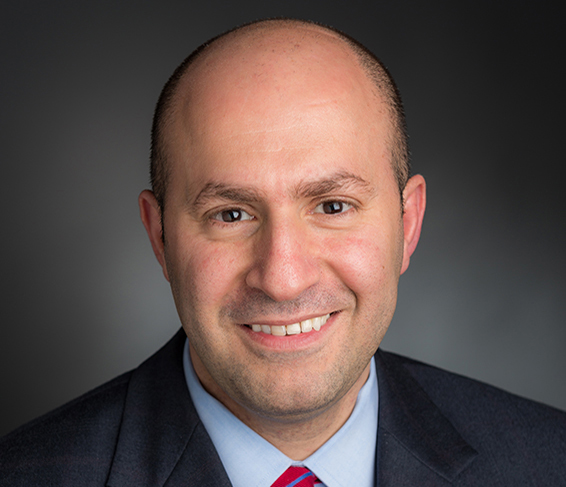 Toni Choueiri合作论文数Lank Center for Genitourinary (GU) Oncology, Dana-Farber Cancer Institute;Harvard Medical School;Brigham and Women's Hospital3Abell T L合作论文数3
 Russell Tracy合作论文数Division of Molecular Epidemiology, Department of Pathology & Laboratory Medicine, Larner College of Medicine, University of Vermont3
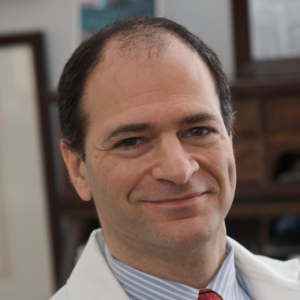 Paul M. Ridker合作论文数Department of Epidemiology, Harvard T.H. Chan School of Public Health, Harvard University;Division of Preventive Medicine, Brigham and Women's Hospital3
 Samuel Zachary Goldhaber合作论文数Division of Cardiovascular Medicine, Brigham and Women's Hospital;Harvard Medical School3




